REVIEW · ALGONQUIN PROVINCIAL PARK
3 Day Algonquin Park Canoe Trip – Moose & Beaver Safari
Book on Viator →Operated by Algonquin Adventure Tours · Bookable on Viator
Moose luck starts with a dawn paddle. This 3-day Algonquin Park canoe trip is built for the deep interior, with small-group travel, hands-on training, and wildlife-focused routes that go well beyond a quick out-and-back day trip. You’ll learn canoe camping skills while also getting time to swim, hike, and just sit with the quiet.
I love the max eight people in the group, because it feels personal and you get real feedback instead of being left to figure things out. I also like that the trip includes a hammock, camping gear, and key canoe safety items, so you spend less time shopping and more time on the water.
One consideration: expect serious bugs. The tour provides bug protection, but strong mosquito seasons happen, so plan for repellent and long-sleeve layers even if you’re a warm-weather person.
In This Review
- Key things to know before you go
- Why This Moose and Beaver Safari Feels Different in Algonquin
- Small Group of 8 and a Real Naturalist Guide
- Canoe Lake Meeting Point at 12:00 pm: What Happens First
- Canoe Training, Then Into the Interior: Day 1’s Best Purpose
- The Big Middle Day: Epic Breakfast, Swimming, Hiking, and Photo Time
- Day 3: The 15 km Return Paddle Gets Easier (In a Good Way)
- Moose and Beaver Odds: How the Trip Actually Helps You See Wildlife
- Fishing and the Reality Check You Should Expect
- Food, Dietary Restrictions, and the Gourmet Camp Angle
- Bugs, Clothing, and Small Safety Details That Matter
- What the Price Covers (and What It Doesn’t)
- Who Should Book This Canoe Camping Safari
- Should You Book the Moose and Beaver Safari?
- FAQ
- How large is the group on this Algonquin canoe trip?
- Where do we meet, and what time does the tour start?
- What canoe and camping gear is included?
- Are meals included, and can dietary needs be accommodated?
- Do I need to bring a fishing kit?
- Will there be mosquitoes, and what should I do about them?
- What is the cancellation window for a full refund?
Key things to know before you go
- Small-group cap of 8 makes coaching practical and keeps camp life calmer
- Canoe + camping gear included reduces the biggest planning headache of canoe camping
- Guides with advanced naturalist training and WFR/food handling mean safer, more confident travel
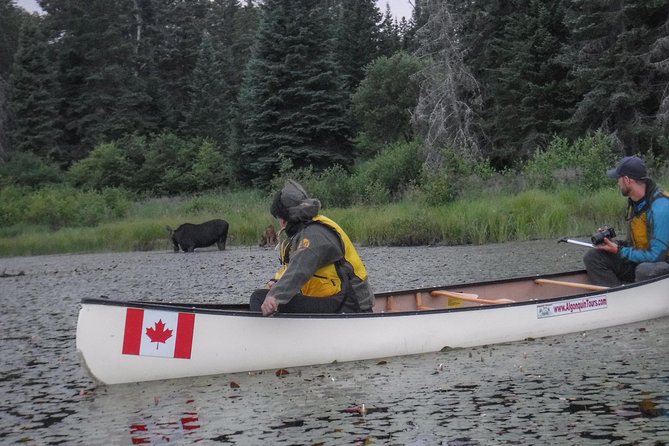
- Moose and beaver spotting targets (90% success) focuses your time, not just your luck
- Bug jacket + mesh dining shelter (if needed) help, but you still want to bring strong repellent
Why This Moose and Beaver Safari Feels Different in Algonquin
Algonquin is famous for day paddles and roadside views, but this trip is made for people who want the backcountry feel. You’re not just sightseeing from the canoe—you’re learning how to travel like a canoe camper, with stops that naturally build confidence.
What makes it especially appealing is that the guide’s role isn’t only safety. You get education tied directly to where you are: local wildlife habits, how to read the water, and how to move through camp and on trail without turning the whole trip into work.
This is also a trip for people who like structure but don’t want a rigid, scripted day. You’ll have clear goals, yet there’s room for downtime—hammock time, swimming in clean lakes, and short hikes.
Small Group of 8 and a Real Naturalist Guide
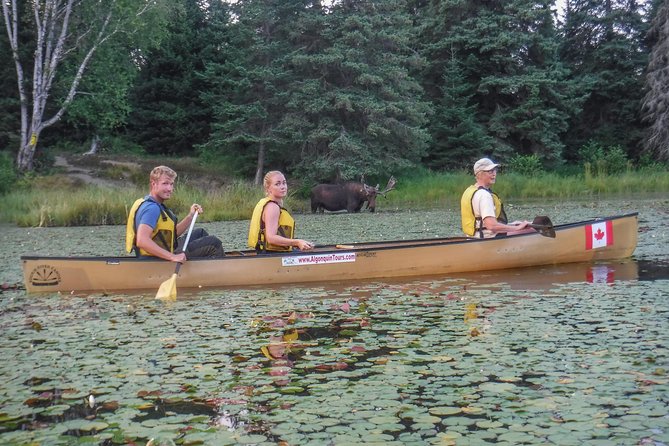
The group stays small—usually eight people with one guide. That matters because canoe technique is not a one-size-fits-all topic. If your stroke needs adjustment, you’ll actually get it, and you won’t spend all day watching someone else paddle.
The guide team is also trained. You’re with a professional guide with advanced naturalist training, plus WFR (wilderness first response) and food handling certification. In a remote park, that combination helps you feel like the trip is run by someone who has thought through both wildlife and practical safety.
If you want a fun tone on top of the competence, you’re in the right place. One guide name that comes up is Andrew, and he’s described as both friendly and witty, with the patience to teach canoe skills.
Canoe Lake Meeting Point at 12:00 pm: What Happens First
You meet at the Canoe Lake Access Point Permit Office on Highway 60 at km 14.1 north (Unorganized South Nipissing District, ON). The start time is 12:00 pm, and the first move is to connect as a group.
Day one begins on Canoe Lake beach, where you meet your guide and get to know the other paddlers over lunch. Then you receive canoe instruction geared to your group’s level. This matters because the trip covers both open-water paddling and portaging routines, so being comfortable early reduces stress later.
The practical part: you’re not expected to show up with a complete system. Canoe gear and camping gear come with the trip, so the only real prep you need is to arrive ready to use it.
Canoe Training, Then Into the Interior: Day 1’s Best Purpose
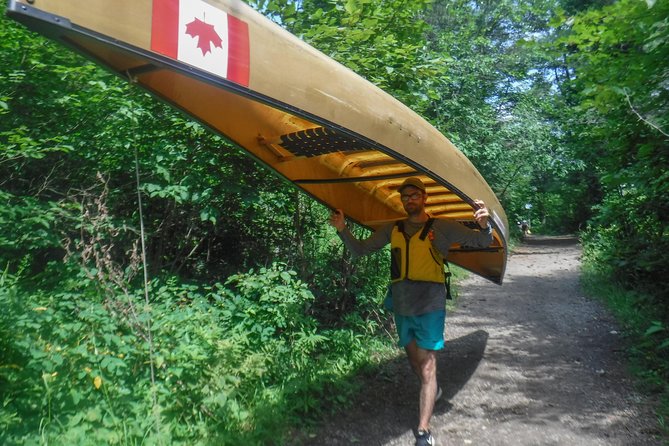
Day one is about getting your footing—literally and paddling-wise. After the initial lunch and training, you paddle together from the canoe access area and head deeper into Algonquin’s backcountry.
This first day usually sets the tone for everything after it. When your group is taught how to handle the canoe and move efficiently, day two feels like a hike through nature instead of a constant fix-the-problems session.
You’ll also learn the rhythm of canoe camping: where your attention goes, how to manage gear, and how your body adapts to paddling and portaging. It’s not just a fun start; it’s the foundation for the rest of the trip.
And because it’s a small group, you’ll get a sense of teamwork fast. Even families and mixed-age groups can fit well here, as long as everyone can handle moderate physical activity.
The Big Middle Day: Epic Breakfast, Swimming, Hiking, and Photo Time
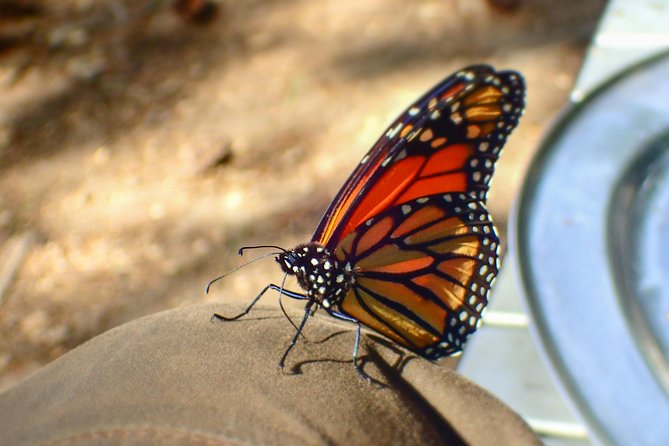
Day two is your long, “do it all” day. It starts with an epic breakfast, then you shift into your paradise-mode backcountry schedule: swim, paddle, read in your hammock, hike, take photographs, and relax to the sound of loons.
A huge part of why I like this day: it gives you permission to slow down. Some canoe trips turn into constant motion. This one still keeps you moving, but you also get time to be present.
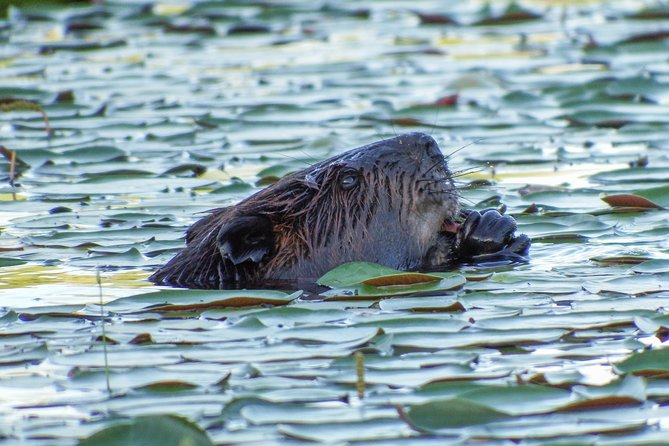
There’s also an active wildlife focus. You spend time looking for animals, and the goal is moose and beaver. One of the most memorable moments highlighted is early-morning canoe time spent searching for moose. That quiet period can be when the park feels most alive.
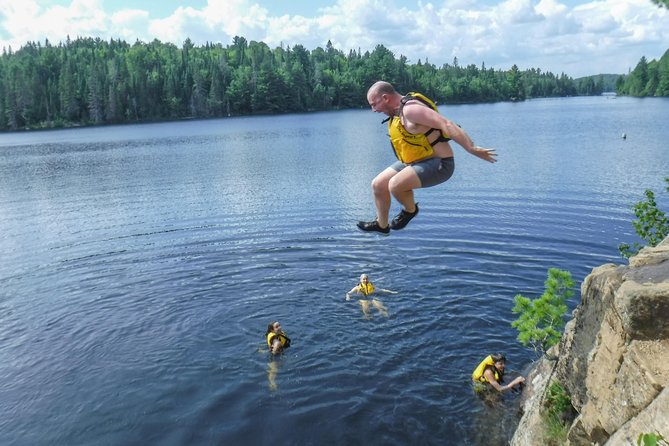
There are also optional and flexible add-ons in the mix. The tour includes swimming in clean lakes and hiking, and it notes cliff jumping as optional. If you like a little adventure, you’ll have a chance to choose it rather than have it forced.
Day 3: The 15 km Return Paddle Gets Easier (In a Good Way)
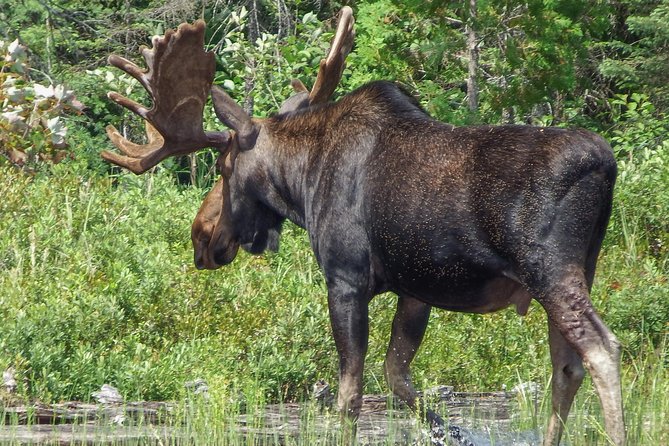
By the third day, you’re not learning from scratch. The trip is designed so you become more confident before you head back.
Pack up supplies while your guide prepares another memorable breakfast, then you start the paddle back to Canoe Lake, about 15 km. Because you’ve already practiced technique and settled into group flow, that return paddle tends to feel more manageable than day one did.
This is where the whole trip “clicks.” You’re not thinking about how to hold your paddle. You’re watching water and shorelines for wildlife cues. You’re also noticing the small improvements in your pace and endurance.
At the end, the activity finishes back at the meeting point, so you’re not stuck with extra travel puzzles after three days of outdoor living.
Moose and Beaver Odds: How the Trip Actually Helps You See Wildlife
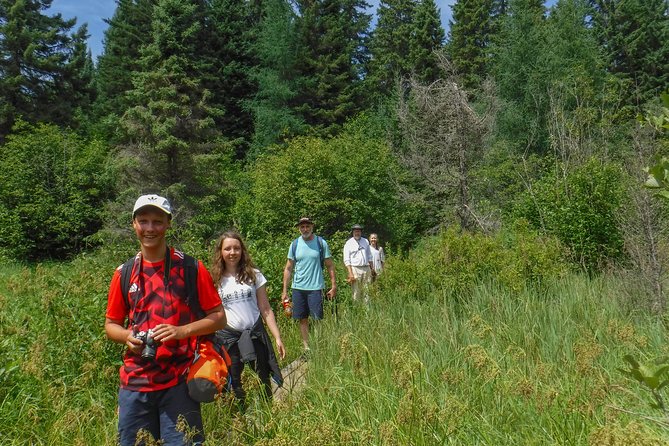
Wildlife spotting is always part chance, part timing, and part strategy. This trip works on all three.
First, it’s intentional. The included wildlife observation is listed with 90% success for moose and beaver. That doesn’t mean you’ll see them every single trip, but it tells you the route and pacing are planned for animal chances, not just scenic cruising.
Second, your guide brings local insight. With advanced naturalist training, they can point out what to look for and what kind of behavior tends to show up at certain times. The early-morning moose search idea fits perfectly here—when the park is quieter, animals are more likely to reveal themselves, and you can read signs better.
If moose and beaver are your top priorities, this is the right style of trip. You’re spending time on observation instead of filling the schedule with distant diversions.
Fishing and the Reality Check You Should Expect
Fishing is part of the tour’s theme. The trip lists great bass and trout fishing with 90% success, with a note to bring your own kit or rent one.
The practical take: even with good odds, you’ll still need to be patient and accept that you’re in remote nature first. If you’re a serious angler, you’ll want to bring what you’re comfortable using. If you’re flexible, rent options can reduce gear weight.
Also remember this is a canoe camping experience. Your main goal should be travel, learning, and wildlife. Fishing fits in when conditions allow, not when it forces the trip to revolve around your rod.
Food, Dietary Restrictions, and the Gourmet Camp Angle
Food is handled as part of the overall experience, not just fuel. The tour includes gourmet camp cuisine with organic produce from a local farm, plus camp meals across your days.
What’s especially helpful is that dietary restrictions are supported with clear options. Vegetarian, nut free, lactose free, and no pork can be accommodated if you advise in advance. For more complex needs—vegan and gluten free—you can arrange it for $50 CAD plus 13% tax by contacting in advance.
If you have medical conditions or serious allergies like diabetes or heart issues, you should flag them early. In backcountry settings, communication is the difference between “possible” and “reassuring.”
One more real-world detail from the tone of feedback: camp food is described as simple and tasty, with an overall sense of good planning. When a trip gives you consistent meals, your body can actually enjoy paddling and hiking instead of paying for hunger later.
Bugs, Clothing, and Small Safety Details That Matter
Algonquin can be hard on skin and patience, and this trip doesn’t pretend otherwise. Mosquito pressure can be strong, and one tip that shows up clearly is that DEET over 30% is a must when bugs are bad.
The good news is that the tour also helps you fight back. You get a bug jacket for each participant, and there’s a mesh dining shelter if required. That combination makes a real difference at meal time, when you’re sitting still and letting mosquitoes do their thing.
On top of that, safety items are included: life jackets, a safety kit, and canoe gear sized for shared paddling (canoes for 3 people). You’re not piecing together safety from scratch.
So your job is simple:
- bring repellent you trust
- pack layers for changing conditions
- be ready for long outdoor days even when you think you’re only going to “hang out”
What the Price Covers (and What It Doesn’t)
At $555.96 per person, this is not cheap, but it’s also not a bare-bones paddle lesson. You’re paying for a guide, small-group time, and the full canoe camping setup.
Included value highlights:
- canoe and paddle gear, plus life jackets and safety kit
- camping gear: tent, sleeping bag with fresh liner, pillow, and an air pad (with a foam option for heavier participants)
- hammock for each participant
- best campsites, parking, and camping permits
- wildlife observation focus (moose and beaver)
- gourmet camp cuisine and high-quality tour photos (via Facebook)
Costs that aren’t included:
- guide tip (5–10% of the tour cost; bring cash)
- flashlight and towel (rentable)
- fishing kit (bring or rent)
- backpack or duffle bag (rentable)
There’s also one cost add-on to note for certain diets: vegan and gluten free arrangements come with the $50 CAD plus 13% tax figure.
If you’re comparing value, think about what you’d spend to rent or buy everything for a 3-day canoe camping trip. When gear, permits, and instruction are bundled, your money goes toward experience instead of equipment logistics.
Who Should Book This Canoe Camping Safari
This trip fits best if you want:
- real learning on canoe technique and portaging routines
- a wildlife-first pace with structured observation time
- comfort with moderate physical activity (it’s not described as extreme, but it’s still outdoors for days)
- a small-group vibe where you can talk and improve without feeling crowded
It also works well for families in the right setup, since the group format supports mixed ages. The key is that everyone in your party can handle paddling and being outside for long days.
If you’re the type who wants everything optimized for minimal effort, you might find canoe camping tiring. But if you’re comfortable with the idea of active nature time, this is a strong choice.
Should You Book the Moose and Beaver Safari?
I’d book it if moose and beaver spotting are high on your list and you like the idea of learning skills instead of just buying a ticket for scenery. The small-group size, trained guide support, and the included gear make it easier to do this kind of trip well.
I’d hesitate if you’re highly bug-sensitive or you dislike long outdoor days. Still, the tour’s bug jacket support and the strong repellent advice give you a path to manage that risk.
If you want authentic Algonquin time—canoe, camp, wildlife focus, and a guide who helps you pay attention—this is the kind of trip that turns the park into more than a photo stop.
FAQ
How large is the group on this Algonquin canoe trip?
The trip is limited to a maximum of 8 travelers, with 1 guide.
Where do we meet, and what time does the tour start?
You meet at the Canoe Lake Access Point Permit Office on Highway 60 at km 14.1 north, Unorganized South Nipissing District, ON. The start time is 12:00 pm, and it ends back at the meeting point.
What canoe and camping gear is included?
Included gear covers canoe and paddles (with life jackets and a safety kit), plus camping gear such as a tent, air pad (with foam if over 120 kg), sleeping bag with fresh liner, and pillow. Hammocks and bug jackets are also included.
Are meals included, and can dietary needs be accommodated?
The tour includes gourmet camp cuisine with organic produce from a local farm. Vegetarian, nut free, lactose free, and no pork can be accommodated if you advise in advance. Vegan and gluten free can be arranged for $50 CAD plus 13% tax (contact in advance).
Do I need to bring a fishing kit?
You can bring your own fishing kit or rent one. The tour notes good bass and trout fishing odds.
Will there be mosquitoes, and what should I do about them?
Mosquito pressure can be significant. The trip provides a bug jacket for each participant, and one strong recommendation is to bring DEET over 30% for better protection.
What is the cancellation window for a full refund?
You can cancel up to 3 days in advance for a full refund. If you cancel less than 3 full days before the experience’s start time, the amount paid is not refunded. The experience also depends on good weather and a minimum number of travelers.