REVIEW · SWAKOPMUND
3 Day Etosha Budget Camping Safari
Book on Viator →Operated by Chameleon Safaris · Bookable on Viator
If you like animals and you like sleeping outside, this one hits. Etosha flood-lit waterholes and the small-group feel (max 7) make it special, and I also like that you get both a first afternoon drive and a full day of early viewing. The one real downside: camping gets cold fast if you show up with a weak sleeping bag.
You’ll be picked up in Swakopmund and driven into Namibia’s Etosha National Park for two nights of camping, including meals cooked for you in camp. Then you’ll roll back toward Windhoek with a short stop at the Okahandja wood carving market, aiming to arrive in the late afternoon.
In This Review
- Key points before you go
- Swakopmund to Etosha: a straightforward route that saves energy
- Etosha National Park game drives: why the timing really matters
- Day 1: arriving in time for an afternoon drive
- Day 2: sunrise starts for better odds
- The flood-lit waterhole nights at Okaukeujo
- Camping in Etosha: fun, but plan for cold nights
- Food on safari: cooked meals make the budget work
- Guides and small-group dynamics: getting more than just driving
- Okahandja craft market on the way back to Windhoek
- Price and value: what you’re paying for at $634.56
- Who should book this Etosha budget camping safari?
- Should you book this safari?
- FAQ
- Where does the safari start and end?
- How long is the safari, and what days does it run?
- What is the price per person?
- How many people are in the group?
- What meals are included?
- Are drinks and snacks included?
- Do I need to bring a sleeping bag?
- Is Etosha National Park admission included?
- Is there Wi-Fi at camp?
- What is the cancellation policy?
Key points before you go
- Small group size (up to 7) means more time with your guide and less waiting around
- Two big game-drive windows: late-afternoon from the gate, then sunrise-to-daylight hunting for predators and prey
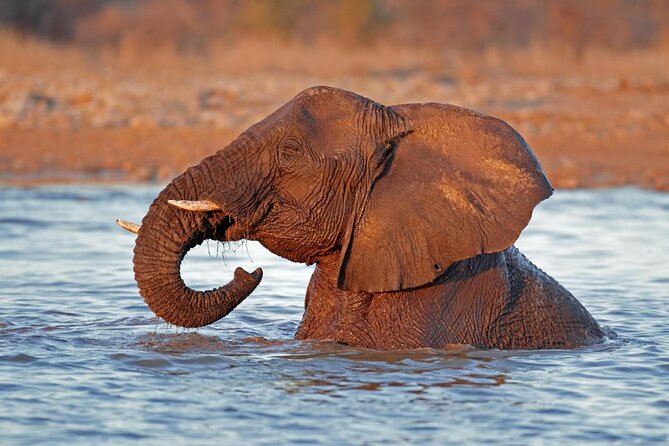
- Flood-lit waterhole nights at Okaukeujo are a classic Etosha move, especially for easy sightings
- Camping style, not luxury: tents are set up, but your sleeping bag choice matters
- Meals included (breakfast, lunch, dinner) help keep this budget-friendly
- Okahandja craft market stop gives you a practical souvenir moment on the way back to Windhoek
Swakopmund to Etosha: a straightforward route that saves energy
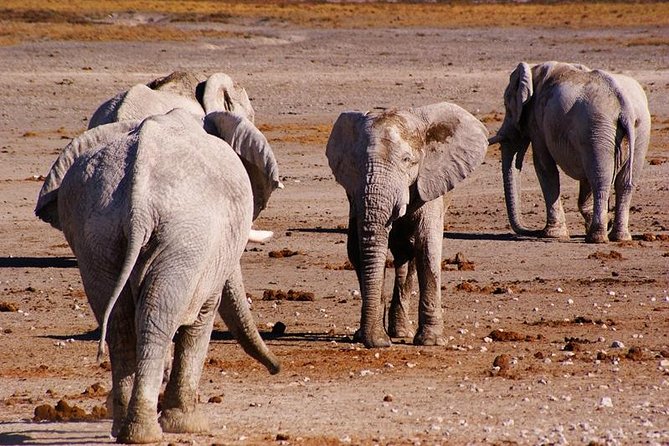
This is a 3-day, 2-night budget camping safari that starts in Swakopmund (every Saturday) and ends Monday afternoon in Windhoek. You’re collected from your accommodation in Swakopmund in the morning, and the plan is to reach the Etosha gate in time for an afternoon game drive from the gate to camp.
Why I like this approach: long travel days can be rough. Here, you’re not stuck in a vehicle for days before you see wildlife. The schedule gives you a usable first window as soon as you arrive—helping you decompress and start spotting animals right away.
You also get a clear end point: back to Windhoek with drop-off at your accommodation within the city limits. That’s convenient if you’re mixing this safari with the coast, dunes, or other Namibia stops.
Etosha National Park game drives: why the timing really matters
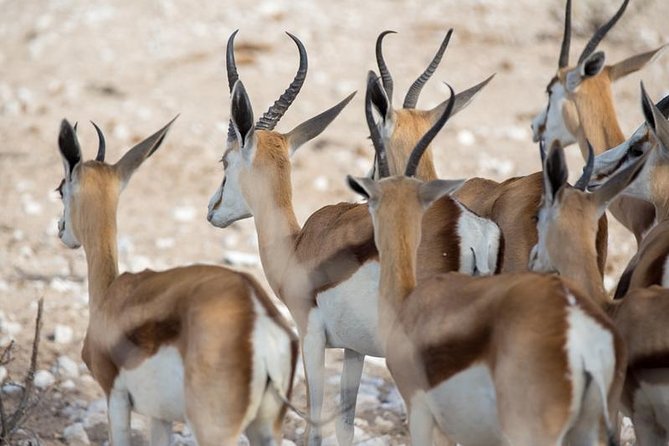
Etosha is big—about 22,000 square kilometers—and it rewards the right times of day. The driving rhythm here is built around that fact.
Day 1: arriving in time for an afternoon drive
On your first day, you’re aiming to be at the gate by around 16h00, then driving onward to your camp. Afternoon light often brings a different animal mood than early morning. You might see grazers working their way around, plus predators timing movement. Even if sightings aren’t constant, the scenery and animal behavior are active enough to make that first drive worth it.
One practical tip: bring something warm even if it feels fine in town. By the time you’re in the park, temperatures can drop quickly.
Day 2: sunrise starts for better odds
Day 2 is where the day really gets packed. The gates open at sunrise, and the plan is to head out as the sun breaks the horizon. Early morning is usually productive because it’s cooler and animals move with less heat pressure.
The focus is also smart for a desert park: water is scarce, and Etosha’s waterholes—natural and man-made—act like magnets. Your game-driving technique is to visit multiple waterholes during the day, letting the animals come to you rather than gambling on random sightings.
In plain terms: sunrise plus waterholes is a great combo for a short safari. You don’t need a week to start feeling like Etosha is delivering.
The flood-lit waterhole nights at Okaukeujo
This is one of the most loved parts of the experience, and it makes sense. Your evenings revolve around a flood-lit waterhole, where you wait in camp-like comfort while wildlife filters in.
From the info you’re given, you’ll spend time at the waterhole each night after dinner. One of the guides’ favorites is the Okaukeujo floodlit waterhole, described as famous—exactly the kind of place where even a casual observer can score sightings.
Why it’s such good value:
- You’re not spending the entire night driving.
- The wildlife tends to show up on schedule because they need water.
- Your “search time” becomes more predictable.
And there’s a bonus side effect: you’ll get a proper break from screens. One review noted there’s no Wi‑Fi at camp, only at the bar/restaurant. So if you like stargazing, expect a sky full of stars instead of a battery full of apps.
Camping in Etosha: fun, but plan for cold nights
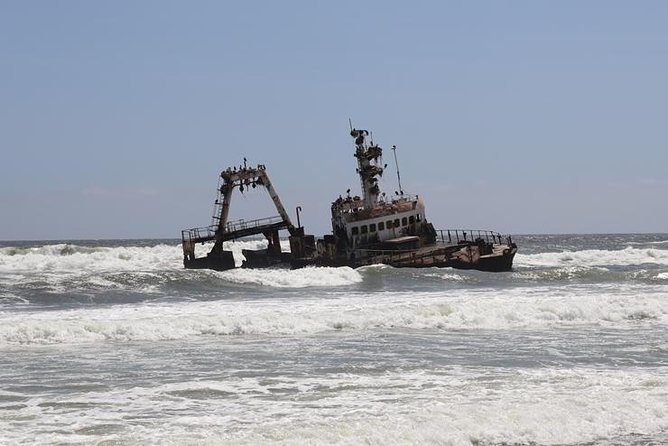
This safari is camping, and the reviews back up that it’s generally comfortable—but the word to respect is cold.
Tents are part of the package, and the camp setup is described as well equipped. People also talk about how enjoyable it is to listen to animals at night, which is part of why camping safaris feel more real than lodge stays.
But here’s the practical reality check: a sleeping bag that’s not warm enough can turn the experience from charming to miserable. One reviewer explicitly said they were cold because their sleeping bag wasn’t warm enough, and the tour info also notes that sleeping bags can be hired from Chameleon Safaris.
So before you go:
- If you don’t own a proper warm sleeping bag, ask about hiring.
- Pack layers for evenings at the waterhole.
- Expect mornings to feel crisp.
Food on safari: cooked meals make the budget work
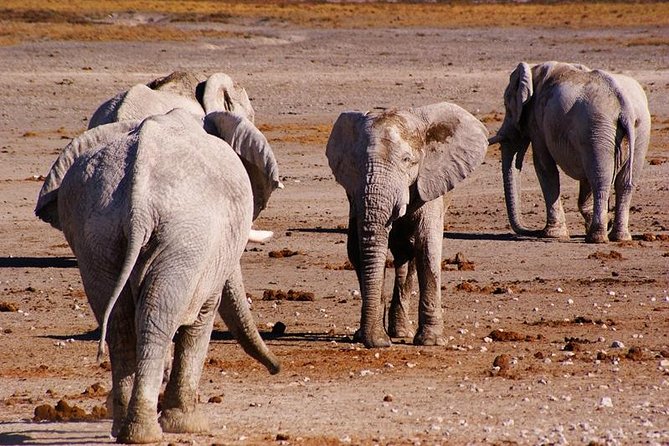
This is one of the simplest ways to judge value on a budget safari: what happens between game drives.
Meals included are: breakfast (2), lunch (3), and dinner (2). That matters because drinks and snacks are not included, and you’ll want full energy for early starts. People also praised the food, including comments about excellent cooking and even standout meals like steak.
The guides clearly handle meals as part of the experience, not as a last-minute afterthought. On safari, that can be the difference between feeling like a group is “being transported” and feeling like you’re actually cared for in the field.
One small note: drinks (including mineral water) and snacks are not included, so plan on budgeting for those separately.
Guides and small-group dynamics: getting more than just driving
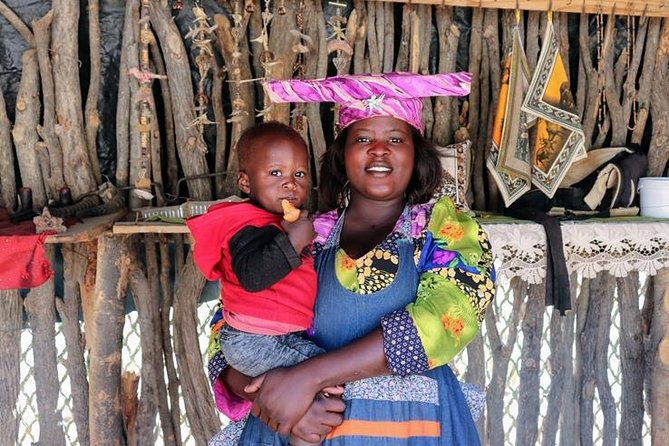
A 3-day safari lives or dies on your guide’s skill and vibe. Here, you’re traveling with a team from Chameleon Safaris, and multiple guides’ names show up in the experience: Simon, Anton, Gabriel, Johnny, and Anthony.
Across the feedback, the common themes are:
- Good animal-scanning and safe driving
- Friendly, flexible personalities
- Cooking competence in camp
- An ability to make the group feel like you’re traveling together, not waiting for a schedule to pass
Because the group max is 7 travelers, you don’t feel lost in a crowd. On game drives, that matters—fewer people means less crowding at windows, and it’s easier to hear instructions and spot what the guide is aiming you at.
Okahandja craft market on the way back to Windhoek
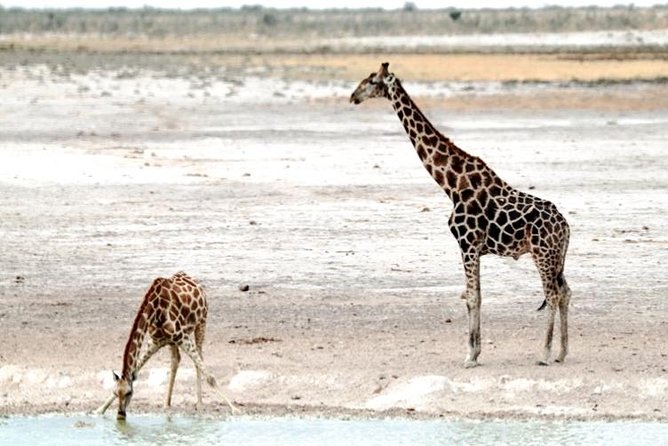
On the final day, you’ll break camp, then do a game drive toward the park exit—hoping for predator and plains game sightings before you head south to Windhoek.
Then comes the quick cultural stop: Okahandja, with a brief refuel stop and time at Namibia’s largest wood carving market. You can pick up souvenirs from artisans across Namibia, including both large and small items.
This is a practical stop for two reasons:
- You don’t arrive in Windhoek empty-handed or stuck scrambling for last-minute gifts.
- Buying directly at a market where artisans gather helps keep the souvenir part grounded in real local craft.
Price and value: what you’re paying for at $634.56
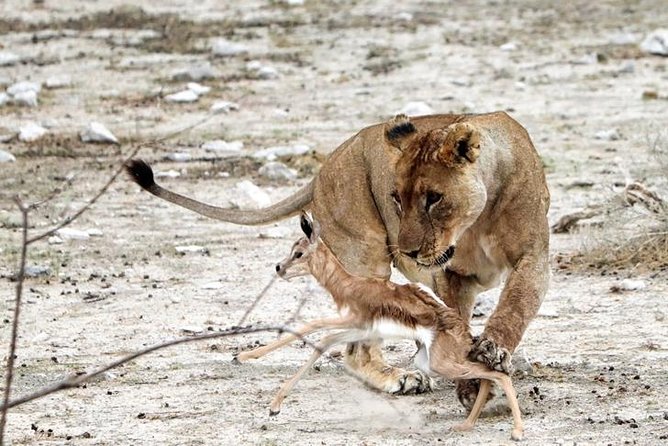
At $634.56 per person, the price is doing a lot of work in a short time.
What you get for the money:
- Park access via admission tickets included (noted for Day 1 and Day 2)
- Meals across the two nights (breakfast, lunch, dinner)
- A guided experience with driving, game-spotting, and camp cooking
- Camping with tents included
- A structured end with drop-off inside Windhoek city limits
- Mobile ticket format
What you don’t get:
- Drinks and snacks
- Sleeping bag (but rental is available)
- Tips
So the “value math” is really about tradeoffs. This isn’t paying for high-end lodges. It’s paying for time in Etosha, guided drives, and meals so you can keep costs under control. If you’re okay with camping and you budget for your extras (water, snacks, warm gear), the price fits the type of safari you’re actually buying: efficient, focused, and wildlife-first.
Who should book this Etosha budget camping safari?
This fits best if you:
- Want the Etosha experience without lodge pricing
- Enjoy camping nights and the outdoors vibe
- Like early mornings and are willing to travel with a tight schedule
- Want a small group tour (max 7) rather than a big bus full of people
- Are the type who’ll enjoy waiting at a flood-lit waterhole rather than chasing constantly
It may not be your best match if:
- You hate cold nights and don’t have a warm sleeping bag (plan a rental)
- You need Wi‑Fi at camp (it’s not available there, based on one review)
- You’re expecting drinks included (they aren’t)
Should you book this safari?
I’d book it if you want a real, no-fuss Etosha safari that gives you the big moments: afternoon arrival drive, a sunrise day, and flood-lit waterhole evenings—with solid camp food and a guide team that clearly takes pride in the experience. The small group size helps, and the Okahandja stop is a smart, easy souvenir win.
But I’d hesitate if cold sleep is a dealbreaker for you. Fix that before you go: bring (or rent) a genuinely warm sleeping bag, and you’ll turn the camping part into one of the memories instead of a problem.
FAQ
Where does the safari start and end?
It starts in Swakopmund and ends in Windhoek. You’ll be dropped off at your accommodation within the Windhoek city limits.
How long is the safari, and what days does it run?
It’s 3 days and 2 nights. It starts every Saturday and ends Monday afternoon.
What is the price per person?
The listed price is $634.56 per person.
How many people are in the group?
The maximum group size is 7 travelers.
What meals are included?
Breakfast is included for 2 days, lunch for 3 days, and dinner for 2 days.
Are drinks and snacks included?
No. Drinks (including mineral water) and snacks are not included.
Do I need to bring a sleeping bag?
Sleeping bag use is not included. It can be hired from Chameleon Safaris.
Is Etosha National Park admission included?
Admission tickets are included for the safari days that include park entry (Day 1 and Day 2). Day 3 is listed with admission ticket free.
Is there Wi-Fi at camp?
One review notes there is no Wi‑Fi at the camp, with Wi‑Fi only mentioned at the bar/restaurant.
What is the cancellation policy?
It is non-refundable and cannot be changed for any reason. If you cancel or request an amendment, the amount you paid will not be refunded.