REVIEW · GRAND CANYON NATIONAL PARK
3 Hour Off-Road Sunset Safari to Grand Canyon with Entrance Gate Detour
Book on Viator →Operated by Grand Canyon Jeep Tours & Safaris · Bookable on Viator
A sunset at the Grand Canyon hits different. This 3-hour 4WD sunset safari uses back roads to reach the South Rim with less crowd pressure, then times the last light for Grandview Point. You’ll also get a guide who connects geology and local life, from rock layers to Native American history.
I like the route-first approach. The south entrance gate detour and off-road drive help you skip the long, slow lines, and the Kaibab-area stops are set up to keep you looking outward, not parked in one spot. I also like that it stays small, with a maximum of 12 people, and guides like Mark, Marc, Tyler, Sheila, Werner, Raymond, and Audrey bring plenty of on-the-ground stories.
One thing to keep in mind: it’s an outdoor vehicle experience, and when it gets windy or cold, you’ll feel it. One guest even noted needing wind flaps later in the trip to get comfortable, so bring a warm layer even if the morning is pleasant.
In This Review
- Key Things I’d Put on Your Must-Do List
- Sunset Jeep Safari: Less Traffic, More Canyon Time
- The 3-Hour Timing That Actually Gets You Sunset
- Pickup in Tusayan and the Small-Group Vibe
- The 4WD Off-Road Gate Detour: What It Adds to Your Day
- South Rim First: Geology, Human Stories, and Wildlife Along the Way
- Yavapai Point Stop: The Classic View With Real Context
- Pipe Creek Vista: A Quieter Stretch for Canyon Details
- Grandview Point: Where the Colors Shift Fast
- Wildlife Odds: What You Can Expect (and What You Can’t)
- Price and Value: Is $133.34 a Good Deal?
- What to Pack for a Sunset in the Open Air
- Who This Tour Fits Best
- Guides Make a Difference, and This One Has Strong Ones
- Should You Book This Grand Canyon Sunset Jeep Tour?
- FAQ
- How long is the Off-Road Sunset Safari?
- What time does the tour depart?
- How many people are in the group?
- Where does pickup happen?
- What’s included in the tour price?
- What is not included?
- Is there a mobile ticket?
- Is the tour vehicle open-air?
- Can I bring a service animal?
- What if the tour has fewer than the minimum travelers?
Key Things I’d Put on Your Must-Do List
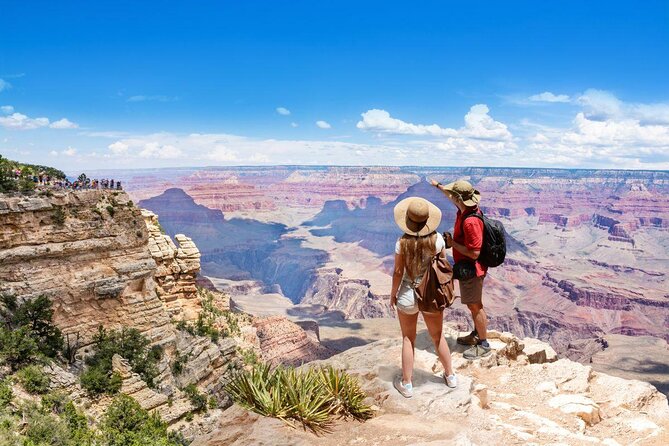
Back-road access to the South Rim at sunset without the usual south gate slog.
Four main photo stops timed across the rim viewpoints, ending at Grandview Point.
Wildlife spotting in Kaibab-area habitat with chances to see elk, deer, and even rare birds.
Small group size (12 max) that makes it easier to hear your guide and take photos.
Bottled water included for a shorter, easier 3-hour window.
Sunset Jeep Safari: Less Traffic, More Canyon Time
If you have limited time in Grand Canyon Village, this tour is built for a very practical goal: see the South Rim at golden hour without turning your day into a waiting game. You’re departing about two hours before sunset, so you’re not just late-afternoon strolling with everyone else. You’re driving in, making stops, and finishing when the colors actually shift.
The big “why this works” is that you’re not funneling through the busiest entrance experience. The tour is designed around a road less traveled approach and includes a 30-minute off-road excursion linked to a gate detour. Translation: more motion toward the views, less time stuck in lines.
You can also read our reviews of more tours and experiences in Grand Canyon National Park.
The 3-Hour Timing That Actually Gets You Sunset
Grand Canyon sunsets have one problem: the best light doesn’t wait for anyone. This tour leaves two hours before sunset, which gives your guide enough schedule to hit multiple overlooks before the canyon turns into that fiery, changing-red scene people chase.
You’ll start with time at the South Rim, then move through viewpoints such as Yavapai Point and Pipe Creek Vista, and then land at Grandview Point for the main event. The plan is simple but effective: don’t rush the sunrise crowd; instead, build the evening in phases so you’re not sprinting for the final 30 minutes.
Pickup in Tusayan and the Small-Group Vibe
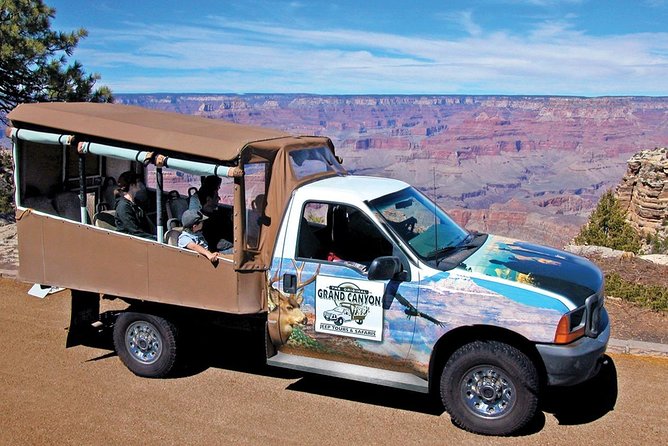
This one is friendly for logistics. You get pickup and drop-off in downtown Tusayan, and the tour ends back at the meeting point in Grand Canyon Village at 408 AZ-64. If you’re staying in or near Tusayan, that saves you the hassle of self-driving and parking at the worst times.
The group size matters more than people think. With up to 12 travelers, you’re not fighting for window space or getting steamrolled by a big bus crowd. It also makes it easier for your guide to keep you on track at every stop, especially when everyone wants the same photo angle at the same time.
The 4WD Off-Road Gate Detour: What It Adds to Your Day
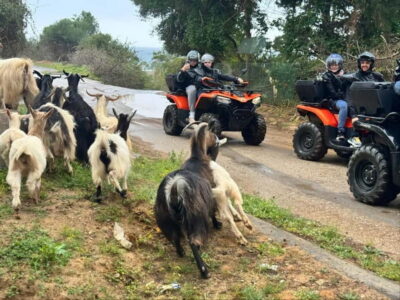
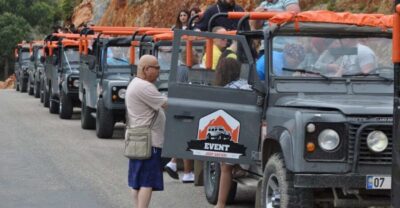
The standout driving element here is the off-road angle used to bypass the busier south entrance gate experience. During the 30-minute off-road excursion, you’ll be in a comfortable 4WD safari vehicle, moving along scenic back roads and through forested stretches tied to the Kaibab area.
What you should expect: a bumpy road feel is possible, especially in the first part of the drive. At least one guest mentioned the ride can feel rough early on, so if you’re sensitive to motion or have any comfort needs, it’s worth planning for it. Bring a light layer, keep your footing steady at stops, and keep your camera strapped in.
South Rim First: Geology, Human Stories, and Wildlife Along the Way
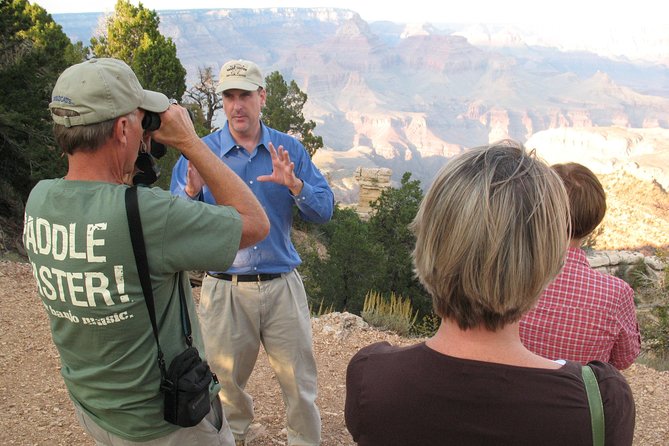
The heart of the tour begins at the Grand Canyon South Rim. This is where your guide does the heavy lifting: explaining the canyon’s geological formations and tying it to human and Native American history in the region. You’ll also learn how the area fits into the bigger story of mule and hiking trail systems.
One of the best parts is that your rim time isn’t just staring. The guide’s stories help you “read” what you’re seeing. For example, when you understand how layers stack and how erosion shapes the views, every overlook stops feeling repetitive.
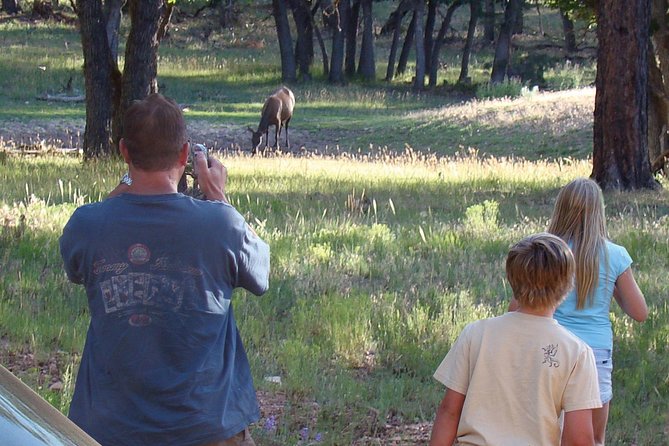
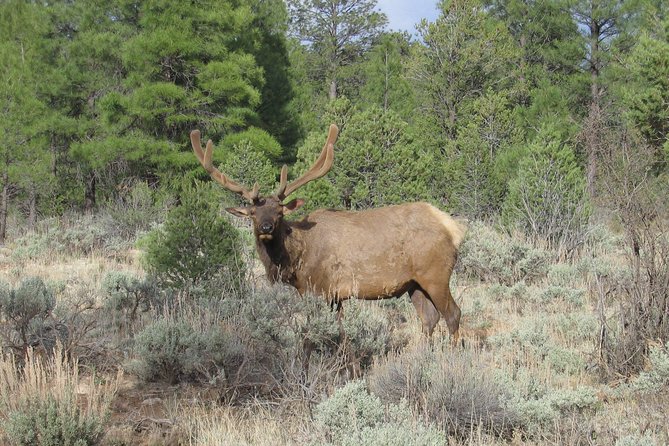
And then there’s wildlife. You may spot elk and deer, and the tour includes wildlife viewing opportunities in their natural environment, along with the chance to see rare bird species. Wildlife sighting isn’t guaranteed, but the odds are better when you’re in the right habitat at the right time instead of only sitting at the busiest pullouts.
Yavapai Point Stop: The Classic View With Real Context
Next up is Yavapai Point, with about 45 minutes here. This is a great stop because it gives you the big-picture canyon view plus a clear sightline toward features like the Colorado River and Phantom Ranch.
Here’s the practical value: you’re not just collecting photos. This stop is ideal for orienting yourself—figuring out what parts of the canyon are closer, what runs deeper, and where the river sits in relation to the cliff faces. When your guide points out the formations and pathways, Yavapai Point becomes your reference frame for the rest of the evening.
Drawback to note: since this is a popular viewpoint area, you’ll still be in a place where other people are around. The tour’s advantage is that you’re not arriving after the crowd wave; you’re timing yourself as part of a full routing plan.
Pipe Creek Vista: A Quieter Stretch for Canyon Details
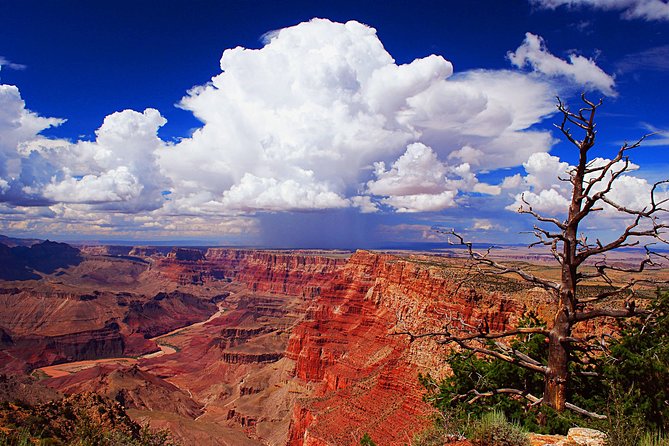
After Yavapai Point, the tour shifts to Pipe Creek Vista (about 30 minutes). This stop is shorter, but the timing is smart. It helps you get another angle without eating up the minutes you’ll want at the end of the tour.
The tone here tends to feel less about checking off the headline view and more about noticing canyon texture—rock edges, depth, and the way light changes as you move a few minutes down the route. If you’re the type who likes variety, this is the stop that breaks up the evening so it doesn’t become one long viewpoint shuffle.
Also, the wildlife factor often continues as you move through the Kaibab-area stretches. One guide-led route style showed up repeatedly in reviews, where elk sightings were a highlight. So keep your eyes open between overlooks, not just when the vehicle stops.
Grandview Point: Where the Colors Shift Fast
Your final anchor is Grandview Point, with about 1 hour. This is where the tour’s sunset promise becomes real. As the sunlight fades, the canyon walls can shift quickly into those layered oranges, reds, and darker tones that make the Grand Canyon feel like a living thing.
This is also the stop where your positioning matters. If you want the widest view for photos, pick a spot early and adjust before the light gets too low. One guest noted that in their case, the sun was partially blocked by a rock, which is a good reminder: sunset timing and your sightline can be affected by the exact angle and light position that night.
The upside: you’re not doing this for five minutes and then leaving. You get a full hour, which gives you time to watch the colors change, not just catch one snapshot.
Wildlife Odds: What You Can Expect (and What You Can’t)
Wildlife can be a highlight on this tour. Reviews point to elk (including calves), deer, and even equine sightings like mustangs during forest driving segments. Another guest hoped for condors and didn’t see them, which fits the reality that birds and bigger wildlife have their own schedules.
So here’s my straight advice: treat wildlife as a bonus, not the plan. The tour’s core value is the South Rim sunset route with guided interpretation. Wildlife adds extra excitement when it happens, and it’s one reason the back-road style matters.
Also, keep an eye on what your guide says about animal movement. The more you stay alert while driving and at stops, the more likely you’ll catch a fleeting moment.
Price and Value: Is $133.34 a Good Deal?
At $133.34 per person for about 3 hours, you’re paying for several things at once:
- A small-group format (max 12)
- A guided interpretation across multiple viewpoints
- 4WD back-road routing that reduces the usual entrance-gate crush
- A timed sunset finish at Grandview Point
- Bottled water included
Then there’s the one financial detail that can surprise people: entrance fees. The tour price does not include the National Park entrance fee for non-U.S. residents ages 16 and older. If you fall into that category, you’ll need to purchase the pass/fee to enter the park.
If you’re a first-time visitor or you’re short on time and want a plan that ends at sunset, this price can feel fair. If you’re already comfortable driving to the rim at your own pace and you don’t care about guided context, you may question the value. But if you want structure, interpretation, and a better route, the cost usually makes sense.
What to Pack for a Sunset in the Open Air
Even if the day feels warm, it cools fast near the canyon once the sun drops. At least one guest mentioned feeling freezing while riding in an open-air truck and getting more comfortable only once wind flaps were put down later. You don’t need panic packing, but you do need a plan.
Bring:
- A warm layer you can add quickly
- Wind protection (a light jacket helps a lot)
- A camera strap or secure pocket for your phone
This is especially important if you’ll sit along the vehicle edges where wind can hit you during drives between viewpoints.
Who This Tour Fits Best
This tour is a great match if:
- You want the South Rim at sunset but don’t want the long crowd grind
- You like guided stories that connect rock layers and human history
- You’re traveling with family and want a route that stays manageable (3 hours)
- You care about photo timing and want help getting to the right places on schedule
It might be less ideal if:
- You want to spend lots of time hiking on your own (this is built around viewpoints, not long walks)
- You’re extremely sensitive to cold or wind and don’t plan to dress for it
- You expect the off-road portion to feel like a constant adventure the whole time. Some driving is smooth, some parts rougher, and your payoff is mostly at the stops.
Guides Make a Difference, and This One Has Strong Ones
Guide quality shows up again and again. Guests praised guides such as Mark and Marc for being fun and engaging, and Tyler for stories and history that made a first visit feel complete. Reviews also mention Sheila and Werner as strong at keeping groups engaged, with Werner even taking extra time to help an older traveler get to the best view.
That kind of attention is a big deal on a 3-hour tour. You don’t have time to guess your way between stops. When the guide is active, the canyon feels clearer and your sunset feels less like luck and more like a plan.
Should You Book This Grand Canyon Sunset Jeep Tour?
I’d book it if you want a structured, small-group way to see the South Rim at sunset with a back-road route that avoids the busiest entrance experience. The combination of guided interpretation, multiple viewpoints, and a proper Grandview Point finish makes it a strong option for first-timers and anyone with limited time.
Skip it or reconsider if you know you hate wind/cold, or if you only want DIY freedom and you’re already planning to drive to the rim yourself without needing a guide. Also, if you’re chasing one specific animal sighting, accept that nature isn’t guaranteed.
If you’re looking for the practical sweet spot—sunset timing, viewpoint variety, and less crowd stress—this is an easy yes.
FAQ
How long is the Off-Road Sunset Safari?
The tour runs about 3 hours.
What time does the tour depart?
It departs about two hours before sunset.
How many people are in the group?
The tour has a maximum of 12 travelers, keeping it small.
Where does pickup happen?
Pickup and drop-off are offered in downtown Tusayan, and the activity ends back at the meeting point in Grand Canyon Village at 408 AZ-64.
What’s included in the tour price?
Bottled water is included, and an admission ticket is listed as included for the stops.
What is not included?
The National Park entrance fee is not included for non-U.S. residents ages 16 and older. You may need to purchase a fee/pass to enter the park.
Is there a mobile ticket?
Yes, you receive a mobile ticket.
Is the tour vehicle open-air?
The tour uses a 4WD safari vehicle. Some guests have mentioned feeling wind while riding, so plan for cool air at sunset.
Can I bring a service animal?
Yes, service animals are allowed.
What if the tour has fewer than the minimum travelers?
The minimum is 2 people. If there are fewer, you’ll need to call the provided number to check what happens next.