REVIEW · POTTUVIL
Arugambay :Pottuvil Lagoon Mangrove Eco Boat Safari Tours
Book on GetYourGuide →Operated by Arugambay Tours · Bookable on GetYourGuide
If you want wildlife without the crowds, go here. This Pottuvil Lagoon mangrove eco boat safari trades speed for stillness, with a guide helping you read the birds, mangroves, and wildlife along the water. I love the way the experience is set up around quiet time on the lagoon, not a checklist-and-rush kind of trip.
Two things I really like: first, the boat ride is calm and motor-free style in many cases, so you hear birds instead of engines. Second, the English-speaking guide level of explanation can be excellent, with guides like Shiham, Ibrahim, and Imam described as friendly, funny, and seriously focused on what you’re seeing.
One thing to consider: wildlife sightings are never guaranteed. Even with a great guide and a good plan, you’re still working with animals that move, rest, and hide, so go for the experience as much as the big moments like elephants or crocodiles.
In This Review
- Key highlights you’ll actually care about
- Pottuvil Lagoon mangroves: why this eco boat safari feels special
- Getting to the lagoon from Arugam Bay by tuk tuk
- The two-hour paddling ride: how the tour rhythm works
- What you’re likely to spot on the water
- Birds watching with English guides like Shiham, Ibrahim, and Imam
- Crocodiles, elephants, and the “small stuff” that counts
- Elephants in and around the lagoon
- Crocodiles and a smart backup plan
- Bats, monkeys, and water buffalo
- Sunrise or sunset: when light and wildlife feel better
- It’s not just the boat: brief beach time and thoughtful stops
- Price and value: is $32 for 3 hours fair?
- What to bring (and what not to bring) for comfort on the water
- Who this Pottuvil Lagoon tour suits best
- Should you book Arugambay Tours for the lagoon safari?
- FAQ
- Where does pickup happen for the Pottuvil Lagoon tour?
- How long is the tour in total?
- Is there an English-speaking guide?
- What wildlife can I hope to see?
- Is the boat ride eco-friendly?
- What is included in the price?
- What should I bring with me?
- What is not allowed during the tour?
- Are there sunrise or sunset options?
- Is free cancellation available?
Key highlights you’ll actually care about
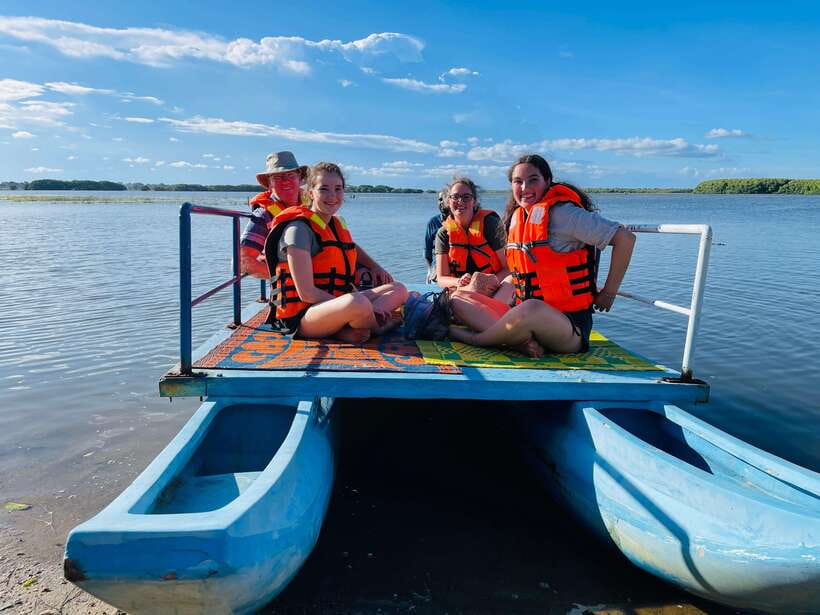
- Two hours on the lagoon with time to slow down, listen, and scan the mangroves
- Bird watching in prime wetland habitat, from kingfishers to herons and pelicans
- Eco-friendly paddling boat ride, often experienced without a motor for a quieter feel
- High-chance storytelling wildlife spotting, including elephants, crocodiles, and bats
- Sunrise or sunset timing, when light and wildlife activity can be at their best
Pottuvil Lagoon mangroves: why this eco boat safari feels special
Pottuvil Lagoon is the kind of place where nature stays busy even when everything looks peaceful. You get thick mangroves along the edges, water that reflects the sky, and a steady stream of small-life cues—calls from birds, movement near roots, and sudden sightings when your eyes finally sync with the waterline.
The best part is the pacing. You’re not trying to cover ten stops. You’re given a stretch of time to observe. That matters because mangroves are built for hiding. If you rush, you miss the “there it is” moments—like a bird perched low, or ripples that hint at something passing just out of sight.
This tour also leans into the wetland variety: fish, prawns, crabs, and crocodiles are all part of the picture, which is why you’ll often notice birds working the area too. When you start noticing the web—predator, prey, and shelter—it stops being random wildlife spotting and turns into something you understand.
Getting to the lagoon from Arugam Bay by tuk tuk
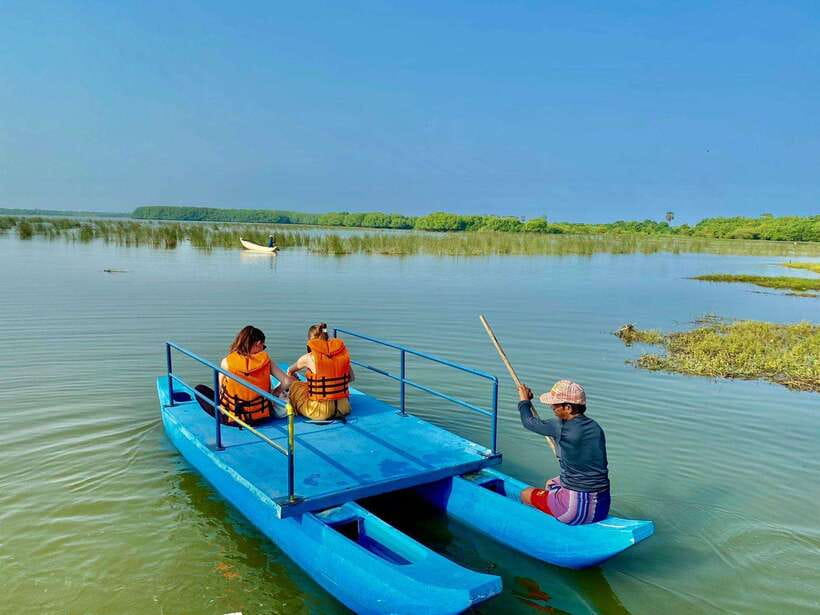
The experience starts in Arugam Bay, with pickup from your hotel area. You then ride a tuk tuk for about 15 minutes to get to the lagoon area before you head out on the water.
Why I think that’s smart: it keeps you from burning half a day on transport. It also reduces stress. You show up, get directed, and then the experience begins at the right moment—when the lagoon is still calm and the animals are doing their everyday routines.
You’ll also get a proper handoff to the water portion. Lagoon entrance access and the core logistics are handled, so you can focus on what you came for: watching wildlife and enjoying the quiet.
The two-hour paddling ride: how the tour rhythm works
Your main time is about two hours on the lagoon. You’ll be on a traditional-style boat where you paddle through the mangrove edges and open patches of water.
What you’ll feel during the ride is a big part of the value. Multiple guides and tours emphasize the quiet: in practice, you may experience the boat ride without a motor, powered by paddling. That’s a huge difference. Birds don’t react the same way to silence as they do to noise, and you can actually hear the bird calls instead of shouting over engine hum.
This is also the part where timing and attention matter. Mangrove wildlife doesn’t show up on your schedule. You’ll get better results by slowing down mentally—pausing when the guide points, watching the waterline, and letting the mangroves “fill in” as your eyes adjust.
What you’re likely to spot on the water
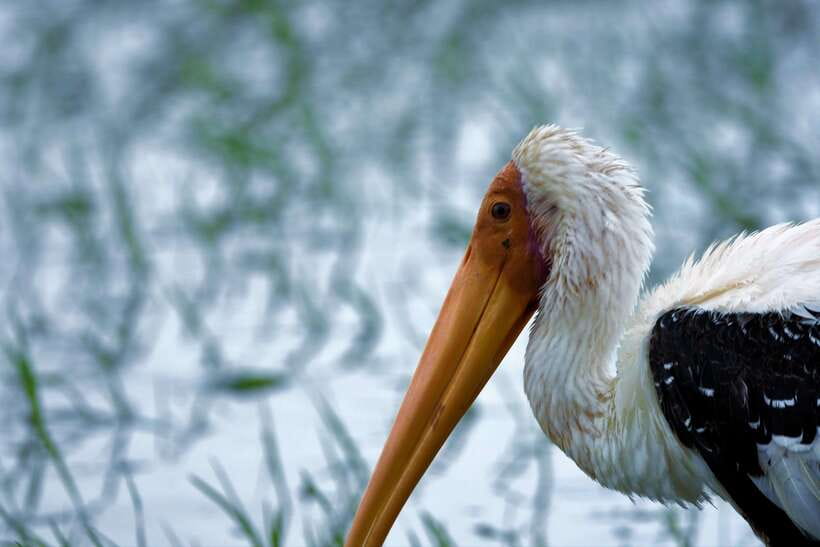
The lagoon and mangrove area is known for birds such as:
- Sea eagles
- Kingfishers
- Pelicans
- Herons
- Jacana
- Common coots
- Darters
And beyond birds, you might see fish and crustaceans in the water, plus larger wildlife such as crocodiles and elephants. Several past outings also include bats and monkeys, which tells you the ecosystem isn’t limited to “only birds and crocs.”
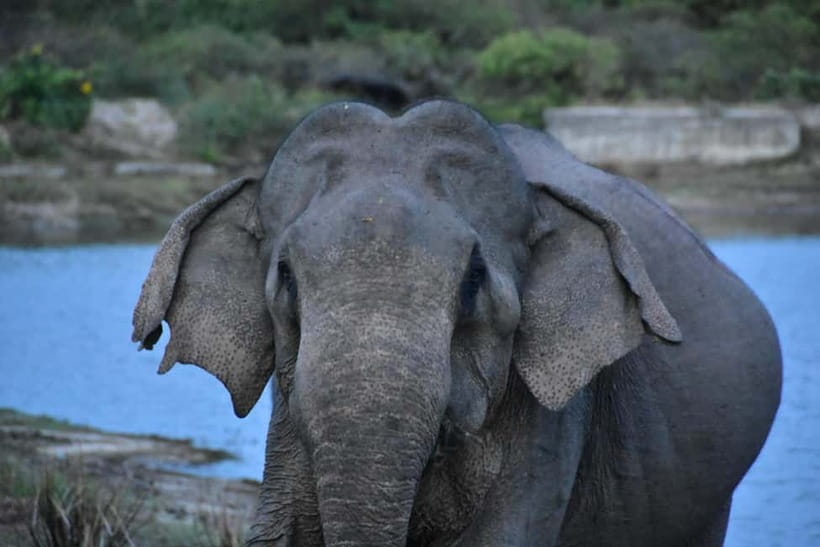
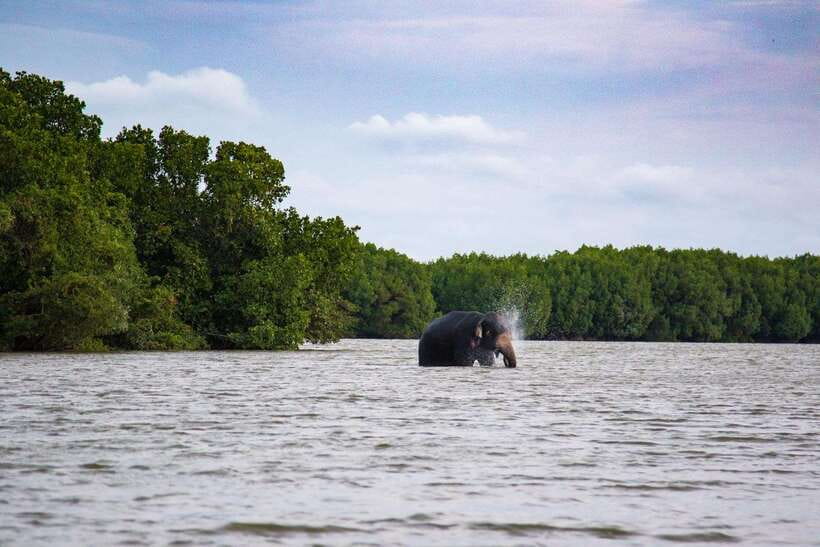
One note: you might spot elephants in different ways. Sometimes it’s a herd moving through the lagoon area. Sometimes it’s the kind of moment people remember most—elephants bathing in the scenic lagoon.
Birds watching with English guides like Shiham, Ibrahim, and Imam
Bird watching sounds simple until you try it without help. Then you realize it’s less about spotting one bird and more about tracking behavior: where it perches, how it hunts, and what it reacts to.
That’s where the guides make a real difference. In past experiences, Shiham has been praised for excellent English and for sharing detailed wildlife knowledge, with an approach that connects animals to how people live nearby. Ibrahim has been described as superb at explaining flora and fauna, while Imam has been noted for actively matching the outing to your hopes—like making sure you have a chance to see crocodiles even if the lagoon itself doesn’t deliver immediately.
I like this style because it changes your role from passive viewer to active observer. You start asking better questions and you notice more:
- Why a bird is in one spot and not another
- How mangroves provide shelter and food pathways
- What signs point to crocodiles in the water
Even if you’re not a bird expert, you’ll leave with names and a mental map of what you saw.
Crocodiles, elephants, and the “small stuff” that counts
Big animals are the headline, but the best wildlife moments often come as a sequence. You might start with birds, then notice fish and movement near roots, and only later get the bigger surprise.
Elephants in and around the lagoon
Elephants are part of why many people book this safari. The tour description highlights the possibility of bathing elephants in the scenic lagoon, and actual outings include sightings of elephants crossing the lake area. That’s the kind of wildlife moment that feels unplanned—but it’s really the result of good timing and a guide who knows where to look.
If you’re the type who loves wildlife photography, you’ll appreciate the stillness. In a motor-heavy setting, animals may move sooner. Here, the quieter boat style can give you a longer look.
Crocodiles and a smart backup plan
Crocodiles are also a signature possibility. The lagoon area has them, but sightings can depend on time of day and conditions.
A nice touch that shows up in real experiences: some guides take you to nearby crocodile-spotting first before the boat ride if the chances on the lagoon are lower. That doesn’t remove uncertainty, but it does respect your time and priorities. It’s a practical way to keep the day productive.
Bats, monkeys, and water buffalo
Not everything is dramatic. Sometimes it’s a quick bat sighting, or monkeys in the edges of the mangroves, or water buffalo in the wider ecosystem. Those sightings matter because they show the lagoon is functioning as a living system, not a set for one animal.
It’s also a good reminder for your expectations. If you come in thinking only elephants and crocodiles count, you may miss the rest of the experience.
Sunrise or sunset: when light and wildlife feel better
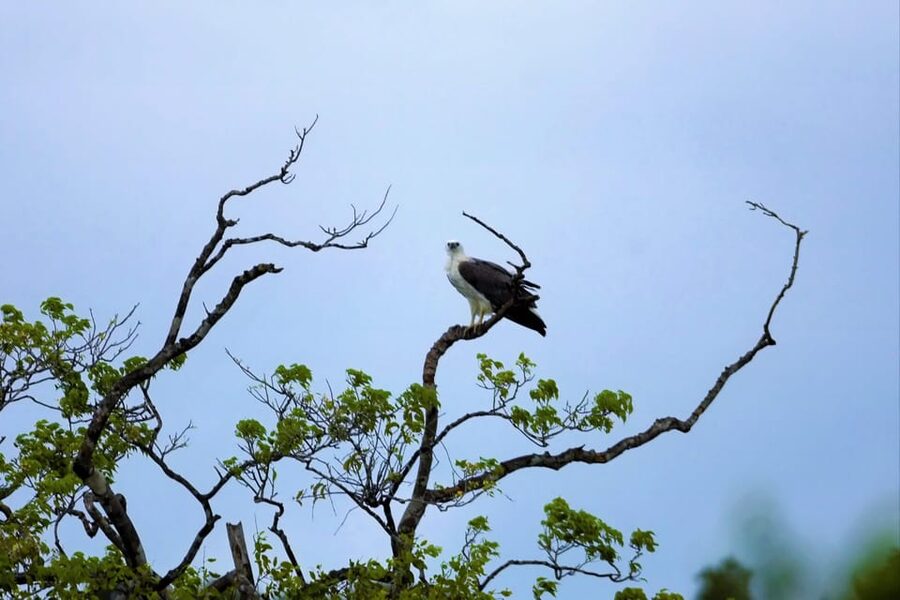
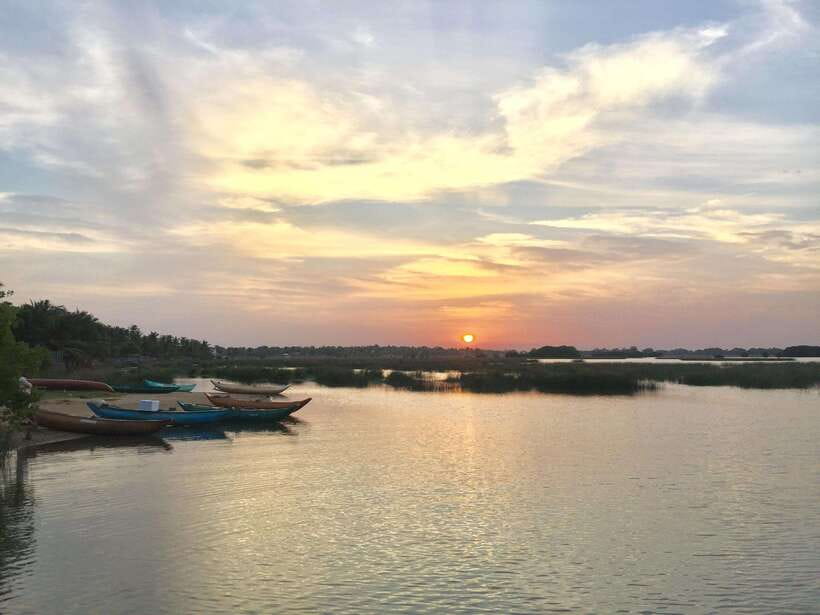
The tour options include sunrise or sunset watching. If you can choose, I’d steer you toward the time that fits your style:
- Morning tends to feel cooler, calmer on the water, and full of birds already “working” the area.
- Sunset can be a softer light show, with wildlife often still active but the day winding down.
Some past outings specifically mention being on the water at sunrise, and that early light can make bird spotting easier too. You’ll also get a calmer atmosphere for scanning the mangroves without glare.
This is one of those cases where the timing isn’t just aesthetic. It can affect what you notice, how animals behave, and how comfortable the tour feels.
It’s not just the boat: brief beach time and thoughtful stops
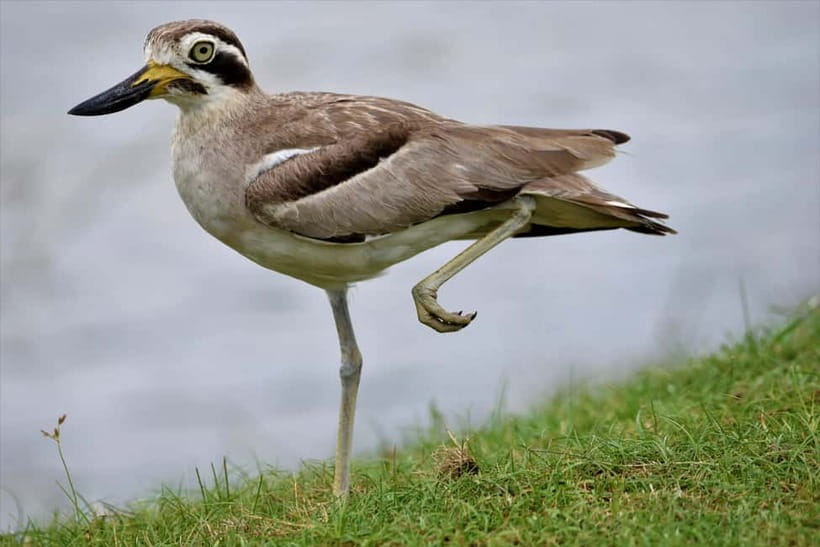
Some experiences include a short break on land after the water portion. For example, one outing mentions a short walk at Whiskey Point beach, which can be a good way to reset after paddling and scanning the water for a couple hours.
Also, since refreshments are included, you might get a small drink and snack during the day. Past descriptions include items like milkshake and hoppers, and at least one outing mentions chocolate milk. Even if your exact snack differs, plan to take a moment to hydrate and eat something light.
These small additions don’t turn the day into a long excursion. They keep you comfortable while you’re still close to nature.
Price and value: is $32 for 3 hours fair?
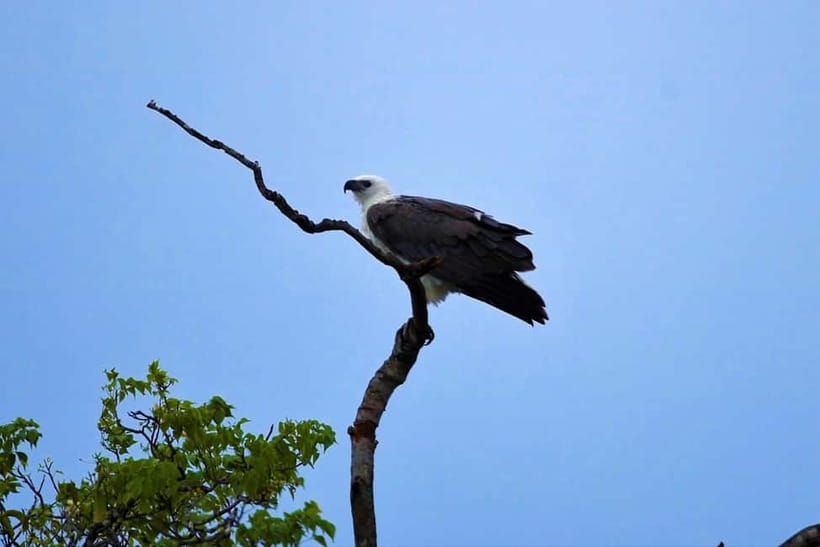
At $32 per person for a 3-hour total experience, the value depends on what you want: a budget nature taste, or a deeper wildlife session.
Here’s what you’re paying for, in practical terms:
- Transport both ways from your hotel area via tuk tuk
- Lagoon entrance fee
- Refreshments
- A live English-speaking guide
- A two-hour guided boat/paddling experience focused on wildlife viewing
That package is usually a better deal than trying to piece together transport, entry access, and a guide separately. Also, the calm boat style and the emphasis on bird and wildlife interpretation make it more than just a ride.
The only “hidden cost” is your mindset. If you treat the tour like a guaranteed elephant show, you’ll be disappointed. If you treat it like high-quality time in a real wetland where you have a strong chance of multiple species, it’s good value.
What to bring (and what not to bring) for comfort on the water
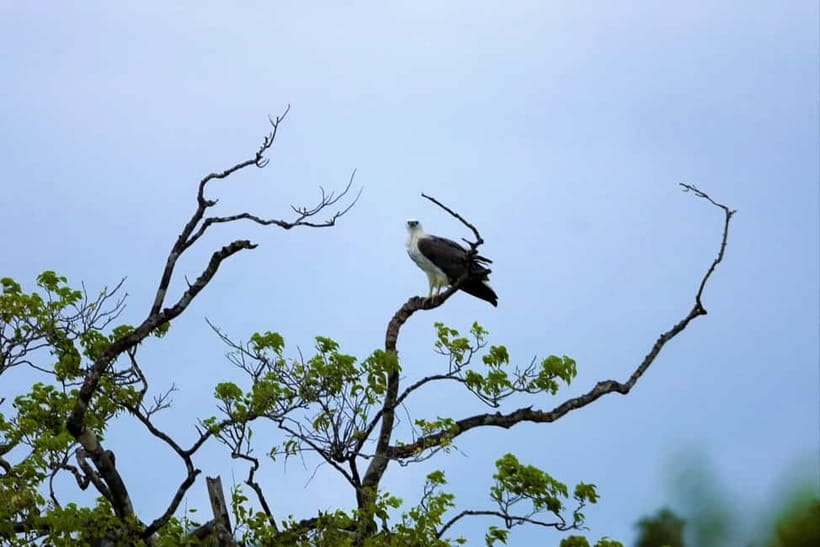
This safari is outdoors, so come prepared. The basics matter here.
Bring:
- Camera (you’ll likely want it)
- Water
- Comfortable clothes (you’ll be moving and standing at times)
Don’t bring:
- Pets
- Smoking
- Alcohol and drugs
Also, keep your day simple. The more you can focus on watching and listening, the better your chances of those “stop the boat for a second” moments.
Who this Pottuvil Lagoon tour suits best
I think this tour is a strong fit if you want:
- Quiet wildlife time over noisy sightseeing
- A guided nature experience in English
- Bird watching plus the possibility of bigger animals like elephants and crocodiles
- A morning or sunset outing that feels calm and natural
It’s also a good match if you’re doing a short stay in the Arugam Bay area and you want one focused nature activity that doesn’t feel like a long drive.
If you’re the type who hates uncertainty, this may feel stressful—because animals might not cooperate. But if you enjoy nature at its real tempo, you’ll probably come away happy.
Should you book Arugambay Tours for the lagoon safari?
Book it if you’re looking for a peaceful, guided way to experience Pottuvil Lagoon mangroves with real wildlife potential and a calmer paddling-style boat. The $32 price works best when you value guide guidance, wildlife spotting time, and the included basics like transport and entry.
Before you go, do two things to set yourself up for success:
- Go in expecting multiple sightings, not just one big one. Birds, bats, and the ecosystem itself are part of the payoff.
- Ask your guide for what you’re hoping to see. In real experiences, guides like Shiham, Ibrahim, and Imam have been described as actively trying to match the outing to your goals, including added stops when crocodiles are harder to spot.
If you want one calm, nature-forward activity in Arugam Bay that actually gives you time on the water, this is a solid choice.
FAQ
Where does pickup happen for the Pottuvil Lagoon tour?
Pickup is included from your hotel area in Arugam Bay, with a tuk tuk ride to the lagoon area (about 15 minutes).
How long is the tour in total?
The duration is about 3 hours total, including transportation, with around 2 hours spent on the lagoon.
Is there an English-speaking guide?
Yes, the tour includes a live tour guide in English.
What wildlife can I hope to see?
You can expect bird watching, and the area is known for species like sea eagles, kingfishers, pelicans, herons, Jacana, common coots, and darters. Fish, prawns, crabs, crocodiles, and the possibility of bathing elephants are also mentioned.
Is the boat ride eco-friendly?
The tour is described as an eco-friendly paddling/eco boat ride, and several experiences note a quiet ride style.
What is included in the price?
Included are transportation both way from your hotel, the lagoon entrance fee, and refreshments.
What should I bring with me?
Bring a camera, water, and comfortable clothes.
What is not allowed during the tour?
Pets are not allowed, and smoking, alcohol, and drugs are not allowed.
Are there sunrise or sunset options?
Yes, sunrise or sunset watching is listed as a highlight. Starting times depend on availability.
Is free cancellation available?
Yes, you can cancel up to 24 hours in advance for a full refund.