REVIEW · BANFF
Banff: Evening Wildlife Safari Guided Tour
Book on GetYourGuide →Operated by Discover Banff Tours · Bookable on GetYourGuide
On an evening safari, timing matters more than luck. This Banff National Park tour runs when light softens and wildlife often gets active, with a guide who helps you read the terrain and behavior.
What I really like is the focus on wildlife in their natural habitat, not a staged show. Second, I love the human side of it: guides such as Lucy, Jake, and Jeff brought stories that connect animals to the Bow Valley and the rules that keep this park healthy.
One possible drawback: animal sightings are never guaranteed, so if you need a specific animal on your checklist, you’ll want to set expectations ahead of time.
In This Review
- Key points before you go
- Why dusk in Banff boosts your chances
- Pickup and the small-group ride: what to expect
- Entering Banff National Park at night: how the guide helps you read wildlife
- The scenic moments: Bow Valley peaks at dusk
- Wildlife you might spot (and why you shouldn’t plan your night around one species)
- Conservation talk: the park story behind the animals
- What to bring, what to wear, and how to spot movement
- Value for about $55: what you get for your evening
- Should you book the Banff Evening Wildlife Safari?
- FAQ
- How long is the Banff Evening Wildlife Safari Guided Tour?
- How much does the tour cost?
- Is pickup included, and where do I meet if I don’t choose a pickup point?
- How large is the group?
- Are wildlife sightings guaranteed?
- What should I bring and wear?
- What’s not allowed during the tour?
Key points before you go
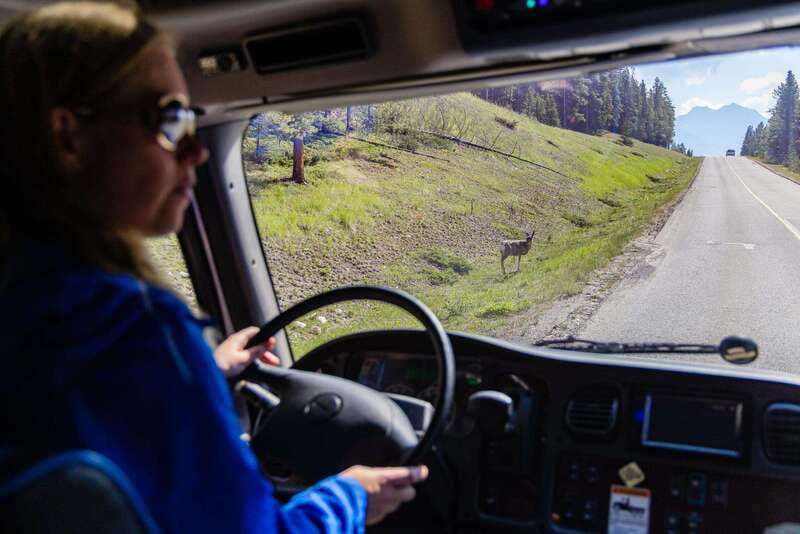
- Dusk timing: you travel when animals commonly move more.
- Small group (up to 24): easier for everyone to hear the guide and spot activity.
- Certified guide + interpretive tools: you don’t just look, you learn what you’re seeing.
- Scenic mountain roads with viewpoint moments: dusk views add value even on low-sighting nights.
- Past sightings span many species: from elk and deer to coyotes, bighorn sheep, and even wolves or bears.
Why dusk in Banff boosts your chances
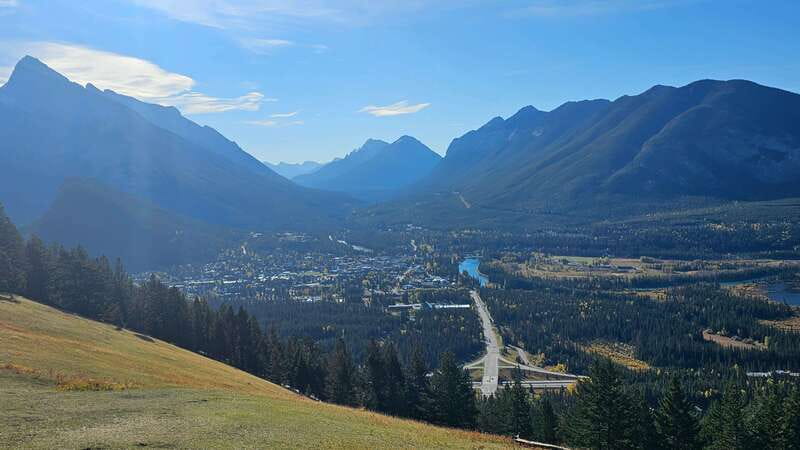
This tour is built around one simple idea: wildlife often does its most interesting work near day’s end. When the sun drops, the light gets gentler, shadows stretch across the valley, and animals can feel safer moving through open areas. I like that the experience is planned for that window rather than just a random nighttime drive.
Another reason dusk works here is geography. Banff National Park funnels movement through valleys and ridgelines, and the Bow Valley in particular is a natural stage for grazing and browsing animals. Your guide keeps an eye on behavior, not just body count. That matters because wildlife activity isn’t constant; it comes in bursts, and the best “showing” can happen ten minutes after you start to doubt the day.
It’s also a good fit if you want a calmer evening. You’re not stuck in a long day tour, and you’re not rushing through the night just to say you did a wildlife activity. It’s two hours with a clear purpose: find animals, understand them, and enjoy the peaks and valley at dusk.
Pickup and the small-group ride: what to expect
This is a pickup tour with a lot of departure options around Banff. You’ll pick a pickup point, and each location has a specific pickup time, with a reminder to be ready about five minutes early. That setup is convenient when you’re staying in the downtown hotel cluster, but it also means you’ll want to double-check your exact time before leaving your room.
The experience runs as a small-group outing, up to 24 guests. I like small groups for wildlife watching because you get fewer noise distractions and less “traffic” at windows when people spot something. You also get better odds that the guide’s talking points land with everyone, not just the first few rows.
One practical detail from real-world experience: some buses may have tinted windows. That can be great for comfort, but it can also make spotting harder depending on the lighting and your seat. If wildlife spotting matters most to you, arrive early to your pickup so you can settle in without stress, and choose a position that gives you the clearest line of sight.
Entering Banff National Park at night: how the guide helps you read wildlife
Once you’re in Banff National Park, the tour becomes part driving, part interpreting. The “hands-on” part isn’t just a marketing line—your guide uses tools to help you understand what you’re seeing and why it’s happening where it is. That turns the experience from a simple search into a guided lesson about habits, food, and movement.
What I enjoy in this format is the focus on behavior. Guides talk about how animals use the terrain, what they’re likely doing at dusk, and what to notice when you do get a sighting. In past tours, guides including Lucy, Roz, and Georgia have been praised for tying animal talk to the roads and viewpoints you pass.
You should still know the rule of the wild: animals react to wind, footing, disturbance, and the day’s patterns. Your guide can’t control that. But the best guides do two things well: they choose likely areas where animals have been seen before, and they help you understand what you’re looking at when your eyes finally catch movement.
Expect plenty of guidance during the ride—this isn’t silent sightseeing. You’ll also be moving across scenic mountain roads, which means you get both the interpretive talk and the shifting views that come with driving across the valley.
The scenic moments: Bow Valley peaks at dusk
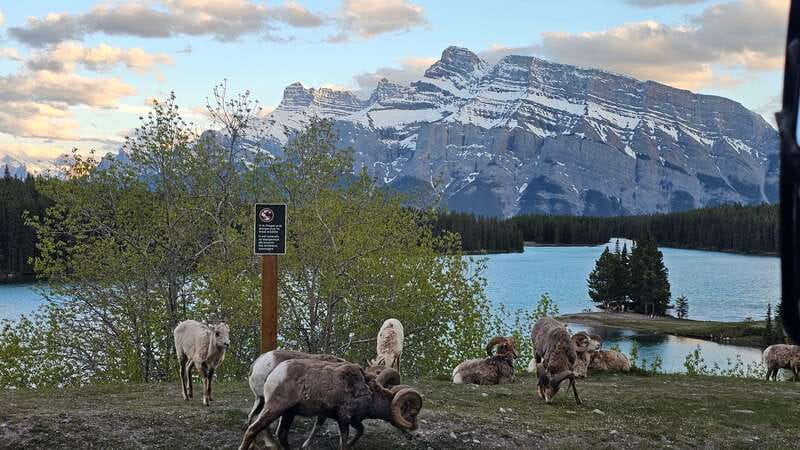
Even when wildlife sightings aren’t constant, the drive still has value. The tour is designed around scenic views at dusk, especially the Bow Valley and surrounding peaks. When the light turns golden, the mountains look more layered and the valley feels bigger—like the whole region is switching into evening mode.
Some past groups reported viewpoint stops connected to the area’s famous vantage points, including Mt Norquay and moments near Lake Minnewanka. The big win here is that you’re not just sitting while you wait for wildlife—you’re using the time to enjoy the setting and absorb the ecology and local history in context.
There’s also a timing advantage: dusk views tend to be calmer than midday crowd scenes. You’re out during a quieter hour, with soft light and fewer people competing for attention. That helps you experience the area in a more “place-first” way rather than only a wildlife-first way.
If you’re hoping for one perfect photo, aim for patience. Dusk lighting changes fast, and your guide will usually keep the group moving based on what’s happening on the road and in nearby pullouts.
Wildlife you might spot (and why you shouldn’t plan your night around one species)
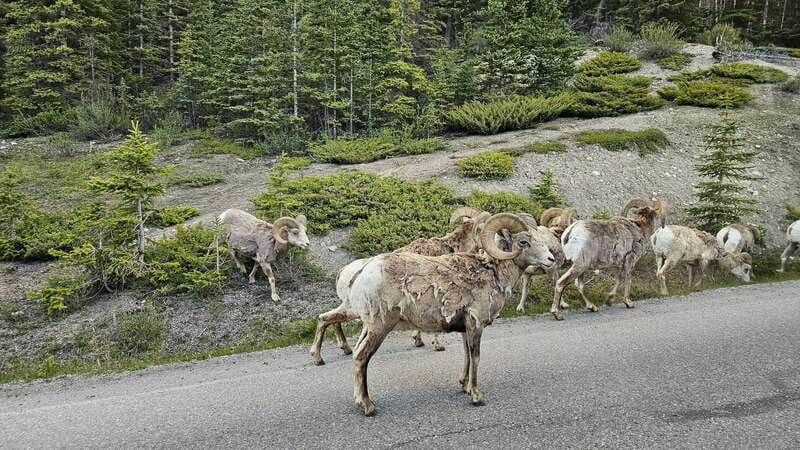
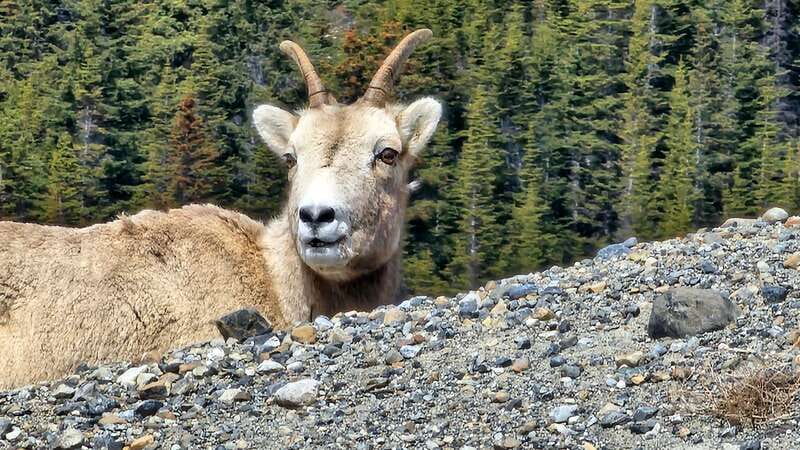
The tour’s headline species often include elk, deer, and bighorn sheep, and those are exactly the kinds of animals that show up in the Banff area frequently enough to build a dusk search around. You also might see smaller movement—coyotes, and other surprises depending on conditions and where the guide finds activity.
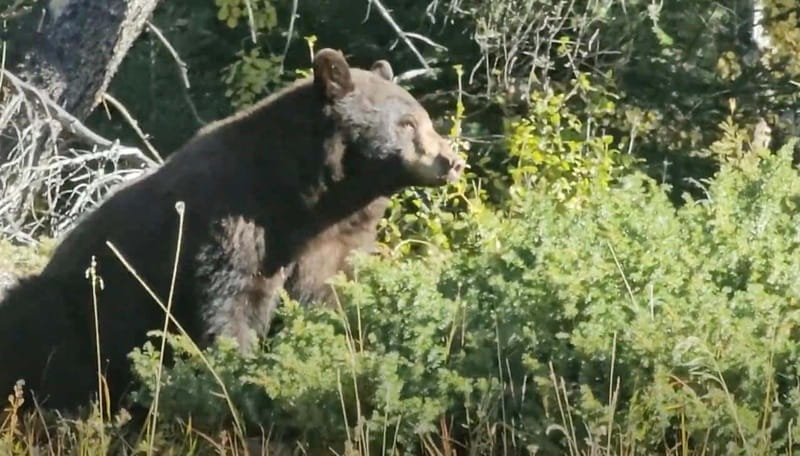
What’s helped this safari earn consistently strong feedback is that people don’t leave with the feeling that they were only hunting for one thing. Many reported lots of elk, plus combinations like mule deer, longhorned sheep, and coyotes. Others described more dramatic wildlife encounters—black bears, bear cubs, wolves, and even multiple species in one evening.
That variety is important for you to know because wildlife isn’t a vending machine. If you only care about bears, you’ll be disappointed if the evening’s activity doesn’t line up. If you enjoy the bigger idea—learning how the park supports wildlife and watching different animals go about their evening routine—you’re far more likely to feel the trip was worth it.
Also, one more reality check: even on good wildlife nights, you might end up seeing fewer animals than you hoped. That’s not a failure of the guide; it’s how free-ranging wildlife behaves. The best mindset for this tour is curiosity with flexible expectations.
Conservation talk: the park story behind the animals
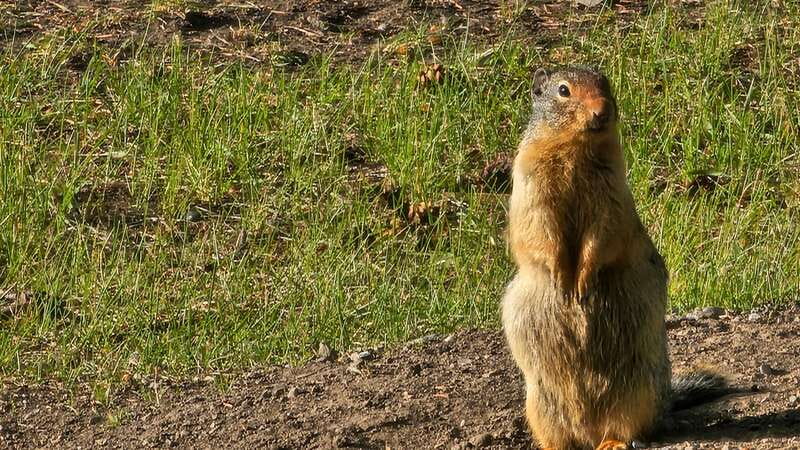
A big part of why this safari isn’t just “spot animals” is that it explains how Banff National Park works to protect wildlife. Your guide shares the challenges animals face living in a protected area and how conservation shapes animal behavior and habitat use.
I like this angle because it changes what the trip feels like. When you understand why elk move into certain areas, or how predators and prey interact, the sightings become more meaningful. You’re not just scanning for movement—you’re connecting dots between the valley, food sources, and the rules that keep the ecosystem functioning.
This is also where guide personality matters. Many praised guides such as Tim, Sam, Buck, and Emma for storytelling that stayed clear and engaging, even when the wildlife tempo slowed. That keeps the evening from turning into waiting-room boredom.
If you’re the type who likes reading animal signs and learning what to look for, you’ll probably appreciate the guide’s interpretive tools and the behavior-focused commentary. It’s education that’s practical—tied to the road you’re traveling and the animals you might actually see.
What to bring, what to wear, and how to spot movement
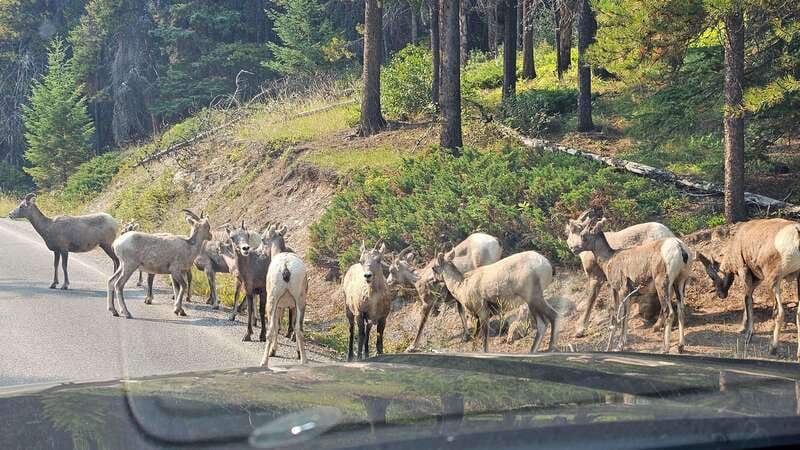
This is an outdoor evening activity, so plan around real mountain weather. Bring comfortable shoes and clothing that fits the conditions at dusk. The tour moves by vehicle, but you may still need a bit of walking or shifting position during viewing moments.
Keep your luggage light. Large bags aren’t allowed, so you’ll want to travel with only what you truly need for an evening out. If you’re bringing a big daypack, decide whether it qualifies as “large” for the operator’s rules, and aim smaller.
One more practical spotting tip based on real feedback: window conditions matter. Tinted windows can reduce glare and improve comfort, but they can also interfere with how easily you see wildlife, especially when the lighting angle changes. If you can, choose your seat with visibility in mind, and be ready to adjust when your guide points out a likely area.
And remember the two-hour rhythm. This isn’t a long hike where you’ll cover distance at your own pace. It’s a guided driving-and-viewing program, so your best job is to stay alert, listen for the guide’s cues, and be quick to look when something moves.
Value for about $55: what you get for your evening
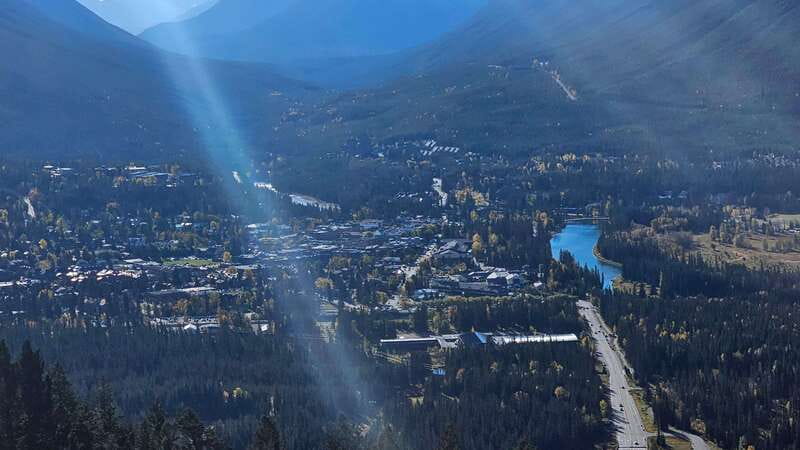
At $55 per person for a roughly two-hour safari, the value comes from several pieces working together. First, you’re paying for a certified guide who isn’t just chatting; the guide is reading conditions and using interpretive tools to make your sightings more understandable. Second, you’re getting a small group setup, which typically improves the viewing experience.
Third, you get pickup coverage across many Banff hotels and a central meeting option if you don’t pick a specific pickup time. That saves you from figuring out your own transportation at dusk, which matters because Banff parking and timing can eat into your evening.
The main “cost” isn’t money—it’s flexibility. Because sightings are not guaranteed, you’re paying for a guided search rather than a promise of a perfect wildlife parade. If you can handle that, you’ll likely feel the price is fair for what you get: guided interpretation plus a high-probability wildlife window.
The strong review rating (3.9 out of 5 from 465 reviews) suggests most people feel the guide experience and general Banff evening drive deliver on the intent, even when wildlife sightings vary.
Should you book the Banff Evening Wildlife Safari?
Book it if you want a structured, two-hour wildlife experience with an actual explanation behind what you’re seeing. This tour is a great fit for couples, solo travelers, and small groups who don’t want a full-day commitment and prefer learning from a guide while you watch for elk, deer, bighorn sheep, coyotes, and the occasional bigger surprise like bears or wolves.
Skip it (or at least adjust your expectations) if you’re only satisfied by one specific animal, or if you need guaranteed sightings. This is a guided search in a real ecosystem. The “win” is the combination of dusk views, wildlife behavior learning, and the chance to spot animals in their natural routine.
If you’re deciding between this and a purely scenic evening plan, I’d lean toward the safari. The guide-led conservation angle and the small-group format turn your time into something you’ll remember—not just a drive you check off.
FAQ
How long is the Banff Evening Wildlife Safari Guided Tour?
The tour runs for about 2 hours.
How much does the tour cost?
It costs $55 per person.
Is pickup included, and where do I meet if I don’t choose a pickup point?
Pickup is included at multiple Banff hotel locations, each with its own pickup time. If you do not select a pickup, you meet at the public bus parking behind the Mount Royal Hotel at 5:12 PM / 6:12 PM / 7:12 PM, depending on the season.
How large is the group?
The experience is a small group, with up to 24 guests.
Are wildlife sightings guaranteed?
No. The operator says you can never guarantee seeing animals, but guides try to take you to areas where animals are known to frequent.
What should I bring and wear?
Wear comfortable shoes and bring weather-appropriate clothing for an evening in the park.
What’s not allowed during the tour?
Luggage or large bags are not allowed. Also, no-shows, missed departures, or unused services are non-refundable.