REVIEW · LA ROMANA
Bayahibe Countryside Safari from La Romana
Book on Viator →Operated by Runners Adventures · Bookable on Viator
This day trip turns a simple countryside drive into a real look at how food and drink get made. You’ll learn how sugarcane is grown, harvested, and processed into products—plus how it connects to Dominican rum—while moving through the villages just outside Bayahibe.
I especially like that the route mixes culture with hands-on stops, not just scenic photo moments. One nice bonus: some departures can include a short morning Chavón River cruise, depending on the day’s flow.
I also like how the trip builds variety without going wild. You get a village stop with tastings (tropical fruit, coffee, and cacao), a mountain-side buffet lunch with big views, and a pair of cultural landmarks—cigar making and the Nuestra Sra. de Altagracia Cathedral. It’s an easy way to shift gears from beach time into Dominican everyday life.
One possible drawback: it’s an early start and an 8-hour day, so it’s not ideal if you want a slow morning or you get cranky in a vehicle. Also, the mountain lunch is a buffet, so come ready for good local comfort food, not fine dining.
In This Review
- Key highlights you’ll actually notice
- Why this Bayahibe countryside safari feels grounded, not staged
- From La Romana hotel pickup to the sugarcane fields outside Bayahibe
- Sugarcane, rum, and what you’re really learning out in the fields
- School and village stops: the human scale of Dominican countryside life
- Anamuya Mountain: buffet lunch with panoramic views
- Cigar making and the Nuestra Sra. de Altagracia Cathedral finish
- Price and value: what $85 buys you in a full 8-hour day
- Who should book this safari (and who might skip it)
- FAQ
- FAQ
- What time does the La Romana Bayahibe countryside safari start?
- How long is the safari?
- Is hotel pickup and drop-off included?
- What’s included in the price?
- Do they visit the sugarcane areas, school, and a cathedral?
- Are there any child rules?
- Can I cancel for a refund?
- Should you book the Bayahibe countryside safari from La Romana?
Key highlights you’ll actually notice
- Sugarcane-to-rum learning in the real production landscape outside Bayahibe
- Village and school visit that adds context beyond the field work
- Tastings of local crops like tropical fruit, coffee, and cacao
- Anamuya Mountain buffet lunch with panoramic views as your reward
- Cigar making demonstration before a major religious stop at Altagracia Cathedral
- Small-group feel with a maximum of 31 people
Why this Bayahibe countryside safari feels grounded, not staged
If you’ve ever done a beach day and then wondered what life looks like inland, this kind of safari answers that question. You’re not just driving past fields—you’re stopping to understand what’s happening there and why it matters. The sugarcane focus is smart, because it’s woven through Dominican work, exports, and the famous rum culture people talk about at home.
What makes the day click is the pacing. You alternate between learning (sugarcane processing), human-scale visits (school and village), and “feed your senses” moments (fruit, coffee, cacao, then lunch with views). That mix keeps the trip from turning into one long lecture.
Another strong point: the route is built around actual places, not just checkpoints. The countryside outside Bayahibe gives you that sense of being in motion across working land. Then the cathedral visit brings you to a different side of Dominican life—faith, architecture, and community.
You can also read our reviews of more tours and experiences in La Romana.


From La Romana hotel pickup to the sugarcane fields outside Bayahibe
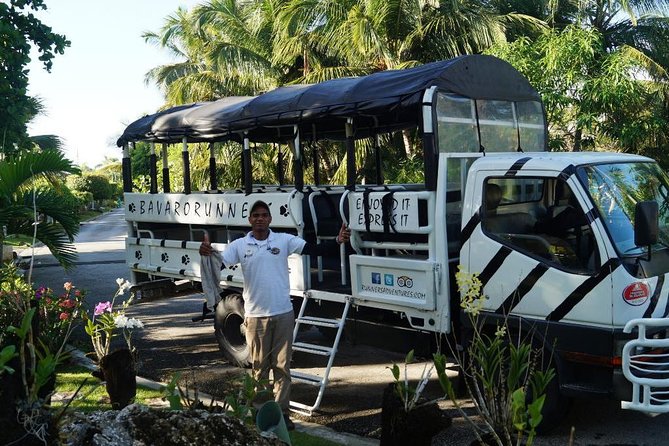
The day starts with a convenient hotel pickup in La Romana, with departure set for 7:30 am. You’ll ride out early to the rural area, where sugarcane fields shape the scenery. Expect a comfortable transport vehicle and a professional guide who keeps the day moving.
This first leg is more than “getting there.” It’s your setup for what you’ll learn later. Once you’re among the fields, the sugarcane story makes more sense: how the growing conditions matter, why harvesting happens when it does, and how the production steps connect.
Practical note: an early start can feel like a lot if your last night was late. Bring water, wear shoes that don’t mind uneven ground, and don’t plan a big breakfast right before pickup unless you know you tolerate mornings well.
Sugarcane, rum, and what you’re really learning out in the fields
This is the heart of the trip. You’ll meet local people in the rural area and learn how sugarcane is grown and harvested, then how it gets processed into products for export. The rum connection is important here—not as trivia, but as context for why this crop is so central to the Dominican economy and culture.
Here’s what I think makes this stop valuable for you: sugarcane can sound like a generic “field crop” until you see the chain of work that turns it into something you can buy and enjoy. Learning the steps in order helps the whole system click. It’s the difference between hearing rum is made from sugarcane and understanding what comes before the final product.
The day also gives you that contrast effect. You’re driving from tourist-friendly zones into working countryside, and the guide helps translate what you’re seeing into plain language. If you like food-and-culture stories, this part is the anchor.
One consideration: demonstrations and explanations can vary in how hands-on they feel. If you expect a full “watch every machine run” experience, you might not get that exact level of access. But you do get the overall process and the human side of it, which is often what sticks with you.
School and village stops: the human scale of Dominican countryside life
After the sugarcane learning portion, you’ll stop by a local school and then visit a small village. These aren’t just scenic stops. They add a layer of understanding that makes the rest of the day feel more grounded.
In a school and village setting, you start noticing daily rhythms: how people live with what’s around them, how community spaces work, and how crops and local trade show up in everyday life. It’s also a reminder that countryside tourism is not only about scenery—it’s about meeting real communities.
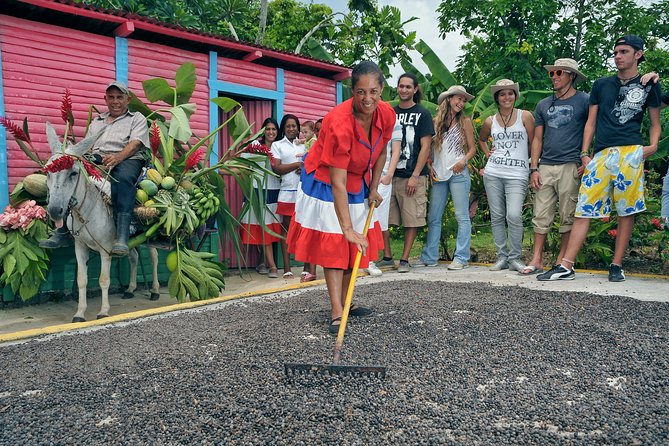
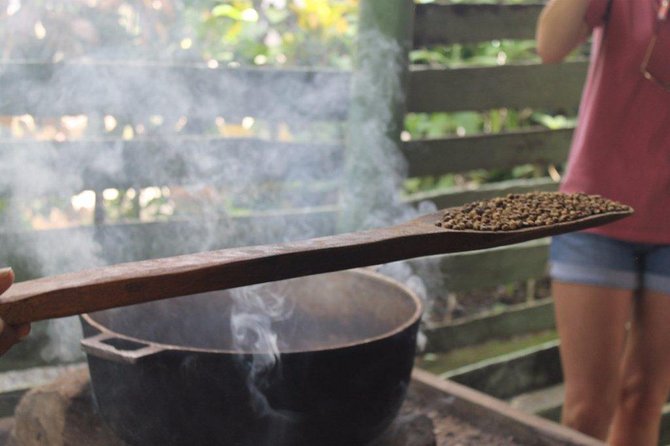
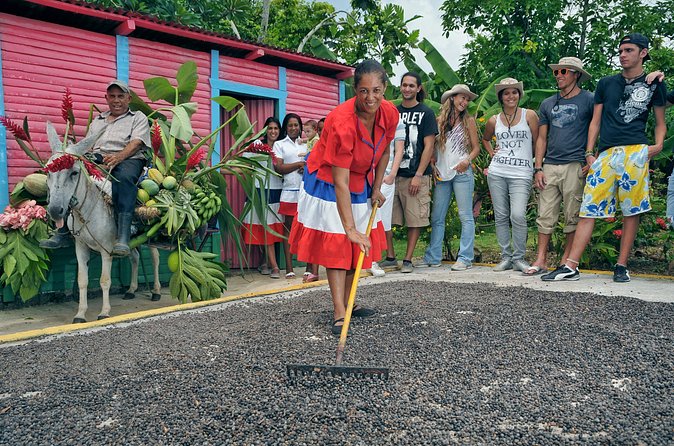
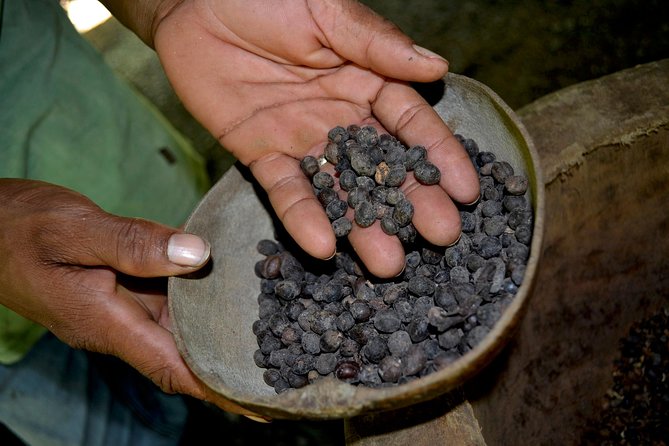
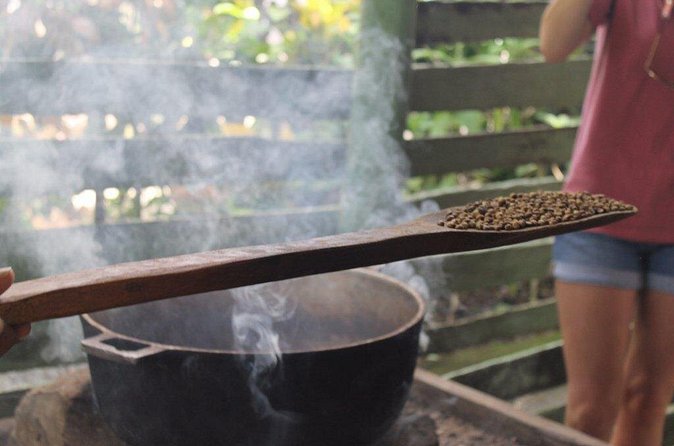
You’ll also sample locally grown products such as tropical fruits, coffee, and cacao. This tasting moment is a smart design choice. It turns the abstract idea of “local agriculture” into something you can taste immediately. If you’re the type who forgets details unless your senses catch them, this is where it pays off.
Tip for you: pace your tasting. It’s easy to grab a little of everything and then feel overfull before lunch. Take a few bites, then save room for the mountain buffet later.
Anamuya Mountain: buffet lunch with panoramic views
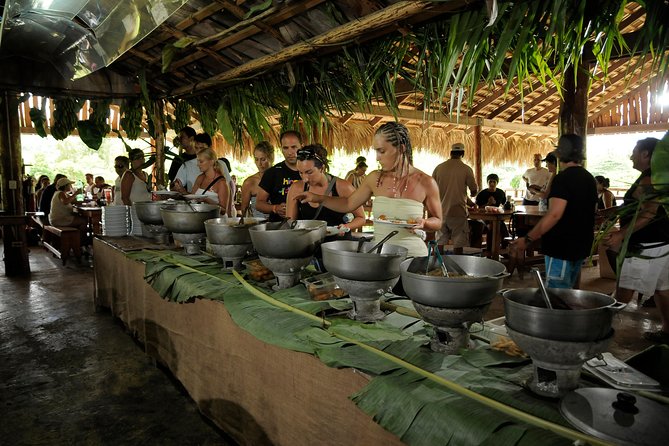
Next comes the high point of the day in more than one way—literally and food-wise. You’ll head up to the top of Anamuya Mountain for a traditional Dominican buffet lunch. The buffet lunch is served with panoramic views, so you’re eating while you can see far beyond the fields.
Why I like this part: it breaks the day up into a reset moment. After schools, village stops, and product tastings, lunch gives you a comfortable pause to stretch, regroup, and enjoy the scenery without feeling like you’re rushing to the next stop.
What to expect from the buffet: you’re eating traditional Dominican-style food rather than a tailored meal. That’s a good thing. It keeps the experience authentic and usually means you’ll get hearty dishes meant for hungry people who work outdoors.
If you’re sensitive to motion, note that mountain roads can mean some bouncing on the ride up and down. Plan to sit back, breathe, and give your stomach a little time after tasting.
Cigar making and the Nuestra Sra. de Altagracia Cathedral finish
The last stretch shifts from countryside agriculture to Dominican craftsmanship and major architecture.
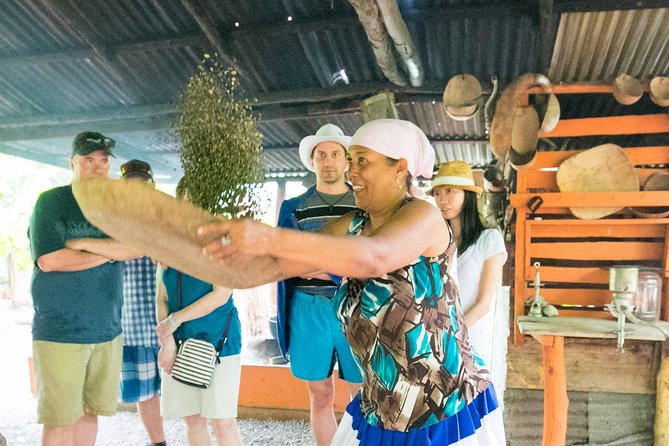
First, you’ll learn how Dominican cigars are made. This is a neat pairing with sugarcane/rain-to-rum learning earlier. The day moves from one export-linked tradition to another. Even if cigars aren’t your thing, the process helps you understand how craft and local industry connect to what the country sells and exports.
Then comes the visit to Nuestra Sra. de Altagracia Cathedral. This is a different kind of stop from the rural points earlier: a major religious and cultural landmark that gives the day a sense of place beyond agriculture. It’s a calm finale where you can look at the building, take in the atmosphere, and end the day with something truly Dominican and clearly not beach-related.
If you’re traveling with kids, this sequence can work well. The cigar-making portion is often visual and easy to follow. The cathedral visit gives a change of pace before you head back to your hotel.
Price and value: what $85 buys you in a full 8-hour day
At $85 per person for about 8 hours (approx.), the value is strongest if you want one organized day that covers multiple Dominican themes: agriculture, village life, mountain views, and a landmark cathedral.
You’re not paying only for transportation. The trip includes:
- a professional guide
- hotel pickup and drop-off in La Romana
- a buffet lunch
- beverages and bottled water
That matters because hotel pickup alone can save you hassle and cost compared with DIY inland transportation. Lunch being included also reduces budget stress—your biggest risk on a day trip is always ending up paying for food at the worst possible time. Here, lunch is planned.
Also, the group size cap of 31 travelers keeps the day from feeling like a total cattle-car situation. It’s not private, but it’s usually small enough for the guide to manage explanations.
One thing to keep in mind: the booking pattern suggests people plan ahead, with tours commonly booked about 6 days in advance. You can still find availability, but if you’re traveling at a busy time, earlier booking gives you more choice.
Who should book this safari (and who might skip it)
This tour is a great match if you want a day that feels like Dominican life, not just photos. It’s especially good for:
- couples looking for a change from beach days
- families who want structured cultural stops plus a proper lunch
- food and craft lovers—sugarcane, rum context, cigar making, and crop tastings
- travelers who like learning in the real setting, not only through museums
It’s less ideal if:
- you hate early mornings
- you prefer minimal time in a vehicle
- you want a fully hands-on, behind-the-scenes production experience at every stop
If you’re unsure, I’d look at this as the “culture and agriculture day” to balance your trip. Do it when you still have energy left in your schedule.
FAQ
FAQ
What time does the La Romana Bayahibe countryside safari start?
The start time is 7:30 am, with hotel pickup arranged in La Romana so you can leave early.
How long is the safari?
Plan on about 8 hours total (approx.).
Is hotel pickup and drop-off included?
Yes. The tour includes hotel pickup and drop-off in La Romana.
What’s included in the price?
It includes a professional guide, buffet lunch, beverages, bottled water, and hotel pickup and drop-off.
Do they visit the sugarcane areas, school, and a cathedral?
Yes. You’ll learn about sugarcane growing and processing, visit a local school and village, and finish with a stop at Nuestra Sra. de Altagracia Cathedral.
Are there any child rules?
Yes. Children must be accompanied by an adult.
Can I cancel for a refund?
Yes. You can cancel up to 24 hours in advance for a full refund.
Should you book the Bayahibe countryside safari from La Romana?
If you want one organized day that adds real Dominican texture—sugarcane-to-rum context, village and school visits, crop tastings, mountain views, cigar making, and a major cathedral—then yes, it’s a strong pick. The included lunch and hotel pickup make the $85 feel more reasonable than many standalone excursions, especially if you’re trying to avoid complicated inland logistics.
But book it with eyes open: it’s an early, full day. If you’re craving a laid-back morning or minimal time on the road, you’ll probably enjoy a slower plan more. If you’re okay with getting up early, this is a practical, value-filled way to trade beach time for something that feels genuinely local.