REVIEW · GANSBAAI
Big 5 Sea Safari in Walker Bay from Gansbaai
Book on Viator →Operated by Eubalaena Sea Safaris CC - Trading as Ivanhoe Sea Safaris · Bookable on Viator
Small waves, big chances. Walker Bay is where marine wildlife traffic gets real fast. This sea safari from Gansbaai is built around targeting the Marine Big 5—whales, dolphins, seals, penguins, and marine birds—while you cruise the coastline for photo stops and learn what you’re seeing from a marine biologist.
I especially like the focus on interpretation, not just spotting. You get commentary that puts animal behavior into context, so the trip feels useful even when the sightings are quick. I also like the operational side: the boat has an experienced skipper (over 15 years there), and the group size stays small (up to 25), which helps everyone stay engaged.
One thing to think about: sightings are never guaranteed. Weather plays a role, the schedule can be passenger- and weather-dependent, and part of the fun (and frustration) is that you’re searching, not checking a checklist.
In This Review
- Key highlights to know before you go
- What Walker Bay’s Marine Big 5 search really means
- Gansbaai harbor cruise: where the trip starts
- Danger Point and the De Kelders / De Platt photo stops
- Out into Walker Bay: the whale-and-dolphin search pattern
- Marine biologist coaching: turning sightings into real understanding
- What the timing and 2-hour duration feel like
- Comfort and what to bring for a chilly sea safari
- Price, value, and the small extra you may pay
- How well this tour fits different types of travelers
- Should you book Big 5 Sea Safari from Gansbaai?
- FAQ
- How long is the Big 5 Sea Safari in Walker Bay?
- What time does the safari depart from Gansbaai?
- Will I definitely see whales, dolphins, seals, and penguins?
- What’s included in the price?
- Do I need to bring anything?
- Where do I meet for the tour?
- What happens if the weather is poor?
Key highlights to know before you go
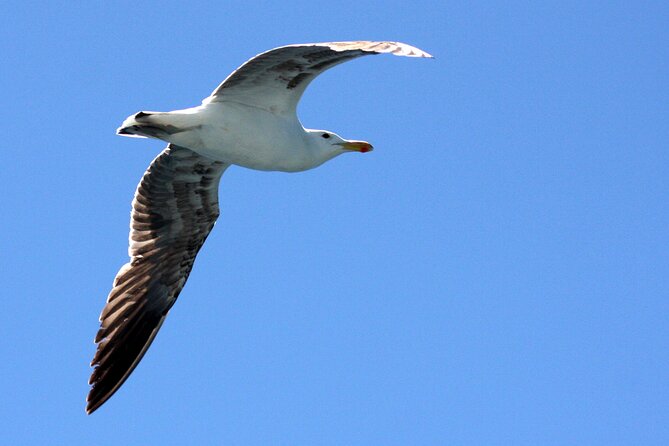
- Marine biologist guidance for smarter whale, dolphin, seal, and penguin spotting
- Walker Bay Marine Big 5 focus (whales, dolphins, seals, penguins, marine birds)
- Coastal photo stops including Danger Point, De Kelders Beach, and De Platt Beach
- Small-group boat trips with a maximum of 25 passengers
- Realistic expectations: you’ll hunt for wildlife, but you can’t force sightings
- Warm-up essentials recommended because sea wind makes “short” feel chilly fast
What Walker Bay’s Marine Big 5 search really means
“Big 5” is a great hook, but it’s also a promise with an asterisk. On this safari, the goal is to spot Walker Bay’s Marine Big 5: marine birds, penguins, seals, dolphins, and whales. The route and effort are designed to put you in the right areas, but wildlife movement is wildlife movement.
What that means for you is simple: go with a mindset of looking and learning, not banking on a single perfect sighting. When you’re out on the water with a guide who can explain what signals to watch for—resting areas, feeding patterns, movement direction—you start reading the bay like a naturalist. Even if the “headline” animal is shy that day, you’ll still get plenty to track: birds working the air, seals hauled out where conditions suit them, and dolphins that can appear suddenly and vanish just as fast.
Gansbaai harbor cruise: where the trip starts
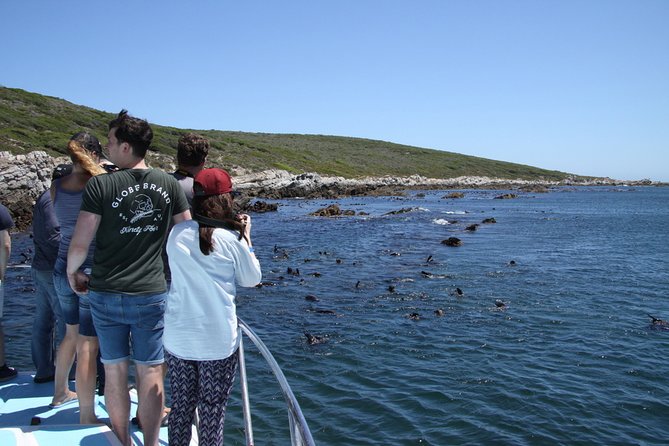
The safari starts at the harbor of Gansbaai, departing from 2 Harbour Way and returning to the same meeting point. The timing is practical too: the trips run around 10am and 1pm, and they operate based on weather and passenger conditions. In other words, plan to be flexible. If you’re traveling on a tight schedule, build in a little buffer.
Before you even reach the broader bay, you’ll cruise along the scenic coast. This is not a drive-by. You’ll pass the cliffs and sections of shoreline tied to De Kelders and De Platt Beach areas, which are famous for their striking contrasts—white beach, bright sky, and the changing look of the water as you move. If you’re a photographer, this part matters because you’re getting steady viewpoints while the boat is still close to shore.
For many people, the coastal portion is the “warm-up” phase: you get your sea legs, you check your camera settings, and you start noticing the small details—birds riding the air currents, surf lines, and where the water looks calmer versus rougher.
Danger Point and the De Kelders / De Platt photo stops
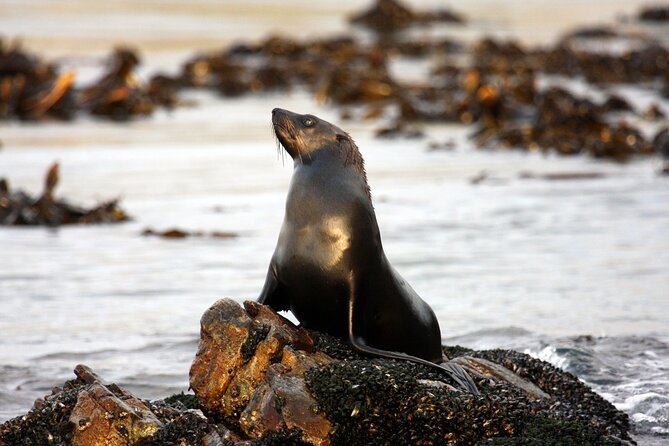
This safari specifically highlights photo-worthy coastal areas: Danger Point, De Kelders Beach, and De Platt Beach. Even if you don’t get a whale breaching in front of you, these sections can still deliver strong images, because they give you wide-angle scenery and clear sightlines.
Here’s what makes these stops meaningful rather than just “pretty places”:
- You get variety fast. A single outing mixes coastline views and open-water searching. That keeps the experience moving.
- You’ll spot wildlife cues while you shoot. Birds and other marine life often show up around specific coastal features and currents. Watching while you photograph improves your odds.
- It helps you appreciate the geography. Walker Bay’s shape influences where animals travel and rest. When you understand the coastline you’re seeing, the open-water “hunt” feels less random.
One practical note: bring sunglasses and expect glare. The coast can be bright, and open water reflections can make it harder to track animals unless you’re ready with the right gear.
Out into Walker Bay: the whale-and-dolphin search pattern
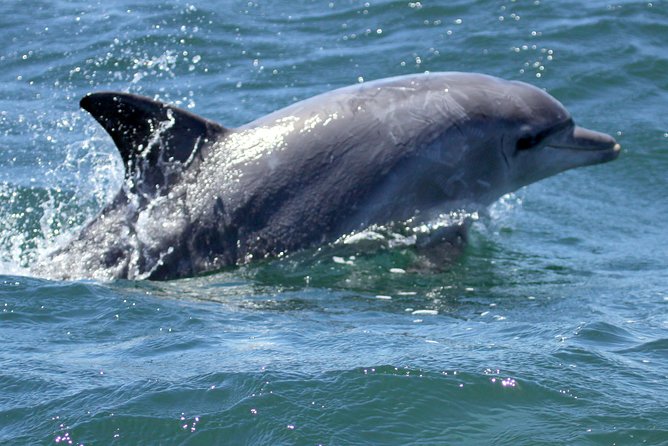
Once you’re out from the shoreline views, the skipper sets course into the middle of Walker Bay to look for the Marine Big 5. This is the core of the trip, and it’s where the “search” part becomes real.
You’ll be targeting whales, dolphins, seals, penguins, and marine birds, but you should treat the day like a guided scan of a living system. Animals surface, move, and disappear. Sometimes the best you can do is track movement direction and be ready when conditions line up.
The big advantage here is guidance quality. The tour includes a qualifying marine biologist and a skipper with over 15 years of experience in the area. That combo matters because wildlife spotting isn’t just luck—it’s also knowing what to look for. You’ll get education on marine life as you go, and that helps you interpret what you’re seeing instead of just reacting.
If you’re the type who wants “proof now,” keep your expectations realistic. The goal is maximum opportunity, not guaranteed sightings. Weather can also change the pace or where you can safely go.
Marine biologist coaching: turning sightings into real understanding
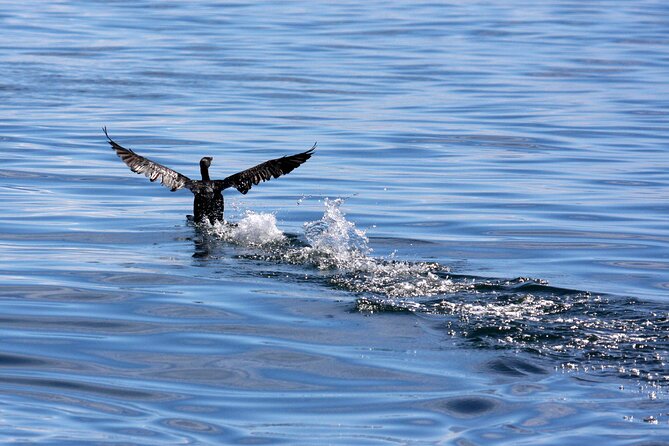
This is the part that often separates a “boat ride” from an actual wildlife experience. The safari is guided by a marine biologist (and supported by an experienced skipper), with onboard education about local marine life.
From what you can expect, the guide isn’t just naming animals. The value is in behavior and context—why animals appear where they do, what their movement can mean, and what other signs to watch for. That’s why people tend to walk away feeling like the trip taught them something, not just that they got lucky.
You’ll also benefit from the guide’s ability to keep your attention. A good wildlife guide can shift the focus quickly when conditions change—when you spot birds behaving unusually, when seals start showing up, or when the water surface suggests nearby dolphins.
I’d pack this expectation into your decision-making: if you want an experience where the “why” matters, this tour format fits well. If you only care about seeing a specific animal, you may still have a fantastic day—but the element of chance can be frustrating.
What the timing and 2-hour duration feel like
The safari runs about 2 hours. That’s a sweet spot for many people because it’s long enough to search meaningfully and short enough that you’re not stuck waiting around for hours.
Still, because it’s weather and passenger dependent, the schedule isn’t something to treat like a metronome. Trips run at 10am and 1pm, and they depend on conditions. If you’re planning around other activities in Hermanus or elsewhere in the region, give yourself flexibility.
Group size is another factor. With a maximum of 25 passengers, you usually get a more personal feel than bigger boats. That matters for spotting too: you need clear sightlines, and you don’t want to fight for position every time something pops up on the water.
Comfort and what to bring for a chilly sea safari
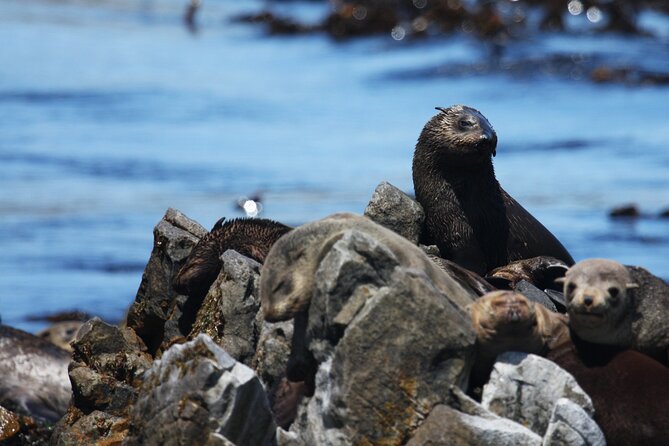
Even when it’s a bright day on land, sea wind changes the temperature fast. The tour guidance specifically recommends bringing warm clothes, plus a hat, sunglasses, and sunscreen. It also helps to bring your camera and video gear, and binoculars if you have them.
Here’s my practical take on packing for a short wildlife boat trip:
- Dress for wind, not just sun.
- Wear layers so you can adjust as the boat moves.
- Bring a hat that won’t fly off when the boat changes speed.
- If you rely on your phone camera, clean the lens and bring a backup way to charge or keep power protected.
If you’re sensitive to motion, plan to dress for comfort and consider how you handle boats in general. The trip is short, but waves can still affect how you feel.
Price, value, and the small extra you may pay
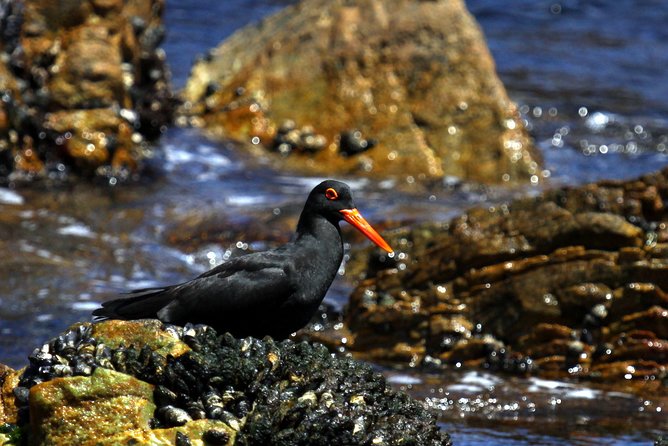
The listed price is $83.69 per person, and the average booking window is about 28 days in advance. Price matters, but value matters more.
What you’re paying for is not only the boat ride. The tour includes:
- the boat ride
- a professional guide
- all entrance fees included (so you’re not hit with surprise ticket costs for access)
- an added benefit of a guided marine biology angle, which changes how you experience the time on the water
One small cost to know: there’s a R5 parking fee payable at tour check-in. That’s minor, but it’s the kind of detail that can catch you off guard if you don’t plan for it.
Is it a bargain? It can feel like excellent value when you get strong sightings and a guide who is active and attentive. It can feel less fair if you end up with a quieter wildlife day or if you wanted more back-and-forth interaction than the crew provides.
That balance shows up clearly in the rating split: there’s appreciation for informed, attentive staff and good animal sightings, but there are also complaints about the price being high for what some people experienced.
My advice is to anchor value to your priorities. If you want education plus a focused Marine Big 5 search, the price makes more sense. If you mainly want the cheapest option regardless of guide quality, you might feel tempted to shop around.
How well this tour fits different types of travelers
This safari works best for:
- wildlife lovers who enjoy learning as they spot
- photographers who want both coastline viewpoints and open-water searching
- families who can handle a short boat trip and appreciate wildlife explanation from a guide
It also fits people who like structure but understand it’s nature: you’ll have a plan (target animals, coastal route), but you’re still at the mercy of the bay.
Children must be accompanied by an adult, and the tour says most travelers can participate. If you’re traveling with anyone who gets cold easily or struggles with motion, use the packing list seriously and consider your tolerance for open-air wind.
Should you book Big 5 Sea Safari from Gansbaai?
If your goal is a guided chance at seeing whales, dolphins, seals, penguins, and marine birds in Walker Bay, I’d say it’s a solid choice—especially because the format combines a targeted search with a marine biologist and an experienced skipper.
Book it if:
- you want your wildlife time to come with explanations
- you’re okay with the fact that sightings depend on conditions
- you’d enjoy coastline scenery at Danger Point, De Kelders, and De Platt as part of the experience
Consider passing if:
- you only want the lowest-cost option
- you’re the type who will feel disappointed if the big headline animals don’t show up in your window
- you’re very sensitive to cold and wind and don’t plan to dress for it
My bottom line: the safari makes the best sense when you treat it like a guided wildlife outing, not a guaranteed checklist. With the right expectations and a warm layer on, it’s one of the more focused ways to spend a couple of hours on the water in this region.
FAQ
How long is the Big 5 Sea Safari in Walker Bay?
The tour is about 2 hours.
What time does the safari depart from Gansbaai?
Trips run at 10am and 1pm. Departure is weather and passenger dependent.
Will I definitely see whales, dolphins, seals, and penguins?
No. The tour targets those animals as part of the Marine Big 5 search, but it cannot guarantee what you will see. Weather and conditions affect sightings.
What’s included in the price?
The price includes the boat ride and a professional guide. Entrance fees are included as well. A R5 parking fee is payable at check-in.
Do I need to bring anything?
Yes. Bring warm clothes, a hat, sunglasses, sunscreen, and your camera or video camera. Binoculars are also recommended.
Where do I meet for the tour?
The meeting point is 2 Harbour Way, Gansbaai, and the tour ends back at the same point.
What happens if the weather is poor?
The safari requires good weather. If it’s canceled due to poor weather, you’ll be offered a different date or a full refund.