REVIEW · WESTERN AUSTRALIA
Coral Bay: Marine Eco Safari – Swim With Manta Rays
Book on GetYourGuide →Operated by Coral Bay Ecotours · Bookable on GetYourGuide
Manta rays don’t usually show up on schedule. This Coral Bay Marine Eco Safari is built around the Ningaloo Reef’s resident manta rays, so your day has a real target, not just hope.
I especially like the crew’s hands-on support in the water. They help you get comfortable with gear, and they run the day with a calm, professional rhythm that makes snorkelling feel less stressful and more fun.
One thing to plan for: manta sightings are wildlife, not a theme-park script. Weather and the rays’ mood can shape how close and how long you get, and the water can feel chilly even in a great day.
In This Review
- Key points to know before you go
- Coral Bay’s reef mission: what this tour is really for
- The Kurni-Ku setup and why it matters for your comfort
- Meeting point and timing: how the day flows from 8:00 AM
- Bills Bay: your first snorkel stop for coral and reef fish
- Morning tea and break time: fuel before the manta window
- Bateman’s Bay and the spotter plane: your best shot at manta rays
- Extra reef snorkel on the way back: more life, less pressure
- Lunch and onboard downtime: staying happy between swims
- Crew and guidance: the difference between seeing and actually noticing
- Photos: what you get and what costs extra
- Price and value: is $247 worth it?
- Who should book this Marine Eco Safari?
- Should you book Coral Bay’s manta-ray swim?
- FAQ
- How long is the Marine Eco Safari?
- What’s the meeting point?
- What time does the tour start?
- What’s included in the price?
- Do I need to bring my own snorkeling equipment?
- What should I bring?
- What’s not allowed during the tour?
- Are tour photos included?
- Is cancellation possible if plans change?
- Is a guide provided, and what language?
Key points to know before you go
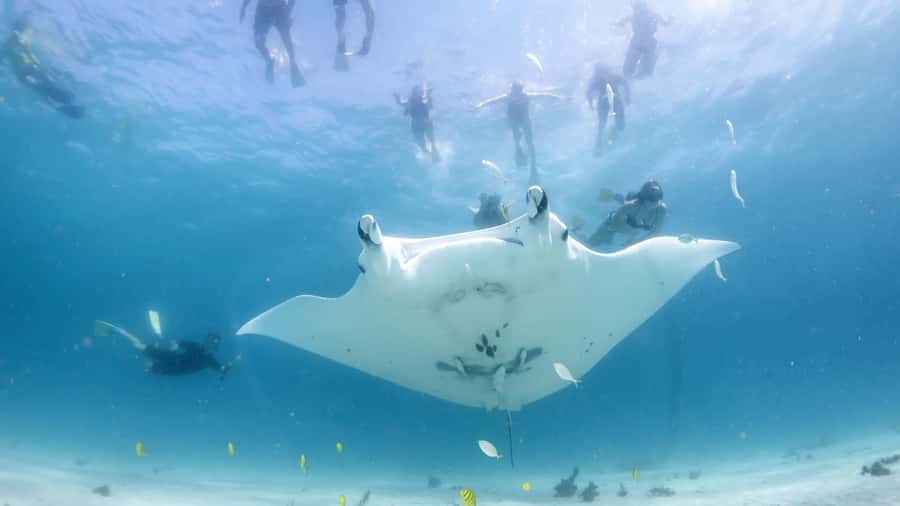
- Ningaloo Reef, with resident manta rays: the tour is timed and planned around sightings that can happen all year.
- Spotter plane for Bateman’s Bay: extra searching that improves your chances.
- Custom reef-focused vessel (Kurni-Ku): designed to work around a protected reef area.
- Multiple snorkel chances: Bills Bay in the morning, plus an extra reef stop on the way back.
- Crew who adjust to you: from steady guidance to helping with getting in and out of the water.
- Meals included: morning and afternoon tea, plus a buffet lunch while you’re out on the water.
Coral Bay’s reef mission: what this tour is really for
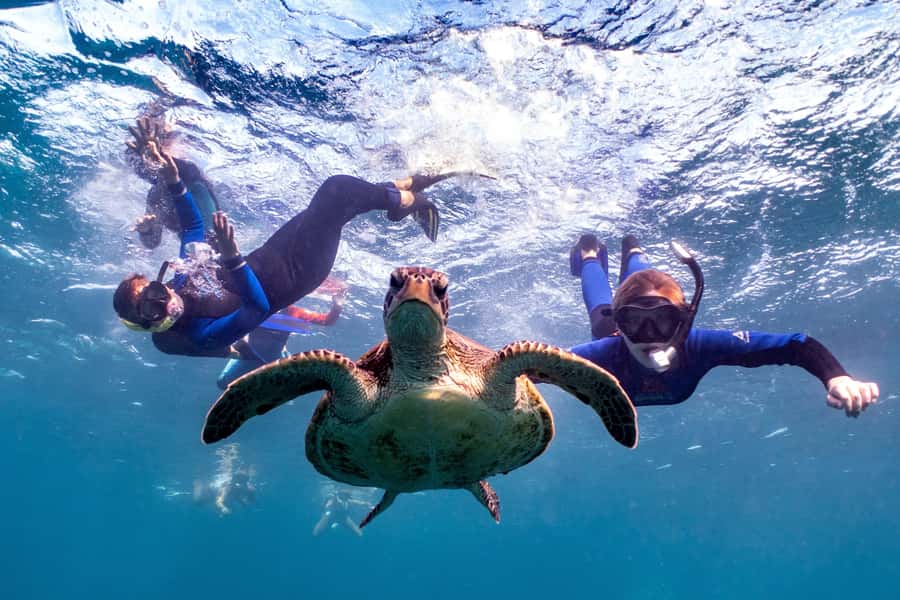
If you’re coming to Western Australia for marine wildlife, this is one of the most direct ways to spend your time. The heart of the day is snorkelling Ningaloo Reef with a real chance at meeting manta rays face-to-face. That’s not marketing fluff. The whole itinerary is built around that possibility, with different reef locations and a dedicated effort to find the rays.
The big value here is focus. Instead of bouncing around for random viewpoints, you’re scheduled for reef time when the water is at its best for seeing fish, turtles, and coral, and when manta rays are more likely to be around. The day also includes boat viewing, which matters because some of the most impressive wildlife can be spotted just above the surface.
Still, go in with the right mindset: wildlife behavior decides a lot. On some days you get lots of close encounters. On others, you might have more “spot and observe” moments rather than long, calm swims with the rays.
The Kurni-Ku setup and why it matters for your comfort
This tour runs on the Kurni-Ku, a custom-built vessel designed to move around the Heritage Listed Ningaloo Reef. Practically, that means you’re not stuck on a generic boat that feels like a compromise. You’re on a reef-focused platform where the staff can guide you efficiently between snorkel stops.
The tour also has built-in safety rhythm: you get a safety briefing before you head out and again when you’re in the water. That’s not just paperwork. It helps you understand how to handle buoyancy, how the guides want you to move, and what to do if you need to regroup.
And yes, comfort matters. You’re provided with snorkelling gear and a wetsuit, which is a big deal in an area where the water can still feel cool. One review experience noted a cold day, and a wetsuit helps you stay in the water longer without turning the snorkel into a shiver contest.
Meeting point and timing: how the day flows from 8:00 AM
Plan on starting early. The usual start is 8:00 AM at the Coral Bay EcoTours office on Robinson St. From there, it’s a short coach transfer to the jetty. It’s quick, and it keeps the morning from turning into a long wait with nothing to do.
Once you’re on the boat, the crew handles the “getting ready” steps fast: you’ll have your safety briefing and then you’re moving toward the first reef area. The day is paced so you’re not only travelling. You’re snorkelling, viewing, and then fuelling up again.
One practical note: this is a day on moving water. Bring a water bottle if you prefer. The tour includes tea and coffee, but having extra water on hand can help if you run warm after snorkelling.
Bills Bay: your first snorkel stop for coral and reef fish
The first reef stop is Bills Bay. This is where you get set into the day with a guided snorkel before the manta-focused segment. The payoff is variety. You should expect plenty of reef fish, reef sharks (usually sighted safely from the boat as well as in the water depending on the day), and coral gardens that give you a real sense of what Ningaloo looks like underwater.
Why this stop is so useful: it’s your warm-up, but it’s also your confidence builder. You’re wearing your wetsuit, using the snorkel gear you were issued, and learning the guide’s hand signals and pacing. By the time you head to the manta area later, you’re ready instead of still figuring out how to breathe and move without panicking.
A possible drawback is that snorkeling conditions can vary with the day. Visibility can be excellent, or it can be limited. Wildlife behavior also matters—some days you’ll feel like the reef is throwing life at you, and some days it’s quieter. Either way, Bills Bay is still a strong reef introduction to the system.
Morning tea and break time: fuel before the manta window
After the first snorkel, you’ll have morning tea on board. Then the day transitions into the “find the mantas” phase.
There’s also a break period later for coffee and tea, plus some sightseeing time while the boat moves between reef areas. This matters more than it sounds. Your body needs a reset between snorkel sessions, especially if you’ve been active with fins.
If you’re the type who gets cold in water or quickly tires while snorkelling, take the break seriously. Warm up, drink something, and let your shoulders recover. It makes the later swim much more enjoyable.
Bateman’s Bay and the spotter plane: your best shot at manta rays
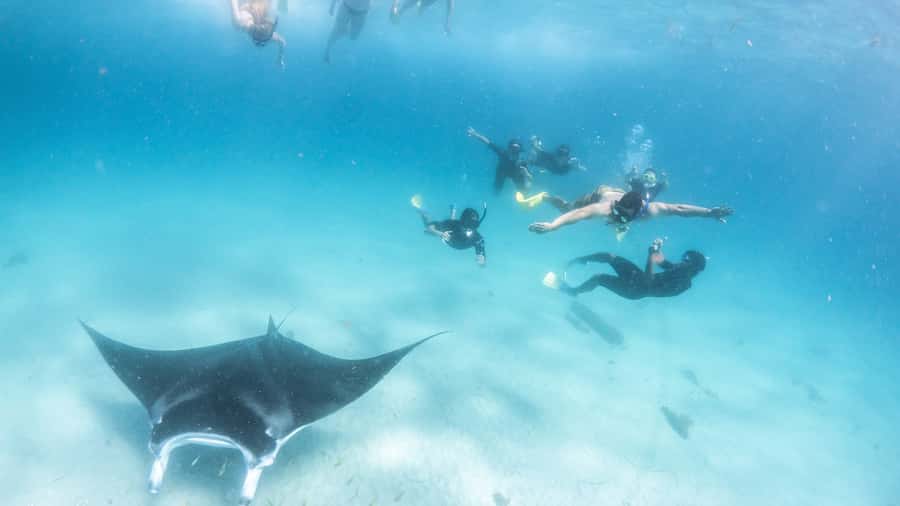
The manta-focused segment centers on Bateman’s Bay, with a spotter plane used to help locate manta rays. This is one of the smartest parts of the tour because it adds an extra layer of search effort. In plain terms: the staff aren’t just driving until they hope for the best.
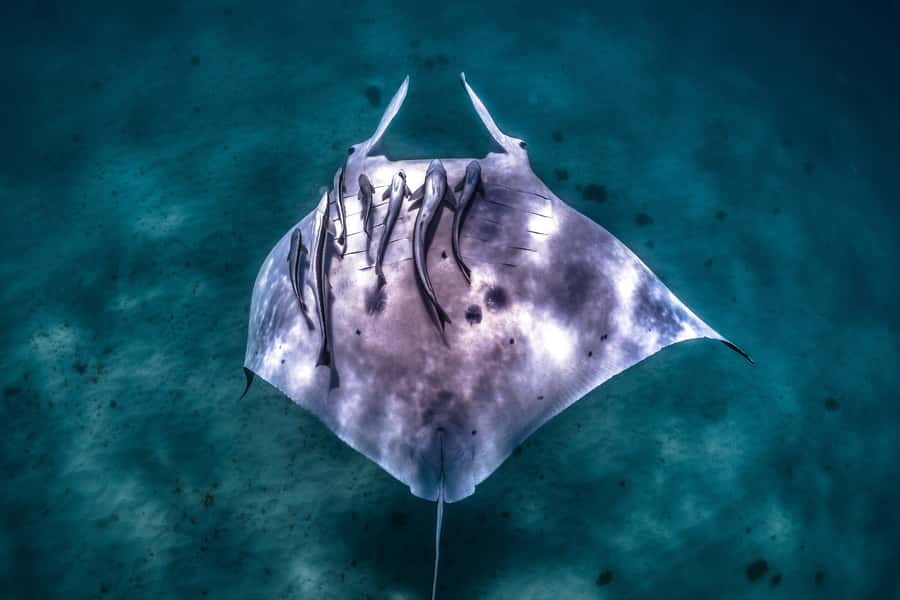
When the rays are around, you can get close enough for that surreal feeling—big animals, gliding right under you, with nothing between you and the reef except the water. Multiple experiences described manta encounters ranging from several sightings in a day to groups of rays that show up together.
But here’s your reality check: sometimes manta rays choose a different route, or they’re deeper, or they’re simply not in the mood to hang out at the surface. One shared experience noted that the manta rays weren’t co-operating, and the viewing was more limited. That’s not a failure. It’s the nature of wildlife.
Also, be mindful of swim style. One note mentioned you may need to keep up with the pace, so you’ll enjoy this more if you’re comfortable swimming consistently in open water. If you’re not, tell the crew early. They adjust how they work with you, including helping people with getting in and out.
Extra reef snorkel on the way back: more life, less pressure
On the return home, you stop for an afternoon snorkel. This is a bonus chance to see more marine life, and it’s often where you get your second wave of coral and fish time without the pressure of “this is the manta moment.”
This segment can also bring surprises. Some days are heavy on turtles and other reef animals. Other days include sightings from the boat like dolphins, and in some seasons whales have shown up in the mix. The common theme is that the crew looks for wildlife, not just a checklist of locations.
If you’re hoping for a second manta encounter, don’t count on it. The main manta push is the Bateman’s Bay plan with the spotter plane. But the afternoon snorkel can still deliver a strong payoff in its own right.
Lunch and onboard downtime: staying happy between swims
You’ll have lunch on board after a set of reef time. It’s described as a buffet lunch, with time to eat—no rushing, no sprinting to your next stop before you’ve had a chance to breathe.
Food isn’t a small thing on a trip like this. Snorkelling burns energy, and wearing a wetsuit can make you feel warmer than you expect. A proper meal keeps your body working and helps you enjoy the rest of the day instead of dragging yourself through the final snorkel.
There’s also a coffee and tea stop, and experiences mention cake alongside the food spread on some days. Even if the menu varies, you can count on the tour keeping you fed and warm enough to focus on the water.
Crew and guidance: the difference between seeing and actually noticing
This is where the tour earns its high scores. The staff come across as genuinely committed to the reef and to helping you have a good experience in the water.
A recurring praise is how they help you get comfortable and keep you safe. One experience specifically mentioned support for seniors with limited flexibility, including help with flippers and getting in and out of the water. That’s a big deal because it shifts the tour from intimidating to approachable.
You might also hear reef guides point out what you’re seeing in a way that makes the underwater world click. Names mentioned in experiences include Dan (often as skipper), plus guides such as Lou, Paul, and Albert, and staff like Sean. You can’t count on exact personnel, but you can count on the same style of guidance: attention to where you are, what you’re seeing, and how to move safely.
A useful tip, based on the overall instruction style: focus on slow, steady movement. If you kick hard or panic-breathe, you’ll tire fast. If you move smoothly, you’ll see more—fish react less and you’ll float in a way that puts your eyes at the right height in the water.
Photos: what you get and what costs extra
Tour photos are not included. However, experiences indicate you can purchase professional photos afterward, and some people describe them as excellent—capturing moments you’d never manage to film yourself.
So if you care about getting images, plan to budget a bit extra just in case. If you’re on the fence, remember that underwater shots are hard. Paying for high-quality photos can be worth it, especially if manta rays give you a rare close pass.
Price and value: is $247 worth it?
At $247 per person for a 5 to 6 hour outing, you’re paying for more than a snorkel ticket. The price buys a full reef day with:
- a custom reef-oriented boat (Kurni-Ku)
- provided snorkelling gear and a wetsuit
- multiple guided reef snorkel segments, including a manta-focused route
- meals and drinks (morning tea, afternoon tea, and buffet lunch)
- and, importantly, the added effort of a spotter plane to locate manta rays
That’s the real value equation. You’re not just paying for access to water. You’re paying for time, equipment, staff, and search effort to improve your odds.
The one “hidden” cost isn’t money—it’s mindset. You’re booking wildlife time, so your final outcome depends on animals and conditions. If you can accept that and be ready for whatever the reef hands you, the experience is likely to feel like good value.
Who should book this Marine Eco Safari?
You’ll enjoy this tour most if you want a structured reef day with a strong focus on manta rays and you’re comfortable snorkelling for stretches of time. You don’t need to be a pro swimmer, but you should be prepared to keep pace when the guides are moving you toward sighting moments.
It also suits people who appreciate real marine instruction and hands-on help. The support described for seniors and first-timers suggests the crew pays attention to individual needs.
If you’re very sensitive to cold water, you should still seriously consider the wetsuit plus the timing and typical conditions. One shared note said it was freezing even in good weather, so layering and staying warm between sessions matters.
And if you’re expecting guaranteed manta rays every time, adjust your expectations. The tour does everything it can to find them, including that spotter plane, but nature sets the final rules.
Should you book Coral Bay’s manta-ray swim?
I think you should book this tour if manta rays and reef snorkeling are your top priority and you like the idea of a crew running a focused plan rather than random reef roaming. The combination of resident manta potential, a manta-search system, guided snorkels at multiple reef spots, and all-in meals makes the day feel efficient and satisfying.
Skip it or change your expectations if you’re not comfortable snorkelling for long stretches, or if cold water would ruin your day. Wildlife also isn’t guaranteed, so your best approach is to book for the experience of being on the Ningaloo Reef—then let the mantas and other creatures do what they do.
FAQ
How long is the Marine Eco Safari?
The tour runs for about 6 hours.
What’s the meeting point?
You’ll meet at 30 Robinson St, Coral Bay WA 6701.
What time does the tour start?
The standard start time is 8:00 AM at the Coral Bay EcoTours office (unless you’re otherwise informed).
What’s included in the price?
Snorkelling gear, a wetsuit, snorkeling guides, morning and afternoon tea, and a buffet lunch are included.
Do I need to bring my own snorkeling equipment?
No. Snorkelling gear is provided, and you’ll also get a wetsuit.
What should I bring?
Bring swimwear and water.
What’s not allowed during the tour?
Pets and smoking are not allowed.
Are tour photos included?
No. Tour photos are not included, though you may be able to purchase photos later.
Is cancellation possible if plans change?
You can cancel up to 24 hours in advance for a full refund. The tour may also be subject to minimum numbers and weather.
Is a guide provided, and what language?
Yes. There is a live tour guide, and the tour is in English.