REVIEW · DUBAI
Dubai: Dubai Safari Park Entry Pass
Book on GetYourGuide →Operated by GetYourGuide Tours & Tickets GmbH · Bookable on GetYourGuide
One great day in Dubai can happen without malls or traffic drama. Dubai Safari Park is a 119-hectare wildlife sanctuary built to feel like you stepped into African savannah and the Arabian desert at the same time.
I especially liked how the park mixes big-picture space with hands-on moments like animal feeding sessions, plus short live presentations that keep you moving. Another win: the Explorer-style safari option helps you see more animals without turning your visit into a full-on hike.
The main thing to watch is heat and timing. On very hot days, some animals may spend more time indoors, so plan your day around early entry and the schedule.
In This Review
- Key points to know before you go
- Dubai Safari Park in 1 day: what your entry pass really includes
- The themed villages: African Savannah, Arabian Desert, Asian Village
- Explorer Safari Tour bus: the easiest way to see animals close-up
- Feeding sessions and live presentations: what’s included vs paid
- Cool-down strategy in Dubai heat: misting fans and shaded rest points
- Kids Farm, Grand Aviary, and Young Explorers workshops
- Getting around: walking vs train rides vs the Explorer bus
- Rules and restrictions that affect your day (bring less, enjoy more)
- Ramadan hours and last-entry planning
- Price and value: when the add-ons make sense
- Should you book the Dubai Safari Park entry pass?
- FAQ
- What does the Dubai Safari Park entry ticket include?
- Is the Explorer Safari Tour included with the entry pass?
- Can I bring food into Dubai Safari Park?
- Do I need to pay extra for the train ride?
- Are there age rules for children?
- What are the park hours and last entry?
Key points to know before you go
- 119 hectares, ~3,000 animals: Many species, from mammals to birds, reptiles, amphibians, and invertebrates, spread across themed villages.
- Your ticket includes more than entry: You get a 15-minute safari in the Arabian Desert Zone plus access to three live animal presentations.
- Feeding is partially included: You’ll get complimentary pony and bird feedings (details below), while other feeding experiences cost extra.
- The Explorer safari bus is worth considering: It’s the easiest way to get close-up viewing across the larger areas.
- Cooling matters in Dubai: Reviews highlight misting fans and plenty of shaded areas for breaks.
- Plan at least half a day to see the best bits: Many visitors suggest 6+ hours if you want to feel unhurried.
Dubai Safari Park in 1 day: what your entry pass really includes
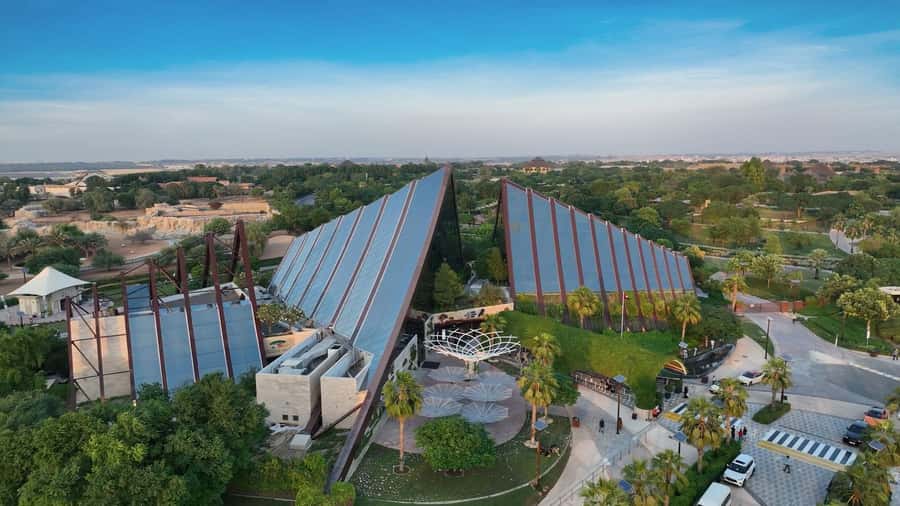
Dubai Safari Park entry is priced around $13 per person for a 1-day visit. That low starting price is the hook, but the real value comes from what’s bundled into admission.
With your ticket, you’re not just walking around. Admission includes a 15-minute Safari Tour in the Arabian Desert Zone, access to three live animal presentations, wildlife talks, and Young Explorers workshops based on the announced schedule. It also includes complimentary animal feeding or encounters, but those are specific offerings.
If you choose the Explorer Safari Tour option, you’ll add an up-close bus experience to your day. Some visitors also add a train ride between areas for easier movement, especially if you want to cover more ground without burning daylight.
You can also read our reviews of more tours and experiences in Dubai.



The themed villages: African Savannah, Arabian Desert, Asian Village
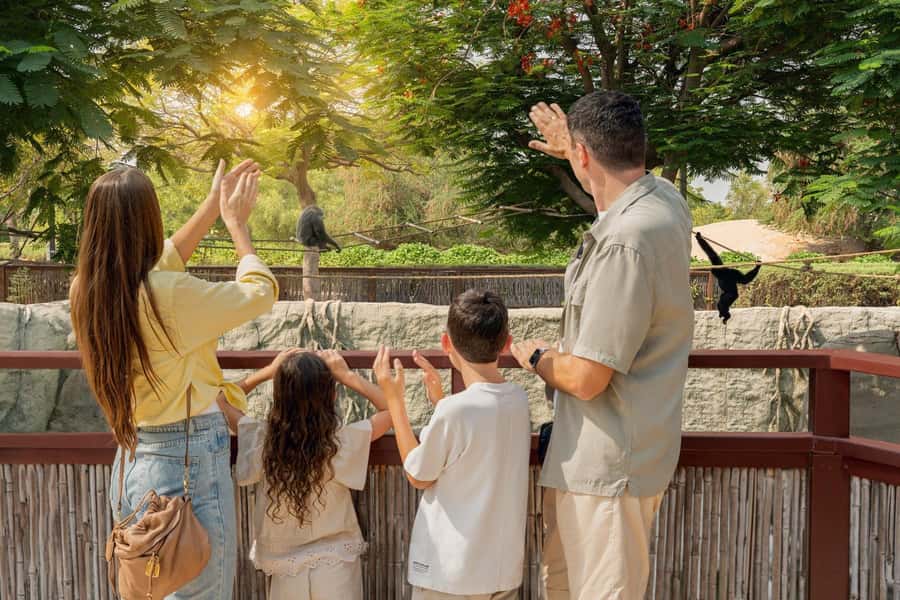
The park is organized into themed areas, so your brain doesn’t feel stuck inside one “zoo layout.” You’ll move through villages designed to match the environment of the animals you’re seeing.
In the Asian Village, you’ll find forest-and-pond style habitats, plus an Asian Village Theatre where educational animal shows run on a schedule. This is also where the storytelling helps you understand behavior, not just species names.
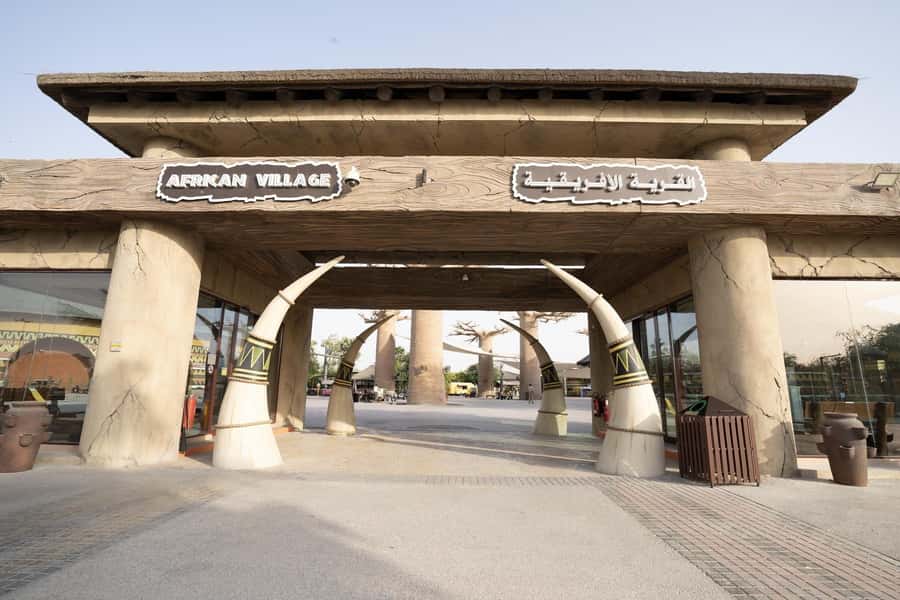
The African Village is the big draw for many people because it’s where you can see both very large land mammals and very small ones in the same general sweep of viewing. In plain terms: it’s a good zone if you want variety without switching locations every ten minutes.
There’s also an Arabian Desert Zone tied to the safari portion of your visit. Even if you walk that area, the timing of the safari ride matters because you’re getting a structured viewing window.
Explorer Safari Tour bus: the easiest way to see animals close-up

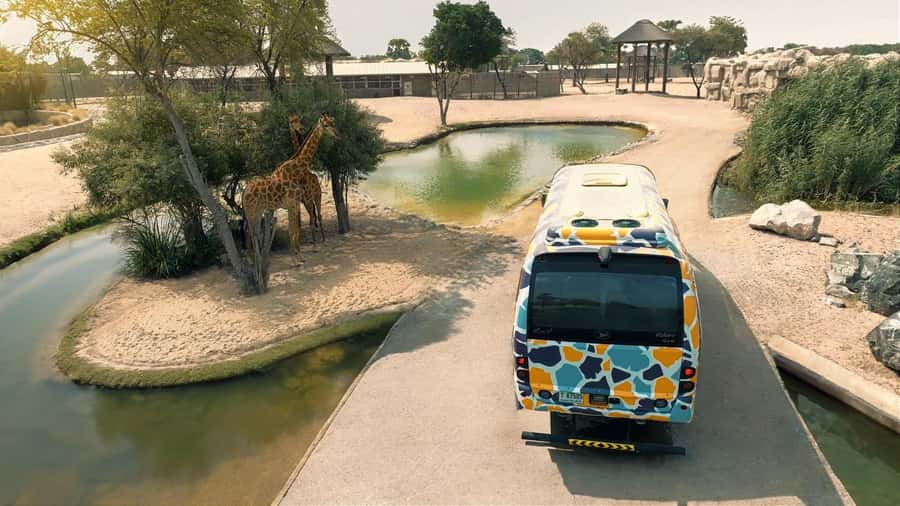
If you’re short on time, the Explorer Safari Tour option is the smartest add-on to consider. The park is huge, and even with walking, animals have space and cover, so bus viewing helps you catch more moments where animals are visible.
The key difference is perspective. Walking can feel slow if animals are further inside habitats. The Explorer-style ride pushes you into a more direct viewing loop—often the best way to spot animals without spending your whole day searching.
Some guides are known for making the ride feel more like a guided story than a slow drive. For example, one guide named Glen is praised for friendly, helpful explanations during the safari experience, and other Asian Village guides get described as cool and engaging. If you get a talkative guide, you’ll likely feel like you got context for what you’re seeing.
One practical tip: if you care about photos, you’ll want to be ready when the bus stops. A few visitors wished stops lasted a bit longer for photos in the African Village area, so don’t count on perfect lighting or perfect pause time.
Feeding sessions and live presentations: what’s included vs paid

Feeding is where the day shifts from sightseeing to actual interaction. Your ticket includes complimentary encounters, but they’re limited to specific experiences.
Included complimentary feeding/encounters:
- Alwada Pony Walk
- Duck Feeding
- Bird Feeding
Those are the free hits, and they’re easy to plan around because they’re part of what admission covers. Everything else—like additional specialized feedings—costs extra at the park ticketing counter.
A few reviews point out that popular feeding sessions (like giraffe feeding) can sell out, so if that’s on your wish list, you’ll want to arrive early and get your timing sorted before the day gets away from you. Also keep in mind that free feedings may have limited spots depending on the schedule.
Live presentations are your other “built-in” value. You’ll have three live animal presentations included, plus wildlife talks. The Asian Village Theatre shows are especially memorable for bird lovers, including a Grand Aviary that’s often mentioned as having an overwhelming variety of bird species.
Cool-down strategy in Dubai heat: misting fans and shaded rest points

Dubai heat can change how a wildlife visit feels. The good news: this park is built for it.
Visitors repeatedly mention misting fans that blow a water mist to cool the air across parts of the park. That kind of cooling detail matters because it turns a potentially exhausting walk into something you can actually enjoy for hours.
You’ll also want to use the shade. Reviews call out shaded areas and seating, plus rest zones where you can take a break without leaving the flow of the day.
One downside of hot weather is also worth planning for. On very hot days, some animals may stay inside more often, and you might see fewer animals outside than you expected. Even the primates can follow the heat—one review notes chimps sleeping—so go in expecting the park to prioritize animal comfort over constant outdoor activity.
The best approach: go early, start with the larger viewing zones first, then slow down as the day heats up.





Kids Farm, Grand Aviary, and Young Explorers workshops
If you’re traveling with kids, Dubai Safari Park is set up to keep them engaged without constant pleading for snacks.
At Kids Farm, children can interact with farmyard animals like sheep, donkeys, ponies, goats, ducks, and birds. It’s a different kind of fun than big-animal viewing—hands-on and usually easier for younger kids to track.
There are also Young Explorers workshops, included in admission based on the announced schedule. These help turn animal watching into something more educational and active, rather than passive standing around.
For bird fans (and adults who love bird chaos), the Grand Aviary is a standout. One visitor described the variety as overwhelming in the best way, which usually means you’ll see plenty of different species instead of just a single-theme display.
The Asian Village Theatre adds structure too, with shows designed to explain creatures in a more teachable way. If you want your day to include both movement and sit-down learning, this is a solid pairing.
Getting around: walking vs train rides vs the Explorer bus
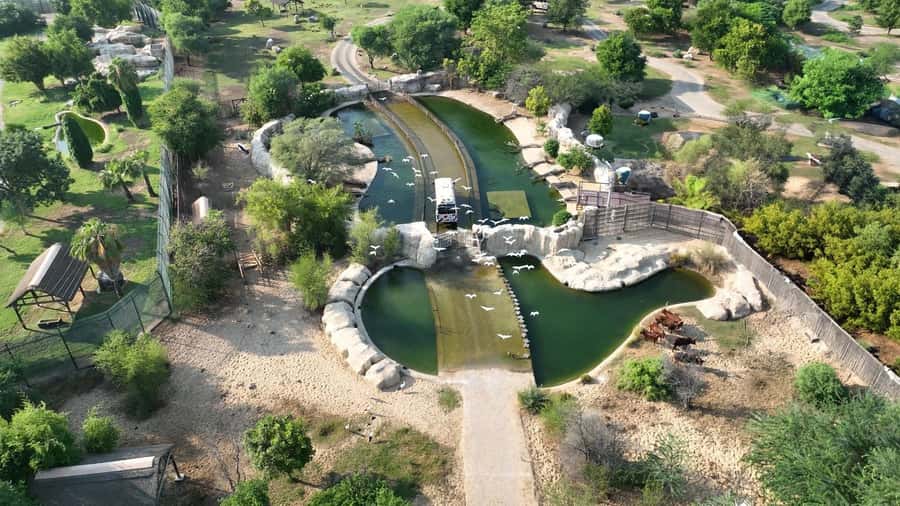
The park is spread out, so how you move affects how much you enjoy it. Walking is possible, but it can feel long if you’re trying to hit every village on one schedule.
A train ride is available if you select that option, and it can help you connect areas without burning your energy. One review even praises the train between areas as well organized and good value for covering more.
Still, expect a little friction. Some visitors mention signage could be clearer for understanding train types, times, or how the train connects different areas. If you choose train rides, keep checking staff for confirmation rather than assuming the first route is the only option.
Navigation inside can also be a little tricky. One review mentions it was difficult to figure out where to walk for certain animals, and another notes that mapping and road indicators aren’t always perfect, which can lead to detours if a gate area is closed. Translation: build in extra time and don’t schedule your whole day down to the minute.
Lastly, plan your ride out. The park is outside the city, and one review warns that transport back can feel like it’s far from convenient drop-offs.
Rules and restrictions that affect your day (bring less, enjoy more)
Before you go, skim the rules so you don’t get stuck at the gate with stuff you can’t bring.
Not allowed includes:
- Food (you can’t bring it in)
- Pets
- Drones
- Smoking
- Vaping
- Bikes
- Flash photography
- Skateboards and scooters
There’s also a “last admission” timing you should respect. Admission is only available until 1.5 hours before closing time, so if you arrive late, you may lose access to some zones.
Ramadan hours and last-entry planning

Dubai Safari Park changes hours during Ramadan. Opening hours run from 10:00 AM to 6:00 PM, and the last park entry is 5:00 PM for all guests, regardless of ticket type.
That means your plan needs a different logic: you won’t have the luxury of wandering in the late afternoon like you might on a normal day. If you’re visiting during Ramadan, aim to arrive earlier so you can still experience the safari and presentations you want.
Price and value: when the add-ons make sense
At about $13 per person, the ticket itself is budget-friendly for Dubai standards. But the better value question is: what will you miss if you don’t add upgrades?
If you only buy the basic pass, you still get a structured safari segment (15 minutes), three live presentations, talks, and complimentary feedings tied to pony and birds. That covers a lot of what people actually remember.
Where add-ons can pay off:
- If you want more close-up viewing across the larger park, the Explorer Safari Tour option is often the main upgrade worth considering.
- If you want easier movement between sections, the train ride can save time and energy.
- If you want specialized feedings (beyond the complimentary ones), you’ll pay extra, and some popular sessions can fill up.
I’d treat paid experiences as “choose your top 1-2” instead of trying to buy everything. This way you keep control of your schedule and avoid spending the whole day juggling counters and sold-out sessions.
Should you book the Dubai Safari Park entry pass?
Book it if you want a true wildlife day in Dubai with enough structure to keep families happy, and enough space that animals aren’t packed into tiny enclosures. The included safari segment, live presentations, and complimentary encounters (like Alwada Pony Walk and Duck/Bird feeding) make the entry pass feel more than just a basic ticket.
Skip or downgrade expectations if you’re arriving late or only have a short window. Because entry ends 1.5 hours before closing, you’ll feel rushed if you don’t start early. Also, if your priority is seeing every animal outside every time, be aware hot weather can push some animals indoors.
If you go, I’d recommend showing up early, carrying water, and treating the Explorer-style safari option as your best lever for close-up viewing across a large park.
FAQ
What does the Dubai Safari Park entry ticket include?
Your admission includes a 15-minute Safari Tour in the Arabian Desert Zone, access to three live animal presentations, wildlife talks, Young Explorers workshops, and complimentary animal feeding or encounters. The included complimentary encounters are Alwada Pony Walk, Duck Feeding, and Bird Feeding (other feedings may cost extra).
Is the Explorer Safari Tour included with the entry pass?
It depends on the option you choose. The Explorer Safari Tour is included if you select that option. The basic admission also includes a separate 15-minute Safari Tour in the Arabian Desert Zone.
Can I bring food into Dubai Safari Park?
No. Food is not allowed, and food and drinks are not included with the ticket. You’ll need to get meals and drinks on-site.
Do I need to pay extra for the train ride?
The train ride is included only if you select that option. If you don’t choose it, you can still get around by walking.
Are there age rules for children?
Children under 3 are free, but an identity card is required upon entry. Children aged 3 to 12 must be accompanied by an adult.
What are the park hours and last entry?
Last admission is 1.5 hours before closing time. During Ramadan, the park runs 10:00 AM to 6:00 PM, and the last entry is 5:00 PM for all guests. Check the official daily schedule for exact dates and presentation/feeding timing.