REVIEW · KILIMANJARO
Great Migration Safari In Tanzania
Book on Viator →Operated by Savannah Explorers · Bookable on Viator
Big cats and big rivers, all in one week. This trip is interesting because it’s built around the Great Migration and delivered as a true private safari with a professional guide, 4×4 Land Rover or Toyota Land Cruiser game drives, and a route that ties Serengeti North to central areas plus Ngorongoro. I love that it’s tailor made (100%), so you’re not stuck with a generic script, and that the schedule keeps you on the move enough to chase migration moments without feeling rushed hour-to-hour. The main consideration is timing: the best chance in the north is July to October, so if you go outside that window you can still see plenty, but you’re taking on more uncertainty with the exact migration you’re hoping for.
I also like the practical rhythm: early transfers, long stretches of time in the parks, and picnic lunches that keep you hunting rather than constantly backtracking for meals. And because it’s private, your guide can adapt where you stop, how long you linger, and what you prioritize on any given day.
In This Review
- Key things to know before you go
- Entering the Great Migration zone in Serengeti North
- Your week’s flow: Kilimanjaro to Karatu, then parks in sequence
- Day 1 in Karatu: a gentle start after arrival
- Tarangire National Park: elephants, baobabs, and predator pressure
- Serengeti North (Lobo, Bologonya, Mara): chasing the herds with time to adjust
- Serengeti Central on Day 5: broader Serengeti energy and feline odds
- Ngorongoro Crater on Day 6: dense wildlife in a single dramatic bowl
- Day 7 departures: Karatu reset and getting you to Arusha or Kilimanjaro
- 4×4 transport and long game-drive days: what it means for you
- Price and value: does $3,900 per person make sense?
- Professional guide quality: how much it affects your sightings
- Who should book this Great Migration safari
- Should you book this safari?
- FAQ
- FAQ
- How long is the Great Migration safari?
- Where does the safari start and how does it end?
- Is this safari private or shared with other travelers?
- What parks and areas are included?
- When is the Great Migration most likely in this route?
- What vehicle do you use for game drives?
- Are park admissions and lunches included?
- Can you cancel or change this booking?
Key things to know before you go
- Private 4×4 safari time focused on game drives, not buses
- Serengeti North positioning for the Lobo, Bologonya, and Mara areas
- Picnic lunch days built in on park drives
- Ngorongoro Crater descent for dense wildlife viewing
- Tailor-made planning (100%) with a professional safari guide
Entering the Great Migration zone in Serengeti North
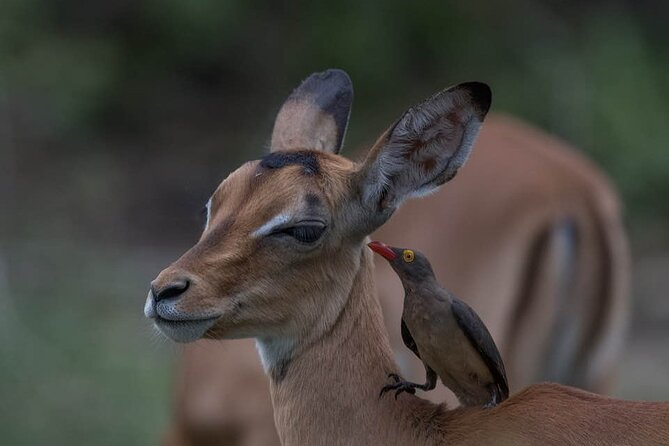
This is a safari built for people who want more than a quick checklist. The selling point is the way the route is designed around the herds’ northward rhythm. When conditions line up—especially July to October—the herds tend to move north and gather before attempting the Mara River crossing. That’s where the drama happens: riverside bottlenecks, predators watching the edges, and constant motion that keeps your eyes busy.
What I like about this setup is that you don’t just do one day of Serengeti North and call it a day. You get multiple game-drive blocks while you’re in the north areas (Lobo, Bologonya, and Mara regions). That matters because the Great Migration isn’t a parade with a fixed start time. It’s a moving event. More time in the right zone gives you a better shot at meaningful sightings, whether that’s close-up herd behavior or the predator activity that often follows.
Even if migration timing isn’t perfect, this circuit still works. Tarangire is strong for elephants and big baobabs. Serengeti is a world-class predator park. And Ngorongoro Crater packs an intense amount of life into a single, dramatic bowl. In other words, you’re not betting everything on one river crossing.
Your week’s flow: Kilimanjaro to Karatu, then parks in sequence
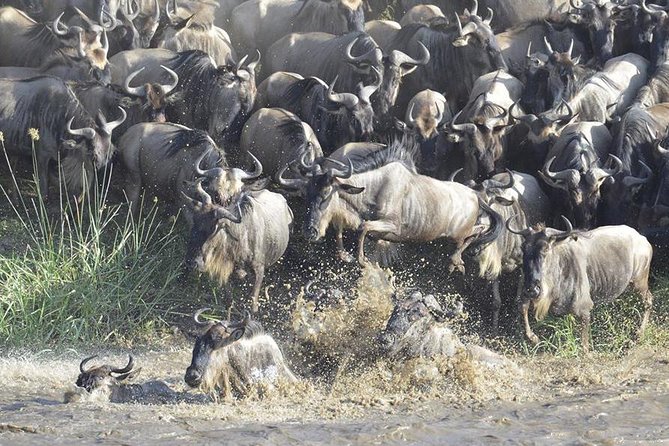
The trip starts with a 7:00 am meeting point at Kilimanjaro airport. From there, the first stop is Karatu, a roughly 2-hour transfer. The idea is simple: get you off the airport stress and onto safari sleep early, so the next day can start with full energy.
After that, the plan lays out a classic circuit with a clear logic:
- Tarangire first (Day 2) for elephants and predators
- Ngorongoro Conservation Area then Serengeti North (Days 3–4) for migration-focused viewing
- Serengeti Central next (Day 5) when you want a broader Serengeti feel and serious predator potential
- Ngorongoro Crater (Day 6) for dense wildlife in one drop
Finally, Day 7 returns you to Karatu, then onward to Arusha or Kilimanjaro airport for your departure.
That sequencing is useful because it keeps travel time purposeful. You’re not crisscrossing the whole region every day. You’re moving through the ecosystem in a way that fits the natural story of the herds and the way predators hunt.
Day 1 in Karatu: a gentle start after arrival
Day 1 is all about getting settled. You’ll be picked up from Kilimanjaro airport and driven to Karatu for the overnight. If you have time, there’s an option to stop at a local market on the way. If you don’t, you can keep it simple: relax at the lodge.
This matters more than people think. Long flights plus an immediate safari can turn Day 2 into a blur. The Karatu overnight gives you a real reset, and it also positions you well for the next day’s drive into Tarangire National Park.
It’s also a reminder that a good safari isn’t only about the animals. It’s about comfort, pacing, and being ready when the park doors open.
Tarangire National Park: elephants, baobabs, and predator pressure
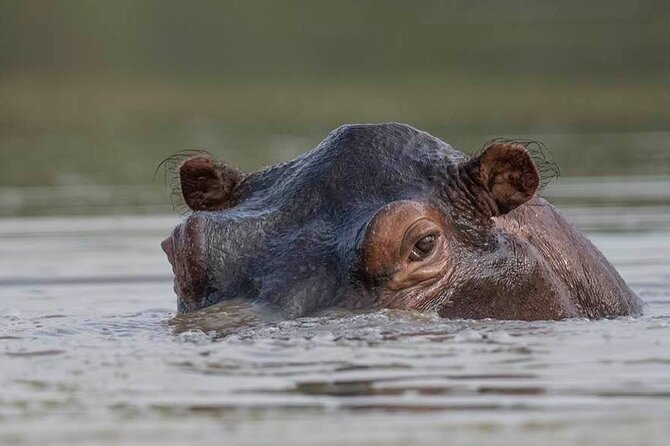
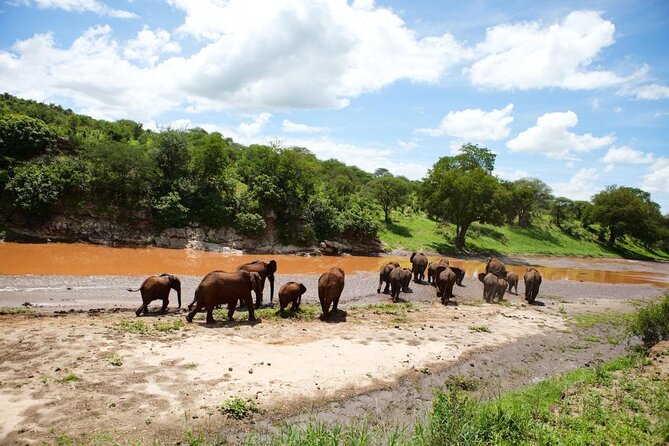
Tarangire is a great way to start because it delivers a distinct look compared to the Serengeti. Here you’re in a place known for big herds of elephants, huge baobab trees, and a strong predator presence.
In your day at Tarangire, you drive through the park with a game drive that includes a picnic lunch. Your schedule shows around a full day in the park (about 7 hours). That’s enough time for more than one style of sighting—some days you’ll find elephants moving along water points, other days you’ll find them lingering near trees while you watch for everything from stalking behaviors to quick surprises from smaller animals.
One practical point: Tarangire’s star is elephants, but predators often show up when you’re patient and when you’re willing to change locations based on what you spot. Since this is a private safari, you’re not stuck waiting for the slowest person in a large group. Your guide can steer the vehicle toward fresh action quickly.
If you’re the type who likes photos that feel different from what you see in the Serengeti (taller trees, more dramatic tree silhouettes, and elephant-heavy scenes), Tarangire is a solid opener.
Serengeti North (Lobo, Bologonya, Mara): chasing the herds with time to adjust
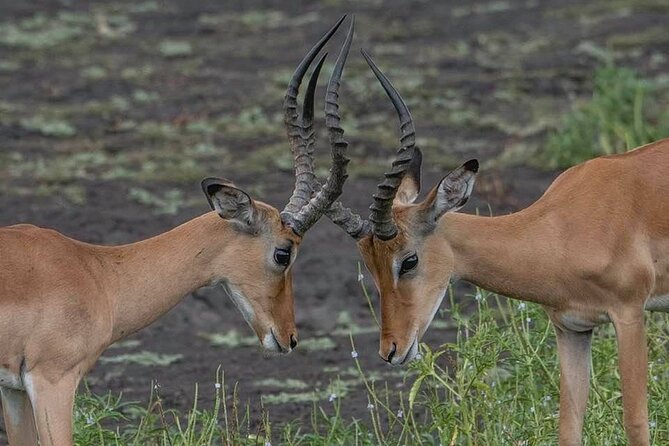
Days 3 and 4 are where the safari centers on the Great Migration. After breakfast, you leave Karatu and enter the Ngorongoro Conservation Area before heading into Serengeti, moving north toward Lobo, Bologonya, and Mara regions.
The key is that you’re assigned time in the right geography. In summer months (July to October), those northern areas can be prime for the migration as herds aggregate and then work through the Mara River situation. The itinerary repeats the migration focus over two full game-drive days rather than spreading it thin.
Here’s what you should expect from a schedule like this:
- You’re likely to spend a lot of time scanning and repositioning
- Herd movement patterns can change quickly, so the guide may shift where you search
- Predator chances can spike when large groups cluster near water or crossing points
A safari guide’s job is not just spotting. It’s decision-making: when to stay put, when to follow tracks, when to chase signs of river activity, and when to pivot to another sighting hotspot nearby. With a private safari, that decision power sits with you and your guide instead of a rigid group timetable.
Even when you don’t get the exact crossing moment, the Serengeti North days still tend to reward you with large-animal density and intense predator behavior—especially around where water and movement bring everything together.
Serengeti Central on Day 5: broader Serengeti energy and feline odds
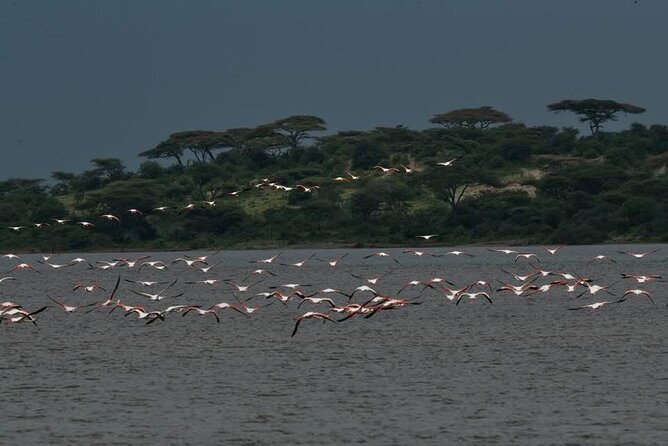
On Day 5, you shift from the northern areas into Serengeti Central, after about a 3-hour transfer. Then you spend a big portion of the day on a game drive.
This is the day that often gives your safari more texture. Northern Serengeti can feel like a hunt for a specific event (the herd rhythm). Central Serengeti can feel more open and wide, with constant animal sightings and a good chance of seeing large predators once the day warms up.
The program notes include a reference to seeing the Serengeti from lookouts around Naabi gate. It also highlights the idea of the migration moving across fresh pastures, with rivers that can hold predators. If you’re hoping for strong predator viewing and you like the wide-open feel of Serengeti plains, this part of the route is a smart contrast.
And because you’ve already spent time in the north, you’ll likely be better at reading what you see: the animals that drift into your sightline, the patterns of grass movement, and the way predator attention often follows herd activity.
Ngorongoro Crater on Day 6: dense wildlife in a single dramatic bowl
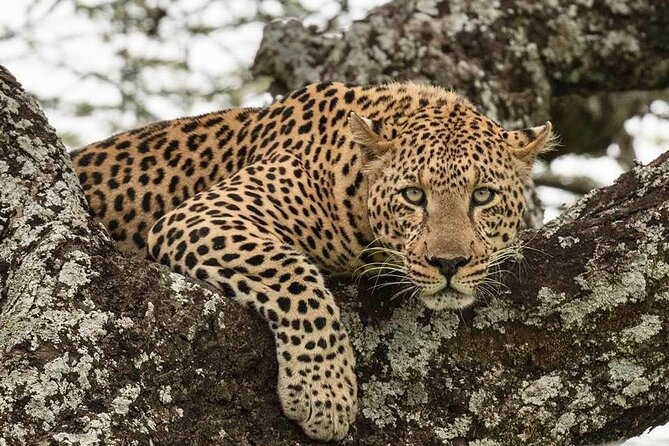
Day 6 is a highlight for many first-timers, because Ngorongoro Crater is one of those places that just feels different the moment you descend. After breakfast, you drive from Serengeti to the Ngorongoro Conservation Area (about a 2-hour transfer), then you go down into the crater for a game drive with a picnic lunch.
The big advantage here is density. The program describes Ngorongoro Crater as a must-see because of the high concentration of wildlife in the crater. And it’s not just about quantity. The crater creates a natural viewing arena. Animals are often visible from the same general viewpoints as you move through the drive route.
Another meaningful context is conservation coexistence. The Ngorongoro Conservation Area is described as a conservation project where the Maasai live along with their livestock, sharing space with wild animals. That blend is part of what makes Ngorongoro feel real, not like a theme-park version of Africa.
If you’ve worried that a Great Migration safari might become only about herds, Ngorongoro helps balance the story. You get a strong shot at a wide variety of species in a compact setting.
Day 7 departures: Karatu reset and getting you to Arusha or Kilimanjaro
The final day is more relaxed. After breakfast, you have time at the lodge in Karatu for downtime or shopping if you have time. Then you transfer onward to Arusha or Kilimanjaro airport.
This last block can be useful if you want to decompress before your flight. It can also help you handle the real-world timing issues that happen with international departures—without turning the last safari hours into a stressful rush.
4×4 transport and long game-drive days: what it means for you
This safari uses a Jeep 4×4 Land Rover or Toyota Land Cruiser. For many people, the vehicle choice matters because it affects visibility, comfort on rough tracks, and how easily you can reach the places where animals concentrate.
The schedule also signals that you’ll be in the vehicle for meaningful stretches:
- about 7 hours on Tarangire
- about 8–10 hours on the Serengeti days
- about 7 hours on the Ngorongoro crater day
- transfers between parks that are usually around 1–3 hours
That’s not a “quick in and out” safari. It’s a safari where your reward is time—more time scanning, more time adjusting to where wildlife is moving, and more time letting the day unfold.
Private guiding changes the experience too. Since it’s only your group, you should expect your guide to manage pacing and stops based on what you need and what the day is giving you.
Price and value: does $3,900 per person make sense?
At $3,900 per person for approximately 7 days, this is not a budget safari. You’re paying for a combo of private guiding, 4×4 vehicle use, and a route that targets both migration-focused Serengeti time and Ngorongoro crater viewing.
There are also indicators of value inside the program details:
- Park admissions are shown as free or included on key park days (Tarangire, Serengeti, and Ngorongoro crater sections).
- Picnic lunches are included on the park days where they’re marked.
- The trip is described as private and 100% tailor made, which typically means time and route planning aren’t treated as a one-size-fits-all product.
Group discounts are also listed, which can reduce cost if you’re traveling with others. Mobile ticket support is mentioned too, which can simplify day-to-day logistics once you’re in Tanzania.
Still, it’s worth your time to compare what’s included versus what’s not, especially anything that might be personal (like drinks or extra add-ons). The program clearly marks several admissions and meals, but your final confirmation should spell out the remainder.
Professional guide quality: how much it affects your sightings
In safari land, the guide is the multiplier. The better the guide, the more likely you are to find animals efficiently and to interpret what you’re seeing. This tour is described as having a professional safari guide, and the style of feedback you’ll find around Savannah Explorers often points to guides who bring a mix of animal knowledge, practical driving skill, and a focus on safety and comfort.
Some guide names that show up in feedback for Savannah Explorers include Thomas, Ismail, Jackson, Sultan, Evarest, Kisamo, Agustin, and Samwel Manguliai. You can’t assume you’ll get one of these exact guides on your date, but it’s a useful sign: people tend to credit the guide.
If you book, one smart move is to ask your operator what style your guide uses. Do they keep a steady pace and prioritize constant searching? Or do they slow down when they find something active? Either approach can work, but your preferences matter.
Who should book this Great Migration safari
This tour is a strong fit if you:
- Want a private safari with a professional guide and 4×4 vehicle
- Are serious about the Great Migration story and want time in Serengeti North
- Like a route that balances migration-focused days with a high-density wildlife stop in Ngorongoro
- Prefer a tailor-made plan rather than a rigid cookie-cutter circuit
It might be less ideal if you’re going for certainty. The migration is seasonal and movement changes with the ecosystem. You’ll be in the right area at the right time more often in July to October, but no safari can promise a specific crossing moment on a specific day.
Should you book this safari?
Yes, if you want a private, migration-minded Tanzania safari with enough time in the right places to do more than hope. The biggest reasons to book are the Serengeti North focus, the multi-day game-drive rhythm, and the Ngorongoro Crater add-on that gives you dense wildlife even if the river drama is unpredictable.
Book with a clear mindset: you’re planning for the migration chance, not buying a guaranteed crossing ticket. If you align your travel dates with July to October, your odds improve for the northern aggregation and Mara River timing described in the program. If your dates fall outside that window, you can still have an excellent safari, but you should lean into the broader wildlife experience too.
FAQ
FAQ
How long is the Great Migration safari?
It’s listed as 7 days approximately.
Where does the safari start and how does it end?
It starts at Kilimanjaro Airport (meeting point) around 7:00 am and ends back at the meeting point area.
Is this safari private or shared with other travelers?
It’s private, meaning only your group will participate.
What parks and areas are included?
The program includes Tarangire National Park, Serengeti National Park (North and Central areas), and the Ngorongoro Crater/Ngorongoro Conservation Area. Manyara is also listed in the destinations overview.
When is the Great Migration most likely in this route?
The program specifically notes that in northern Serengeti, Great Migration sightings are most likely during summer, July to October, when herds move north and gather before crossing the Mara River.
What vehicle do you use for game drives?
You’ll travel by 4×4 Jeep, either a Land Rover or a Toyota Land Cruiser.
Are park admissions and lunches included?
The schedule marks admission tickets as free or included on different park days, and picnic lunch is indicated on the Tarangire and Ngorongoro crater game-drive days.
Can you cancel or change this booking?
It’s non-refundable and cannot be changed for any reason. If you cancel or request an amendment, the amount paid is not refunded.