REVIEW · SALT LAKE CITY
Great Salt Lake Safari – Discover Antelope Island
Book on Viator →Operated by Safari Utah · Bookable on Viator
Antelope Island feels like a wildlife documentary, minus the rewind button. This 4-hour Great Salt Lake safari runs on small-group time with guide Clayton, who turns hard-to-notice animals and geology into stories you can actually picture. I especially like the bison-and-bird focus, and how Clayton’s stops are timed for real viewing, not just passing by.
The main thing to plan for is bugs. In April–June, biting gnats can show up, and the day may include more time in the vehicle while you still chase wildlife and photos.
In This Review
- Quick hits before you go
- Getting to Antelope Island starts at Tracy Aviary
- Clayton’s guide style: why wildlife shows up
- Antelope Island State Park: bison, antelope, owls, and photo breaks
- Great Salt Lake stop: salinity you can sense and birds that use it
- Photography and birding tips that fit a real half-day
- Timing, comfort, and seasonal reality in 4 hours
- Price value: why $140 can make sense here
- Who this tour fits best
- Should you book the Great Salt Lake Safari to Antelope Island?
- FAQ
- How long is the Great Salt Lake Safari to Antelope Island?
- How much does the tour cost?
- Where does the tour start and end?
- Is pickup available?
- What is included in the price?
- What should I bring since it is not included?
- How many people are in a group?
- What wildlife and birds might I see?
- Does the tour run at sunset?
Quick hits before you go
- Small group size (max 6 travelers) means more window time and fewer missed sightings
- Clayton’s safari-style spotting helps you find animals without hiking all day
- Birding that goes beyond basics (think American avocet, bald eagles, burrowing owls)
- Buffalo Point option gives you a short hike with big views
- Electric or hybrid vehicle preference to help with Salt Lake air quality
Getting to Antelope Island starts at Tracy Aviary
Your day starts at Tracy Aviary at Liberty Park (589 E 1300 S, Salt Lake City). You’ll ride to Antelope Island with an air-conditioned vehicle, and the tour ends back at the meeting point.
If you’re staying outside the downtown pickup radius, you’ll need to coordinate a meeting point or pickup arrangement. Either way, you’re not stuck figuring out a rental car plan just to reach a state park and a salt flat.
One practical win: the operator prioritizes electric or hybrid vehicles when possible. It’s a small comfort, but on a half-day outing it helps you feel less like you’re burning time and fumes just to get there.
Clayton’s guide style: why wildlife shows up
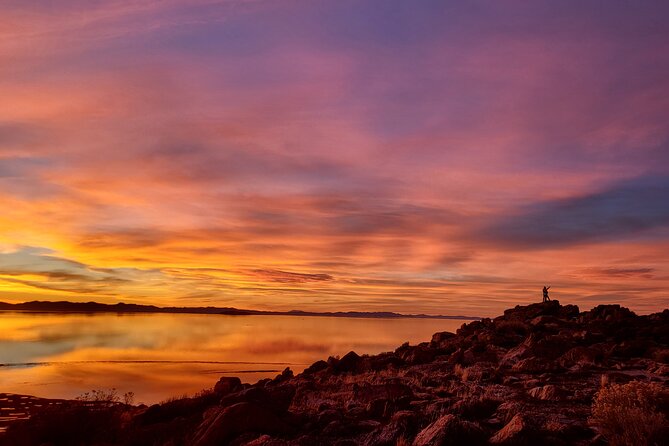
Clayton leads with a mix of local Utah ecology and field experience from his days guiding safaris in Africa. That matters because spotting wildlife on Antelope Island is part luck, part technique, and part knowing where to look.
You’ll get frequent stops for photos and animal viewing. And if something interesting is spotted off-route, Clayton will adjust so you don’t watch it go by through the windshield. Several guests specifically called out how he turned the car around when needed so they could get the right angle.
He also explains what you’re seeing in plain terms. Instead of a lecture, you get the “why” behind the animals and the lake: how the islands and shoreline work, how habitats change, and why bird activity concentrates in certain spots.
Antelope Island State Park: bison, antelope, owls, and photo breaks
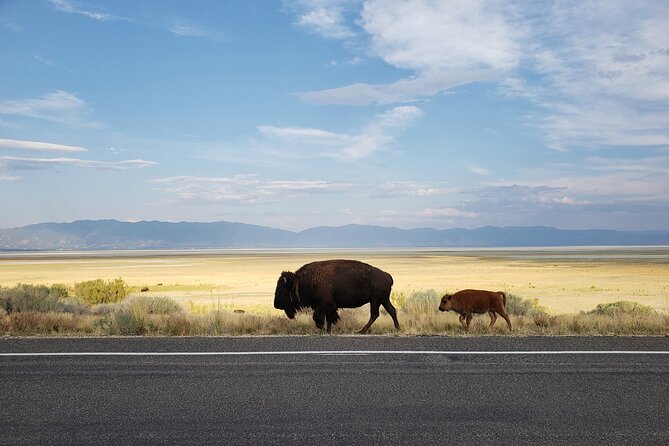
Antelope Island State Park is where the day feels most alive. This is the part built around habitats that support big herds and smaller, easy-to-miss creatures.
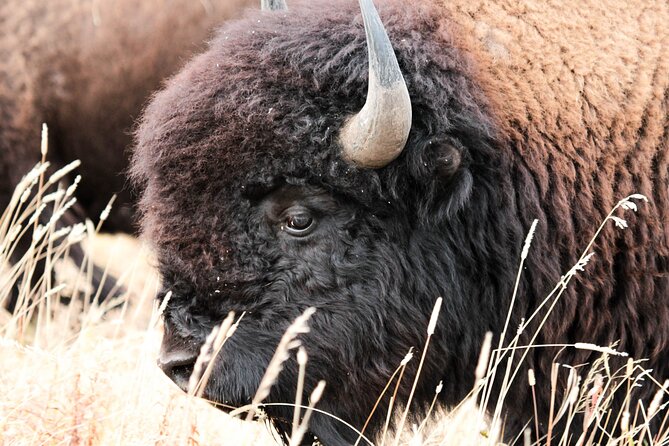
Wildlife viewing usually centers on bison herds, along with pronghorn antelope and mule deer. You also have a real shot at coyotes and a bunch of bird activity, depending on the day. If you care about birds, this is one of those places where the guide will help you notice movement you’d otherwise overlook.
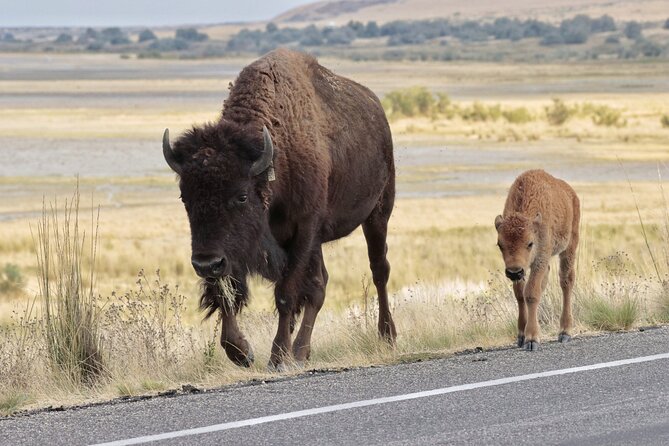
A common “wow” moment here is how close you can get to bison when you’re viewing from the park roads and pull-offs. You’ll still keep a respectful distance, but the sightings can feel intimate enough that you’ll want your camera ready and your zoom set.
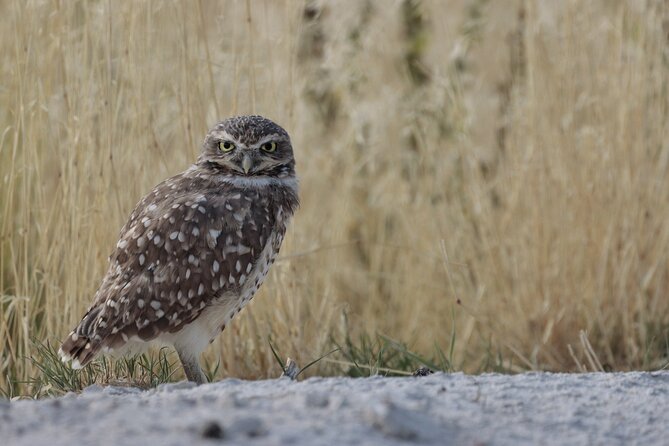
Birding is a big deal on the island. You may look for species like American avocet, bald eagles, and burrowing owls. In practice, that means slow drives, careful scanning, and stops that line up with where birds feed and nest.
If you want a little walking, plan on the option to visit Buffalo Point for one of the best panoramic views on the Great Salt Lake. Some days also include small add-ons like a look at an old barn area, depending on the route and what else you’re spotting.
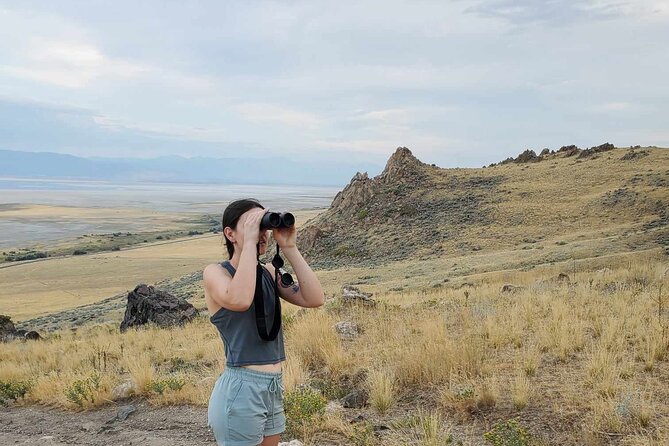
One more helpful detail: guests have noted that binoculars are provided. If you don’t travel with your own, this is the kind of inclusion that changes what you can actually see.
Great Salt Lake stop: salinity you can sense and birds that use it
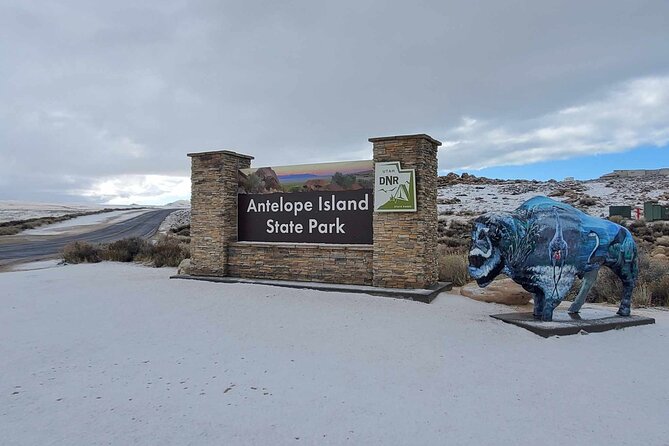
The Great Salt Lake isn’t just scenery. It’s a working ecosystem shaped by extreme salinity, and that saltiness affects the plants, insects, and food webs birds rely on.
You’ll spend time where you can take in lake views and understand how the high salinity impacts local life. Even if you’re not a science person, this helps your birding make sense. Birds don’t show up randomly; they cluster where feeding conditions line up.
This is also where you get more of the “birding paradise” effect. Wetlands and salt flats attract migratory birds year-round, and the guide will point out what to watch for. The tour’s bird target list includes American avocet, bald eagles, and burrowing owls, but you may also spot other raptors and waterfowl depending on the season.
From the perspective of a visitor, the value here is simple: you’re not just seeing birds, you’re learning what makes this lake different from most others. That context makes it feel like more than a checklist.
Photography and birding tips that fit a real half-day
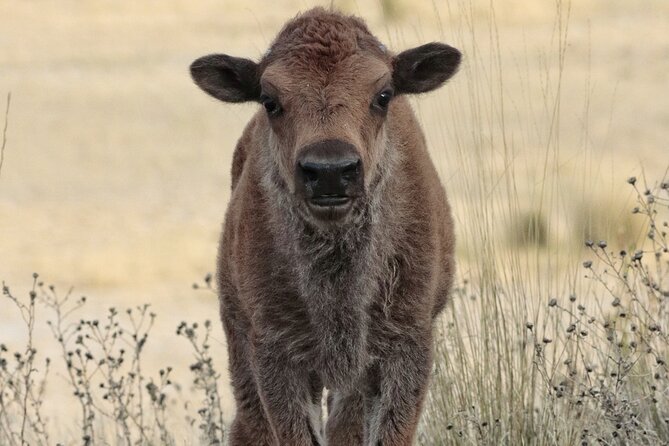
If you care about photos, this tour style is built for that. You’re not trying to sprint across the island. Instead, you stop, look, and adjust, which is how you get sharp wildlife shots without losing the experience.
Clayton offers composition and technique tips. That can be as basic as how to frame animals against the Wasatch Mountains, or how to time your shots when bison silhouettes stand out against the sky. Guests also highlighted that he helped them find picture-perfect spots rather than relying on random pull-offs.
For wildlife photography, a big advantage is pacing. You can spend time waiting for animals to move rather than racing to the next sight. And because Clayton has an eagle eye for reclusive species, you get guidance on what might be worth watching longer.
For birds, the combination of binoculars and frequent scanning matters. Burrowing owls and other small birds can be easy to miss from the road, but the guide’s eye helps you catch them when they’re in plain sight but not obvious.
If you book a sunset time, plan for shifting schedules. Pickup timing varies through the year to match sunset, and you’ll get communication with the updated start time. Sunset also tends to make bison and lake views look dramatic, so your photo opportunities can be extra strong.
Timing, comfort, and seasonal reality in 4 hours
This is a true half-day: about 4 hours total. That’s long enough to drive the key areas, stop for wildlife and birds, and get at least one optional hike, but short enough that you can still eat dinner and explore Salt Lake City afterward.
Most of your time is spent moving and stopping by vehicle and pull-offs. That’s a plus if you want wildlife without committing to a full day of hiking. It’s also why the bison sightings can feel close: you’re positioned where the animals are likely to be moving along the roads and nearby brush lines.
The comfort setup is good for weather swings. The vehicle is air-conditioned, and the operator keeps the outing efficient. If you get a hot afternoon in summer, you’ll appreciate the ability to step back into A/C between viewing stops.
The seasonal consideration is the gnats in April–June. If you’re traveling in those months, pack insect repellent even if you think you might skip it. You’ll likely spend some extra time in the vehicle when the air gets buggy.
Also remember: good weather is required for the tour to run. If conditions aren’t right, you’ll be offered another date or a full refund.
Price value: why $140 can make sense here
At $140 per person for about 4 hours, this isn’t a budget “hop on a bus” outing. You’re paying for two things that add real value: the guide’s field skill and the small-group access.
A maximum of 6 travelers matters. With smaller groups, you’re more likely to get the viewing attention you need when a distant bird appears or when bison are crossing near the road. It also keeps the ride from turning into a noisy herd of strangers, which is important when you’re trying to spot animals that move quietly.
You’re also getting included fees and an air-conditioned vehicle. That makes the day simpler than planning and driving yourself, especially if you’re only in Salt Lake City for a short stay.
Where the price becomes easier to justify is the “how much you notice” part. Several guests described Clayton as professional, flexible, and very personable, with the ability to spot wildlife you’d probably miss on your own. When the day includes bison herds, pronghorn sightings, owls, and serious birding, a guided approach feels less like an expense and more like insurance against missing the best moments.
Who this tour fits best
This tour is a strong match if you want wildlife and birding with minimal hassle. If you love nature, photography, or simply want to understand how the Great Salt Lake works, you’ll get a lot out of Clayton’s explanations.
It also fits couples and solo travelers who want a more personal experience than a larger bus tour. If you’re traveling with kids, the road-based viewing makes it easier to keep the day manageable while still getting exciting animal moments.
If you’re the type who hates waiting around, this might test you a little. Wildlife spotting often means slowing down and letting animals decide when to show up. The payoff is worth it when you catch those up-close crossings.
Should you book the Great Salt Lake Safari to Antelope Island?
If you want the best chance at bison, birds, and the Great Salt Lake story without guessing where to look, I’d book this. The combination of a small group, an experienced guide named Clayton, and a routing style built around real viewing time makes it feel like a smart use of a half-day.
Skip it only if you’re not comfortable with seasonal bugs in the spring, or if you’re hoping for a long, strenuous hike. For most people, though, this is one of the more satisfying ways to see Antelope Island in a limited time window.
FAQ
How long is the Great Salt Lake Safari to Antelope Island?
The tour runs about 4 hours.
How much does the tour cost?
The price is $140.00 per person.
Where does the tour start and end?
It starts at Tracy Aviary at Liberty Park (589 E 1300 S, Salt Lake City, UT 84105). It ends back at the same meeting point.
Is pickup available?
Pickup is offered, but if you’re outside the downtown pickup radius, you’ll need to let the operator know so they can arrange a meeting point or pickup.
What is included in the price?
All fees and taxes are included, and you’ll ride in an air-conditioned vehicle.
What should I bring since it is not included?
Sunscreen and insect repellent are recommended.
How many people are in a group?
The tour has a maximum of 6 travelers.
What wildlife and birds might I see?
You may see bison, pronghorn antelope, and mule deer. The birding portion can include species like American avocet, bald eagles, and burrowing owls.
Does the tour run at sunset?
Sunset tour times are offered, and pickup times vary throughout the year to match the sunset. You’ll receive communication with updated pickup timing after booking.