REVIEW · HUA HIN
Hua Hin: Kui Buri Elephant Safari Private Tour
Book on GetYourGuide →Operated by ZY TRAVEL CONPANY LIMITED · Bookable on GetYourGuide
Wild elephants, not zoo lines. This private Kui Buri safari is built around watching wild elephants in their own pond area, and you also get binoculars and an English-speaking guide to help you spot animals you’d miss on your own. One heads-up: in the dry season, the park can feel quiet for a while, so you need patience for the best elephant moments.
I like how the day has a solid pace—pickup, a drive out to the reserve, a focused safari window, then a proper Thai dinner back in Hua Hin. In at least one group, the guide named Nari brought clear explanations and helped people track elephants until they were actually in view, which makes the whole day feel less like waiting and more like moving with purpose.
In This Review
- Key things that make this tour work
- Kui Buri National Park: the “wild” part that makes it worth your time
- Timing and logistics: how the 390 minutes usually feel
- Pickup in Hua Hin: where you’ll start and what to expect on the drive
- Inside the reserve: your main safari experience in Kui Buri
- Elephant season reality check
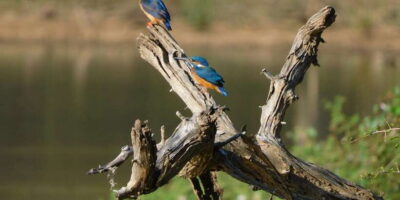
- Watching more than elephants: gaurs, deer, boars, and birds
- Guides, binoculars, and the small things that improve your odds
- Dinner in Hua Hin: a practical end to a long nature outing
- Price and value: is about $157 per person fair?
- What to bring (and what to skip) for a dusty, sun-heavy safari
- Who should book this Kui Buri private elephant safari?
- Should you book this Kui Buri Elephant Safari from Hua Hin?
- FAQ
- What’s the duration of the Hua Hin: Kui Buri Elephant Safari Private Tour?
- Where are the pickup points in the Hua Hin area?
- Is dinner included?
- Will I see wild elephants in their natural habitat?
- What other animals might I spot in the park?
- Is this tour private?
- Do you provide transportation inside the reserve?
- What language is the guide?
- Are there any restrictions on what I can do during the tour?
Key things that make this tour work
- Kui Buri’s protected elephant habitat: you’re going to an area known for wild elephants, not a staged performance
- A real safari drive: you use a pickup truck setup inside the reserve for closer viewing
- Binocular support: one review specifically called out provided binoculars, which helps in open forest and far-off sightings
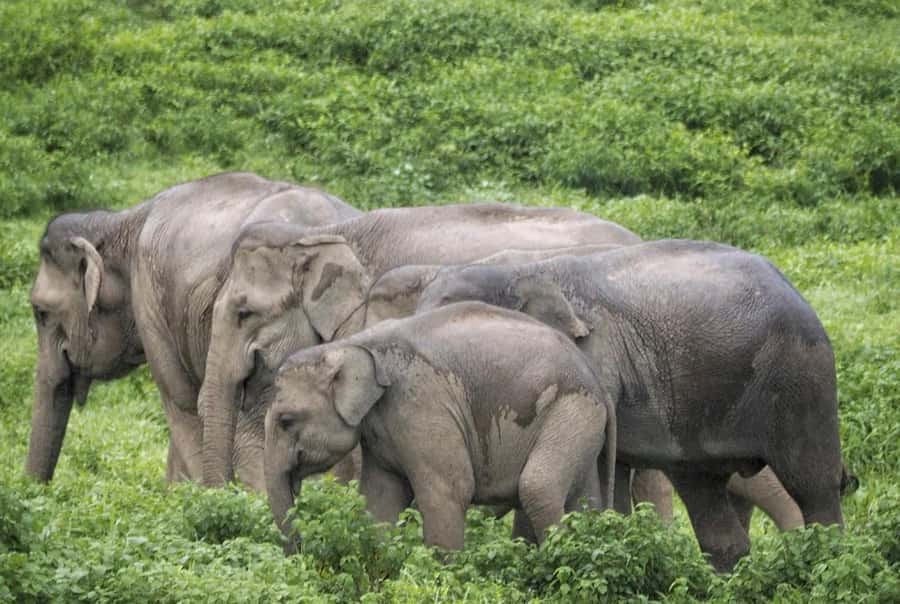
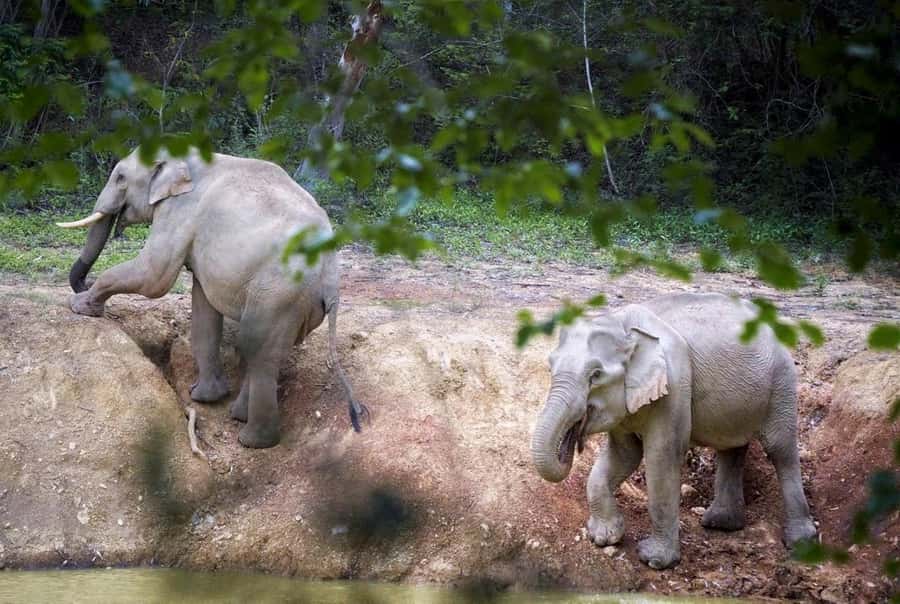
- Elephants at the natural pond: the core goal is watching them play and eat in the area they use
- More wildlife than you’d plan for: keep your eyes open for gaurs, barking deer, wild boars, birds, and even a monitor lizard
- Dinner included with the ride: it’s not just a half-day excursion that leaves you scrambling for food after
Kui Buri National Park: the “wild” part that makes it worth your time
The big draw here is simple: you’re heading to Kui Buri’s wild elephant territory. The reserve is described as a UNESCO World Heritage Site, and the tour focuses on watching elephants that are already there in protected habitat.
This matters because elephant encounters change from place to place. Some experiences feel like a crowd at a viewpoint. Here, the emphasis is on time in the reserve and watching elephants in a natural area where they eat and play. That’s the kind of setting where the day can feel calm and animal-focused rather than loud and artificial.
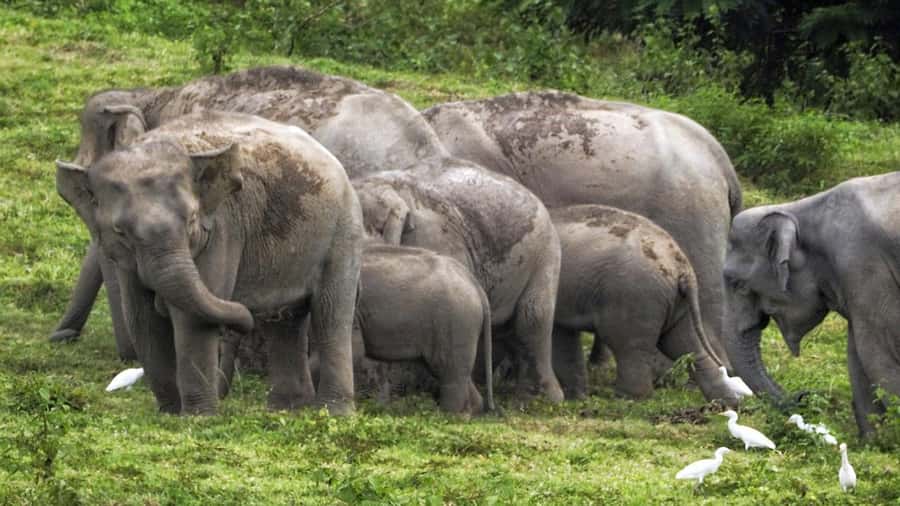
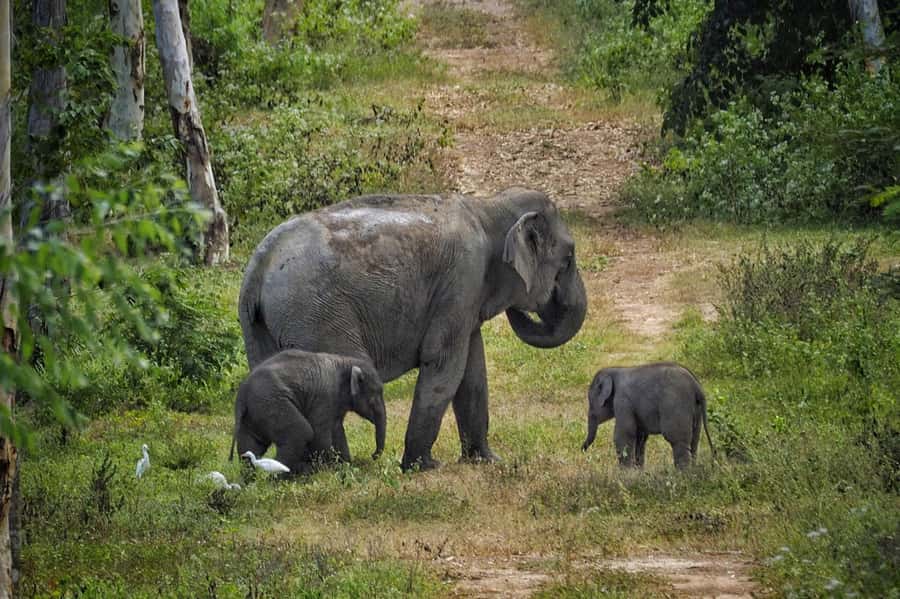
You also get helpful context. The tour information explains that the area has roughly 200–250 wild elephants, and that new babies are born every year (about seven or eight annually). That growth helps explain why the reserve can be exciting even when you’ve seen elephants before—there’s always a living, changing elephant population.
Timing and logistics: how the 390 minutes usually feel
The listed duration is 390 minutes (about 6.5 hours). That’s a sweet spot for people staying in Hua Hin who still want a true nature outing without losing a whole day.
The day is structured so you’re not stuck on a bus the entire time. You spend time in transit—about 1.5 hours by van—and then you get a longer safari block of about 3 hours in the reserve area. After that, you return and enjoy around an hour for dinner.
The practical takeaway: you’re committing to a full afternoon cycle, not a quick “look-see.” If you’re the type who gets antsy waiting for wildlife, this tour will train that muscle. And if you’re the type who likes slower, animal-first time, it will feel just right.
Pickup in Hua Hin: where you’ll start and what to expect on the drive
This tour offers three pickup options in the Hua Hin area:
- Cicada Market
- Hua Hin Clock Tower
- S&P Hua Hin House
Pickup is then followed by transportation out toward Kui Buri. One review also notes that the scenic route included a temple stop and a small market where you could buy cold drinks and local snacks. That isn’t guaranteed as a fixed stop on every day, but it’s a useful clue about the overall approach: the driver and guide don’t just take the fastest route. They look for chances to break up travel time and keep the day interesting.
Because the reserve is outdoors, the drive and waiting periods can come with dust and sun. One review specifically warned that it gets dusty, and I agree that planning for that is smart. A light face covering (or even a bandana) can make a noticeable difference once you’re sitting in open air.
Inside the reserve: your main safari experience in Kui Buri
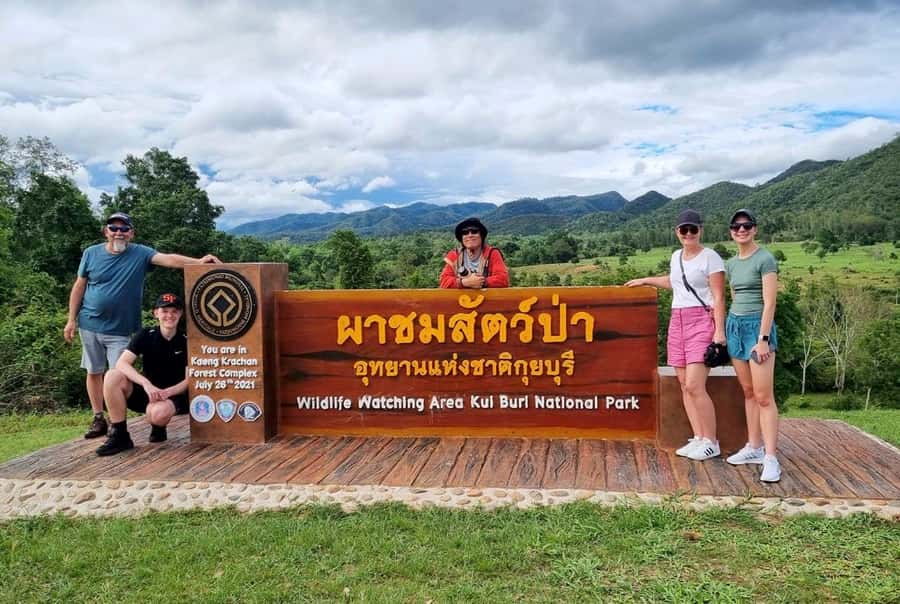
Once you reach Kui Buri, this becomes a guided wildlife watching day. You’ll be in the Kui Buri National Forest Reserve area, and the tour is designed around tracking elephants and checking the pond area where they feed and play.
A few practical reasons this approach is effective:
- Elephants repeat patterns. When animals come to the same natural water/feeding area, your chances improve compared to random searching.
- A guide helps you read the signs. The information provided focuses on increasing elephant sightings, and you can feel that intent in the way the tour is guided.
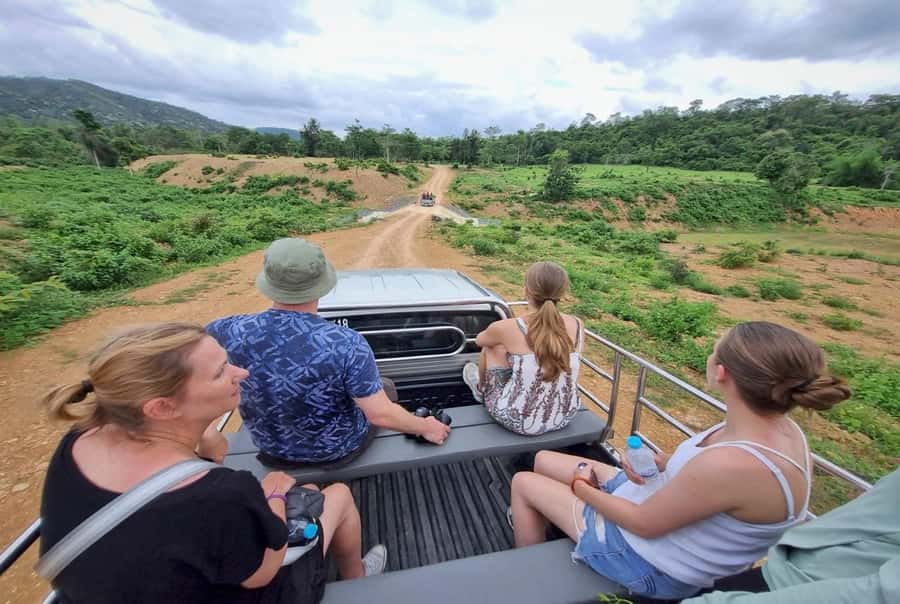
- You’re not just standing still. The tour includes a pickup truck setup in the national park, so you can reposition for better viewing while still staying within the protected area’s rules.
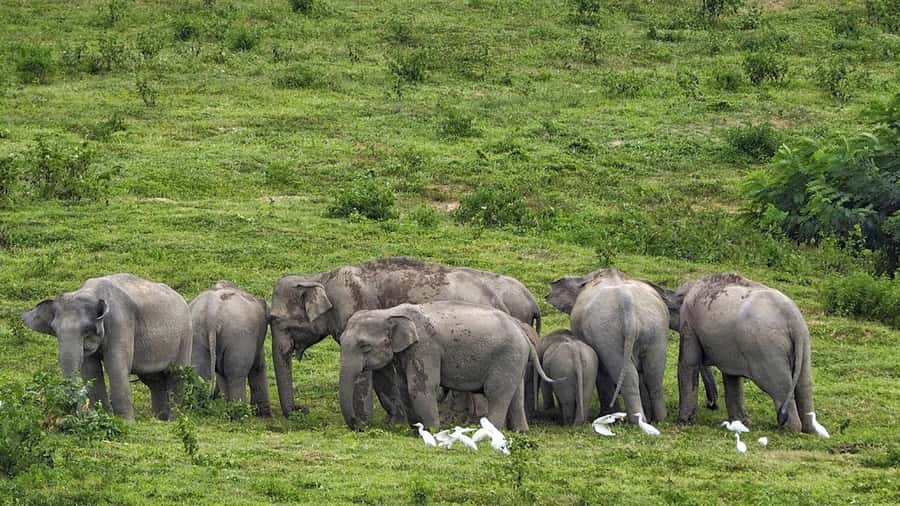
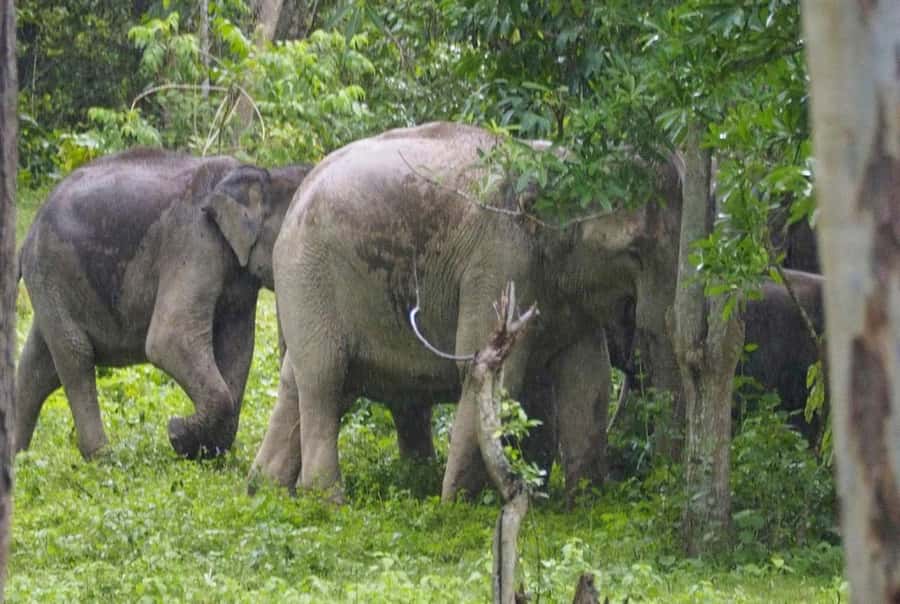
In terms of what you might see, the tour info sets expectations for elephants in the natural pond area. Reviews back that up with strong sighting totals in many cases—one account mentioned seeing around 7 elephants, and another described a much bigger count with 13+ elephants and even a baby elephant in the wild. Another review reported seeing about 18 elephants during a Jeep-based experience in the park area.
Sighting numbers can vary day to day, but the key is that the goal isn’t “maybe we’ll pass elephants.” The guide is actively working the area so you spend your safari time on elephant odds, not empty stretches.
Elephant season reality check
Timing matters for animal behavior. One review noted that during the dry season, animals can be less active until evening. Another indicated that October/November may be a better time for sightings.
So if you’re traveling in the dry season and you don’t see constant action at 2 p.m., don’t panic. Wildlife days have rhythms. Give the guide time to reposition, and let the light and evening activity do their thing.
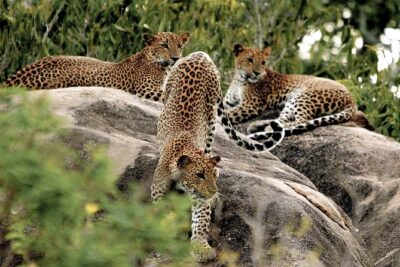
Watching more than elephants: gaurs, deer, boars, and birds
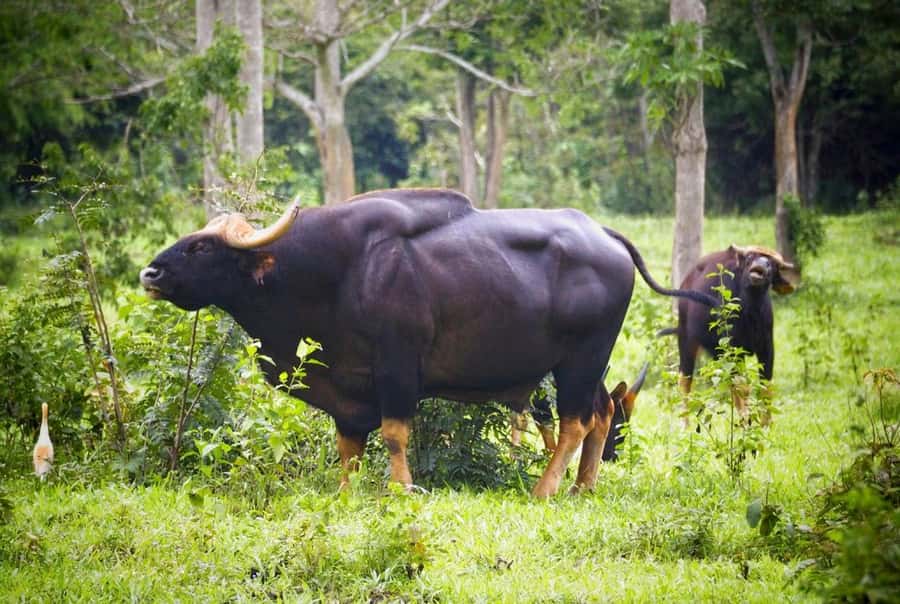
Elephants are the headline, but Kui Buri also holds other wildlife. The tour information calls out the chance to spot:
- gaurs
- barking deer
- wild boars
Reviews add more detail to that idea. One account included a boar and a monitor lizard, plus many birds. Another described seeing multiple elephant groups including young ones.
Here’s why I think that matters for your enjoyment: if elephants are present but not constantly moving, it helps to have other things to watch. When the park is active, the whole safari feels like a living checklist—elephants first, but don’t ignore the smaller motion around you.
Tip: bring your eyes back and forth. Scan for elephants in the open and along edges of forest, then pause to look at movement near smaller ground cover. Birds often clue you in to what’s happening in the wider area.
Guides, binoculars, and the small things that improve your odds
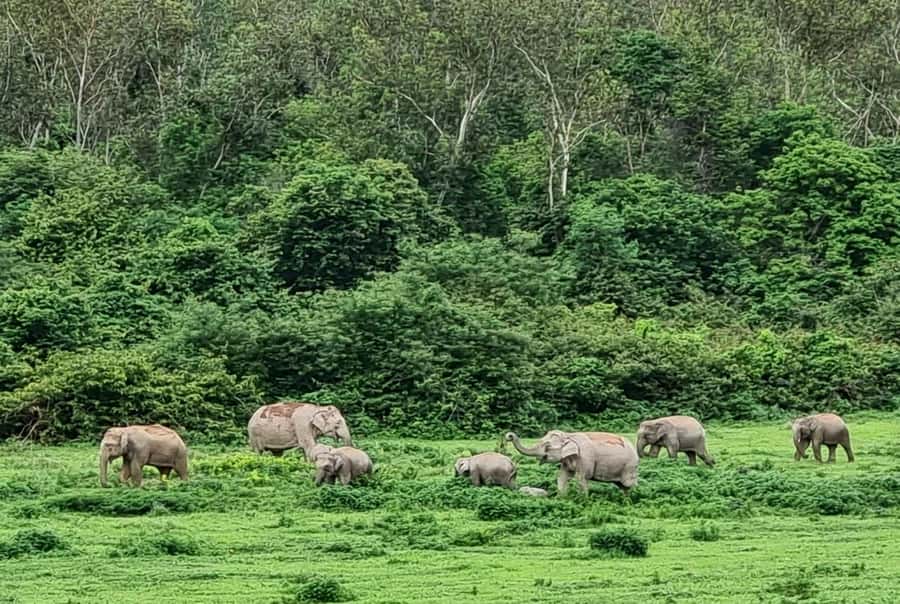
A big part of wildlife success is not luck—it’s interpretation. This is a live English-speaking tour guide experience, and multiple reviews stress that guides were attentive and supportive.
One review specifically mentioned that the guide provided binoculars and used them as a tool to help everyone see elephants even when they were farther off. Another review highlighted a named guide, Nari, for being friendly and knowledgeable about elephants and the park.
Even if you’re an experienced wildlife watcher, you’ll probably appreciate the guide’s ability to:
- point out what you’re actually looking at
- explain behavior (feeding, social movement, young elephants)
- keep the group moving within the reserve’s rules
I’d treat this as part of the value of the tour, not a bonus. When you’re paying for a private experience, you’re paying for that “translation layer” between you and the animals.
Dinner in Hua Hin: a practical end to a long nature outing
After the safari, you head back to Hua Hin and get dinner at a local Thai restaurant (about 1 hour). This is more useful than it sounds. Wildlife days can run long, and hunger at the wrong time makes everything feel harder—heat, patience, and decision-making.
What’s included here:
- dinner
- water (a bottle is provided)
Since soft drinks and alcohol aren’t included, you’ll likely want to plan for what you personally prefer to drink with your meal.
One review called the food 10/10, and that matches what you’d hope for in a tour built around having a comfortable landing spot after the reserve.
Price and value: is about $157 per person fair?
At $157 per person, you’re paying for a private-group safari day that includes:
- entrance fees and taxes
- an English guide
- transportation
- water
- a pickup truck setup inside the park area
- dinner
On paper, that can look pricey compared to DIY options. But DIY in this region usually means coordinating transport, finding the reserve route, paying separately for entry, and figuring out the right viewpoints or timing on your own.
For most visitors, the real value is this: you get a guided plan for where to spend the time once you arrive. When wildlife is involved, time-on-task can be the difference between a frustrating day and a memorable one.
If you’re traveling with family or friends who want a more controlled schedule (and you don’t want to hunt for logistics), the private format helps justify the cost.
What to bring (and what to skip) for a dusty, sun-heavy safari
This tour is outdoors, and you’re watching wildlife at close range in an environment that isn’t built for comfort like a city street. Bring what the tour suggests, plus a few practical upgrades.
Bring:
- sunglasses
- sun hat
- sunscreen
- camera
- rain gear (Thailand weather can change fast)
- cash (useful for the kinds of small stops that may come up)
- outdoor clothing
- binoculars (and remember: some groups are provided binoculars, but having your own never hurts)
- hand sanitizer or tissues
- power bank
- motion sickness prevention (helpful on curvy roads)
- personal medication
Avoid:
- drones
- flash photography
- feeding animals
- making noise
- littering
- alcohol and drugs
One review specifically flagged dust, so add a face covering to your packing list if you’re sensitive to dry air and grit. It’s a small step that can keep you focused on the elephants rather than on irritation.
Who should book this Kui Buri private elephant safari?
This tour fits best if:
- you want an organized wildlife day from Hua Hin without dealing with complicated logistics
- you care about wild elephants in their habitat (not a performance)
- you like guided help for spotting animals, using binoculars, and interpreting behavior
- you can handle a waiting game for animals to become active
It might not be the best fit if:
- you hate heat and sun and want frequent indoor breaks
- you need nonstop action and would feel frustrated by slower wildlife rhythms
- you’re traveling only in a window that makes it hard to account for behavior changes (like dry-season quiet stretches)
Should you book this Kui Buri Elephant Safari from Hua Hin?
If your main goal is elephants in a protected natural setting, I think this tour is a strong choice. The combination of guided tracking, a safari vehicle setup inside the reserve, and dinner plus entrance fees included makes it easier to justify than a DIY outing.
Book it if you can be patient, dress for sun and dust, and treat the safari like a real wildlife experience rather than a scheduled photo shoot. If you’re flexible on timing and want a guide to help you see what matters, you’ll likely find this day worth the drive.
If your dates fall in the driest months and you’re worried about activity levels, plan your expectations accordingly and rely on the guide to keep you positioned.
FAQ
What’s the duration of the Hua Hin: Kui Buri Elephant Safari Private Tour?
The tour runs for about 390 minutes, which is roughly 6.5 hours.
Where are the pickup points in the Hua Hin area?
Pickup is offered at Cicada Market, Hua Hin Clock Tower, and S&P Hua Hin House.
Is dinner included?
Yes. Dinner at a local Thai restaurant is included, along with a bottle of water.
Will I see wild elephants in their natural habitat?
That’s the main focus of the tour, with elephant viewing described around watching them eat and play in a natural pond area in the reserve.
What other animals might I spot in the park?
The tour information lists gaurs, barking deer, and wild boars, and reviews also mention birds and a monitor lizard.
Is this tour private?
Yes, it’s a private-group tour.
Do you provide transportation inside the reserve?
Yes. A pickup truck in the national park area is included.
What language is the guide?
The live tour guide is in English.
Are there any restrictions on what I can do during the tour?
Yes. Drones are not allowed, flash photography is not allowed, and feeding animals is not allowed. Alcohol and drugs are also not allowed.