REVIEW · KNOWSLEY
Knowsley: Safari Entry Tickets
Book on GetYourGuide →Operated by Knowsley Safari · Bookable on GetYourGuide
If you like wildlife without the hassle, this is your kind of day. Knowsley’s safari entry is set up so you can watch animals from the comfort of your own car first, then go on a foot safari to get closer in safe, planned areas. I love the car safari route, especially for spotting big cats and rhinos without feeling rushed, and I also love the mix of animal talks plus a lakeside walk that keeps the day from feeling like one long crowd queue. One drawback to plan around: some vehicle types (like soft tops or open-top cars) can’t go through the lion and baboon enclosures, so check your car rules before you arrive.
I like that this day doesn’t force you into a one-size-fits-all “look, snap, leave” loop. You drive a big chunk of the 550-acre park through different continental zones, then you switch to walking to see animals that are part of the foot safari. And yes, you still get staff talks and displays if you want extra context.
The most important consideration is cost creep. The entry ticket covers the main safari drive and foot safari, but rides (tokens or a wristband), the optional baboon bus, and other extras can push the total up fast—so bring a simple plan for spending.
In This Review
- Quick hits for a smooth safari day
- Knowsley Safari Entry Tickets: how the day actually feels
- The car safari route: spotting lions, rhinos, and camels the easy way
- Continental zones across 550 acres: why the park size matters
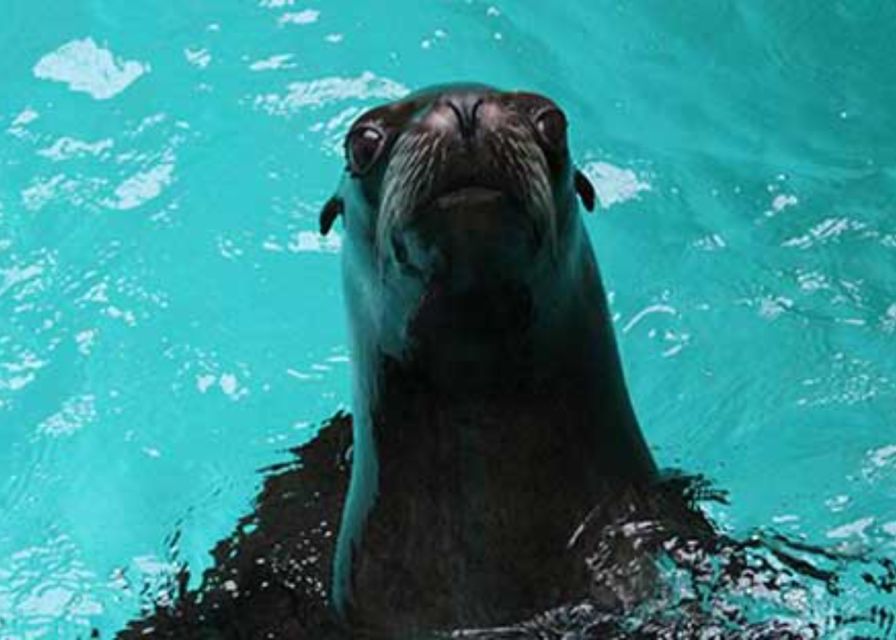
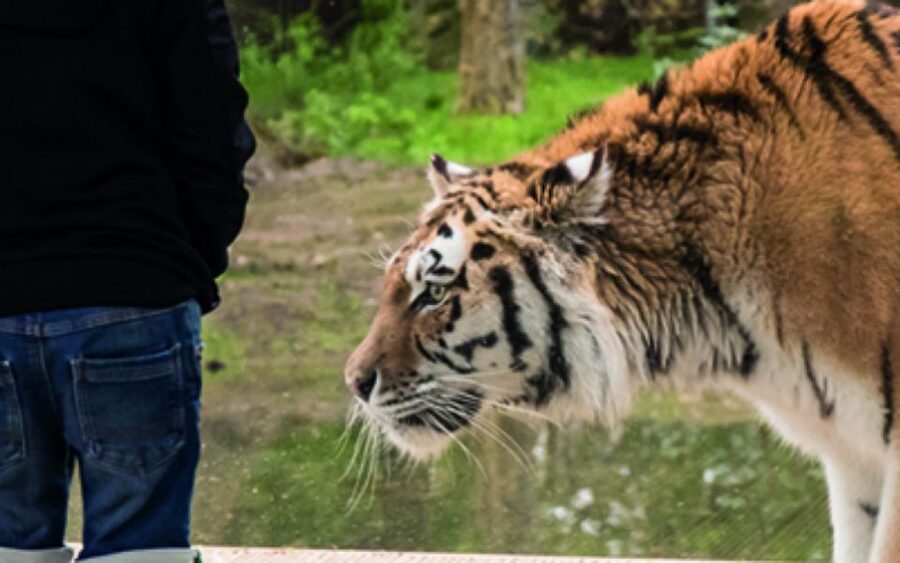
- Foot safari for giraffes, tigers, meerkats, and sea lions
- Animal talks, displays, and a peaceful lake ramble
- Price and value: what you’re paying for and how to budget extras
- Practical tips: your car rules, what to bring, and timing
- Who should book this safari day (and who might not)
- Should you book Knowsley Safari Entry Tickets?
- FAQ
- What animals can I expect to see?
- Do I drive through the safari in my own car?
- What’s included in the entry ticket?
- What costs extra?
- Are pets allowed?
- Is it wheelchair accessible?
- How long is the ticket valid and can I cancel?
Quick hits for a smooth safari day
- Drive your own car through 550 acres across different continental zones, then park up and continue on foot.
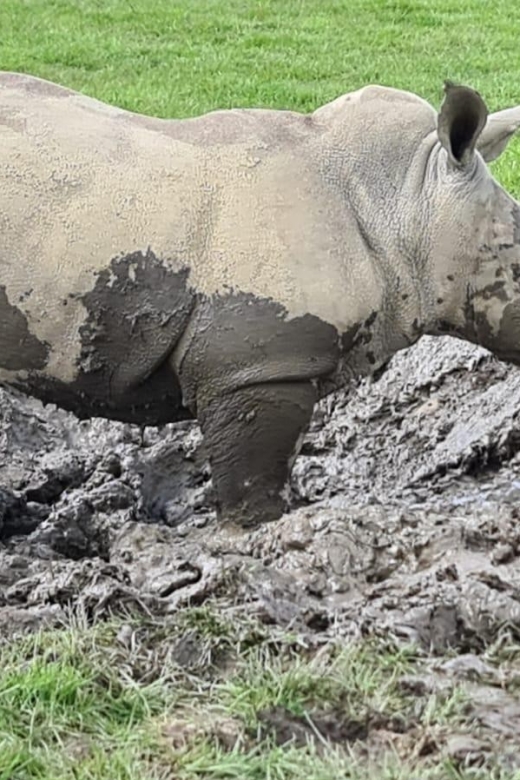
- Animal viewing without leaving your seat first: lions, camels, baboons, white rhinos, and more.
- Foot safari adds variety with giraffes, tigers, meerkats, and sea lions in a walkable section.
- Staff talks give you real context so you’re not just collecting photos.
- A calm lake stroll is built into the day, which makes the whole outing feel less chaotic.
- It can work well for mobility needs, since wheelchairs, mobility scooters, and strollers are available to hire on arrival.
Knowsley Safari Entry Tickets: how the day actually feels
Think of this as a smart two-mode safari. First, you’re in a car moving through the park at a relaxed pace. Then you step out for a foot safari that’s short enough to manage, but varied enough to feel like you got two different experiences in one ticket.
The car safari is where the value starts to make sense. You get to watch animals from inside your vehicle, which is a big deal if you’re traveling with kids, people who get tired easily, or anyone who just wants a calmer way to see wildlife. It also means you can stay in control of your own rhythm—slow down when something catches your eye, keep moving when you want a break.
Then the foot safari changes the game. You go from viewing behind glass or distance to being in walking areas designed for close, safe viewing. That’s where you start seeing the smaller stars (like meerkats) and the animals that feel more “in your space,” such as giraffes and tigers, along with sea lions and birds of prey.
The car safari route: spotting lions, rhinos, and camels the easy way
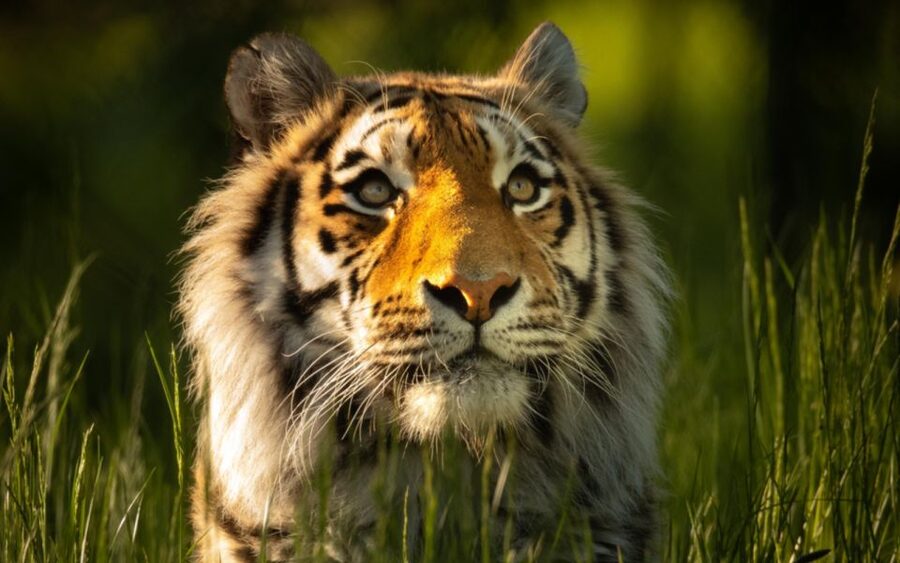
You’ll drive directly into the 550-acre park and follow the safari drive through the different continental zones. The route is built around habitats, so the scenery changes as you go—less like a loop road and more like moving through sections that each have their own animal focus.
What I love about this format is that it naturally spreads you out. Instead of one crowded viewing platform, you’re driving past animals in different spots. That also helps with photo time. You don’t need to sprint to the “best” angle; you can pause where the animals are, then move when the moment passes.
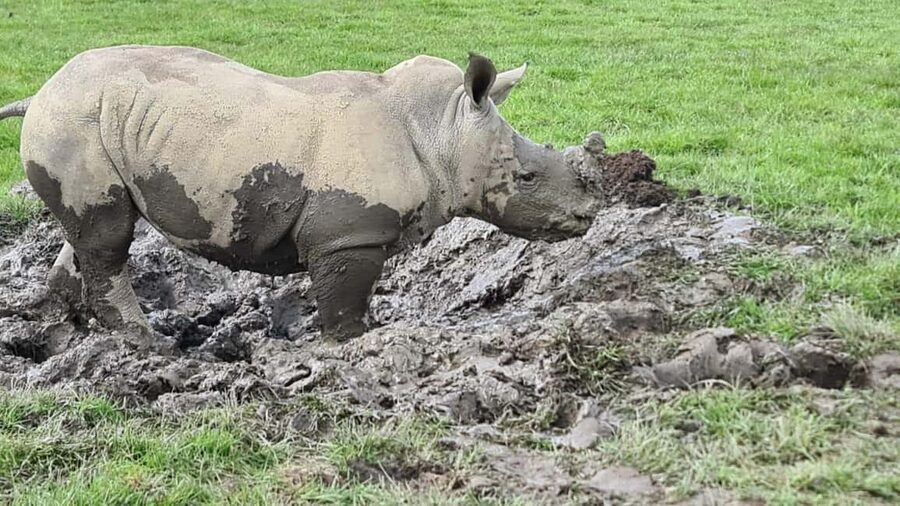
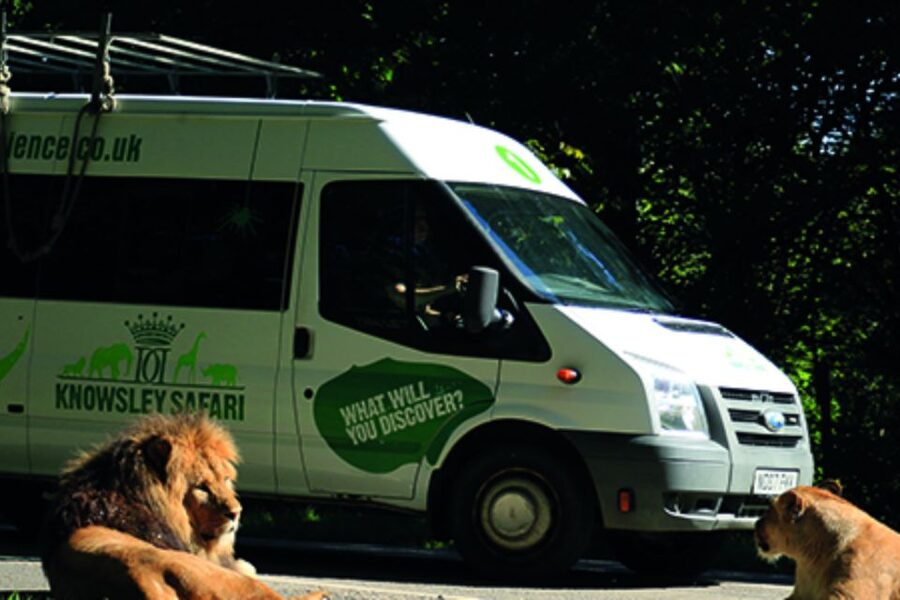
The animal line-up in the car safari includes the big draws: African lions, Bactrian camels, and white rhinos, plus baboons. If you’re traveling with young kids, this part tends to land well because it’s visually dramatic early in the day.
Now, the important practical note: vehicle rules matter. Cars with soft tops or vinyl sunshine roofs can’t go through the lion or baboon enclosures. Convertibles must keep the roof closed for the entire safari drive, and open-top vehicles aren’t permitted. Vehicles with PVC skylights have to take the car-friendly route, and cracked windscreens or any safety defects mean your vehicle isn’t allowed into the baboon and lion enclosure. The park can also refuse entry to any part of the safari drive if your vehicle doesn’t meet safety requirements. If you want a smooth day, check this before you head out.
Continental zones across 550 acres: why the park size matters
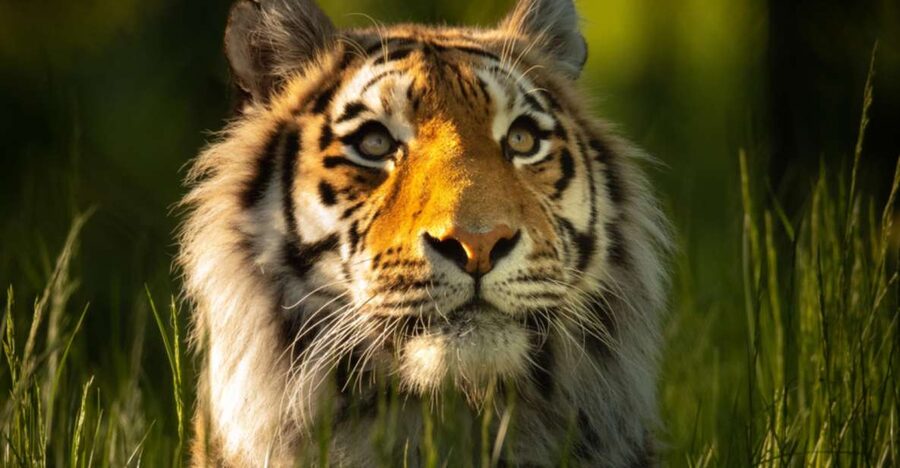
A safari can feel short and repetitive if it’s only a few acres and a tight loop. Here, the scale is a real advantage. You’re covering a 550-acre safari park, and the continental zones help break up the experience into clear chapters rather than one long road.
That “chapter” effect is what keeps your brain engaged. When you move between habitats, it’s easier to notice changes in the animals you’re seeing and the kinds of environments they’re in. Even if you don’t know the difference between every habitat type, you still feel the transition—and that makes the day more satisfying.
A second reason the size matters: you get more chances to spot animals. Wildlife viewing is never guaranteed, but a route that stretches across a large area gives you more time and more viewing angles across the day. It’s also easier to stay patient. You’re not stuck waiting around for one animal to appear in one exact location.
Foot safari for giraffes, tigers, meerkats, and sea lions
After the car portion, you move into the foot safari. This is the stage where you can get a different kind of animal viewing—closer, more up-close to the action, and usually more interactive in feel (without crossing into unsafe behavior).
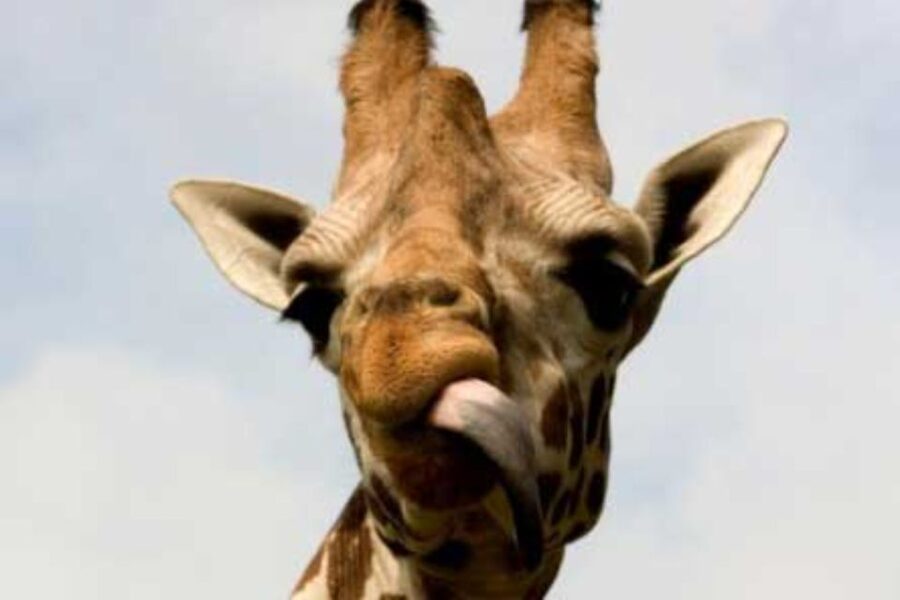
Expect to see giraffes, tigers, meerkats, and sea lions, plus birds of prey. This part is where you’ll notice variety. The car safari naturally leans toward the animals that are comfortable with vehicles in their viewing areas. The foot safari adds species you might not have seen—or might not have felt as “present”—during the drive.
It’s also a good spot for kids, because it creates a “hunt and spot” vibe. One review mentioned a sticker idea that makes the experience more game-like for children, which is exactly the kind of small touch that helps families enjoy the day instead of only waiting for the next sighting.
Keep in mind the foot safari is still part of a real animal park. Wear comfortable shoes. Bring water. And if you want the calm side of this experience, plan a slower pace here, not just a sprint for the highlights.
Animal talks, displays, and a peaceful lake ramble
One of the best things about Knowsley’s safari entry is that it isn’t only about watching. You also get animal talks from park staff, plus access to displays.
For me, talks are the glue that turns sightings into understanding. When staff explain what you’re looking at—behavior, diet, habitat needs—it makes the animals feel more than just photo subjects. It also helps you notice details you might otherwise miss, like posture, movement patterns, and how animals respond to their environment.
After the walking safari, the lake stroll is a nice reset. It’s a peaceful part of the day where you can slow down, let everyone’s legs recover, and just enjoy the setting. If you’re traveling with mixed energy levels—someone who wants to keep moving, someone who wants to sit—this lake time is a natural compromise.
It also balances the day. Without that softer section, a safari can feel like nonstop intensity. Here, you get a gentle wind-down.
Price and value: what you’re paying for and how to budget extras
The ticket price is listed at $33 per person for a 1-day experience. That’s a solid starting point because your money covers the main ingredients: safari drive, foot safari, animal talks, and access to displays.
But here’s the reality check: the “all-in” cost can grow if you add the optional extras. Amusement rides cost extra (tokens start at £1.00, and there’s an unlimited rides wristband at £12.00). The baboon bus costs £6.50 per seat, and advanced booking is essential. Safari transportation isn’t included, so you’ll need to plan how you’re getting there (the park is near public transportation, which helps if you’re not driving).
So the best value strategy is simple: treat the $33 ticket as your backbone, then decide on one or two add-ons if they truly fit your day.
A useful comparison from a family budget perspective: one review called out that the ticket total for four people was close to £100, and then rides added another £50. That doesn’t mean the day isn’t worth it. It does mean you should go in with a mental ceiling. If you’re traveling as a family, decide ahead of time how much you’ll spend on rides, and you’ll avoid the end-of-day surprise.
Also, if you’re focused purely on animals and talks, you can often keep the spend under control by sticking with the included safari drive + foot safari.
Practical tips: your car rules, what to bring, and timing
Bring what makes the day easier: a camera, water, and cash. Water is non-negotiable for the foot safari section, and cash can help if you end up buying small add-ons on the day.
Then there’s the car safety checklist. Confirm whether your vehicle roof setup fits the enclosure rules. Soft tops and vinyl sunshine roofs can’t go through the lion or baboon enclosures. Convertibles must keep the roof closed. Open-top vehicles aren’t allowed. PVC skylights route differently. And if your windshield is cracked or you have any safety defect, don’t count on entering the baboon and lion enclosure.
The park reserves the right to refuse entry of any vehicle to any part of the safari drive. It’s not picky for fun—it’s about safety—so it’s worth arriving prepared.
If you’re mobility-challenged, this place is set up better than many. It’s wheelchair accessible, and wheelchairs, mobility scooters, and strollers are available to hire on arrival. One review specifically highlighted the process for hiring a mobility scooter as easy, and also praised the presence of disabled toilets that were spotlessly clean. That combination matters: it means you’re not just “allowed” to visit—you can actually enjoy the day without constant stress.
Finally, keep a little flexibility. Your ticket is valid for 1 day, and availability determines starting times, so check the available start slot that works with your schedule.
Who should book this safari day (and who might not)
This experience is a strong match if you want wildlife on a structured route with safe viewing from your own car first. It’s also ideal if you’re traveling with kids, since the car safari is a visual win and the foot safari adds a “walk and spot” element.
It’s also a good pick if your group includes mixed mobility needs. The park is wheelchair and stroller accessible, and you can hire mobility equipment on arrival.
If you’re the type who loves a high-adrenaline, hands-on animal experience, this might feel more controlled and observant than that. The focus here is viewing and learning, not interaction.
The other “might not” group is people whose cars don’t meet enclosure roof requirements. If your vehicle is an open-top, has a soft top, or has issues like cracked windshields, you may face restrictions that change what you can access during the lion and baboon enclosures.
Should you book Knowsley Safari Entry Tickets?
Yes, if you want an efficient, family-friendly safari day where you can see a wide range of animals and still have time to relax. The value is strongest when you treat the entry ticket as the core plan and don’t automatically add every extra ride.
Book it if you care about:
- car-based wildlife viewing that keeps things comfortable,
- a foot safari follow-up for variety,
- staff talks and displays for real context,
- and an easy pace ending with a lake stroll.
Skip it or plan carefully if your vehicle doesn’t fit the enclosure rules or if your budget for add-ons is tight. With a little upfront planning, this can be a calm, fun day that feels worth the money.
FAQ
What animals can I expect to see?
You can see lions, Bactrian camels, baboons, and white rhinos during the car safari. On the foot safari, you can see giraffes, tigers, meerkats, and sea lions, plus birds of prey.
Do I drive through the safari in my own car?
Yes. The experience includes the safari drive, and you drive your car around the safari zones.
What’s included in the entry ticket?
The ticket includes the entry ticket itself, the safari drive, foot safari, animal talks, and access to the displays.
What costs extra?
Amusement rides cost extra (tokens from £1.00 or an unlimited rides wristband for £12.00). The baboon bus costs £6.50 per seat and requires advanced booking. Safari transportation is also not included.
Are pets allowed?
Pets aren’t allowed. Assistance dogs are allowed, though there are restrictions for certain areas.
Is it wheelchair accessible?
Yes. The activity is wheelchair accessible, and wheelchairs, mobility scooters, and strollers are available to hire on arrival.
How long is the ticket valid and can I cancel?
The ticket is valid for 1 day, and you can check availability for starting times. Free cancellation is available up to 24 hours in advance for a full refund.