REVIEW · HOEDSPRUIT
Kruger Park Scheduled Full day Safari Drive from Hoedspruit
Book on GetYourGuide →Operated by MoAfrika Tours (Pty)Ltd · Bookable on GetYourGuide
Early starts, big-cat odds, and Orpen Gate are the real hook. This full-day Kruger National Park safari runs on an open vehicle and aims for top wildlife action right when animals are most active. You’ll be picked up from Hoedspruit very early and driven in for a long day of spotting, photographing, and learning in the bush.
What I like most is the open safari vehicle setup. You get wide panoramic sight lines, so you’re not peering over poles or cramped seats, and your guide can spot animals from better angles. I also love the way the day is guided by FGASA-certified expertise, with commentary focused on behavior and what to look for, not just naming animals.
One thing to consider: the schedule starts before sunrise, and the vehicle can feel cold during early transfer and the first hours of driving. Dress for chilly mornings and don’t count on warm comfort until later in the day.
In This Review
- Key points to know before you go
- From Hoedspruit to Kruger: why the early start matters
- The open safari vehicle: comfort, cold, and better views
- Your guide matters: FGASA training and behavior-based spotting
- Morning game drive and Orpen-area savannah: what you’re chasing
- Waterholes, rivers, and viewpoints: why stops boost your odds
- Lunch at a Kruger rest camp: breaks, food, and reset time
- Afternoon drive and the return to Orpen Gate
- What’s included (and how that affects your budget)
- What to bring for a smoother safari day
- Wildlife expectations: Big Five ambition, real-life uncertainty
- Who this tour is best for
- Should you book this Kruger full-day safari from Hoedspruit?
- FAQ
- How long is the full-day safari?
- What time do I get picked up in Hoedspruit?
- Which entrance gate do you use to enter Kruger National Park?
- What vehicle do you use for the safari?
- What’s included in the price?
- What about lunch and drinks?
- What language are the guides speaking?
- Do I need to bring anything?
- Can I pay later or cancel if plans change?
Key points to know before you go
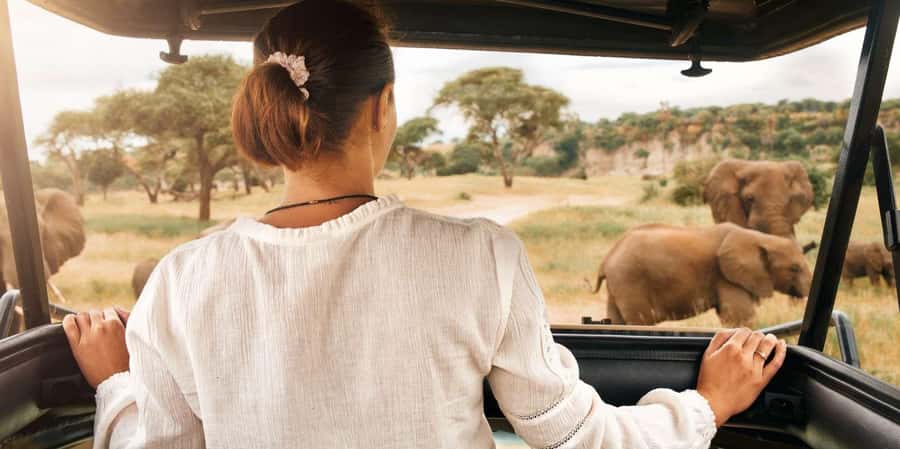
- Orpen Gate entry early: you’re aiming to catch wildlife when it’s most active.
- Open-vehicle viewing: better sight lines for spotting big cats and the Big Five.
- Waterholes, rivers, and viewpoints: multiple chances for sightings through the day.
- FGASA-qualified guide commentary: help interpreting animal behavior and movement.
- Rest-camp lunch break: time to stretch, shop for souvenirs, and reset before the afternoon drive.
- Bring warm layers: early morning can be chilly in an open vehicle.
From Hoedspruit to Kruger: why the early start matters
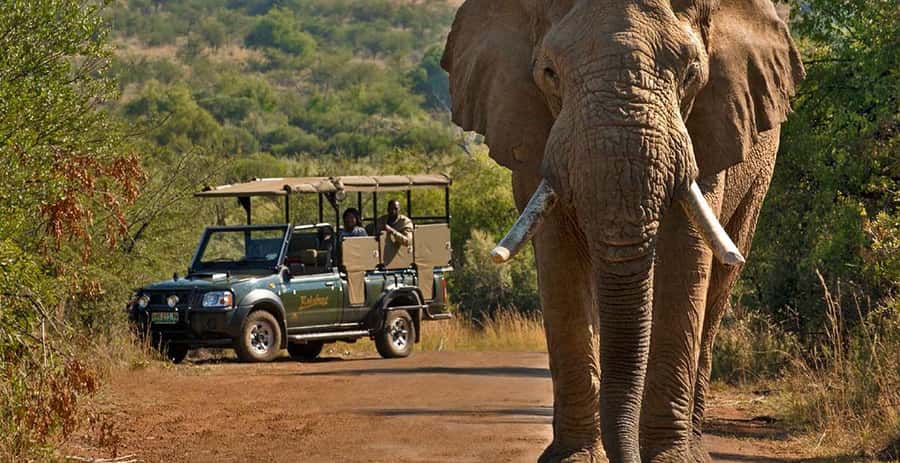
This is a full day built around one simple idea: timing. You’ll be collected from any hotel or address near Hoedspruit starting around 05:30–06:00, then head for the Orpen Gate entrance before sunrise. That means you’re not wasting the best hours on travel delays or late arrivals.
Early in the morning, animals tend to move and feed more. You’re also more likely to catch predators in the act—watching, stalking, or patrolling—rather than just seeing animals resting out of view. The drive is long enough that you’re not “rushed” into one short block of sightings. It’s a rhythm: morning searching, mid-morning stops to build sightings, then lunch, then another afternoon push.
And because the vehicle is open, you’re set up for fast scanning. If you’ve ever sat in a closed car where you miss the angle of a distant lion or a leopard perched out of reach, you’ll appreciate the panoramic view here. Open seating isn’t just comfort—it’s better information. More angles mean your eyes have a better chance of catching motion before it’s obvious.
The open safari vehicle: comfort, cold, and better views
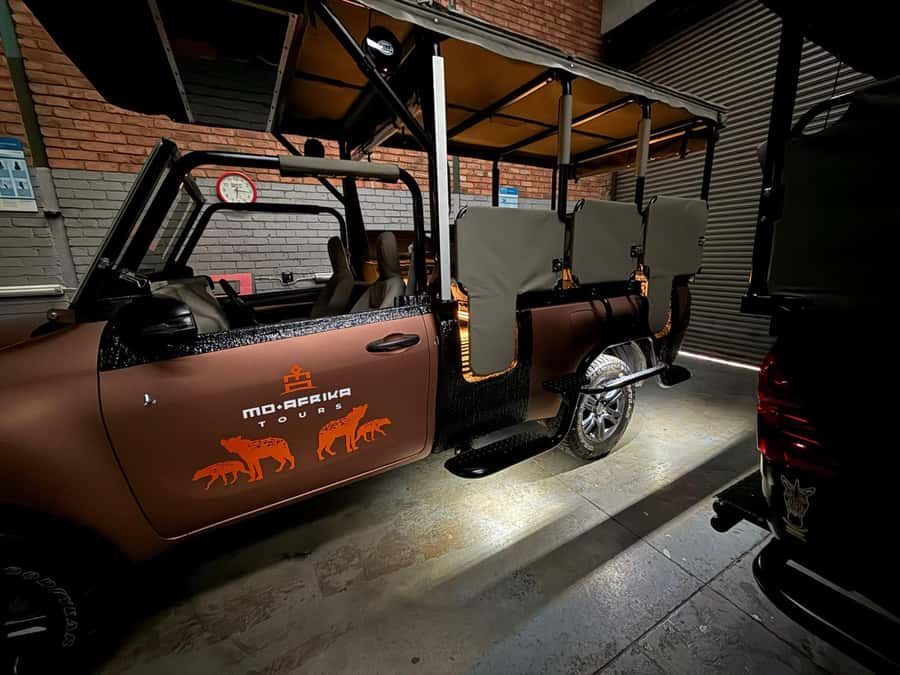
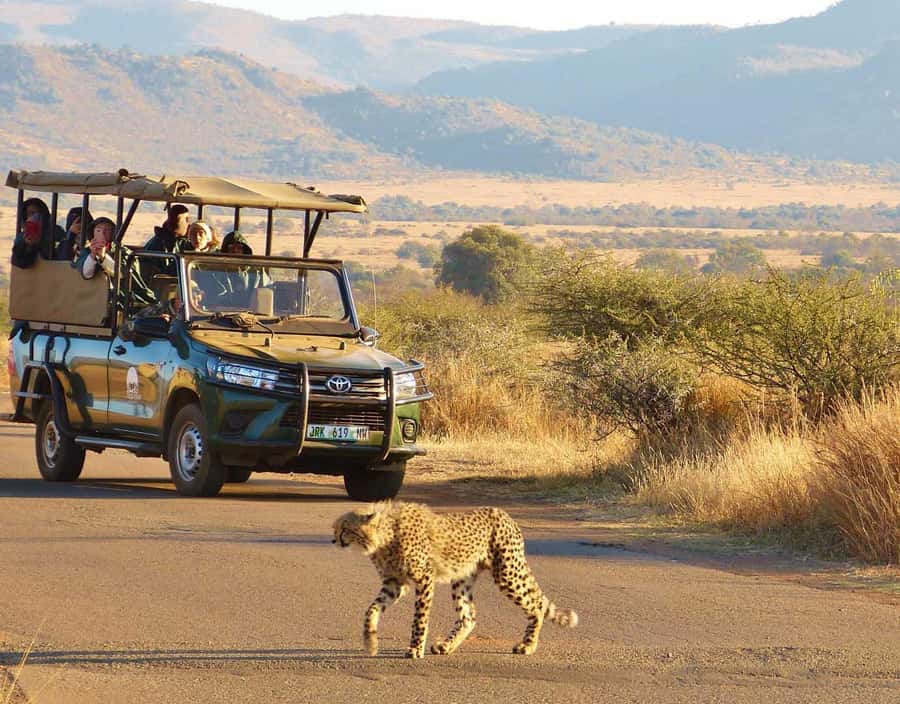
The safari is done from a custom-built open vehicle designed for visibility. That’s great for photography and spotting, especially when animals appear at the edge of the road, in the brush line, or crossing from one thicket to another.
But there’s a tradeoff: the early hours can be cool. Multiple guide-and-day experiences point to this—people mention being chilly during the morning transfer into Kruger, and you’ll want to plan for it even if you normally feel fine in warm climates. Wear a windbreaker and bring warm layers for the first part of the day. Once the sun rises and the drives get underway, you’ll likely shed layers as needed.
Practical tip: keep your essentials easy to grab. If you’re wearing gloves, hat, and a jacket for the early cold, make sure you can still access your camera quickly when the guide calls out a sighting.
Your guide matters: FGASA training and behavior-based spotting
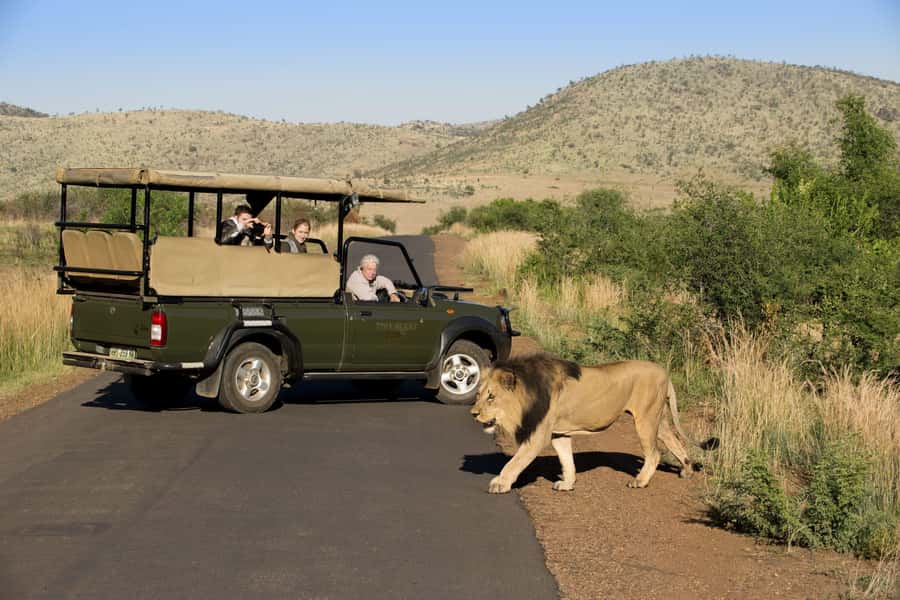
This tour is led by FGASA-certified guides, and that’s a big deal for how satisfying the day feels. Anyone can drive slowly and point at an animal. A good guide helps you understand what you’re seeing—why an animal is moving, why it’s pausing, what other species might show up nearby because of that behavior.
You’ll notice this style in how guides are described. Names like Lemon Juice and Eddy come up for trying hard to find a lot of action and for keeping the experience friendly and personal. Ewance is mentioned for clear wildlife explanations and making guests feel at ease, and Senior Lamas is noted for humor plus detailed answers. That mix—knowledge, communication, and effort—is what turns a “drive” into a real game experience.
Also, you’ll get real guidance on bush etiquette. The tour emphasizes safe viewing distance and not feeding or teasing animals, which matters for both your safety and the ecosystem. In Kruger, respectful behavior isn’t optional—it’s how the park stays wild.
Morning game drive and Orpen-area savannah: what you’re chasing
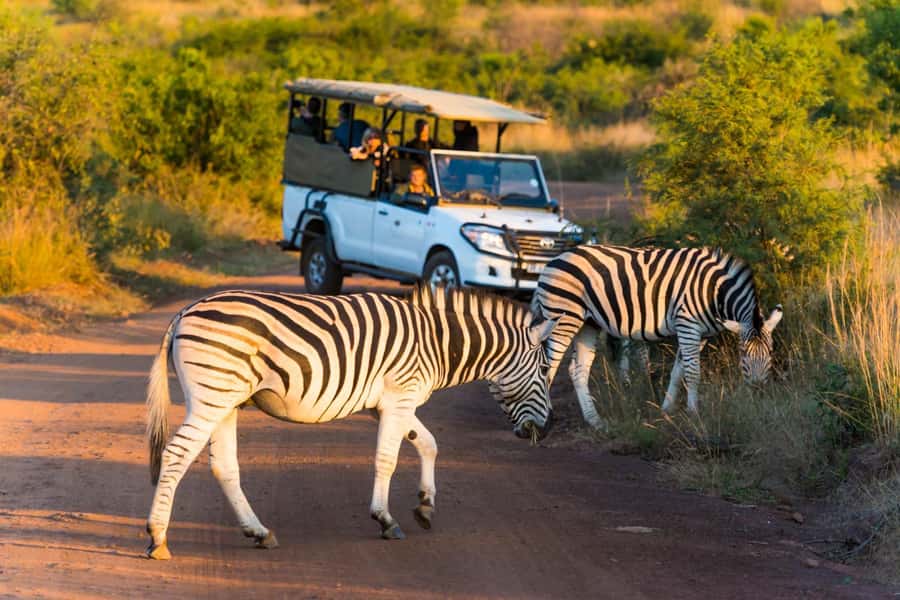
After pickup, your goal becomes the landscape near Orpen—the area known for savannah grasslands and plenty of wildlife. The morning drive is where you aim for the highest odds. You’re also moving early enough that you might encounter animals that were active overnight or just coming into view as the day warms up.
What this means for you: don’t expect to “see everything” right away. The guide will likely scan widely, watch tracks and movement cues, and adjust routes to maximize sightings. When the bush gives you a brief glimpse—like a silhouette, a quick crossing, or a pair of eyes in grass—your guide’s job is to help you interpret what’s actually there and where it may reappear.
And yes, the day is geared toward the Big Five. You’re not guaranteed specific animals—no safari can. But with multiple drive segments and frequent stops, the odds of a standout encounter improve. The afternoon adds a second chance at the big moments.
Waterholes, rivers, and viewpoints: why stops boost your odds
Mid-morning is built around stops at waterholes, rivers, and lookout points. These aren’t random scenic breaks. Water is a magnet in Kruger, and it creates predictable movement patterns. If animals are near, waterholes can act like a crossroads where different species overlap in time and space.
Lookout points and viewpoints help too because they give the guide better scanning ability and often help you spot animals moving across openings in the bush. Even if you don’t see a “hero animal” right at the stop, these pauses can still be valuable. You learn what to watch for: where animals appear, how long they linger, how sound carries, and how quickly visibility changes as the light shifts.
Practical photography tip: when you stop, take a few minutes to get your camera ready. People sometimes fumble with settings while the guide is scanning. If you’re steady and ready, you’ll catch more of the short moments that make wildlife photos work.
Lunch at a Kruger rest camp: breaks, food, and reset time
You’ll stop for lunch at a rest camp around 13:00–14:00. The lunch isn’t included, but you’ll have options there—rest camps offer a mix of local and international cuisines, so you can usually find something that fits your taste and budget.
This is a real break in an otherwise active day. You’ll be able to stretch your legs, do some souvenir shopping, and take a breather before the afternoon drive starts again. If you’ve been in a long wildlife schedule before, you know the difference between a quick stop and a proper reset. This one matters because it helps you stay patient and alert for the late-day spotting window.
If you want to photograph or spot more efficiently after lunch, don’t overdo it. Eat something you can digest comfortably, drink water, and keep an eye on your timing so you’re ready when the group is set to move.
Afternoon drive and the return to Orpen Gate
After lunch, the safari continues on an afternoon game drive until about 15:00, giving you time to make your way back to Orpen Gate to exit the park. You’ll typically be dropped back in or near Hoedspruit around 16:00.
Afternoon driving can feel different from the morning. Animals may be more hidden in shade, and heat can change where you see activity. Still, it’s an important second chance. Predators and big herbivores don’t follow a single script. A sighting you miss in the morning might show up later, or you might catch a different set of species when the light and movement patterns change.
This “two search blocks” structure is one of the reasons this full-day format tends to feel worth it. You’re not betting everything on a single narrow time window.
What’s included (and how that affects your budget)
Your price is $130 per person for a full day in an open vehicle, plus the park-related costs that add up quickly on their own: Kruger Park entrance fee and a conservation fee. Bottled water is also included, which is a practical win during long drives.
What’s not included is food and drinks during lunch and any personal purchases. So when you’re budgeting, plan on paying for your own meal at the rest camp. If you’re the type who snacks constantly, bring some snacks, but keep it within reason and don’t create trash problems in the bush. (The tour emphasizes respectful wildlife viewing; your behavior around animals should match that.)
Value angle: you’re paying for more than transport. You’re paying for the combination of (1) a full day of guided driving, (2) open-vehicle visibility, and (3) guide expertise plus the park entry/conservation costs. For many people, that’s cheaper and easier than arranging separate transfers and paying park fees independently.
What to bring for a smoother safari day
Based on the practical guidance and what people emphasize, here’s the smart packing list:
- Neutral-colored clothing so you blend in and don’t look too “out of place” against natural surroundings.
- Sunglasses, a hat, and sunscreen for the African sun.
- A camera (and extra patience while you wait for the right moment).
- Warm layers / windbreaker for the early cold in an open vehicle.
- Optional but useful: a small personal bag you can keep secure while on an open vehicle.
Also, be ready to follow your guide’s instructions about safe distance. That part isn’t just for animals—it’s for you.
Wildlife expectations: Big Five ambition, real-life uncertainty
This safari is designed for serious wildlife viewing and Big Five chances, but it can’t promise specific animals on a specific day. What it can do is maximize opportunities: long driving hours, multiple scanning sessions, and frequent waterhole and viewpoint stops.
In real-world encounters, big moments sometimes arrive fast. Sometimes they’re closer than you expect. And sometimes you spend a long time learning the guide’s logic—then the bush “pays you back” with a sighting when everyone’s eyes finally lock in.
The best mindset for you: aim to enjoy the process. Pay attention to behavior cues—what animals do right before they move, how other species react nearby, and how the guide reads the terrain.
Who this tour is best for
This full-day Kruger safari from Hoedspruit is a strong fit if you want:
- A guided, behavior-focused wildlife experience (not just a quick drive).
- Open-vehicle sight lines for spotting and photography.
- A full day with both morning and afternoon game drives.
- The convenience of pickup from your Hoedspruit-area accommodation.
It’s also a good choice if you’re short on time and still want more than a half-day outing. The schedule gives you enough time to keep looking even if the morning is slower.
Should you book this Kruger full-day safari from Hoedspruit?
Book it if you want a structured day in Kruger with open-vehicle viewing, a FGASA-certified guide, and the chance to hit classic wildlife zones like waterholes and viewpoints. The early start and two drive blocks make this more than a basic “see what we see” outing.
Skip it (or choose a different format) if you hate early mornings or you’re unprepared for cold conditions in an open vehicle. Also, if you’re looking for lunch included with no extra spending, remember the meal at the rest camp is for you to cover.
If you can handle the early start and you’ll dress smart for the first hours, this is a solid value way to get deep into Kruger for a full day.
FAQ
How long is the full-day safari?
The safari runs for about eight to nine hours.
What time do I get picked up in Hoedspruit?
Pickup starts between 05:30 and 06:00 from your hotel or address in or near Hoedspruit.
Which entrance gate do you use to enter Kruger National Park?
You enter Kruger via Orpen Gate.
What vehicle do you use for the safari?
You travel in a specially designed open safari vehicle built for panoramic views.
What’s included in the price?
The price includes bottled water, Kruger Park entrance fee, conservation fee, full-day open vehicle safari, and a qualified FGASA-certified guide.
What about lunch and drinks?
Food and drinks are not included. Lunch is taken at a Kruger rest camp around 13:00–14:00 for your own account.
What language are the guides speaking?
The tour language is English.
Do I need to bring anything?
You should bring sunglasses, a hat, sunscreen, a camera, and wear comfortable neutral-colored clothing. It can also get cold early, so warm layers help.
Can I pay later or cancel if plans change?
You can reserve & pay later (book now and pay nothing today). You can cancel up to 24 hours in advance for a full refund.