REVIEW · SRI LANKA
Kumana National Park : Morning or Afternoon Safari Tour
Book on GetYourGuide →Operated by Tiger Safaris · Bookable on GetYourGuide
Leopards and birds share the same morning road. Kumana National Park (also known as Yala East) is a great match for people who want birdwatching plus a real shot at larger wildlife, all in one outing. I like how this tour keeps the focus on Kumana’s animal targets and builds the day around the park’s best-known wildlife areas.
I also like the small, comfortable jeep setup (max 6 passengers in a 4×4), because it makes it easier to move with the guide and spread out for photos. The one thing to think about is comfort: some transfers may feel bumpy, and on rainy days you can get wet depending on your seat position, so pack for weather and bring a cushion if your back is sensitive.
In This Review
- Kumana Safari at a Glance: What You’ll Notice First
- Why Kumana (Yala East) is a Bird-and-Big-Game Safari Mix
- Pickup, Jeep Comfort, and What 6 Hours Really Means
- Entering Kumana: The Quiet Before the Spotting Starts
- Kumana Villu Mangroves: Birds Put on a Show
- Kumbukkan Oya River: A Scenic Wildlife Highway
- Leopards and Elephants: How the Guide Helps You “Read” the Park
- Deer, Crocodiles, and the Wildlife You Might Not Expect
- Rain, Seat Position, and Other Comfort Reality Checks
- Photography That Works in a Jeep Safari Setting
- Price and Value: The Real Cost Breakdown
- Who This Safari Suits Best (and Who Should Skip It)
- Should You Book This Kumana National Park Safari by Tiger Safaris?
- FAQ
- Where is pickup offered for the Kumana safari?
- How long is the safari tour?
- What vehicle do you use for the safari?
- Is park entry included in the price?
- Are food and drinks included?
- Does the tour include a guide and language support?
- Can I take photos during the safari?
- What is included in hotel transfers?
- Is alcohol allowed on the tour?
- Is the tour suitable for pregnant women?
Kumana Safari at a Glance: What You’ll Notice First
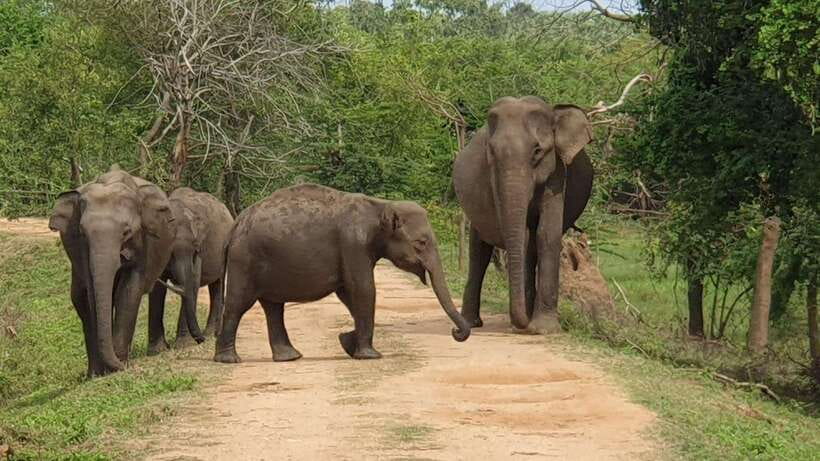
- Bird-heavy planning in Kumana’s mangrove and waterways, not just a quick drive through
- Chance at big sightings like leopard and elephants, plus deer and crocodiles
- Photo-friendly jeep time, with a guide who helps you find what’s worth aiming at
- Small vehicle group size, max 6 in the safari jeep for easier wildlife spotting
- Clear tour structure: hotel pickup, 4 hours in the park, then drop-off
Why Kumana (Yala East) is a Bird-and-Big-Game Safari Mix
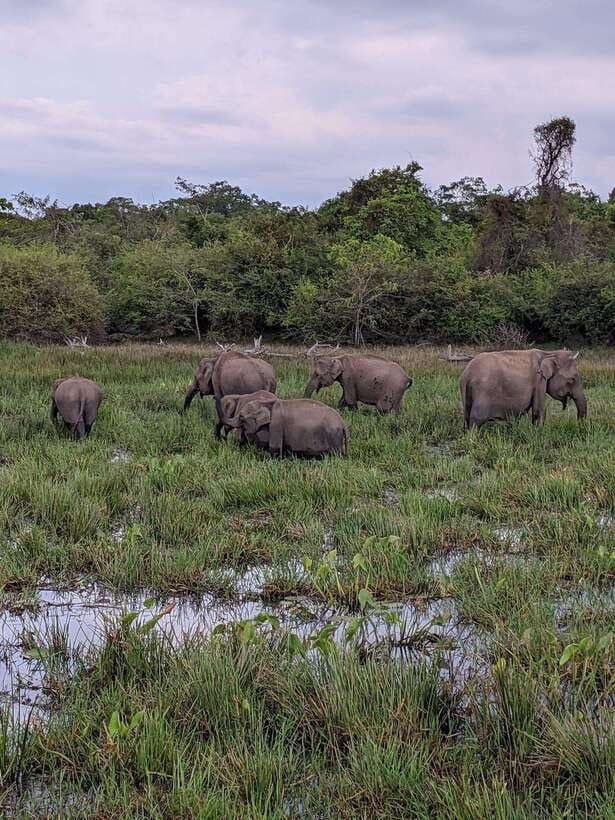
Kumana National Park is one of Sri Lanka’s best places to blend birding with big-animal hopes. The park is known for over 200 bird species, including rare and migratory birds, which means you’re not waiting the whole time for one lucky moment. If you enjoy spotting feathers, calls, and color, this type of safari actually rewards patience.
At the same time, Kumana isn’t only about birds. The park is also home to animals people travel for: leopards, elephants, deer, and crocodiles are all part of the core wildlife picture here. Your guide steers the day toward where animals and birds tend to show, so you spend more time looking and less time guessing.
You can also read our reviews of more tours and experiences in Sri Lanka.
Pickup, Jeep Comfort, and What 6 Hours Really Means
The day starts with a hotel pickup near Kumana, with options from Arugam Bay, Pottuvil, and Panama. Expect about an hour of driving, then roughly 4 hours inside the park, and finally a return drop-off to one of the same locations. The whole outing runs about 6 hours, so it’s long enough to get moving, but not so long you burn your whole day.
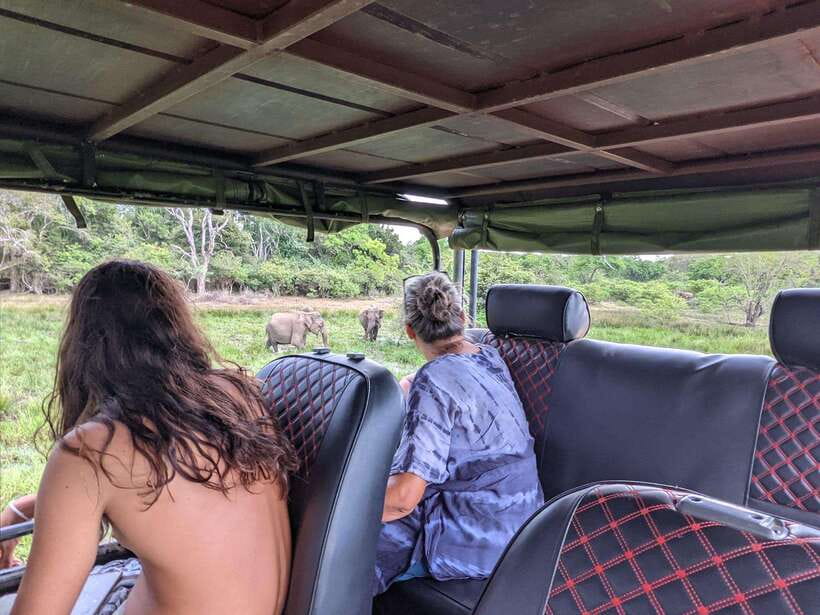
Your safari vehicle is a 4×4 jeep designed for wildlife roads, with a maximum of 6 passengers for the safari portion. If you book with a larger group (6+), you may get a private jeep, which usually means fewer compromises and more control over where you stop and how you photograph.
One comfort note: a passenger reported back pain from the transport vehicle used for pickup, mentioning a Mahindra pickup that didn’t feel right for safari comfort. If you have back issues, I’d take that seriously and ask the operator about the exact vehicle used for your pickup and seating. Also, bring a small seat pad if you’re sensitive to rough roads.
Entering Kumana: The Quiet Before the Spotting Starts
Once you enter the park, the mood often shifts fast. You’re moving into a wildlife environment where birds stay active and bigger animals may be anywhere from the edges of water to open ground. This is where your guide’s job matters most: they’re scanning and directing your attention, not just driving.
Kumana can be a great place for photography because you’re not stuck looking at wildlife through long buses or crowded viewpoints. The tour is built for spotting and taking pictures during the safari, which is exactly what you want if you’re bringing a camera or phone and want more than “I saw something somewhere” shots.
Kumana Villu Mangroves: Birds Put on a Show
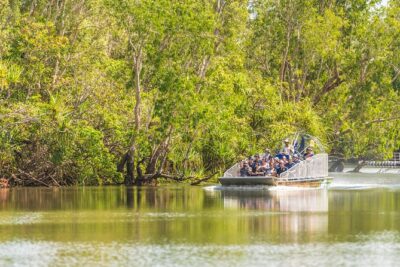
A key stop on this safari is Kumana Villu, described as a large mangrove swamp that draws a lot of birdlife. Mangroves matter because they create sheltered feeding and nesting zones. That means bird activity can be steady, and if you enjoy birdwatching, this is often where the day starts feeling worth it.
If you’re a bird person, you’ll love the sheer variety possible here. The park’s bird reputation isn’t a throwaway line. With so many species (including rare and migratory), you’re more likely to find something interesting even if big-game sightings are quiet that day.
Practical tip: keep your eyes moving. In mangrove zones, birds can appear suddenly, and the best angles come from quick adjustments rather than one long stare.
Kumbukkan Oya River: A Scenic Wildlife Highway
Another major area on the safari route is the Kumbukkan Oya, a river that flows through the park. Water corridors tend to concentrate wildlife, especially animals that travel for drinking, and birds that feed and rest near the edges.
This stop gives your guide a chance to turn the safari into a rhythm: scan, reposition, pause, and scan again. If you’re hoping for elephants or crocodiles, river areas can be your best odds because animals often use water as a daily route. Even when you don’t see a big animal immediately, you may see smaller activity—birds changing locations or deer moving along cover—that still feels like wildlife watching, not empty roads.
Leopards and Elephants: How the Guide Helps You “Read” the Park
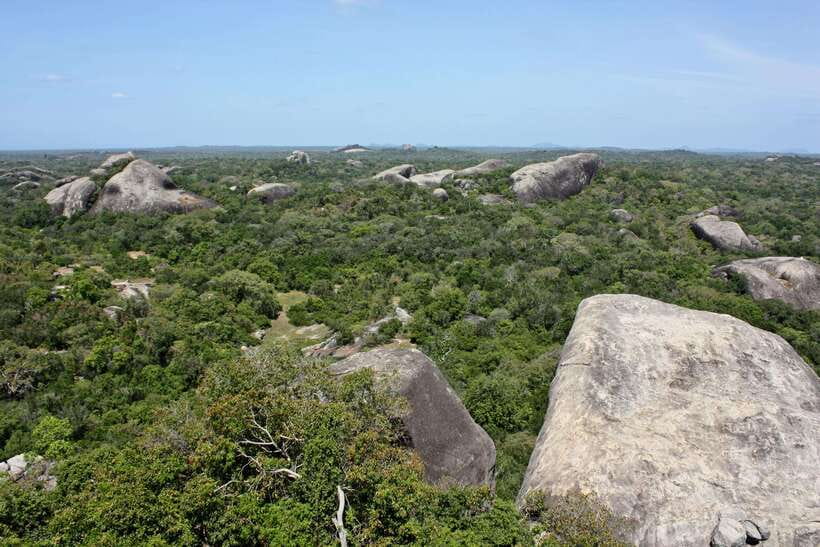
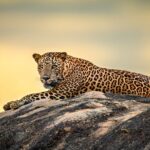
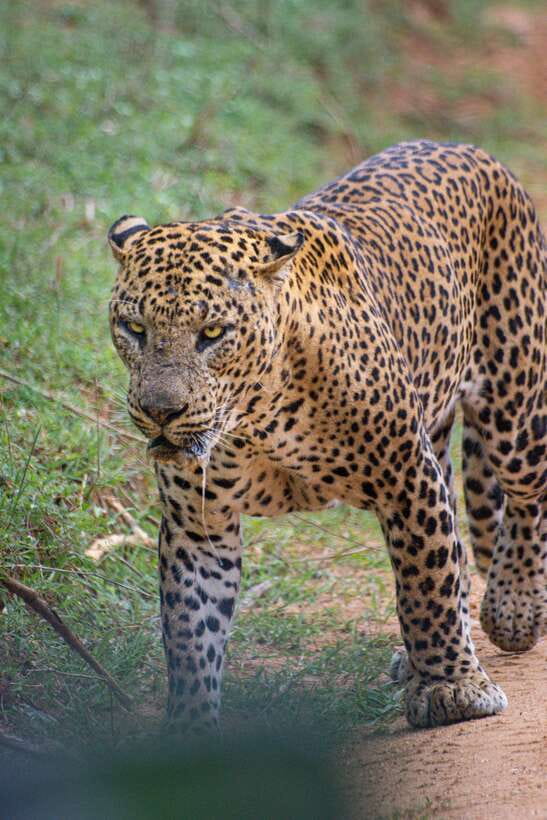
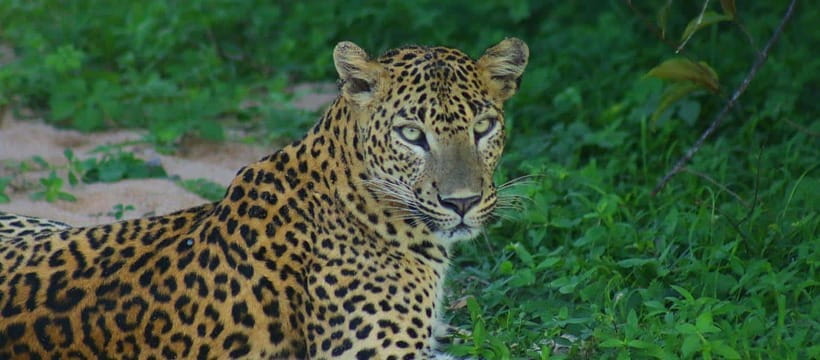
Kumana’s reputation includes leopards and elephants, and this tour is clearly aimed at both. The key is that you’re not guaranteed a leopard. This is wild country, and animals can be hidden, sleeping, or simply not in the mood to show.
What you can control is how good your odds feel, and the guide’s effort matters here. The tour style emphasizes finding the wild side of Kumana, with guides actively searching and trying to put you in the right place at the right time. One big theme from firsthand experiences is that guides often work hard to show as many animals as possible, with punctual timing and a focus on wildlife.
Elephant sightings can range from distant silhouettes to closer views depending on where the animals move. One person described an elephant visible from close range, which tells you Kumana can sometimes deliver more than “in the far distance” spotting.
For leopards, the best approach is mindset. Expect a lot of scanning and short pauses. When you see movement or a shape that looks too still to be scenery, you’ll want your camera ready. Your guide’s job is to help you notice what you might otherwise miss.
Deer, Crocodiles, and the Wildlife You Might Not Expect
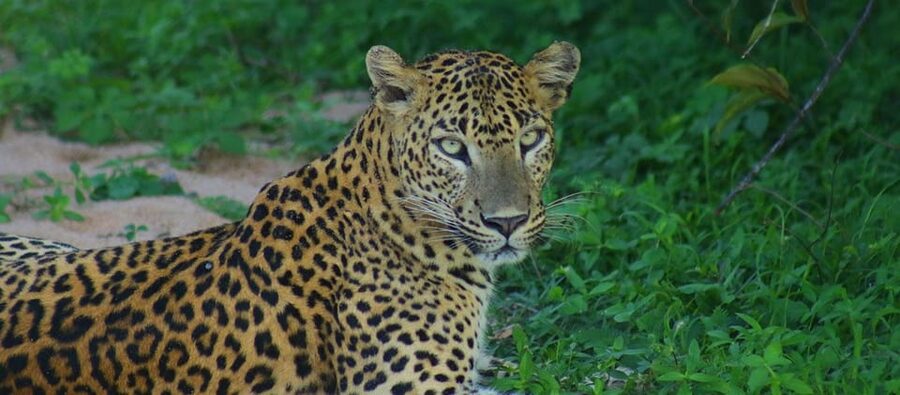
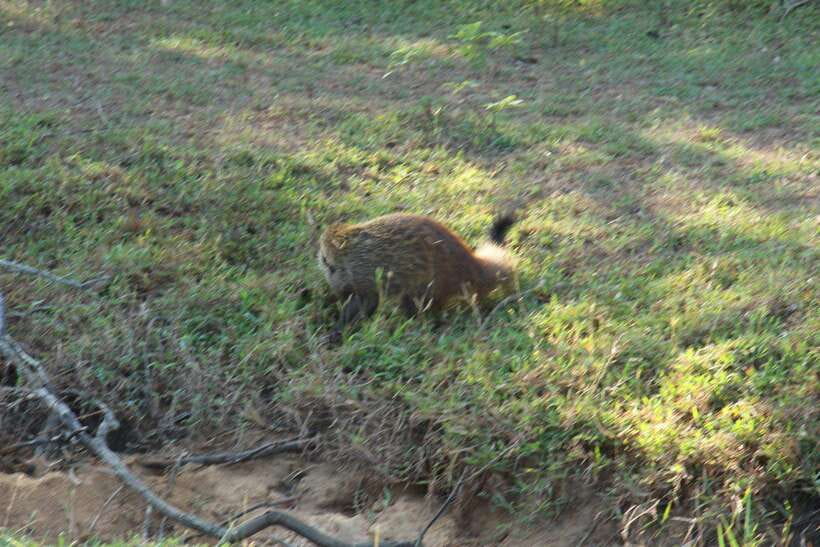
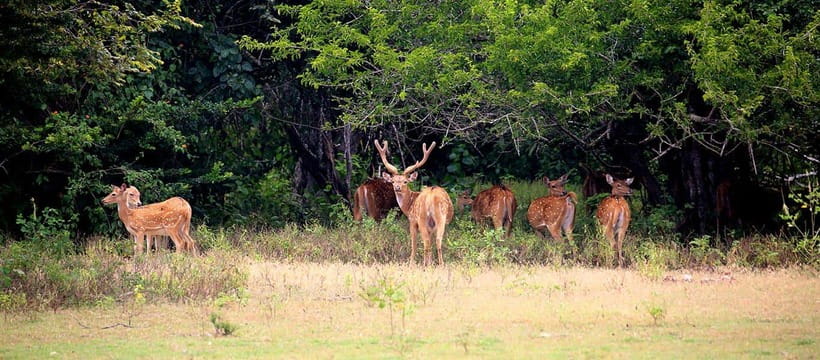
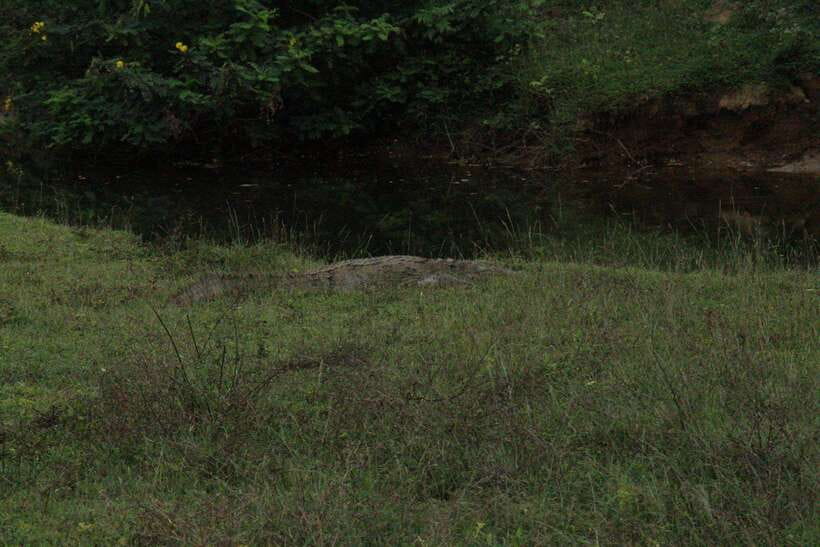
Kumana also holds animals that make the safari fun even on days without a leopard. Deer can appear in cover and along edges, and crocodiles are part of the park’s story. If you’re going for a full wildlife feel—birds plus mammals plus reptiles—this tour fits the bill.
One traveler highlighted a day with leopard, multiple elephants, and a lot of crocodiles. That kind of variety is exactly what this safari is trying to deliver: a packed wildlife mix rather than a single-target experience.
I’d also plan your expectations around time in the park. Because you’re spending about 4 hours in Kumana, you have enough time for multiple types of spotting, especially since bird activity can happen in bursts.
Rain, Seat Position, and Other Comfort Reality Checks
Weather is the one variable you can’t control, and it shows up fast in open or semi-open jeep seating. A rainy outing included a complaint about passengers in the back getting completely wet while the driver sat under cover. You can prevent a miserable experience with a little prep.
Bring a light rain layer (jacket or poncho) and pack a towel or something to dry off cameras and phones. If you’re worried about getting wet, sit in a spot that offers more protection when possible. The guide controls the vehicle positioning, so your best move is to choose a practical seat when you get in.
Also, plan for long eyes-on time. Wildlife safaris are quiet more often than they’re action movies. If you feel uncomfortable sitting still for long stretches, bring something simple like a small cushion and keep water handy (though food and drinks aren’t included).
Photography That Works in a Jeep Safari Setting
You can take pictures during the safari, and the jeep format makes it easier to get more angles than you’d get from a fixed walkway. The challenge is motion. Animals might appear quickly, and you’ll need steady hands or quick framing.
A few practical rules:
- Keep your camera ready before stops, not during the first second of spotting.
- Shoot in short bursts so you catch the pose changes.
- If you’re using your phone, clean the lens and consider wiping it often if there’s mist or rain.
If birds are your priority, aim for patience during mangrove and river stops. Birds may not hold still like big mammals, so you’re better off watching for behavior—hopping, calling, taking off—than chasing one perfect frame.
Price and Value: The Real Cost Breakdown
The published price is $47 per person for a 6-hour safari. That’s just the base tour cost. You should also budget for national park entry tickets, listed at about $19. Food and drinks are not included, so plan on buying or packing something for the full day.
Even with those add-ons, I think the value can be strong for two reasons. First, you’re getting guided wildlife time with a vehicle designed for safari roads. Second, you’re covering both birds and big-game possibilities in one block of time, which reduces the need for multiple tours.
Where it may not feel as good is if you’re purely chasing one animal and nothing else matters. Kumana’s power is variety, and a leopard-free day can still be an excellent bird-and-wildlife day if you came prepared to look.
Who This Safari Suits Best (and Who Should Skip It)
This tour fits best if you enjoy:
- Birdwatching and want targeted time in Kumana Villu for birdlife
- Wildlife spotting with a guide who actively searches and helps you notice animals
- Photography and don’t want a crowded big-vehicle experience
It’s not suitable for pregnant women, and the tour also does not allow alcohol and drugs. If either affects you, it’s better to choose another activity.
If you have sensitive back comfort, take extra care. The jeep portion is built for safari roads, but the pickup transport may not feel the same. Ask about the exact vehicle used for your pickup and consider bringing a small cushion.
Should You Book This Kumana National Park Safari by Tiger Safaris?
Book it if you want a single, guided day that mixes birds, leopard hopes, elephants, and crocodile chances, with a small max-6 jeep and real time inside the park. The guides are a big part of the experience here, and when they’re motivated, the day feels organized rather than random.
Skip or think twice if comfort is your top priority and you’re easily affected by rough transfers or getting wet in rain. Also, be realistic: wildlife sightings depend on conditions. Still, Kumana’s combination of birdlife and big-animal potential makes this a smart choice for people who enjoy spotting, scanning, and being outside for hours.
FAQ
Where is pickup offered for the Kumana safari?
Pickup is offered near Kumana from Arugam Bay, Pottuvil, and Panama.
How long is the safari tour?
The total duration is about 6 hours.
What vehicle do you use for the safari?
You travel in a 4×4 safari jeep, with a maximum of 6 passengers.
Is park entry included in the price?
No. National park entry tickets are not included and are listed at about $19.
Are food and drinks included?
No. Food and drinks are not included.
Does the tour include a guide and language support?
Yes. There is a live English tour guide, and an audio guide is also included in English.
Can I take photos during the safari?
Yes. You can take pictures of wildlife during the safari.
What is included in hotel transfers?
Hotel pickup and drop-off are included, with drop-off back to Arugam Bay, Puttuvil, or Panama.
Is alcohol allowed on the tour?
No. Alcohol and drugs are not allowed.
Is the tour suitable for pregnant women?
No. It is listed as not suitable for pregnant women.