REVIEW · OMAN
Luxury Overnight Desert Safari in Salalah
Book on GetYourGuide →Operated by Arabian Travel Service · Bookable on GetYourGuide
Dhofar’s desert turns into bedtime magic. This luxury overnight desert safari in Salalah strings together real desert driving, English-speaking local guides, and a traditional night camp in the Empty Quarter. The route also adds cultural stops like Wadi Dawkah (famous frankincense trees) and Ubar, a UNESCO World Heritage site, before you hit the dunes.
I especially like two things: the professional, English-speaking guidance (names like Ali, Mohammed, Ahmed, and Mohammed Al Mahdali come up for their storytelling), and the comfort upgrade of private tents for each family with shower and toilet facilities. One thing to consider: the word luxury can feel uneven in the camp setup, and a cold desert night is real—some bathrooms can be shared or a short walk from tents.
In This Review
- Quick hits
- Salalah’s Luxury Desert Safari: why this route hits different
- Getting there in comfort: latest vehicles, drinks, and English guides
- Wadi Dawkah: frankincense trees and the Dhofar connection
- Ubar (UNESCO): legend before the sand bashing
- Black color camels stop: one of those “only here” moments
- The main event: 3–4 dune bashing rides with pros
- Sunset in the Empty Quarter: coffee, tea, dates, and that orange sky
- The overnight camp: tents, fire, shisha, and stargazing
- Staying warm: the desert doesn’t do marketing
- Dinner and breakfast: Bedouin-style food you can actually taste
- Sunrise in the dunes: why early morning still matters
- Price and value: is $245 per person a smart splurge?
- Who should book this safari in Salalah—and who shouldn’t
- Practical tips before you go
- Should you book this luxury overnight desert safari?
- FAQ
- What language are the guides?
- What’s included in the overnight camp experience?
- Will I have private space for sleeping?
- What places do you visit besides the desert?
- Is dune bashing part of the trip?
- Is the tour refundable or can I book without paying right away?
Quick hits
- Wadi Dawkah frankincense valley: see the Dhofar incense story in the flesh
- Ubar (UNESCO): the legendary “lost city” stop before the dunes
- 3–4 dune bashing runs: driven by professionals, not reckless chaos
- Sunset setup with Arabic coffee/tea and dates: a proper pre-dinner ritual
- Overnight camp with bonfire, shisha, and stargazing: night sky time is built in
- Private family tents plus the practical reality of desert “bathroom logistics”
Salalah’s Luxury Desert Safari: why this route hits different
If you’ve ever done a desert tour where it’s mostly driving and photos, this one has more structure. You don’t just roll in, watch the sunset, and call it a night. You start with Dhofar culture and place-based stops, then you earn the dunes, then you slow down for bonfire, shisha, stargazing, and breakfast before sunrise.
The Empty Quarter part is the payoff, but the earlier stops matter too. Wadi Dawkah ties directly to Oman’s frankincense legacy, and Ubar gives you historical gravity before the sand. That combo makes the dunes feel less like a theme park and more like you’re stepping through a real region.
The “luxury” angle mostly shows up in the basics that travel days usually botch: latest-model vehicles with comfort options, water and soft drinks included on board, and English-speaking local guides who explain what you’re seeing. Still, remember you’re sleeping in the desert—comfort has limits. In the best way, it’s not pretending to be a hotel.
Getting there in comfort: latest vehicles, drinks, and English guides
The driving setup is a big deal on this kind of trip. Long stretches of road and desert tracks can turn an otherwise great safari sour if the vehicle feels basic or the guide can’t communicate clearly. Here, you get latest vehicle models with comfort options, and the guide works in English.
You’ll also feel the difference in how the guide handles the day. Guides such as Ali are known for linking incense and country history into something that’s easy to follow. Mohammed (and Mohammed Al Mahdali) get credit for making the tour flow smoothly and keeping the experience engaging without turning it into nonstop lectures.
Two practical notes you’ll thank yourself for:
- Bring a light layer for the ride and for the camp. Desert air cools fast once the sun goes down.
- If you’re traveling with kids, this format can be a good match since the tour includes a full sequence of activities—not just a single sunset moment.
Wadi Dawkah: frankincense trees and the Dhofar connection
Before the dunes, you’ll visit Wadi Dawkah, described as a valley with the world’s largest frankincense trees. That’s not a vague sightseeing stop. Frankincense is basically the Dhofar identity: a plant tied to trade, culture, and the region’s long relationship with the desert-to-coast landscape.
What makes this stop valuable is timing. You’re fresh enough to notice the setting, and the story you hear lands better right before you move toward the Empty Quarter. It also helps you appreciate why you’ll later see Bedouin-style hospitality—this area didn’t form its traditions in a vacuum.
In plain terms: this is where you go from scenic to meaningful.
Ubar (UNESCO): legend before the sand bashing
Next up is Ubar, a UNESCO World Heritage site—a place people associate with the idea of a legendary lost city in the sands. Even if you don’t know the full story beforehand, the stop helps you understand the desert as more than dunes and sunsets.
Why I like this order: history first, then intensity. You get context, then the day turns physical with dune driving. It makes the evening feel earned rather than rushed.
Also, this is a nice mental gear shift if you’re coming from city sightseeing. You’re not juggling museums and schedules—you’re moving through a route that connects ecology (frankincense) and legend (Ubar), then lands you in the Empty Quarter.
Black color camels stop: one of those “only here” moments
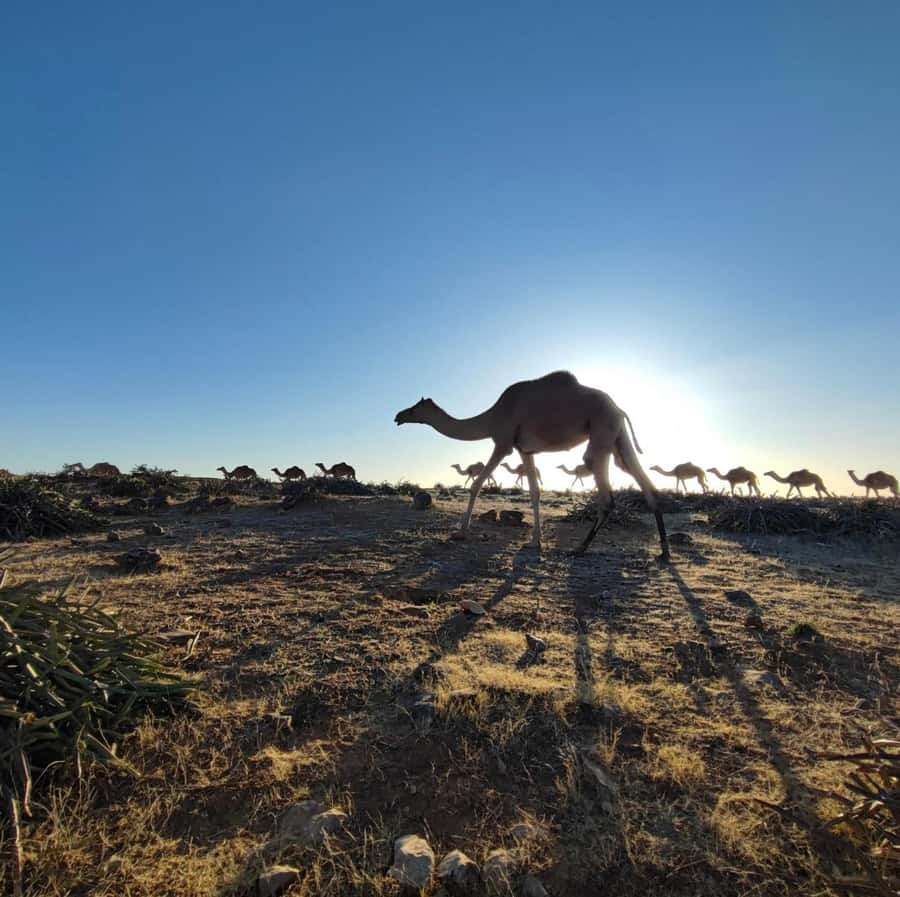
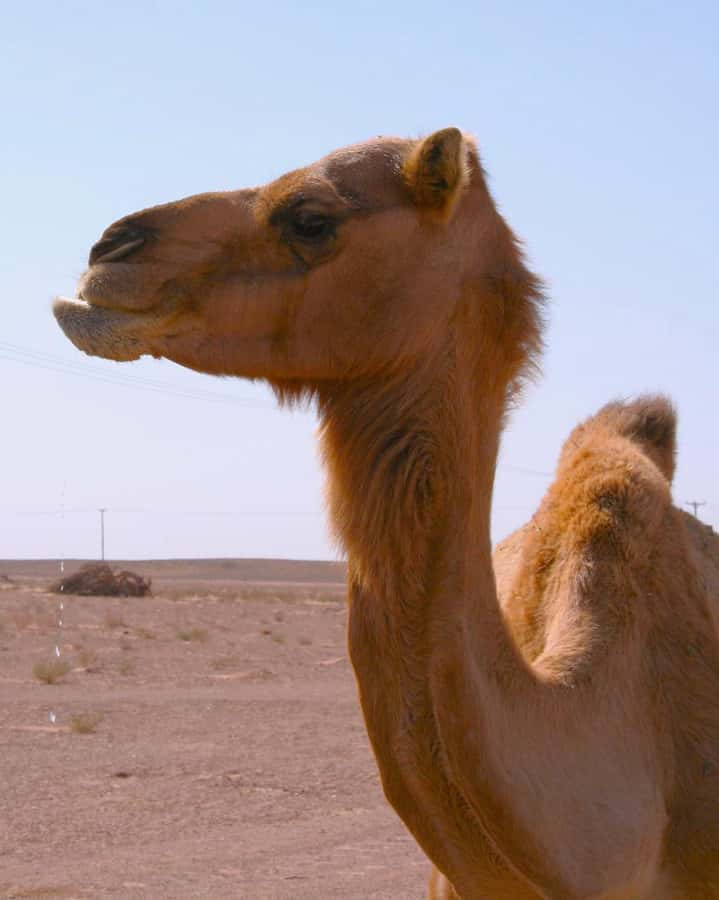
You’ll make a stop to see black color camels—described as something you can find in the desert. It’s brief, but it’s exactly the kind of moment that makes the safari feel specific to Oman rather than interchangeable.
Don’t treat it like a zoo visit. The point is observation and context: desert-adapted animals, local life, and a quick shift from vehicles and roads to the natural rhythm of the dunes.
The main event: 3–4 dune bashing rides with pros
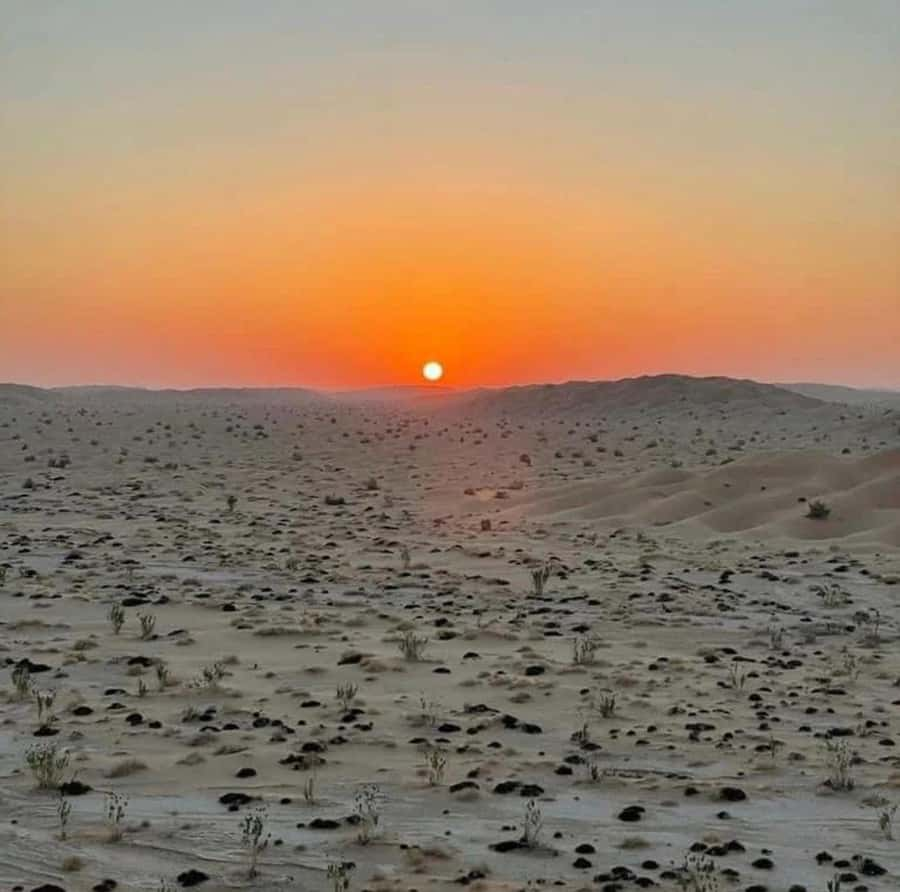
Once you reach the Empty Quarter, the adventure culminates with 3 or 4 times dune bashing. This is where you’ll feel the tour earn its thrill factor, and it’s also where the difference between a professional guide and a cowboy driver shows.
You’re told the dune bashing is handled by professional desert safari tour guides, and that’s what you want. Dune driving can be intense, even when done well. The goal is to keep it controlled, safe, and fun—especially because you’re also going to be awake later for the evening activities.
Two things to keep in mind:
- If you have back problems, this isn’t the right fit. It’s explicitly not suitable for that.
- If you’re sensitive to motion, take a calm breath before the first run. The first descent always feels more dramatic than the second because your body is still adjusting.
Sunset in the Empty Quarter: coffee, tea, dates, and that orange sky
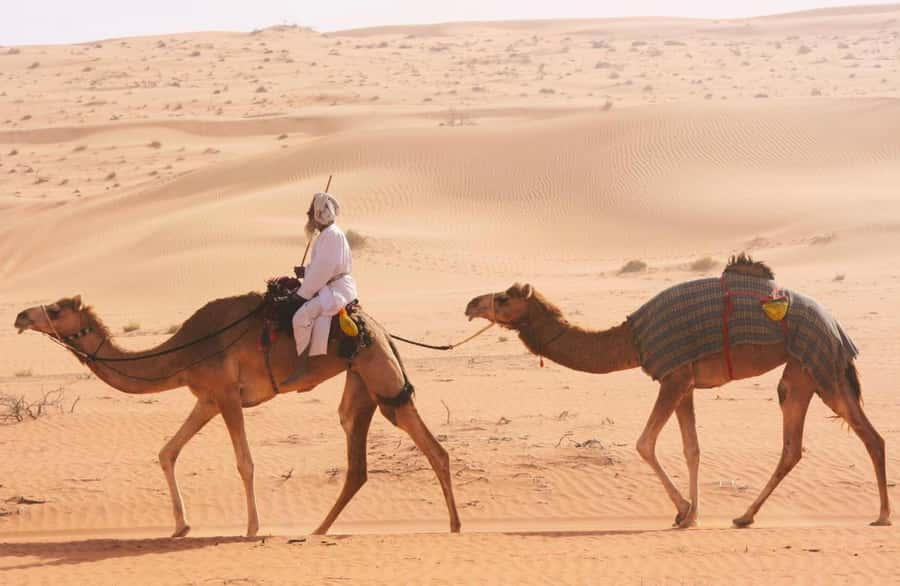
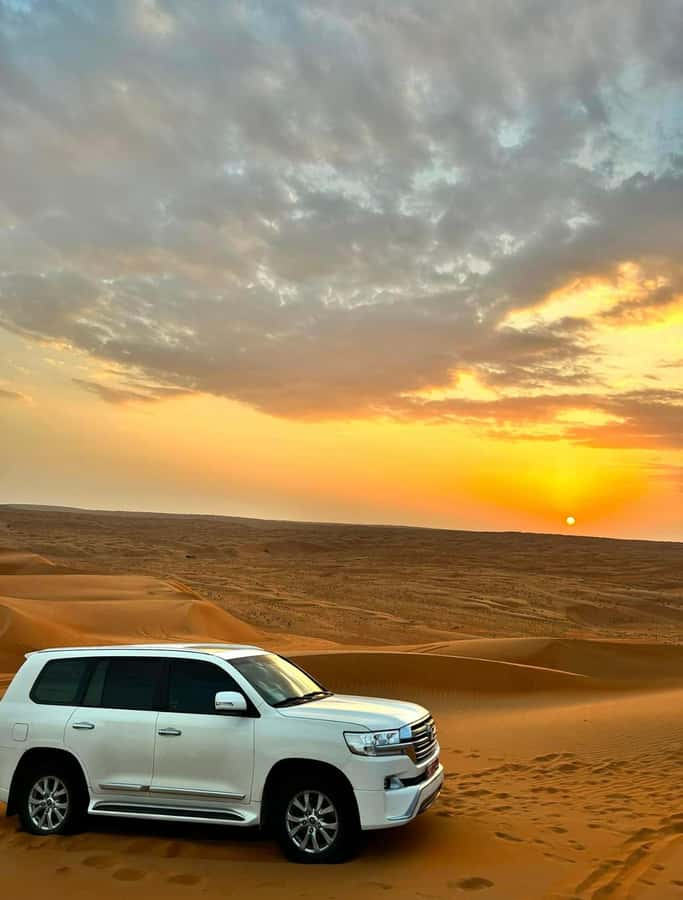
The tour builds a sunset moment in the dunes with an Arabic setup. You’ll enjoy the most wonderful sunset, and it’s paired with a cup of Arabic coffee or tea plus dates.
This part matters more than it sounds. After hours of driving, stopping at the right time creates a mental reset. You’re not rushing into dinner; you’re pausing for the desert color shift—when everything looks bigger, quieter, and slightly unreal.
Also, it’s a good time to set expectations for the night ahead. Once the sun drops, temperatures can swing, and you’ll want to be comfortable enough to enjoy stargazing later.
The overnight camp: tents, fire, shisha, and stargazing
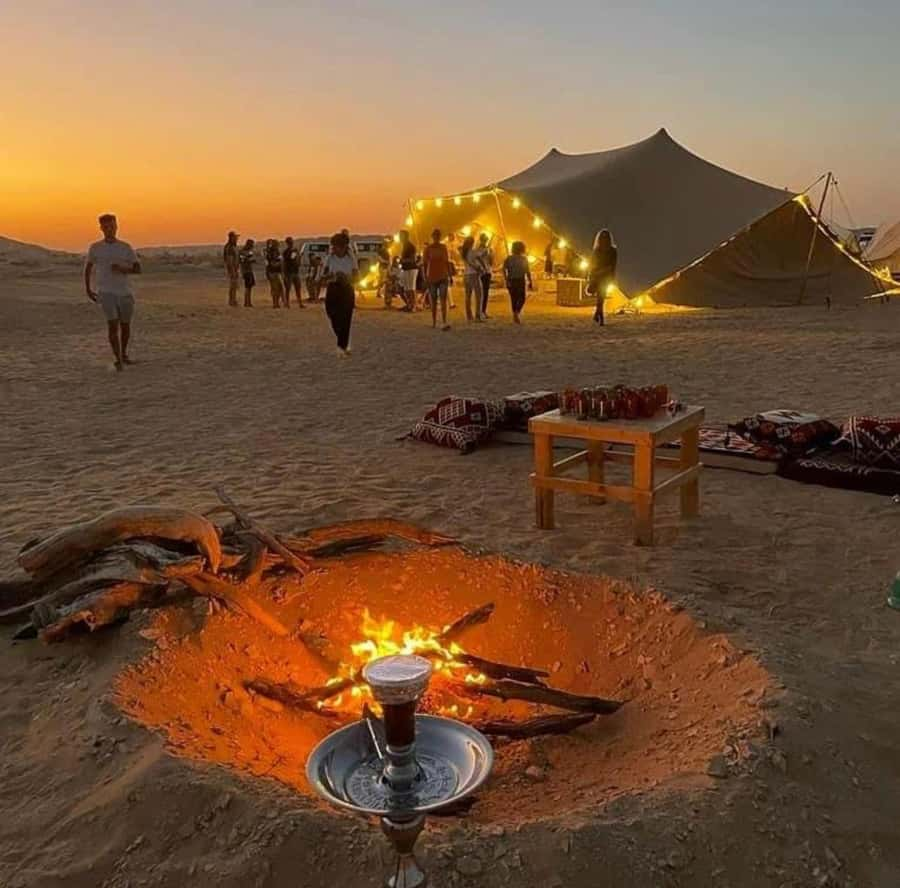
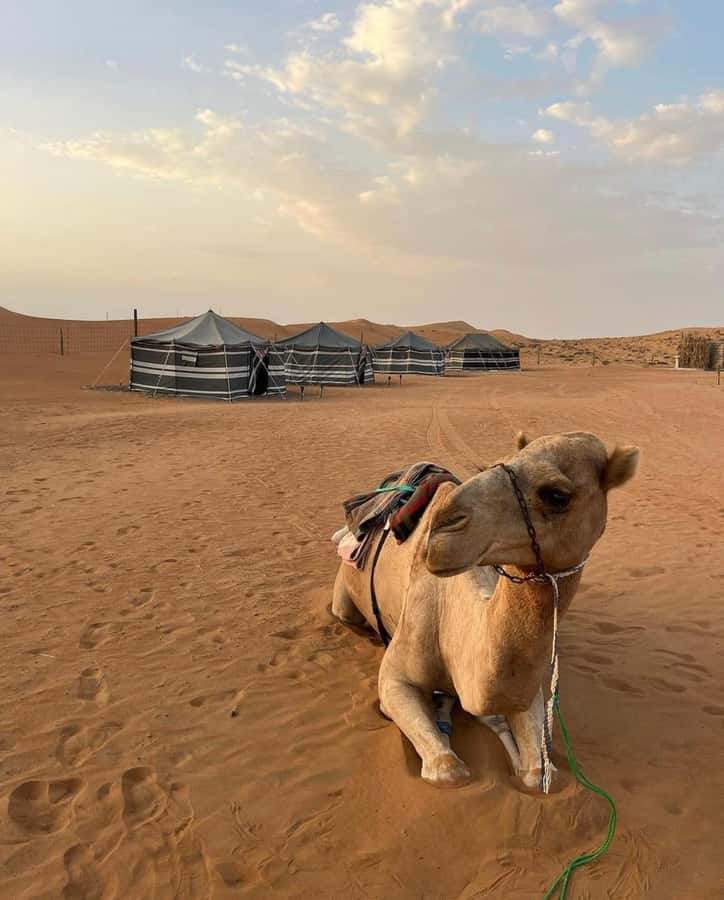
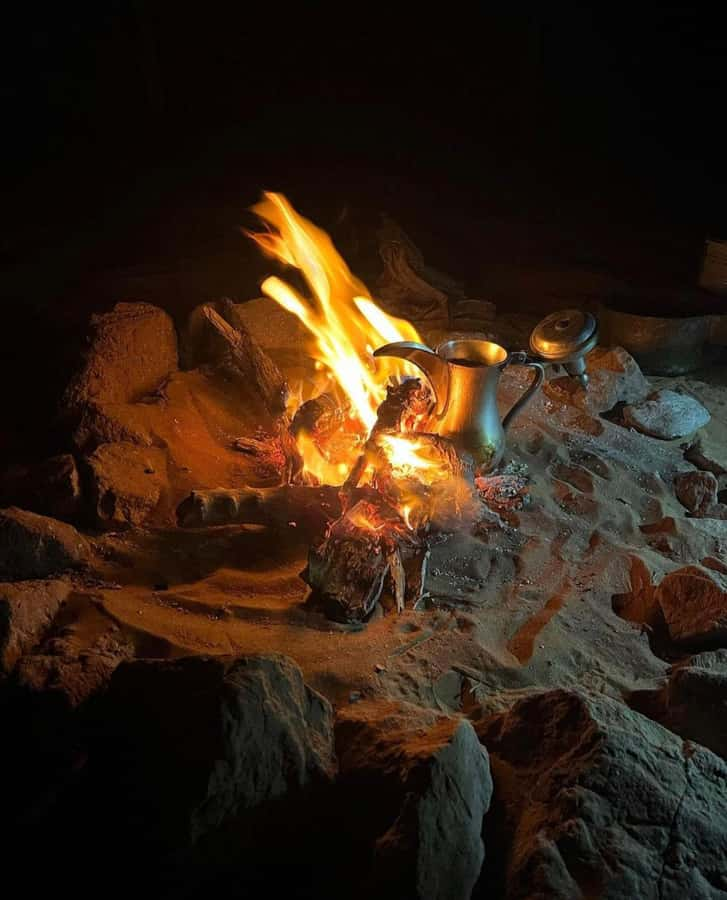
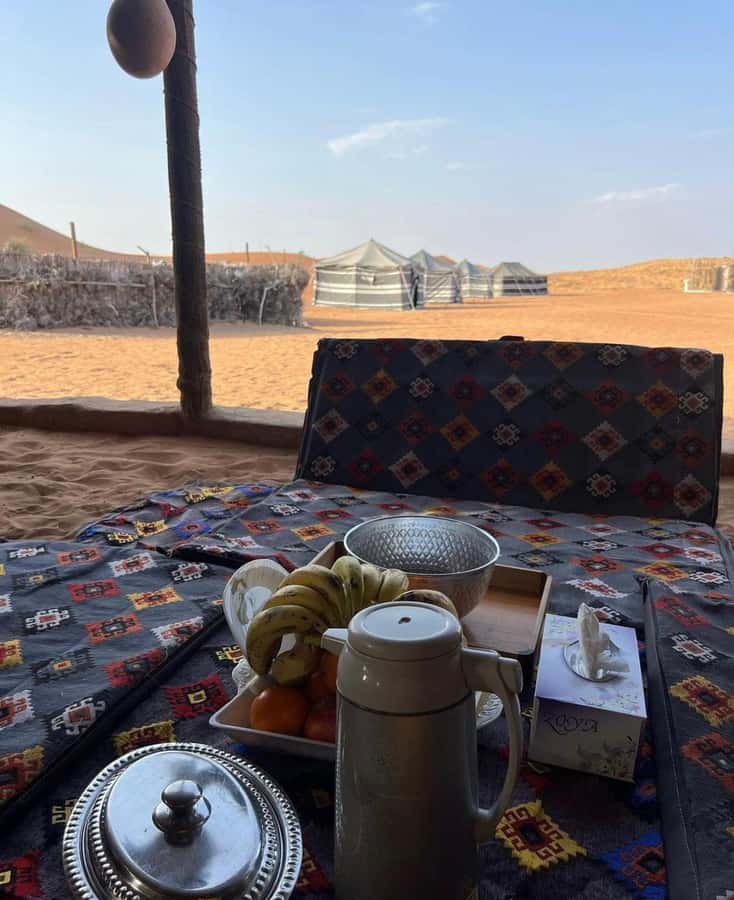
Your overnight is at an Arabic traditional desert safari camp with a bonfire, shisha, and stargazing, plus a local Arabic dinner and breakfast in the morning.
Here’s the “luxury” reality check. The tour includes private tents for each family with excellent facilities including shower and toilets. But some travelers also note that shared showers/toilets can be part of the setup, with bathroom areas sometimes a short walk away. Translation: don’t plan like you’re in a high-end resort with everything right outside your tent.
What you can plan on:
- Bonfire time that becomes the social center of the camp.
- Shisha included as part of the evening setup.
- Stargazing as a scheduled activity (not a random add-on).
- Camel meet and local food at dinner time.
If you’re coming for the night sky, this is the best kind of itinerary: it protects the time. You’re not sent off to find the sky on your own.
Staying warm: the desert doesn’t do marketing
One of the most useful practical tips from real experience is simple: tents may not be heated. You should plan on cool desert temperatures at night, even if the day feels warm.
Pack like this:
- Wear warm layers you can peel off during the ride.
- Bring a hat or something to keep your head warm.
- Expect that blankets are likely provided, but you’ll still feel happier if you come prepared.
Dinner and breakfast: Bedouin-style food you can actually taste
Dinner is described as a typical Bedouin dinner, with camel meet and other different types of food for everyone. Breakfast follows in the morning as part of the overnight package.
This is one of those experiences where the “food story” is part of the cultural exchange, not just calories. Eating in the camp after dune bashing changes the whole mood. You’re tired, sunburnt-ish or wind-buffed, and ready for something warm and filling.
I also like that the dinner is paired with the camp atmosphere: bonfire, and the evening ritual that comes before stargazing. It gives the meal a place in the night instead of treating it like a fast stop.
Sunrise in the dunes: why early morning still matters
The adventure ends with a watch the most wonderful sunrise ever moment in the middle of the desert, plus you’ll have breakfast around that time.
Sunrise is often the part people skip because it requires a wake-up call. But when sunrise is built into a structured itinerary like this, it feels less like an inconvenience and more like the final signature of the trip. The sky glow over dunes is one of the few “repeatable beauty” moments travel can’t fake.
And since you’re already there, you don’t lose time trying to figure out where to go at dawn.
Price and value: is $245 per person a smart splurge?
At $245 per person, this safari sits in a mid-to-upper range for Oman desert experiences. You’re paying for a bundle that usually costs extra if you piece it together yourself: professional dune bashing, guided stops (Wadi Dawkah and Ubar), camp program (bonfire, shisha, stargazing), and included meals (dinner and breakfast). You’re also getting transport with comfort options plus drinks on board.
If you only cared about sunset, you’d likely find cheaper options. But if you want a full day-to-night sequence—history, driving, camp activities, and sunrise—this price can make sense.
The best value shows up if you travel as a group that uses the private tent setup well. If you’re expecting hotel-level bathrooms and heating, you might feel the gap. If you’re open to desert comfort with some practical tradeoffs, it can feel like a fair luxury.
Who should book this safari in Salalah—and who shouldn’t
This experience is a strong fit if you want:
- A true overnight desert night with stargazing and bonfire time
- English-speaking local guides who explain incense, Ubar, and regional culture
- A guided, controlled dune driving experience with multiple runs
It’s not a good match if:
- You’re pregnant
- You have back problems (dune bashing won’t be kind)
It can work well for families too, since guides have been praised for being good with kids while still keeping the experience structured.
Practical tips before you go
Here are the small choices that make the biggest difference on a desert overnight:
- Bring warm layers. The camp can be cold at night and tents may not be heated.
- Plan for bathroom walking time. Even with tent facilities described, some setups involve shared or separate bathroom areas a short distance away.
- Don’t overpack for the camp. You’ll mostly need essentials for sleep and basic comfort.
- Ask your guide what to expect from the dune bashing. Since you’ll do it 3–4 times, knowing the flow helps you enjoy each run.
Should you book this luxury overnight desert safari?
I’d book it if you’re the type who likes your desert days to have a storyline: frankincense history at Wadi Dawkah, legend at Ubar, then the Empty Quarter with professional dune bashing, and finally the real payoff—bonfire, shisha, stargazing, dinner, and sunrise.
I’d think twice if you’re expecting a fully hotel-like night. The camp can be traditional, and warmth and bathroom logistics can vary. Also, if you’re pregnant or have back issues, this isn’t the right choice.
If you want a guided overnight that feels special without pretending the desert is something it’s not, this is a solid Salalah pick.
FAQ
What language are the guides?
The tour is offered in English.
What’s included in the overnight camp experience?
Overnight includes a traditional camp setup with bonfire, shisha, stargazing, a local Arabic dinner, and breakfast.
Will I have private space for sleeping?
Yes. Each family gets a private tent with facilities described as including shower and toilets.
What places do you visit besides the desert?
You visit Wadi Dawkah (with the world’s largest frankincense trees) and Ubar, which is a UNESCO World Heritage site.
Is dune bashing part of the trip?
Yes. The experience culminates with 3 or 4 dune bashing sessions, led by professional desert safari tour guides.
Is the tour refundable or can I book without paying right away?
You can reserve with a pay later option, and you can cancel up to 24 hours in advance for a full refund.