REVIEW · MADEIRA
Madeira: Santana Jeep Safari and Referta Levada Walk
Book on GetYourGuide →Operated by Mountain Expeditions · Bookable on GetYourGuide
One day, three worlds of Madeira. This Santana Jeep Safari plus levada walk stitches together the island’s highest viewpoints, off-road mountain scenery, and an easy-to-moderate rural hike. I love the photo-stop views from Pico do Arieiro at 1,818 meters, and I also like the off-road drive that feels exciting without being reckless. The main drawback to plan for: it’s a full 8 hours, with wind in the jeep and some walking, so it may not suit anyone with back problems or anyone who’s pregnant.
Next, you’ll get two of Madeira’s most memorable contrasts in the same day: the culture stop in Santana and the quiet river-glen feel of a levada route. I like how you can go from dramatic peak air to lush valley scenes, then end on the stark cliffs of Ponta de São Lourenço.
In This Review
- Quick hits
- Why this Madeira day feels like a smart value
- Pickup in Funchal: setting expectations for the day
- Pico do Arieiro: the big start at 1,818 meters
- Ribeiro Frio and the off-road hour: nature plus adrenaline
- Faial stop: a quick palate cleanser
- Santana and its triangular thatched houses: culture with walking time
- Levada walk through farmland: rural rhythm and valley views
- Porto da Cruz: rum distillery time and a sensory stop
- Ponta de São Lourenço: finishing on wind and drama
- Guides and driving: the difference between safe fun and white-knuckle stress
- What to bring for comfort (and to keep the day from annoying you)
- Who should book this Madeira day (and who should skip it)
- Should you book the Santana Jeep Safari and Referta Levada walk?
Quick hits
- Pico do Arieiro viewpoint time to soak in big elevation drama (1,818 m)
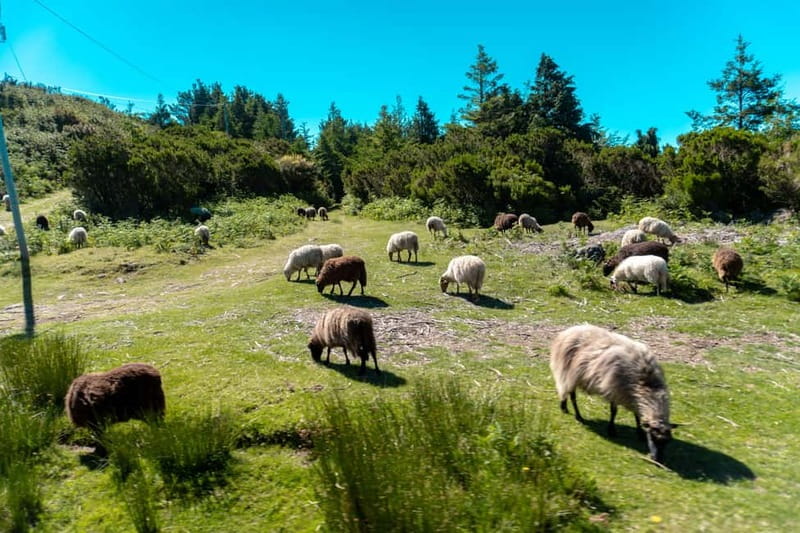
- Off-road driving through Faial with a biodiversity-focused stop at Ribeiro Frio
- Santana’s iconic triangular thatched roof houses, some over 250 years old
- A short levada walk through farmland, with stops that connect you to how locals farm
- Porto da Cruz rum distillery visit for the smell-and-process side of Madeira’s spirit
- A finishing walk on Ponta de São Lourenço, the island’s driest, windiest, and most rugged peninsula
Why this Madeira day feels like a smart value
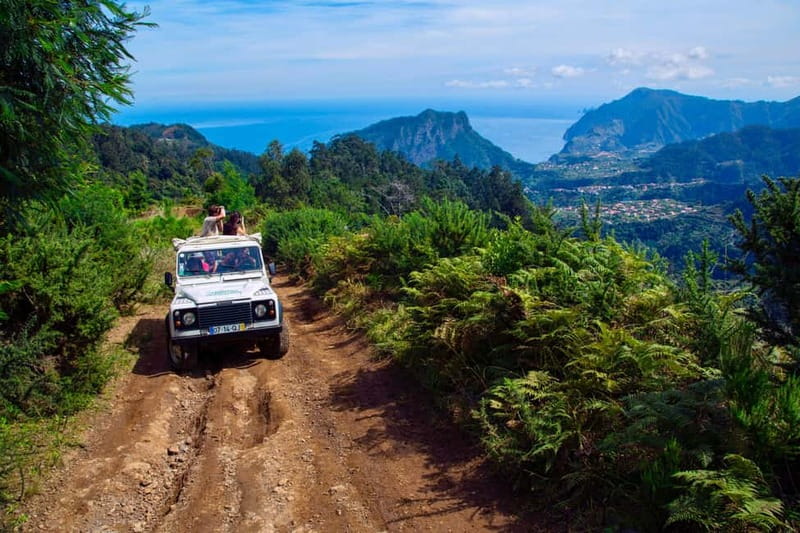
At about $72 per person for a full day, this tour is built around high input for your time. You’re not just getting a single viewpoint; you’re stacking multiple “wow” zones that normally take separate trips: peak-to-valley viewpoints, rural levada walking, and a classic eastern-coast finale.
What also makes the price feel reasonable is what’s actually included. You get a driver/guide, insurance required by Portuguese law, and pickup/drop-off from Funchal (based on the option you choose). Food and drinks are not included, which matters for budgeting, but the day still includes substantial paid stops and guided time.
One more value point: it’s designed for small groups or private options. That usually means less waiting around than on big coach tours—especially on narrow roads and at viewpoint pull-offs.
You can also read our reviews of more tours and experiences in Madeira.
Pickup in Funchal: setting expectations for the day
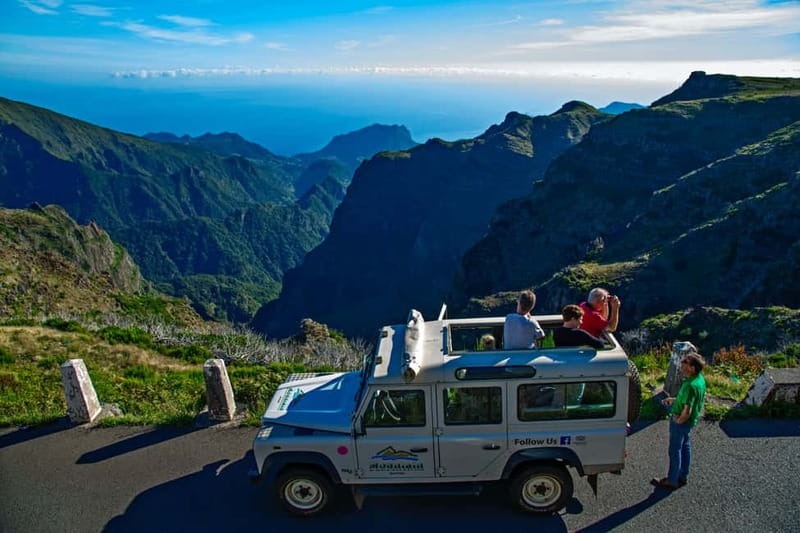
The tour starts with pickup in Funchal, and the schedule is set for an 8-hour experience (with starting times depending on availability). You’ll spend most of the day moving between different microclimates—mountain air, wind exposure, and then the more sheltered rural interior.
If you’re booking from outside Funchal, note that there may be a fuel tax added. It’s not unusual on Madeira, but it can affect total cost, so it’s worth checking before you confirm.
Pico do Arieiro: the big start at 1,818 meters
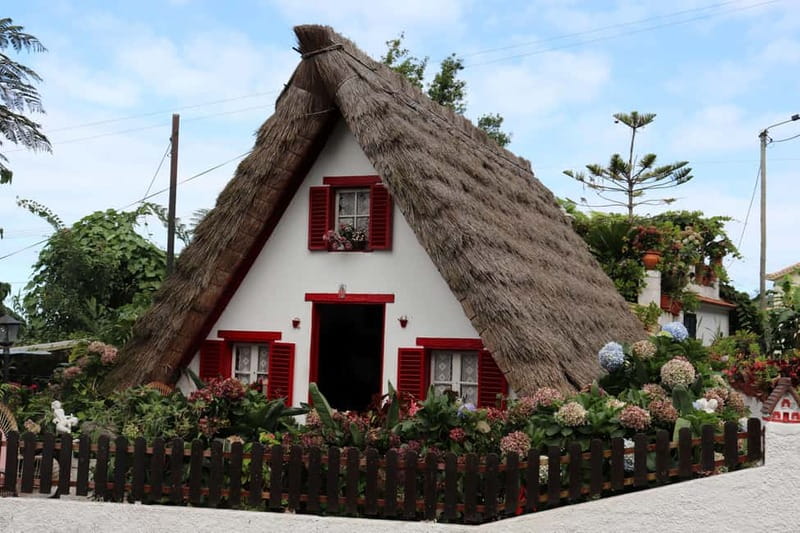
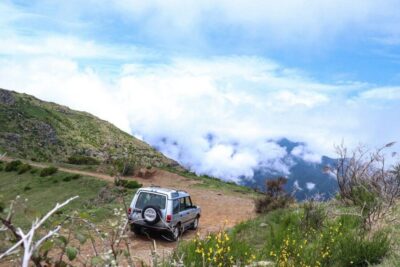
Your first real taste of Madeira comes at Pico do Arieiro at 1,818 meters. The plan is a photo stop plus a short walk—about 20 minutes—which is enough time to turn a scenic overlook into real memories without turning the day into a marathon.
This stop matters because it changes how you understand the island. Madeira isn’t just coastal scenery; it’s vertical. From this elevation you can see deep valleys and major peaks at once, which makes later driving through the interior feel like a guided transition instead of separate errands.
Practical tip: bring wind protection even if the morning looks calm. At altitude, weather can flip fast, and a windbreaker can save you from the kind of shiver that makes photos less fun.
Ribeiro Frio and the off-road hour: nature plus adrenaline
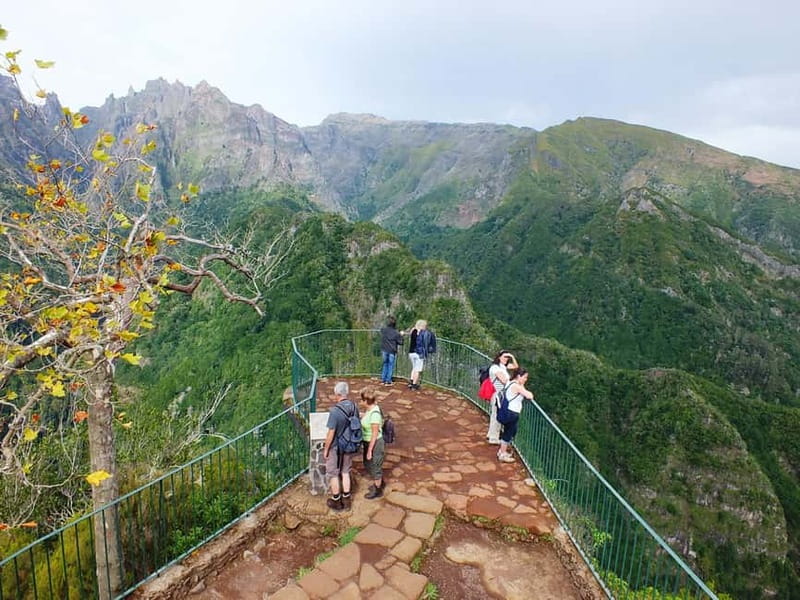
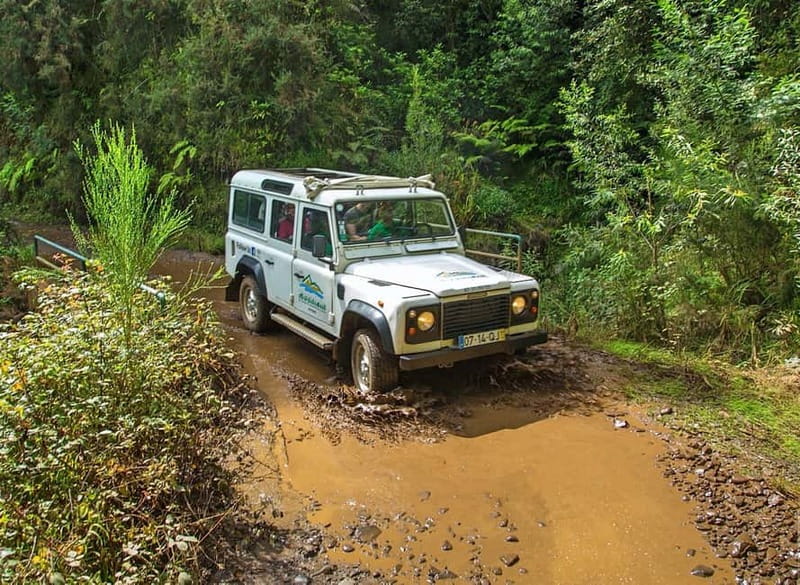
After the peak air, the route turns into a more rugged experience with an off-road segment and a nature-focused stop around Ribeiro Frio. You’ll get about 1 hour here, mixing hiking with scenic views on the way and off-road adventure through the mountains of Faial.
This is where the Jeep part earns its keep. Roads on Madeira can be twisty and slow, but going off the standard route helps you feel how the island’s terrain shapes everything—where water runs, where vegetation can survive, and why some valleys look green while others turn more exposed.
From the way guides are described in past trips, I’d expect someone who pays attention to plants and the small details you’d miss alone. One guide style that came up often is explanation that focuses on trees, plants, and the broader ecology you can see right then.
Faial stop: a quick palate cleanser
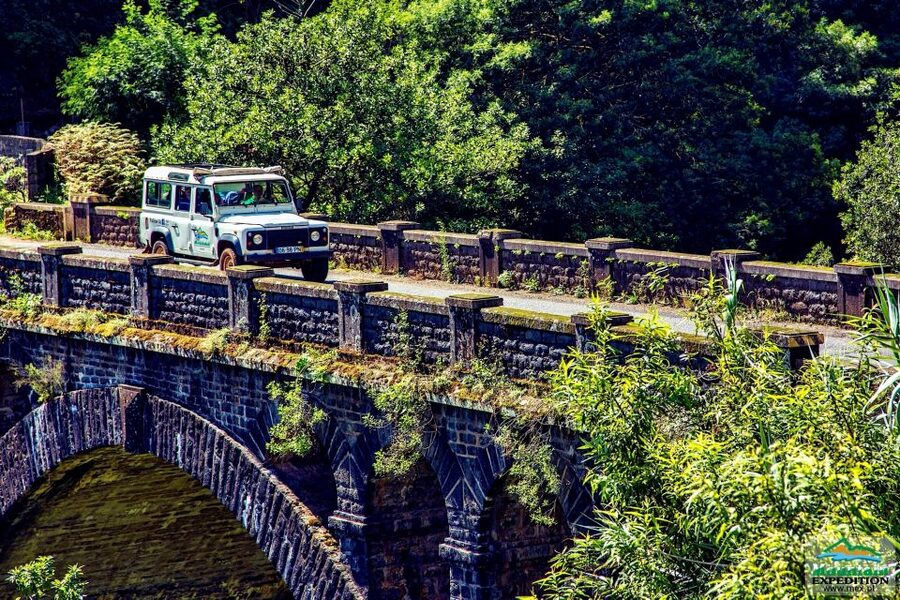
You’ll also stop in Faial for about 15 minutes, with a quick visit and photo time. It’s not the longest stop, but it’s useful: it breaks the day up so you’re not constantly hopping out of the jeep for five hours straight.
Think of it as a transition point. You’ll leave here with better bearings for the next cultural stop, and you’ll be ready for the slower pace.
Santana and its triangular thatched houses: culture with walking time
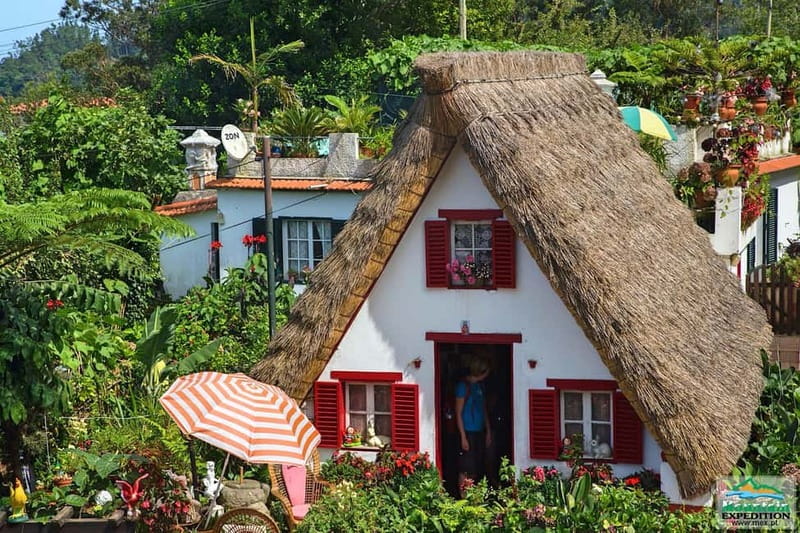
Next comes Santana, and it’s one of those places where you feel the island’s identity in architecture. You’ll have a break time plus sightseeing and walking for about 2 hours, with lunch time included in the schedule.
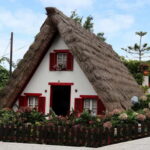
Santana is famous for its old thatched-roof houses—with some standing for over 250 years—and the look is instantly recognizable: those triangular shapes and traditional materials make the village feel like a living lesson.
Two practical notes from the kind of experiences people describe:
- Lunch is part of the break time, but food and drinks aren’t listed as included—so budget for paying your own meal if you want something specific.
- Santana can feel tourist-focused depending on the season, so give it your own curiosity. If you arrive ready to look at doors, materials, and how people live around the houses, you’ll get more out of the time than if you only chase a single photo angle.
If you want one takeaway: this isn’t just “look at old buildings.” It’s a chance to connect the island’s farming life and weather challenges to a design that makes sense.
Levada walk through farmland: rural rhythm and valley views
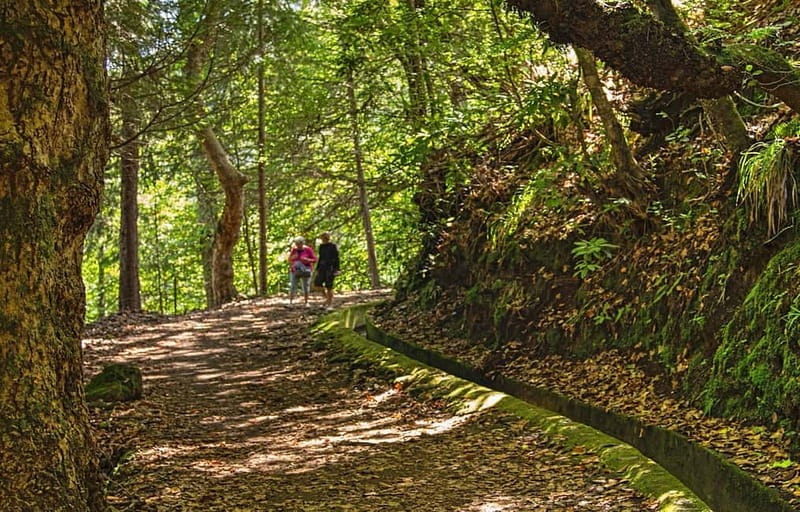
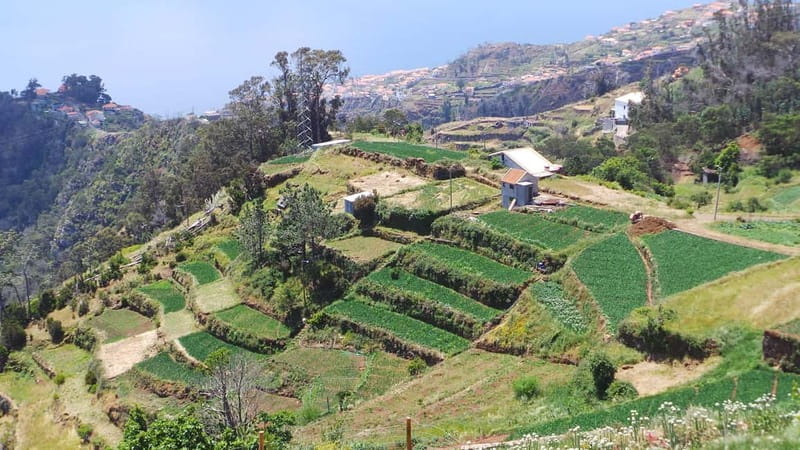
After Santana, you shift from village culture into a levada walk through traditional agricultural landscapes. This is the point where Madeira often feels most like itself: not peak drama, but the human-shaped countryside—fields, small plots, and the sense that water control is everything on an island with steep terrain.
Expect farmland scenes with locally cultivated crops mentioned in the tour description—vegetables, sugar cane, and vineyards. Along the way, you may meet farmers who share how they work the land, which is one reason this part is more meaningful than a basic nature stroll. You’re not just hiking beside views; you’re seeing how people keep the island running.
In the past, people have described the levada walk as gentle to manageable, with a viewpoint payoff. Still, bring your real walking shoes. Even “short” on a levada route can mean uneven ground and steps that aren’t flat.
If you’re choosing clothing, plan layers. You’ll likely go from sun to shade, and the wind can follow you out of jeep stops into open stretches.
Porto da Cruz: rum distillery time and a sensory stop
Then you head to Porto da Cruz, with about 30 minutes for a photo stop and a visit. The big draw here is a traditional rum distillery visit.
The sensory part is the hook: the tour description notes the scent of rum in the air. That alone makes it more fun than a quick “look at a building” stop. You also get to see time-honored processes behind Madeira rum, which connects your day to one of the island’s most exportable traditions.
Porto da Cruz works well as a mid-to-late day anchor. It’s not the final “cliff wow” moment, but it adds a different kind of Madeira taste—literal and cultural.
Ponta de São Lourenço: finishing on wind and drama
The day closes at Ponta de São Lourenço, the rugged peninsula known as the island’s lowest, driest, and windiest part. You’ll have about 25 minutes for photo stop, sightseeing, and a short walk with scenic views along the way.
This is a great ending because the terrain becomes stark. After green valleys and cultivated fields, the rock-and-sky feel hits differently. You also get wide visibility over both the north and south coasts, so you end with context for everything you’ve seen earlier.
Practical reality: the wind here can be real. Even on good days, you’ll want that windbreaker you packed, and sunglasses help with glare on exposed rock.
Guides and driving: the difference between safe fun and white-knuckle stress
The biggest repeated theme from the experience data is how guides handle the day—especially during off-road driving. Many past guests mention that expert driving makes the off-road segment feel thrilling but controlled, with guides described as friendly, enthusiastic, and good at sharing island facts.
Some names that come up include Gil, Miguel, Pedro, John, David da Silva, and Viktor, along with Ruben and Severino in separate accounts. Even if you don’t get the same person, the pattern is clear: you’ll likely be in capable hands and get explanation, not just transportation.
One small planning tip: the best guides often match the day to weather. If clouds roll in during Pico do Arieiro, you’ll usually want the guide’s judgment on where you’ll still get the views.
What to bring for comfort (and to keep the day from annoying you)
This tour’s success depends less on endurance and more on comfort. Use the packing list as your baseline and don’t improvise with sneakers that slip.
Bring:
- Comfortable shoes
- Windbreaker
- Sunglasses and sun hat
- Sunscreen
- A camera
Also consider layers. The tour notes warm and cold clothing may be needed because you can move through different temperature zones in a single day.
If you’re the kind of person who hates getting cold in the jeep, treat that windbreaker as non-negotiable. People specifically flag wind as an issue, especially in moments when you’re standing or positioned for a better view.
Who should book this Madeira day (and who should skip it)
This is a strong fit if you want:
- Multiple highlights in one day—peak views, cultural stops, levada walking, and coastline drama
- A mix of off-road excitement and guided nature explanation
- A day that’s active enough to feel memorable, but not so long on technical hiking
It’s not a great choice if:
- You’re pregnant
- You have back problems
Even if you’re fine with walking, the jeep and uneven terrain can be a problem for sensitive backs. If you’re unsure, it’s worth asking how the walking sections are paced and how stable the paths are.
Should you book the Santana Jeep Safari and Referta Levada walk?
Yes, I’d book it if your priority is seeing eastern Madeira without spending your whole holiday on planning and transfers. The combination is efficient: Pico do Arieiro for elevation drama, Santana for culture and traditional architecture, a levada walk for the island’s water-and-farm story, and Ponta de São Lourenço to end on raw rock and coast views.
Book with confidence if you:
- Like a full-day itinerary that keeps moving
- Don’t mind paying for your own lunch since food and drinks aren’t listed as included
- Pack for wind and real walking shoes
Skip or swap it if you want a slow, low-impact day. This one is built for movement, scenic stops, and short walks, not long stays.
If you do book, tip #1 is simple: pack the windbreaker. Tip #2: expect the weather to decide how strong some viewpoints feel, and trust the guide to adjust the experience so the day stays worth it.