REVIEW · HENNINGSVAER
Midnight sun safari
Book on GetYourGuide →Operated by Lofoten Opplevelser · Bookable on GetYourGuide
The midnight sun looks fake—until you’re out there. This Midnight sun safari from Henningsvær pairs long, golden light with a local skipper’s take on the Lofoten. I love the chance to spot sea eagles and seals by boat, and I like that the scenery never goes dark, even at night. One thing to keep in mind: wildlife sightings depend on conditions and luck, so expect the best effort, not a guaranteed list.
What really makes this feel special is the timing and the boat style. You’re on large RIBs heading west through narrow straits, then out toward the ocean side—so you get both protected coastal views and open-water horizons. The only “drawback” I’d plan around is that the route can be mostly along the coast/outer waters, which some people may want more variety from.
In This Review
- Key Points to Know Before You Go
- Midnight Sun on a RIB: What This 9pm Safari Really Feels Like
- Henningsvær Before Departure: Fishing Town Meets Arctic Light
- The Ride West Through Straits to the Ocean Side
- Wildlife Odds in Nordland: Sea Eagles, Seals, Puffins, and Maybe Whales
- Sea eagles
- Seals
- Puffins
- Whales (if conditions align)
- Dry Suits, Warm Layers, and How to Stay Comfortable
- Local Skipper Stories: Why the Guide Part Matters
- Price and Value at $152 for Two Hours
- Who This Safari Fits Best (and Who Might Skip It)
- My Booking Checklist for Your Lofoten Midnight Sun Boat Night
- Should You Book This Midnight Sun Safari?
- FAQ
- Where does the midnight sun safari depart from?
- How long is the tour?
- What wildlife can you look for on the trip?
- What clothing and gear should I bring?
- What boat type is used?
- What languages is the live guide available in?
- Is the tour flexible to book?
Key Points to Know Before You Go
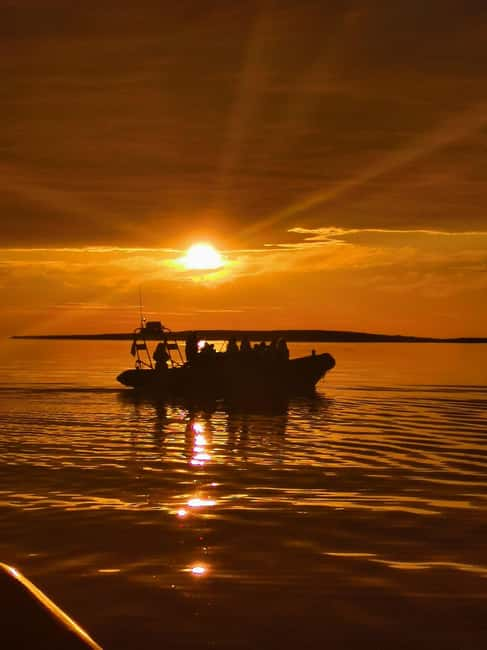
- Daily 9pm departure from Henningsvær gives you the most dramatic light of the day.
- Large RIB boats let you cover water fast and chase the best viewing spots.
- Local skipper stories add context about Lofoten’s fishing life and what you’re seeing.
- Wildlife focus targets sea eagles, puffins, and seals, with whales possible if conditions line up.
- Dry suit, life vest, and gloves are provided, so you can stay warmer than you expect.
Midnight Sun on a RIB: What This 9pm Safari Really Feels Like
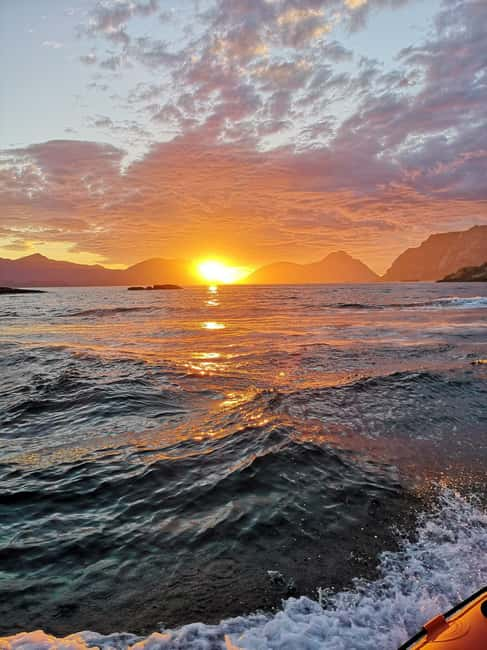
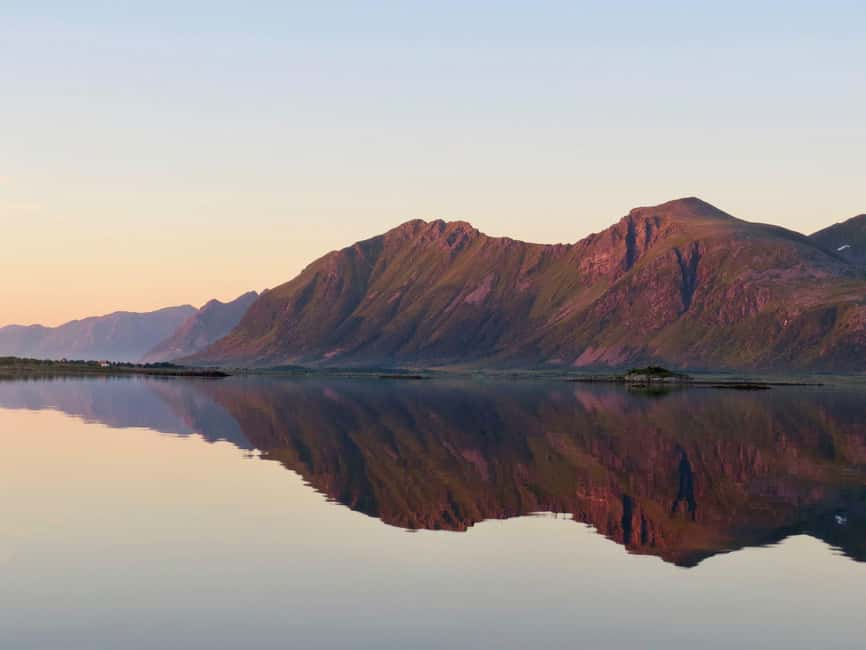
This is a night safari—but not the spooky, dark kind. The whole point is that you’re north of the Arctic Circle, in a part of Nordland where the sun can stay up around the clock starting 23 May. At night, the sun sits low, and the light gets soft and long, the kind that makes seawater look like it has layers.
The boat format matters. You’re not sitting in a quiet cruise hoping things happen. You’re on RIBs—fast, stable enough for wildlife watching, and built for hopping between viewing areas. The rhythm of the trip is simple: scan the water and cliffs, pause when something pops up, then move when it’s time to search again.
I also like that the tour is timed for the “photo window” that most daytime tours miss. You’ll see the coast under a sky that refuses to fully darken. It’s a small detail, but it changes the whole mood.
Henningsvær Before Departure: Fishing Town Meets Arctic Light
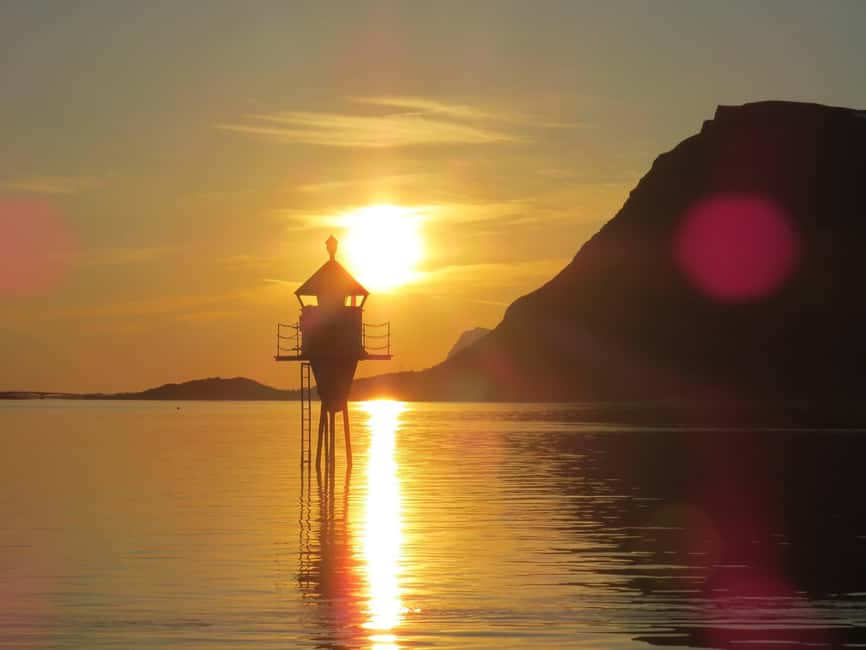
Your evening starts in Henningsvær, a small fishing town about 200 km north of the Arctic Circle. It’s famous enough to be on many Lofoten lists, but it still feels lived-in: you get the sense of nets, harbors, and coastal routines rather than a theme-park vibe.
The town has a world-famous football stadium, and it’s one of those local quirks that makes you realize how far north this place really is. Before you head out, you’re basically standing in a real working coastal settlement while the sky is still glowing like late afternoon.
For the meeting point, plan to arrive at the pier area and find the yellow building. The entrance is around the corner. Show up a bit early so you’re not rushing in full darkness-light confusion. That matters more here than on daytime tours, because everyone is trying to catch the first good views.
The Ride West Through Straits to the Ocean Side
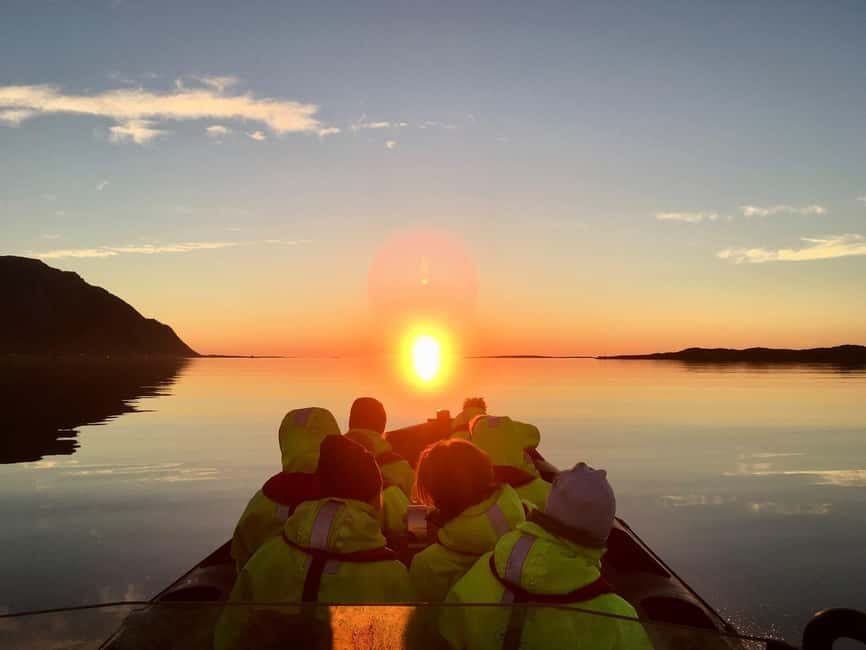
Once you depart, the route is the story. You go west from Henningsvær, through narrow straits, and then out to the outer side of the ocean. That combination is smart for wildlife watching: straits concentrate food and create sheltered conditions, while open-water edges widen your horizon for seabirds and larger animals.
You’re moving through familiar-looking scenery that isn’t actually the same every minute. Narrow channels frame the view like a corridor. Then suddenly you’re out where the waves and wind can change how everything looks. Even when wildlife activity is quiet, you’ll still get those shifting layers of light over water.
Duration is typically 2–3 hours, and you’ll feel the time flow because the trip isn’t one long straight line. The crew is looking for animals and adjusting the route based on what’s happening outside. That’s why the RIB style fits this experience: it’s built for repositioning.
Wildlife Odds in Nordland: Sea Eagles, Seals, Puffins, and Maybe Whales
The tour’s wildlife focus is very practical: search for sea eagles, seals, and puffins, and if you’re lucky, add whales to the mix. I like how clear the targets are, because it sets your expectations. You’re not paying for a generic boat ride; you’re paying for an organized search with an active guide.
Sea eagles
Sea eagles are big enough to scan for, and they often show up where currents and food routes do their work. When one appears, the viewing gets instant—people shift posture, cameras come up, and you realize you’ve been staring at the sky for a reason.
Seals
Seals can be tricky: sometimes they’re visible from a distance as quick shapes near rocks or floating surfaces, and sometimes they show up briefly and then vanish. On this kind of safari, the best move is to stay ready. Keep your eyes up and down without burning out.
Puffins
Puffins tend to be the “blink-and-you-miss-it” animals. When you see them, it’s usually quick, but it’s also the kind of moment you remember later. If your trip includes them, you’ll feel like the tour “worked” in a way that’s more satisfying than just scenic cruising.
Whales (if conditions align)
Whales are the wildcard. The experience frames them as possible rather than promised, which is the honest way to do it. If whales are around, the whole boat reacts fast. If not, you still have plenty to watch with seabirds and seals.
A small note based on what people value here: when everything lines up, the combination of Arctic light plus wildlife sightings feels like you’re getting multiple experiences in one—boat ride, nature safari, and a Lofoten storytelling session.
Dry Suits, Warm Layers, and How to Stay Comfortable
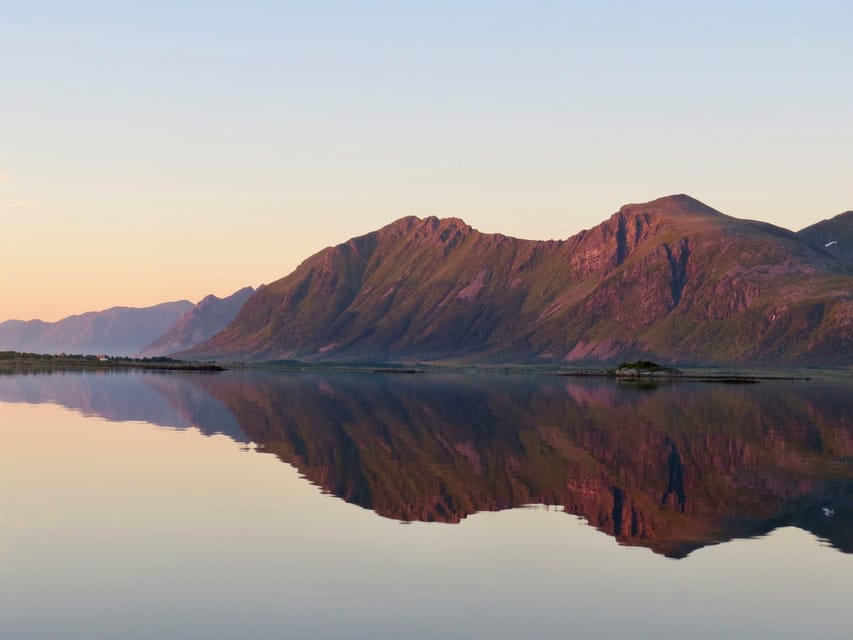
Cold weather is part of the deal here, but you’re not showing up unprepared. You get a dry suit, plus a life vest and gloves. That equipment is a big quality-of-life upgrade on RIB boats, because wind chill can make you feel colder than the temperature alone suggests.
Still, you should bring warm layers. A dry suit helps, but you’ll want warm clothing under it and enough to stay comfortable if you’re on the deck for viewing moments. A camera is also a smart bring—this is the kind of light where you’ll want to capture not just animals, but the way the sky looks over open water.
If you’re wondering about comfort: the best strategy is to dress for “cool and windy,” not for “summer evening.” People who come underdressed tend to focus on surviving the cold, and you’d rather spend that energy spotting sea eagles and scanning for seals.
Local Skipper Stories: Why the Guide Part Matters
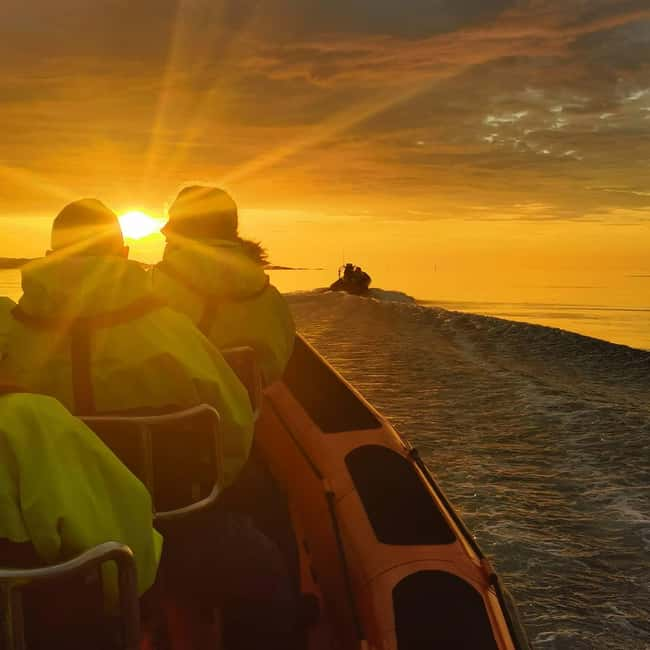
The best part of many Lofoten experiences isn’t only the wildlife—it’s the way it’s explained. This safari runs with a local skipper who can tell you what you’re seeing and what it means in the bigger picture of Lofoten life.
You’ll likely hear context about Henningsvær and how the fishing culture shapes the coastline. That matters because it changes how you look at the islands and shorelines. Instead of seeing “rocks and water,” you start noticing the patterns: where boats would move, why the straits matter, and how wildlife connects to food and habitat.
In plain terms, a good guide turns a few sightings into a story you can repeat later. And the guide is also the person who adjusts the hunt—if there’s activity, they know when to shift attention and when to keep scanning.
Price and Value at $152 for Two Hours
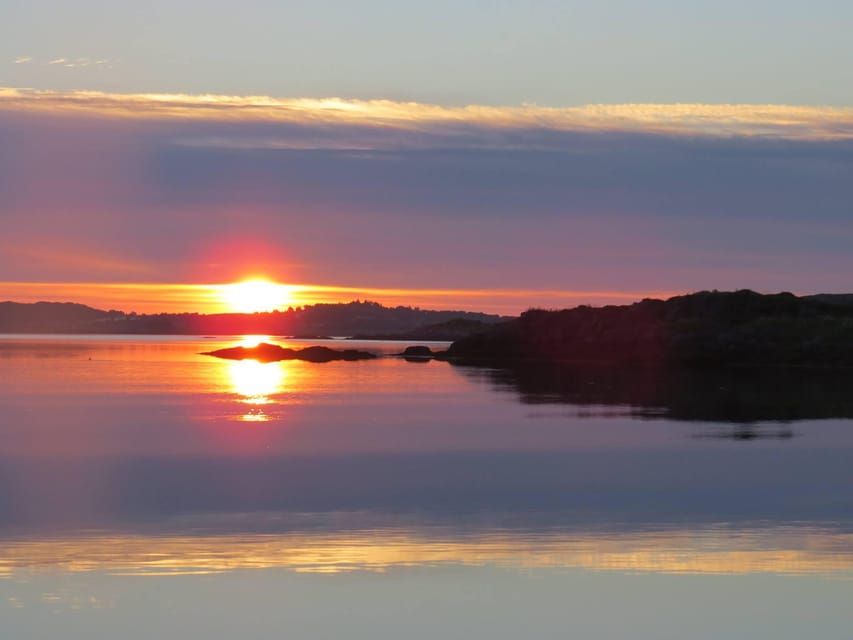
At $152 per person for about 2 hours (often running up to 2–3), this isn’t the cheapest thing you can do in Lofoten. But it’s also not paying for luxury—it’s paying for an active RIB-based wildlife search with cold-weather gear included.
Here’s how I’d judge value:
- You’re getting the boat style (RIB, not a slow ferry), so you can move to viewing spots.
- You’re getting the gear (dry suit, vest, gloves), which can save you from renting or buying cold-weather equipment.
- You’re getting the local interpretation from a skipper, not just a route map.
- You’re paying for night-time Arctic light, which is a category of experience people travel to see.
If you mostly want a guaranteed lineup of whales or puffins, you may feel disappointed—because sightings are always weather- and movement-dependent. But if you’re the type who enjoys scanning, waiting, and reacting when something appears, the price starts to make sense fast.
Also, one balance point: some people feel the trip runs mostly along coastal waters rather than making big scenic detours. If you’re expecting a route that feels like a nonstop photo tour of brand-new views every minute, you might want to compare this to other Lofoten options. That said, concentrating on straits and outer waters is also exactly what makes wildlife spotting more realistic.
Who This Safari Fits Best (and Who Might Skip It)
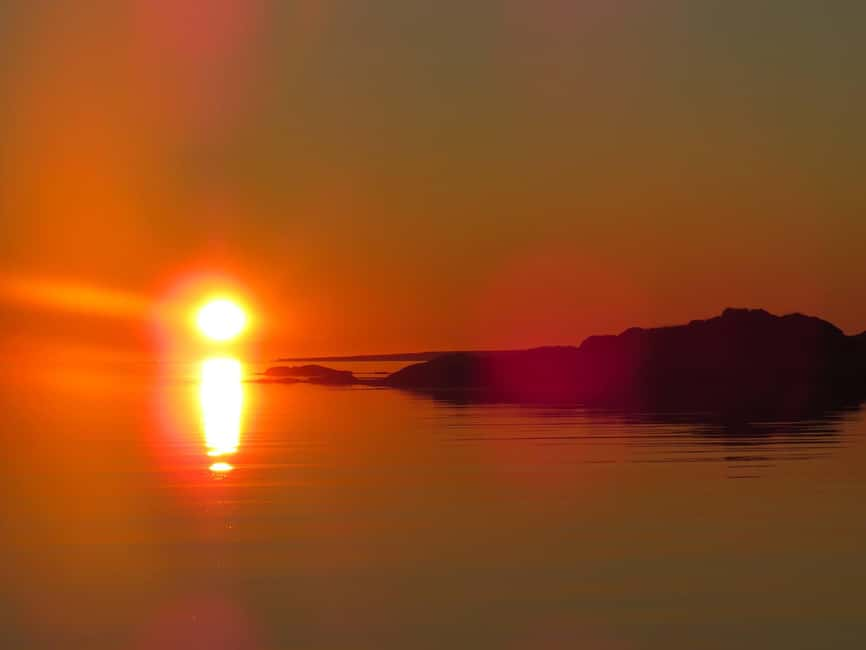
This is a strong fit if you want:
- A midnight sun experience that actually happens on the water.
- Wildlife time with clear targets: sea eagles, seals, puffins, and maybe whales.
- A guide-driven tour where you learn why you’re seeing what you’re seeing.
- Cold-weather comfort thanks to included dry suits.
It’s also a good choice for people who like evening plans. A 9pm departure means you can spend the late afternoon wandering, then go out when the light turns dramatic.
Who might not love it? If you’re extremely sensitive to cold (and you’re not a fan of wind + deck time) you’ll want to be honest with yourself and dress properly. And if you’re hoping for a route that feels like it keeps jumping far off the beaten coastal corridor, this safari’s focus on straits and ocean edges may feel a bit more straightforward than you imagined.
My Booking Checklist for Your Lofoten Midnight Sun Boat Night
Before you go, do a quick mental setup—this kind of tour rewards you when you’re ready for the viewing rhythm.
Bring:
- Warm clothing (even with a dry suit)
- A camera
- Something comfortable to move around in on a boat (you’ll be leaning, standing, and repositioning for views)
Plan how you’ll behave:
- Keep your eyes scanning in both directions—sky and water.
- When you see activity, slow down. The best shots often happen after you steady your breathing, not when you panic-zoom.
If you’re traveling with family, this tour can work well because the experience is simple to follow: you’re always either riding, spotting, or listening to the skipper’s talk. One practical note from what’s gone well for people here: if anything causes a late arrival, the crew can be accommodating. Still, treat that as helpful, not something you count on.
Also, timing matters. The trip starts daily at 9 p.m., so make sure you won’t have another commitment right before pickup. Midnight sun can make evenings feel easy, but the departure clock still wins.
Should You Book This Midnight Sun Safari?
I’d book it if you want an Arctic night that’s bright, guided, and active—on a boat designed for wildlife watching. The combination of included dry suit gear, a local skipper who ties the scenery to Lofoten’s way of life, and clear wildlife targets makes this a practical pick for most people who come to Lofoten for nature.
I’d hesitate only if you’re expecting a guaranteed whale encounter or you need a route packed with constant new inland-looking stops. This is coastal-and-ocean focused by design, and sightings depend on conditions.
If your idea of a perfect evening in Lofoten is low sun, dark-but-not-dark skies, and the thrill of spotting sea eagles or seals when you least expect them, this is the kind of tour that sticks with you.
FAQ
Where does the midnight sun safari depart from?
It departs daily at 9 p.m. from Dreyers gate 15, 8312 Henningsvær. You’ll also find the meeting location at a yellow building on the pier, with the entrance around the corner.
How long is the tour?
The tour takes about 2 to 3 hours.
What wildlife can you look for on the trip?
The safari looks for sea eagles, puffins, and seals. Whales are possible if you’re lucky.
What clothing and gear should I bring?
Bring warm clothing and a camera. Dry suits, life vests, and gloves are provided.
What boat type is used?
The tour uses large RIB boats.
What languages is the live guide available in?
The live tour guide is available in English and Norwegian.
Is the tour flexible to book?
The experience offers free cancellation up to 24 hours in advance for a full refund, and you can reserve now and pay later.