REVIEW · SUNSHINE COAST
Noosa: Epic Learn to Surf Safari 4×4 – Double Island Point
Book on GetYourGuide →Operated by Epic Ocean Adventures Noosa · Bookable on GetYourGuide
If you want a first surf lesson that actually feels doable, this one fits. Double Island Point is Australia’s longest and safest beginner wave setup, and it’s in Great Sandy National Park—so you trade crowds for space. The whole experience runs as an epic 4×4 safari first, then a surf lesson in warm, clear water.
What I like most is that this isn’t a random beach lesson. You’re learning on a long sandy point break where beginners can catch waves for hundreds of meters, in water that’s described as beginner friendly. Second, I love that they build in the comfort items you need to succeed—wet-suits and wet-shirts are included, along with fully qualified surf instruction and national park entry.
One thing to plan for: the exact surf and timing can shift with the tides. And because the spot is reached by 4WD access only, you shouldn’t expect the surf break to be right beside where the bus drops you.
In This Review
- Key highlights at a glance
- Double Island Point: the beginner-wave advantage you can feel fast
- The 4WD safari into Great Sandy National Park (and why it’s worth 2 extra hours of attention)
- Gear and included comfort: wetsuits, boards, and what that means for first-timers
- Inside the surf lesson: how you learn to stand up and ride safely
- Timing, meeting at The J Theatre Noosa, and why tides control your day
- Price check: is $107 worth a full surf safari day?
- Who this tour suits best (and who should think twice)
- The small stuff that makes the day run smooth
- Should you book Epic Learn to Surf Safari 4×4: Double Island Point?
- FAQ
- Where is the meeting point for the tour?
- How long is the surf safari?
- What surf equipment and clothing are included?
- Do I need to be able to swim?
- Can children join the tour?
- Can I change the pick-up location?
Key highlights at a glance
- Double Island Point: long, beginner-friendly waves with rides measured in hundreds of meters
- Great Sandy National Park: a quieter surf day away from the usual crowd zones
- Beginner instruction in waist-deep water: built for first-timers and confidence
- 4WD access: the ride is part of the adventure, not just transportation
- Gear included: surf equipment plus wet-suit and wet-shirt rental
- English-speaking instructors: support that keeps the lesson clear and safe
Double Island Point: the beginner-wave advantage you can feel fast
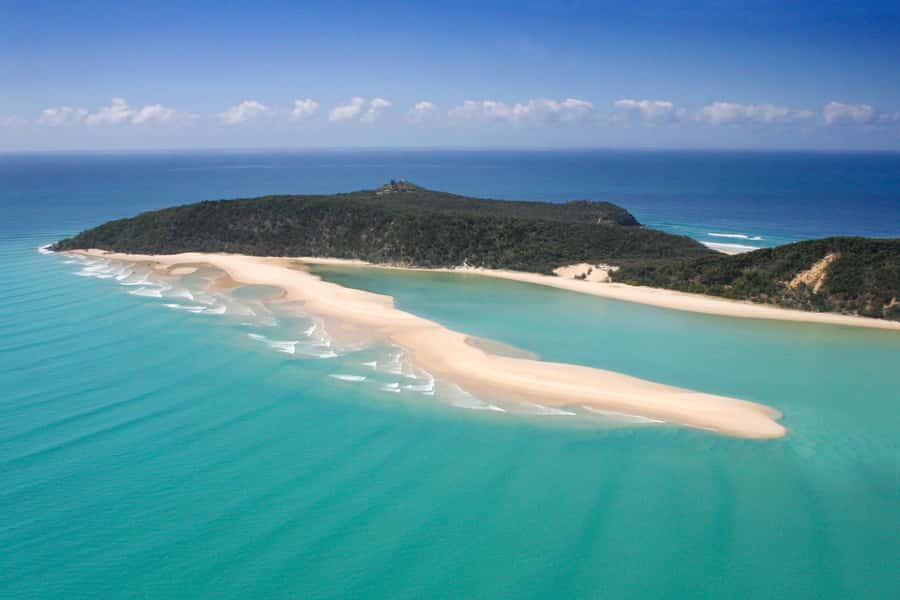
The big selling point here is the wave itself. This is described as Australia’s longest and safest beginner surfing location, and that matters more than people think. In most places, a beginner spends half the lesson paddling for the one wave that might work. Here, the wave setup is built to keep you moving—so more tries land, and that’s how you get real momentum.
At Double Island Point, you’re working with a long sandy point break. That word point matters for beginners because it typically creates a steadier line of waves that can wrap and carry. The lesson location is also described as offering some of the easiest and most satisfying conditions for learning, with the potential for beginners to ride waves for 100s of meters. If you’re aiming for that first honest-to-goodness standing moment, this kind of wave profile is exactly what you want.
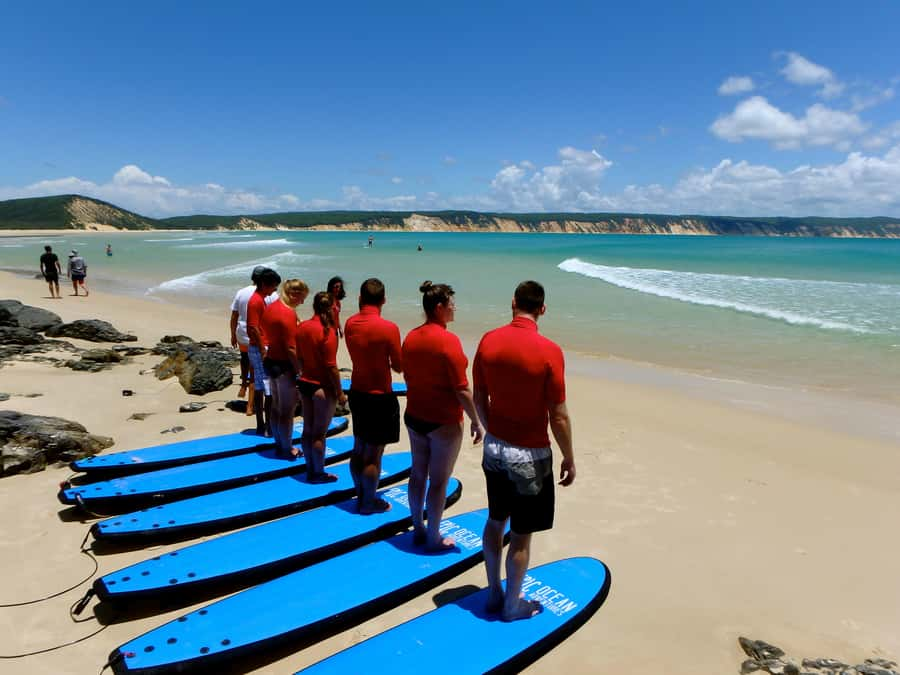
The water conditions also sound intentionally beginner friendly. The safari description calls out crystal clear, warm water. You’re also told to expect learning in waist-deep water. That combination—warm visibility and less intimidating depth—helps you focus on the basics: timing, balance, and getting to your feet before the wave ends.
The 4WD safari into Great Sandy National Park (and why it’s worth 2 extra hours of attention)
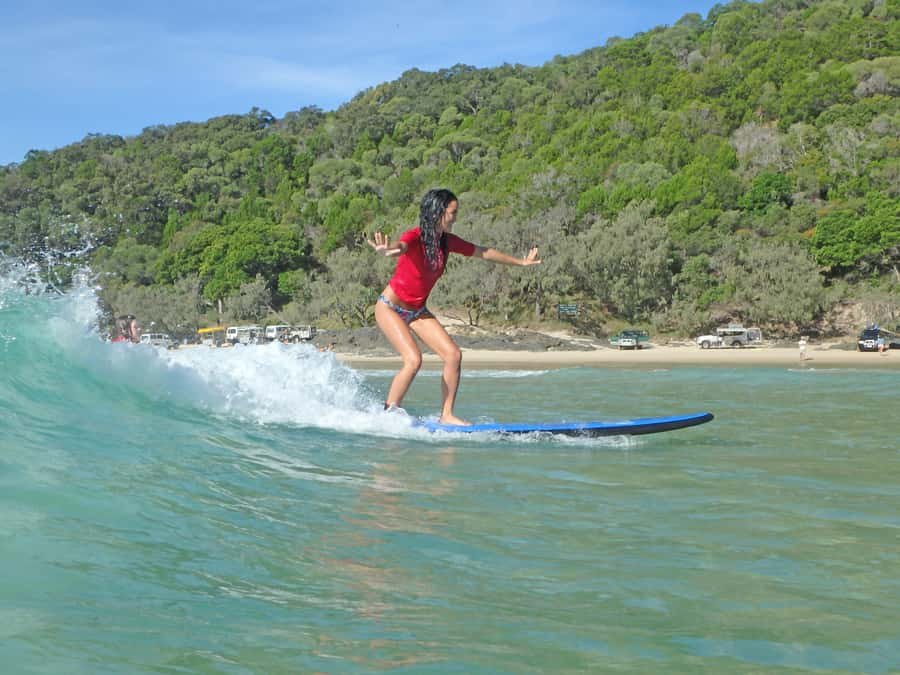
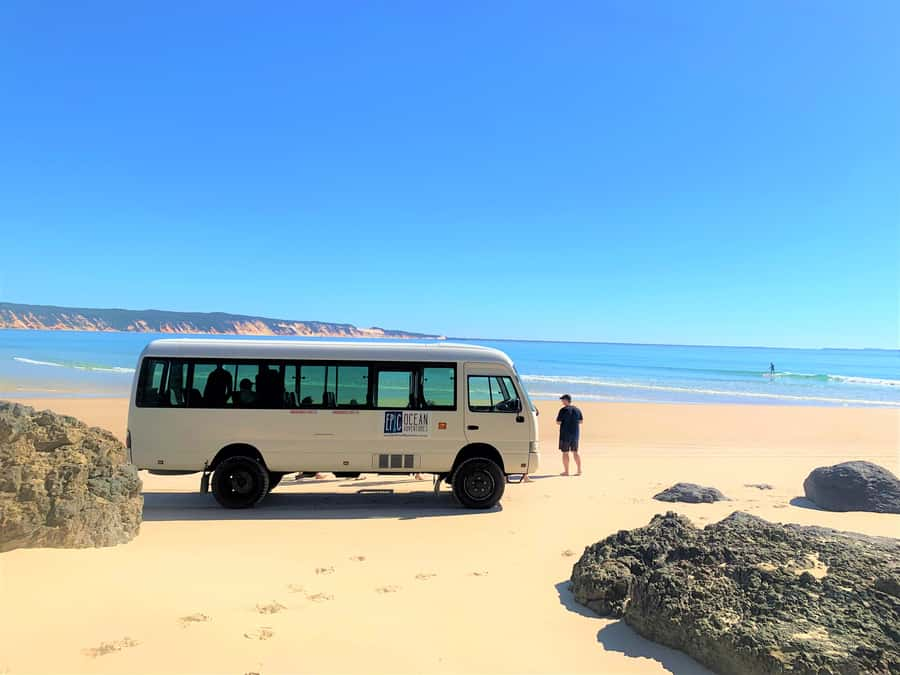
This is not a drive-by-and-surf kind of day. The experience includes a 4WD experience into the pristine Great Sandy National Park, and Double Island Point is only accessible by 4WD. For many people, that’s the best part even before they put on the board.
Why? Because you get a change of pace. You start in Noosa, then you head into a remote-feeling stretch of Queensland coast where the goal is to reach the right surf spot, not the closest one. The 4WD journey is also described as fun and uniquely enjoyable—one past outing praised how much the drive added to the day.
There’s another practical benefit: the tour is built around getting you to a specific place that’s known for beginner success. If you’ve ever tried to learn at a crowded beach break, you know how distracting it can be when everyone is competing for the same waves. Here, the whole setup is about escaping the crowds and working in an uncrowded environment.
Do note the expectation issue raised in a less-perfect rating: you may not feel like you’re surfing from the exact shoreline you imagined. That’s the tradeoff of using a remote, vehicle-only access point. Your first-time mental picture should be something like: you’re traveling to a designated surf beach area, not pulling up beside the exact surf lineup you’re picturing.
Gear and included comfort: wetsuits, boards, and what that means for first-timers
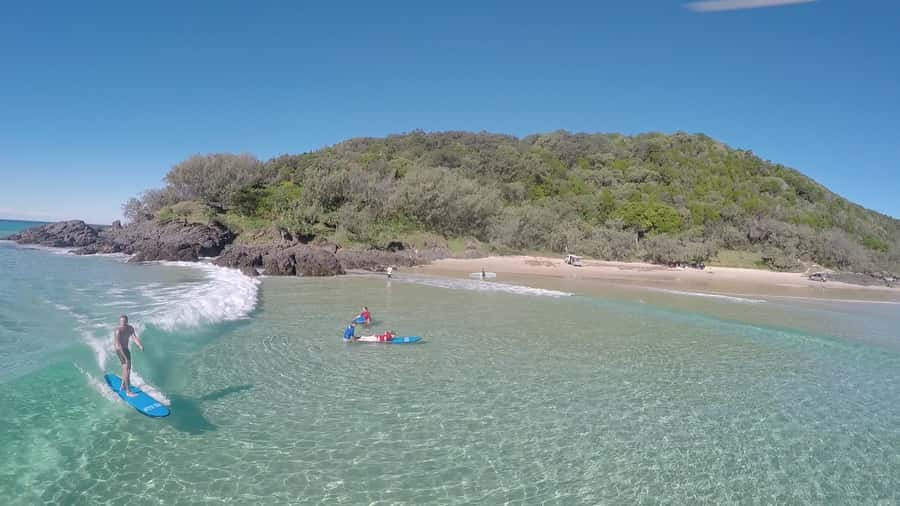
The tour includes surf equipment hire, and it also includes wet-suits and wet-shirts. That’s huge value for a first surf lesson. Renting gear separately can turn a simple activity into a paperwork hunt, and it also adds decision fatigue. Here, you show up and you’re fitted with what you need.
You should also think about why wetsuits are included. Even when water is described as warm, conditions along the coast can still feel cool once you’re out of the sun, and beginners tend to spend more time sitting, paddling, and waiting for the next wave. Having the right thermal layer helps you stay comfortable long enough to build confidence.
As for what you’ll do with the equipment: the lesson is built around a classic beginner progression. The description explicitly says waist-deep learning, friendly instructors, and instruction that’s fully qualified. That combination usually means you spend time on fundamentals (paddling, how to pop up, stance, timing) and then get chances to apply them before you get overwhelmed.
Light snacks and refreshments are also included. That matters for a 6-hour outing. Even if you’re just learning to surf, you’ll still be using muscles you don’t always use—shoulders from paddling, legs from popping up, and core from balance. A small food reset keeps the day from turning into a low-energy struggle.
Inside the surf lesson: how you learn to stand up and ride safely
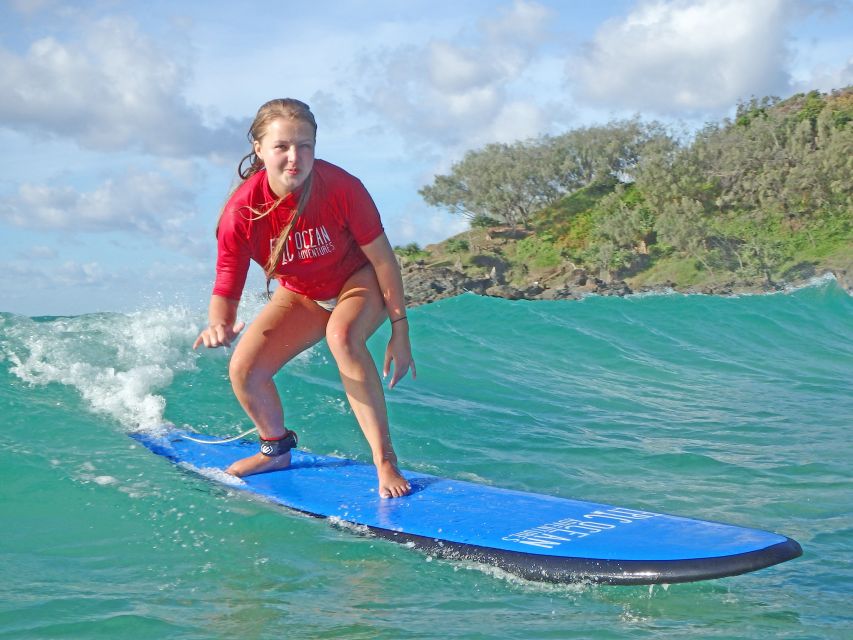
The promise here is bold: it’s guaranteed that you’ll stand up on your first surf lesson. I can’t tell you how every group works, but I can tell you what the structure is trying to accomplish: the lesson targets the conditions where first-timers can succeed quickly, with instruction that focuses on safe progression.
You’re learning in waist-deep water, which is the sweet spot for many beginners. Too deep and you feel helpless. Too shallow and you may not get consistent wave energy. Waist-deep often lets you feel stable enough to try the pop-up motion and still gives you a moving wave to practice with.
The instructors are described as highly experienced and fully qualified, and the tour also notes intermediate and advanced instruction is available. That tells me they don’t run the lesson like a one-size-fits-all demo. Instead, you likely get coaching that matches your level, which is what you need if you’re traveling with a partner who’s already surf-curious.
One thing I appreciate from an outcomes perspective is the focus on fun plus safety. You’re in a controlled learning environment with friendly instructors. And because the wave is described as one of the easiest and safest beginner setups, you’re not fighting a chaotic break while learning the basics.
A small note from a rating that didn’t fully click: one person expected something more directly at a beach location. That’s probably an expectation mismatch, not an instruction problem. Still, I recommend you think of the day as a coordinated safari to a learning spot, not a lesson that starts the moment you park.
Timing, meeting at The J Theatre Noosa, and why tides control your day
The meeting point is straightforward: The J Theatre Noosa, 60 Noosa Dr. The tour pick-up is in front of the theatre, and you need to be there about 10 minutes before departure. The good news is that there’s all-day free parking at The J Theatre Noosa.
If you want a different pick-up location (Noosa Heads Bus Station or 12 Robert St, Noosaville), you need to contact the operator at least 24 hours before departure. Plan this early if you’re coordinating with another activity or using public transport.
Departure times vary daily due to changing tides. That’s not just bureaucratic fine print—it affects the surf session. If you’re trying to fit the safari between other plans, build buffer time and keep an eye on reconfirmation instructions. You’re also advised to reconfirm 24 to 48 hours ahead so you’re aware of time changes due to weather or beach conditions.
If it rains, don’t panic. One past outing mentioned pouring rain and still had a great time, with the guide making the session feel good and informative. A surf day with rain can still be a solid experience if the team keeps things moving and you’re dressed for it.
Price check: is $107 worth a full surf safari day?
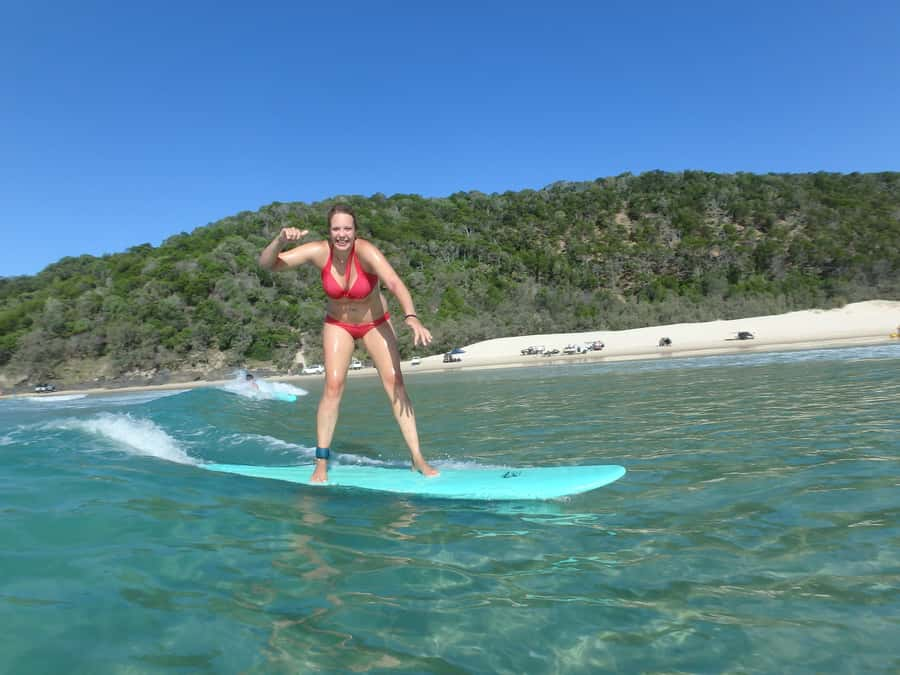
At $107 per person for a 6-hour experience, it’s not the cheapest thing you’ll do in Noosa. But it also isn’t just a basic 90-minute lesson with you chasing a board rental afterward.
Here’s what’s included:
- 4WD experience to reach the remote surf location
- Surf equipment hire, including wet-suit and wet-shirt rental
- Learn-to-surf instruction from qualified instructors
- National park entry fee
- Light snacks and refreshments
When you add those up, the value case gets clearer. You’re paying for transport to a specific, beginner-success surf location plus the equipment and coaching. If you tried to rebuild that yourself, you’d likely spend money and time separately on gear, instruction, and transport.
The most important value factor is likely the wave and coaching alignment. You’re learning on a beginner wave described as Australia’s longest and safest for first-timers. That increases your odds of getting the outcome you want—standing up and actually riding—rather than just learning theory while waiting for better conditions.
Who this tour suits best (and who should think twice)
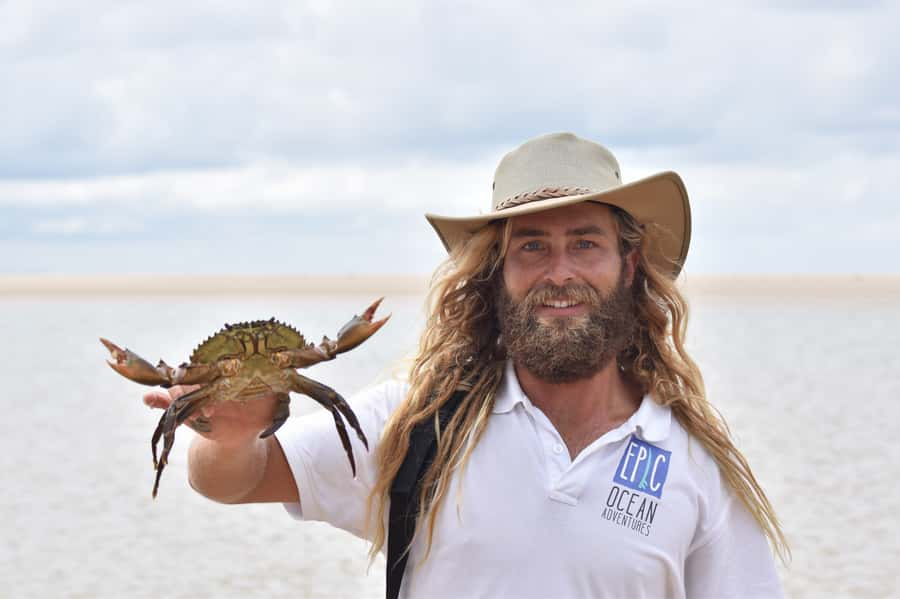
This safari-style surf lesson is ideal if you:
- Want an easy first surf lesson with strong odds of success
- Prefer uncrowded conditions and a natural setting over busy surf beaches
- Like the idea of a scenic ride into a national park as part of the day
It’s also a good match for visitors who want a guided experience that covers everything. Meeting point is simple. Gear is included. You’re not expected to figure out the logistics of reaching Double Island Point by yourself.
It’s not suitable for non-swimmers. You must be able to swim competently. That’s a real safety requirement, so be honest about your comfort level before booking.
For families: children must be over 7 to join with a full paying adult. Children aged 4–7 may be permitted if it’s deemed suitable, and a child/infant safety seat will be required. If you’re traveling with kids on the younger end, contact the operator before you plan the rest of your day so you know it will work.
Also, if you have any health or medical conditions that could increase the likelihood of injury, you must inform staff before departure. And if you’re injured or have a disability that affects safety, don’t join without getting approval.
The small stuff that makes the day run smooth
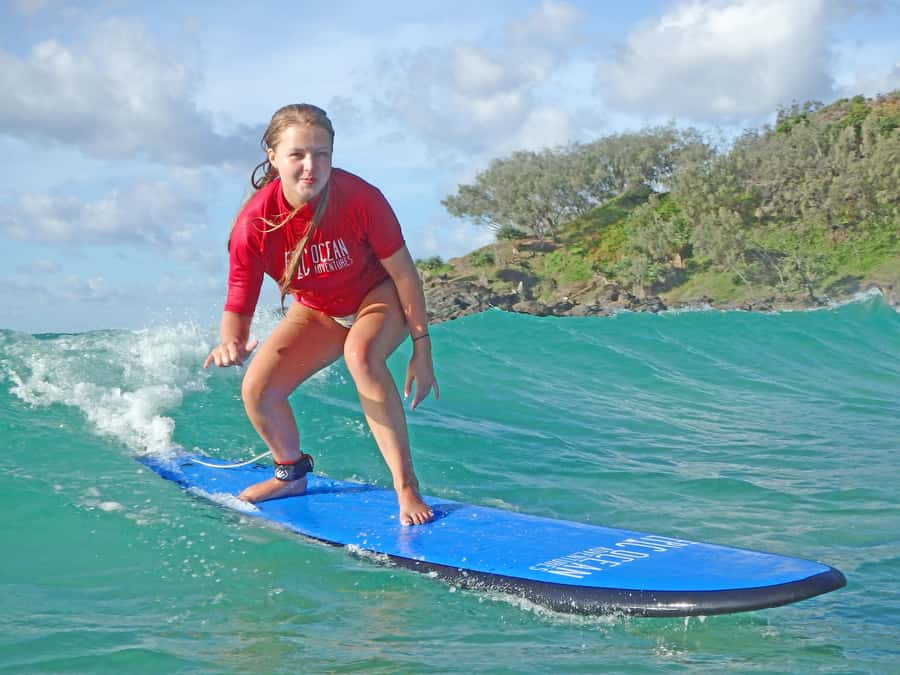
A few practical notes can help you enjoy the day more and stress less:
- Pack for changing conditions: the coast can shift fast, and you might be wet longer than you expect. The tour provides wetsuits/wet-shirts, but you’ll still want to plan for a cold-to-warm swing.
- Bring a clear expectation: you’re going to a remote point break via vehicle access, so you’re not just walking out from the closest parking spot.
- Confirm your departure: tides change the timing daily, so reconfirm 24 to 48 hours ahead.
- Plan the day around a full session: it’s a 6-hour experience, and surfing is physically tiring even when it feels easy.
Should you book Epic Learn to Surf Safari 4×4: Double Island Point?
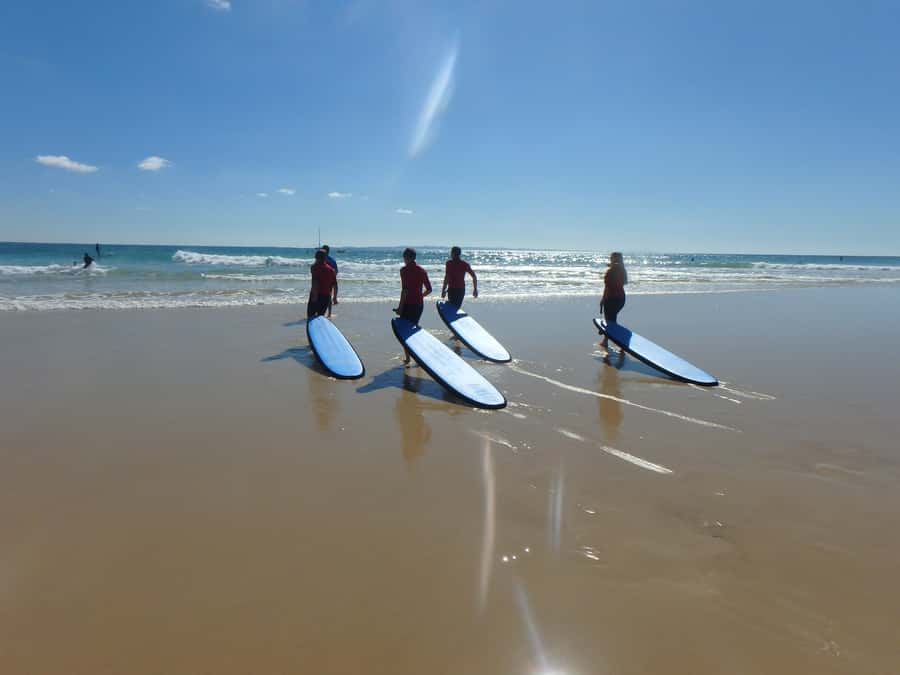
I think you should book this tour if you want a first surf lesson where the location is engineered for beginners. The combination of a long beginner wave, coaching that’s aimed at getting you standing, and the included equipment makes this feel like a realistic shot at real progress in a single day.
I would skip it if you’re a non-swimmer, have health constraints that you can’t disclose ahead of time, or if you’re expecting a quick lesson right next to the meeting point with no vehicle travel. Also, if your schedule is tight and you can’t adjust for tides and potential time shifts, you’ll want to keep other plans flexible.
If you’re staying around Noosa and you want your first board ride to feel less like a gamble and more like a guided path, this is one of the smarter bets you can make.
FAQ
Where is the meeting point for the tour?
The tour pick-up location is in front of The J Theatre Noosa at 60 Noosa Dr. You should be ready there 10 minutes before departure, and there is all-day free parking at the venue.
How long is the surf safari?
The experience runs for 6 hours. Departure times vary daily due to changing tides.
What surf equipment and clothing are included?
Equipment hire is included, along with wet-suits and wet-shirts. Light snacks and refreshments are also provided.
Do I need to be able to swim?
Yes. The tour is not suitable for non-swimmers, and participants must be able to swim competently.
Can children join the tour?
Children must be over the age of 7 and accompanied by a full paying adult. Children aged 4–7 may be permitted if it is deemed suitable, and a child/infant safety seat will be required.
Can I change the pick-up location?
Yes, but you must contact the operator at least 24 hours before the tour’s departure if you want to switch the pick-up location to Noosa Heads Bus Station or 12 Robert St, Noosaville.