
REVIEW · OLHAO
Olhão- Safari Watching Dolphins and other species
Book on GetYourGuide →Operated by Fast Trips boat Tours · Bookable on GetYourGuide
Dolphins feel close in the Algarve. This 2-hour boat trip from Olhão is built around wildlife watching in the Ria Formosa area, with your guide pointing out dolphins and other marine life as you move along the water. You’ll also spend the ride with seabirds circling overhead, which makes the whole experience feel like you’re part of the habitat, not just watching it from a distance.
What I like most is the mix of action and education. Your captain and guides don’t just say look there; they explain what you’re seeing and help you spot multiple dolphin types, including Common, Bottlenose, Risso’s, and Riscado dolphins.
One thing to consider is that conditions can affect how far you go. On rougher days, or when the crew decides it’s safer with families onboard, you may stay closer to shore, which can mean fewer sightings of farther-ranging wildlife.
In This Review
- Key things I’d circle before you go
- Why Olhão’s waters are made for dolphin watching
- Getting started at Avenida 5 de Outubro: what your first 10 minutes should feel like
- The 2-hour safari rhythm: how dolphin spotting usually unfolds
- Why the timing works
- Which dolphins you may see: the practical guide to spotting them
- Ria Formosa travel with seabirds: the environmental context that makes it click
- The possible stop at Baía do Farol or Saint Maria Cape
- Family comfort: life jackets, water, and motion reality
- What to bring for a better dolphin safari
- Price and value: is $58 worth 2 hours of dolphins?
- What affects your sightings: luck, sea state, and how the crew responds
- Who this dolphin safari suits best (and who should think twice)
- Should you book this Olhão dolphin safari?
- FAQ
- How long is the dolphin safari from Olhão?
- Where do I meet the boat in Olhão?
- What marine animals can I expect to see?
- What’s included in the ticket price?
- What should I bring with me?
- What languages is the live guide available in?
Key things I’d circle before you go
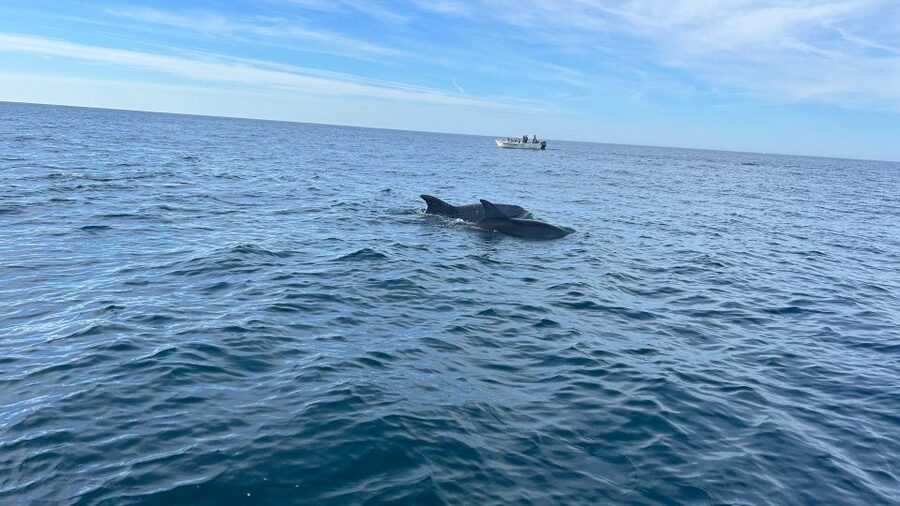
- Multiple dolphin types: Common, Bottlenose, Risso’s, and Riscado dolphins (plus other cetaceans if you’re lucky)
- A guided hunt, not random luck: your guides help you find animals and explain what you’re seeing
- Ria Formosa energy: you’re traveling through a wildlife-rich coastal system, not open ocean
- Short, family-friendly timing: 2 hours is long enough to enjoy the wildlife, short enough for kids
- A real sea-view break: the trip can include a stop such as Baía do Farol or Saint Maria Cape
- Proper basics included: life jackets and water on board, plus multilingual guidance
Why Olhão’s waters are made for dolphin watching
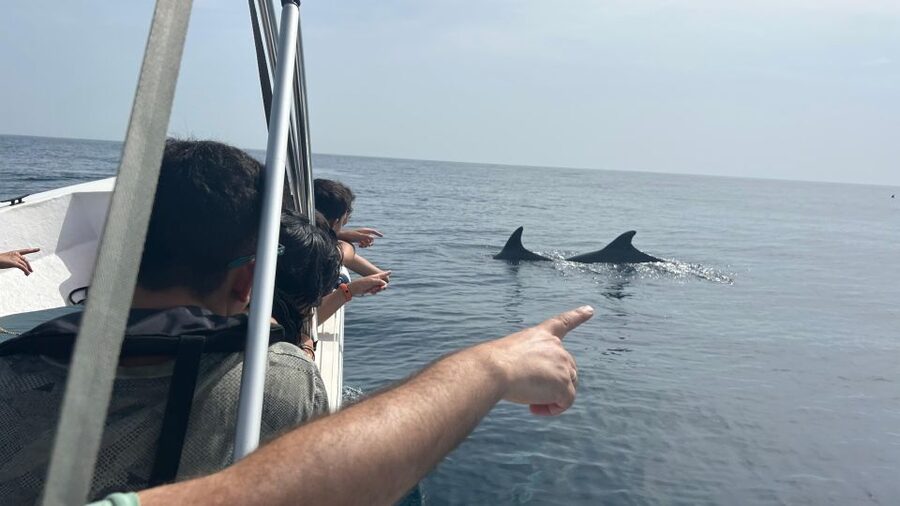
Olhão sits right at the edge of Portugal’s famous coastal wetlands and channels, the Ria Formosa. That matters because it’s a living system where food chains are active and wildlife tends to move through predictable areas. Compared with a long ocean run, this style of safari often feels more personal: you’re watching animals that are genuinely using these waters.
I also like how the ride stays tied to the environment. You’re not only scanning for dolphins; you’ll be surrounded by seabirds as you travel, and your guide helps connect that “birds in the sky” moment to why marine life might be nearby. It’s a simple lesson, but it changes the way you watch.
Getting started at Avenida 5 de Outubro: what your first 10 minutes should feel like
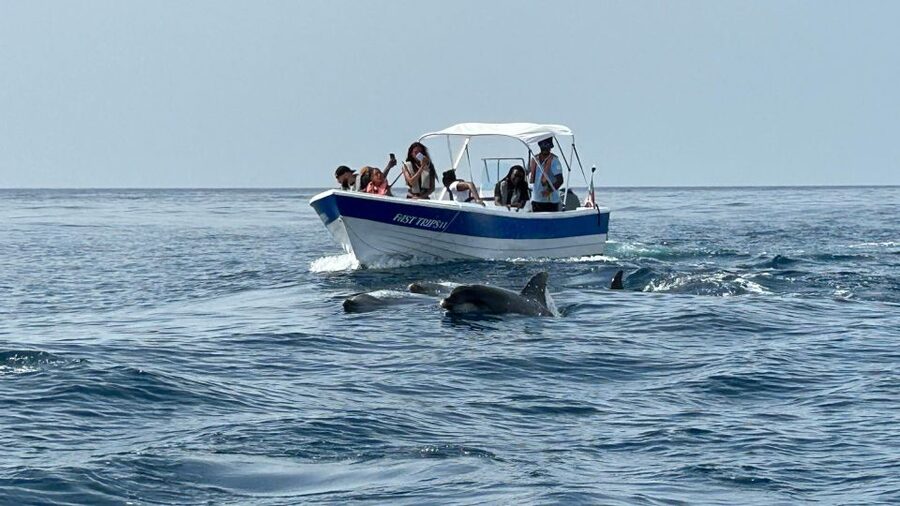
The meeting point is at the Quiosque – Fast Trips boat Tours spot, right around Avenida 5 de Outubro in Olhão. Your departure time depends on availability, but the whole experience is designed to be straightforward: check in, get your life jacket, and get on the water.
If you’re traveling with kids (or you’re sensitive to motion), this is a good moment to set expectations. The most important thing is understanding that dolphins are wild animals, so sightings can’t be guaranteed on command. One captain reportedly set a clear expectation about the likelihood of seeing dolphins before heading out, and that kind of honest framing helps you enjoy the ride either way.
The 2-hour safari rhythm: how dolphin spotting usually unfolds
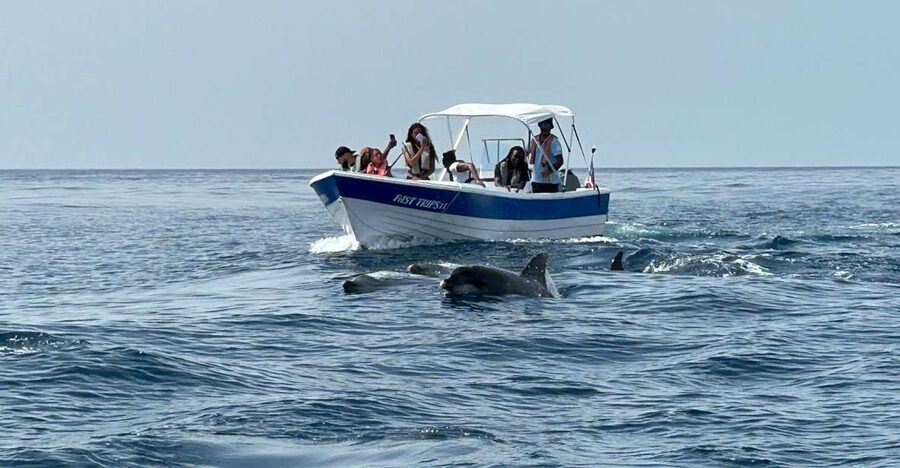
This is a tight, efficient outing: about 2 hours total on the water. That short duration is part of the value. You get real wildlife time without turning it into an all-day commitment, which is great for families and for people who still want to explore Olhão afterward.
On a good day, you can start seeing dolphins fairly quickly—sometimes within the first part of the ride. The overall rhythm tends to look like this: your boat heads into active waters, the captain spots movement, and the guide helps you track what’s in front of you rather than just pointing vaguely. When animals come closer, the boat often gives you those “wait, that’s right beside us” moments that make this trip worth scheduling.
Why the timing works
Two hours is long enough for you to:
- Enjoy multiple passes and surface sightings
- Watch behavior change as the dolphins move through the area
- Get a real sense of how the guide “reads” the water
It’s also short enough that you’re less likely to feel worn out if seas are a bit bumpy.
Which dolphins you may see: the practical guide to spotting them
The tour description highlights several dolphin types that you might observe, including Common, Bottlenose, Risso’s, and Riscado dolphins, along with other cetaceans. Even if you don’t get every type, the point is that you’re looking for more than one “generic dolphin.”
Your guide’s job is key here. Instead of you trying to identify everything on your own, you’ll get help recognizing what you’re seeing. That’s especially useful because dolphins can be fast, and a good share of your “spotting time” is about knowing what to look for and when.
And yes, the odds can include surprises. One trip in the set of experiences includes a whale sighting, which is exactly the kind of bonus that makes dolphin safaris addictive.
Ria Formosa travel with seabirds: the environmental context that makes it click
A detail I really like: throughout the trip, you’re traveling in a way that keeps you tuned to the coastal ecosystem. The tour mentions moving through the charms of the Ria Formosa with seabirds alongside you, and that’s not just scenic fluff.
Here’s why it matters for your viewing:
- Seabirds often react to feeding activity, so their presence can signal marine life below
- Coastal waters can change faster than open ocean, so you benefit from the guide’s real-time interpretation
- You end up watching behavior patterns, not just isolated jumps
If you like nature in a “systems” way—how animals relate to each other—this safari gives you that sense without turning it into a classroom.
The possible stop at Baía do Farol or Saint Maria Cape
The trip can include a pause or stop while you’re out. In one experience, the group halted on the Baía do Farol after about 1.5 hours, and the person who reported it noted that if they’d had swim gear, they could have lingered there.
Other experiences also mention a stop around Saint Maria Cape. I’d treat this as part of the tour’s flow: it’s a chance to regroup visually, reset your attention, and continue the wildlife search from a new angle. It also helps break up the ride so you’re not just staring down one line of water the entire time.
What I’d watch for: whether the sea conditions allow the crew to work closer in. If you see calmer water near the stop area, that’s often when dolphins may choose to come by.
Family comfort: life jackets, water, and motion reality
This is often a family outing, and the crew runs it that way. Life jackets are included, and there’s water on board. That small list of basics matters because it keeps the trip simpler: you’re not scrambling for supplies once you’re offshore.
Motion sickness is real, especially for kids. One experience includes a moment where a child got seasick and the guides helped right away. If you know you’re sensitive, plan ahead: bring a windbreaker and keep facing the open water when you can.
Also, consider how the crew may make safety decisions. One experience notes that when the sea was a bit rough and many children were onboard, the captains chose not to go far out into open water. That kind of call may slightly reduce the odds of seeing distant animals, but it can make the ride feel calmer and safer for everyone.
What to bring for a better dolphin safari
The tour lists what to bring, and I agree with all of it. You’ll feel the difference once you’re moving.
Bring:
- Windbreaker (wind can hit hard even when the sun is out)
- Hat (for glare and warmth)
- Towel (helpful if you get spray or if you plan to stay comfortable during a stop)
- Sunscreen (coastal sun reflects; reapply when you can)
- Goggles (great for spray and wind)
If you have them, I’d also add a phone strap or a way to keep your camera secure. That’s not required by the tour info, but it’s a practical way to avoid the classic “one slippery moment” on small boats.
Price and value: is $58 worth 2 hours of dolphins?
At $58 per person for about 2 hours, you’re paying for three things at once:
- A proper boat ride in dolphin country
- A guide team that helps you actually find and interpret wildlife
- On-board essentials (life jackets and water)
The value part isn’t only that dolphins are possible. It’s that you’re not doing this blind. The multilingual guides (English, French, Portuguese, Spanish) and the focus on dolphin types mean you’ll likely leave understanding what you saw and why it was there.
If you’re comparing options, use a simple test: would you gladly spend a similar amount for a guided nature experience that’s short, active, and family-friendly? If yes, this usually works.
What affects your sightings: luck, sea state, and how the crew responds
Even with the best operators, dolphins are wild. Some days you’ll feel like they’re everywhere. Other days you’ll work a little harder for sightings, and you might get fewer species.
The tour data and experiences you provided point to two key factors:
- Sea conditions can influence how far the crew goes. When they decide it’s safer, you might stay closer to shore.
- Group mix can affect comfort and safety. With lots of families, the crew may prioritize a smoother plan over chasing distance.
Your best move is attitude. If you go expecting a guarantee, you’ll be disappointed. If you go ready to enjoy whatever wildlife shows up, the trip usually lands well.
Who this dolphin safari suits best (and who should think twice)
This is a strong fit for:
- Families who want a real wildlife experience without an all-day commitment
- First-timers who want a guide to help them spot dolphins and understand what they’re seeing
- People who enjoy coastal ecosystems and bird-and-sea-life connections
It’s not suitable for people with mobility impairments, based on the tour’s stated accessibility limits. Also, if you’re very sensitive to boat motion, pack for it and consider whether a 2-hour outing still works for you.
Should you book this Olhão dolphin safari?
I’d book it if you want an efficient, guided wildlife boat outing in the Algarve that’s designed for real viewing time. The inclusion of life jackets and water, the focus on multiple dolphin types, and the way your guide helps with spotting all point to a good match for most people who come to Olhão for nature.
Skip it only if:
- You need guaranteed dolphin sightings (no tour can promise that)
- You’re unable to manage the boat outing due to mobility limits
If you’re flexible and ready to watch closely, this is the kind of trip that gives you a story you’ll still be telling later.
FAQ
How long is the dolphin safari from Olhão?
The tour lasts 2 hours.
Where do I meet the boat in Olhão?
You meet at the Quiosque – Fast Trips boat Tours near Avenida 5 de Outubro.
What marine animals can I expect to see?
You may observe Common, Bottlenose, Risso’s, and Riscado dolphins, plus other cetaceans.
What’s included in the ticket price?
Included are the boat ride, professional captain and guides, life jackets, and water on board. Food is not included.
What should I bring with me?
Bring a windbreaker, hat, towel, sunscreen, and goggles.
What languages is the live guide available in?
The live guide is available in English, French, Portuguese, and Spanish.