REVIEW · PUEBLA
Puebla Africam Safari Park, Live an Unforgettable Adventure!
Book on GetYourGuide →Operated by Turibus Puebla · Bookable on GetYourGuide
Safari energy in Puebla, minus the jet lag. Africam Safari Puebla is one of the few parks accredited by AZA and WAZA, and it lets you see 2,500+ animals living in open spaces that feel closer to real safari conditions than a typical zoo. It’s wildlife-forward, but still organized enough that you can focus on spotting animals instead of figuring logistics out.
I especially like the day’s structure: a Spanish wildlife guide who can explain what you’re seeing and why it matters. You’ll also drive through themed areas like the Okavango Delta and the Kalahari Desert, so the experience doesn’t feel like one long loop of the same scenery.
One heads-up: this isn’t a tiny jungle jeep. You ride in a larger coach, and if you’re seated on the wrong side (or if the group is moving fast), you may miss some animals on the edges of the safari zone.
In This Review
- Key points to know before you go
- Getting to Africam Safari Puebla from the Zócalo
- What Makes This Park Different: AZA and WAZA Accreditation
- The Safari Ride: Why the Coach Seat Changes Everything
- Inside the Park: The 4-Hour Guided Safari and Its Habitat Zones
- Wildlife Education You Can Actually Use (Even in Spanish)
- Price and Value: What $43 Really Covers
- Practical Stuff That Makes the Day Easier
- Timing Expectations: What the Day Feels Like
- Who This Tour Fits Best (and Who Should Think Twice)
- Should You Book Africam Safari Puebla?
- FAQ
- What’s the total duration of the experience?
- Where do I meet for the tour in Puebla?
- What language is the guide?
- Is food included?
- What should I bring?
- Are there any rules about food or animals?
- Is the tour wheelchair accessible?
Key points to know before you go
- AZA and WAZA accredited park with a strong conservation and animal-care focus.
- 2,500+ animals across 350 species, including big mammals and smaller critters.
- 4-hour guided safari inside the park, plus round-trip coach from Puebla.
- Themed habitat zones you’ll pass through, including Okavango Delta and Serengeti.
- Coach seating affects visibility, so pick your seat if you want the best viewing angles.
- No food, no feeding animals inside the safari experience.
Getting to Africam Safari Puebla from the Zócalo
Your day starts in downtown Puebla, and it’s refreshingly simple. You’ll meet at the Zócalo area using Turibus vehicles marked with the Turibus logo. The meeting point is listed as Burger King, and you’ll show your mobile or printed reservation voucher to the host.
Then comes the transfer: plan on about 45 minutes by coach to reach Africam Safari. This matters because timing is everything once you’re inside. If you show up late, you’ll be the person scrambling while everyone else gets moving.
The ride back is also about 45 minutes, returning to the same general downtown drop-off area (again, Burger King). The park visit itself is long enough that you’ll want the round-trip transportation included. It keeps the day smooth, especially if you’d rather not rent a car and stress about parking.
What Makes This Park Different: AZA and WAZA Accreditation
Here’s the part I always pay attention to when I see a wildlife park: accreditation and standards. Africam Safari Puebla is accredited by both the Association of Zoos and Aquariums (AZA) and the World Association of Zoos and Aquariums (WAZA). That’s a big deal because it suggests the park is evaluated on animal care, conservation efforts, and professional practices—not just on how good it looks for photos.
What you feel as a visitor is this: the day has a teach-you mode. The guide isn’t just pointing at animals; the tour is built around wildlife habits, care, and conservation. In other words, you’re not only checking off species names. You’re learning what the animals need to thrive and how the park thinks about long-term wellbeing.
And since you’re dealing with over 2,500 animals from 350 species, accreditation matters even more. The bigger the collection, the more important it is that care and management are consistent.
The Safari Ride: Why the Coach Seat Changes Everything
Let’s be real. The safari part is the headline, but how you experience it depends on where you sit.
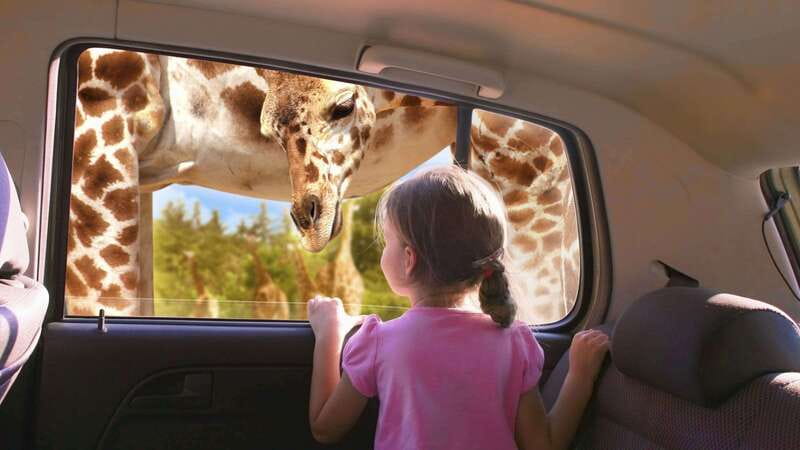
You’ll ride on a coach through the safari areas, and a guide will help run the day. But you’re not in a small open vehicle where you can lean out for every sighting. The vehicle is larger, and that changes your viewing options.
If you can choose your seat, I’d aim for the area where you’ll have the widest visibility—often that means picking a spot near the back or in a position where you can see out both sides as the safari section passes. Some visitors report that seating on one side can mean you miss animals near the opposite edge of the viewing paths. Also, the pace can be quick at moments, so don’t wait until you’re “ready” to start scanning. Start early.
A practical trick: keep your camera ready but don’t freeze every time you see something. If the vehicle moves fast, you’ll want short bursts of focus, not a full pause every time. The safari is about spotting patterns—watching for movement, head turns, and behavior.
Inside the Park: The 4-Hour Guided Safari and Its Habitat Zones
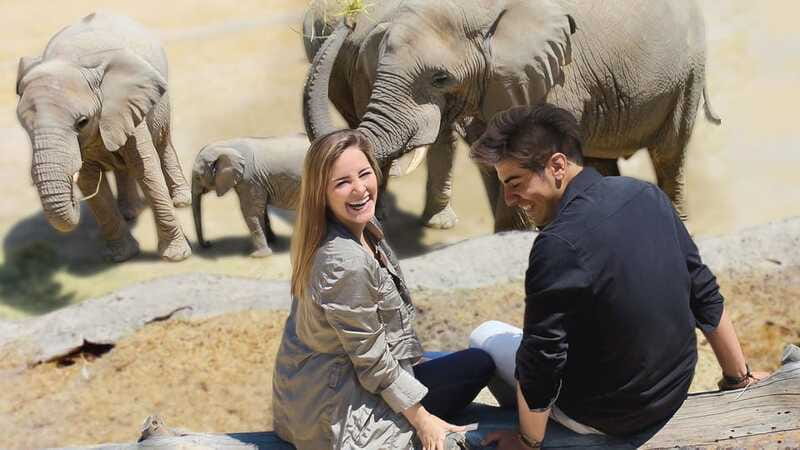
Once you’re inside Africam Safari, you’ll have about 4 hours of guided time. This is where the day feels like an actual safari experience, because the animals are kept in controlled environments that mimic natural habitats and give them room to move.
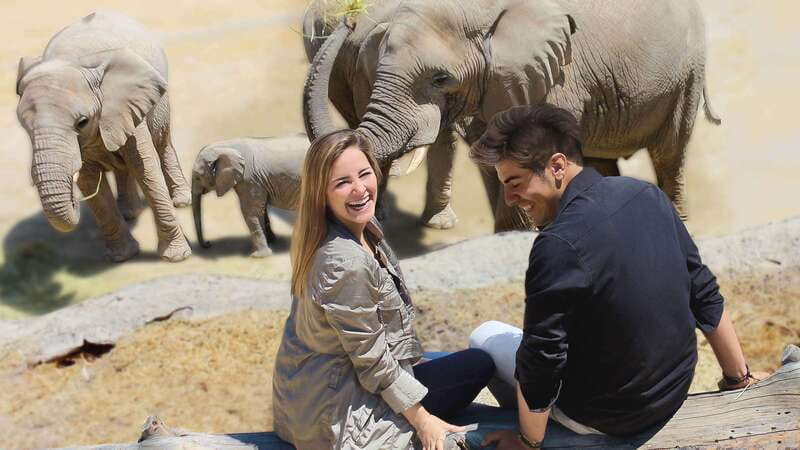
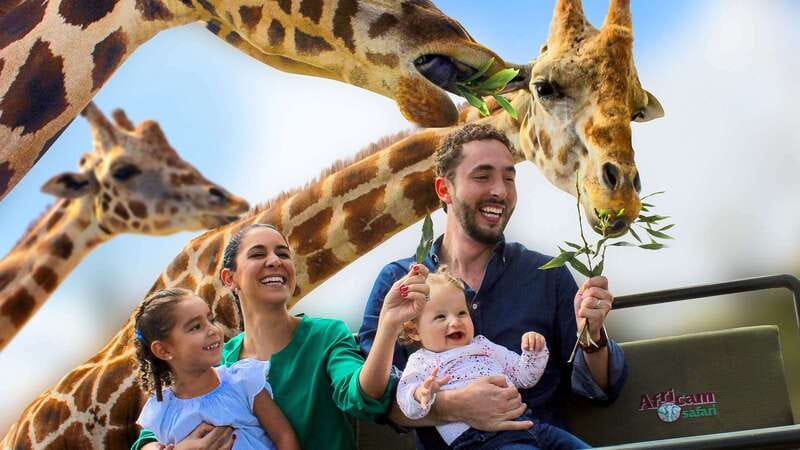
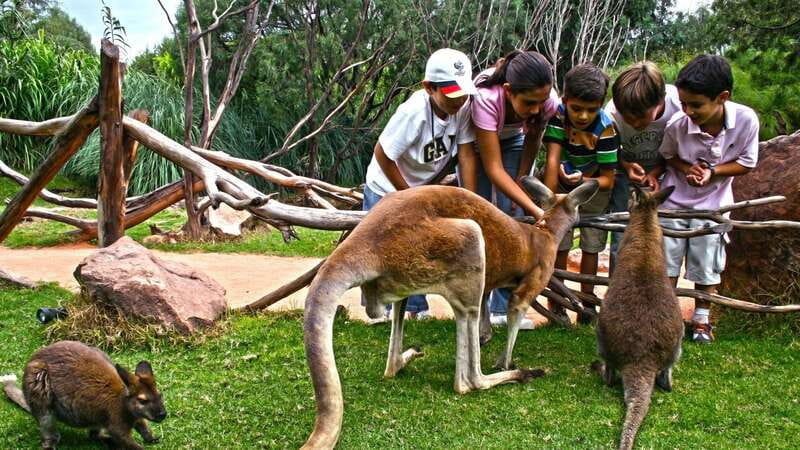
You’ll see a broad mix of wildlife, including headline species such as lions, elephants, rhinos, giraffes, wolves, hippos, and kangaroos. The variety is a major reason this tour works well for many types of travelers. You’re not stuck with only big mammals or only birds. You’re seeing predators, grazers, and animals with very different movement styles.
You’ll also encounter smaller and surprising species like tarantulas and bats. That’s a good reminder that wildlife parks aren’t only about what looks impressive from a distance. The guide’s explanations help you notice behavior and care needs you might otherwise miss.
One of the most interesting parts of the route is the sequence of themed habitat zones you drive through. You’ll pass through areas inspired by Okavango Delta, Oasis, Kalahari Desert, Serengeti, Bakuli, and Huasteca. The names are big, but what they translate to for you is variety:
- different spaces that change what animals you might spot
- changing light and visibility conditions
- a feeling that the park is “mapped” like a set of regions, not one enclosure after another
In other words, you stay engaged. Even if you’re not a wildlife expert, the guide and the shifting zones keep your attention from going flat.
Wildlife Education You Can Actually Use (Even in Spanish)
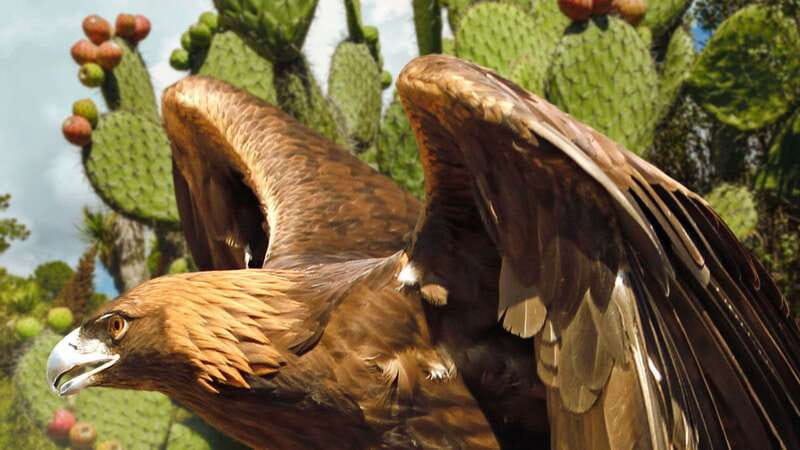
I like guided wildlife tours when the guide adds meaning. Here, the tour is led by a guide specialized in wildlife species and the guiding language is Spanish. Even if your Spanish is basic, you can still follow the structure: the guide helps connect sightings to behavior, habits, and conservation.
Here’s what that means in practical terms:
- You’ll learn what to look for when trying to spot an animal (body language, movement patterns, and where they tend to appear).
- You’ll understand why habitat design and animal care are crucial, not just for keeping animals alive, but for keeping them healthy long-term.
- You’ll leave with a clearer idea of what conservation means beyond posters and slogans.
If you don’t speak Spanish, you still won’t be totally lost because the tour is built around seeing animals in real time. But if Spanish is part of your plan, you’ll probably get more out of the guide’s explanations and the quick teaching moments throughout the drive.
Price and Value: What $43 Really Covers
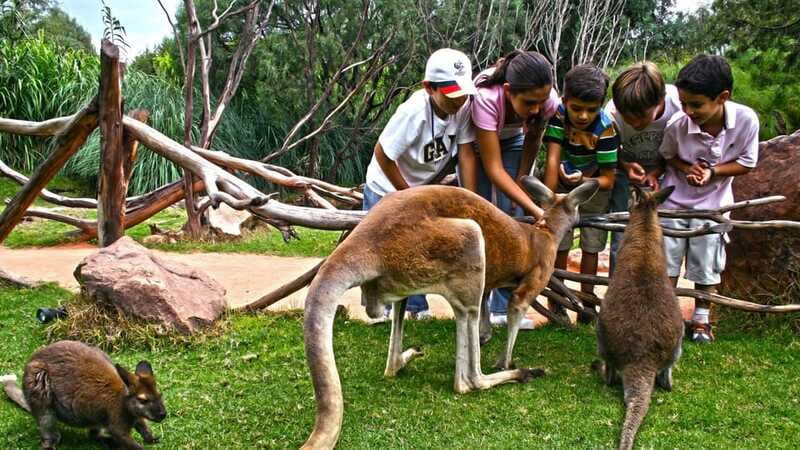
At about $43 per person, this is one of those prices that feels reasonable once you look at what’s included. You get:
- round-trip transportation from the meeting point to the park
- admission to Africam Safari Park
- a specialized Spanish wildlife guide
- travel insurance
That combination is where the value shows up. If you tried to assemble this yourself (transport + tickets + guide-style interpretation), you’d likely spend more or lose time coordinating.
Also, the time commitment helps justify the cost. You’re investing a full day: transfer time plus about 4 hours inside the park. A short half-hour stop somewhere else won’t deliver the same payoff.
Food and drinks are not included, so you’ll want to budget for that separately. But the core experience—transport, access, and guided safari education—is handled.
Practical Stuff That Makes the Day Easier
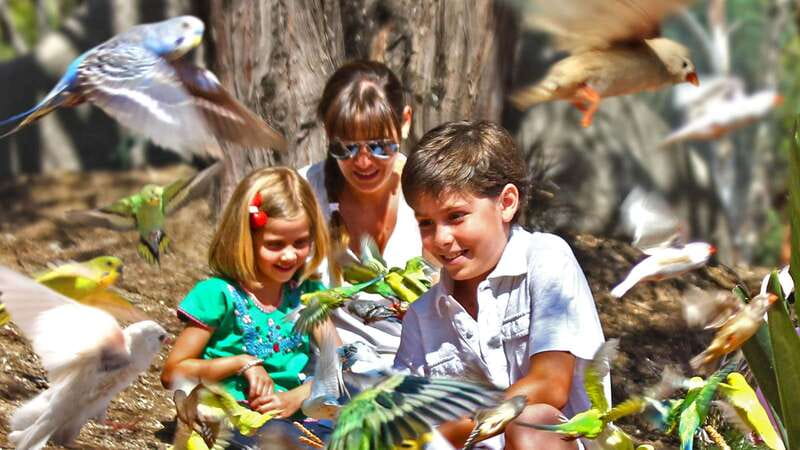
Here’s my no-drama packing list based on what you’ll actually use in the park.
Bring:
- comfortable shoes (you may walk more than you expect once you’re at the park areas)
- sunglasses and a sun hat (you’ll be out in open-air conditions)
- a camera (you’ll want to capture both big sightings and smaller surprises)
- comfortable clothes for sun and movement
- cash (handy for any on-site needs not covered by the ticket)
- passport or ID card (a copy is accepted)
Don’t bring:
- food in the vehicle
- feeding animals (obviously, but it’s good to know the rules are enforced)
One more practical note: all passengers must arrive at the meeting point. That sounds obvious, but tours like this run on schedule once the group is loaded.
Timing Expectations: What the Day Feels Like
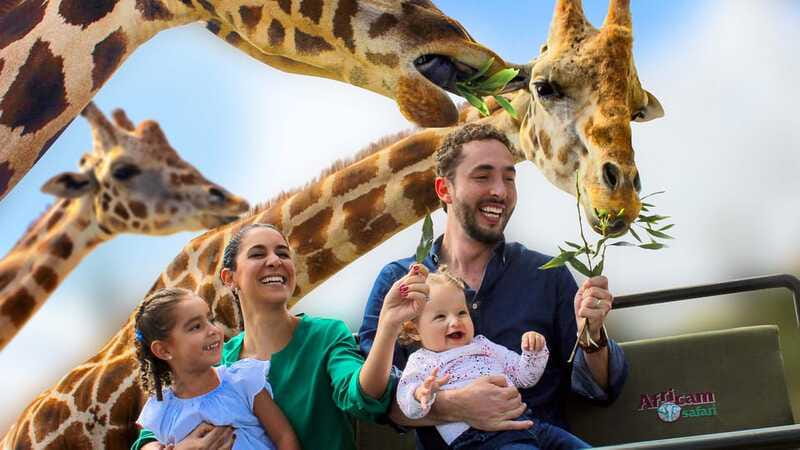
The day flows like this: 45 minutes to get there, about 4 hours guided in the park, then 45 minutes back to the meeting area. That means your best strategy is to go in ready to stay focused for the whole safari stretch.
Some moments can feel quicker than you’d like if you’re trying to photograph every animal. That’s why your seat choice and your scanning habits matter. Don’t wait for a perfect view to start looking. Watch, then react.
If the group spends more or less time in each segment, you can still get good value by keeping your attention sharp and letting the guide’s route guide your expectations. The goal is not one perfect sighting. The goal is a steady stream of encounters across different species and zones.
Who This Tour Fits Best (and Who Should Think Twice)
This is a strong choice if you want:
- a one-day wildlife outing that’s not just a quick zoo visit
- a guided learning component in Spanish
- a safari-style experience through open habitat areas
- a broad species mix, from big mammals to smaller wildlife like tarantulas and bats
It’s not a good fit if you rely on wheelchair access. The tour is listed as not suitable for wheelchair users. If that’s you, it’s worth looking for an alternative format that matches your mobility needs.
Also, if you know you struggle with long coach rides or you get frustrated with limited viewing angles, choose your seat carefully and set your expectations. This is still fun, but it’s not the same as a jeep where you can jump to a new viewpoint every minute.
Should You Book Africam Safari Puebla?
I think you should book if you want a full wildlife day with guided education and serious accreditation behind the scenes. The combo of AZA and WAZA accreditation, the sheer scale (2,500+ animals), and a Spanish guide who explains habits and conservation makes this more than a drive-by photo stop.
You might skip it if you’re chasing a small-vehicle, side-to-side freedom style of safari. The coach format can limit visibility depending on seating and pacing. If that would annoy you, pick your seat when you can and plan to focus on spotting movement and behavior rather than expecting perfect angles for every animal.
If your ideal day is structured, safari-themed, and built around seeing lots of different species in one go, Africam Safari Puebla is a very solid bet.
FAQ
What’s the total duration of the experience?
The total duration is listed as 1 day, with a guided tour inside Africam Safari for about 4 hours.
Where do I meet for the tour in Puebla?
You meet at the Zócalo area of Puebla at the Burger King location, using Turibus buses or vans with the Turibus logo on their side.
What language is the guide?
The guide provides the tour in Spanish.
Is food included?
No. Food and drinks are not included.
What should I bring?
Bring comfortable shoes, sunglasses, a sun hat, a camera, comfortable clothes, cash, and your passport or ID card (a copy is accepted).
Are there any rules about food or animals?
Food is not allowed in the vehicle, and feeding the animals is not allowed.
Is the tour wheelchair accessible?
The tour is listed as not suitable for wheelchair users.