REVIEW · THUMRAYT
Salalah: Sunset desert safari tour in salalah(private tour)
Book on GetYourGuide →Operated by Ciao Salalah · Bookable on GetYourGuide
Desert sunset in Salalah is not a small promise. This private safari in Dhofar strings together UNESCO stops (Wadi Dawkha and Ubar), a visit with black camels, and then ends in the Rub’ al Khali dunes for a real southern Oman sunset.
Two things I really like: you get to mix serious sites (frankincense country and Ubar) with something memorable and unusual (those black camels), and the ride is handled by a private Jeep/SUV with an English or Italian-speaking guide. If your guide is Mohammed, for example, language comfort can be a big deal, and the day can feel smooth rather than rushed.
One thing to consider: it’s a long day with a moderate amount of walking and plenty of time on the road. You should also expect that dune-driving can mean dust, and if something slows the jeeps down in sand, your timing can wobble a bit.
In This Review
- Key highlights at a glance
- Salalah sunset desert safari: why this route works
- Wadi Dawkha and the frankincense trees (UNESCO)
- Thumrait tea break: Karak in a real village stop
- Ubar archaeological site: frankincense trade at a lost crossroads
- Black camels: the rare animal encounter you’ll remember
- Photo stop + Rub’ al Khali dunes: timing the sunset right
- Private jeep logistics: pickup, pacing, and how the day feels
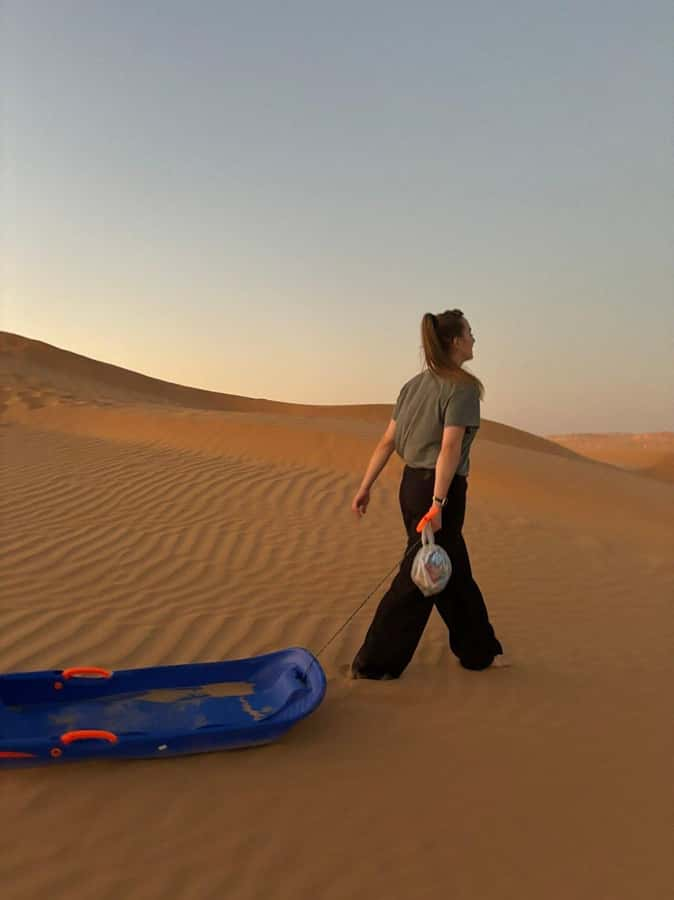
- What to bring (and what to wear) for Dhofar desert heat
- Price and value: what $90 gets you in practice
- Who this tour is best for (and who should skip it)
- Common hiccups to expect (and how to handle them)
- Should you book this Salalah sunset desert safari?
- FAQ
- How long is the Salalah sunset desert safari?
- Is transportation included?
- What will I see besides the Rub’ al Khali desert?
- What’s included in the price?
- Do I need to bring anything?
- Is the tour suitable for everyone?
Key highlights at a glance
- Wadi Dawkha (UNESCO): frankincense trees in a dramatic valley, including trees said to be centuries old
- Thumrait Karak tea: a warm, local break that’s simple but helps your energy on desert timing
- Ubar (UNESCO): an archaeological site tied to frankincense caravan routes
- Black camels: a rare breed you can actually see up close
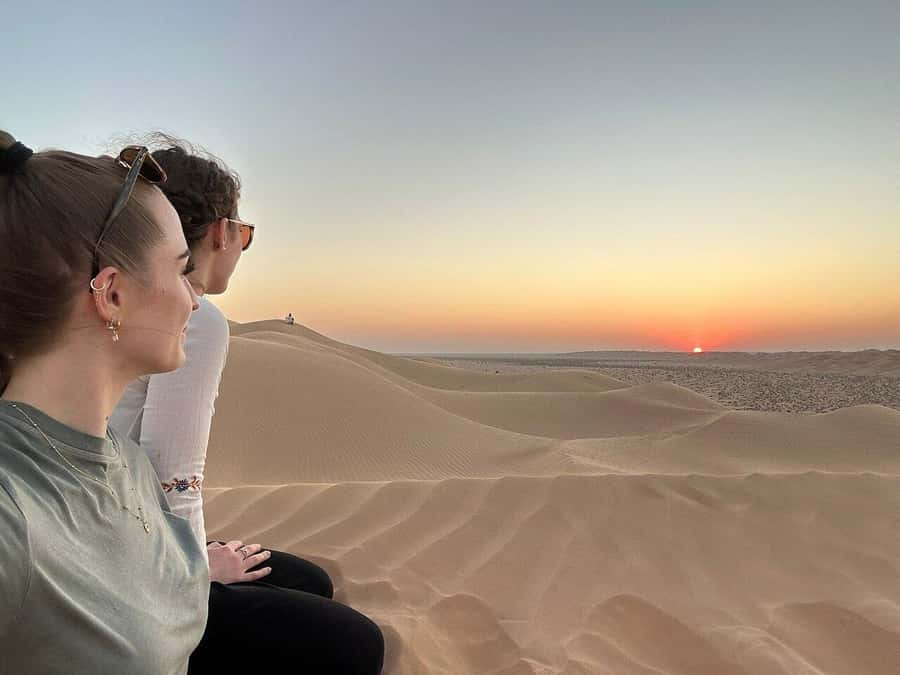
- Rub’ al Khali sunset: the main event, timed for the best light and views
Salalah sunset desert safari: why this route works
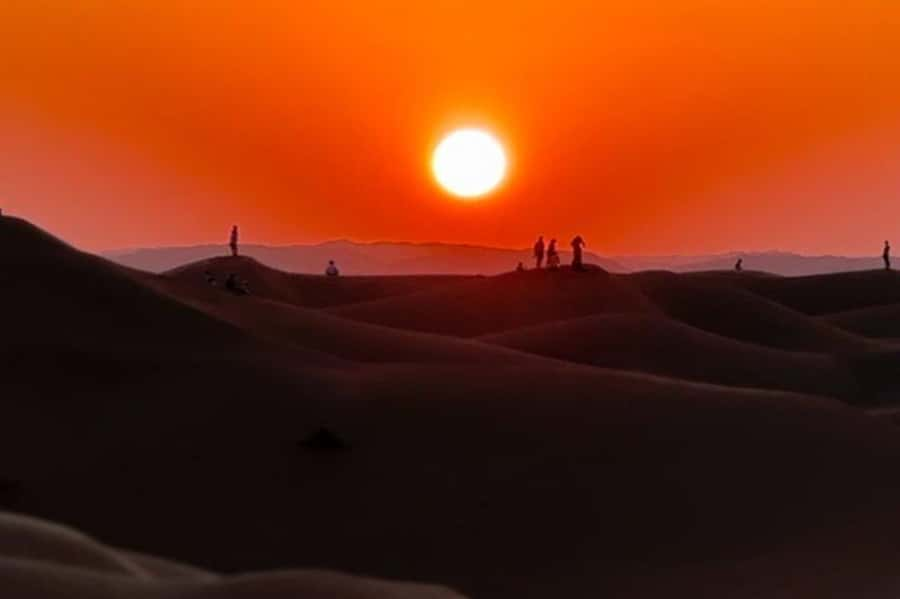
This is the kind of tour that makes sense in Salalah because it gives you contrasts in the same day. You start with Wadi Dawkha, where mountains frame a frankincense valley. Then you break the pace with tea in Thumrait. After that, you shift into stories of trade routes at Ubar. Finally, you end where your camera and your patience both get rewarded: the Rub’ al Khali dunes at sunset.
The private format matters here. You’re not herded into a schedule that ignores your comfort. Pickups come from a long list of Salalah hotels, and you’re driven in a private Jeep/SUV with your guide. That helps when you’re timing for golden hour, and it helps with small adjustments—like spending a bit longer at a photo spot if the light is right.
Wadi Dawkha and the frankincense trees (UNESCO)
Wadi Dawkha is where the day earns its character. You’ll spend about 1.5 hours with a guided visit, walking through a valley marked by ancient frankincense trees. Some trees are believed to be centuries old, and the effect is immediate: gnarled branches, strong silhouettes, and a stark mountain backdrop that makes the trees look almost sculpted.
Why I think this stop is valuable for you: frankincense isn’t just a historical word. It’s a reason the whole region mattered. Seeing these trees in place gives you context for the later stop at Ubar, where frankincense caravans once moved through the area.
Practical tip: wear light but sturdy clothes and comfortable shoes. Even if the walking is described as moderate, you’ll still want traction and protection from sun and dust.
Thumrait tea break: Karak in a real village stop
After Wadi Dawkha, you head to Thumrait for about 1 hour. This is one of those moments that sounds small on paper but does a lot for the day. You stop for local Omani tea (Karak), and you get a break from the road and the open desert sun.
For you, that’s not just a comfort stop. Karak can help you handle the later timing—especially if the sunset portion runs long on sand. It also makes the safari feel less like a checklist and more like a day moving through the culture and geography of southern Oman.
I also like that it’s framed as a village experience rather than a souvenir grab. You’re there to drink tea, watch how the place works, and recharge.
Ubar archaeological site: frankincense trade at a lost crossroads
Next comes Ubar, with about 1.5 hours guided. This archaeological site is tied to the old world of frankincense caravans—a route where goods and people moved through difficult terrain and then disappeared from maps over time.
What makes this stop click is that it connects your earlier sight of frankincense trees to a human story. Wadi Dawkha shows you the source. Ubar represents the network built around it.
If you care about history but don’t want a museum day, this works. You’re outside, you’re learning in the environment that shaped the trade, and you can look at the ground and imagine movement without needing to picture everything perfectly.
Black camels: the rare animal encounter you’ll remember
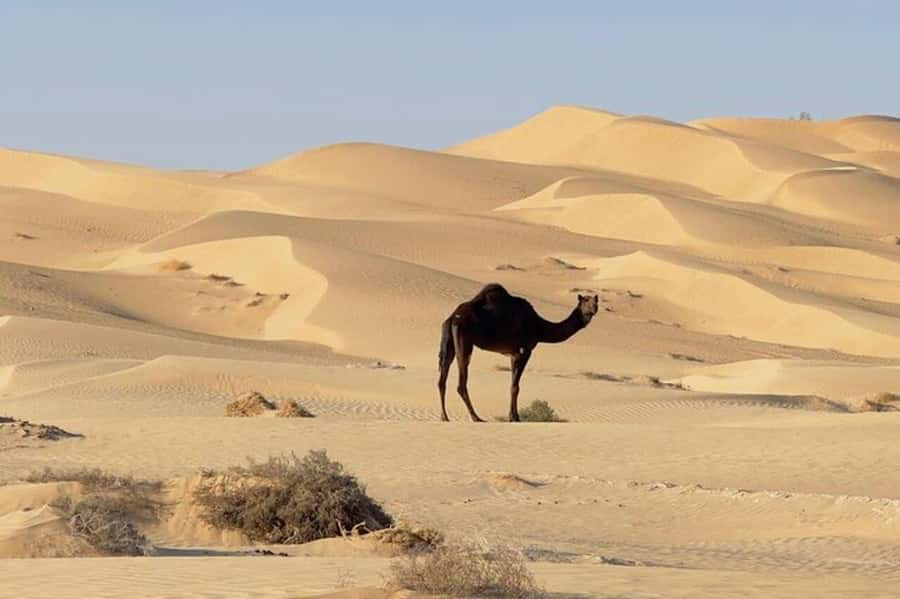
Then you see the black camels. This part is short compared to the other anchors, but it’s often the most surprising. A rare camel breed like this isn’t something most people expect to find on a desert safari in Oman, and it adds a living, moving detail to a day that could otherwise feel purely scenic.
Why this matters for your experience: seeing an animal up close shifts your attention from viewing to observing. You notice behaviors, you notice the animal’s build and presence, and it gives you a break from the heat and the long stretches of road.
If you’re a wildlife fan, don’t just take a photo and move on. Give yourself a minute to watch how they’re handled and where they’re kept, then take photos after. You’ll get better shots, and you’ll feel less rushed.
Photo stop + Rub’ al Khali dunes: timing the sunset right
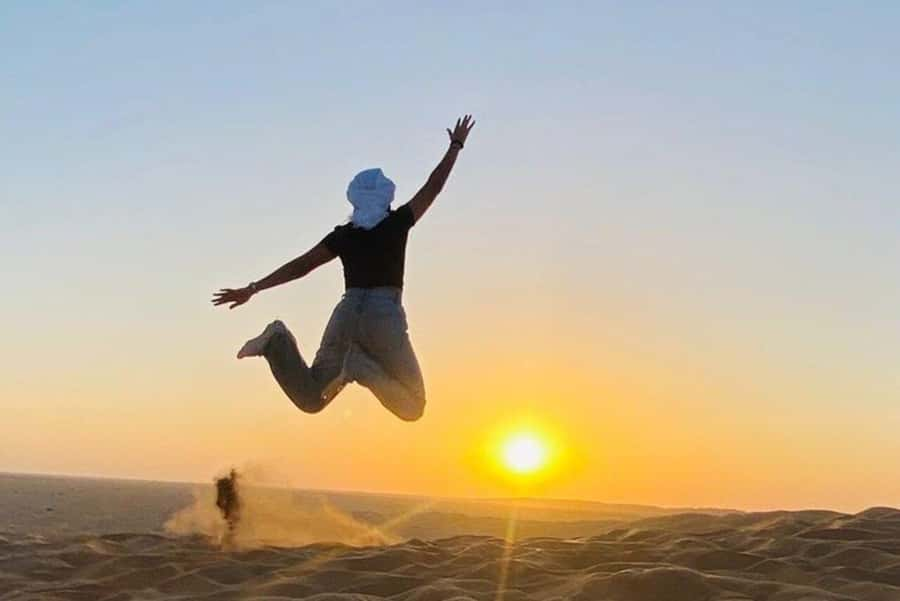
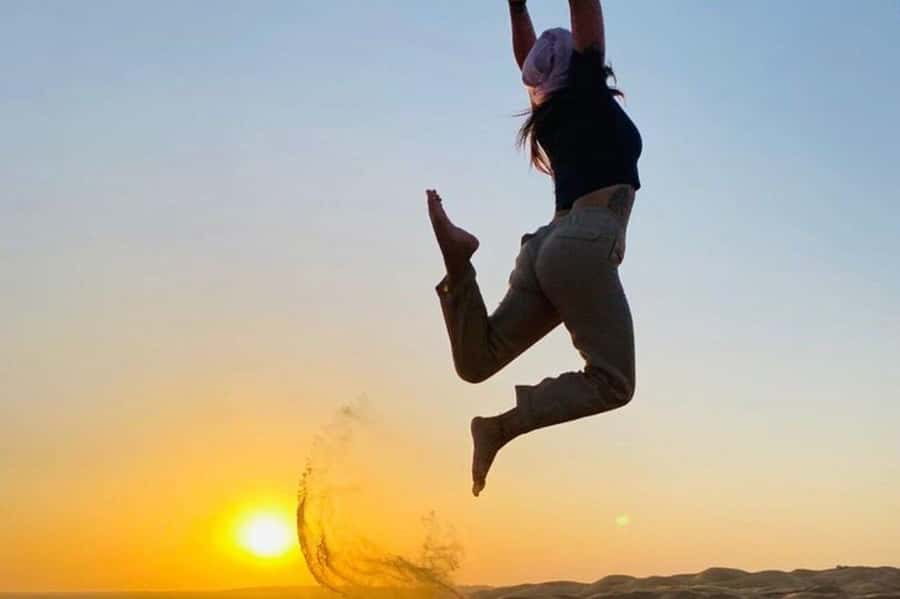
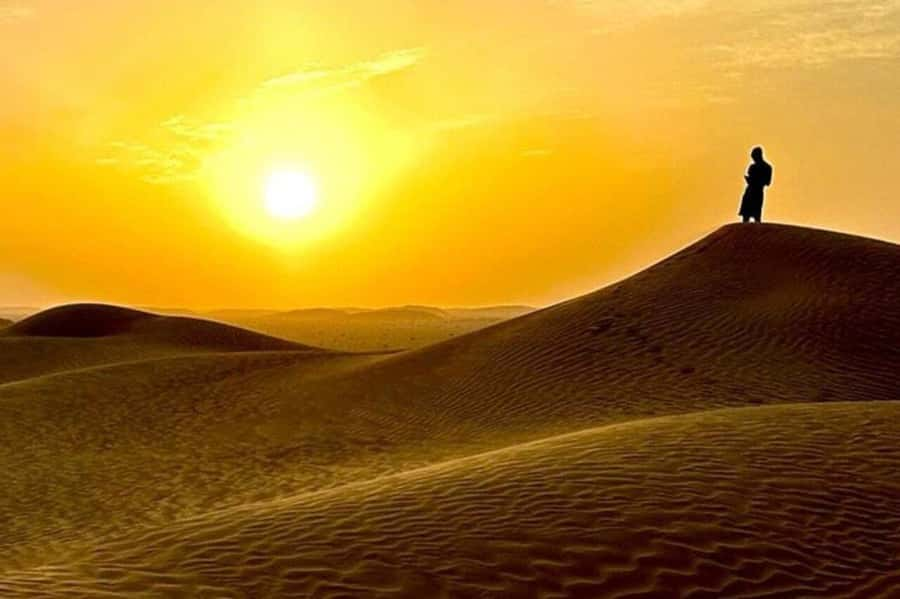
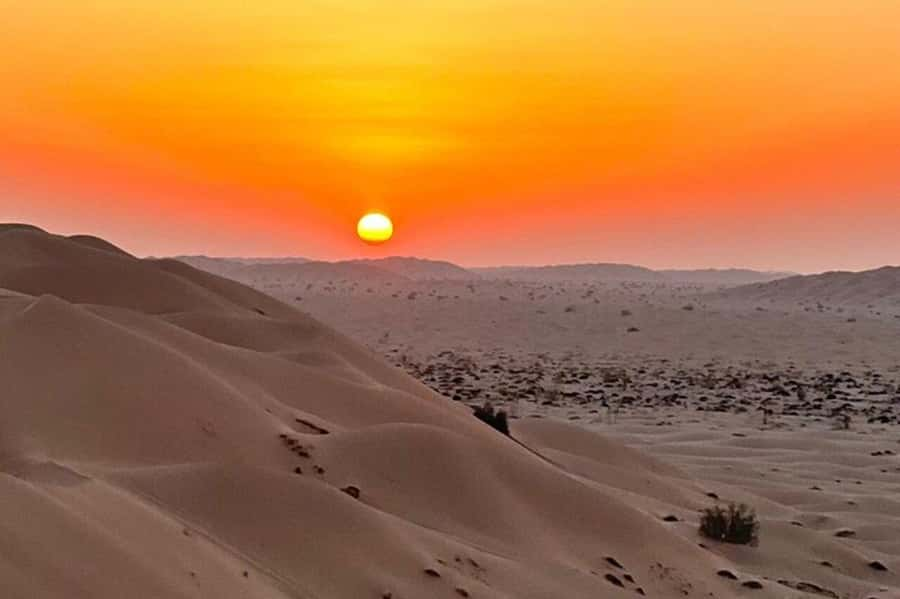
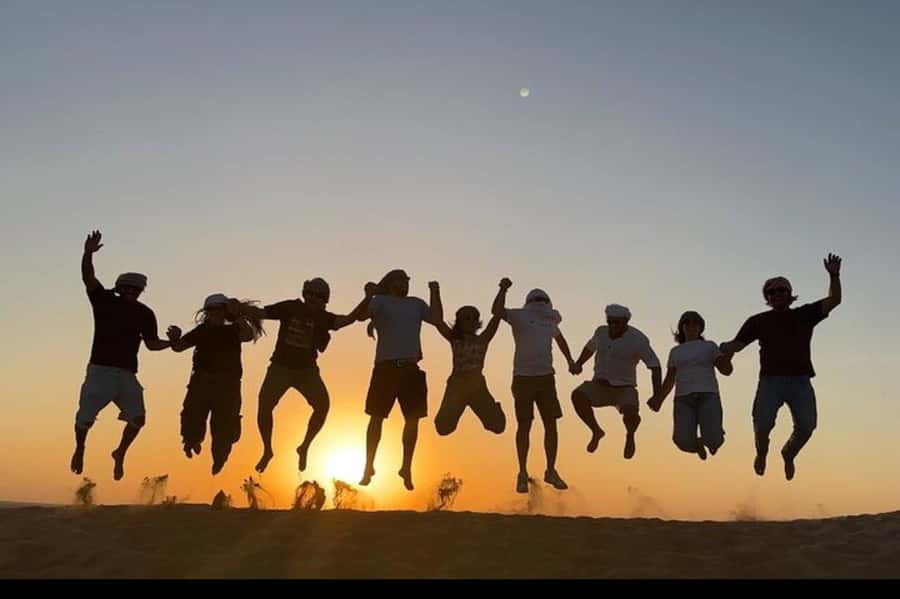
The final act is the Rub’ al Khali desert, with about 2.5 hours built in for a photo stop and guided time. This is where the safari turns into a full sensory experience: long empty space, wind, shifting sand textures, and the light changing fast.
Sunset is the headline, and for good reason. In this part of southern Oman, the dunes can look almost unreal when the sun starts to angle low. That’s when shadows sharpen and the sand tone warms.
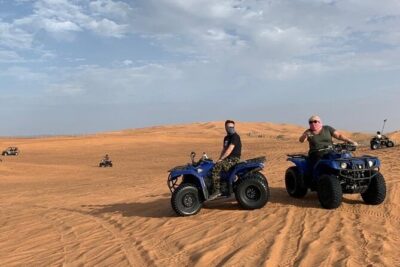
You should also expect some kind of dune driving experience. In past experiences with this tour style, the dune driving gets described as proper adventure territory, not a slow scenic cruise. That matters because it changes the feel of the desert. You’re not just watching it—you’re moving through it.
One caution: if you’re dust-sensitive, bring a scarf or something similar for your face. If you’re prone to motion issues, keep in mind you’ll be in a vehicle over sand, with jostling possible. And if a jeep gets stuck in sand, don’t panic. It can add time, noise, and a lot of powder in the air, but the goal is still the same: get you to the best light.
Private jeep logistics: pickup, pacing, and how the day feels
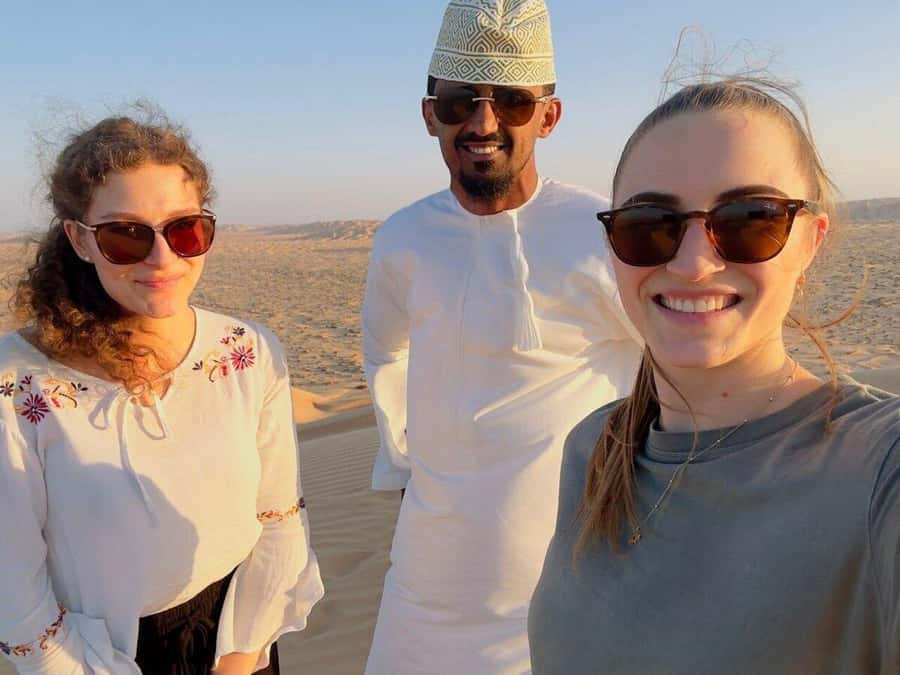
This tour is set up as a smooth point-to-point experience. You get hotel pickup (from many Salalah properties) and private transport, with your guide waiting in the lobby.
The pacing is built around the day’s flow:
- Wadi Dawkha first, when visibility is usually best
- Thumrait afterward for tea and a cultural pause
- Ubar before you go deeper into the desert element
- Black camels and then the long stretch toward sunset
Because the timing is tied to sunset, you’ll likely feel the day as a sequence of “arrive, see, move.” That’s normal. If you hate schedules, a private tour may still feel structured, but you should be able to ask your guide to linger briefly at key views.
In several experiences with this tour, guides like Mohammed or Abdullah have been praised for friendliness and for keeping things comfortable. The language support can also change how much you get out of the day. If you’re Italian-speaking, you may appreciate it if your guide can explain clearly without you constantly needing to ask for repetition.
What to bring (and what to wear) for Dhofar desert heat
The packing list for this tour is simple, but it’s worth treating it seriously:
- Comfortable shoes (you’ll walk a moderate amount)
- Hat and sunscreen (sun is a real factor)
- Camera (the dunes and frankincense trees beg for photos)
- Water (bottled water is included, but you’ll still want to sip)
Light clothing is recommended. I’d add: think about fabric that doesn’t feel heavy in sun, and keep something for dust handy if you’re sensitive.
Also, there’s a no-smoking rule. It’s good to know before you’re in the desert.
Price and value: what $90 gets you in practice
At $90 per person, this is not a budget “just drive me around” safari. You’re paying for a private Jeep/SUV, an English or Italian-speaking guide, and a route that includes two UNESCO-tied experiences plus a rare animal stop and a sunset-focused desert segment.
What makes the value feel real:
- Private transport: you’re not sharing the drive with strangers for the whole day
- Guided time: you get interpretation at multiple stops, not just directions
- Included basics: light snacks, coffee and/or tea, and bottled water
- Sunset payoff: the ending is the reason you do this in the first place
What’s not included: meals. So if you care about food, you’ll want to plan around the fact that the day uses snacks and tea rather than a full sit-down meal.
If you compare this to hiring a guide for UNESCO sites only, you’re already getting added value from the camel encounter and the Rub’ al Khali sunset component—plus the ride style that makes desert time feel like desert time.
Who this tour is best for (and who should skip it)
This is a strong match if you:
- Want a full-day desert experience from Salalah
- Like seeing both natural and cultural sites in one flow
- Enjoy guided context, not just sightseeing
- Want the sunset to be a clear, central goal
It’s less suitable if you have physical limitations. The tour is explicitly not recommended for:
- Pregnant women
- People with back problems
- Wheelchair users
Also, it’s built around walking and being in an open desert environment. Even if the walking is labeled moderate, the day still isn’t designed for anyone who needs frequent, easy breaks or minimal movement.
If you’re unsure, ask your guide what the walking feels like during Wadi Dawkha and Ubar, since those are your main land stops.
Common hiccups to expect (and how to handle them)
This tour is extremely well rated, but a few practical reality checks help you enjoy it more.
1) Ride time can feel long
One experience noted the drive itself felt long. That’s not unusual with desert geography. If you hate long drives, you’ll likely feel it more. The fix is mental: settle in, bring water, and expect the scenery to build toward the sunset.
2) Sand driving can cause delays
One account described a jeep that got stuck and had to work its way out, filling extra time with dust and noise. That can happen in sandy conditions. The best mindset is flexibility—your guide’s goal is still to get you to sunset, and the whole point is the desert experience, not a perfectly timed clock.
3) Desert etiquette matters
One review mentioned a negative moment tied to litter left on the sand. I can’t control what you’ll see, but you can control your response: avoid adding to the problem, and if you spot something that doesn’t belong, don’t make it a confrontation—just bring it to your guide’s attention if they’re able to help.
Should you book this Salalah sunset desert safari?
If you want a single, high-impact day from Salalah that mixes UNESCO sights, frankincense context, an unusual animal encounter, and a real Rub’ al Khali sunset, I think this is a strong booking. The private transport and guided stops make the $90 feel more like a package than a random drive.
I’d book it if:
- You care about understanding why this region mattered historically (frankincense routes and Ubar)
- You want the sunset to feel intentional, not accidental
- You’re comfortable with moderate walking and lots of sun
I’d reconsider if:
- You need a very short day with minimal driving
- You have mobility or back concerns
- Dust and jostling would spoil the experience for you
If you do book, pack your sun protection and comfortable shoes, and don’t underestimate how much you’ll enjoy the journey when you keep your focus on the final light show.
FAQ
How long is the Salalah sunset desert safari?
The activity is listed as 8 hours (with availability that may extend to 2 days depending on schedule). Plan for a full-day feeling, since the route includes multiple guided stops and a sunset-focused desert segment.
Is transportation included?
Yes. Transportation is included by private Jeep/SUV, with hotel pickup and hotel drop-off options in Salalah.
What will I see besides the Rub’ al Khali desert?
You’ll visit Wadi Dawkha (UNESCO), stop in Thumrait for Omani Karak tea, visit the archaeological site of Ubar (UNESCO), and see black camels before reaching the Rub’ al Khali for sunset.
What’s included in the price?
Included items are private transportation, an English or Italian-speaking guide, light snacks, coffee and/or tea, and bottled water.
Do I need to bring anything?
Bring comfortable walking shoes, a hat, sunscreen, a camera, and water. Light clothing is recommended due to sun exposure.
Is the tour suitable for everyone?
It’s not suitable for pregnant women, people with back problems, or wheelchair users. The tour includes moderate walking, and smoking is not allowed.