REVIEW · TAQAH
Salalah: Wadi Darbat, Jabal Samhan, Baobab, Mirbat Sand Dune
Book on GetYourGuide →Operated by Beautiful Salalah Tours · Bookable on GetYourGuide
A day in East Salalah feels like a shortcut through Oman’s different worlds, from seaside cliffs to mountain clouds. I really like how this trip strings together waterfalls, canyons, and ancient sites without turning it into a rushed checklist. The part that matters most for me is that you get real context for the places you’re seeing—thanks to guides like Adil and Mohammed Ali, who actually explain what you’re looking at.
What I like most is the variety: Wadi Darbat brings the wet-season drama and you can even try an optional boat ride where camels sometimes cool off nearby. And then there’s the main wow factor at Jabal Samhan, where the elevation makes the clouds feel close—one reason this area earns so many photos.
One consideration: in the drier months, the waterfalls and greenery in Wadi Darbat can be much less dramatic, and heavy mist can affect what you see from Jabal Samhan. That doesn’t ruin the day, but it changes the “wow” level.
In This Review
- Key things that make this tour worth your attention
- Why East Salalah hits differently than the city
- Starting in Taqa: coastal cliffs and 19th-century Oman
- Taqa’s sea views (the easy win)
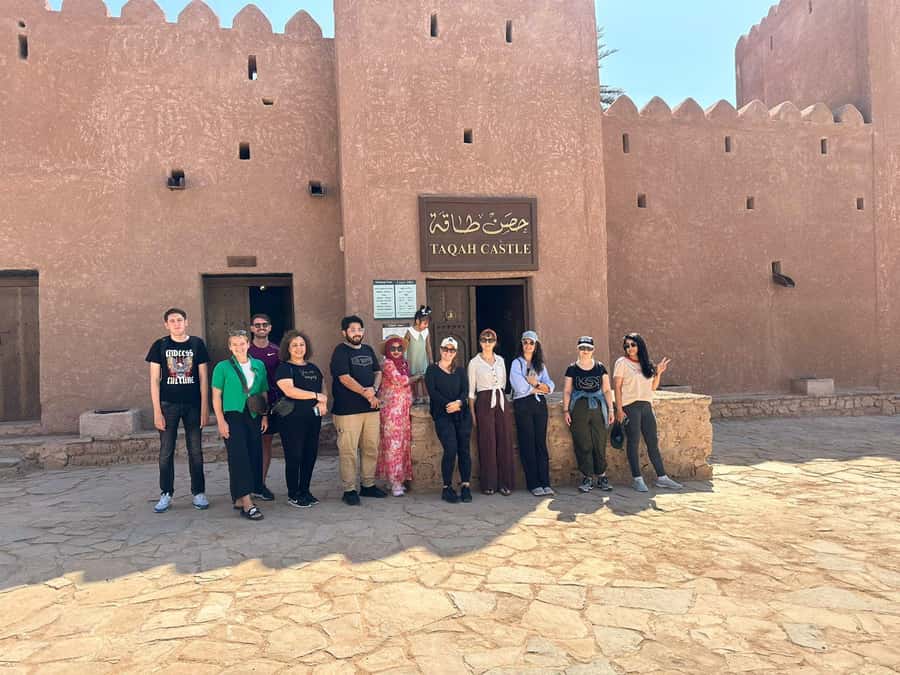
- Taqa Castle, Burj Al Askar, and Koofan House
- Wadi Darbat: waterfalls, greenery, and a calm canal with character
- What you’ll see in Khareef season
- What changes outside the wet season
- Optional boat rides and the fun factor
- The Tawi Attair sinkhole: Birds Well and serious geology
- Jabal Samhan: standing above the clouds at about 4,000 feet
- What it feels like when the clouds roll in
- Wadi Hinna baobabs: rare trees that make time feel slower
- Anti-Gravity Hill at Salalah: the quick, funny physics moment
- Mirbat Sand Dunes: golden sands with mountain and sea nearby
- Price and what you really get for $76
- Practical logistics that can make or break your day
- Eat early
- Dress for Oman’s modest code
- Wear shoes that handle uneven ground
- Bring cash for the “optional” parts
- Weather expectations
- Who this tour fits best
- Should you book Beautiful Salalah Tours for East Salalah?
- FAQ
- How long is the tour?
- What’s included in the price?
- What isn’t included?
- Are the historic sites definitely included?
- Can I do a boat ride at Wadi Darbat?
- Where are the pickup points?
- Is pickup included if I’m staying in Mirbat or Hinu Bay?
- What should I wear and bring?
- What languages are the guides available in?
Key things that make this tour worth your attention
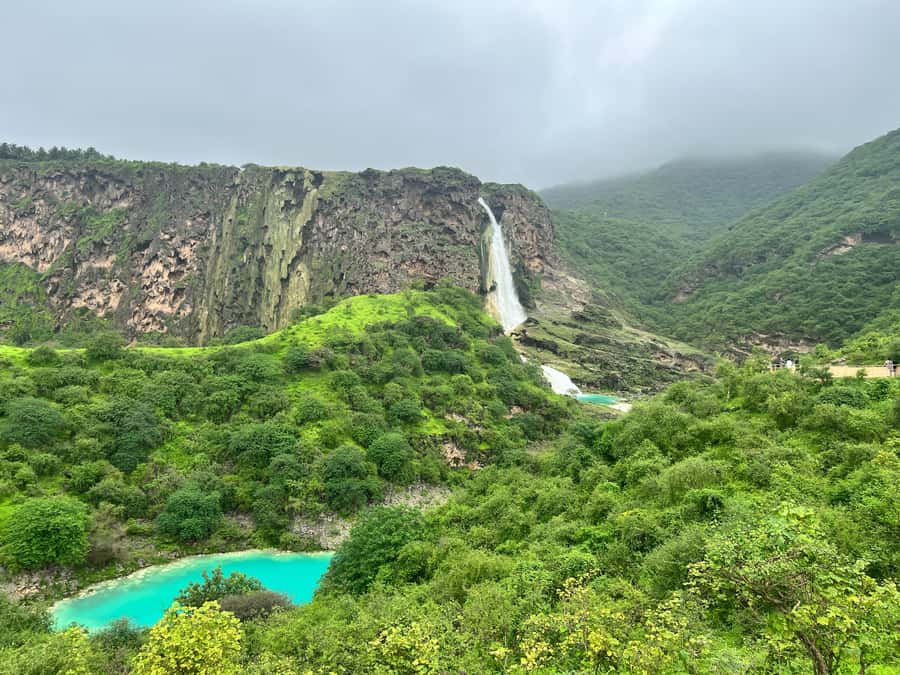
- East Salalah’s full mix: beaches, mountains, sinkholes, and sand dunes in one day
- Wadi Darbat in Khareef season: seasonal waterfalls and a canal area that feels alive
- Jabal Samhan’s altitude: standing above the clouds at roughly 4,000 feet
- Tawi Attair sinkhole stop: the massive Birds Well, a striking geology moment
- Rare baobab trees: Wadi Hinna’s ancient giants are a real standout
- Photo-friendly timing: guides like Adil and Salim often stop where you want for pictures
Why East Salalah hits differently than the city
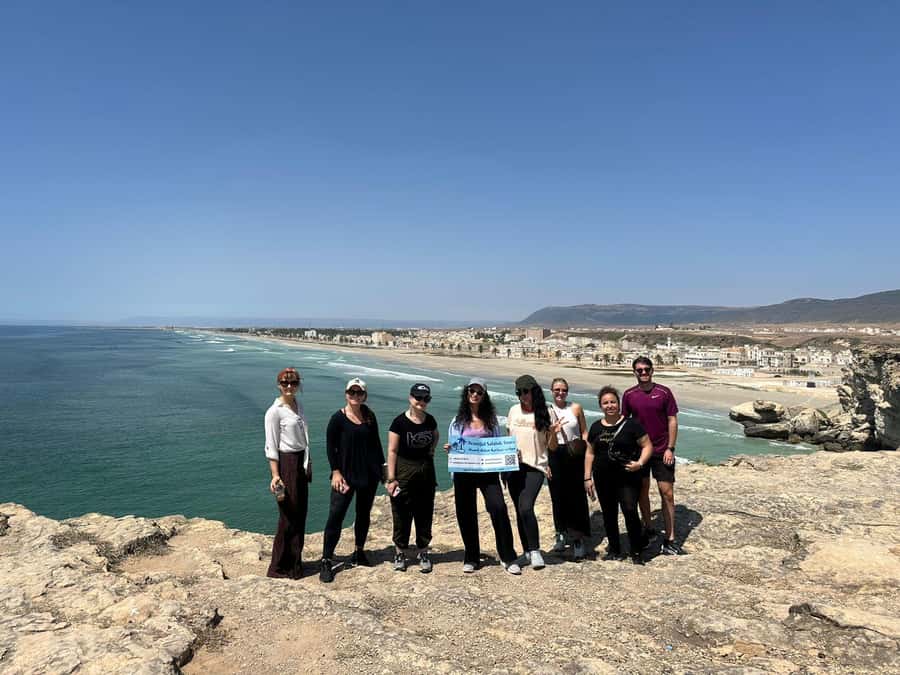
Salalah isn’t just one type of scenery. The city gives you a base; East Salalah gives you variety. On this tour, you move from a traditional coastal fishing town atmosphere to cliffs above the sea, then into river valley greenery (in the right season), and finally up toward cooler mountain air where you can feel the elevation.
I especially like that you’re not staring at the same view for hours. You get small “story moments” along the way—how people live by the shore, why the mountains matter, and what the geology is doing in places like the sinkhole. That context is what turns photo stops into something you’ll remember later.
Starting in Taqa: coastal cliffs and 19th-century Oman
Your day typically begins with hotel pickup in Salalah and Hawana Salalah (and it can also cover port and airport pickup in Salalah). From there, you head to Taqa, a coastal town that still feels like a working fishing place.
Taqa’s sea views (the easy win)
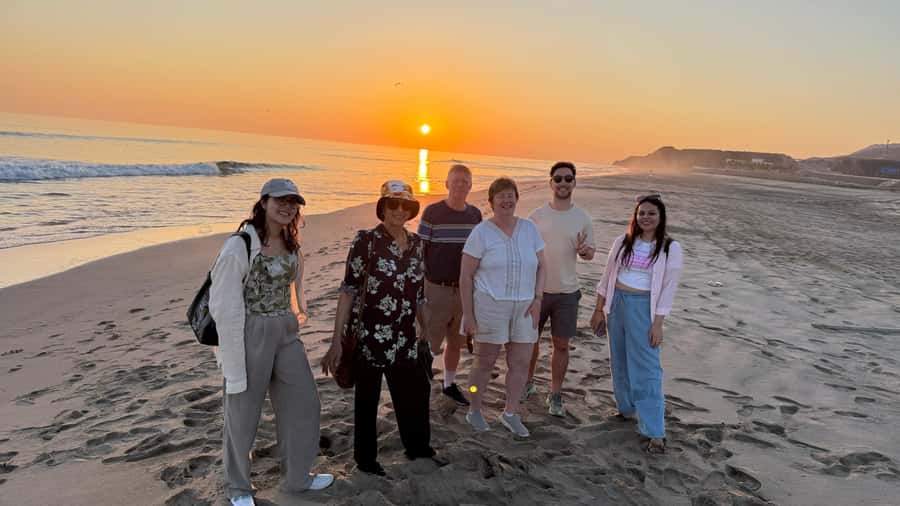
The cliff area is one of the simplest pleasures: you get an aerial view down toward the town and the turquoise water. Even if you’re not obsessed with photography, you’ll feel the difference between open sea and sheltered bays. This is a good place to slow down and get your bearings fast.
Taqa Castle, Burj Al Askar, and Koofan House
The historic stops here are mostly optional. You can choose to go inside Taqa Castle, Taqah Fort (Burj Al-Askar), and the Koofan Heritage House—or you can enjoy them from outside if you’re short on time or prefer the exterior views.
What I like about this setup is flexibility. If you’re the type who wants architecture and interiors, you can spend your time there. If you’d rather keep energy for the outdoors later, you’re not forced to pay entry for every site.
A practical tip: since entry tickets aren’t included, have some cash and a credit card available so you’re not stuck deciding in the moment.
Wadi Darbat: waterfalls, greenery, and a calm canal with character
Next comes the star valley area: Wadi Darbat. This is the one place on the trip where season really matters.
What you’ll see in Khareef season
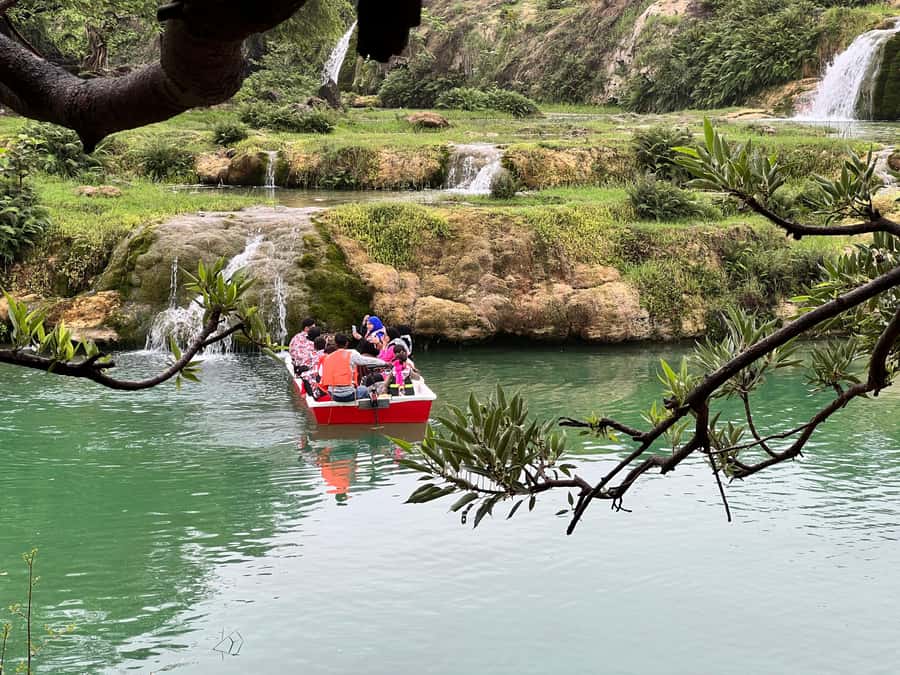
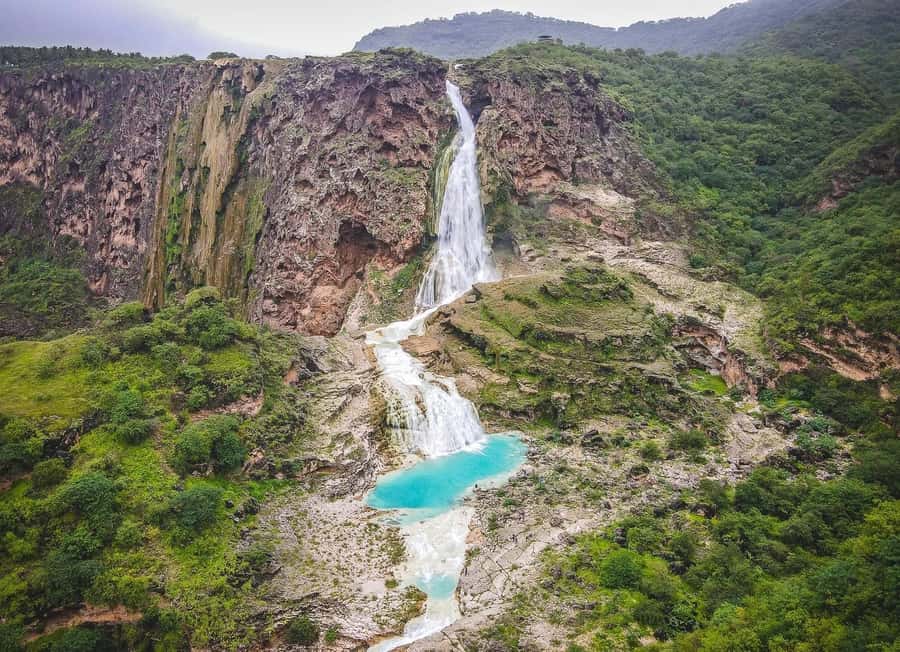
During Khareef, the waterfalls and the surrounding greenery can feel almost unreal—like the valley is doing its own weather. The greenery around Jabal Al Qara makes the valley look alive, and you’ll likely understand why this spot is one of Dhofar’s most-visited.
What changes outside the wet season
If you visit in the drier months, you might find fewer or no active waterfalls, and the wadi can be much drier. That still leaves the valley scenery and the area as a nature stop—but the “water drama” may not show up the way it does in the monsoon period.
Optional boat rides and the fun factor
You can add an optional boat ride (or kayaking) on the canal area at Wadi Darbat. This is also where the trip earns laughs and stories: guides have been known to point out animals in the area, and one of the charming details is that you may spot camels cooling off in the water.
Even when water levels are lower, this section tends to be relaxing and a nice change of pace before the mountain climb.
The Tawi Attair sinkhole: Birds Well and serious geology
Before you head up to the mountains, there’s a stop at the Tawi Attair sinkhole, often called the Birds Well. It’s one of those places where you can’t help but look down.
Why it’s worth a stop:
- It’s a rare view into how Dhofar’s terrain shapes itself.
- It gives you a different kind of “wow” than scenic driving—more geology, less scenery.
It’s also a good checkpoint moment: you’ll feel the day shifting from coast-and-valley into higher elevation terrain.
Jabal Samhan: standing above the clouds at about 4,000 feet
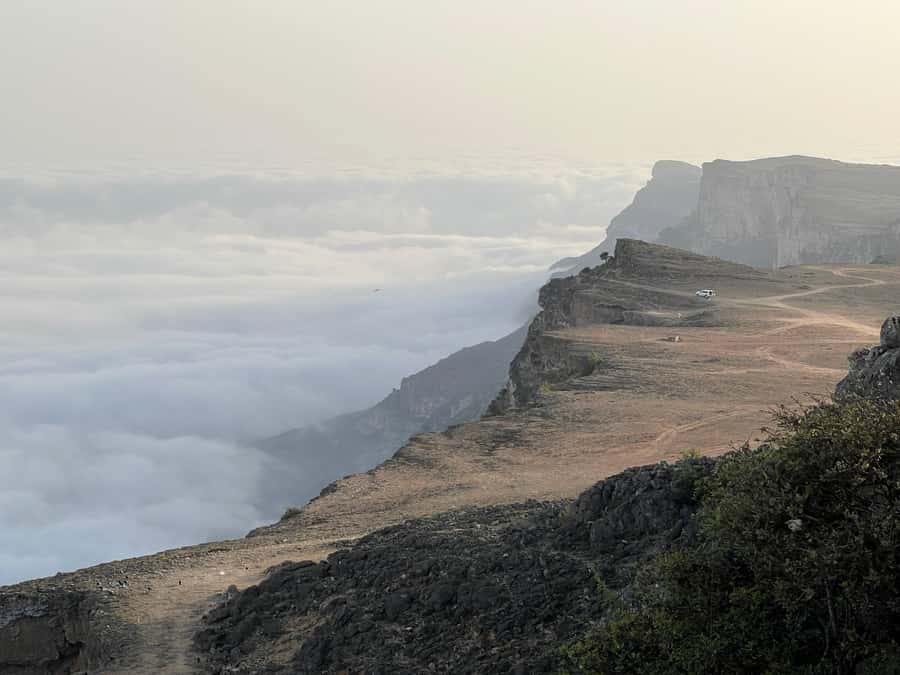
Then comes the big altitude moment: Jabal Samhan. This is the highest point in Southern Oman on this route, and it’s famous for a reason.
What it feels like when the clouds roll in
Standing at roughly 4,000 feet, you’re close enough to the cloud layer that it can feel like the view is floating. In clear conditions, you’ll get dramatic cliff and horizon views. When mist rolls in, you may see less of the far distance—but the atmosphere can still feel wild and cinematic.
This is the portion of the day where a good guide helps most. Guides mentioned in the field, like Adil and Salim, are the kind of people who adjust timing and keep you moving through the experience so you don’t just wait around hoping the weather cooperates.
Wadi Hinna baobabs: rare trees that make time feel slower
Only in the full-day version, you’ll get to Wadi Hinna to see the baobab trees. In Dhofar, these trees are rare, and that rarity is part of the “why” behind the stop.
What I love about this kind of wildlife-viewing is that it’s not flashy in the moment. It’s slow. You walk up, you look at the shape, then you realize you’re looking at something old—something the region has been carrying for a long time.
If you want a break from cliffs and viewpoints, this is your reset. The trees give you a calmer pace before the final driving and dune finish.
Anti-Gravity Hill at Salalah: the quick, funny physics moment
Another full-day highlight is Gravity Hill Salalah, the well-known “anti-gravity” spot. You watch your vehicle appear to roll uphill in neutral, which feels like a trick until you see it for yourself.
Even if you’re skeptical, this is still worth it because it’s a different type of entertainment—one that doesn’t require long hikes or extra money beyond what you already planned for the day.
Mirbat Sand Dunes: golden sands with mountain and sea nearby
To close the day, you head to Ad Damar Dunes in Mirbat. This is a satisfying finale because it mixes textures: sand underfoot, a mountain backdrop, and the coastline in the broader sense.
This part works best when you have the energy left for a short wander and a few photos. And it’s a nice transition away from the heavier viewpoints earlier in the day.
If you’re traveling for photos, you’ll like how the dune setting naturally gives you foreground and depth in pictures—without forcing you to hunt for angles all day.
Price and what you really get for $76
At $76 per person for the 4–8 hour experience, the value comes from the combination. You’re not just paying for transportation—you’re paying for:
- a live guide who adds context (many guides on this route are praised for storytelling and smooth pacing),
- hotel pickup and drop-off in Salalah/Hawana Salalah (plus port/airport pickup in Salalah),
- and access to a wide range of major East Salalah sights you’d struggle to string together on your own.
What isn’t included also matters for budgeting. Optional entries at Taqa Castle / Burj Al Askar / Koofan House aren’t included, and boating/kayaking at Wadi Darbat costs extra. Food isn’t included either, and there’s no guarantee of a great sit-down restaurant along the way.
My take: it’s good value if you want a single-day structure that covers the region’s main “signature” stops without planning or driving stress.
Practical logistics that can make or break your day
A few things will help you enjoy this tour more—especially if you’re sensitive to timing and weather.
Eat early
Have breakfast before pickup. Food options during the tour are limited, and lunch may be possible but not in a way that feels like a proper restaurant break. You can also bring snacks, and you may find something to eat around Wadi Darbat or Samhan.
Dress for Oman’s modest code
This isn’t optional. Dress respectfully: cover shoulders and knees. That means no shorts or sleeveless tops. You’ll look out of place otherwise, and it’s easier to enjoy the day when you’re comfortable with your outfit.
Wear shoes that handle uneven ground
Bring comfortable shoes and consider hiking shoes. You’ll be walking around valley areas, viewpoints, and heritage sites where footing isn’t always flat.
Bring cash for the “optional” parts
Entry tickets and activities aren’t included (and sometimes optional add-ons appear at the sites). Carry cash so you can pay without stress. Credit cards are also recommended.
Weather expectations
If you’re visiting during a drier period, manage expectations for waterfalls. If you’re visiting when mist happens in the mountains, your best move is to lean on your guide’s timing and flexibility so you still enjoy the stops.
Who this tour fits best
This is a great choice if you want variety in one day and you enjoy “story stops” as much as scenic stops. It suits:
- couples and solo travelers who want a guided plan without renting a car,
- visitors who like photo-driven viewpoints but also care about local heritage,
- people comfortable with moderate walking and uneven surfaces.
It’s not a fit if you have mobility impairments, if you’re very elderly (the tour lists age over 95 as not suitable), or if you’re pregnant.
Should you book Beautiful Salalah Tours for East Salalah?
I’d book this tour if your priority is East Salalah’s range—coast cliffs, Wadi Darbat valley time, Jabal Samhan’s cloud views, rare baobabs (full day), and the Mirbat dunes finale—handled with a guide and in a sensible order.
I’d think twice if you’re traveling specifically for waterfalls at any cost during the drier months. In that season, the scenery still works, but the water features may not deliver the same drama.
If you do book, choose based on what you want most:
- Go half day if you mainly want the culture and Wadi Darbat time.
- Go full day if Jabal Samhan, baobabs, and the gravity hill/dunes finish are on your must-see list.
FAQ
How long is the tour?
It typically runs for 4 to 8 hours, depending on which option you choose and the timing available.
What’s included in the price?
You get a tour guide, pickup and drop-off from hotels/apartments in Salalah and Hawana Salalah (and free port/airport pickup in Salalah), and bottled water.
What isn’t included?
Food (lunch is available at an additional cost), optional entry tickets for Taqa Castle, Taqah Fort/Burj Al Askar, and Koofan House, and boating/kayaking at Wadi Darbat.
Are the historic sites definitely included?
Entry to the sites like Taqa Castle, Burj Al Askar, and Koofan House is optional. You can also enjoy landmarks from the outside.
Can I do a boat ride at Wadi Darbat?
Yes. Boating and kayaking at Wadi Darbat are available as optional activities, but they are not included in the base price.
Where are the pickup points?
Pickup is offered from hotel locations in Salalah, Hawana Salalah, Mirbat, and Taqah (with multiple Salalah options listed).
Is pickup included if I’m staying in Mirbat or Hinu Bay?
If your accommodation is in Mirbat and Hinu Bay, there is an extra charge of OMR 10 per group.
What should I wear and bring?
Wear comfortable clothes and shoes with enough support for walking. Dress modestly (cover shoulders and knees). Bring cash and a credit card, and eat breakfast before you start.
What languages are the guides available in?
Live guides are available in English, Polish, Italian, German, Arabic.