REVIEW · ANCHORAGE
Sunset Photo Safari
Book on Viator →Operated by Alaska Photo Treks · Bookable on Viator
Anchorage at sunset is a moving target. This photo safari is built to help you chase the light without losing your cool. You get a professional photographer guide plus a tight route through easy-to-reach spots where the golden hour actually matters.
What I like most is the teaching. Guides such as Colin and Tyler are described as patient with gear questions and hands-on with camera settings, including practical tips you can use right away. I also love the variety of Anchorage’s evening scenes: city skyline, migratory birds at Potter Marsh, a high-mountain viewpoint, and that iconic floatplane action at Lake Hood.
One consideration: wildlife is never guaranteed. On some evenings you might see a few birds or even a whale, and on others you’ll get more sky and skyline than animals. That said, the instruction and the viewpoints still make the trip worth it.
In This Review
- Key highlights you’ll feel right away
- Why this 4-hour Anchorage photo safari is such good value
- First stop: Point Woronzof and the Anchorage skyline glow
- Potter Marsh Bird Sanctuary: wildlife and wetlands at dusk
- Chugach State Park at Glen Alps: the high overlook effect
- Lake Hood Harbor: floatplanes, motion, and sharp subject focus
- McHugh Creek Recreation Area: slow shutter speed for cascading water
- Who this photo safari is best for (and who might want to skip)
- Gear, weather, and small tips that make a real difference
- Logistics that keep the focus on photos
- Is $195 worth it for a sunset photo class plus wildlife stops?
- Should you book Sunset Photo Safari?
- FAQ
- How long is the Sunset Photo Safari?
- Where does the tour start and end?
- Is hotel pickup included?
- How many people are in the group?
- What stops are included on the route?
- Do I need to pay admission at the stops?
- Does the tour run in bad weather?
- What kind of photography techniques will I learn?
- Is the tour suitable for children?
- Is it accessible for travelers with mobility issues?
Key highlights you’ll feel right away
- Small group limit of 10 means more time to ask questions and adjust for your skill level
- Pro photographer guidance with gear help, like tripod tips and shooting strategies in changing conditions
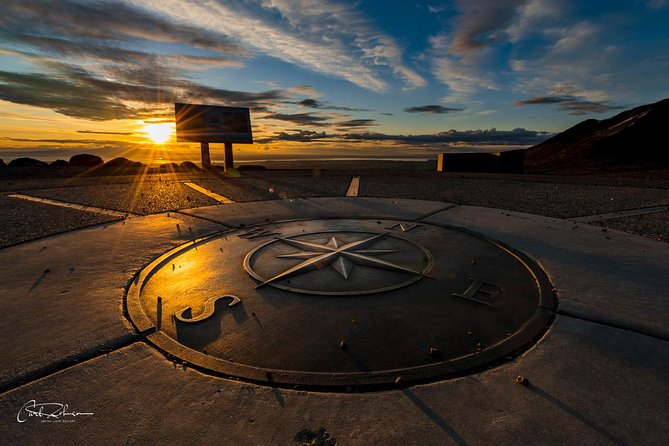
- Handpicked sunset stops across Anchorage: skyline, wetlands, mountain overlooks, and floatplanes
- Hands-on techniques taught during the route, including slow shutter speed for moving water
- Snacks included, plus weather-appropriate pacing for cold and windy mountain air
- Pickup available by request if you’re staying near downtown, Midtown, or Spenard hotels
Why this 4-hour Anchorage photo safari is such good value
At $195 per person, you’re paying for more than a van ride to pretty places. You’re buying focused time with someone who understands light, timing, and the practical mechanics of getting sharp shots at dusk. This is the kind of tour where the real value is that you leave with usable techniques, not just photos.
The route is short by design: about 4 hours total with multiple stops. That matters because sunset photography is time-sensitive. You don’t waste hours between viewpoints, and you get repeated chances to practice the same basics (focus, exposure, steadiness) as the light changes.
The small-group cap (max 10 travelers) is another big value lever. In a big crowd, you wait. In a small group, you can actually ask, try a setting, and adjust before the light slips away.
First stop: Point Woronzof and the Anchorage skyline glow
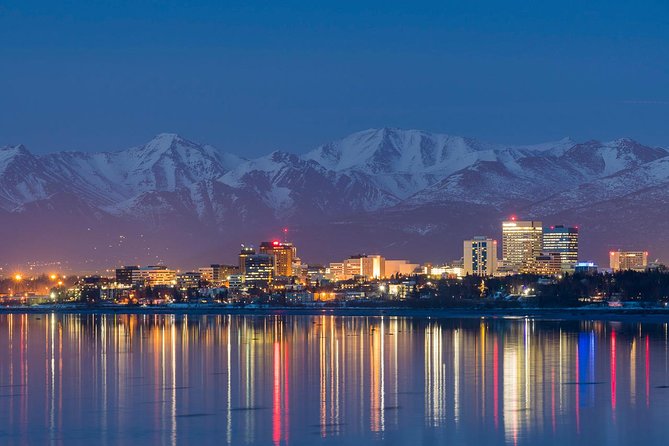
Point Woronzof is your warm-up. You start at the Anchorage viewpoint area to photograph evening light on the Anchorage skyline with the Chugach Mountains in the background. It’s a classic “composition + atmosphere” moment: the city lights start to appear while the mountains still hold the last color of sunset.
Why this stop works:
- You get an early chance to dial in exposure as it shifts from bright sky to darker foreground.
- You can practice framing skyline shots with mountains as a depth anchor.
What to consider:
- If the weather is windy or rainy, you’ll want to keep your camera steady and your hands warm. This tour runs in all weather conditions, so dressing for cold and damp matters.
Potter Marsh Bird Sanctuary: wildlife and wetlands at dusk
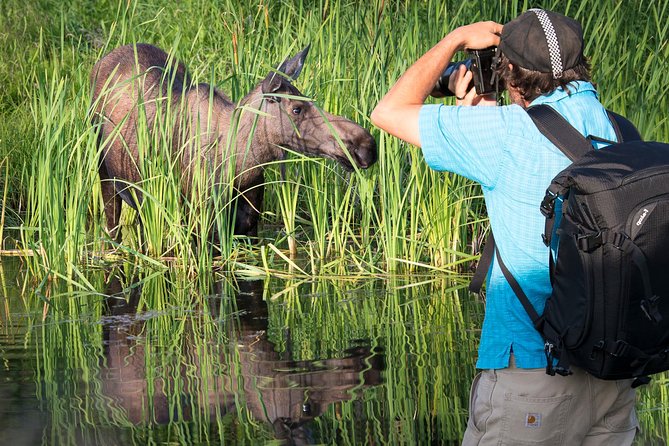
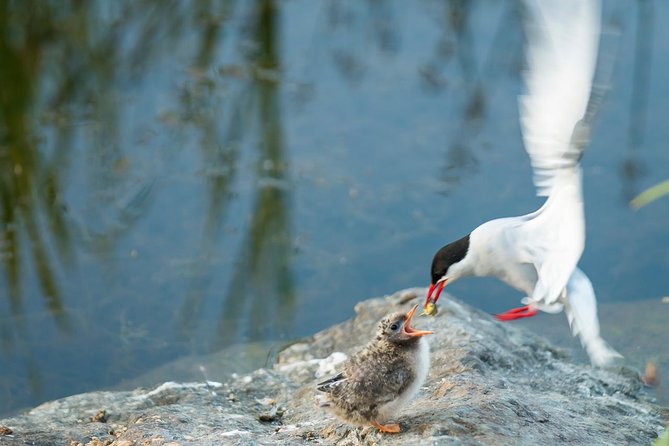
Potter Marsh Bird Sanctuary is the surprise-style stop. It began as an accidental wetland created during construction of the Alaska Railroad, and it’s now a major spot for migratory birds and other wildlife. You’ll spend about 30 minutes here, viewing and photographing what shows up in the low light.
Why you’ll like this stop:
- Wetlands give you more than one kind of subject. You might get birds in flight, birds perched near the water edge, or wildlife movement that’s easier to catch when the light softens.
- It’s a good break from city backdrops. Your photos will look less repetitive.
The main drawback is obvious but worth planning for: wildlife depends on conditions and timing. Some evenings you’ll see more than others. Still, even without a dramatic animal moment, wetlands often give you textures and reflections that photograph well.
Chugach State Park at Glen Alps: the high overlook effect
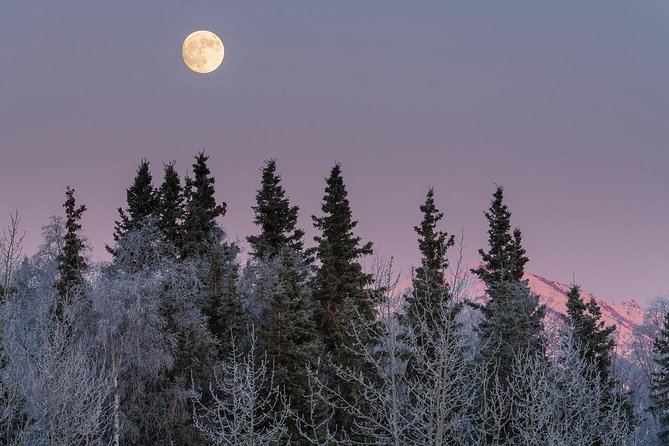
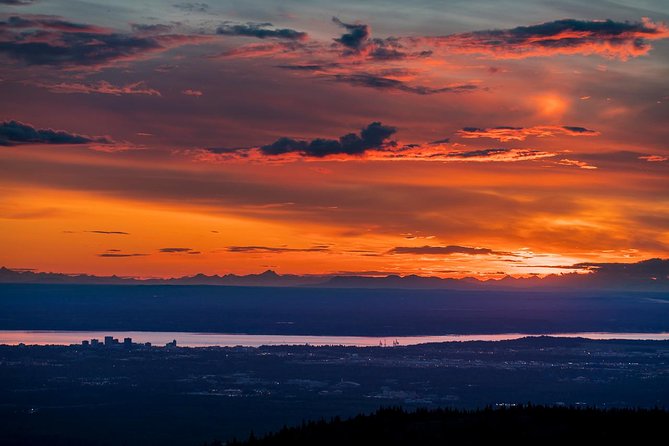
Next you head to the Chugach State Park area near Glen Alps, where you’ll photograph panoramic views overlooking Anchorage and Cook Inlet at sunset. This stop is all about scale: big sky, big views, and the kind of perspective you just don’t get from downtown streets.
Why this stop matters:
- You’ll likely shoot a mix of wide panoramas and detailed foregrounds.
- The angle up high helps you separate layers—city glow, water, mountains, and sky.
What to watch for:
- Mountain air can be windy and cold, especially near sunset. One review mentioned getting hot chocolate back after a tough-weather shoot, which hints at how quickly conditions can turn chilly in the higher areas.
- If you’re using heavier gear, make sure you’re comfortable moving it safely on uneven ground.
Lake Hood Harbor: floatplanes, motion, and sharp subject focus
Lake Hood Harbor is where Anchorage earns its reputation as the world of water-based aviation. You’ll photograph the iconic Alaskan floatplane at the busiest seaplane base in the world, with about 25 minutes at the harbor.
Why this is a standout stop:
- Floatplanes give you moving subjects, reflections, and repeated action in a small area. That’s perfect for practicing continuous focus and quick exposure adjustments.
- Even if you’re not chasing wildlife, you’ll have motion you can photograph.
A practical note:
- Motion is the challenge. If your shutter speed is too slow, planes can smear. If it’s too fast, you may struggle with dusk light. A pro guide can help you pick a workable balance.
McHugh Creek Recreation Area: slow shutter speed for cascading water
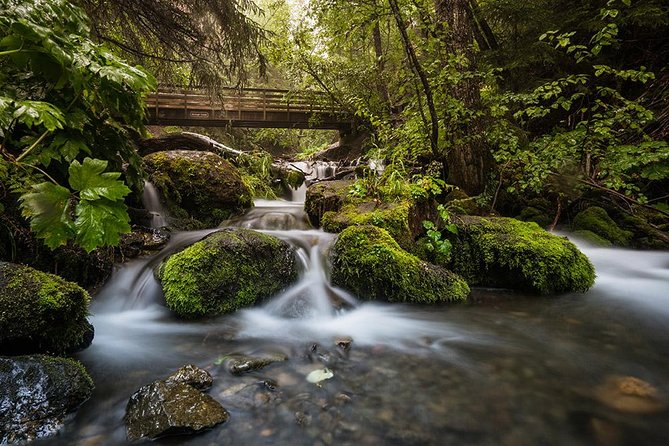
For a change of pace, the route includes McHugh Creek Recreation Area, where you’ll learn the slow shutter speed technique while photographing water cascading down a craggy mountainside. You’ll spend about 30 minutes here.
This is where the tour feels like a real photo class rather than a casual sightseeing loop. Slow shutter is one of those skills that improves your photos quickly once you understand what it’s doing.
What to expect:
- You’ll practice how to control water texture, usually by using slower shutter speeds while keeping the rest of your frame stable.
- Expect to use whatever stabilization setup you have (tripod if you bring one, or whatever support the guide suggests). Reviews mention guides being willing to help with tripods and options depending on gear.
One consideration:
- Long exposure means light management matters. At dusk, you may find yourself adjusting exposure more often than at daytime. The guide’s real job here is helping you not overthink it.
Who this photo safari is best for (and who might want to skip)
This is great for:
- Couples who want one planned activity that feels educational, not just scenic.
- Serious beginners who want a structured evening to learn settings and composition without trial-and-error stress.
- Anyone shooting wildlife and sunset in Alaska who wants a small group and more time per person.
It’s less ideal for:
- Travelers with severe mobility problems, since the route involves stop-to-stop walking and outdoor viewpoints.
- Parents planning to bring very young kids. It’s not recommended for children aged 8 and under.
If you’re worried about animals, read the room differently: even when wildlife is light, you still get multiple sunset and skyline photo opportunities plus technique training.
Gear, weather, and small tips that make a real difference
This tour runs in all weather conditions, so your job is to show up ready. Alaska evening gear matters more than people expect. Cold fingers slow you down. Wind makes stable shooting harder.
From the experiences shared:
- Bring mosquito spray. One review called out busy mosquitoes during summer shooting.
- Pack for cold mountain air. One guide reportedly had hot chocolate for the group after windy, chilly conditions, which is a helpful reminder to treat warmth as part of your photo plan.
- If you have a tripod, bring it. If you don’t, you can still participate, and guides may help suggest options. Reviews mention guides lending a tripod in at least one case, which tells you they think about practical solutions.
Logistics that keep the focus on photos
You meet at the Visit Anchorage Log Cabin Visitor Information Center, 546 W 4th Ave, Anchorage, AK 99501. The tour ends back at the meeting point.
Hotel pickup is available upon request. The primary pickup location is still the Log Cabin Visitor Information Center, but they may pick up at an Airbnb only if it’s near a hotel in Downtown, Midtown, or Spenard. In plain terms: if you’re staying central-ish, pickup is more likely to work smoothly.
You’ll use a mobile ticket and you’ll receive confirmation at booking. The tour is offered in English and is near public transportation, which is helpful if you don’t want to rely on a car.
Is $195 worth it for a sunset photo class plus wildlife stops?
For what you get, yes—if your goal is better photos, not just a view.
Here’s the value math that matters:
- Professional photographer guide + local guiding
- Small group size (max 10)
- Multiple shooting locations timed around evening light
- Snacks included
- State park fees included
- Pickup/drop-off option if selected
If you were to hire a private photographer or take a multi-stop tour with that kind of instruction, $195 would likely be only the starting point. What makes this good value is that the price includes the practical stuff: someone actively coaching your camera decisions, not just pointing you toward scenery.
Should you book Sunset Photo Safari?
Book it if you want a fun evening that turns into real learning. This is a strong choice when you’re arriving in Anchorage and want to get better quickly—especially at sunset—across city views, wetlands, mountains, floatplanes, and waterfall photography.
Consider skipping or adjusting expectations if your only priority is guaranteed wildlife. Wildlife sightings can’t be forced, and conditions can change. But even then, you’re still getting a smart sequence of photo stops plus technique coaching that pays off later.
If you’re on the fence, pick the tour date when weather looks best—and then dress for the cold anyway. In Anchorage, the sky can change fast, and you’ll be glad you came prepared.
FAQ
How long is the Sunset Photo Safari?
The tour runs for about 4 hours.
Where does the tour start and end?
It starts at the Visit Anchorage Log Cabin Visitor Information Center, 546 W 4th Ave, Anchorage, AK 99501, and it ends back at the same meeting point.
Is hotel pickup included?
Hotel pickup is available if you select the option. The primary pickup location is the Log Cabin Visitor Information Center, and pickup details note they only pick up at certain Airbnb locations near hotels in Downtown, Midtown, or Spenard.
How many people are in the group?
The tour has a maximum of 10 travelers.
What stops are included on the route?
The route includes Point Woronzof, Potter Marsh Bird Sanctuary, Chugach State Park (Glen Alps area), Lake Hood Harbor, and McHugh Creek Recreation Area.
Do I need to pay admission at the stops?
Admission tickets are listed as free at each stop shown, and state park fees are included.
Does the tour run in bad weather?
It operates in all weather conditions, so you should dress appropriately.
What kind of photography techniques will I learn?
You’ll get help improving your photos, and at McHugh Creek Recreation Area you’ll learn slow shutter speed technique for photographing cascading water.
Is the tour suitable for children?
It is not recommended for child aged 8 and under.
Is it accessible for travelers with mobility issues?
It is not recommended for travelers with severe mobility problems.