REVIEW · TRINCOMALEE
Trincomalee: Whale & Dolphin Safari Tour with Expert Guides
Book on GetYourGuide →Operated by Trinco Bay Dive Center / Weligama Bay Dive Center · Bookable on GetYourGuide
Trincomalee mornings bring whales into reach. I like that this trip is built around a small boat and an early start, so you’re out there when wildlife activity is best and you’re not stuck with a floating traffic jam. I also like the practical, safety-first vibe: life jackets on board and a crew that follows international whale-watching distance rules. One possible drawback: there’s no guarantee you’ll see whales every time, and a few recent outings turned into a dolphins-and-wildlife morning instead.
This is a one-day, 2–3 hour ocean outing that starts at Trinco Bay Dive Center and aims for frequent sightings of blue whales, sperm whales, spinner dolphins, and even rarer encounters like killer whales. You also get ocean extras such as turtles, flying fish, seabirds, and a classic Trincomalee bonus—the Hindu temple view from the water when you cruise back in.
In This Review
- Key things I’d look for before you book
- Trincomalee’s early hours: when whale-watching odds improve
- From Trinco Bay Dive Center to open water: what boarding feels like
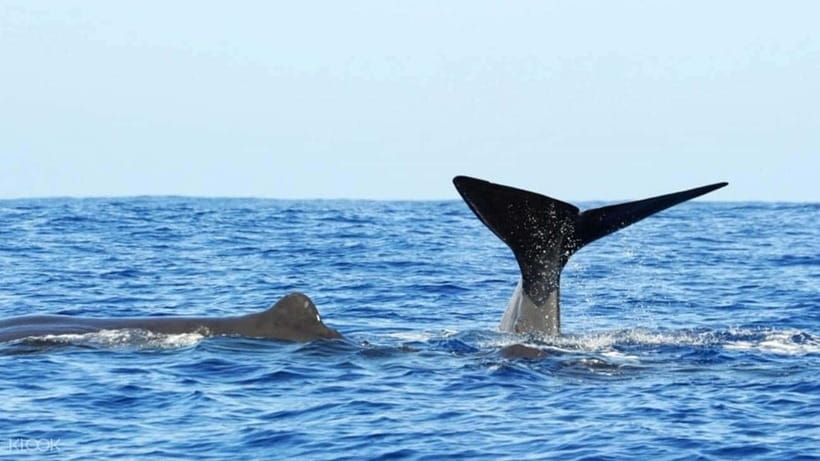
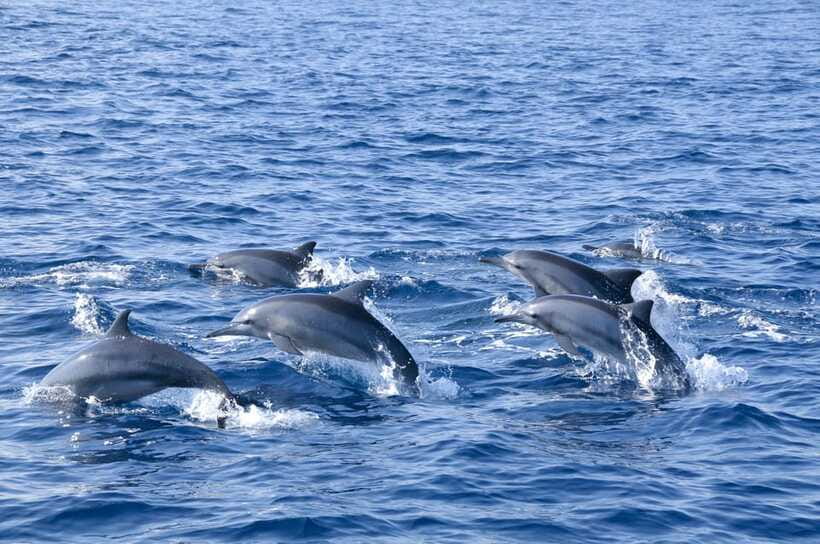
- The safari plan: blue whales, sperm whales, and spinner dolphins
- Ethical whale watching in practice: distance, calm engines, and quick rerouting
- The ocean extras: turtles, flying fish, and seabirds
- Getting the temple view on the way back
- How long it really takes: 2–3 hours on the water
- Price and value: how $71 stacks up for a wildlife search
- What to bring for comfort and better photos
- Who this tour suits best (and who should skip it)
- A quick decision guide: should you book this Trincomalee safari?
- FAQ
- What species are the guides looking for during the tour?
- How long is the whale and dolphin safari in Trincomalee?
- Where do I meet for the tour?
- What’s included in the ticket price?
- Do I get hotel pick-up and drop-off?
- What languages are available for the live tour guide?
- Is the tour suitable for everyone?
Key things I’d look for before you book
- Small, intimate boat time: You’ll generally get a more personal setup than packed tours at sea.
- Respecting animal space: The crew aims to reduce disturbance and follows whale-watching guidelines.
- Morning timing matters: Early departures improve your odds for sightings.
- More than whales: Dolphins are common, and turtles, seabirds, and other marine life can add punch.
- Your crew actively looks: Guides help you position yourself for sightings so everyone gets a fair look.
Trincomalee’s early hours: when whale-watching odds improve
If you only remember one thing, make it this: the morning is where you want to be. The tour runs early, and that timing lines up with why whale watching works in the first place—animals surface and travel on their own schedule, and going out at the right time gives you a better shot.
This matters for your expectations. Even with skilled spotters, the ocean decides. In real life, a “whales on the day” outcome can range from multiple sightings to no whales at all—while dolphins and birds still show up. So I treat this tour like a high-reward nature search, not a guaranteed wildlife checklist.
From Trinco Bay Dive Center to open water: what boarding feels like
You meet at Trinco Bay Dive Center, at 41 Alles Garden in Trincomalee, inside/through the Aqua Hotel area next to Fernando’s Bar (and the Fernando’s Beach Market spot). The tour includes a speed boat, life jackets, and light refreshments (water and biscuits), plus an on-board guide.
Why I like this setup: it keeps things straightforward. You don’t need to assemble gear, manage transfers, or figure out where to go once you’re in the area. And since the tour lasts about 2–3 hours, it doesn’t swallow your whole day.
A practical consideration: no large luggage or big bags are allowed. Bring what you need for the sea—camera, sunscreen, sunglasses—and keep it simple. That small packing discipline helps once you’re on a boat where space can be tight.
The safari plan: blue whales, sperm whales, and spinner dolphins
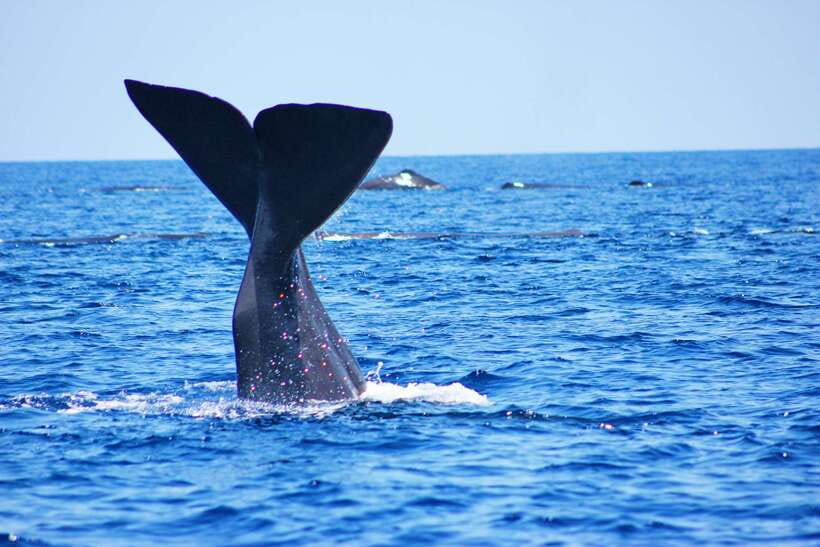
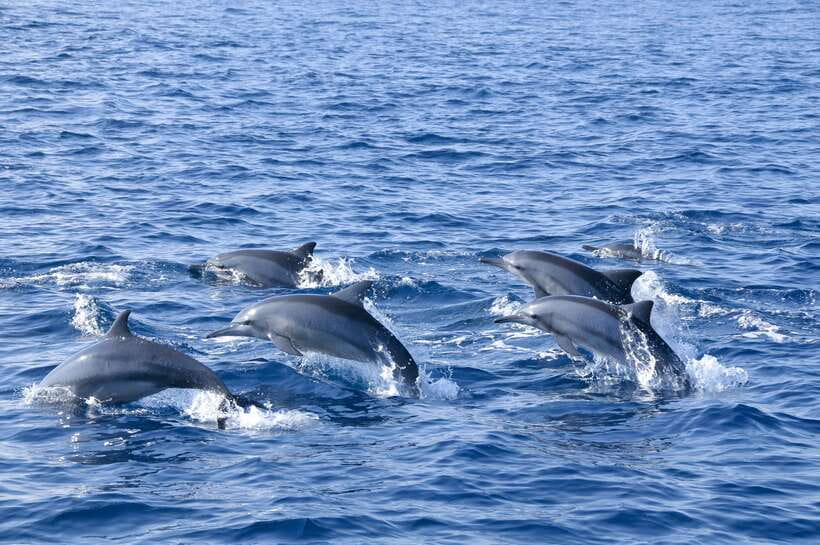
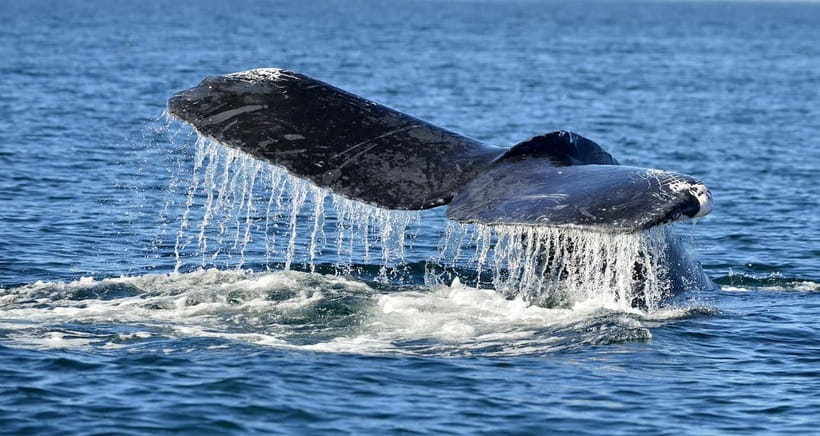
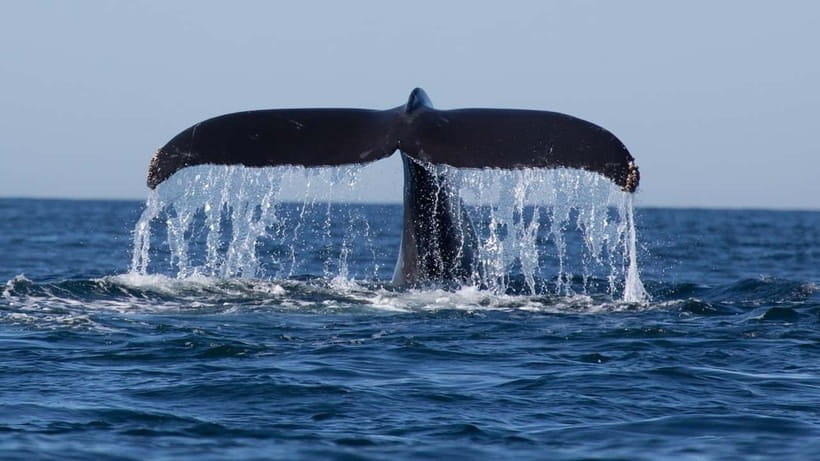
Once you’re out on the water, the experience becomes a real-time wildlife search. The guide leads you toward areas known for more frequent sightings, with the goal of spotting big-name species like blue whales and sperm whales, along with playful dolphins such as spinner dolphins.
Here’s what you can realistically expect in the action rhythm:
- You cruise and scan for signs of surfacing.
- When the crew spots potential wildlife, the focus shifts to positioning for clear views and photos.
- You spend time observing—this is not a “rush over there and blast past” style outing.
From reported sightings, dolphins are the most consistent highlight. Many departures include pods swimming close to the boat and surface activity you can actually enjoy (not just see from a distance). Some trips also include whales—like fin whale sightings—while others come up short for whales and still feel like a full morning because the dolphins and ocean birds keep you busy.
Ethical whale watching in practice: distance, calm engines, and quick rerouting
What makes this tour feel worth it is the way the crew manages wildlife contact. The operation follows international whale-watching standards for approaching and staying at a respectful distance. And in the real-world feedback, one theme shows up again and again: they try not to chase, and they act early to avoid stressing dolphins.
That matters because whale watching can get messy fast. A lot of boats on the same patch of water can disrupt animal behavior, even if everyone has good intentions. The crew’s approach is to keep things calm and move away when needed, so the animals can keep doing their thing.
Is it perfect every time? No. Nature and the ocean’s traffic situation can’t be controlled. But this is the difference between a tour that feels responsible and one that feels like a parade. I’d choose the responsible option every time.
The ocean extras: turtles, flying fish, and seabirds
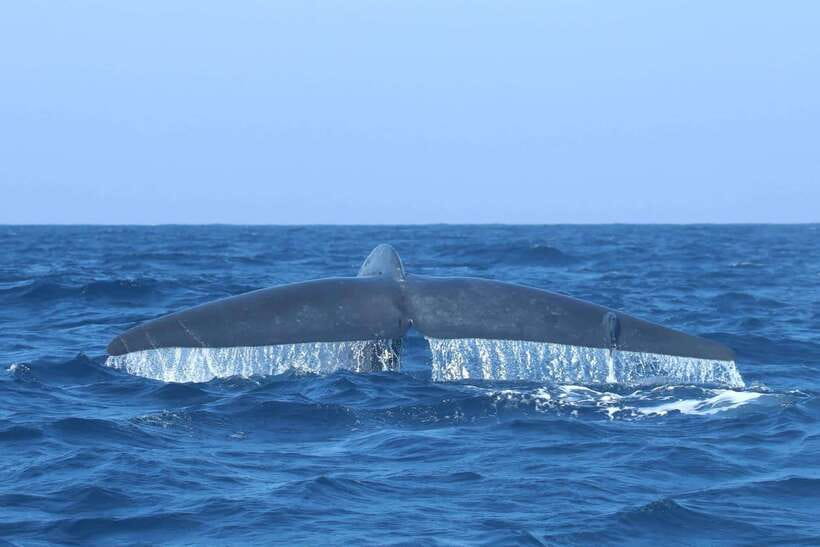
Even when whales are quiet, the water doesn’t go blank. The tour is set up to look for turtles, flying fish, and a variety of seabirds while you scan for larger mammals.
Why this is valuable for you: it lowers the odds of a disappointing outing. Dolphins can steal the show, sure—but having a broader checklist helps you enjoy the ride even if the big whale surfaces are delayed or absent that day.
Also, these smaller sightings are often easier to photograph because they happen closer to the surface and around boat traffic routes. So bring your camera and don’t lock into one hope only.
Getting the temple view on the way back
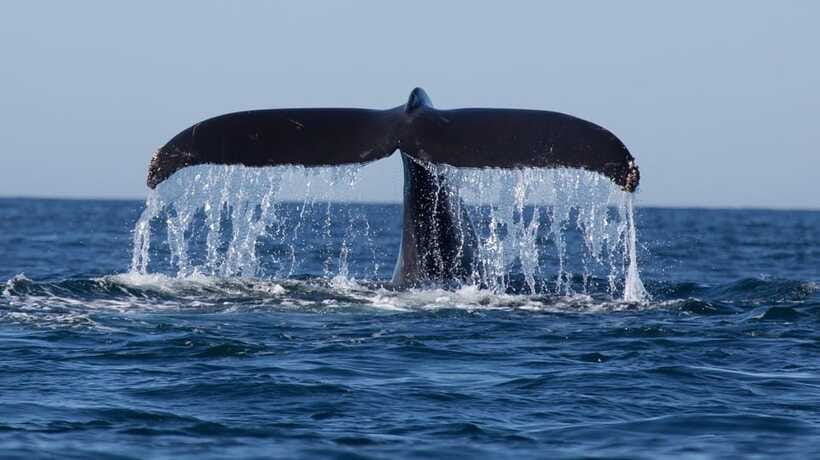
Trincomalee has that classic coastal identity, and this tour gives you a moving viewpoint from the water. The cruise back includes views of the Hindu temple as you head toward shore.
Why it’s not just a photo break: it makes the experience feel connected to the place instead of being only about offshore wildlife. You start with the sea, you end with the coast, and the temple view gives the morning a satisfying finish.
How long it really takes: 2–3 hours on the water
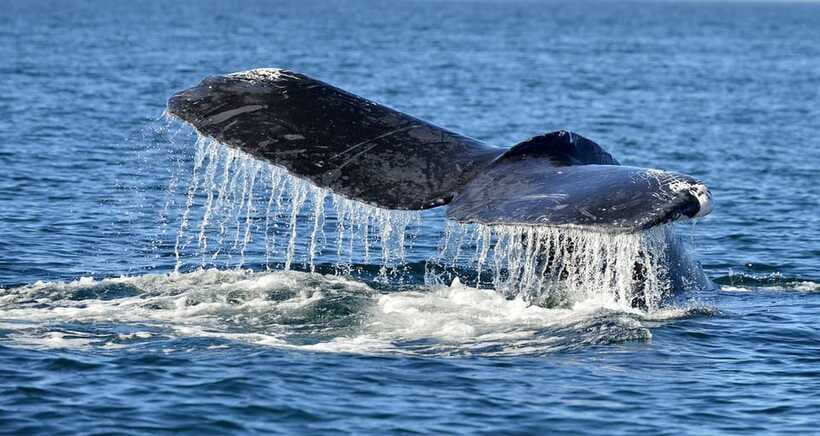
This tour is short in a good way. Expect roughly 2–3 hours total time on the outing, with the early departure being the key piece.
That timing helps for planning:
- You can fit it without losing a full day.
- You’re not committing to a long sea stretch if conditions change.
- It works well as a top activity when you’re trying to balance wildlife time with temple time, beach time, and meals.
If you’re someone who gets motion-sensitive, consider bringing what helps you on boats (simple motion-sickness support you already trust). The information provided doesn’t spell out a “sea sickness policy,” but the sensible move is to be prepared since it’s a speed boat.
Price and value: how $71 stacks up for a wildlife search
At about $71 per person, you’re paying for a guided speed-boat expedition with life jackets, marine-guided interpretation, light refreshments, and all fees and taxes included. Hotel pick-up and drop-off isn’t included, though it can be arranged for an extra charge.
Here’s how I think about value:
- You’re not just buying “a boat ride.” You’re buying a crew that actively searches in known areas and follows distance guidelines.
- You’re also buying a small-group feel, which usually means you can see more and feel less crowded when wildlife appears.
- The big variable is nature. Sometimes it’s whales, sometimes it’s dolphins and other life. That randomness is part of the ecosystem, not a “scam” signal.
So if you want a guaranteed outcome, no whale-watching tour can promise that. If you want the best odds plus an ethical approach, this price can feel reasonable—especially compared to tours that pack more people and don’t focus as hard on animal welfare.
What to bring for comfort and better photos
You don’t need a fancy kit. The useful, supported list is simple:
- Sunscreen
- Sunglasses
- Towel
- Camera
- Sunglasses again (okay, kidding—one pair is enough)
- (And plan on wearing layers you’re comfortable getting spray on)
I’d also add one common-sense tip from how these small boats work: keep your camera accessible. When a pod surfaces, you don’t want to be digging through a bag.
One more detail: luggage or large bags aren’t allowed. So if you’re coming straight from a day bag or hotel storage, keep your ocean-day stuff in a small, manageable carry.
Who this tour suits best (and who should skip it)
This tour makes the most sense if you:
- Want early-morning wildlife time without a full-day commitment.
- Appreciate ethical guidelines and calm handling around marine animals.
- Like the idea of dolphins as a strong likelihood, with whales as the big bonus.
It’s not suitable for pregnant women, based on the provided information.
If you’re traveling with kids, this is more about “short, exciting nature time” than long structured education. Just remember you’ll be on the water for 2–3 hours, so plan for sun protection and water-related comfort.
A quick decision guide: should you book this Trincomalee safari?
Book it if you want a small-boat, respectful whale-and-dolphin experience with a strong chance of dolphins and the possibility of whales and sea turtles. The ethical handling and the calm approach are the real selling points, not just the species list.
Skip (or at least think twice) if you need a strict guarantee of blue whales or whales at all. Some outings come up short for whales but still deliver a strong marine morning with dolphins, sharks, and seabirds—so go in ready to enjoy the full ocean picture, not only one target animal.
If your goal is to watch marine life without turning it into a crowd scene, this is the kind of tour I’d be happy to plan around.
FAQ
What species are the guides looking for during the tour?
The tour aims to spot blue whales, sperm whales, and dolphin pods such as spinner dolphins. There’s also the possibility of rarer sightings like killer whales, plus turtles, flying fish, and seabirds.
How long is the whale and dolphin safari in Trincomalee?
The tour runs for about 2–3 hours.
Where do I meet for the tour?
You meet at Trinco Bay Dive Center in Trincomalee, located in the Aqua Hotel area next to Fernando’s Bar (and near Fernando’s Beach Market).
What’s included in the ticket price?
Included are the speed boat, a guide, water and biscuits, life jackets, and all fees and taxes. Light refreshments are provided on board.
Do I get hotel pick-up and drop-off?
Hotel pick-up and drop-off are not included, but they can be arranged for an additional charge.
What languages are available for the live tour guide?
The live guide is available in English, German, French, Russian, and Chinese.
Is the tour suitable for everyone?
The tour is not suitable for pregnant women. You should also follow the luggage rule: no luggage or large bags.