REVIEW · UDAWALAWA NATIONAL PARK
Udawalawa National Park: Private Safari
Book on GetYourGuide →Operated by Lakpura® · Bookable on GetYourGuide
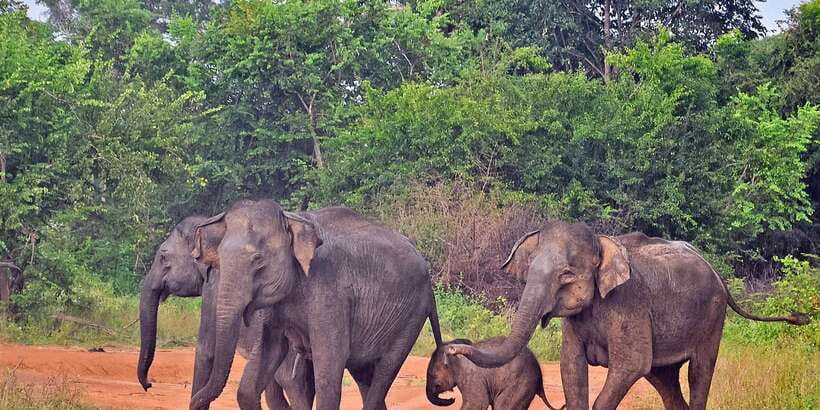
One of Sri Lanka’s easiest ways to meet elephants close up. A private Udawalawa National Park safari gives you a focused, guide-led hunt for wildlife in a park often described as quiet and largely undisturbed. In just 3 hours, you’re in a 4×4 jeep with an experienced driver and tracker, watching for herds of elephants and a whole mix of other animals.
What I like most is the way the guiding feels patient and wildlife-first. Guides such as Ashan and Asanka are praised for spotting small movement fast, then explaining what you’re looking at—from birds and lizards to plants.
The main thing to think through is cost on arrival: entrance tickets to the National Park aren’t included, and there’s also no food built in. If you show up hungry, you’ll need to handle that separately.
In This Review
- Key points before you go
- Udawalawa National Park: why this safari feels worth your time
- The 4×4 jeep plan: how your 3 hours usually play out
- Spotting elephants the right way: herds, bulls, and respectful distance
- Beyond elephants: water buffalo, wild boar, deer, and the night-watch mindset
- Birding in Udawalawa: where small sightings turn into the highlight
- Reptiles and predators: crocodiles, jackals, and birds of prey
- Price and what you really get for $25
- Logistics that matter: pickup, drop-off, and where the safari starts
- What to bring (and what to leave behind)
- Who this private Udawalawa safari suits best
- A quick reality check: the pace you should expect
- Should you book this Udawalawa National Park private safari?
- FAQ
- How long is the Udawalawa National Park private safari?
- What does the tour price include?
- Are park entrance tickets included?
- Where does the safari start?
- Do you provide food or drinks?
- How many people are in a jeep?
- What language is used?
- Is smoking allowed during the safari?
- Can I bring a drone?
- What should I bring for the safari?
Key points before you go
- Private jeep (max 6 passengers) means less waiting and more control of pacing
- Elephant herds are the headline, with bulls and family groups often targeted
- Bird-watching is strong: you may spot species like jungle fowl, spur fowl, and green pigeon
- Guide spotting style matters: people highlight sharp eyes and calm, careful driving
- You get education, not just driving: plants and small creatures get pointed out too
- Entrance fees and no-meal setup can change your total day cost
Udawalawa National Park: why this safari feels worth your time
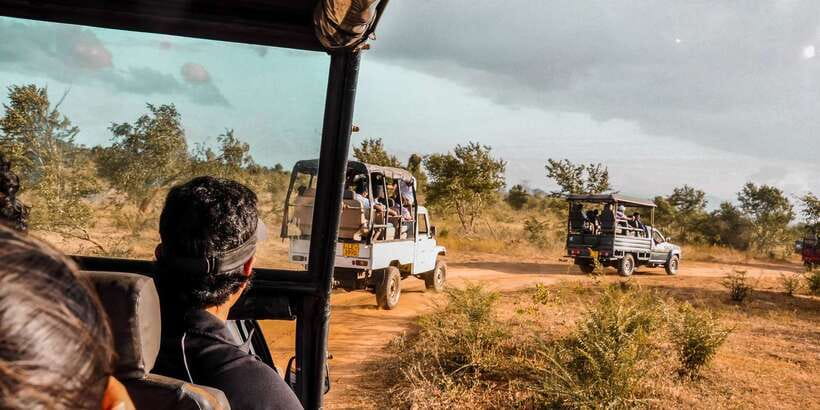
Udawalawa National Park is famous for elephants, but the better pitch is that it’s also a living habitat with a steady flow of life. This private safari is designed for real wildlife viewing, not a rushed checklist. You’re in the park for 3 hours, which is long enough to settle in and catch animals that only show up after the jeep stops, scans, and waits.
The private format changes the vibe. With a maximum of 6 passengers per jeep, you’re not packed into a crowd, and your guide can often choose routes based on animal activity rather than managing dozens of faces at once.
Another reason Udawalawa works: it’s a place where birders get pulled in, even if you came for elephants. Your guide will be watching for more than one category of wildlife, and the more you see (elephants, then birds, then reptiles), the more the park starts to feel like a whole system instead of one big animal moment.
The 4×4 jeep plan: how your 3 hours usually play out
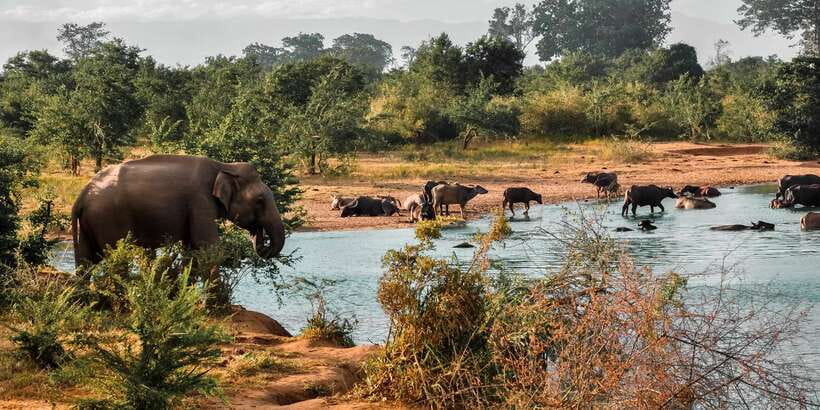
This is a short safari by design, so the goal is efficiency without feeling frantic. You’ll start at a pickup point (it depends on your option), then head into Udawalawa National Park for wildlife viewing. The trip is built around that 3-hour viewing block rather than a long travel day.
A key practical detail: you’re traveling in a 4×4 safari jeep, and people consistently mention the high vantage point. That matters because in a park with tall vegetation and shifting animal movement, being able to see over grasses and scan treelines can mean the difference between a quick glimpse and a solid sighting.
Also pay attention to driving style. In reviews, guides like Darmasiri and Ruwan get credited for being careful on the road and for keeping a respectful distance from elephants. One reviewer even emphasized that the guide tried to avoid other jeeps, which can make the whole viewing calmer—less engine noise, fewer sudden stops, and more time for animals to return to normal behavior.
Spotting elephants the right way: herds, bulls, and respectful distance
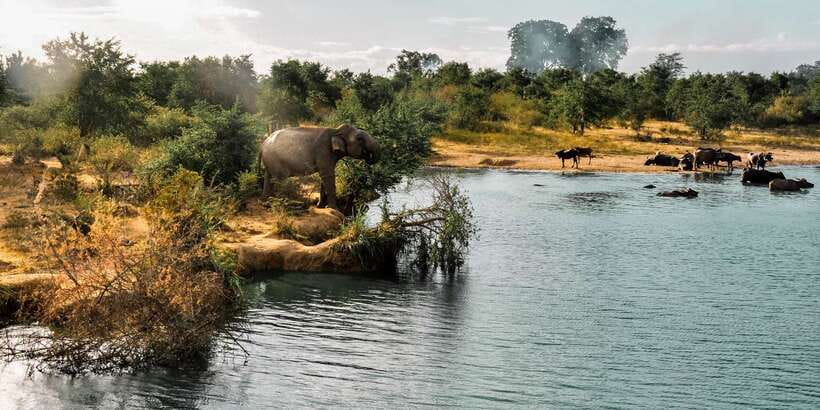
Elephants are the main event here, and you should expect a serious focus on them. Your guide and tracker are there to locate and interpret elephant presence: family groups, bulls, and the subtle signs that elephants are nearby even before you see them fully.
What I like about the way this safari is described is the emphasis on respectful viewing. Multiple guides are praised for listening to what visitors want—for example, seeing animals without trying to get too close. That’s not just a feel-good rule. It also tends to improve the experience because elephants are less likely to change direction suddenly when they’re not being pressured.
If you’re an elephant fan, it’s worth knowing that sightings can come in different “modes.” Some moments are dramatic—moving herds and clear family groups. Others are quiet: one bull in the distance, water-related activity, or an animal that appears after a pause. A good guide manages the waiting part, and that’s where the tracker earns their keep.
Beyond elephants: water buffalo, wild boar, deer, and the night-watch mindset
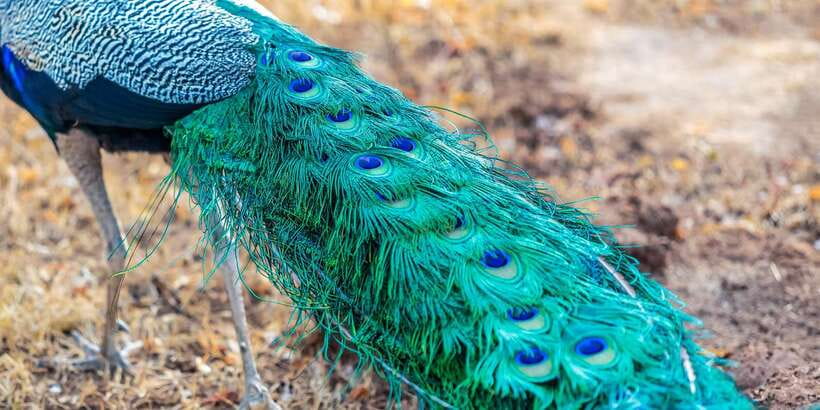
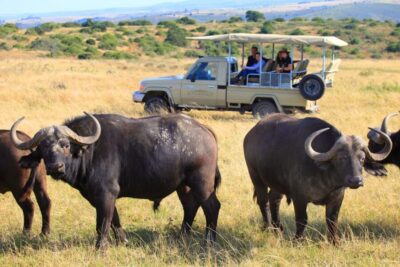
Udawalawa isn’t only about elephants. You might see water buffalo, wild boar, and spotted deer—the kind of animals that make a safari feel balanced rather than one-note.
The practical angle: these animals often show up in the gaps between the big sightings. A herd of elephants may take time to appear or reposition, and during that window your guide can shift attention to tracks, movement, and bird behavior. If you only look for elephants nonstop, you can miss the rest of the park’s story.
This is why the “tracker + driver” combination matters. A driver who simply follows a route can get you into the right areas, but a tracker is the difference-maker when animals are partially hidden. Reviews point to guides with “super eyes” for small movement, and that same skill helps with buffalo, boar, and the smaller mammals you might otherwise overlook.
Birding in Udawalawa: where small sightings turn into the highlight
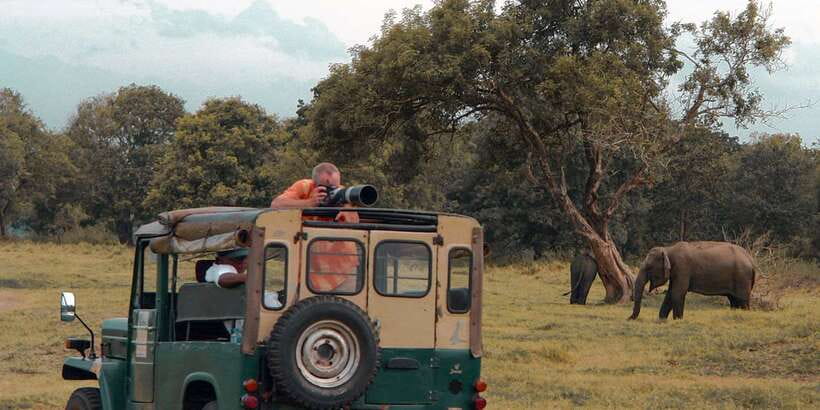
If you care about birds, this safari has a genuine edge. Several reviews mention guides who spend time on birds and even point out chameleons and small wildlife. Your guide may also use the wider viewing stops to explain plants and other animals, which makes the birding feel guided rather than random.
You also get a strong hint about likely birds from the safari description: you might spot Sri Lankan Jungle Fowl, Spur Fowl, and Green Pigeon. Even if you don’t get every species, the bird-focused approach can still pay off because your guide is actively searching, not waiting for you to notice.
Birding tips that are actually useful here:
- Bring sunglasses and a hat so you can keep scanning without squinting
- Be ready for “movement birds” rather than only birds that sit still
- When your guide stops, stay quiet and watch what changes in the vegetation
This kind of listening-and-watching rhythm is where Udawalawa often wins. The best moments aren’t only the first elephant you see—they’re the sequence of smaller things your guide helps you notice.
Reptiles and predators: crocodiles, jackals, and birds of prey
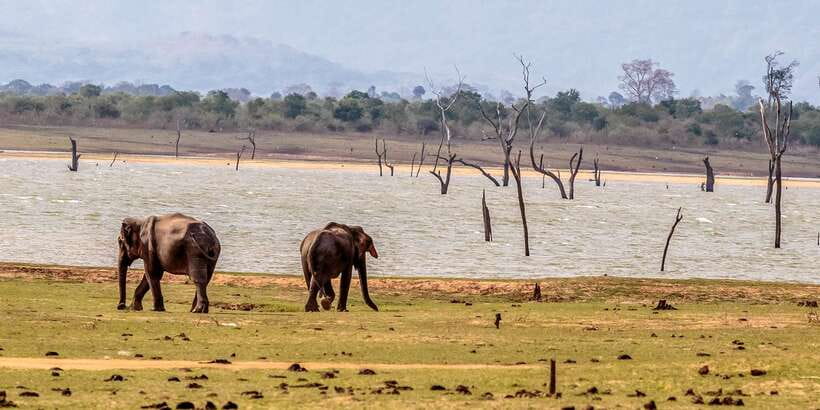
Elephants and birds are the headlines, but don’t sleep on the rest. Reviews include sightings of crocodiles and even eagles and other birds of prey. There are also mentions of golden jackals and mongoose, which tells you the safari can cover more than just big mammals.
What’s valuable for you is the guide’s ability to switch focus quickly. When a chance predator or reptile appears, you need someone who can read the situation fast and guide you to a good viewing spot without crowding other vehicles.
One reviewer also praised the guide for pointing out “plants and other animals” alongside the big mammals. That matters because reptiles and predators aren’t always visible at first. If you understand what the guide is watching for—water edges, motion lines in grass, perching behavior—you start spotting cues yourself, even on your first safari in the country.
Price and what you really get for $25
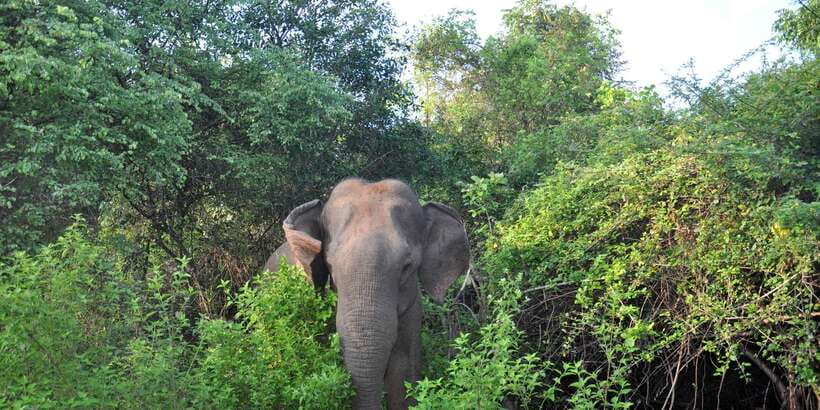
The headline price is listed as $25 per person for a 3-hour private safari, but your total cost in practice depends on park entry. The tour includes the 4×4 safari jeep, an experienced driver and tracker, all taxes and service charges, and water.
Entrance tickets are explicitly not included, so plan for that add-on. A review called out that the entrance fee can feel expensive, which is fair: safari prices can look low until you factor in the park ticket.
Here’s the value math I’d use before booking:
- You’re paying for a private jeep setup (up to 6 passengers), not just general park access
- You’re getting both driver + tracker skills, which increases your odds of good sightings
- You’re getting water included, which is one less thing to worry about in the sun
If you’re traveling with a small group and you split the jeep, this can be a strong value way to target elephants and birds without sacrificing comfort. If you’re solo, it still can be worthwhile, but the entrance fee will weigh more on your personal budget.
Logistics that matter: pickup, drop-off, and where the safari starts
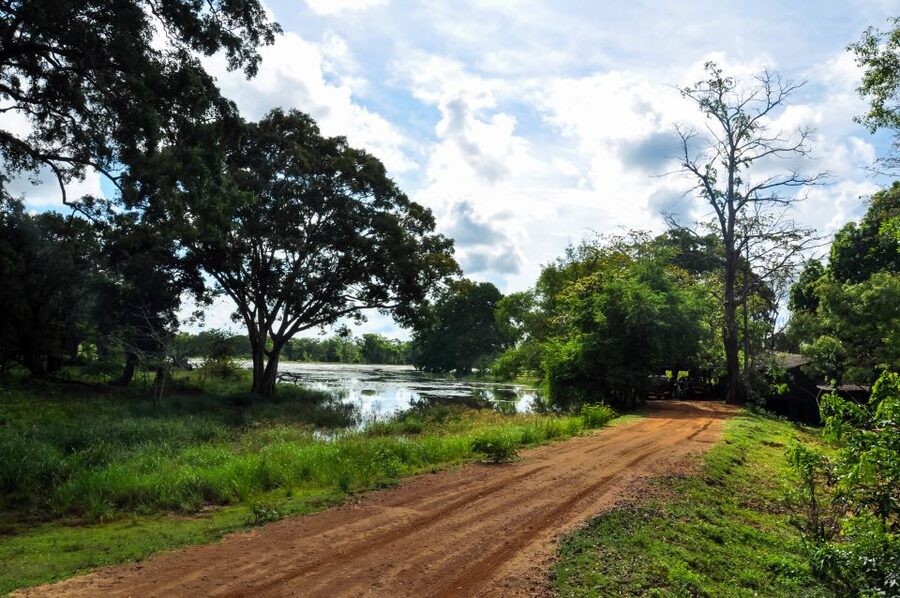
Your meeting point is Udawalawa National Park. Pickup varies by option, but the safari offers free pickup and drop-off within a 5 km radius of the Park Gate. That’s a practical detail because it can reduce the hassle of coordinating transport on your end.
Private group means you shouldn’t expect a shared-ride feel. Instead, you’re coordinating with one jeep and one guide plan. This is especially helpful if you want a particular style of viewing—slower stops for birds, extra time for elephants, or a calm approach to avoid pushing animals.
One more practical note: English is listed for the host/greeter and guides described in reviews. If you’re comfortable asking questions, this is a safari where your guide can turn quick sightings into real learning.
What to bring (and what to leave behind)
This is a sun-and-wildlife outing. The tour tells you what to bring, and you’ll feel the difference when you actually use it.
Bring:
- Sunglasses
- Sun hat
- Sunscreen
Also remember: food isn’t included. The description notes no breakfast, lunch, or dinner. So either eat before you go or plan for something after.
Not allowed:
- Smoking
- Drones
- Alcohol and drugs
That list is there for a reason: safari rules are tighter than a city day out, and keeping it clean and quiet helps everyone, including the animals.
Who this private Udawalawa safari suits best
This safari fits best if you want a calm, focused wildlife session rather than a long, exhausting day. I’d especially recommend it if:
- You care about elephants but don’t want a chaotic viewing setup
- You’re into birds and want your guide to help you spot species and notice behavior
- You prefer a pace that responds to what you’re seeing (waiting without pressure)
It can also work well for families or mixed groups because the duration is only 3 hours, and the private jeep format keeps it more comfortable than some crowded options.
If you’re expecting the maximum number of elephants possible at all times, keep your expectations flexible. Udawalawa is active and alive, but animal movement is animal movement. A thoughtful guide can maximize your chances, but the park doesn’t operate like a zoo schedule.
A quick reality check: the pace you should expect
From how the guides are described, the experience isn’t about rushing to the next spot the second you notice something. Several reviews highlight guides who take their time, wait for your comfort level, and keep driving respectful.
That means you should bring patience. The best wildlife viewing often includes sitting still, scanning, and letting animals decide when to show themselves. If you’re the type who gets restless in the outdoors, tell your guide what you’re hoping for—elephants first, birds first, or a balanced mix—and they can shape the route inside the 3-hour window.
Should you book this Udawalawa National Park private safari?
I’d book it if you want a private, guide-led elephant and bird safari that stays relaxed and respectful. The combination of a 4×4 jeep, an experienced driver and tracker, and a bird-savvy approach (with guides praised for spotting both big and small wildlife) is exactly what makes Udawalawa more enjoyable than “just driving around.”
Skip or reconsider if you’re trying to keep your day budget ultra-tight, because the park entrance ticket is extra and there’s no food included. Also, if you absolutely need specific timing like a full morning or a meal included, you’ll want to pair this with food plans of your own.
If you do book, do yourself a favor: come prepared for sun, ask your guide for the style of viewing you want, and lean into the waiting moments. Udawalawa rewards calm attention.
FAQ
How long is the Udawalawa National Park private safari?
The safari lasts 3 hours for wildlife viewing.
What does the tour price include?
It includes a 4×4 safari jeep, an experienced driver and tracker, all taxes and service charges, water, and free pickup/drop from within a 5 km radius of the Park Gate.
Are park entrance tickets included?
No. Entrance tickets to the National Park are not included.
Where does the safari start?
The meeting point is Udawalawa National Park, and pickup depends on the selected option.
Do you provide food or drinks?
Water is included, but food or drinks are not included.
How many people are in a jeep?
The jeep holds a maximum of 6 passengers.
What language is used?
The host/greeter is listed as English.
Is smoking allowed during the safari?
No, smoking is not allowed.
Can I bring a drone?
No, drones are not allowed.
What should I bring for the safari?
Bring sunglasses, a sun hat, and sunscreen.