REVIEW · WILPATTU NATIONAL PARK
Wilpattu National Park Safari | Jeep with Tickets
Book on Viator →Operated by Travceylon Leisure · Bookable on Viator
Willpattu is where patience pays off. I like the private safari jeep setup and the way your driver-tracker keeps scanning the park, and I love how the famous Willus (sand-rimmed water basins) shape the whole safari. The main consideration: the experience can run from 4 to 12 hours, so a shorter session gives you less time to work through the best areas and light.
For full-day safaris, the included food matters more than you’d think—breakfast, lunch, plus snacks and refreshments keep the day from turning into a stress-fest. The trade-off is simple: you will be in the park for most of the session, so plan your day around it rather than trying to stack other stops.
In This Review
- Key highlights
- Wilpattu’s Willus: The Safari Geography You Actually Feel
- Private Jeep, Realistic Timing, and Your Driver-Tracker Role
- Entering Wilpattu: Tickets Included and How the Day Starts
- Leopard Chances in Wilpattu: Why the Park’s Reputation Isn’t Just Hype
- Meals and Snacks on Safari: Why Included Food Is Real Value
- Price and Value at $95: What You Get for the Money
- Best For Who: Perfect Safari Fit and Who Should Rethink
- Tips to Turn a Jeep Safari into Real Animal Time
- Should You Book This Wilpattu National Park Jeep Safari?
- FAQ
- How long is the Wilpattu National Park safari?
- Is the entrance ticket included?
- Do I get pickup from my hotel?
- What’s included during the safari?
- Is it a private tour?
- What happens if weather is bad?
Key highlights
- Willus water basins: Nearly 106 lakes and tanks spread across Wilpattu make for a unique safari geography.
- Private jeep + driver-tracker: You go in your own group, with an experienced driver who’s also your tracker.
- Tickets included, pickup inside 5 km: Entrance tickets are part of the deal, with free pickup/drop-off only within 5 km of the park gate.
- Full-day meals and refreshments: Breakfast and lunch (full day), plus snacks, water, and refreshments.
- Leopard reputation backed by camera work: A 2015 remote camera survey photo-captured 49 individual leopards.
- Mobile ticket and flexible length: Your session can be 4 to 12 hours depending on what you choose.
Wilpattu’s Willus: The Safari Geography You Actually Feel
Wilpattu National Park covers 1,317 square kilometers, and it feels huge once you’re inside. The park sits in Sri Lanka’s northwest coast lowland dry zone, with elevations ranging from sea level up to about 152 meters. In plain terms: you’re not just driving on a flat route. You’re moving through an area with real variety, and that affects where animals choose to hang out.
The headline feature is the Willus—natural, sand-rimmed basins or depressions that fill with rainwater. Think of them as water islands in a dry environment. Nearly one hundred and six lakes (Willu) and tanks are scattered through the park, so your driver-tracker can steer your route around reliable water points. That matters because wildlife is water-driven. When you’re in an area where water shows up after rains, animals tend to concentrate there longer—and that’s when your safari time feels most productive.
If you like wildlife photography, this is also where the park earns extra points. The mix of open sand-rimmed edges and surrounding vegetation creates clearer sightlines than you often get in thicker, darker forest blocks. Even when you don’t see an animal right away, the structure of the terrain helps you understand why the jeep keeps stopping.
Private Jeep, Realistic Timing, and Your Driver-Tracker Role
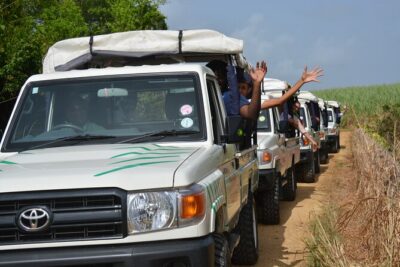
This is a private safari jeep experience, and that sounds like marketing until you feel it. Only your group participates, so you’re not squeezed into a loud, mixed crowd where people miss calls and turn-taking turns into chaos. Instead, you can focus on the same side of the jeep window when your driver spots sign.
Your driver is also your tracker. That detail is key. In safari terms, a driver who just follows a set route won’t help much. A tracker thinks in animal cues: tracks, fresh droppings, recent movement, and the direction animals likely traveled. You also get more flexibility in how your day moves, because a good tracker won’t keep you driving past a promising Willu just because it’s on schedule.
Timing is the other big factor. The safari duration is listed as about 4 to 12 hours, and the length changes what you can realistically do. A 4-hour session can be exciting, but it’s tighter. You’re more dependent on animals being active in the time window you get. A longer session gives you room for shifts in animal movement as light and temperature change.
Also, plan for lots of time in the jeep. This isn’t a quick walk-and-spot situation. It’s a driving-and-searching experience. If you’re the kind of person who likes to settle in, watch, and keep your eyes on the horizon, you’ll do well here.
Entering Wilpattu: Tickets Included and How the Day Starts
You enter Wilpattu with admission tickets already included, which keeps your morning from turning into a checklist. You also get water bottle per person, and the tour meets back at the starting point at the end of the activity.
Location-wise, Wilpattu is about 30 km west of Anuradhapura and around 26 km north of Puttalam, roughly 180 km north of Colombo. That’s useful when planning your wider Sri Lanka trip. You’ll likely treat this like a real excursion day rather than a half-hour detour.
Pickup and drop-off are part of the value, but with a limit. Free pickup/drop-off is included only within a 5 km radius of the park gate. If your hotel is outside that radius, hotel pickup and drop-off isn’t included. You’ll want to account for the extra transfer cost and time, since Wilpattu is not right in town.
One practical plus: the experience is close to public transportation. I’m not saying you should rely on it, but it helps if your plans change or you need an alternate way to get to the gate.
Leopard Chances in Wilpattu: Why the Park’s Reputation Isn’t Just Hype
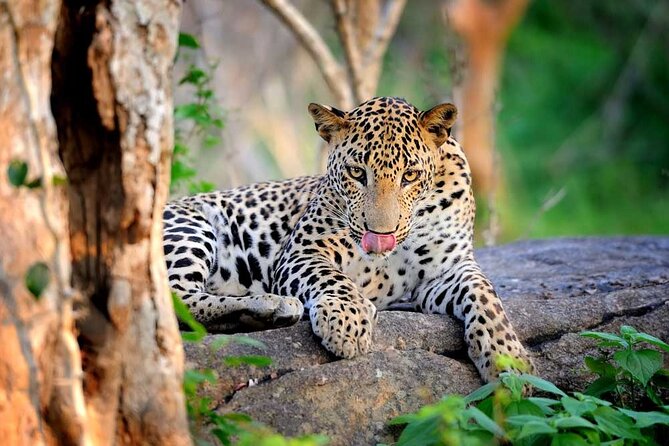
Wilpattu is known for leopards—specifically Panthera pardus kotiya—and it’s often discussed as one of the best places in Sri Lanka for that cat. The reason I trust that reputation comes from how it was measured. A remote camera survey in Wilpattu ran from July to October 2015, conducted by the Wilderness & Wildlife Conservation Trust. In the surveyed area, researchers photo-captured a sample of 49 individual leopards.
There’s also a density comparison that helps you understand relative chances. The core area density from that survey was reported to fall between Yala National Park’s Block I and Horton Plains National Park. It’s not a guarantee, but it’s a real data point behind the talk.
So what does that mean for you during your safari? It means your driver-tracker likely spends time in areas where leopards and their prey tend to overlap. The Willus water points can help indirectly: when herbivores move to drink, predators often time their hunting and stalking around those same routes.
Here’s the honest safari reality: you’re going to be looking for animals that don’t line up like they’re in a zoo. Your best strategy is to treat the jeep stops as small opportunities, not a single make-or-break moment. When you keep a calm focus, leopard viewing becomes more about patience than luck.
If you’re trying to do the highest-odds leopard safari in Sri Lanka without jumping into extreme logistics, Wilpattu’s reputation backed by camera survey work is a strong reason to choose it.
Meals and Snacks on Safari: Why Included Food Is Real Value
For a full-day safari session, breakfast and lunch are included, along with snacks and refreshments. You also get a water bottle per person. This is more than convenience. Food is one of the most common ways safari days get worse—people get hungry, cranky, and suddenly the trip stops feeling fun.
I especially like that they plan the day so you don’t have to guess whether you’ll find a decent meal somewhere nearby. The park is remote enough that relying on random roadside snacks can be risky. Having proper meals built into the experience keeps your energy steady, and that directly affects how well you spot animals.
One review detail that stuck with me: the meals were described as top and copious, and the service felt complete. That fits what you want from a safari provider—good food and a driver who stays alert.
What you should consider: the tour duration can be 4 to 12 hours. The listing is clear that breakfast and lunch are included for full-day sessions, not necessarily shorter ones. If you pick a shorter duration, you may need to plan your own snack strategy.
Price and Value at $95: What You Get for the Money
At $95 per person, the question is not just whether the price is low. It’s whether you’re paying for the right things. Here’s what’s included in that number:
- Transport by private safari jeep
- Wilpattu National Park entrance tickets
- An experience driver (also your tracker)
- Free pickup/drop-off within 5 km of the park gate
- Water bottle per person
- For full-day sessions: breakfast, lunch, snacks, and refreshments
When you price safari days in Sri Lanka, the cost often comes from a few big chunks: vehicle, guide/tracker time, park entry, and meals (if you’re gone long enough). This package covers the major ones that usually add up.
So where can value slip? If your hotel is outside the 5 km pickup zone, you might need extra transport that isn’t included. Also, if you choose the shorter 4-hour option, you may be getting less overall time in the park, which can limit how many habitats or Willus areas your driver can work through.
Still, for most people who want a clean, straightforward day—no hunting for tickets, no last-minute meal scrambling, and no sharing a jeep with strangers—$95 feels like a fair deal.
Best For Who: Perfect Safari Fit and Who Should Rethink
This safari fits best if you want a focused animal-viewing day with real help from a driver-tracker. It’s private, so it’s a good match for couples and small friend groups who don’t want the extra noise of a multi-group vehicle.
It’s also practical if you’re coming with limited time in Sri Lanka. The park is a solid excursion distance from Colombo, but the safari itself is flexible: 4 to 12 hours means you can fit it into your schedule.
If you’re a hardcore birder or dedicated wildlife photographer, you’ll probably want the longer time slot so you can handle changing light and animal movement. If you’re traveling with kids or older folks, this can still work since it doesn’t list intense physical activity—just expect long sitting time.
The one reason I’d rethink it: if you only want a very brief, low-effort activity and you expect lots of guaranteed sightings, safari math doesn’t work that way. A leopard safari is about probabilities and good searching, not certainty.
Tips to Turn a Jeep Safari into Real Animal Time
A safari goes better when you treat it like a viewing exercise, not a sightseeing checklist. Here are a few ways you can help yourself get more from the day:
- Pick the session length that matches your goal. If your top goal is leopards, more hours usually gives the tracker more room to try the right sections of the park.
- Stay calm when the jeep pauses. Most of the best moments come when you stop moving and start watching carefully.
- Dress for heat and sun. Wilpattu sits in a dry zone, and you’ll spend time outdoors waiting for movement.
- Keep your attention wide, not just at one spot. Animals can appear at edges near Willus or along routes prey uses.
One more small but important planning note: the experience requires good weather. If conditions are poor, the tour can be canceled and you’ll be offered a different date or a full refund. So watch the forecast and don’t schedule this as your absolute last-in-Sri-Lanka plan.
Should You Book This Wilpattu National Park Jeep Safari?
I’d book this if you want an easy-to-manage Wilpattu safari where the basics are handled: private jeep transport, entrance tickets, an experienced driver-tracker, and—on full day—the food to keep you going. At $95, the included items add up fast, especially if you’d otherwise have to arrange entry fees and a guide separately.
You should think twice if your schedule only allows the shortest 4-hour option or if your hotel sits well beyond the 5 km pickup zone from the park gate. In those cases, you may end up paying extra time and money just to make the logistics work.
If your priority is a focused wildlife day in one of Sri Lanka’s leopard-famous parks, this is a solid, no-nonsense way to do it.
FAQ
How long is the Wilpattu National Park safari?
The safari duration is listed as approximately 4 to 12 hours, depending on the session you choose.
Is the entrance ticket included?
Yes. Wilpattu National Park entrance tickets are included in the experience price.
Do I get pickup from my hotel?
Pickup and drop-off are free only within a 5 km radius from the park gate. If you’re outside that radius, hotel pickup and drop-off are not included.
What’s included during the safari?
You get transport by private safari jeep, a driver who also acts as your tracker, entrance tickets, water per person, and (for full-day sessions) breakfast and lunch plus snacks and refreshments.
Is it a private tour?
Yes. It’s a private tour/activity, meaning only your group participates.
What happens if weather is bad?
The experience requires good weather. If it’s canceled due to poor weather, you’ll be offered a different date or a full refund.