REVIEW · MOMBASA
2-Day Safari in Taita Hills from Mombasa
Book on Viator →Operated by ARP Travel Group · Bookable on Viator
A two-day trip can still feel like a real safari week. This one mixes Tsavo East and Taita Hills Wildlife Sanctuary, then adds the big draw: an overnight at Sarova Salt Lick Game Lodge, built on stilts over a watering hole. It’s the kind of setup that turns dinner and downtime into wildlife time.
I love how the day schedule is built around animal activity—early starts, a late-afternoon drive, and another morning drive. I also like that you get the full package feel: lodging, entrance fees, and meals are included, plus convenient pickup and drop-off from Mombasa hotels. The main drawback to keep in mind is that sightings can never be guaranteed; one recurring note in feedback is that some areas can feel slow or crowded depending on conditions and vehicle traffic.
In This Review
- What you’ll notice right away
- Key highlights worth planning for
- Two reserves plus one unforgettable lodge night from Mombasa
- Getting north toward Tsavo: Voi, railway country, and early eyes
- Ngutuni Sanctuary game drive: your warm-up before the big sightings
- Taita Hills Wildlife Sanctuary: the view changes, and the pace slows
- Sarova Salt Lick Lodge: why an overnight here is worth the detour
- Day 2 dawn game drive, breakfast, and a Kilimanjaro morning surprise
- Price and value: is $399 fair for this 2-day safari from Mombasa?
- Group size, guides, and the day-to-day reality of sightings
- Who should book this Taita Hills and Tsavo East safari
- Should you book this safari?
- FAQ
- What time does the safari start?
- How long is the safari?
- Where do you pick up and drop off?
- What parks and reserves are included?
- What’s included in the price?
- Are alcoholic drinks included?
- What’s the minimum age to join?
- How many people are in the group?
- Can I see Mount Kilimanjaro?
- What if I need to cancel?
What you’ll notice right away
The trip runs with a small group size (max 14), so you usually get a smoother rhythm in the vehicles and at lodge time. And the payoff is not just daytime spotting: the lodge’s watering-hole view is meant for those quieter moments when nocturnal visitors may show up.
One more consideration: this itinerary is heavy on the classic game-drive rhythm. If you’re hoping for a dedicated full night drive, the listed schedule is more limited than that, so you’ll want to set expectations around evening viewing from the lodge versus a long drive after dark.
Key highlights worth planning for
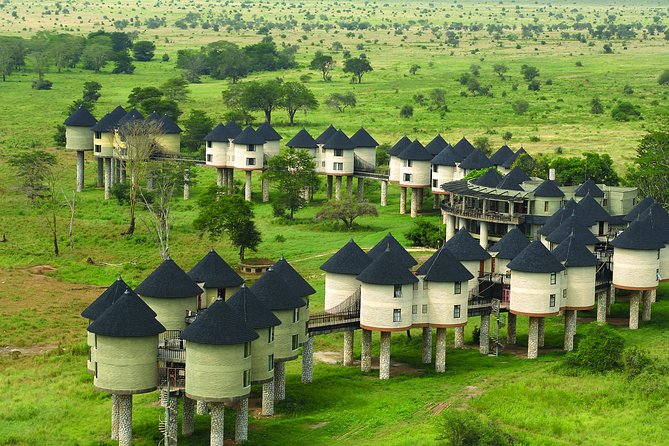
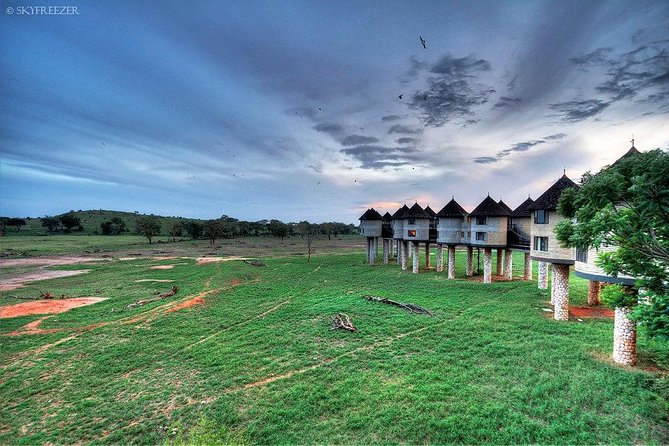
- Stilts at Sarova Salt Lick Game Lodge overlooking a watering hole for evening wildlife watching
- Two reserves in one trip: Ngutuni Sanctuary (bordering Tsavo East) plus Taita Hills Wildlife Sanctuary
- Dawn and dusk timing with early-morning drives when animals are most active
- Kilimanjaro visibility on clear mornings from the sanctuary area
- Small group size (max 14) helps keep the experience feeling organized
- Meals + entrance fees included so $399 is closer to an all-in safari price than a bare-bones one
You can also read our reviews of more tours and experiences in Mombasa.
Two reserves plus one unforgettable lodge night from Mombasa
If you’re coming from Mombasa and don’t want to lose two days just getting to and from the bush, this safari is built for you. You leave early (start time 6:00am), hit game drives the same day, and sleep in a lodge where the watering hole is basically your backyard.
The combination of Tsavo East National Park (via nearby Ngutuni Sanctuary) and Taita Hills Wildlife Sanctuary is a smart way to see more variety without stretching your vacation. You’ll be hunting for animals with a classic safari approach: drive when visibility and animal activity are best, then reset at lodges. On top of that, the Sarova Salt Lick Lodge night adds a different flavor—more waiting, listening, and looking from a vantage point over the water.
The vibe here is not a rushed stop-and-go city tour. It’s a long day out, an overnight immersion, then another morning drive before heading back to the coast.
Getting north toward Tsavo: Voi, railway country, and early eyes
Day 1 begins with a hotel pickup in Mombasa and departure around 6:00am. From there, you drive north along the main highway toward Nairobi. The route runs alongside the railway line built by the British in the late nineteenth century, so the landscape shifts gradually from Mombasa’s outskirts to the open plains.
This is the part I appreciate most: the drive gives you a slow “gear change” from coastal life into savanna life. You pass warehouses and workshops near the edge of town, then the scenery opens up and you can see the vast plains of Tsavo in the distance. The rolling Taita Hills appear on the horizon, and it feels like you’re actually moving into a different world rather than just hopping on a vehicle.
Practical note: expect this day to be long. Early start plus driving means you’ll want water and some light snacks, even though meals are included later.
Ngutuni Sanctuary game drive: your warm-up before the big sightings
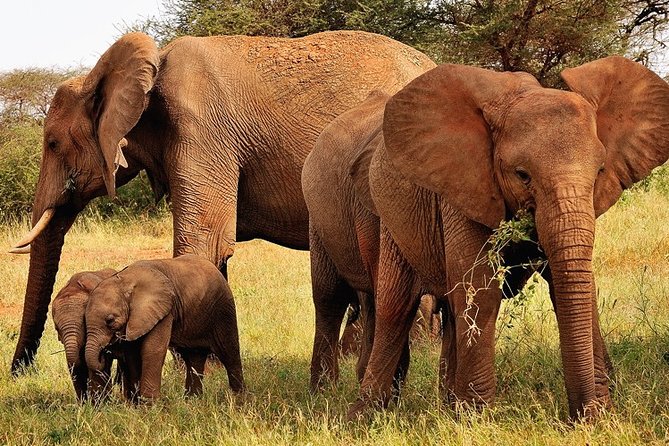
Your first wildlife block is in Ngutuni Sanctuary, where the game drive borders Tsavo East National Park. This matters because bordering areas can act like a transition zone: you may see animals using the same general space even when you’re not inside the main park boundary.
After that, you’ll have lunch at Ngutuni Lodge, and the details matter here. Lunch is served overlooking a waterhole. That’s not just pretty planning—it’s how you turn a midday break into potential sightings without needing to cram another drive into the day.
Ngutuni Lodge also comes with a story: it sits in land tied to the Kenya-Uganda Railway construction, and the lodge references the era when a European army camp was present and the man-eaters of Tsavo era became part of local history. The lodge theme includes converting guns into cameras. Whether you treat that as folklore or history, it gives the place character, and it makes your lunch stop feel grounded in the region rather than generic.
If you’re a first-time safari person, this stop is a nice way to start spotting without feeling like you’re late to the action.
Taita Hills Wildlife Sanctuary: the view changes, and the pace slows
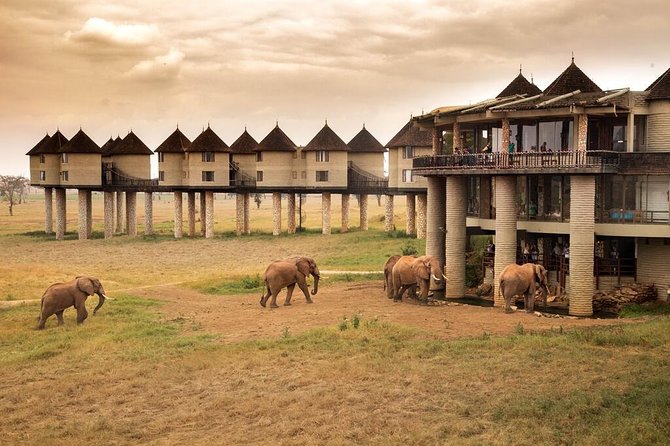
In the afternoon, you continue to Taita Hills Wildlife Sanctuary and arrive at Sarova Salt Lick Game Lodge, which is built on stilts overlooking the watering hole. You’ll head out again around 4:00pm for an additional game drive.
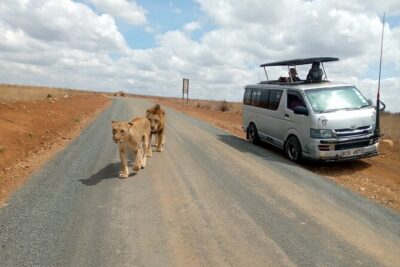
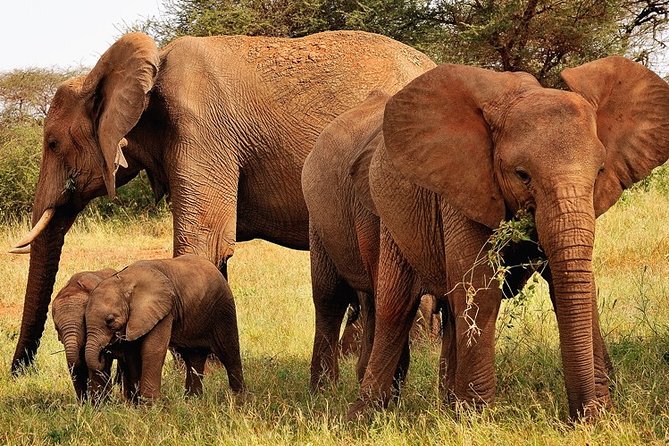
Taita Hills is a different kind of safari setting than the flat, open feeling you may associate with some savannas. You get the sense of hills and a more varied terrain—exactly the kind of place where animals move differently and where birdlife can be a big deal. The sanctuary hosts a mix of species that can include lions, elephants, giraffe, and zebras, along with a strong bird presence.
Timing matters a lot here. The afternoon drive is your second “chance window” before the lodge night. In classic safari terms, that’s when you often see animals on the move toward water and grazing. The lodge then becomes your “third window”: a place to watch from above the waterhole and catch activity you might miss during daytime-focused driving.
Sarova Salt Lick Lodge: why an overnight here is worth the detour
This is the heart of the experience. Sarova Salt Lick Game Lodge is designed for one thing: a watering hole that attracts wildlife, including those that are active after dark. The lodge’s structure gives you that elevated view, and the idea is simple—when you’re not out in the vehicle, you’re not out of the action.
I like this kind of lodge setup because it changes how you spend time. Instead of constantly chasing sights, you get to sit, watch, and let the reserve come to you. It’s also the moment where photos feel easier. You’re stationary, the animals approach the same focal point (water), and your vantage point stays consistent.
A few guide-and-service notes from the experience data are worth keeping in your back pocket. Guides such as Tom, Julius, Hasan, Amin, and Mohamed Ali are associated with strong spotting efforts and good communication—so if you connect with your guide, you’ll likely understand what you’re seeing faster. That makes the lodge night feel less like waiting for something to happen and more like recognizing the patterns when it does.
What’s not guaranteed: the exact animals you see. Some feedback notes amazing big sightings like elephants and lions, while other feedback mentions fewer animals at certain times. That’s safari reality, not a marketing trick.
Day 2 dawn game drive, breakfast, and a Kilimanjaro morning surprise
You start again with an early morning game drive in Taita Hills Wildlife Sanctuary. This is where you cash in on the “start early” strategy. Animals often move at cooler hours, and early light helps you spot movement before distance reduces detail.
On a clear day, you may also see the snowcapped Mount Kilimanjaro from the morning drive. That’s not something you should expect every time—conditions can change—but it’s a cool bonus when visibility is good.
Then you return for breakfast. The schedule calls for breakfast after the morning drive, and then around 9:30am you head out for a short game drive in the sanctuary.
That brings you to Taita Hills Lodge for lunch. After lunch, the afternoon drive takes you back to Mombasa, arriving in the evening. It’s a clean ending: you finish with one more wildlife window before you shift back to coastal life.
Price and value: is $399 fair for this 2-day safari from Mombasa?
At $399 per person, you’re paying for more than transportation. You’re paying for a full two-day rhythm that includes:
- Overnight accommodation at Sarova Salt Lick Game Lodge
- Entrance fees (both the sanctuary/park access that’s part of the program)
- Meals across the trip: breakfast, lunch, and dinner
- Pickup and drop-off at Mombasa hotels
- Taxes, fees, and handling charges
So the real question isn’t just cost—it’s how much you’re getting that you’d otherwise have to price separately. If you tried to build this trip on your own, you’d still need park access, a guide/driver, lodging near the reserve, and transfers. This package approach tends to be a better fit for people who want less planning stress and more actual time watching animals.
One more value point: the group size cap of 14. Smaller groups usually help the experience feel less chaotic when you’re stopping for sightings.
Could it be more expensive if you do everything privately? Often yes. But for an overnight safari that includes meals and entrance fees, $399 is positioned as a practical “all-in” option rather than a budget add-on.
Group size, guides, and the day-to-day reality of sightings
This tour runs with a maximum of 14 travelers. That matters. In some larger safari settings, everyone crowds the same view at once and the vehicle feels like a waiting room. Here, the smaller group size tends to make it easier for your guide to manage where you sit, when you switch spots for viewing, and how you move during stops.
Your guide also shapes the experience. The data you provided includes multiple guide names that received praise for spotting animals and doing a strong job finding enough action to keep things interesting. Names you may encounter include Tom, Julius, Hasan, Amin, and Mohamed Ali, and the common thread is solid animal-spotting work and good explanations.
Still, here’s the honest part: wildlife behavior is not scheduled. One piece of feedback you should take seriously is that some people felt the number of animals wasn’t as high as expected, possibly affected by vehicle traffic or the conditions in a specific area. So if your dream is a guaranteed Big Five parade, you’ll want to choose your mindset carefully.
Who should book this Taita Hills and Tsavo East safari
This is a great match if you want:
- A short safari escape from Mombasa with real wildlife time
- The classic game-drive rhythm plus a lodge that lets you watch wildlife between drives
- A packaged trip where meals and entrance fees are handled for you
- A small-group setting with pickup and drop-off included
It’s also a decent option for families who can handle an early start—minimum age is 7 years.
Who might want to consider a different option: if you’re specifically chasing a long, dedicated night drive. The schedule emphasizes late-afternoon and early-morning drives, and the “night wildlife” angle is mainly tied to the lodge’s watering-hole viewing.
Should you book this safari?
I’d book this if you’re looking for a high-value, low-planning safari that gives you two wildlife zones and a meaningful lodge night at Sarova Salt Lick Game Lodge. The watering-hole setup is the main reason, and the schedule does a good job of stacking the right time windows for sightings.
I’d think twice if your top priority is nonstop big-cat action every hour of the day. Safari pace is part of the deal, and even well-run programs can produce slower periods. If you go in expecting wildlife watching as a mix of driving and waiting, you’ll enjoy it more—and you’ll appreciate the lodge night for what it is: a chance to see what shows up when the lights go down.
FAQ
What time does the safari start?
It starts at 6:00am.
How long is the safari?
The duration is listed as approximately 2 days.
Where do you pick up and drop off?
Pickup and drop-off are offered at Mombasa hotels, and the activity ends back at the meeting point.
What parks and reserves are included?
You’ll do game drives in Ngutuni Sanctuary (bordering Tsavo East National Park) and in Taita Hills Wildlife Sanctuary.
What’s included in the price?
The price includes overnight accommodation, meals (breakfast, lunch, dinner as per the itinerary), entrance fees, taxes/fees/handling charges, and an English-speaking driver/guide (with other languages available on request with a supplement).
Are alcoholic drinks included?
No. Alcoholic drinks and other drinks are available to purchase.
What’s the minimum age to join?
The minimum age is 7 years.
How many people are in the group?
The tour has a maximum of 14 travelers.
Can I see Mount Kilimanjaro?
On a clear day, you may see the snowcapped Mount Kilimanjaro during the morning drive.
What if I need to cancel?
You can cancel up to 6 days in advance for a full refund, with partial refunds possible if you cancel 2–6 days before the start time. If you cancel less than 2 days before, the amount paid is not refunded.