REVIEW · MOROGORO REGION
2 Day Safari To Mikumi National Park + transfers from Dar Es Salam
Book on Viator →Operated by TRAVEL AGENCY COMPANY IN MIKUMI NATIONAL PARK · Bookable on Viator
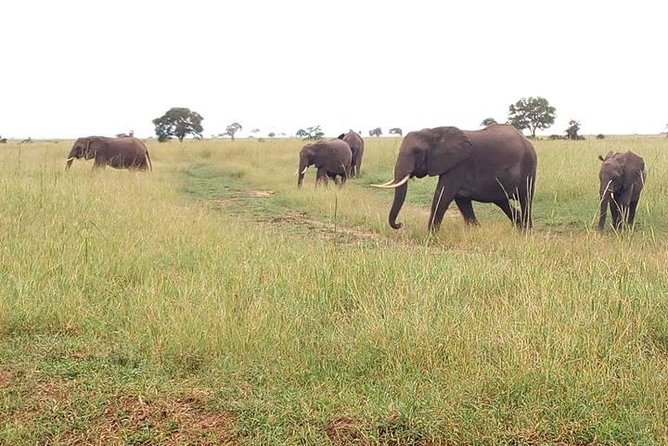
Mikumi is a shortcut to real safari time. You’ll get private pickup from Morogoro and a long drive that still ends with a sunset game drive. The best part is how the timing gives you both early-light action and golden-hour scanning for hippos, elephants, giraffes, wildebeests, and (if luck is on your side) lions.
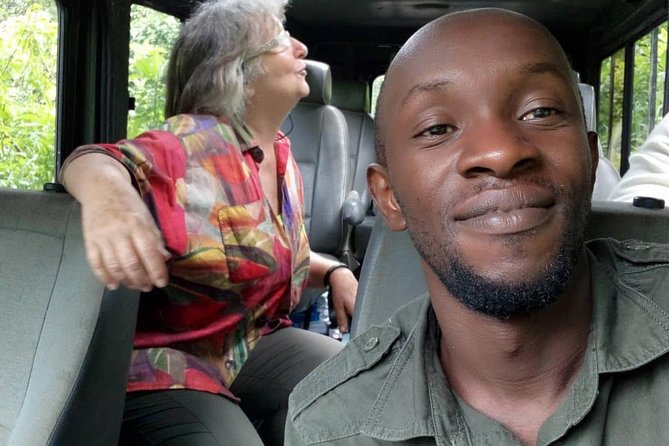
I also like that you’re not just passed around a vehicle. Guides you may meet include Max (Double G Safari), who’s repeatedly described as fluent in English and strong at explaining animals, plus camp staff like John, praised for hospitality once you reach your accommodation.
One watch-out: the road time adds up. The drive from Morogoro toward Mikumi is about six hours at standard speeds, so if you get cranky in the car, plan to settle in and pack comfort basics for the drive.
In This Review
- Key things that make this Mikumi safari work
- Mikumi National Park: a real safari option close to Dar es Salaam
- The Morogoro drive: six hours, then you’re on safari
- Why Chalinze timing can make or break Day 1
- First safari night at Mikumi: sunset game drive and a proper check-in rhythm
- Day 2: the two-drive strategy that gives you real odds
- Bandas Camp lunch: more than a meal stop
- Lions, hippos, and the big “target list” you’ll actually try for
- Morning game drive on Day 3: fast, focused, then Dar es Salaam transfer
- Transfers from Dar es Salaam: why the route matters for real-world trips
- Price and value: what you’re paying for beyond the park entry
- Meals and timing: what to expect each day
- Guides and camp hospitality: why names show up again and again
- Private tour setup: who this suits best
- Weather reality: Mikumi needs workable conditions
- Should you book this Mikumi safari with Dar transfers?
- FAQ
- Where is pickup and drop-off for this safari?
- How long is the drive to Mikumi, and is there a breakfast stop?
- What times do game drives run?
- Are meals included?
- Is this tour private?
- Does the tour require good weather?
- What is the cancellation rule for a full refund?
Key things that make this Mikumi safari work
- Chalinze breakfast stop built into the transfer so Day 1 doesn’t feel like one long slog
- Sunset + early morning game drives for two different “animal moods”
- Bandas Camp break that resets you between the morning and evening drives
- Private vehicle with pickup and drop-off focused on your exact route
- Guides like Max and a spotter-style approach that increases your odds of real sightings
- Designed for Dar es Salaam timing so you can catch a ferry or flight onward to Zanzibar
Mikumi National Park: a real safari option close to Dar es Salaam
If you’re starting from Dar es Salaam and want safari without building your whole trip around flights, Mikumi is a smart move. It’s the closest national park to Dar, and that closeness shows up in the schedule: more time hunting wildlife, less time chasing logistics.
Mikumi sits in a savannah setting, and the wildlife can feel “within reach” compared with parks that are deeper into the country. You’ll spend your days in the park on open-road style game viewing, where the action is often about being in the right place at the right time, then letting your guide do the animal-finding work.
This tour is also built for people who want a guided experience that stays practical. You’re not just looking out a window. You’ll have someone explaining what you’re seeing and where to focus, which helps a lot on your first safari.
You can also read our reviews of more tours and experiences in Morogoro Region.
The Morogoro drive: six hours, then you’re on safari
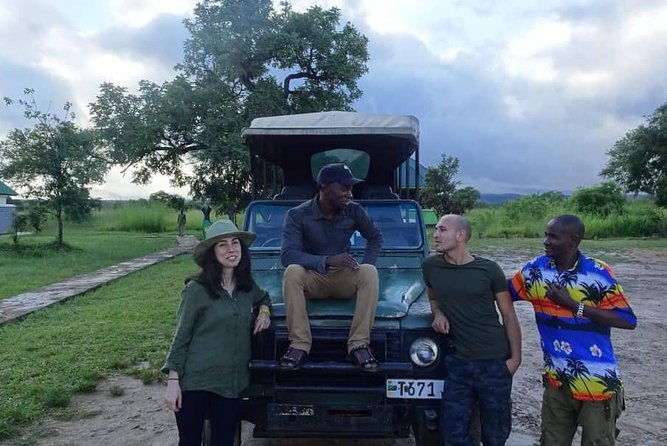
Day 1 is mostly travel, but it’s travel with a plan. Pickup starts from your hotel in the Morogoro area, then you drive toward Mikumi with about six hours of standard driving time. There’s a stop in Chalinze for breakfast, so you don’t arrive at the park starving and dragging.
That breakfast stop matters more than it sounds. When you’re doing safari-viewing later the same day, you need energy and you want to avoid the “we’re hungry and tired, so we missed the good part” trap.
Once you arrive at Mikumi, you’ll check in at your accommodation. Then lunch happens, followed by an evening and sunset game drive. In other words, Day 1 isn’t only road time. You’re saving the best light for when you’re actually in the park.
Why Chalinze timing can make or break Day 1
Your Day 1 sequence is: Morogoro pickup → drive → Chalinze breakfast → continue to Mikumi → check in → lunch → sunset drive. That flow helps you ease into safari rather than arriving, eating fast, and immediately needing to focus hard.
If you’re sensitive to long drives, treat this as part of the safari experience. Bring your own comfort rhythm: water, a layer for changing temperatures, and anything that keeps you calm during the road segment.
First safari night at Mikumi: sunset game drive and a proper check-in rhythm
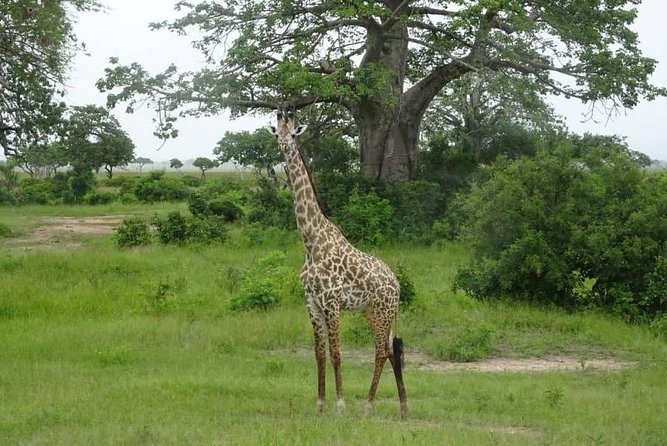
After lunch and settling in, you’ll go for an evening and sunset game drive. This is a good use of your first park time, because the animals’ movements often shift as the day cools down. Sunset viewing also tends to give you better chances for close, relaxed wildlife moments, not just quick sightings.
By the time you’re done, dinner and overnight are at your accommodation. That’s another detail I like: the tour doesn’t keep you running late. You finish safari viewing, then you get to sleep and recover for an early start.
The guides attached to this experience—often people like Max—are repeatedly described as patient and respectful, with the confidence to keep searching. That matters because early-stage safari can feel like you’re waiting for the park to “give” you something. A good guide helps you read the landscape and the animal behavior, instead of just scanning blindly.
Day 2: the two-drive strategy that gives you real odds
Day 2 follows a strong safari pattern: early morning game drive, then a break, then a second drive before sunset.
After breakfast, you head out for game drive time until lunchtime. Then you’ll be at bandas camp for lunch. After lunch, there’s a short break, then you return for the evening game drive where you watch animals as they move around the park until sunset.
This setup is one of the best values in the whole experience. A lot of safari packages cram everything into one long outing. Here, you get two different viewing sessions, separated by a reset at camp. That break helps you stay focused and not let fatigue blur your attention.
Bandas Camp lunch: more than a meal stop
Bandas camp is where you pause for lunch. It’s also a mental break. You’ll come back to a calmer setting, then you’ll go out again with your energy back up.
If you’re traveling with friends, this “pause and restart” style is great because you can compare notes after the morning drive, then plan how you want to watch during the evening session.
Lions, hippos, and the big “target list” you’ll actually try for
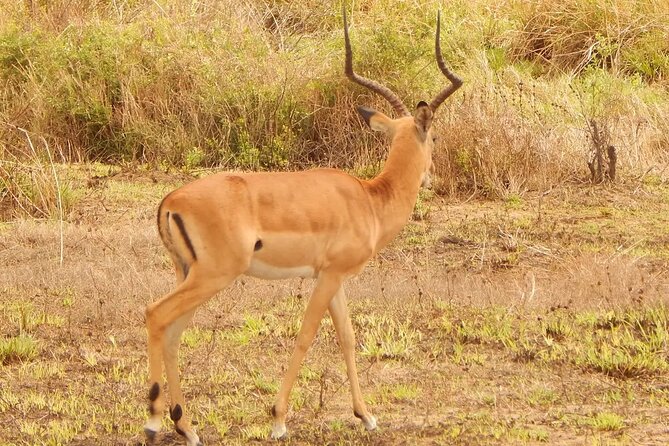
The tour is aimed at spotting major wildlife. Based on the tour focus, you’ll be looking for hippos, elephants, giraffes, wildebeests, and lions if you’re lucky.
Now, let’s be honest: wildlife luck is wildlife luck. You can do everything right and still not see every big-cat moment. But what this itinerary does well is maximize the chances you’ll catch animals at different times of day.
Some guides linked with this safari experience are also praised for tracking and spotting. One guest described seeing around 20 lions and even leopard during their time in Mikumi. That’s not something you should bet on every trip, but it’s a reminder that the park can deliver.
The practical takeaway for you is this: don’t treat safari viewing as passive. Your guide’s job is scanning and decision-making, but your job is to stay alert, listen, and be ready to move your focus fast when something is spotted.
Morning game drive on Day 3: fast, focused, then Dar es Salaam transfer
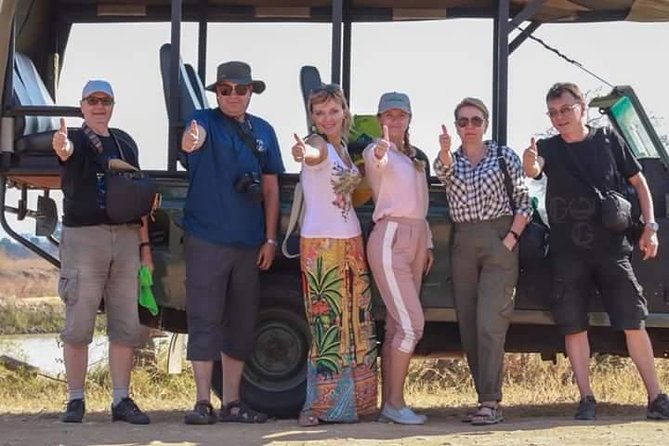
Day 3 is the “get your last sightings, then move on” day. You’ll have morning game drives until around 8:00 am. Then you’ll have breakfast within the park.
After breakfast, you start driving back to Dar es Salaam to catch your ferry or flight onward to Zanzibar. This is a key detail if you’re building a multi-island plan: the safari doesn’t end with you stuck far away from your next connection.
The timing is also a reason to choose this tour if you hate wasting your best travel hours. You’re doing early viewing while the day is fresh, then getting yourself back into transport mode when you’re done.
Transfers from Dar es Salaam: why the route matters for real-world trips
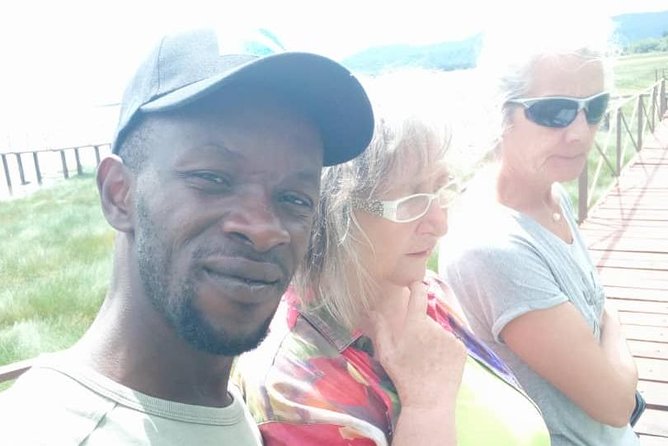
This experience isn’t just a safari inside a park. It’s also a transfer plan that respects where you’re coming from and where you’re going next.
You’re working in Tanzania with long road stretches, so the biggest risk is often wasted time, missed meals, or arriving at your next leg exhausted. This tour’s structure helps reduce that risk:
- Day 1 includes a breakfast stop in Chalinze
- Safari time is split into morning and late-day sessions
- Day 3 is aligned with an onward ferry/flight from Dar
If your Zanzibar plan depends on getting to Dar at a specific time, this is the kind of safari that can fit without turning your trip into a giant scramble.
Price and value: what you’re paying for beyond the park entry
The price is $902.57 per person. That’s not cheap, but safari pricing is rarely cheap because you’re paying for more than animals. You’re paying for your vehicle, your guide time, your time inside Mikumi, and the “moving you around” part of the itinerary.
Here’s what the tour data supports as included or built into the experience:
- Pickup and drop-off connected to Morogoro
- A transfer plan that drives you to Mikumi and then back to Dar es Salaam
- Park admission included (an admission ticket is marked included)
- Mobile ticket
- Daily safari viewing blocks (sunset and morning drives)
- Accommodation across the overnight stays
- Meals appear to be built into the day plan (breakfast, lunch, and dinner across the safari days)
Value often comes down to whether you get a clean schedule. In this case, you do: you’re not doing random half-day drives. You’re getting organized viewing time, meal timing, and a realistic route for your Dar connection.
Meals and timing: what to expect each day
The itinerary is structured around meals that match your viewing schedule.
- Day 1: breakfast at Chalinze during the drive, then lunch after you reach Mikumi, then dinner after your sunset game drive.
- Day 2: breakfast before the morning drive, lunch at bandas camp, then dinner after the evening session.
- Day 3: morning game drive into the late morning window (around 8:00 am), then breakfast within the park, then the drive back to Dar.
So even though this is a “safari first” trip, you’re not left guessing when you’ll eat. You’ll also feel the rhythm: drive hard in the morning, pause for lunch, then go again before sunset.
One practical tip: if you tend to get travel-hungry, treat the meal timings as part of the plan. Don’t assume you’ll be able to eat whenever you want during a game drive.
Guides and camp hospitality: why names show up again and again
A good safari guide makes a big difference, and the experience here is repeatedly linked with guides such as Max (Double G Safari). Max is described as fluent in English and strong with flora and fauna explanations, so you’re not just seeing animals—you’re learning how to interpret what you’re seeing.
Camp hospitality is another piece that gets praise. John is mentioned for hospitality, and other team members (like Victor and Isahia) appear in positive feedback as part of the same service style.
These details matter because the best safari isn’t only the sightings. It’s also the comfort between drives—clean, calm, and ready for the next early start.
If you care about that human piece—being treated well, not rushed, and guided with patience—this tour’s pattern aligns with what people highlight most.
Private tour setup: who this suits best
This is a private tour/activity, meaning only your group participates. That’s a big plus if you want:
- A schedule that feels tailored, not generic
- Less waiting for other travelers
- More ability to ask questions during the drives
It also fits families and small groups, based on the kind of groups that have been mentioned (including student groups and families). Still, it’s not described as extreme physically, but it does say you should have a moderate physical fitness level—so think about long days, getting in/out of vehicles, and spending time outdoors.
If you travel with a service animal, service animals are allowed.
Weather reality: Mikumi needs workable conditions
This experience requires good weather. That’s not just a throwaway line. Safari drives can be affected by poor conditions, and this tour setup is meant to run when roads and visibility are reasonable.
If you’re booking during a season with frequent disruptions, keep flexibility in mind. When weather forces changes, you’ll be offered a different date or a full refund.
Should you book this Mikumi safari with Dar transfers?
Book it if you want a guided Mikumi National Park safari with two strong viewing blocks—sunset and early morning—and you also need a reliable way to get back to Dar es Salaam to continue onward to Zanzibar. The schedule is built to reduce “wasted time” and keep you moving toward your next connection without sacrificing real wildlife viewing.
Skip it (or ask more questions before booking) if you strongly dislike long road transfers. The trip includes a drive of about six hours at standard speeds during Day 1, and you’ll also be back on the road on Day 3. This is safari time, but it’s also Tanzania-road time.
If you’re on your first safari and want a close-to-Dar option that still gives you real chances at big game, this package makes sense.
FAQ
Where is pickup and drop-off for this safari?
The tour starts with pickup from Morogoro (for example from your hotel) and ends back at the meeting point.
How long is the drive to Mikumi, and is there a breakfast stop?
The drive is about six hours at standard speed, with a stop in Chalinze for breakfast before continuing to Mikumi.
What times do game drives run?
You’ll have an evening and sunset game drive on Day 1. On Day 2 you’ll do early morning game drive until lunchtime and then an evening game drive until sunset. On Day 3 you’ll do morning game drives until around 8:00 am.
Are meals included?
Meals are built into the itinerary: breakfast is included (Chalinze on Day 1 and within the park on the later days), lunch is included (including at bandas camp), and dinner is included on the safari days after the evening drives.
Is this tour private?
Yes. It’s a private tour/activity, so only your group will participate.
Does the tour require good weather?
Yes. The experience requires good weather. If it’s canceled due to poor weather, you’ll be offered a different date or a full refund.
What is the cancellation rule for a full refund?
You can cancel up to 24 hours in advance for a full refund. Changes made less than 24 hours before the start time are not accepted, and cancellations within 24 hours are not refunded.