REVIEW · KASANE
2 Nights 3 Days Chobe Safari ex Livingstone/ Victoria Falls
Book on Viator →Operated by Kalahari Tours · Bookable on Viator
Chobe hits different before breakfast. This 3-day camping safari blends Chobe National Park game drives with sleeping under the stars, plus time on the Chobe River. I especially like the full, structured days that still leave room to enjoy sightings at your own pace. I also like that your camp setup and meals are handled, so you’re not juggling gear. One drawback to consider: it’s real camping, with walk-in tents and bedding (not hotel comforts), plus early starts and a moderate fitness level.
The trip runs with a small cap of 32 travelers and starts with a pickup at 7:00 AM from Livingstone or Victoria Falls. You’ll also have an ID check when you’re picked up around Kasane, and you’ll use a mobile ticket. If you’re lucky, you’ll get top-notch guidance from safari pros like a driver nicknamed Six and trackers such as Chika, with boat captain support from Mr. Sam.
In This Review
- Key things I’d focus on before you go
- From Livingstone or Victoria Falls to Kasane: getting to the game
- Day 1: Chobe River cruise, lunch break, then first game drive
- Day 2: morning drive, camp brunch, then late-afternoon action
- Day 3: sunrise driving and a final river cruise before drop-off
- Camping in the bush for two nights: what to expect (and what not to)
- Wildlife spotting: how guides turn animals into real moments
- Food on safari: included meals that actually hold up
- Price and value: what $510 per person really buys
- Logistics that matter: timing, tickets, and what to pack
- Who should book this Chobe camping safari
- Should you book this Chobe safari?
- FAQ
- How long is the safari, and how many nights do you camp?
- What time does pickup happen?
- Where are the pickup and drop-off locations?
- Are boat cruises included?
- What animals can you expect to see?
- Is camping gear and bedding included?
- What meals are included, and what drinks are not?
- What is the maximum group size?
- Is there free cancellation?
Key things I’d focus on before you go
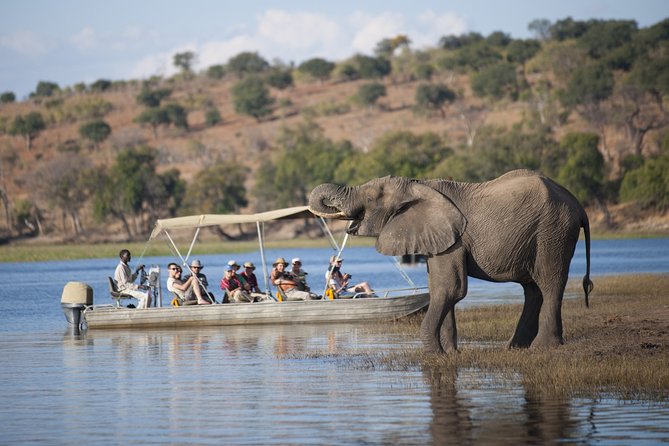
- Two Chobe River boat cruises give you different angles on wildlife and scenery
- Twice-a-day style game driving (morning and later light) improves your odds
- Camp setup is included: walk-in tents and a full bed roll with bedding
- Food is built in with breakfast, lunch, and dinner across all three days
- Guides matter here, and names like Six and Chika show up as standout staff
From Livingstone or Victoria Falls to Kasane: getting to the game
This safari is built for people who want less “transit tourism” and more time in the bush. Your day begins early, with pickup at 7:00 AM from either Livingstone or Victoria Falls. That matters because Chobe-style sightings can be time-sensitive. In practical terms, you’re getting out while the day is still cool and animals are moving.
Around Kasane, there’s a quick ID check (so don’t assume you can travel light—bring the right documents). You’ll also get a light morning snack with fruits, tea, and coffee when you arrive. It’s a small touch, but it keeps you from feeling like a zombie before the first big activity.
Group size stays reasonable—up to 32 travelers—so you’re not fighting your way through a crowd at every stop. That keeps the experience focused on the wildlife and your guide’s spotting skills instead of logistics.
You can also read our reviews of more tours and experiences in Kasane.
Day 1: Chobe River cruise, lunch break, then first game drive
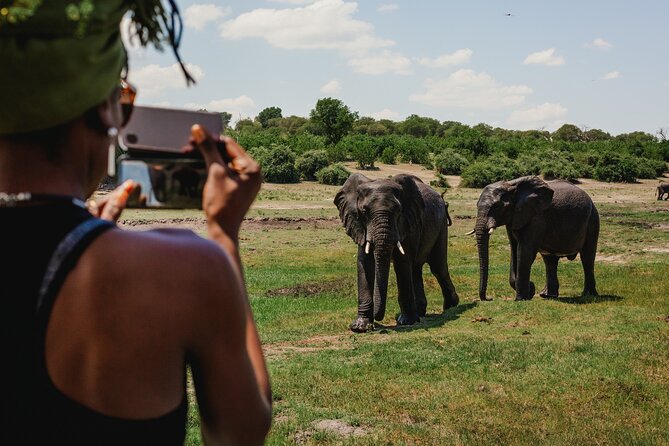
Day 1 is the “orientation day,” but it doesn’t feel like a warm-up. You start with a Chobe River boat cruise at 9:30 AM, which is a smart choice on day one. From the water, you often spot animals that are busy with their day—moving along the river edge, drinking, or simply existing at close range. You’re also getting the rhythm of the region without bouncing straight into full-on road time.
By late morning you’ll have your first substantial food stop: lunch at Coffee Buzz (around 12:30 PM). This is one of those breaks you’ll appreciate later—especially if you’ve come from travel days before arrival. It gives you a chance to sit, reset, and swap notes on what you saw from the boat.
Then you roll into your first game drive in Chobe National Park at 1:30 PM. The afternoon timing can be great because animals are active, and your driver and guide have time to position the vehicle where the day’s action is most likely to happen. You end the day with dinner in camp and an overnight stay—so you’re not driving around late into the night.
Practical note: day 1 is long. You’ll want water, sunscreen, and a hat. You also want to be okay with waiting a bit while your guide follows animal signs. That’s part of safari reality.
Day 2: morning drive, camp brunch, then late-afternoon action
Day 2 starts earlier in a good way. You’ll have breakfast at 6:00 AM, then head out for a morning game drive at 6:30 AM. Early light is one of the best times for animal activity, and it also helps you avoid the hottest part of the day.
Once you’re back, there’s a camp brunch around 10:00–11:00 AM, depending on what you’ve seen. This flexible timing is exactly what you want. If the sightings are good, you don’t get yanked off the road just to keep an office-style schedule. If it’s slower, you still get food and downtime before the next driving session.
Then comes the second push: another game drive from about 3:00 to 3:30 PM. Late afternoon often gives you different behavior than morning—some animals move differently as light changes, and birds get louder. Your guide may also use tracks on the ground, and that can turn into satisfying “aha moments” as the day clicks into place.
You finish with dinner back at camp at 6:30 PM. This kind of pacing—morning focus, mid-day recovery, late-afternoon chase—usually makes camping safaris feel smoother instead of exhausting.
Day 3: sunrise driving and a final river cruise before drop-off
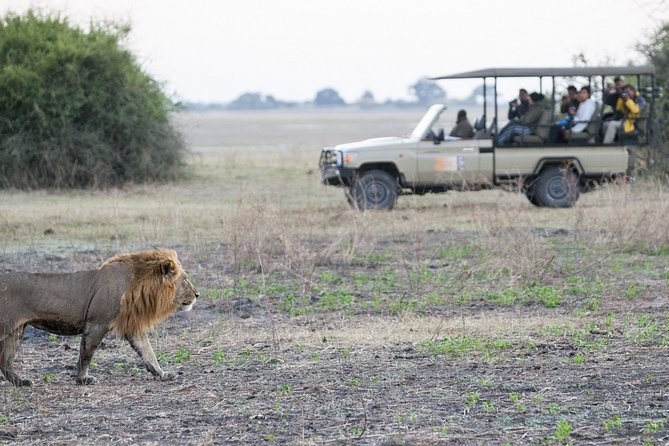
On the last day, you do it one more time: continental breakfast around 6:00 AM, then a game drive at 6:30 AM. By now you know the routine, which helps. You’re also more alert because you’re not mentally preparing for the first day anymore.
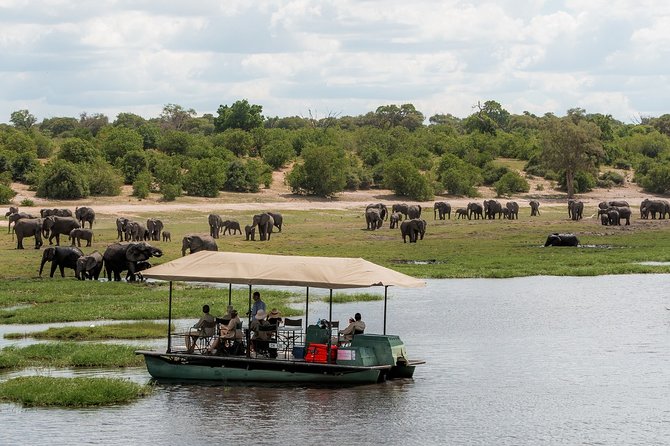
Next is brunch at around 11:00 AM, then you shift to water again with another Chobe River boat cruise at 13:30 PM. Getting a second cruise is a real value. Different times of day can change what you see, and you’ll be able to compare how animals use the river across the day.
You’ll wrap with drop-off in Kasane/Kazungula at 4:30 PM. That’s late enough to feel like a full safari day, but early enough that you’re not stuck in airport-length limbo.
Camping in the bush for two nights: what to expect (and what not to)
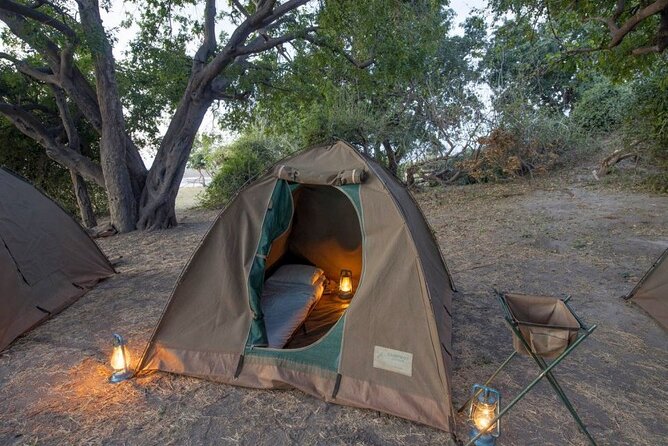
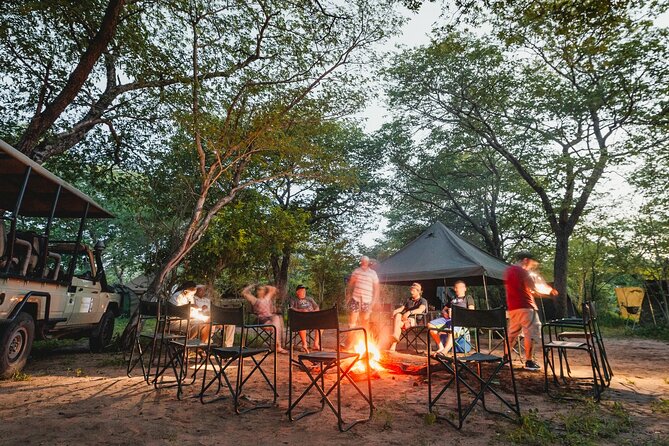
This trip includes two nights camping, and the comfort level is not “glamping.” You get a walk-in tent, plus a bed roll and bedding with a mattress, sheet duvet, and pillow. That’s important: it’s not just a mattress thrown on the ground. The goal is to keep you comfortable enough to wake up ready for an early drive.
Camp life is also where you feel the pace change. You’ll go from engine noise and radio chatter back to quiet night sounds. You’ll be eating in camp with the group, then turning in when it’s dark. If you like the idea of being out there with your senses on, this part is genuinely fun.
One thing I’d plan for: you should expect a bit of travel roughness. Safari vehicles, river boats, and rough tracks can be bumpy. If you’re the type who gets uncomfortable easily, bring what you usually use for motion (within reason—nothing fancy needed).
The people running camp and guiding you can make a huge difference. In the stories I’ve heard about this style of safari, camp crews and guides show up as the difference between a “nice trip” and a “I’d do it again” trip. Names like Six and Chika tend to get paired with praise for the overall vibe—good organization, friendly attention, and strong spotting.
Wildlife spotting: how guides turn animals into real moments
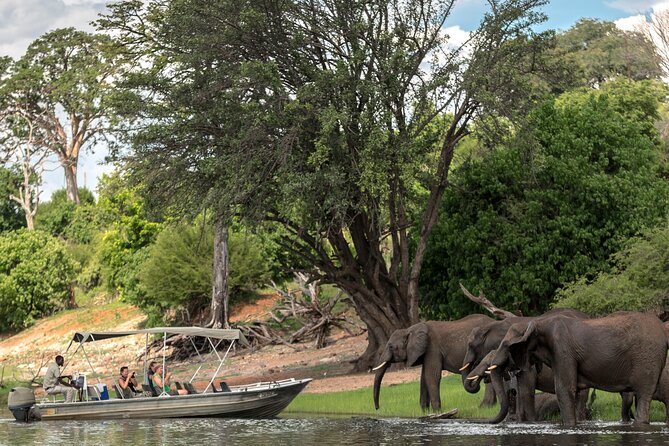
The highlights list the headline animals—lions, elephants, giraffes, and more—and that’s what you’re going for in Chobe. The real win, though, is not the animal list. It’s how the team works the land and water with you in mind.
A strong driver and guide can shift a day fast. When a driver like Six is at the wheel, you can feel that confidence in the vehicle choices and positioning. When trackers like Chika are working, you start noticing the small clues—the shape of tracks, where movement likely came from, and how birds clue in changes. One guide style you might encounter emphasizes reading signs and using reference materials like a bird book to call out species.
Boat captains also matter on river time. Mr. Sam, for example, is a name that comes up connected with smooth boat operations and good spotting from the water.
So what should you do as the safari passenger? Be patient. Move when your guide asks. Keep your camera ready, but don’t stare through it the whole time. If you’re always filming, you’ll miss the way a guide explains a sighting as it happens.
And remember: sightings are not guaranteed. The trip is designed to maximize your odds with morning and late-day drives, plus two river cruises. If you’re adaptable, the “no big cat moment yet” becomes part of the thrill instead of a disappointment.
Food on safari: included meals that actually hold up
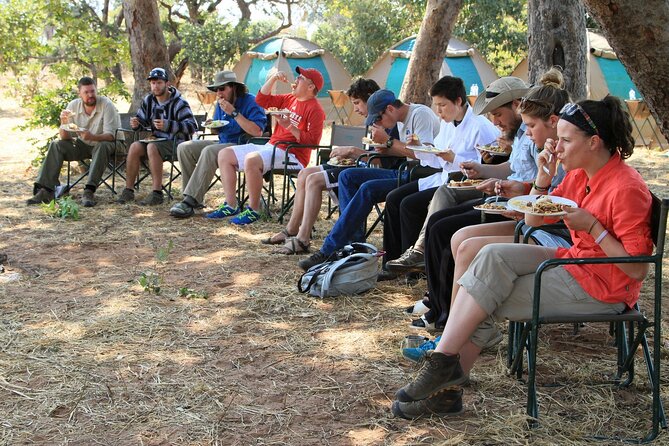
For a camping safari, food can make or break your mood. This one includes breakfast, lunch, and dinner across all three days. That means you’re not hunting for snacks in the middle of wildlife time, and you’re not trying to figure out money and menus while everyone’s chasing sightings.
You’ll have morning meals back in camp (including continental breakfast on day two and day three), then lunch and brunch stops built into the day’s driving rhythm. There’s also dinner in camp each evening.
Drinks are where you’ll want to be prepared. Beer, spirits, and sodas are not included. Items of a personal nature like towels and toiletries are also on you. If you like sparkling water or certain snacks, pack them. If you’re fine with water and tea/coffee where offered, you’ll be comfortable.
The best part is that meal breaks are not a waste. They reset you so you can enjoy the next game drive session instead of getting cranky mid-afternoon.
Price and value: what $510 per person really buys
At $510 per person, this safari is priced for a package that includes a lot of the big ticket items. You’re paying for guided activities, transportation between the pickup points and Kasane, the camp setup, and most importantly, your meals.
The value isn’t just that food and bedding are included. It’s that you’re also paying for the infrastructure that makes wildlife time work: tent setup, transport, and coordinated timing with boat and drive sessions. When you compare that to trying to stitch together your own Chobe plan, the pricing starts to feel more reasonable.
To judge value for yourself, ask this: will you actually use the inclusions you’re paying for? If you’d rather not organize camping gear, decide what to eat every day, and coordinate two separate wildlife methods (4×4 drives and river boating), then this package fits your brain.
If you’re a hardcore “I’ll manage it myself” traveler, you might find cheaper options in the wild. But you’ll lose the convenience and the tight schedule that keeps you hunting for sightings at the right times.
Logistics that matter: timing, tickets, and what to pack
You start early on day one and keep moving across three days. The start time is 7:00 AM, and you’ll have pickup around Kasane with an ID check. You’ll receive a confirmation when you book, and you’ll use a mobile ticket.
Your physical requirement is listed as moderate fitness. That’s not code for extreme hiking—it’s more about being able to handle time in vehicles, walking in and around camp, and staying comfortable during early morning starts.
In your packing list, think practical:
- a light day bag for water and sunscreen
- a hat and sunglasses
- closed-toe shoes for camp areas and walking
- a light layer for early mornings
- any personal toiletries since those aren’t included
Also, the tour is near public transportation, but you shouldn’t count on that once the safari schedule starts. Treat it as a guided, time-focused experience.
Who should book this Chobe camping safari
This safari is a great match if you want:
- two nights of real bush camping with bedding provided
- guided game drives plus river cruising
- a schedule that prioritizes morning and late-day wildlife time
- a small group feel (max 32)
It’s especially appealing if you’re doing Botswana between Livingstone and Victoria Falls and want Chobe as the wildlife anchor. If you enjoy listening to guides and learning how trackers read signs, you’ll likely feel more satisfied than someone who just wants photos.
If camping makes you nervous, don’t ignore that. This is camping with gear, not luxury lodging.
Should you book this Chobe safari?
Book it if you want a guided, all-in package that gets you into Chobe National Park with both 4×4 game drives and Chobe River boat time, plus two nights under canvas with meals covered. The service level seems strong, and the names Six, Chika, OP, and Mr. Sam show up as the kind of team that makes the day feel smooth.
Skip it (or consider a different style of safari) if you need hotel-level comfort or you get uncomfortable with early mornings and basic camping setups.
One final nudge: plan to treat early starts like part of the deal. If you do, you’ll likely enjoy the rhythm—drive, spot, eat, drive again, then wind down in camp with the sense that you actually spent the time in the right place.
FAQ
How long is the safari, and how many nights do you camp?
It runs for 3 days with 2 nights of camping.
What time does pickup happen?
Pickup starts at 7:00 AM.
Where are the pickup and drop-off locations?
You’re picked up in Livingstone or Victoria Falls, and you’re dropped off in Kasane/Kazungula. There is also pickup around Kasane with an ID check.
Are boat cruises included?
Yes. There are Chobe River boat cruises on day one and day three.
What animals can you expect to see?
The tour highlights include lions, elephants, giraffes, and more.
Is camping gear and bedding included?
Yes. Camping equipment is included, including a walk-in tent, bed roll, and bedding (mattress, sheet duvet, and pillow).
What meals are included, and what drinks are not?
Breakfast, lunch, and dinner are included for all three days. Beer, spirits, and sodas are not included.
What is the maximum group size?
The tour has a maximum of 32 travelers.
Is there free cancellation?
Yes. You can cancel up to 24 hours in advance for a full refund.