REVIEW · PLETTENBERG BAY
2-Hour Game Drive at the Plettenberg Bay Game Reserve
Book on Viator →Operated by Plettenberg Bay Game Reserve · Bookable on Viator
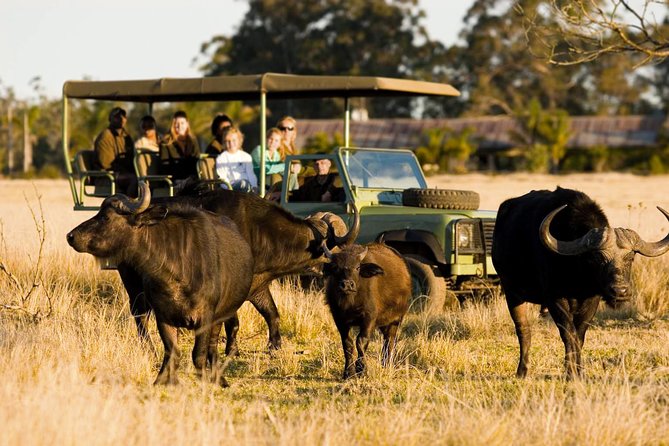
Big Five in two hours. That’s the pitch, and Plettenberg Bay Game Reserve delivers a 2-hour safari drive with open-vehicle views at the foothills of the Tsitsikamma Mountains.
I like the focus on efficient spotting, so you’re not burning half a day just getting positioned. I also like that you get a ranger-led trip that helps you make sense of what you’re seeing (and what you missed). One possible drawback: the on-site comfort level can feel basic, and you should plan to come prepared with your own water or drinks.
In This Review
- Why This 2-Hour Game Drive Works on the Garden Route
- The Starting Point: N2 Drive and the Reserve Setup
- Inside the 2,200-Hectare Reserve: What You’re Really Watching For
- Morning vs Afternoon Departure: Picking the Better Window
- The Ranger Factor: How Much the Guide Changes the Experience
- Don’t Ignore the Practical Comfort Stuff
- What You’ll See When the Drive Is Going Well
- Transportation, Tickets, and What’s Actually Included
- Who This Tour Fits Best (and Who Might Want More Time)
- Price and Value: Is $57.24 a Smart Buy?
- Should You Book This 2-Hour Drive?
Why This 2-Hour Game Drive Works on the Garden Route
If you’re doing the Garden Route, you already know time is the real luxury. This drive is built for people who want wildlife without turning the day into a full production.
The reserve is about 2,200 hectares, and it sits close to the Tsitsikamma Mountains. That matters because animals move, and habitat matters. A short outing only feels satisfying if your guide is good at steering you toward what’s most likely in that moment. The ranger-led format here is designed for exactly that: spotting isn’t random, and you’re not just hoping for a miracle from the roadside.
Price-wise, it’s $57.24 per person for a roughly 2-hour drive, which is fairly reasonable for a guided safari session on this side of South Africa. You’re paying for the access and the ranger’s eyes, not for a long day of transfers and waiting.
The Starting Point: N2 Drive and the Reserve Setup
Before the wildlife, you get a scenic warm-up: a drive on the N2 through the Garden Route on your way to the reserve.
There’s a practical reason this first leg is included. It helps you get oriented, and it also sets expectations. In safari country, you often arrive with a wish list in your head: elephants, rhinos, maybe a big cat. Then reality kicks in. The best guides help you pivot from wish list to probability.
The experience runs with either a morning or afternoon departure, so you can pick the time that best fits your itinerary. Since animal activity changes through the day, choosing your departure time is your first small decision that can affect your results.
The group size is capped at 22 travelers, which keeps things from feeling like a giant bus tour.
You can also read our reviews of more tours and experiences in Plettenberg Bay.
Inside the 2,200-Hectare Reserve: What You’re Really Watching For
This safari is structured around a simple goal: use a short window well. You’ll head out on a guided game drive around the reserve, which is a protected area with free-roaming animals.
The Big Five pitch is real here, but I like how the experience also gives you a longer list of “second chances.” In other words, even if a specific animal doesn’t show up during your exact time slot, you’re still likely to see a lot.
Here’s what you can realistically hope to encounter:
- Big Five: lion, leopard, rhinoceros, elephant, and Cape buffalo
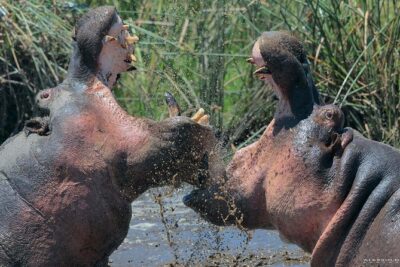
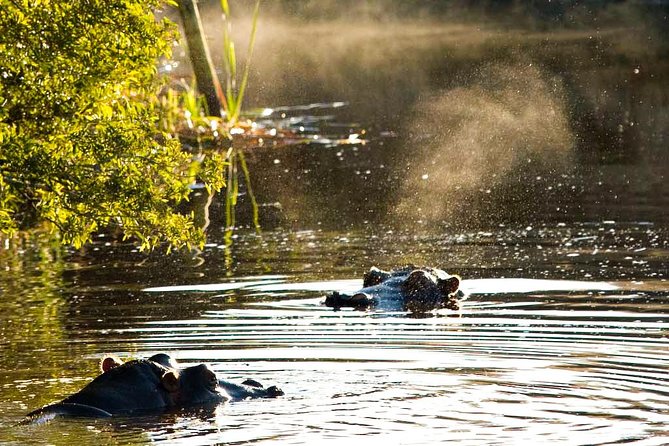
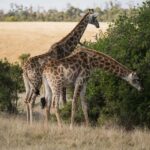
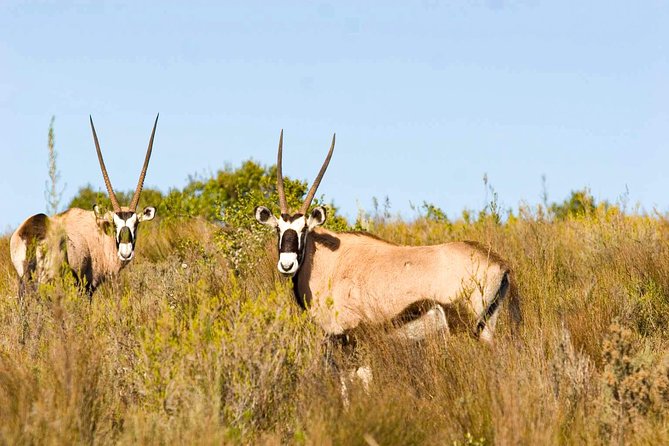
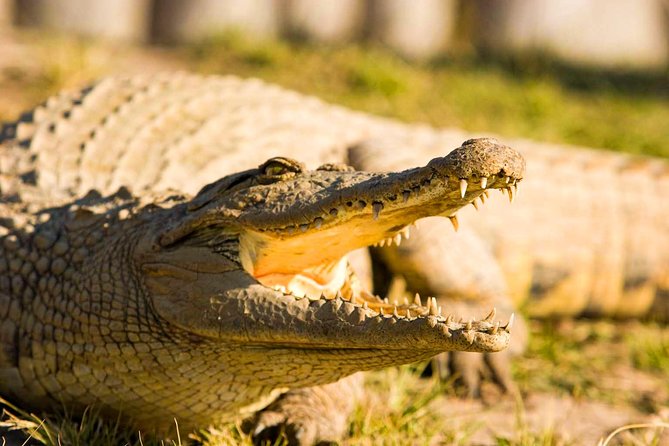
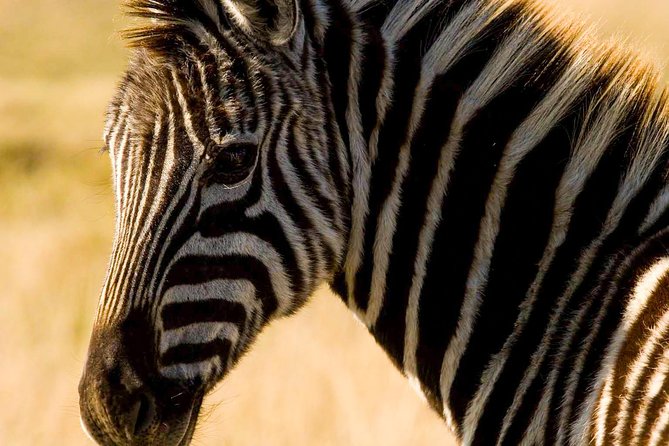
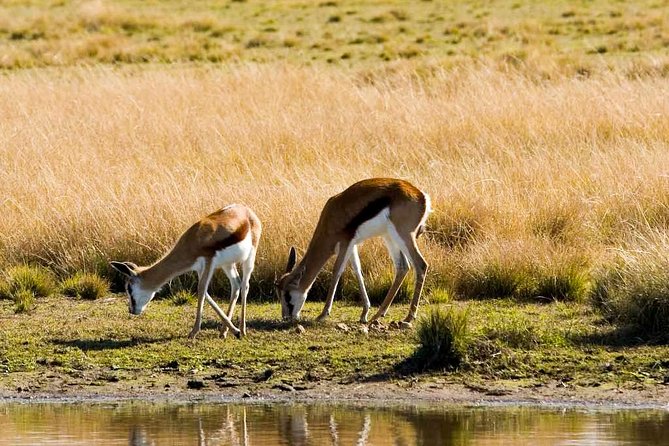
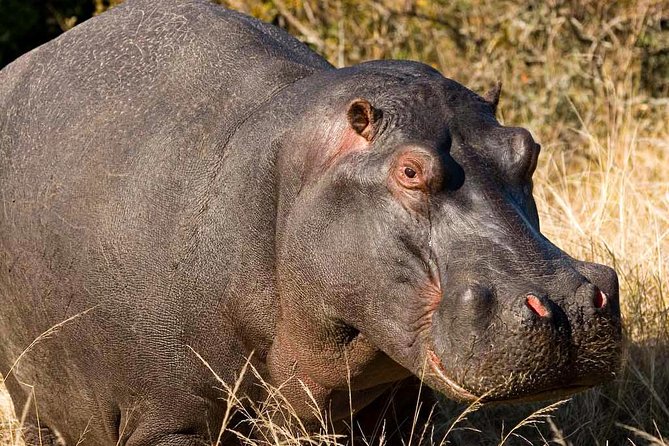
- Other common sightings: zebra, giraffe, hippo, crocodile, plus antelope species
- Lots of birdlife, including smaller species you can spot while you’re scanning the bush
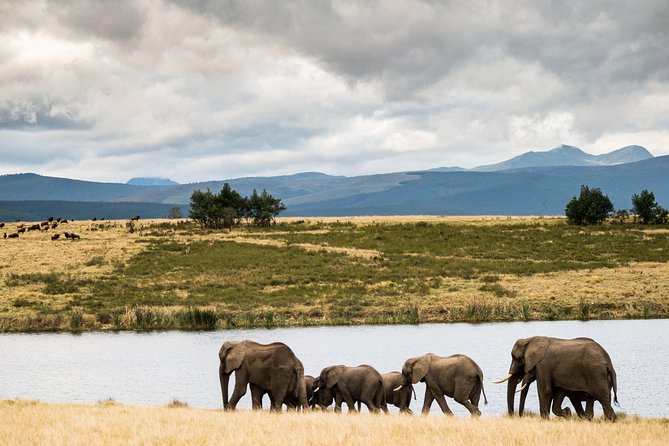
The reserve’s footnote is elephants. The information shared on-site notes elephants have recently arrived to complement buffaloes, rhinos, and leopards. That’s not just trivia. It signals an active ecosystem where multiple animal “anchors” are present, which increases the odds you’ll see more than one highlight.
And the rangers don’t just point. They explain what you’re looking at and why it’s worth your time. That turns the drive from watching animals into learning how the system works.
Morning vs Afternoon Departure: Picking the Better Window
You get a choice of morning or afternoon start, and that choice matters because wildlife behavior often shifts as the day changes.
I don’t want to oversell it like a guarantee. A leopard can vanish in minutes. A rhino can be hidden in plain sight. But picking the right time can help you align your drive with animals that are more active or visible.
My rule: if your schedule is flexible, choose the slot that matches your broader Garden Route pace. If you’re doing a long drive day, an afternoon departure can help you avoid a rushed morning. If you’re fresh and early anyway, mornings can feel calmer for scanning and photographing.
The Ranger Factor: How Much the Guide Changes the Experience
This is where the experience can swing from very good to unforgettable.
When the ranger is in top form, you get that close-up feeling that makes safari days stick in your head. One ranger named Ted is specifically highlighted as giving lots of information and helping spot elephants, giraffes, and rhinos. That’s the best version of this tour: the kind where the guide’s spotting skills and explanations line up with what’s happening in the bush.
Other times, the same format can feel less satisfying if your ranger seems disengaged. That doesn’t change the animals. It changes how much you understand what you’re seeing and how efficiently you’re positioned for sightings.
So here’s what you can do as a traveler: show up ready to look. Ask a question or two early (how he’s reading the day, where animals tend to be around this time). If the guide engages, you’ll get more out of every stop.
Don’t Ignore the Practical Comfort Stuff
Two practical points can make a big difference for your comfort.
First: some people have found the reception area and facilities to be run down, with limited seating and no obvious refreshments. That’s a signal to bring what you need. At minimum, carry water. If you like tea or coffee, bring it with you.
Second: if you’re driving yourself toward the reserve area beyond the gate, pay attention to road conditions. One caution noted that the road from gate to lodge can be rough and may really suit 4×4 vehicles more than standard cars. Even if you’re not taking a private drive plan, it’s worth keeping in mind if you’re trying to be early or exploring nearby.
This isn’t meant to scare you off. It’s meant to help you avoid the “why didn’t I bring that” moments.
What You’ll See When the Drive Is Going Well
Safari sightings tend to cluster. If conditions are right—weather, animal movement, and a guide who’s reading the reserve well—you can get multiple highlight moments in a short window.
From what’s presented about the reserve, here are the kinds of moments the drive is set up to create:
- Elephants close enough to feel real, not distant
- Rhinos that stand out because they can be stubbornly visible when they choose to be
- Hippos and crocodiles if you’re near the right water areas
- Giraffes and zebras that help fill the “you’re in Africa” checklist fast
Birdlife also gets attention here. Even when you’re not seeing the big stars, birds can keep your eyes busy and your photos interesting.
And you’re not stuck waiting forever. You’re on a 2-hour loop, which keeps energy up and attention sharp.
Transportation, Tickets, and What’s Actually Included
You get an admission ticket included, plus a tour guide. The tour runs from the start location back to the same meeting point.
What’s not included:
- hotel pickup and drop-off
- food and drinks
- excess luggage charges (if applicable)
The important takeaway: plan your own snacks and water. Arrive with the basics so you’re not stuck at the mercy of what’s available on-site.
You’ll also receive a mobile ticket, so have your phone ready and your confirmation accessible. That’s helpful for smooth check-in, especially when you’re traveling with multiple stops across the Garden Route.
The meeting point is: Plettenberg Bay Game Reserve, Uplands Road, Wittedrift, Plettenberg Bay, 6600, South Africa.
Who This Tour Fits Best (and Who Might Want More Time)
This is a good match if:
- you’re short on time but want a guided wildlife experience
- you’re passing through the Garden Route and want a focused activity
- you like the idea of a ranger-led drive where spotting is guided, not guessed
It might feel like less of a fit if:
- you’re expecting a full-day safari experience with lots of waiting and multiple vehicle changes
- you’re traveling with high comfort needs and rely on on-site refreshments and seating
- you’re especially sensitive to guide quality, since the ranger experience can affect how much you enjoy the ride
In plain terms: if you want quick value, this works. If you want “everything all day,” you may prefer a longer safari elsewhere.
Price and Value: Is $57.24 a Smart Buy?
For $57.24 per person and about 2 hours, you’re paying for:
- entry to the reserve
- the ranger-led game drive
- the chance at Big Five sightings in a short, efficient format
Safari costs add up fast on many routes. Here, the price lands in a zone that feels doable for many budgets, especially if you treat it as one highlight day rather than a full replacement for a multi-hour safari later.
The value improves if you:
- come prepared with water and snacks so you don’t lose time or comfort
- choose morning or afternoon thoughtfully
- go into it with flexible expectations (safari is animal timing, not scheduling)
Should You Book This 2-Hour Drive?
Yes, you should book it if you want a short, ranger-led wildlife outing on the Garden Route and you’re realistic about what two hours can deliver.
I’d book it for these reasons:
- Big Five odds plus other animals that fill the sightings list
- open-vehicle viewing that makes scanning easier and more engaging
- a format designed to use your limited time well
I’d think twice if you can’t handle basic on-site comfort or you’re the kind of traveler who needs detailed guide engagement for the whole experience to feel worthwhile.
If your plan is tight and you want a strong wildlife hit without slowing your trip down, this one fits the bill.