REVIEW · DAR ES SALAAM
3 Days Safari – Selous Game Reserve
Book on Viator →Operated by Gecko Adventure Tanzania · Bookable on Viator
Three days in Selous, fast and wild. What makes this trip interesting is the mix: a Rufiji River boat safari for hippos and crocodiles, paired with big-game time in one of Tanzania’s largest reserves. You’re also in an area with huge bird diversity, so even when the big action slows down, you’ll still have plenty to watch.
I also like the way the days are built around real wildlife viewing: a full-day game drive with a professional guide, then a calmer morning walking safari with an armed ranger to spot tracks and plants you miss from a vehicle. The main drawback is logistics: Selous is far from Dar es Salaam, so you’ll spend about 5–6 hours driving each way, and the days start early.
In This Review
- Key things that make this Selous safari work
- Selous Game Reserve: big space, animal focus, and less rush
- Dar es Salaam to Selous: the long drive that sets expectations
- Day 1 on the Rufiji River: hippos, crocodiles, and 440+ birds
- The big game drive days: long hours, pro guidance, and smarter breaks
- Day 3 walking safari with an armed ranger: slower, closer, and more personal
- Where you’ll stay and how meals are handled
- Price and value: what $950 really buys for 3 days
- Who should book this Selous safari (and who should think twice)
- Practical tips to make the most of your 3 days
- Should you book the 3 Days Safari – Selous Game Reserve?
- FAQ
- What time does the safari start?
- How many travelers are in the group?
- Where does this safari start and end?
- What’s included in the price?
- Are drinks included?
- Does the safari include a walking safari?
- What is the cancellation policy?
Key things that make this Selous safari work
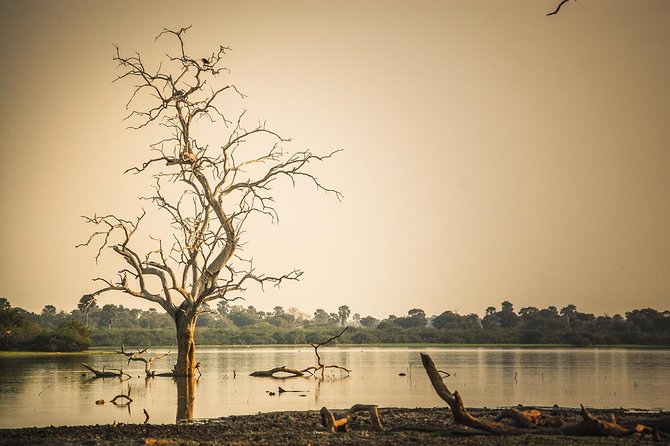
- Rufiji River sunset time: crocodiles, hippos, and lots of birdlife
- Two safari styles: vehicle drives plus a walking safari with an armed ranger
- Long wildlife days: early breakfast, packed lunch, and shade/water breaks chosen by your guide
- Habitat variety in one reserve: wetlands, dry grassland, acacia forest, and higher ground
- Small group size: maximum 12 travelers, with group discounts
- Meals and transport included: pickup, private transportation, and breakfast/lunch/dinner coverage
Selous Game Reserve: big space, animal focus, and less rush
Selous Game Reserve is famous for one thing travelers actually feel: space. You’re not squeezed into short loops. You’re covering real ground—long drive days, river time, and then a walking safari that forces you to slow down and notice what’s around you.
If your travel style is “I want to see wildlife, not just pass landmarks,” this is a strong match. Selous has a mix of wetlands, dry grassland, acacia forest, and higher ground with wide views. That matters because animals don’t stick to one setting. The more habitats you can cover in a short trip, the better your odds of seeing different behavior.
I also like the tone of the program. It’s designed for people with limited time and budget who still want the real safari experience. It’s not trying to be fancy. It’s trying to be effective.
You can also read our reviews of more tours and experiences in Dar es Salaam.
Dar es Salaam to Selous: the long drive that sets expectations
Most safaris fail on day one because people underestimate travel time. Here, you’re told up front: you’ll be picked up in Dar es Salaam (or from the airport) and driven to Selous, with lunch on the way. Plan for about 5–6 hours of road time.
That long transfer is a double-edged sword. On the plus side, it gets you into the reserve quickly enough to do something the same day. On the downside, you should treat day one as part travel day, part safari day, not a leisurely “arrive and stroll” day.
Pack for comfort even if you’re only riding in a vehicle:
- something light for sun and dust
- a refillable water bottle (drinks aren’t listed as included)
- layers, because mornings can feel cooler than expected after an overnight travel day
If you’re sensitive to long drives, consider using the time for rest. By the time you reach the camp, you’ll be more ready for an evening safari rather than thinking about your comfort.
Day 1 on the Rufiji River: hippos, crocodiles, and 440+ birds
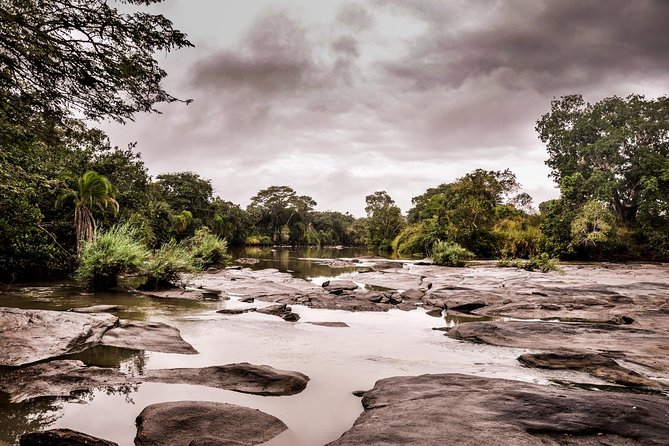
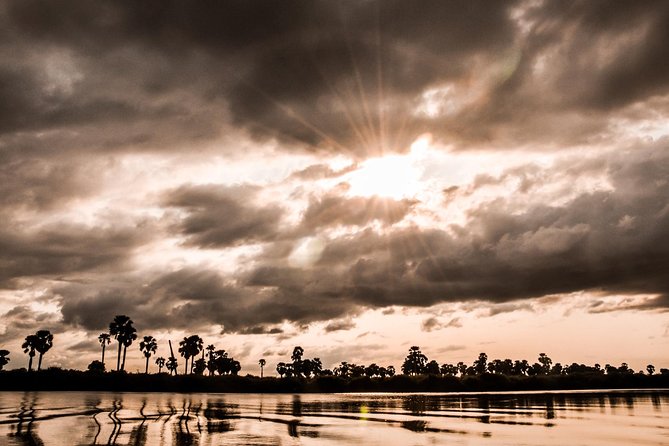
Your first major wildlife hit happens on the Rufiji River with a boat safari. The schedule gives you an evening slot, and it’s a smart choice. When light changes, animals act differently, and the river edges become prime viewing areas.
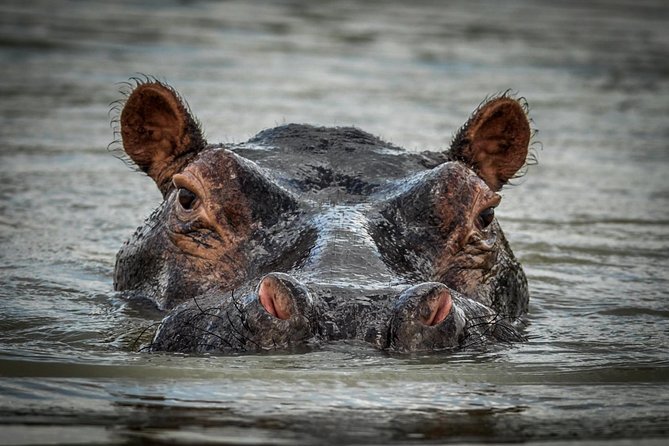
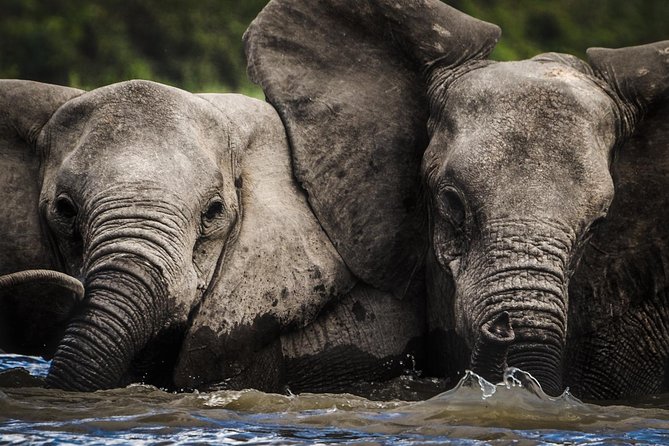
On the boat, you’re looking for aquatic life—especially crocodiles and hippos—plus birdlife. The program highlights that the reserve supports over 440 bird species. Even if you don’t see an animal in every moment, you’re still likely to enjoy constant movement: birds flying in and out, sitting in trees and reeds, and calling across the water.
What I like about doing the river first is psychology. It breaks the day into something you can enjoy right away, even before the longer game drives. It also teaches your eyes what to scan for: shorelines, feeding spots, and spots where wildlife gathers to drink.
Practical note: boat time can be bouncy and a bit chilly depending on weather. You’ll be happiest if you dress like it’s a shoulder-season evening—comfortable shoes, layers, and something that blocks wind.
The big game drive days: long hours, pro guidance, and smarter breaks
The heart of this safari is the game drive day (or days). You’ll start with an early breakfast (the schedule lists 7:00 a.m. for one day), then head into Selous for a long stretch of wildlife searching with a professional guide.
Expect to spend a lot of time in the vehicle—this is not a quick drive-by. The schedule describes a full-day game drive with guidance, plus another extended drive block. That’s a lot of hours, but it’s also where safari magic happens: your guide can work through the reserve methodically, returning to areas where animals are likely to show up again, and adjusting based on sightings.
What you can hope to see includes the major favorites: lion, elephant, giraffe, buffalo, zebra, and other major species. The program also specifically calls out the rare African hunting dog, which is a nice detail if that’s a species on your personal wishlist.
The habitat notes are useful because they explain why the day feels like more than one setting:
- wetlands
- dry grassland
- light acacia forest
- higher ground with long views
These habitat shifts help you understand what animals are likely to do. In wetlands and grassland you’re often scanning for movement and feeding behavior. In forest edges you’re more likely to see animals pause or travel between cover and open ground. Higher ground can change visibility and make it easier to spot distant movement—so your guide’s route choices matter.
Two small details are worth appreciating because they’re about comfort and focus: you’ll have a packed lunch, and your guide will choose a spot with shade and water for resting. That means you’re not just slogging through heat without a plan.
Day 3 walking safari with an armed ranger: slower, closer, and more personal
Not everyone wants to walk on safari, and that’s fair. But the walking safari in Selous is the kind of experience that changes how you see the land.
You’ll go out early with an armed ranger across the reserve. This is not just a stroll. It’s framed as a learning safari: you’ll learn about traditional trees used for medicines, look at animal footprints, and scan for small animals you might not notice during the drive.
I like this part because it flips your focus. In a vehicle, you mostly hunt with your eyes for movement. On foot, you start hunting with your eyes and feet for signs: tracks, patterns, and the small stuff that reveals where animals have been.
Then you’ll return to the camp for breakfast. That sequence is practical. It prevents the walking safari from eating your entire day before you’ve recovered.
After breakfast, you’ll drive back to Dar es Salaam with lunch on the way, arriving in the early evening. Gecko Adventure Tanzania will take you back to your hotel or help you catch your flight back home.
Where you’ll stay and how meals are handled
The schedule mentions check-in at Selous Tented Camp. Based on how these safaris are usually structured, you should expect a camp setup designed for safari viewing rather than hotel-style amenities. But the core point here is meals and timing.
Meals included:
- Dinner (2)
- Lunch (3)
- Breakfast (2)
Drinks are not included, so plan to budget for them separately if you want bottled water or other beverages.
This meal plan matters more than it sounds. With long drive days and wildlife viewing schedules, having food handled means you can stay focused on the safari instead of constantly finding lunch stops.
Price and value: what $950 really buys for 3 days
At $950 per person for about three days, the value depends on what’s included and how efficiently the time is used.
Here, the package clearly covers:
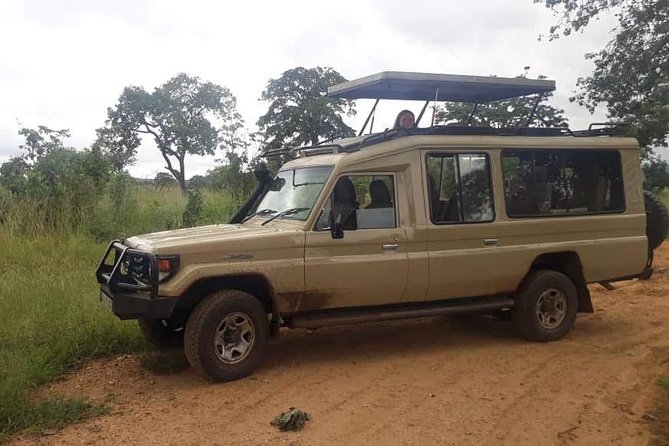
- pickup and transport (private transportation)
- parking fees
- meals (breakfast, lunch, dinner as listed)
- the key safari components on the schedule
It also runs as a small group (maximum 12 travelers). Smaller groups usually mean easier timing with guides, less crowd pressure, and more chance for your guide to respond to sightings rather than to keep everyone together for convenience.
You’re also getting a layered safari experience rather than repeating one format:
- boat time on the Rufiji River
- long game drives with a professional guide
- a walking safari with an armed ranger
That mix is what helps a short safari feel complete. Three days can’t cover every corner of a huge reserve, so it helps when those days include multiple ways of seeing animals. If you only had vehicle drives, you’d likely come back feeling like the trip was mostly one kind of viewing. The river and walking safari add different animal behaviors and different ways of reading the environment.
One more value point: the schedule notes group discounts and mobile ticket. That usually helps with practical friction—less paperwork chasing, fewer surprises at the start.
Who should book this Selous safari (and who should think twice)
This is a good fit if:
- you have limited time and want a full safari-style schedule
- you like seeing wildlife from both a vehicle and on foot
- you want a trip designed around practical viewing blocks (river, drives, walking)
- you don’t want to micromanage food or logistics while in the reserve
You might want to think twice if:
- long drives wear you out. You’re looking at about 5–6 hours each way from Dar es Salaam.
- you’re not comfortable with a walking safari. The program says it’s across the reserve with an armed ranger, and that implies uneven ground and real outdoor movement.
The program says most travelers can participate, but walking is walking. If you’re dealing with mobility issues, ask your operator how the ranger walk is paced and what the route style usually looks like.
Practical tips to make the most of your 3 days
A short safari is a lot of hours. Your best strategy is simple: prepare for comfort so your attention stays on animals.
Pack smart for a mix of boat and walking
- light layers for cool mornings and warm afternoons
- shoes you can walk in comfortably
- a small bag that stays secure (especially for boat time)
Bring your own water planning
Drinks aren’t listed as included, so plan for hydration. Even if the guide pauses for shade and water, you don’t want to rely on buying beverages last-minute.
Use binoculars if you have them
The program emphasizes birds and distant views from higher ground. Binoculars make the birdlife and far-off action more satisfying.
Take breaks seriously
Game drives run long. When your guide offers shade and water breaks, don’t treat them as optional. They’re part of how you keep your energy for more sightings later.
Should you book the 3 Days Safari – Selous Game Reserve?
If you want a safari that feels efficient without feeling rushed, I think this one is worth considering. The Rufiji River boat safari gives you a strong first day, and the combination of long vehicle drives plus a walking safari with an armed ranger rounds out the experience. The price isn’t low, but it lines up with a program that handles transport and most meals while packing in multiple wildlife viewing formats.
I’d only tell you to pause if the long road time or walking segment would stress you. Otherwise, this is a solid choice for a short trip to Selous when you care most about seeing wildlife and learning how to spot it.
FAQ
What time does the safari start?
The start time is listed as 7:30 am.
How many travelers are in the group?
The group size has a maximum of 12 travelers.
Where does this safari start and end?
It starts in Dar es Salaam, Tanzania, and it ends back at the meeting point (with transfers back to your hotel or flight plans noted on the final day).
What’s included in the price?
The price includes parking fees, private transportation, and meals: breakfast (2), lunch (3), and dinner (2).
Are drinks included?
No. Drinks are not included.
Does the safari include a walking safari?
Yes. It includes a walking safari inside Selous Game Reserve with an armed ranger.
What is the cancellation policy?
You can cancel for a full refund up to 24 hours in advance. The experience may also be rescheduled or refunded if it’s canceled due to poor weather, and cancellation can happen if a minimum traveler number isn’t met.