REVIEW · MALE
3 Point Snorkeling Safari
Book on Viator →Operated by Secret Paradise Maldives · Bookable on Viator
Three snorkel stops, zero boredom. This 3-hour safari out of Malé turns your morning into coral-and-fish time, with a friendly, safety-first crew and a guide who keeps you together in the water. I like the small max group size (up to 8), which makes it easier to get help fast. I also like that you get instruction on respectful snorkeling plus a Fish ID Card, so you come back with more than just photos. One possible drawback: the boat ladder and getting in and out can be awkward for some people, especially when there’s a bit of swell.
You start at Hulhumalé, typically at Hulhumale Lakudi Jetty (9:30am), then hop on a speedboat to three snorkeling locations picked to match conditions. You’ll get fitted with mask, fins, and snorkel, then hear a quick orientation on responsible snorkeling before your first splash. Expect to look for rays, reef sharks, and sea turtles, while your guide stays close for comfort and safety.
In This Review
- Key things to know before you go
- Why this 3-stop safari near Malé is worth the short day
- Getting to Hulhumalé: what the morning setup looks like
- Gear that’s included, plus the little extras that help you enjoy it
- Stop-by-stop: how the three reef visits usually play out
- First stop: settle in and get your bearings fast
- Second stop: more species, more coral texture
- Third stop: the wildlife bonus round (when conditions cooperate)
- The responsible snorkeling lesson: why it improves your experience
- Wildlife sightings: what you should look for (and what can happen from the boat)
- Seasickness, entry ladders, and the practical stuff nobody puts in brochures
- Price and value: is $110 a fair deal in the Maldives?
- Who should book this safari, and who should skip it
- Should you book the 3 Point Snorkeling Safari?
- FAQ
- Where does the tour start?
- What time does the snorkeling safari run?
- How long is the experience?
- Is snorkeling equipment included?
- Do I need to bring my own mask?
- What snorkeling abilities are required?
- What happens if weather is bad?
- Is free cancellation available?
Key things to know before you go
- Three stops, not one: You get multiple chances at better water and better sightings.
- Small-group feel: Max 8 travelers helps the guide keep an eye on everyone.
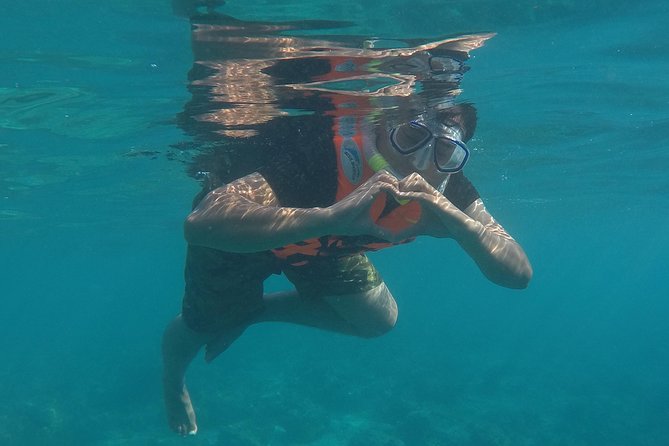
- Gear plus guidance: Snorkel equipment and an in-water guide are included.
- Respect rules that matter: You get coaching on how to snorkel without stressing the reef or wildlife.
- Safety certifications: Guides are Emergency First Responders and Life Guard Certified.
- Bring your own mask if you’re picky: They provide gear, but a personal fit can feel better.
Why this 3-stop safari near Malé is worth the short day
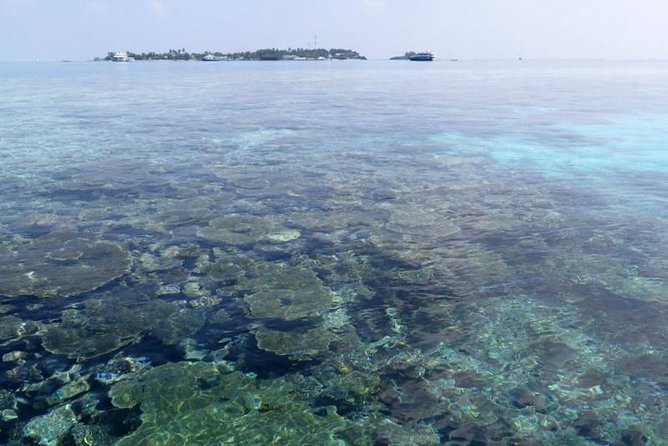
Most snorkeling days in the Maldives either feel rushed or drag on longer than you want. This one is refreshingly short. It’s built around three reef visits in about 3 hours, so you’re not spending half the day traveling for a single swim.
The value here is how much underwater time you actually get. Reviews and the tour flow point to a steady rhythm: speedboat to a site, quick orientation, then time in the water with the guide and group staying together. Because you’re not making long transfers between far-flung islands, you keep your energy for what you came for—coral, fish, and the chance of bigger wildlife.
Another smart part: the itinerary is chosen based on weather and ocean conditions. That sounds like standard small print, but it matters. Choppy water can change everything about snorkeling comfort, ladder climbs, and how long you can enjoy the surface view before you’re tired.
Getting to Hulhumalé: what the morning setup looks like
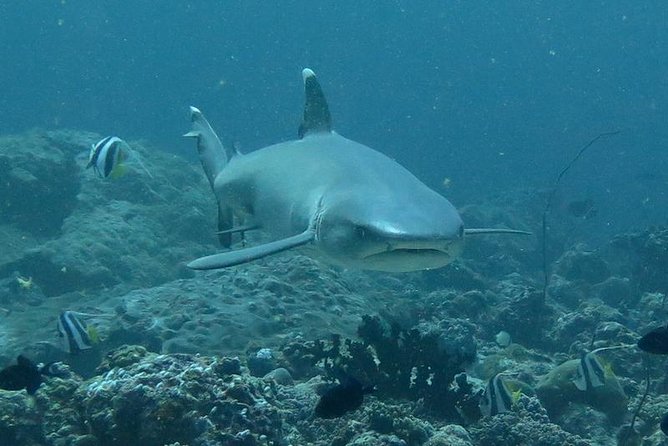
Your tour starts at Hulhumale Lakudi Jetty, with an option for hotel pickup. It’s a near public transportation area, so if you’re staying in Malé or nearby, you’re not stuck planning a complicated route just to meet the boat.
At 9:30am, you’ll meet the captain and crew, then board the speedboat. Expect a quick fit of the snorkeling kit: mask, fins, and snorkel. Buoyancy aids are available too, but there’s an important condition—snorkeling is only appropriate for people who can swim unassisted. If you rely on arm floats or need constant support, this may not be the right match.
Then it’s off to the first site. Along the way, you get some sea views from the boat and time to settle in before the water part starts. This is where “3 hours” starts to feel realistic: you don’t spend your whole day in transit.
Gear that’s included, plus the little extras that help you enjoy it
This tour includes snorkeling equipment, and that’s a big deal in the Maldives. If you travel light, you won’t have to gamble on borrowed gear or show up without the basics.
You’ll also get a Fish ID Card. That’s one of the simplest “how is this so useful?” items on a snorkeling trip. When you can name what you’re seeing—even if it’s just a card with common species—you notice more. You stop treating every fish like a blur and start tracking shapes and behaviors. It also helps on the days when visibility isn’t perfect, because you can focus on what’s closest to you rather than chasing every flash of color.
One tip from the operator’s guidance: if you have your own mask and snorkel, bring them. They’ll still provide gear, but personal equipment can fit better and feel more secure. That’s not just comfort—it reduces the irritation that can ruin your attention once you’re on the reef.
For what to pack, keep it practical:
- dry bag (for phone/camera)
- beach towel
- sunscreen and water
- snacks if you snack
- camera
Stop-by-stop: how the three reef visits usually play out
The exact locations can shift based on conditions, but the structure stays the same: three snorkeling points with a guide-led orientation at the start of the experience.
First stop: settle in and get your bearings fast
At the first reef, you’ll get a short orientation on respectful snorkeling. This is the part that pays off later. If you understand how close to stay, where not to kick, and how to move slowly, you’ll see more without stirring up sediment or bumping coral.
Wildlife at this stage is often what turns snorkeling from “nice” into “wow.” On this type of safari, you should keep watch for rays and reef fish close to the reef edge. Reviews also mention stingrays and turtles showing up at the first point.
Second stop: more species, more coral texture
The second swim is where you usually start noticing the variety. By now you’re used to the mask and fins, and your body feels less like a new machine. That makes it easier to follow the guide’s cues and look both forward and down.
This stop is often where you find more turtles and reef creatures that hang around coral structure. Reviews mention everything from nurse sharks to more turtles and colorful reef fish—so yes, the day can start small and still grow into something memorable.
Third stop: the wildlife bonus round (when conditions cooperate)
The third location is the one that tends to feel special. In reviews, this is where people talk about reef sharks and other big, confident wildlife—plus the kind of coral detail that makes you slow down for photos. One review even calls out the third stop as special after rougher weather.
Of course, you can’t control the ocean. But the three-stop design helps. If one site has lower visibility or less action, you still have two more chances that usually keep the day balanced and fun.
The responsible snorkeling lesson: why it improves your experience
This tour doesn’t treat snorkeling like a free-for-all. You get an orientation on respectful, responsible snorkeling practices before you enter the water.
Why you should care: coral is easily damaged, and rushing around is the quickest way to kick up sand and lose visibility. When you snorkel calmly, keep distance, and move slowly, you see more. You also avoid becoming the loud clumsy visitor the reef has to tolerate.
The guide stays with your group to support safety and comfort. That matters because confident snorkeling isn’t only about swimming. It’s about breathing, buoyancy, and not panic-fidgeting when you see something big nearby. If you’ve snorkeled before and still get nervous in open water, having that constant support is a comfort.
The guide style is also a big theme in the reviews. People specifically mention guide patience and calm coaching—like Archie, who helped return-to-snorkeling confidence for someone getting back into it after years away.
Wildlife sightings: what you should look for (and what can happen from the boat)
The tour is built around the Maldives’ best-known snorkeling targets. Your job is simple: watch for rays, reef sharks, and sea turtles while your guide keeps the group together.
In reviews tied to this safari format, you’ll also see mentions of:
- black-tip sharks and reef sharks
- stingrays and manta rays
- nurse sharks
- moray eels
- starfish
- dolphins spotted from the boat at the start of the day
That dolphin note is worth keeping in mind. Even if your main goal is underwater, the boat ride can add a fun bonus when conditions allow.
A quick reality check: you might see the full list, or you might miss one or two. That’s part of snorkeling in general. The good news is the three reef stops increase your odds more than a single-site half-hour would.
Seasickness, entry ladders, and the practical stuff nobody puts in brochures
Even a well-run snorkeling trip can feel different depending on water conditions. One review describes wind and rougher water making the experience harder to enjoy fully. Another mentions difficulty with ladder use and comfort climbing out.
Here’s how to plan for that without stressing:
- If you’re prone to motion sickness, consider your tolerance before you go out. There’s no shame in skipping.
- The boat has a ladder and rear platform for exiting and entering the water. If you’re not used to ladder climbs, practice calm, one step at a time.
- If you’re shorter or have lower leg strength, wear a supportive swimsuit and skip anything that makes climbing slippery.
Also, keep expectations aligned with the tour duration. This is not a long ocean swim. It’s short, guided, and focused.
Price and value: is $110 a fair deal in the Maldives?
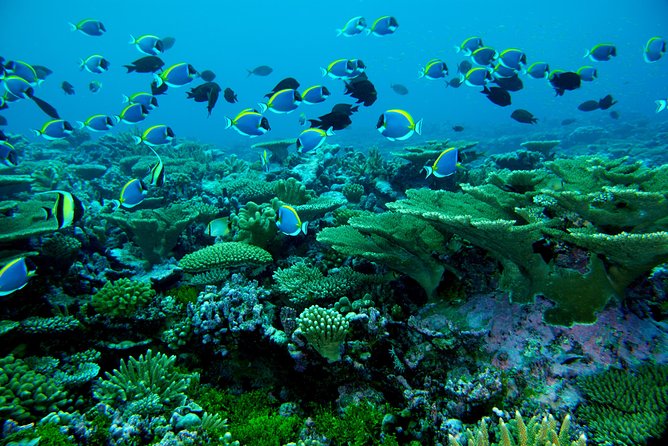
At $110 per person, this isn’t a bargain-glamour price. It’s also not priced like a private yacht fantasy. For most people, the value comes from four things you’re not paying extra for:
- speedboat transport from the Malé area
- snorkeling equipment
- a local accredited snorkeling guide
- the Fish ID Card plus local taxes
Small-group size matters for value too. Max 8 travelers makes it easier for the guide to keep eyes on you without turning the whole trip into a production line.
Where value can dip slightly is in comfort details like boat shade, timing, and boarding steps. One review mentions the boat being delayed due to refueling, plus notes about limited shaded area. Another points out missing fruit during a specific time period (with an explanation tied to fasting). These aren’t deal-breakers for most snorkelers, but they’re good to know so you don’t go in expecting a perfect hotel-style experience.
For many travelers, the best “price” question isn’t cost. It’s: will I feel safe, guided, and satisfied after only 3 hours? This tour is set up to deliver that.
Who should book this safari, and who should skip it
This experience fits well if you want:
- a short, focused snorkeling day near Malé
- guided instruction and safety support
- a chance to see rays, reef sharks, and turtles
- a small group setting (max 8)
It’s less ideal if:
- you’re staying on a private island resort (this tour isn’t suitable for that scenario)
- you can’t swim unassisted (buoyancy aids exist, but snorkeling itself requires unassisted swimming ability)
- you hate ladder boarding or have major mobility concerns (because ladder access can be tricky)
If you’re a first-time snorkeler, you might feel nervous at the start. The good part is the guides are described as patient and supportive. People also mention great help regaining comfort, like the way Archie worked with someone returning to snorkeling after years.
Should you book the 3 Point Snorkeling Safari?
I think you should book it if you want a real Maldives snorkeling hit without turning your whole day into a travel marathon. Three reef stops in about 3 hours is a smart format, especially from the Malé area. Add included gear, a fish ID tool, and a guide who teaches respectful snorkeling—and you get a better chance of coming back impressed, not just wet.
Skip it if your top concern is smooth, easy boat entry. Also skip if you can’t swim unassisted. And if you’re extremely sensitive to choppy water, consider whether you’re okay taking a weather-chosen route.
If you’re flexible and you want a small-group snorkeling safari that’s tuned to wildlife odds, this one is a solid pick.
FAQ
Where does the tour start?
The tour starts at Hulhumale Lakudi Jetty, at the Hulhumalé Ferry Terminal area in Malé. The tour ends back at the original meeting point.
What time does the snorkeling safari run?
The start time listed is 9:30am.
How long is the experience?
It runs for about 3 hours.
Is snorkeling equipment included?
Yes. Snorkel equipment is provided on the tour, including mask, fins, and snorkel. Buoyancy aids are also available.
Do I need to bring my own mask?
You don’t have to, but the operator recommends bringing your own mask and snorkel if you have them. A personal mask can fit better and be more comfortable.
What snorkeling abilities are required?
The tour is only appropriate for people who can swim unassisted. Buoyancy aids are available, but snorkeling still requires unassisted swimming ability.
What happens if weather is bad?
The experience requires good weather. If it’s canceled due to poor weather, you’ll be offered a different date or a full refund.
Is free cancellation available?
Yes. You can cancel up to 24 hours in advance for a full refund. If you cancel within 24 hours of the start time, the amount paid is not refunded.