REVIEW · ARUSHA
Multi-Day Camping Safari Experience in Arusha
Book on Viator →Operated by SERENGETI LANDMARK TOURS · Bookable on Viator
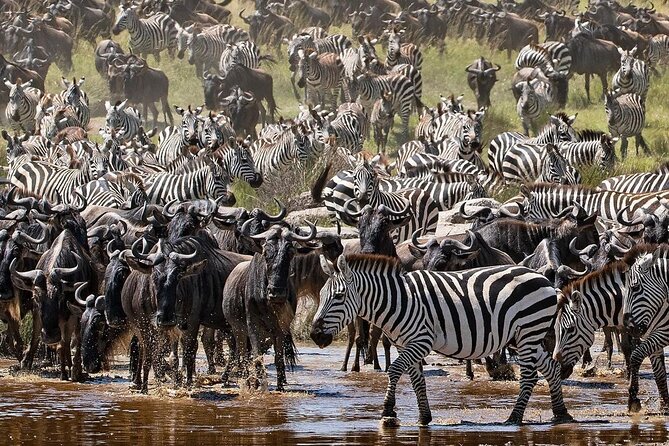
If you time it right, the Serengeti turns into a live-action wildlife drama. This 6-day camping safari from Arusha is built around the great wildebeest calving migration window (December to April), with game drives in the Ndutu area plus Southern/Central Serengeti, where the action often peaks.
What I like most is the tight focus on the calving period, when you’re more likely to see newborn wildebeest spread across the short-grass plains. I also like the mix of ecosystems—Tarangire’s dry-season elephants and baobabs, then Ndutu’s soda lakes and swamps, then the Ngorongoro crater bowl, and finishing at Lake Manyara’s birdlife. One thing to consider: you’re booking a seasonal target, so your best sightings depend heavily on timing and conditions.
In This Review
- Quick take before you go
- Why the Ndutu calving window changes everything
- Group size, pop-up roof jeeps, and the day-to-day safari rhythm
- Day 1 in Tarangire: elephants, baobabs, and dry-season water
- Days 2–3 in Ndutu and Southern/Central Serengeti: the calving focus
- Day 2: Ndutu afternoon game drive
- Day 3: full day game drive in swamps, soda lakes, and short grass
- Day 4: sunrise Serengeti and the shift toward Ngorongoro Crater
- Day 5 in Ngorongoro Conservation Area: the 600-meter descent and Lake Magadi
- Day 6 in Lake Manyara: birdlife and a Rift Valley finale
- Price and value: what $1,496 really covers (and what it doesn’t)
- Guides make the difference: Robert, Swalehe, Raymond, and how you’ll feel day-to-day
- Who this safari fits best (and who should think twice)
- Should you book this Great Wildebeest Calving safari from Arusha?
- FAQ
- What time of year is this safari focused on?
- How long is the safari?
- Where does the safari start and offer pickup?
- Which parks and areas are included?
- Is there a mobile ticket and WiFi included?
- What meals are included?
- What’s not included in the price?
- What vehicle setup do you use for game drives?
- What is the cancellation policy?
Quick take before you go
- Calving-season routing: Ndutu in Ngorongoro Conservation Area during the December–April calving months.
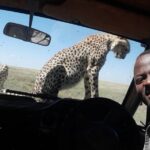
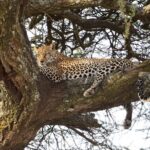
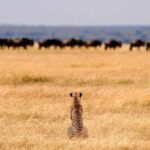
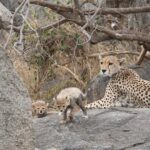
- Predator focus: The areas described are known for strong chances of cheetah, lion, hyena, and leopard activity.
- A true multi-park circuit: Tarangire, Serengeti (Ndutu/Southern-Central), Ngorongoro, and Lake Manyara.
- Compact group size: Maximum of 6 travelers, which helps with flexibility on safari days.
- Pop-up roof safari jeeps: Better sightlines for spotting and photographing without the constant headgear shuffle.
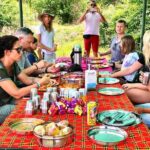
- Meals included: Breakfast and lunch most days, plus dinners on most nights, with unlimited drinking water in the vehicle.
Why the Ndutu calving window changes everything
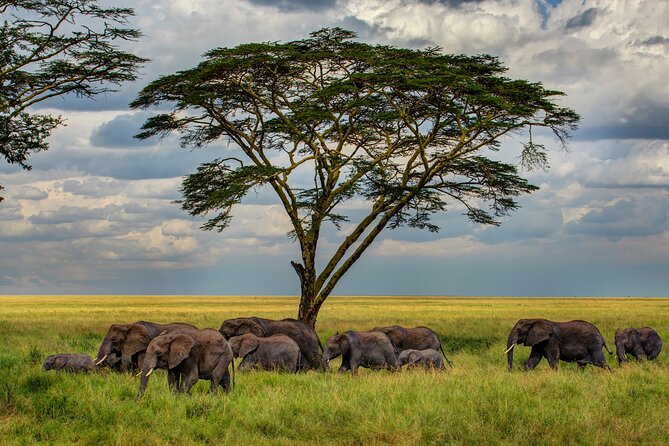
Most Serengeti trips are great for classic plains wildlife. This one is different because it’s aimed at the calving migration phase, when herds are close to the short-grass plains and the timing can matter a lot.
From roughly February, there’s a short window (about three weeks) when calving activity is especially concentrated in the Ndutu/short-grass areas described for this season. That matters for you because predators often follow the easiest options. The idea here is simple: when the herd is birthing and calves are small, food sources tighten, and hunting opportunities can rise.
You’ll also notice the tour’s wording leans heavily toward predator action at its peak. That’s not a guarantee of leopard on cue, but it’s a realistic reason to travel during the right months rather than just “any time of year.”
You can also read our reviews of more tours and experiences in Arusha.
Group size, pop-up roof jeeps, and the day-to-day safari rhythm
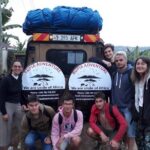
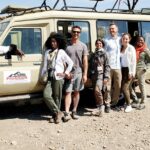
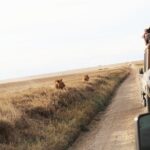
This safari runs with a small group—up to 6 travelers—and you’ll be in a pop-up roof safari jeep. For practical value, that setup helps in two ways: you can get better sightlines when the animals are moving through open areas, and you’re not stuck sharing cramped angles.
The itinerary also uses an efficient daily rhythm:
- mornings start early on the higher-demand days,
- game drives fill the middle of the day,
- you shift locations between parks without losing the safari time you paid for.
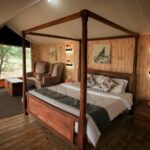
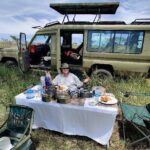
Comfort is “camping safari” comfort. In the reviews, people noted sleep quality as ok, which I’d file under: expect basic, not hotel-level bedding. The flip side is that the included meals and the steady schedule are meant to keep the trip feeling smooth even when you’re up early.
One more small but helpful point: unlimited drinking water is included, plus WiFi on board. On a long day, having water always available beats the constant stop-and-check routine.
Day 1 in Tarangire: elephants, baobabs, and dry-season water
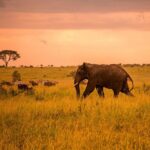
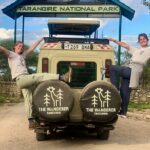
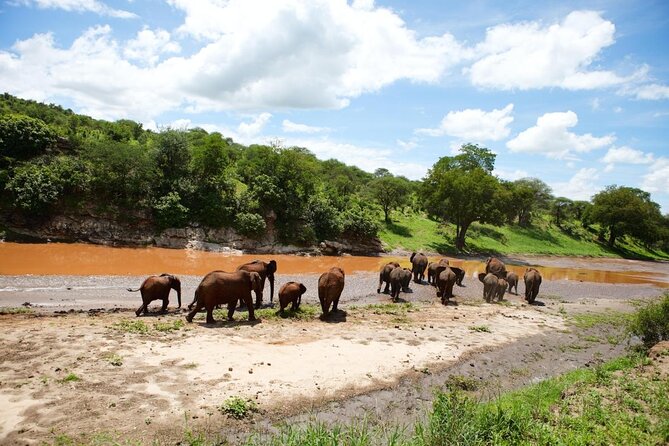
Your first major day lands in Tarangire National Park. Even if you’ve seen elephants on other trips, Tarangire’s draw is its dry-season concentration along the Tarangire River, which flows year-round and supports wildlife even when many other areas are drier.
Tarangire is also known for:
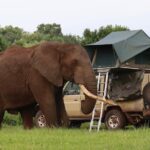
- large herds of elephants,
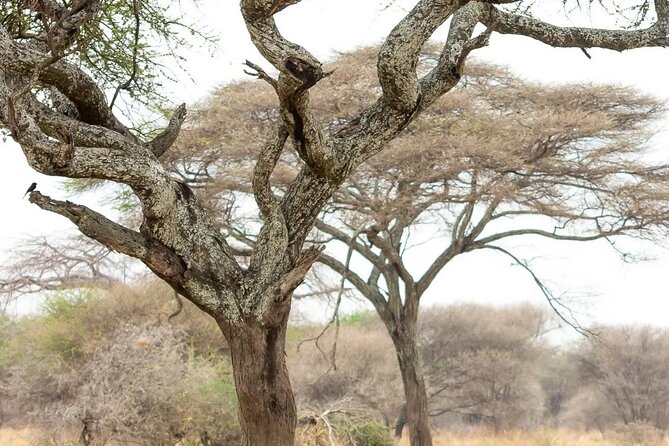
- baobab trees (often called the Tree of Life),
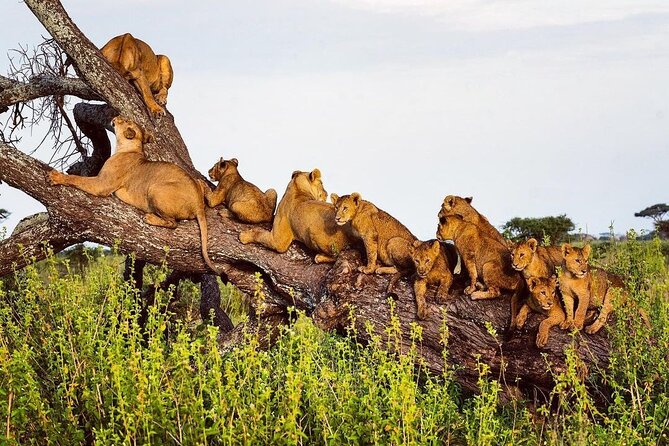
- a chance of tree-climbing lions.
The value of starting here for your overall trip is that it eases you into safari mode with strong “wow” wildlife right away, before you move into the Serengeti’s deeper calving-focused territory.
Possible consideration: Tarangire time can feel fast because you’re entering safari terrain with lots of variety. If you’re the type who likes slow, lingering looks, you’ll want to bring patience and aim for lots of short “spot-and-watch” moments.
Days 2–3 in Ndutu and Southern/Central Serengeti: the calving focus
These are the days the safari is built around, and they’re the ones you should watch most closely when deciding if this trip matches what you want.
Day 2: Ndutu afternoon game drive
After breakfast, you head to the Ndutu area in the Ngorongoro Conservation Area, which is part of the southern Serengeti ecosystem. Lake Ndutu is alkaline (still drinkable water is consumed by wildlife), and the region is described as heavily used by migratory and resident animals.
What you’re looking for here:
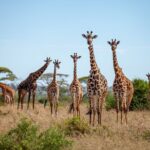
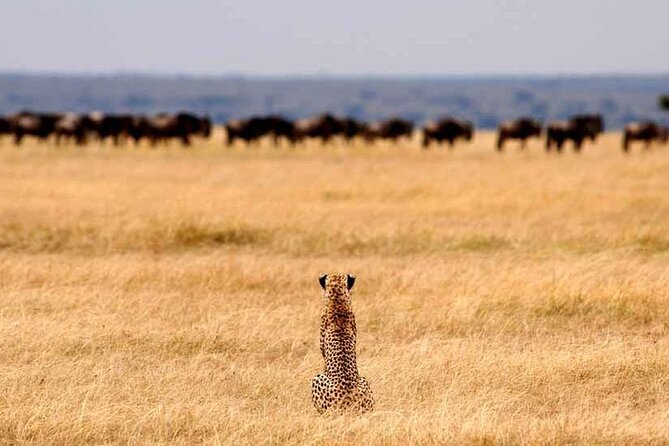
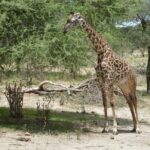
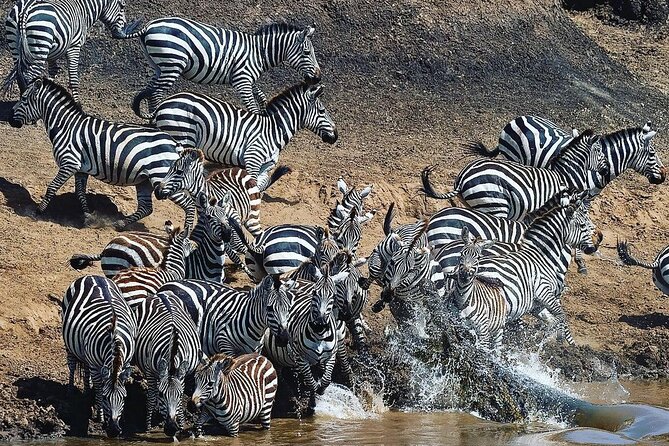
- wildebeest and zebras moving across the plains,
- nearby game like elephants and birds,
- the general “stage setting” for the calving-heavy sightings.
If you’re traveling during the peak months, Day 2 can be your warm-up day that sets the pattern: where the herds are moving, how predators hunt in open grass, and what the daytime light does to spotting.
Day 3: full day game drive in swamps, soda lakes, and short grass
Day 3 is the big one. It’s a full day drive across multiple habitats: swamps, woodland, soda lakes, and the Serengeti short-grass plains. This is the kind of day that can feel like multiple safaris in one.
The key period noted is about three weeks around February, when calving is more concentrated. That’s also where your odds of seeing the “predator math” play out can rise:
- calves can start moving quickly,
- the open grass provides limited cover,
- predators can target the easiest moments.
This is also where your guide’s scanning skill matters. In the reviews, guides like Swalehe and Robert were described as strong at finding what people want—animals and the bigger picture of what’s happening on the ground. On a day like this, that type of guiding makes the trip feel less like “we drove around” and more like “we worked the system.”
Practical note: even on an all-day drive, you’ll likely want to plan for fatigue. Heat and sun add up fast. Bring layers for early morning warmth, and don’t skimp on sun protection.
Day 4: sunrise Serengeti and the shift toward Ngorongoro Crater
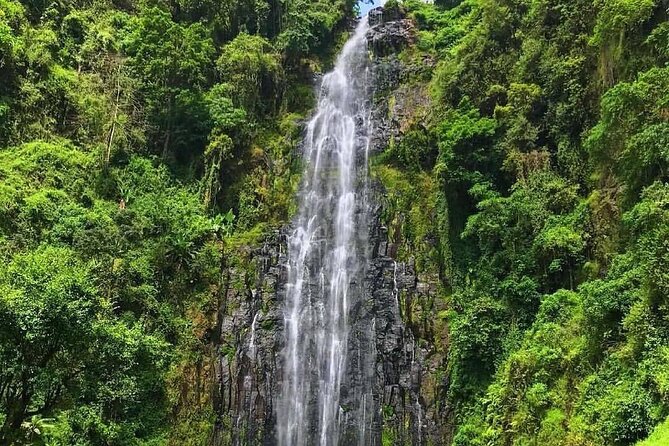
Day 4 begins with a very early wake-up and breakfast, aiming for a sunrise inside Serengeti. Then you get an early morning game drive up to about 11:30am, followed by lunch and packing.
After that, the day shifts toward Ngorongoro for dinner and overnight at a nearby campsite area (as described around Simba campsite).
Why this day matters: it’s a reset-and-reposition day. You’re not just chasing animals in one park. You’re moving into the crater ecosystem where the wildlife density and predator opportunities work differently than the open plains.
If you like variety, this is a good day. If you hate travel days, then Day 4 may feel like the “least relaxing” part of the itinerary. Still, the schedule is built to keep game drive time high before the transfer.
Day 5 in Ngorongoro Conservation Area: the 600-meter descent and Lake Magadi
Then comes the signature shot: Ngorongoro Crater.
You’ll drive to the Conservation Area, then descend about 600 meters into the crater to view wildlife. The logic behind Ngorongoro is that the crater is like a self-contained bowl: year-round water supply and fodder support animals throughout the year.
You’re likely to see a mix including:
- wildebeest and zebra,
- buffalo and eland,
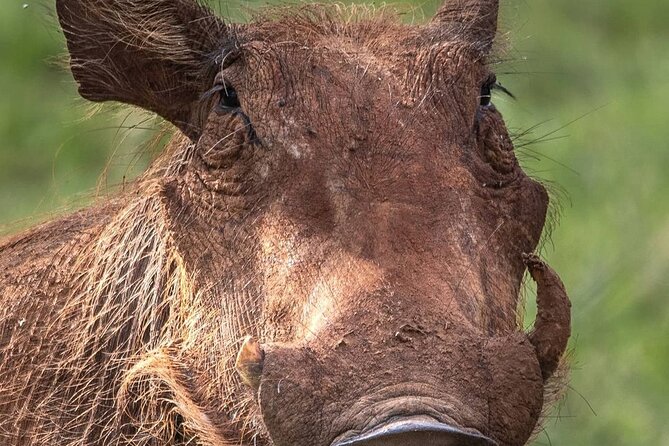
- warthog and hippo,
- plus giant African elephants among others,
- and a strong predator scene: lions, hyenas, jackals, cheetahs, and the leopard (not always easy, but the chance exists).
The other key stop is Lake Magadi in the southwest corner of the crater area. It’s described as an alkaline lake where you can see things like flamingos, plus hippos and other water birds.
What I like about adding Ngorongoro after Ndutu is the contrast in viewing style:
- Serengeti plains = wide sightlines and fast movement,
- Ngorongoro = a more “contained stage” where animals gather and patterns show up quickly.
Possible consideration: crater sightings can feel weather-dependent. Visibility and heat can change how far you can scan. Early descending and steady guiding help.
Day 6 in Lake Manyara: birdlife and a Rift Valley finale
Your final day heads to Lake Manyara National Park, a scenic, compact circuit known for birdlife and Rift Valley views. It’s one of Tanzania’s most diverse reserves, and the lake covers about two-thirds of the park.
Key nature draw here:
- over 400 species of birds,
- large numbers of pink-hued flamingos,
- plus the dramatic Rift Valley wall backdrop.
This day works well as a “lower-pressure” finale after Serengeti and Ngorongoro. Even if predator action slows down in your mind (it happens), you still get a different kind of safari payoff: birds, water edges, and a more relaxed pace to close the loop.
If you’re photo-minded, this is a strong day for quick shots and wide-angle scenes of the shoreline and birds.
Price and value: what $1,496 really covers (and what it doesn’t)
At $1,496 per person for about 6 days, you’re paying for a full circuit with parks, transportation, and a package of meals.
What’s included:
- All fees and taxes,
- pickup is offered,
- unlimited drinking water,
- WiFi on board,
- pop-up roof safari jeep transport,
- meals: breakfast (6), lunch (6), dinner (5),
- and a camping safari style stay (sleeping described as ok in one review).
Not included:
- tips,
- visa and air tickets,
- items of personal use,
- alcohol.
How I’d judge the value: this is not just “a seat on a vehicle.” You’re paying for park access across multiple regions plus the specific seasonal routing for calving. If you travel during the target months, you’re buying time in the right places, not just “more driving.”
The meals piece also matters. In the reviews, people said the food was very delicious and above expectations. Since breakfast/lunch/dinner are mostly covered, you won’t have to constantly budget for meals on the move.
Guides make the difference: Robert, Swalehe, Raymond, and how you’ll feel day-to-day
A safari is partly wildlife luck, but it’s also skill. The reviews highlight guides such as Robert, Swalehe, and Raymond as being helpful, attentive, and strong at spotting animals and reading landscapes and cultures.
Here’s why that matters for you:
- On calving days, animals can appear suddenly or blend into grass and distance.
- A good guide helps you stay oriented—what you’re looking for, where to focus, and when to change angles.
- When you’re moving between Tarangire, Ndutu, Serengeti, and Ngorongoro, knowledge helps the drive feel logical rather than random.
If you want the trip to feel smooth rather than stressful, this is the human factor to prioritize when you book.
Who this safari fits best (and who should think twice)
This tour fits best if you:
- want a wildebeest calving-season safari rather than generic Serengeti sightseeing,
- like a multi-park itinerary with both plains and crater ecosystems,
- don’t mind early starts and long game-drive days,
- want small-group pacing (maximum 6 travelers).
It may be less ideal if you:
- hate camping-style sleeping and can’t tolerate basic comfort (sleeping was noted as ok in at least one review),
- want a guaranteed leopard or guaranteed kill-day style outcome (wildlife timing is never fully controllable),
- are traveling outside the Dec–Apr calving window and are hoping for the same level of calving concentration.
Should you book this Great Wildebeest Calving safari from Arusha?
I’d say yes if your trip timing lines up with December to April and you specifically want the calving story in Ndutu and Southern/Central Serengeti. The routing is coherent: you start with Tarangire’s strong wildlife anchors, build into the calving season focus, then switch to Ngorongoro’s crater density and finish with Lake Manyara’s bird-heavy finale.
If you’re on the fence, here’s the practical checklist:
- Check your month first. The safari’s theme depends on season.
- Pack for heat and sun, plus early mornings.
- Budget for tips and don’t assume alcohol is included.
- If you care about comfort, remember this is camping safari style, even if meals and service help carry you through long days.
If your goal is to see how the Serengeti works during the calving pulse—and you want a small, focused group—this is a strong match.
FAQ
What time of year is this safari focused on?
This safari is designed to follow the great wildebeest calving migration from December to April.
How long is the safari?
It runs for 6 days (approximately).
Where does the safari start and offer pickup?
The tour is based in Arusha, Tanzania, and pickup is offered.
Which parks and areas are included?
You’ll visit Tarangire National Park, the Ndutu area / Southern Serengeti, Ngorongoro Crater (Ngorongoro Conservation Area), and Lake Manyara National Park.
Is there a mobile ticket and WiFi included?
Yes. The tour includes a mobile ticket, and there is WiFi on board.
What meals are included?
Breakfast is included 6 times, lunch 6 times, and dinner 5 times.
What’s not included in the price?
The tour does not include tips, visa and air tickets, items of personal use, or alcoholic beverages.
What vehicle setup do you use for game drives?
It includes pop-up roof safari jeeps, plus unlimited drinking water.
What is the cancellation policy?
There is free cancellation. You can cancel up to 24 hours in advance for a full refund; changes less than 24 hours before the start time aren’t accepted.