REVIEW · ARUSHA NATIONAL PARK
Arusha National Park Full-Day Safari
Book on GetYourGuide →Operated by Adventure Bats · Bookable on GetYourGuide
Mt. Meru hides big wildlife surprises. I like how this day is built around two focused game drives with a break for lunch by a lake, so you don’t lose the momentum of spotting animals. I also like that an English-speaking guide helps you make sense of what you’re seeing on the ground.
Big five dreams are fun, but a leopard is present yet rarely seen, so don’t count on that sight as a sure thing. Food is included and some people rate it good, while others say it can feel a bit basic.
Pickup and drop-off from your Arusha hotel keeps things easy, and you can choose between a van and a safari vehicle if access matters, since the safari vehicle can reach places a van cannot, including the area around the famous fig tree.
In This Review
- Key highlights to look for
- Arusha National Park: More than just a stop outside town
- Choosing between a van and a safari vehicle
- Morning game drive: your best window for monkeys, zebras, and giraffes
- Lunch by a lake: a calmer pause inside the park
- Afternoon game drive: forests, grasslands, and second chances
- The leopard reality check
- Wildlife you can realistically expect to spot
- How the guide shapes the day (and why Moses gets mentioned)
- Price and value: is $195 fair for an 8-hour safari day?
- Who this safari is best for
- Should you book Arusha National Park Full-Day Safari?
- FAQ
- How long is the Arusha National Park full-day safari?
- What is the price per person?
- Where does pickup happen?
- What animals might I see during the safari?
- What is included in the tour price?
- Is lunch included?
- Do I get a guide, and what languages are offered?
- Are there different vehicle options?
- What’s the cancellation and payment flexibility?
- Is the safari wheelchair accessible?
Key highlights to look for
- Two guided drives: morning for action, afternoon for a change of pace and habitat
- Mt. Meru at close range: forest and grasslands at the mountain’s base
- Lunch inside the park: a lake-view pause between drives
- A strong wildlife mix: zebras, giraffes, elephants, monkeys, and more
- Vehicle choice affects access: safari vehicle can reach the fig tree area
- Big five odds, not guarantees: chance to see up to three, with leopard sightings least certain
Arusha National Park: More than just a stop outside town
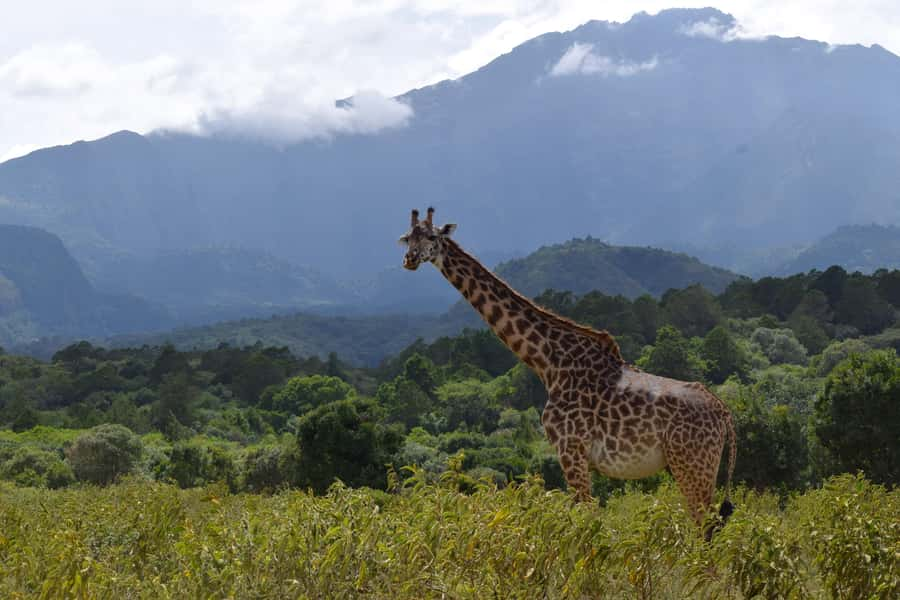
Arusha National Park sits right by the city, with Mt. Meru forming the dramatic backdrop. That proximity is a big reason this safari feels practical: you get real park time without a long, exhausting transfer day.
Wildlife here is varied, and the park layout helps you see different “worlds” in one outing. You’ll move through areas where you can spot forest-dwelling primates, open grassland grazers, and the kind of animals that like to travel along water or feed at the right time of day.
If you’re hoping for a classic safari checklist, you’ll still have to keep expectations grounded. This park is fantastic for variety, but leopards aren’t the kind of animals you can reliably schedule, even with a good guide.
Choosing between a van and a safari vehicle
You can do this safari in either a van or a safari vehicle, depending on what’s available and what access you want. The park can handle regular vehicles for game drives, which keeps the experience flexible and comfortable compared with parks that are more restrictive.
Here’s the practical difference: the safari vehicle can reach certain spots that a van can’t. The tour specifically notes access to the area around the famous fig tree, which matters if that landmark is on your radar.
So my advice is simple. If you’re the type who likes seeing the park from multiple angles and you’re okay with a slightly more “special access” feel, choose the safari vehicle when possible. If you’re more focused on seeing animals and prefer a straightforward ride, the van is still part of the plan.
Morning game drive: your best window for monkeys, zebras, and giraffes
Your day starts with pickup in Arusha and travel time into the park. Once you’re in, you get around three hours of guided touring on the morning drive, which is timed for active animal movement.
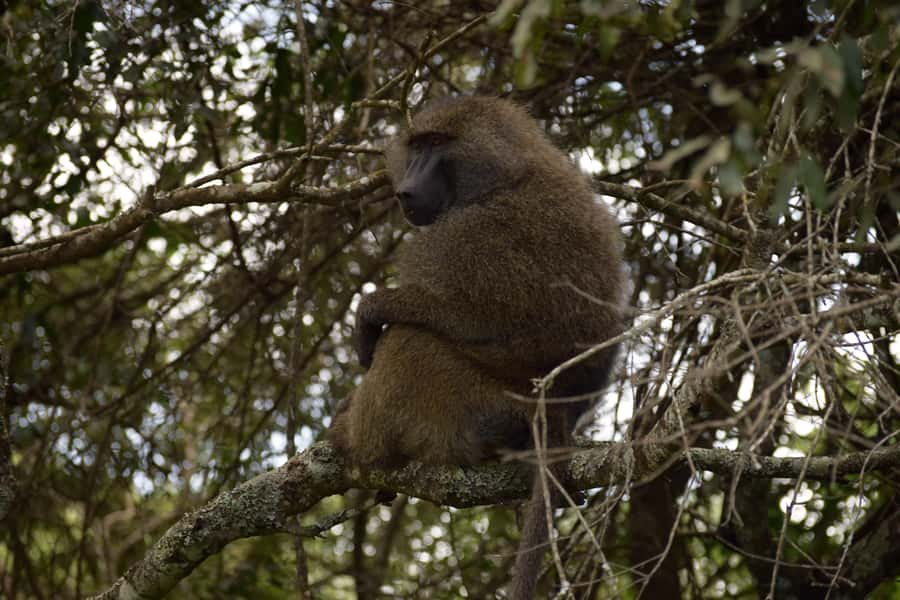
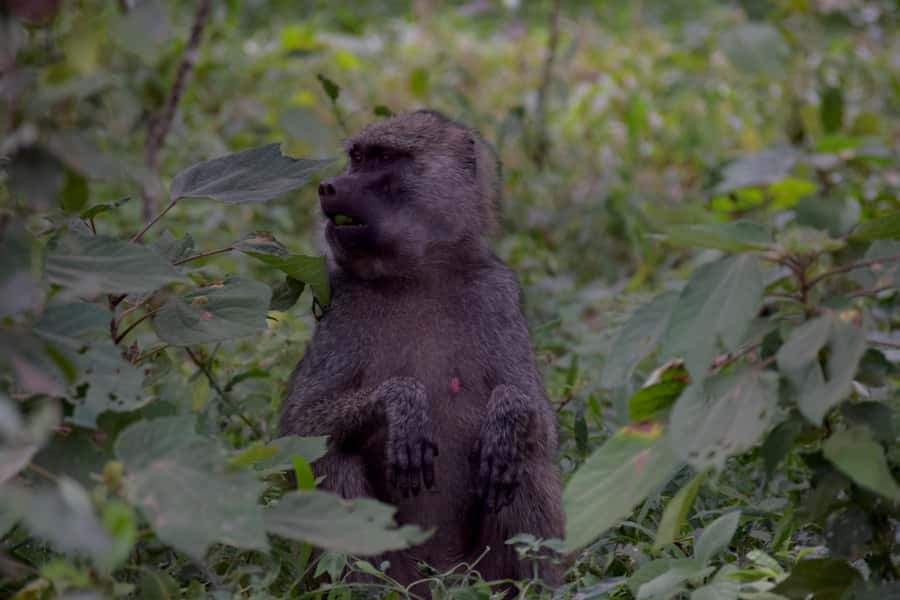
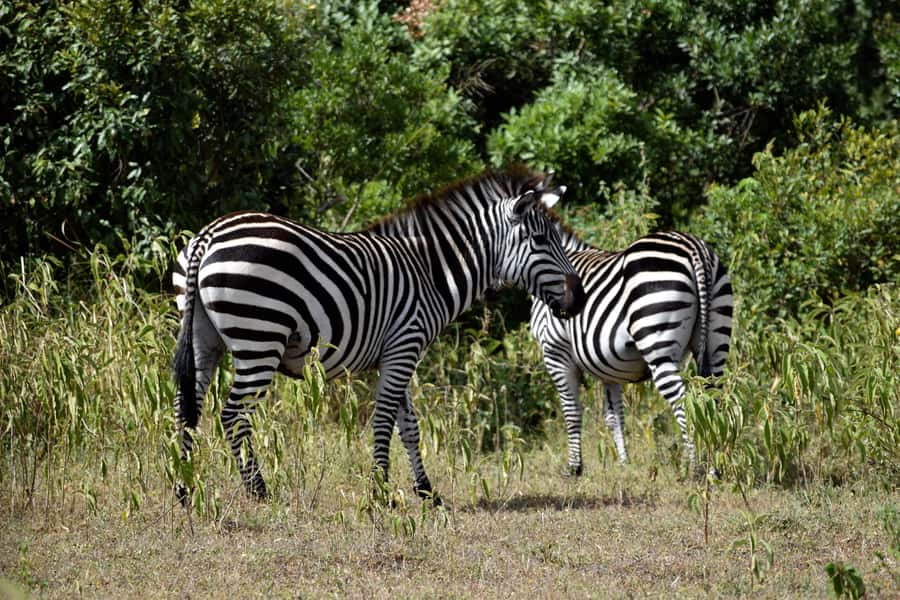
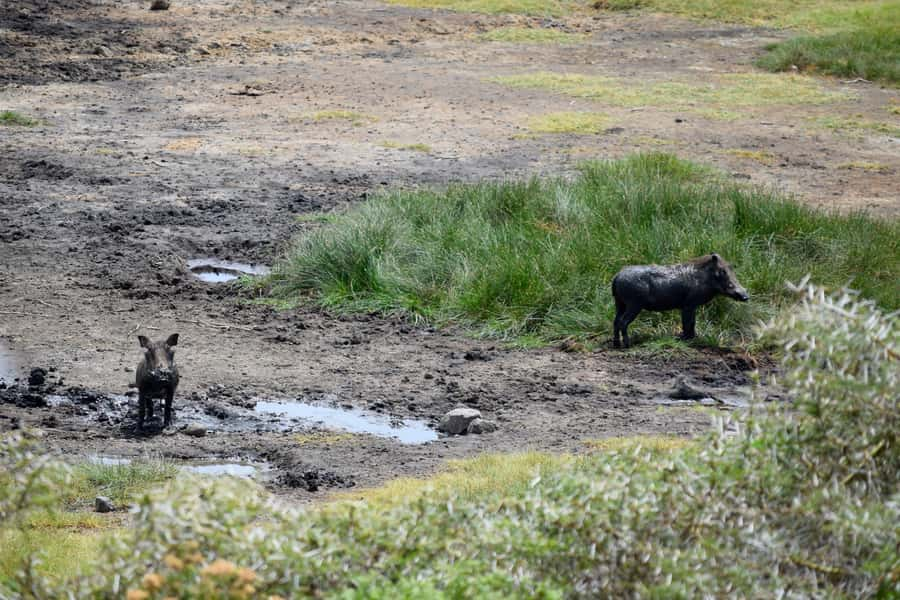
What makes this drive worth your attention is the variety you can encounter. Expect a real chance at giraffes and zebras, plus smaller “finds” that make safaris feel alive: warthogs, baboons, and different kinds of monkeys.
The guide’s job isn’t just pointing out animals. It’s helping you understand what you’re seeing and where to look next. One example that stands out is Moses, the kind of guide who can keep the focus on spotting the right targets. In his case, people specifically praised monkey sightings like colobus and blue monkeys, along with smaller forest animals such as red duiker.
You also have a decent shot at Cape buffalo during this kind of timing, plus elephants if the day’s route lines up well. The point is not that every animal is guaranteed, but that the morning’s rhythm gives you multiple shots at different species.
Lunch by a lake: a calmer pause inside the park
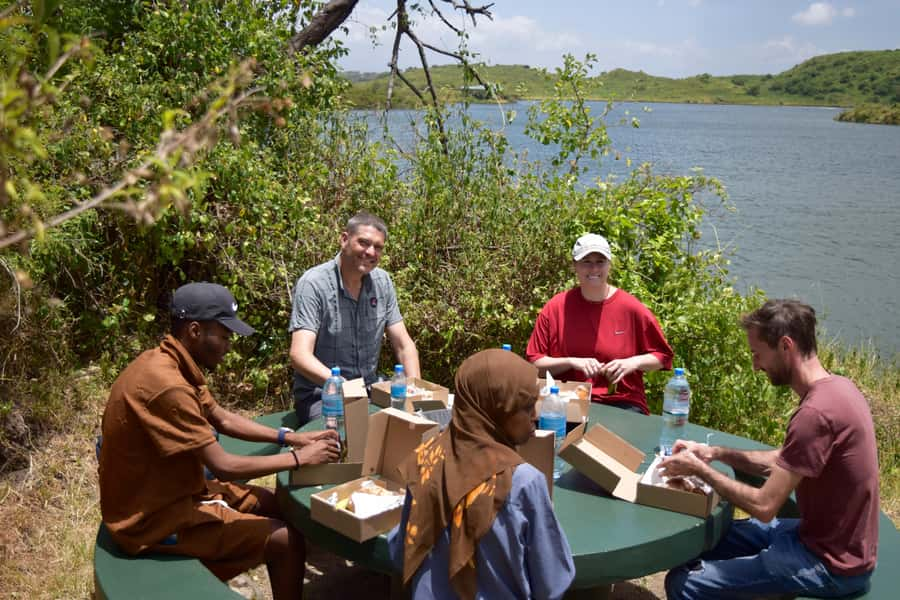
After the morning drive, you get about 45 minutes for lunch inside the park with a lake-view setup. This isn’t just a meal break. It’s a reset for your eyes and your energy, especially because the day is built for two separate spotting sessions.
Lunch here is included, and the experience tends to land in a middle-to-good range depending on what you’re expecting. One person skipped the extra-spicy chilli sauce, which tells you the food can include options that are flavorful and a little hot. Another comment was that the food wasn’t standout, but still worth it for the overall day.
So treat lunch as a fuel stop, not a food tour. You’re there to see wildlife and landscapes around Mt. Meru, and the meal is there to keep you going between drives.
Afternoon game drive: forests, grasslands, and second chances
The afternoon drive runs another three hours, and that matters. A second game drive isn’t filler time. It changes your odds because animals move, and the park’s conditions shift through the day.
This is also where the park’s setting at the base of Mt. Meru comes into play. The tour is set up to explore forests and grasslands, which is why you can get a mix of primates, grazing animals, and birds rather than only one habitat style.
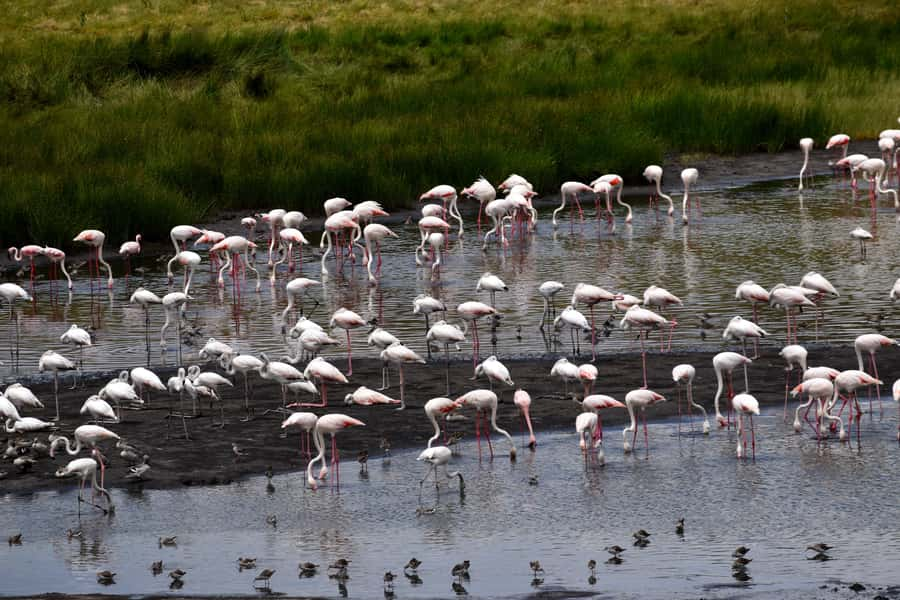
You might see animals that are easier to spot later or that move into view when your route connects them with open space. The tour also notes flamingos, and if water edges are on your route that afternoon, bird spotting can add a nice layer of variety.
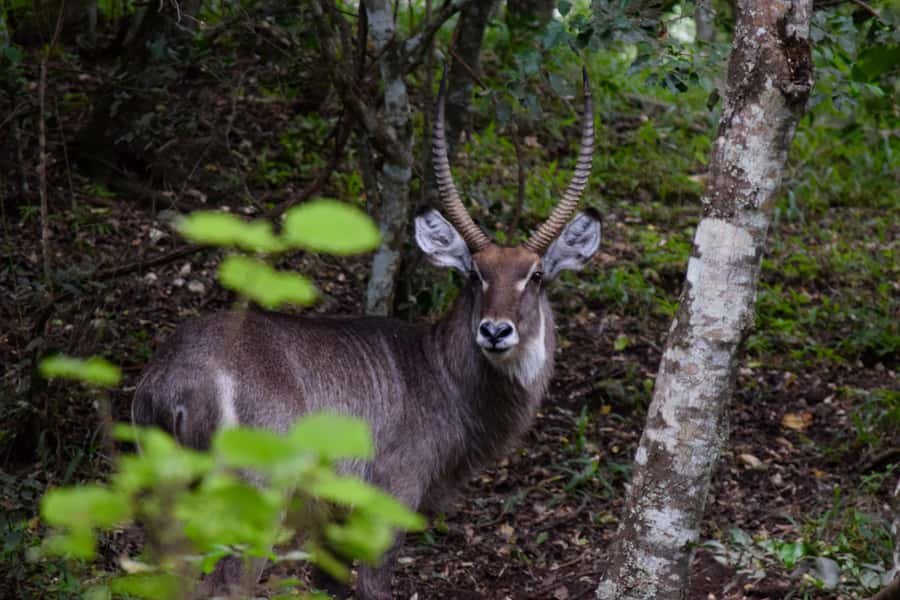
Elephants and bushbucks are also part of the likely mix, and if you didn’t catch them in the morning, the second drive gives you another swing. This afternoon session is where a good guide really helps you keep your attention sharp, especially when sightings are brief or at a distance.
The leopard reality check
Leopards are mentioned as present, but they are rarely seen. That’s an important detail for planning your own mindset.
If leopard is a “must see” for you, you’ll feel happier if you treat the leopard chance as an extra bonus, not a requirement. The same goes for any big five-style expectation: the safari gives a chance to see up to three of the big five, but the park doesn’t promise sightings on command.
That’s not a problem with the tour. It’s how wildlife works here, especially with elusive cats.
Wildlife you can realistically expect to spot
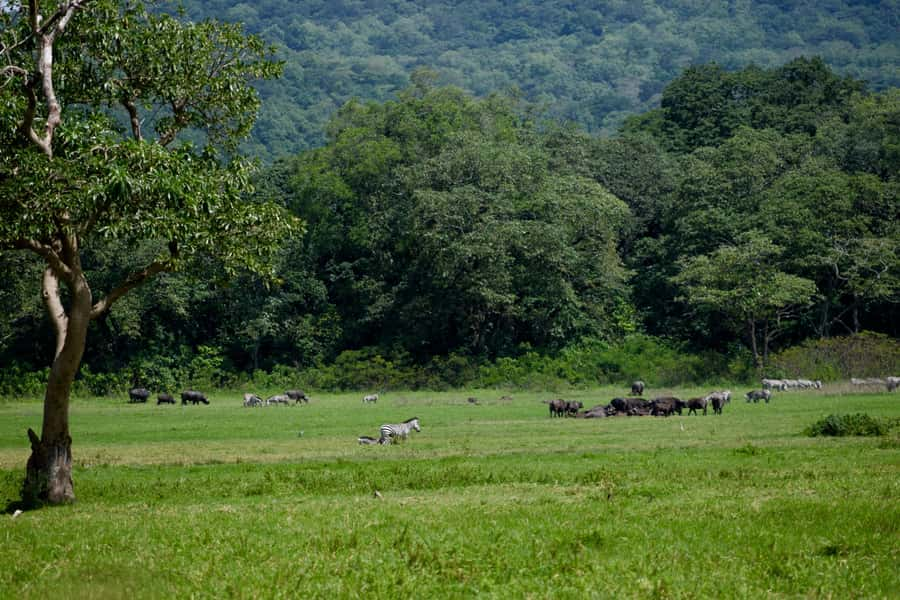
Arusha National Park has a standout mix of animals, and this tour is structured to put you in front of multiple targets. The experience describes a wide range, including giraffes, Cape buffalo, zebras, warthogs, black-and-white colobus monkeys, blue monkeys, flamingos, elephants, bushbucks, and more.
Here are a few practical ways to think about that list:
- Monkeys and baboons often keep things interesting even when large animals are quiet. If you’re traveling with people who get antsy when action slows, primates help fill the gaps.
- Grazers like zebras give you steady viewing, especially when your route includes open ground near water or feed zones.
- Elephants add that big, unmistakable presence. Even a short sighting can make the day feel complete.
- Birdlife like flamingos adds a different kind of spotting challenge and breaks up the safari rhythm.
Based on the way guides work in this setup, you’ll likely spend your day switching between “big moments” and quick finds. And those quick finds are often the ones you remember later.
How the guide shapes the day (and why Moses gets mentioned)
A safari can be “just driving,” or it can feel like a lesson you enjoy. This tour leans toward the second option because it includes an English-speaking guide with local understanding.
One guide name that shows up in real-world feedback is Moses. People who went with him praised how personable and passionate he was, and they called out specific sightings tied to his guidance, especially monkey species like colobus and blue monkeys.
Even when your luck on big mammals varies, a strong guide helps you interpret animal behavior and makes the day feel purposeful. That means fewer long stretches of wondering what you’re looking at, and more of a sense of direction: where animals usually appear, what signs to watch for, and how to read the terrain.
Price and value: is $195 fair for an 8-hour safari day?
At $195 per person for about eight hours, this safari is priced like a full day that includes the essentials. You’re not only paying for transport. You’re also paying for park fees, an English-speaking guide, lunch, and water, plus hotel pickup and drop-off from Arusha.
So the value question comes down to this: does the structure give you enough “real park time” to justify the cost?
You do get two guided sessions inside the park, each around three hours, with a lunch break in between. That’s a lot of active time for the price, especially when you factor in that you’re entering the park and using a professional guide rather than trying to piece together a DIY route.
Is it a luxury safari price? Not really. Is it a bare-bones budget option either? It sits in the middle, but the inclusions make it feel more “worth it” than a cheaper tour that leaves out park fees, guide time, or lunch.
Also, this is one of those days where your luck affects the feeling of value. If your route brings you a strong variety of wildlife, the day can feel like a win across the board. If sightings are quieter, you’ll still likely enjoy the park setting and guided spotting effort.
Who this safari is best for
This is a strong choice if you want a full-day wildlife experience with minimal planning stress. Pickup and drop-off handle the practical side, and the schedule keeps you in the park long enough to feel like you actually did something, not just passed through.
It’s also a good fit if you enjoy variety. The emphasis on monkeys, warthogs, zebras, elephants, and birds means you’re not stuck waiting for one species.
If you’re traveling with people who are mobility flexible, the tour is described as wheelchair accessible. If that matters to you, it’s worth confirming the exact vehicle and on-the-ground movement style when you book, but accessibility is explicitly stated.
Language support is another plus: the guide is English-speaking, and the tour indicates English, French, and Swahili availability. That helps a lot if you want explanations, not just spotting.
Should you book Arusha National Park Full-Day Safari?
I’d book this safari if you want a well-paced day with two guided game drives, a lunch break inside the park, and a strong chance of seeing multiple species around Mt. Meru. The vehicle option (van versus safari vehicle with potential fig tree access) is a real extra, not just a throwaway detail.
I wouldn’t base your trip on a leopard sighting. Leopards are present but rarely seen, and even with big five odds mentioned for the area, wildlife days don’t run on schedules. If you’re okay treating big cat sightings as a bonus and you’re excited by the wider wildlife mix, this tour fits nicely.
If you value structure, local guiding, and a genuine full day in Arusha National Park, this is a solid choice.
FAQ
How long is the Arusha National Park full-day safari?
The duration is 8 hours.
What is the price per person?
The price is $195 per person.
Where does pickup happen?
Pickup is included from your residence or hotel in Arusha, and the meeting/pickup location is listed as Arusha.
What animals might I see during the safari?
The tour description includes animals such as giraffes, Cape buffalo, zebras, warthogs, black-and-white colobus monkeys, blue monkeys, flamingos, elephants, bushbucks, and more. Leopard is mentioned as present but rarely seen.
What is included in the tour price?
It includes hotel pickup and drop-off, entry ticket to Arusha National Park, park fees, an experienced English-speaking guide, lunch, and water.
Is lunch included?
Yes, lunch is included and is scheduled for about 45 minutes inside the park by a lake.
Do I get a guide, and what languages are offered?
An English-speaking guide is included, and languages offered are English, French, and Swahili.
Are there different vehicle options?
Yes. You have the option to go via van or safari vehicle. The safari vehicle can reach certain places in the park that the van cannot, including the famous fig tree area.
What’s the cancellation and payment flexibility?
You can cancel up to 24 hours in advance for a full refund. The tour also offers reserve now & pay later.
Is the safari wheelchair accessible?
Wheelchair accessibility is listed as available.