REVIEW · JODHPUR
Bishnoi Village Safari
Book on Viator →Operated by Bishnoi Village Safari Jodhpur · Bookable on Viator
A Bishnoi safari is small, personal, and very watchable. I like the village-life access and the home-cooked lunch with a local family; the guiding style usually keeps it relaxed and easy to follow. One thing to keep in mind: this is weather-dependent, and wildlife sightings like blackbuck are never guaranteed.
This half-day tour works well because it’s set up as a true private outing, not a cattle-car group shuffle. You’ll get round-trip hotel transfers, a professional guide, and a route that mixes everyday rural routines with craft work and a bit of desert wildlife spotting. If you’re booking for a family or you hate rushing, it’s a strong fit.
Prices and logistics are also refreshingly simple: it’s around 4 hours, admission is free, and you should receive a mobile ticket after booking. Just plan like it’s outdoors—sun, dusty roads, and a decent walking pace are part of the deal.
In This Review
- Key highlights worth your time
- Why Bishnoi village life feels different from a typical sightseeing stop
- The 4-hour private format: calm, paced, and made for real questions
- Wildlife spotting in the desert edges: blackbuck is the headline
- Craft stops: pottery work that you can actually understand
- Lunch with a local family: why it’s the emotional center
- Stop-by-stop flow: what your half-day will feel like
- Price and value: $30 for a guided half day with lunch and pickup
- What to pack and how to time it for comfort
- The practical role of your guide (and how to get real answers)
- Who this safari suits best (and who should reconsider)
- Should you book Bishnoi Village Safari Jodhpur?
- FAQ
- How long is the Bishnoi Village Safari?
- Where does the tour take place?
- How much does it cost?
- Is pickup from my hotel included?
- Is this a private tour?
- Is lunch included?
- Do I get a mobile ticket?
- What wildlife can I see?
- Is there anything I should know about booking and confirmation?
- What happens if the weather is bad?
- Can I cancel for free?
Key highlights worth your time
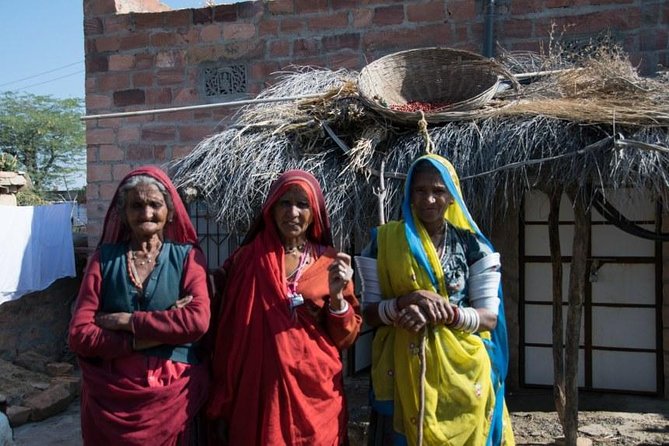
- Bishnoi eco-culture in Marwar: you’ll learn how this community lives with animals and nature, even in a water-scarce region.
- Craft stops that aren’t staged: watch pottery work (including the potter’s wheel) and other artisan routines.
- Wildlife spotting with a local eye: you’re specifically in for blackbuck sightings, plus plenty of birds and desert creatures when conditions cooperate.
- Lunch with a local family: a real meal in a home setting, not a factory restaurant stop.
- Private, flexible pacing: only your group, guided, with multiple stops so you can see more than one side of village life.
Why Bishnoi village life feels different from a typical sightseeing stop
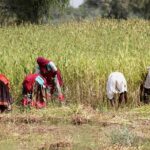
Jodhpur is famous for forts and temples. This safari adds something else: daily life. The Bishnoi community is known for an eco-minded approach tied to Hindu beliefs, with a deep respect for animals and nature. In practice, that shows up in how people live around the land—how they treat livestock, how they think about water, and how they share space with the wildlife that survives in the desert.
What I find appealing is that you’re not just looking at scenery. You’re meeting people who have a philosophy of living. It’s the kind of experience that makes your photos feel less like postcards and more like evidence that you learned something real.
And because the tour is built around a village visit—rather than a photo-only stop—you get time to ask questions and actually understand how daily routines connect to values. That’s where the Bishnoi connection matters.
You can also read our reviews of more tours and experiences in Jodhpur.
The 4-hour private format: calm, paced, and made for real questions
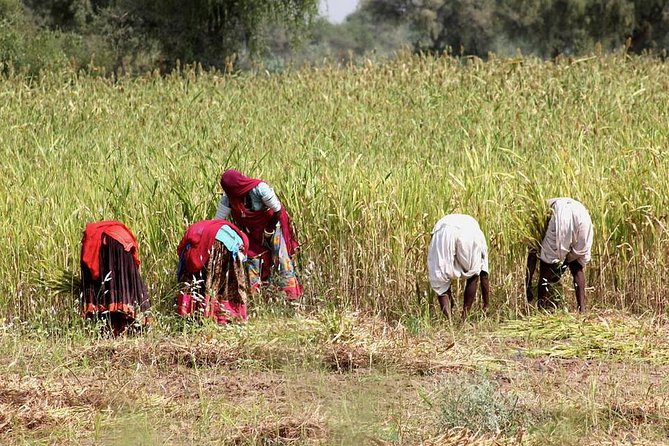
The tour is designed as a private activity, meaning it’s just your group. That changes the vibe immediately. Instead of being rushed through with strangers and a clock, you can go at a human pace—pause for questions, slow down when you want a closer look at crafts, and spend time at the lunch table without feeling like you’re stealing someone’s schedule.
Pickup is included round-trip, which is a big deal in Jodhpur. If you’ve ever tried to cobble together transport for half-day outings in India, you know how quickly it turns into a stress test. Here, you can focus on the experience instead of logistics.
In the field, the guide matters. Some guiding names that come up strongly include Mr. Shambhu, Deepak, and Om/Omprakash (and other friendly hosts). The common thread is simple: they keep things moving but not frantic, and they help you spot details—especially in the wildlife portion.
If you want a structured but not stiff half day, this format fits.
Wildlife spotting in the desert edges: blackbuck is the headline
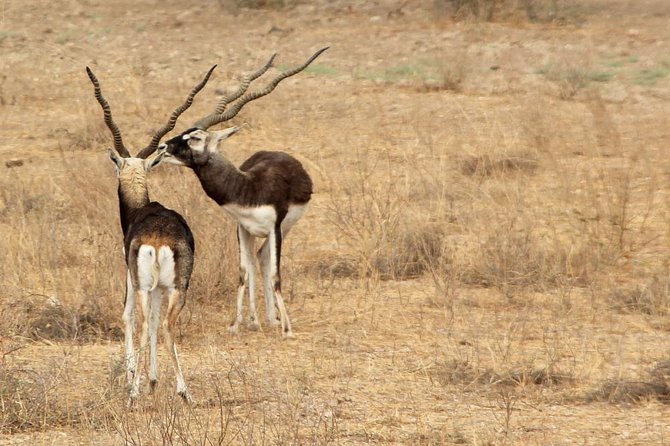
Let’s talk wildlife expectations honestly. The core wildlife target is blackbuck deer. If you’re lucky, you’ll see them out in the desert-like areas. You might also notice other desert creatures and birds depending on timing and conditions.
What makes this safari portion feel worthwhile is how it’s tied to the setting. You’re not sitting at a viewing platform waiting for a guarantee. You’re traveling through rural and desert edges, and your guide’s spotting helps you notice movement, shapes, and animal behavior that you would miss on your own.
A practical tip: if wildlife is a priority, keep your phone camera ready but don’t spend the whole ride filming. The “best” sightings often happen fast. You’ll get more out of this portion if you alternate between watching with your own eyes and capturing a photo only when something is clearly there.
Also, remember you’re sharing space. If you spot animals, stay calm and quiet, and keep your distance. The point is to witness, not to chase.
Craft stops: pottery work that you can actually understand
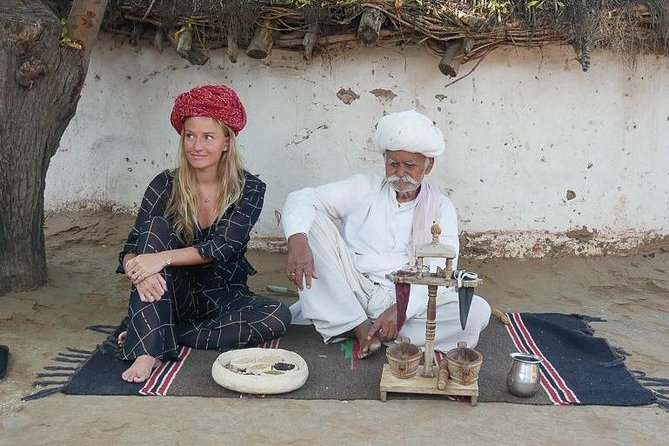
One of the most praised parts of this outing is the chance to see artisans at work. Expect stops linked to crafts like pottery (often with the potter’s wheel in view) and other village artisan routines such as weaving.
This is where a guide really earns their keep. Crafts can look simple if you only glance at them. A good guide explains the process, what goes into it, and how daily work is organized. You’ll also get a sense of how skills get passed along in family settings—less like a factory production, more like a lived tradition.
From the on-the-ground vibe people describe, the craft stops aren’t rushed. You’re given enough time to watch the motion, ask questions, and understand the material side—clay, tools, and the practical steps that turn raw stuff into usable forms.
If you like hands-on learning, this part will feel satisfying. If you’re only here for wildlife, you may still appreciate the craft stops because they connect the culture to what you’re seeing in the landscape and village economy.
Lunch with a local family: why it’s the emotional center
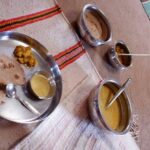
If you only remember one part of this safari, make it lunch. A big reason is that the meal is included and eaten in a local family setting. That matters. You get a chance to slow down and talk with people in a context that’s not a formal show.
People highlight home-made food and hospitality, often describing the meal as delicious and generous. In some accounts, you may also encounter small local moments like chai, casual conversation, and an easy-going welcome that makes you feel less like a tourist and more like a temporary house guest.
This is also a good time to ask questions you might not ask on the road. You can ask about village life, how the family manages daily tasks, what the Bishnoi approach means in everyday practice, and how work is divided among family members.
One practical note: this is rural dining. Even if the meal is safe and prepared well, it can taste different from what you’re used to. If you have strong dietary restrictions, it’s worth asking ahead of time what’s on the menu so there are no surprises.

Stop-by-stop flow: what your half-day will feel like
You’ll spend the time moving between several village-related points. In the common pattern described, your guide takes you through multiple stops—often around four key places—so you see different sides of village life in one stretch.
A typical flow feels like this:
- You start from Jodhpur with pickup and a ride toward rural areas.
- You visit village spots where everyday activities are visible.
- You stop for craft work, sometimes including pottery demonstrations.
- You end with lunch at a local family home, then return.
There are also accounts of extra-interest side stops, like places where you can see a family’s way of living more closely (including references to nomad camps and children and animals like goats). Those details are not guaranteed in every run, but the overall structure is built to keep you in village spaces long enough to notice how people actually live—not just what they own.
The big “win” here is variety. In one half day, you’re seeing culture, work, food, and wildlife odds. That’s hard to replicate if you try to do it independently.
Price and value: $30 for a guided half day with lunch and pickup
At about $30, this safari can look cheap compared to many guided tours that charge extra for transport or food. Here, you’re getting several things bundled together:
- round-trip hotel transfers
- a professional guide
- an included lunch with a local family
- a private format for your group
- admission that is listed as free
That combination is what makes the price feel like value. The lunch alone can be a meaningful cost saver if you would otherwise pay for a restaurant meal plus local guide.
That said, set your expectations correctly. This is not a luxury drive or a guaranteed wildlife show. The value comes from access—craft work, conversation, and the chance to see rural life up close. If you want comfort first, check that you’re okay with rural road conditions and an outdoor schedule.
What to pack and how to time it for comfort
Because this is outdoors for several hours, comfort planning matters. You’ll be moving between spots, spending time in open air, and likely dealing with dust and sun.
I recommend:
- lightweight long sleeves and a cap (shade is your friend)
- sunscreen and sunglasses
- water (even if you’ll get a meal, you’ll want extra fluids on the ride)
- comfortable closed-toe shoes
- a light layer for early evening or cooler desert air, if your timing is late afternoon
Also remember the experience is weather-dependent and needs good weather. If the forecast looks rough, you may be offered another date or a full refund.
For the smoothest day, treat it like a “real outing,” not a museum visit. You’ll enjoy it more if you’re ready for sun, movement, and the occasional bumpy track.
The practical role of your guide (and how to get real answers)
This tour wins when the guide is active and helpful. The names that repeatedly show up—like Mr. Shambhu, Deepak, and Om/Omprakash—hint at something important: the guides here tend to know what to point out.
When you meet your guide, ask two or three specific questions. Examples that fit the Bishnoi theme:
- How does the Bishnoi approach shape daily life around animals?
- What do people work on most during the year?
- How do crafts like pottery connect to village routines?
If you ask in a curious way, you’ll usually get more than facts. You’ll get context—how routines work, what’s valued, and why.
Also ask about wildlife at the exact moment you think you might spot it. Guides can often shift your attention based on what they see in the landscape.
Who this safari suits best (and who should reconsider)
This is a strong choice if you:
- want real rural Rajasthan life, not just buildings
- like slow conversations over rushed photos
- enjoy crafts and hands-on cultural details
- want a short half-day plan that still feels complete
- like family-friendly experiences with a human pace
It may be less ideal if you:
- need a guaranteed wildlife checklist (blackbuck is a highlight, not a promise)
- prefer fully indoor, climate-controlled travel
- dislike outdoor road travel or walking between stops
Weather matters too. If skies are poor, the tour may be rescheduled or refunded. That’s not a deal breaker, but it is a factor for planning your Jodhpur schedule.
Should you book Bishnoi Village Safari Jodhpur?
If you’re spending time in Jodhpur and want one outing that feels like local life instead of a typical checklist, I’d book this. The mix is compelling: village visit, craft work, lunch with a local family, and wildlife spotting odds in a desert-edge setting.
The price feels fair because key parts are bundled: transfers, guide time, and lunch. The only real reason to hesitate is if you’re counting on wildlife as a must-see or if your schedule is too tight for weather-related changes.
FAQ
How long is the Bishnoi Village Safari?
It’s listed as about 4 hours.
Where does the tour take place?
The tour is in the Jodhpur area, Rajasthan, India.
How much does it cost?
The price is $30.
Is pickup from my hotel included?
Yes, round-trip hotel transfers are included.
Is this a private tour?
Yes. It’s private, and only your group participates.
Is lunch included?
Yes. Lunch with a local family is included.
Do I get a mobile ticket?
Yes, the experience includes a mobile ticket.
What wildlife can I see?
Wildlife spotting is part of the experience, and blackbuck deer are specifically mentioned as a possible sighting if you’re lucky.
Is there anything I should know about booking and confirmation?
Confirmation is received at the time of booking.
What happens if the weather is bad?
The experience requires good weather. If it’s canceled due to poor weather, you’ll be offered a different date or a full refund.
Can I cancel for free?
Yes. You can cancel up to 24 hours in advance for a full refund. Within 24 hours, refunds aren’t offered.