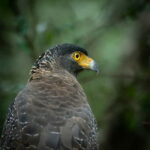
REVIEW · HAMBANTOTA
Bundala National Park Safari (PRIVATE TOURS)
Book on GetYourGuide →Operated by Yala Dreams wild Safari Tours Sri Lanka · Bookable on GetYourGuide
Birds steal the show at Bundala. This 5-hour private safari in Sri Lanka takes you into a Ramsar wetland and UNESCO biosphere reserve, built around waterways, lagoons, and dunes where wildlife keeps moving.
I especially like two things. First, the guides put serious focus on bird spotting, with smart stops for photos (and even engine-off moments so you can shoot without distractions). Second, Bundala often feels quieter than nearby Yala, which makes the whole outing calmer and easier to enjoy.
One consideration: the national park entrance ticket fee is not included in the $36 price, so you’ll want to budget for that add-on.
In This Review
- Key Things I’d Plan For
- Bundala’s bird-and-wildlife maze: why this safari feels different
- The 5-hour private format that keeps the day relaxed
- Where pickup works across the Hambantota–Kotapola belt
- Inside Bundala: lagoons, dunes, and the routes your guide chooses
- Bird spotting gets serious: binoculars and engine-off photo stops
- Elephants, crocodiles, and the season calendar that matters
- Coast views, turtles, and rare extras like bat-watching
- Price value: what $36 includes (and what it doesn’t)
- Who this private Bundala safari is for
- Should you book this private Bundala safari?
- FAQ
- Where are the pickup and drop-off locations?
- How long is the Bundala National Park safari?
- Is this a private tour?
- What language is the live guide?
- What’s included in the tour price?
- What isn’t included?
- Can I cancel for a full refund?
- Can I reserve without paying right away?
Key Things I’d Plan For
- Ramsar wetland + UNESCO biosphere: a protected system that supports migratory water birds.
- Private jeep safari with guidance: you’re not sharing your route with a crowd.
- Binoculars and cool drinks included: handy for long wildlife scans.
- Bird-spotter style guiding: guides like Sakun, Maduka, Surimal, Ishan, and Imal are known for quick spotting and photo-friendly pauses.
- Elephants depend on season: the park can be great in December when sightings are often best.
- You might get extra wildlife moments: some outings include a coast viewpoint, and a guide-led sunset bat stop has happened too (outside the main safari circuit).
Bundala’s bird-and-wildlife maze: why this safari feels different
Bundala National Park is the kind of place where the scenery keeps changing every few minutes. Water channels, lagoons, and sandy dunes create natural feeding lanes for birds—and those lanes are exactly what your guide is hunting along.
This area matters in a big way. It holds 197 bird species within about 62 sq km, and it was recognized as a Ramsar wetland in 1991 and later named a UNESCO biosphere reserve in 2005. In plain terms: this is not just “some wildlife park.” It’s a system that brings birds in season after season.
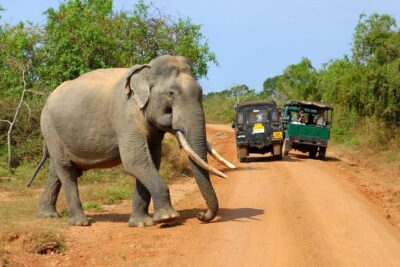
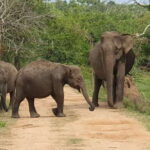
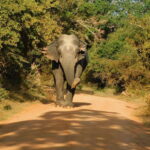
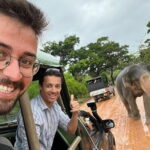
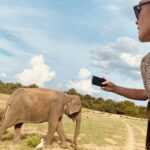
And yes, elephants are part of the story too. Depending on the season, you may see 15 to 60 elephants, with December singled out as one of the best months for elephants.
You can also read our reviews of more tours and experiences in Hambantota.
The 5-hour private format that keeps the day relaxed
A 5-hour safari is a sweet spot. It’s long enough for your guide to work multiple bird areas and still enjoy slow, patient wildlife watching. It’s not so long that you feel cooked by heat, dust, and the sheer “wait for nature to do its thing” rhythm.
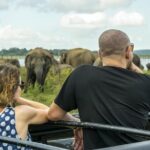
Because it’s a private group, the pace usually feels more natural. If you’re focused on birds, you can benefit from frequent stops. If elephants show up, the route can shift quickly—without you needing to play dodge-and-chat with other jeeps.
Your guide is also directly involved, not just a driver. The tour includes a live English guide and Safari service so you’re not stuck with a silent ride through the park.
Where pickup works across the Hambantota–Kotapola belt
This safari is built around convenience in the Hambantota region. You can get picked up from six locations: Weerawila, Debarawewa, Tissamaharama, Yoda Kandiya, Kataragama, and Kirinda.
What I like about this setup is simple: it reduces the stress of figuring out timing and transport when you’re bouncing between Sri Lanka’s “real” towns and rural wildlife areas. Drop-off is just as flexible, with returns to Kataragama, Yoda Kandiya, Tissamaharama, Debarawewa, Weerawila, and Kirinda.
It also means you’re not forced into a one-size-fits-all base. If you’re using Kotapola as a hub, this tour fits neatly into that plan.
Inside Bundala: lagoons, dunes, and the routes your guide chooses
Think of Bundala as a patchwork of habitats. That matters because birds don’t show up randomly. They arrive where food and water line up—especially in wetland zones and along seasonal edges where animals travel.
Guides in this area tend to guide by observation: scanning from the jeep, then moving when they spot something worth the stop. In practice, that’s how you get variety in sightings, not just one long “hopefully something happens” stretch.
One reason Bundala can feel special is that the park is often described as calmer and less tour-driven than Yala. When there are fewer jeeps around, you tend to get a more natural rhythm to wildlife behavior—and it’s easier to keep focused on what you came for.
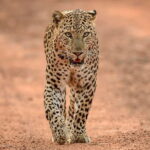
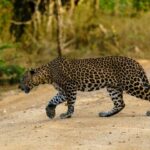
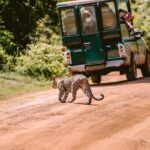
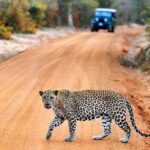
Also, don’t ignore the reptile and mammal side. The park supports civets, giant squirrels, and crocodiles. Those aren’t just “bonus” animals here. They’re part of the same ecosystem that holds the birds.
Bird spotting gets serious: binoculars and engine-off photo stops
If you care about birds, this tour is designed around that goal. The park is a winter home for migratory water birds, and many arrive between August and April. The peak season is December to March, which lines up nicely with the same period when elephants are often best too.
One standout advantage here is the included gear: you get free binoculars plus bottled water and cool drinks. So you’re not waiting to buy or borrow equipment before you can start scanning.
In terms of bird-watching style, the guides are known for a few practical habits:
- They spot animals from distance and keep moving with intent.
- They pause at the best viewpoints for photos.
- They may even switch off the engine during photo moments, which can help with calm shooting.
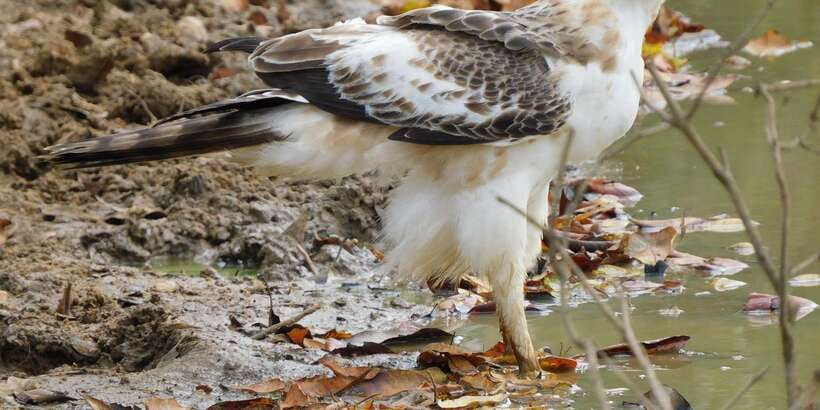
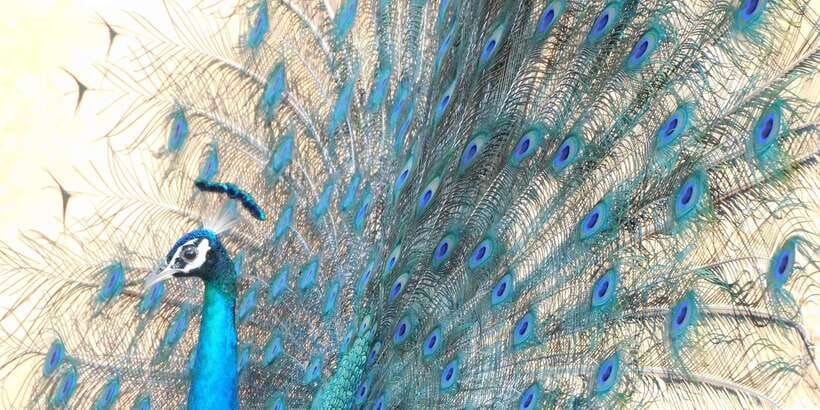
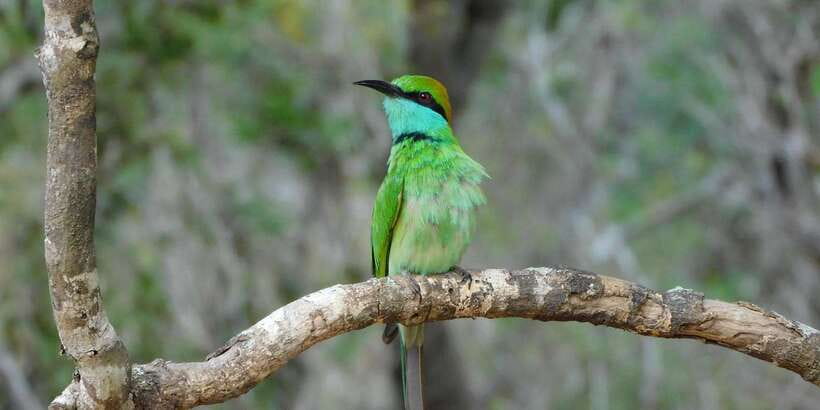
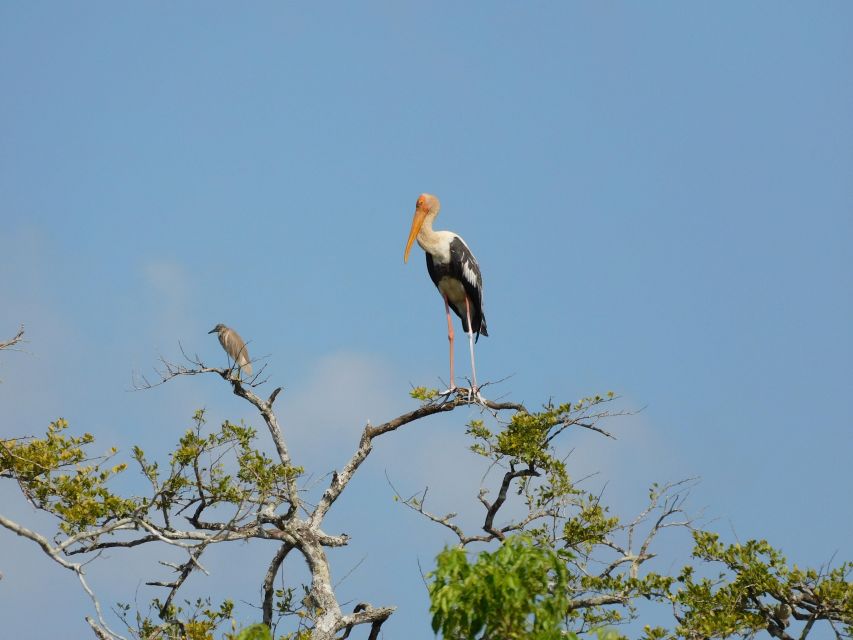
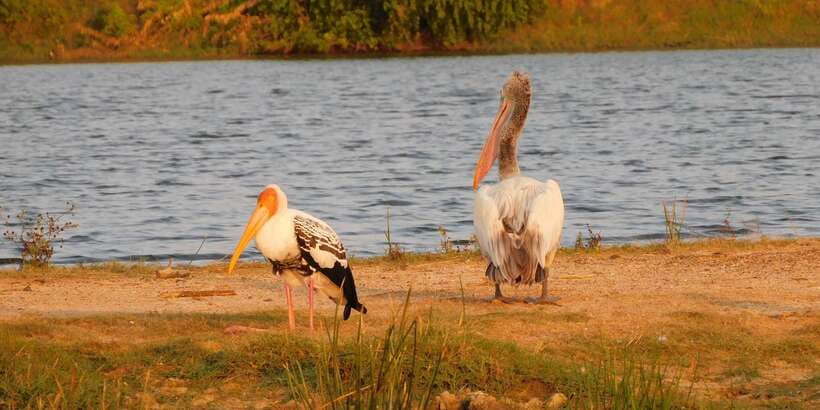
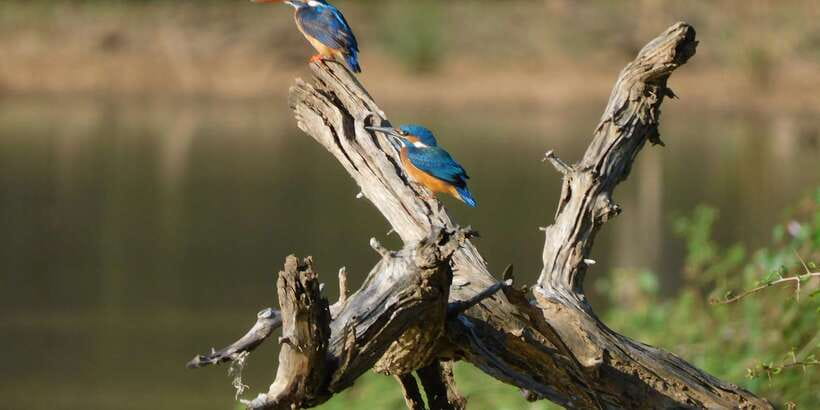
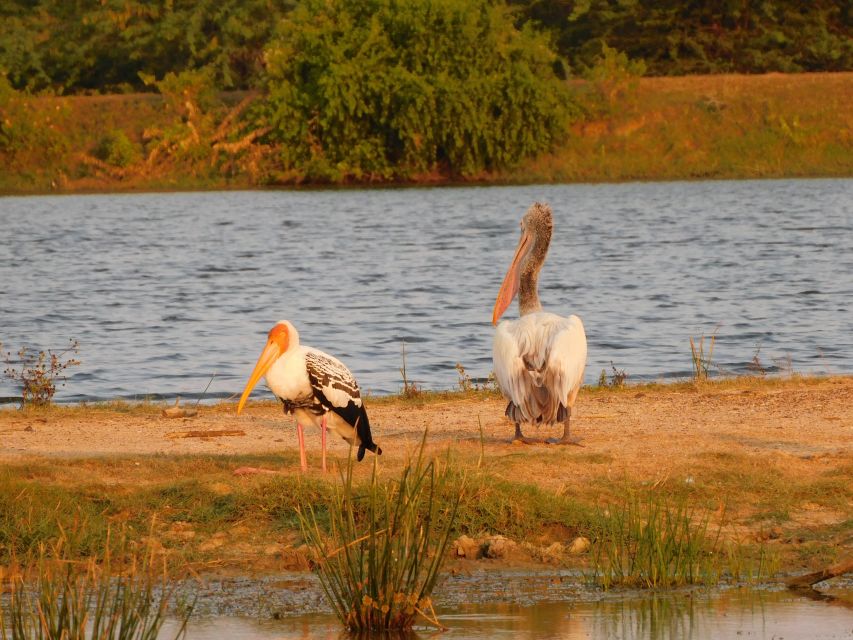
You can also expect specific bird callouts when things pop up. Sightings recorded include pelicans, eagles, painted storks, green bee-eaters, and—when timing lines up—more specialized species like grey-headed swamp hen, Jacanas, coucals, Glossy ibis, and serpent eagle. There are also records of Brahminy kite, purple herons, and Sri Lankan green pigeon.
And if you love the “tiny detail” birds, you’re in the right place. The park can run the gamut from small bee-eaters to bigger, showier storks and raptors.
Elephants, crocodiles, and the season calendar that matters
Let’s talk seasons without getting fake-wildlife “maybe” promises. The tour data gives clear season guidance:
- Elephants: typically 15 to 60, with December noted as the best month.
- Bird migration: birds arrive roughly August to April, with December to March as peak.
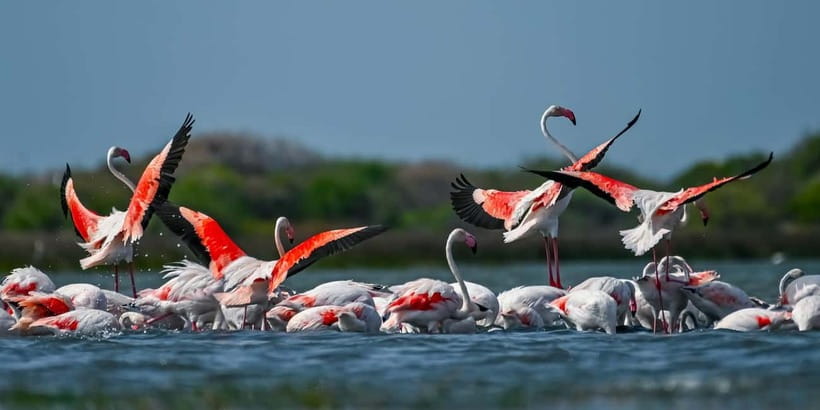
- Greater flamingos: up to 2,000 have been recorded at one time (winter season context).
- Marine turtles: between October and January, four of the five Sri Lankan marine turtle species lay eggs on the coast—olive ridley, green, leatherback, and loggerhead.
That turtle note is important because it shapes what you might notice on a safari-day. If you’re going during the October-to-January window, you’re in the time frame when turtle nesting activity is a real possibility on the coast.
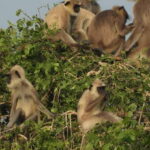
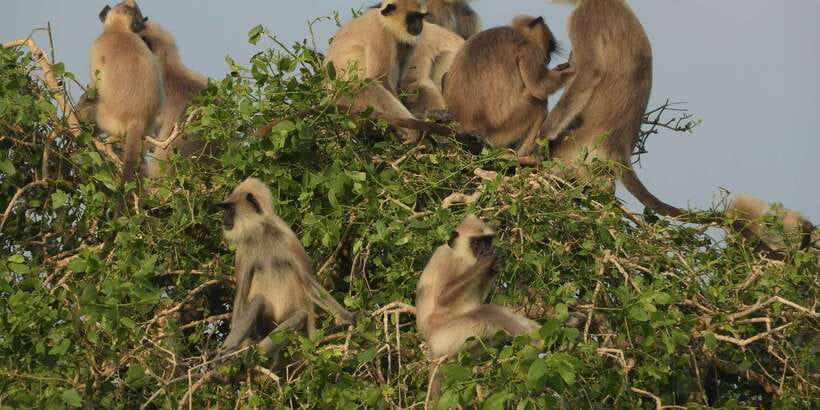
Crocodiles are also part of the park’s daily wildlife mix. And monkeys show up too—some routes include sightings like macaques and langur monkeys when the timing and movement match up.
Bottom line: if your goal is a higher chance of elephants plus lots of migrating birds, plan for the December–March period when you can.
Coast views, turtles, and rare extras like bat-watching
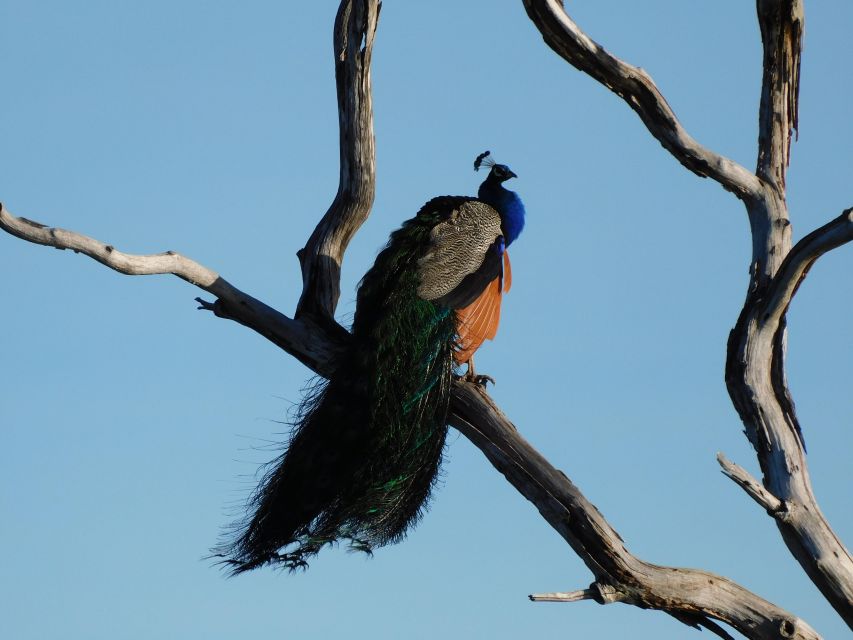
Bundala is strongly linked to the coast through the wetland system and nesting timing. During October to January, marine turtles lay eggs on the coastline, which is one of the reasons this region is worth timing carefully.
Now, about the “extra moments.” Some safaris include a short stop near the sea for views and beach scenery. Guides have also taken people to a sunset spot outside the park where bats were seen in numbers.
Those additions aren’t guaranteed in the official tour description you’re working from, but they do show how flexible the guiding style can be when nature cooperates. If you’re the kind of person who loves a bonus moment (even if it’s brief), ask your guide on the day if there’s time for a coast or sunset viewpoint.
Price value: what $36 includes (and what it doesn’t)
At $36 per person for a 5-hour private safari, the value is mainly in what you get for the price: transport, wildlife-focused guidance, and the “comfort gear” that keeps scanning easier.
Included items cover:
- Private transportation
- Safari Jeep
- Hotel pick-up & drop-off
- Bottled water and cool drinks
- Free binoculars
- Safari service and extensive expertise in driving and guiding
The main thing not included is the national park entrance ticket fee. So the real cost is the $36 plus that entrance ticket.
Here’s the practical way I look at it: if you’d normally pay separately for a jeep + a guide + binoculars + water, this price starts to make sense quickly. And because it’s private, you avoid the wasted time that happens when you’re stuck following other vehicles’ schedules.
Who this private Bundala safari is for
This is a great fit if:
- You’re a birdwatcher or photo person who likes stopping often when a sighting is good.
- You want a quieter safari feel than the bigger, busier parks nearby.
- You’re traveling as a small group and prefer control over pacing.
It also works well if you’re an animal-hunter in the broad sense. You’re not limited to birds. The park can deliver elephants, crocodiles, monkeys, and even turtle-season coastal interest.
If you don’t care much about birds and only want big mammals, you might still enjoy Bundala—but you’ll likely enjoy it more if you’re willing to spend time scanning patiently for smaller action too.
Should you book this private Bundala safari?
Yes, book it if you want a bird-first, private safari in a wetland that’s famous for migratory water birds—and you like the idea of a guide who slows down for photography.
I’d book especially strongly if you’re traveling around December to March. That’s when the park’s bird migration is at its best, and when elephant sightings are often highlighted as strongest.
One caution before you hit reserve: remember the entrance ticket fee is not included in the $36. If you’re budgeting tightly, factor that extra line item in so the day stays pleasant instead of stressful.
FAQ
Where are the pickup and drop-off locations?
Pickup is offered from Weerawila, Debarawewa, Tissamaharama, Yoda Kandiya, Kataragama, and Kirinda. Drop-off is also available to Kataragama, Yoda Kandiya, Tissamaharama, Debarawewa, Weerawila, and Kirinda.
How long is the Bundala National Park safari?
The duration is 5 hours.
Is this a private tour?
Yes. It’s listed as a private group experience.
What language is the live guide?
The live tour guide is English.
What’s included in the tour price?
Included items are private transportation, Safari Jeep, bottled water, cool drinks, free binocular, safari service, and hotel pick up & drop.
What isn’t included?
The national park entrance ticket fee is not added.
Can I cancel for a full refund?
Yes. Free cancellation is available up to 24 hours in advance for a full refund.
Can I reserve without paying right away?
Yes. It offers reserve now & pay later, with the option to keep travel plans flexible.