REVIEW · HOUT BAY
Cape Town: Ocean Safari in Hout Bay
Book on GetYourGuide →Operated by Animal Ocean · Bookable on GetYourGuide
Cold water, close-up wildlife—this one works. The Cape Town Ocean Safari in Hout Bay is a 4-hour guided snorkel around shipwrecks and African kelp forests, with 5mm wetsuits and marine-guide briefings. What I like most is the boat-viewing chance to spot Cape Fur seals in their harbor hangout, and the warm, practical finish with hot chocolate (plus hot water options for your suit).
You’ll be moving along Cape Peninsula coastline in sea conditions that can change fast, yet the structure keeps it manageable. This is a small group experience (up to 10 people) with English or Afrikaans guides, and the snorkel centre is set up to keep you comfortable before and after. One consideration: you need to be able to swim, and there are no ladders back onto the boat—the skipper helps you up.
In This Review
- Quick hits before you go
- Ocean Safari value in Hout Bay: why this 4-hour format makes sense
- Arriving at Animal Ocean Expeditions: what to do before you hit the water
- The short run to the harbor and seal-spotting from the boat
- Table Mountain National Park from the sea: cliffs, coves, and where you snorkel
- Snorkel time without stress: equipment, fit, and realistic expectations
- The warm finish: hot chocolate, snacks, and comfort at the centre
- What the boat route is like: sea views and wildlife windows
- Small group logistics: up to 10 participants, big attention
- Who this Cape Town ocean safari is best for (and who should skip it)
- Price and value: is $186 per person fair for Hout Bay?
- Practical tips to make the most of your snorkel safari
- Should you book the Ocean Safari in Hout Bay?
- FAQ
- How long is the Cape Town Ocean Safari in Hout Bay?
- Where does the tour start and where do I meet?
- Do I need to know how to swim?
- What snorkeling is included?
- Are seals snorkeled with in the water?
- What equipment and refreshments are provided?
- What facilities are available at the snorkel centre?
- Are there ladders to get back onto the boat?
Quick hits before you go
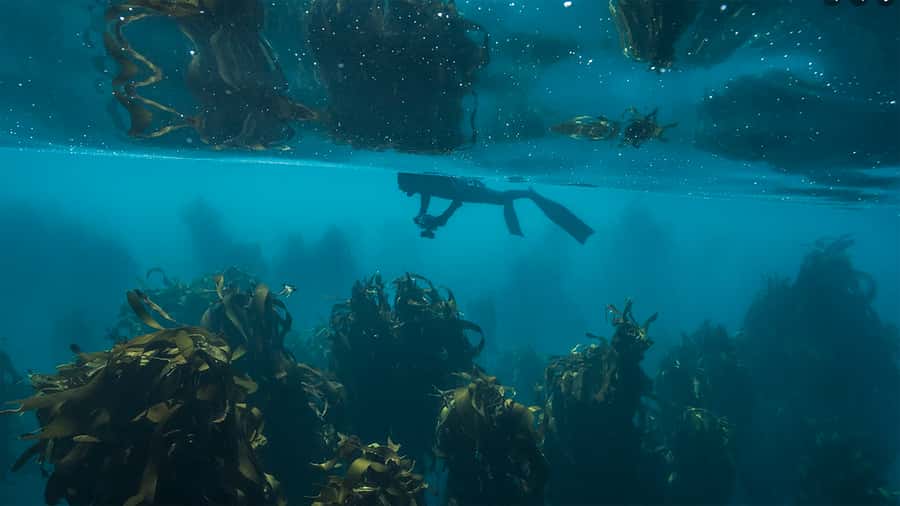
- Snorkel zones include shipwrecks and African kelp forests, where you can expect a mix of marine life.
- Seals are viewed from the boat only since in-water seal snorkeling isn’t offered due to a rabies-related precaution.
- Warmth is part of the plan: hot chocolate, biscuits, and hot showers at the centre after you’re done.
- Small-group feel with a hard cap of 10 participants and guided safety briefings.
- Table Mountain National Park from sea level: cliffs, coves, and granite features you can’t see the same way from land.
- Facilities help you travel light: WiFi, luggage storage, lounge, and a hair dryer on site.
Ocean Safari value in Hout Bay: why this 4-hour format makes sense
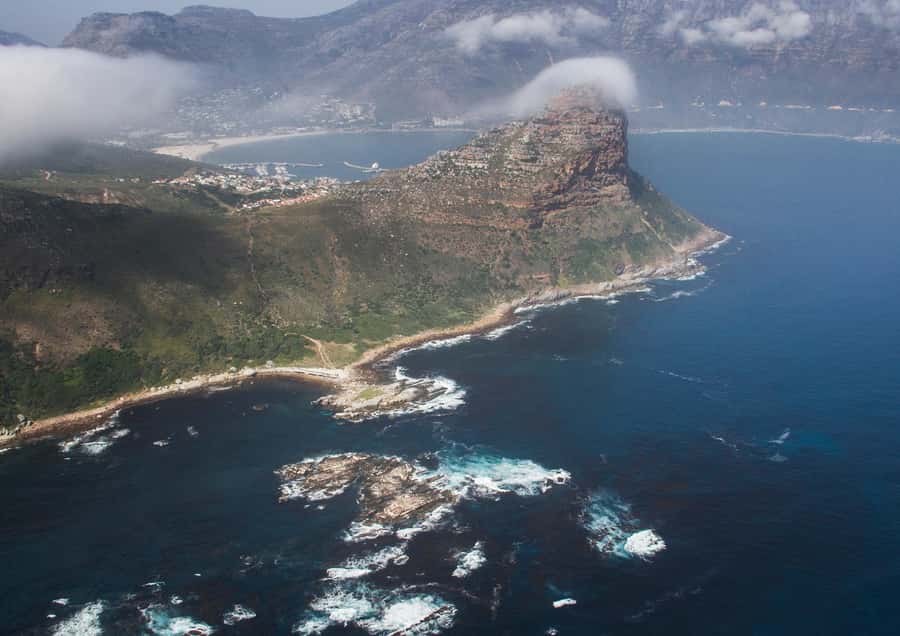
In Cape Town, you’ll find plenty of boat trips. This one is built for people who want the wildlife portion, not just the scenery portion. The mix is the point: you start on land for fitting and instruction, then you move quickly to the harbor, get a safety run-through, and head out with a guide who helps you know where to look.
The other big reason this works is timing. Four hours is long enough to get a proper feel for Hout Bay’s marine zones, but short enough that you’re not spending your whole day chasing waves and waiting around. It’s also a good fit if you’re doing the classic Cape Peninsula items and want one activity that’s actually different—this is water-based, with snorkel time built in.
Arriving at Animal Ocean Expeditions: what to do before you hit the water
Your trip begins at Animal Ocean Expeditions, the snorkel centre area in Hout Bay. Look for the large brown wooden gate with the branding, and park on the road outside. The key here is simple: arrive at your booked time, because the day runs on a schedule.
At check-in, you’ll sign in and then move straight into gear. You get fitted for your equipment, and you’ll receive a briefing from the marine guides. After that, you slip into your 5mm wetsuit. That wetsuit detail matters. Water temperatures around the Cape can feel cold fast, and the wetsuit is part of how they make the snorkel doable and safe for typical participants.
This early stage is also where you learn how to behave underwater. If you’re new to snorkeling, this is a big deal: you’re not just being handed gear and pointed at the water. You’re getting the basics so you can enjoy the experience instead of worrying about what to do next.
The short run to the harbor and seal-spotting from the boat
Once you’re geared up, there’s a brief vehicle transfer—about a two-minute drive—to Hout Bay Harbour. That’s not a long slog, which keeps the day from feeling like you’re in transit more than you’re on the water.
At the harbor, the waiting boat and skipper are ready. You’ll do a boat safety briefing, and then you’ll start with a quick round of wildlife spotting right there in the harbor. Many people come for the seals, and this is where you often get your first payoff.
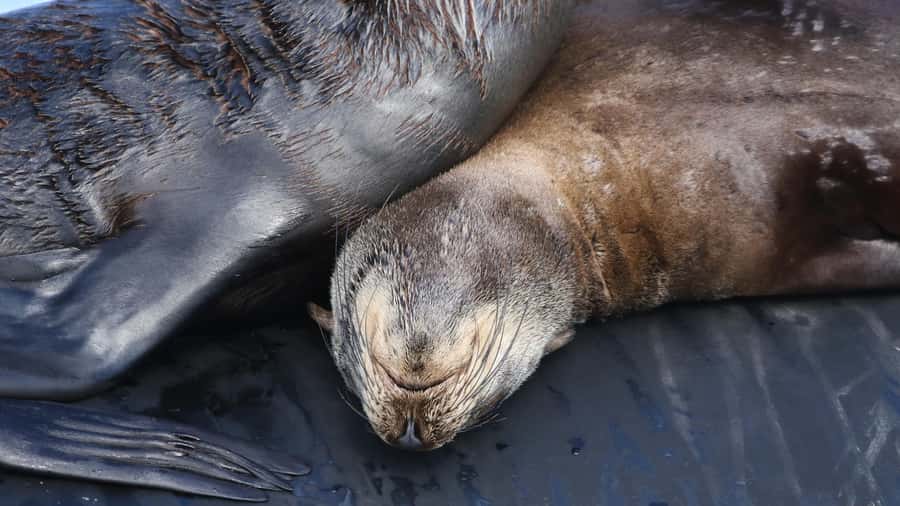
Important note: seal snorkeling in the water isn’t offered. There’s a specific safety reason for this (a precaution linked to rabies in seals). But you can still see the seals—lots of them—from the boat. That keeps it respectful of wildlife and focuses your in-water time on the snorkel habitats that the guides want you to explore.
And if conditions are right, the trip can include bigger marine sightings. The route gives you a shot at spotting humpback whales or Heaviside’s dolphins from the sea along the Cape Peninsula.
Table Mountain National Park from the sea: cliffs, coves, and where you snorkel
This isn’t just “out on a boat.” You’re traveling along the Cape Peninsula in an area tied to Table Mountain National Park—from the water you’ll see mountains dropping toward the Atlantic, granite cliffs, and kelp-edged bays. It’s a fast way to get views that you simply don’t get from the usual viewpoints.
Your captain and guides look for the best combination of scenery and snorkel opportunities. That includes:
- Hidden coves
- Historic shipwrecks
- Cape Fur seal colonies (boat viewing only)
- Granite islands and cliffs as you move along the coast
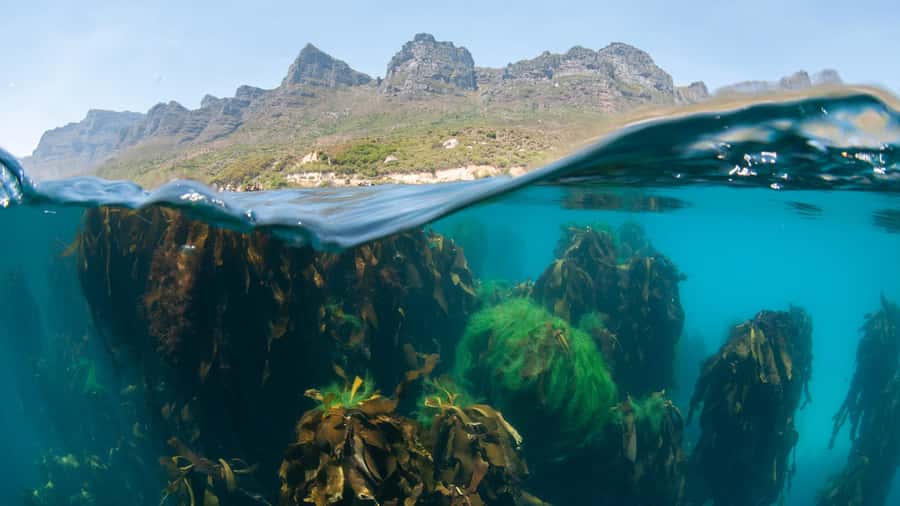
Then comes the snorkeling part. The tour is designed so your in-water time is focused where marine life shows up. You’ll snorkel at shipwrecks and in African kelp forests. Kelp forests are a big reason people love this kind of safari: the habitat is structured, so you’re more likely to see small fish and interesting creatures moving around the edges.
What might you see? Expect small fish activity and, with luck, creatures like octopus and even smaller sharks and other reef-type life in the kelp areas. One review experience also highlighted starfish and anemones, plus seabream sightings—so it’s not just a “look at water” activity. The guide helps you scan and understand what you’re seeing.
Snorkel time without stress: equipment, fit, and realistic expectations
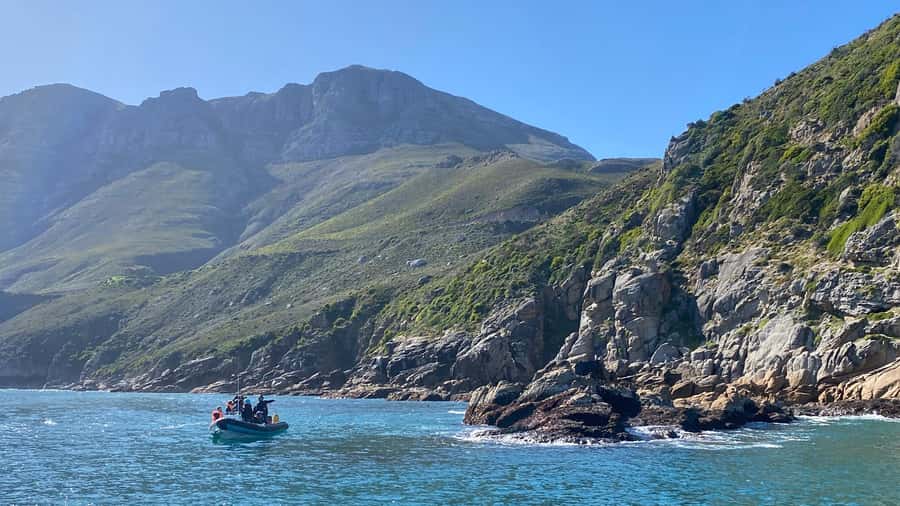
I like that this is set up as a coached experience. You get equipment and briefings, then you enter the water with guidance rather than guesswork. Also, the snorkel plan is practical for cold water. The 5mm wetsuit is there for a reason, and most people find it makes the whole session feel more manageable.
There’s one more practical rule you need to know before you go: you need to be able to swim. This isn’t a float-around trip. It’s a snorkel safari.
Getting back onto the boat is another detail that’s easy to overlook until you’re there. There are no ladders. The skipper assists you getting back on board. If you have mobility limitations, limited balance, or a back issue, this is not the right fit.
One extra tip: bring a waterproof camera if you have one. The water is cold enough that you’ll want your hands free when you’re adjusting gear, and a waterproof camera keeps you from having to risk things with your phone. If you do use a camera, plan to focus on short bursts of shooting when you see motion—wildlife tends to show up for seconds, not minutes.
The warm finish: hot chocolate, snacks, and comfort at the centre
After snorkeling, you don’t just drift back and freeze. There’s a warm-up built into the schedule. On the way back, you’ll have hot chocolate and biscuits—a small thing that feels huge when the water has taken the warmth out of you.
At the snorkel centre, you’ll also have access to facilities that make the whole experience easier to handle:
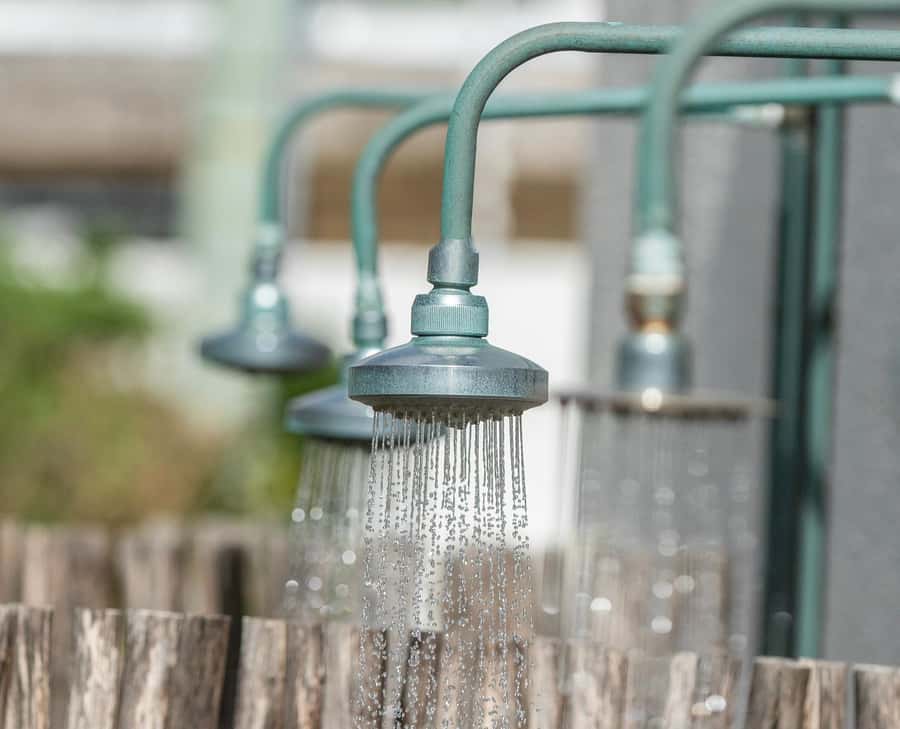
- Hot showers
- Bathrooms
- A lounge/chill area
- WiFi
- Luggage storage
- A hair dryer
Some people also mentioned being able to use a soft robe at the centre, which is a nice touch if you want to get changed without feeling like you’re wrestling wet gear in a parking lot.
Here’s the warm detail I really like: you can have hot water poured down your wetsuit for extra comfort. That’s not just feel-good—it’s practical, and it helps you reset faster so you don’t spend the rest of the day shivering.
What the boat route is like: sea views and wildlife windows
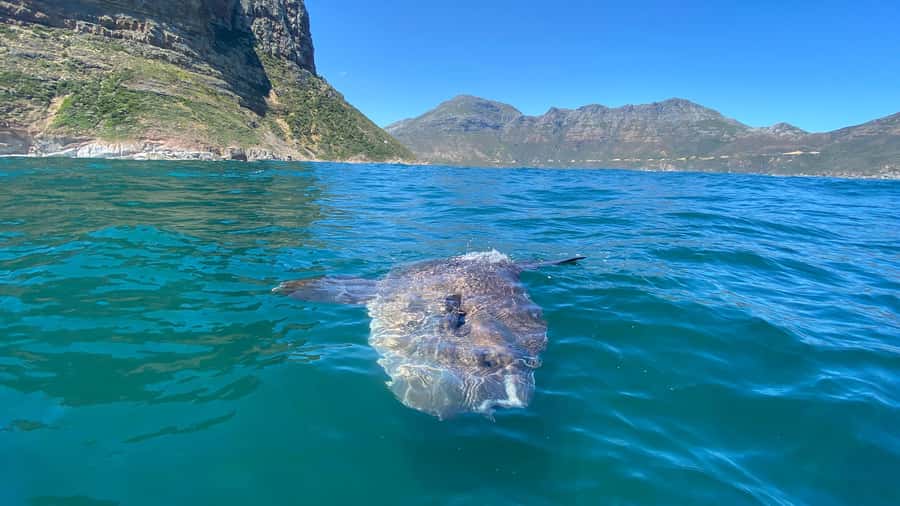
The ride itself is part of the appeal. You’ll be traveling past cliffs, granite features, and the kinds of coastlines that make the Cape feel dramatic even when the sky is gray. The guides also help you stay alert for wildlife.
Because this is an ocean environment, you should expect that conditions affect what you see. Some trips will give more whales or dolphins, while others lean more toward seals and smaller marine life. The upside is that your snorkel habitats are the focus, so the day isn’t dependent on one big animal sighting.
Also, the harbor seal viewing gives you a different wildlife vibe than snorkeling. It’s calm, observational, and usually close enough for good viewing without needing to be in the water.
Small group logistics: up to 10 participants, big attention
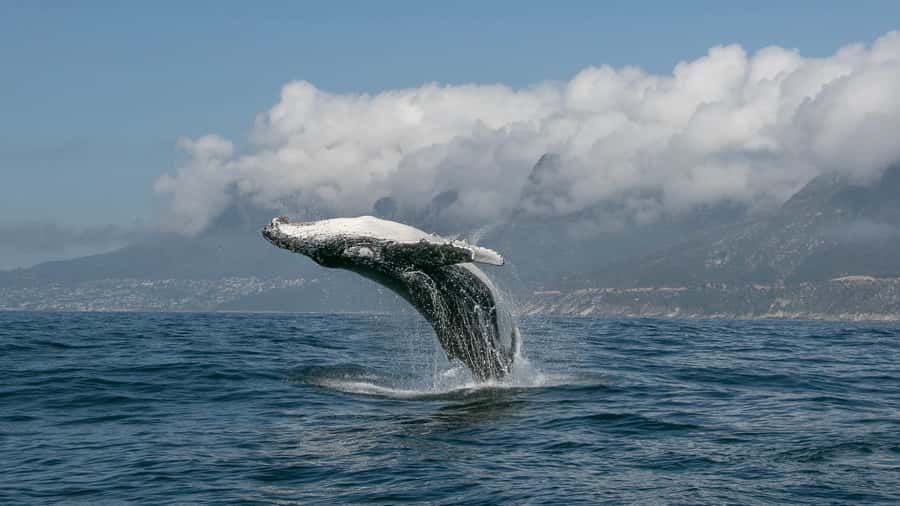
With a maximum of 10 participants, you’re less likely to feel like you’re part of a crowd. That matters for safety, and it also matters for enjoyment. When guides can keep an eye on everyone, you spend less time worrying and more time looking.
You’ll also have live guides in English and Afrikaans, which makes it easier to understand both the safety instructions and the wildlife stories. One reason snorkeling safaris can feel confusing is that people don’t know what they’re looking at. Here, the guide effort helps turn “I saw something” into “I know what that likely was and why it was there.”
Who this Cape Town ocean safari is best for (and who should skip it)
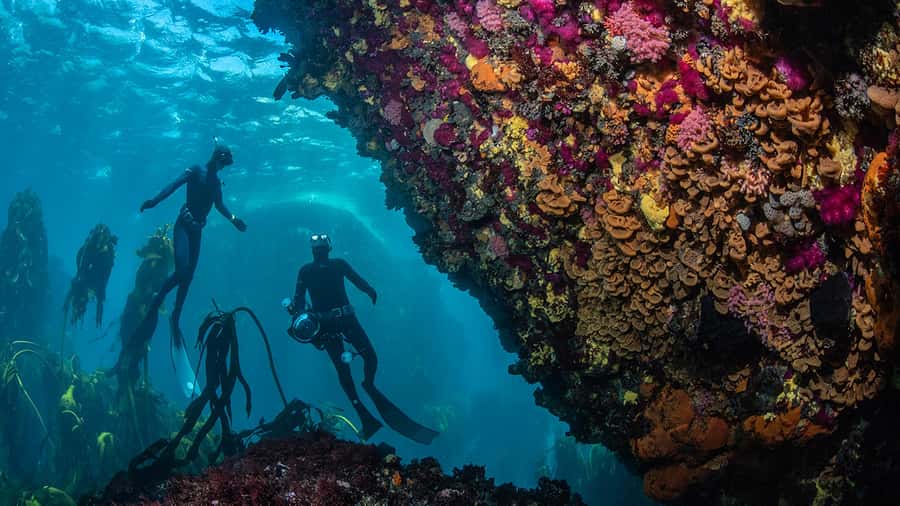
This is a solid choice if you:
- Want a guided snorkel experience, not a self-guided swim
- Are comfortable in cold water and ready for a wetsuit
- Can swim confidently
- Prefer a small group with active guidance
- Like wildlife viewing from boats and underwater habitats like kelp forests
Skip it (or choose a different activity) if you have:
- Limited mobility or require ladder access (since there are no ladders on/off the boat)
- Back problems
- You can’t swim
- Children under 10
Also consider booking this when you’re aiming for a half-day activity. It’s not designed as a full-day “do everything” itinerary. It’s designed as a focused ocean safari with a warm, easy landing back on shore.
Price and value: is $186 per person fair for Hout Bay?
At $186 per person for about 4 hours, this isn’t a bargain-basement add-on. But it also isn’t just a boat rental. The value comes from what’s wrapped into the price:
- All necessary snorkeling equipment
- Guided briefings (safety + marine guide info)
- Boat ride with trained staff
- Refreshments on board and at the centre (hot chocolate and biscuits)
- Centre facilities: hot showers, WiFi, bathrooms, lounge/chill area
- Luggage storage and a hair dryer
When you compare that to what it costs to cobble together transport, gear rental, and a guided water activity separately, the package starts looking reasonable. You’re paying for the coordination and the “ready for you” comfort: fitting, warm-up provisions, and the centre support after the ocean.
In short: if snorkeling and marine wildlife are your priority, this price buys convenience and structure. If you just want a quick boat scenic ride with no wetsuit and no water time, you might find better-fit options.
Practical tips to make the most of your snorkel safari
Bring what the trip asks for, because cold water and gear management are easier when you’re prepared:
- Sunglasses and a hat (sun can still hit even near the ocean)
- Swimsuit and beachwear for under your wetsuit setup
- Sunscreen (apply before you’re fully geared up)
- A waterproof camera if you want photos
- Anything you need for personal comfort after the shower
Plan for the fact that you’ll get wet—properly. Even with wetsuits, you’ll be changing gear, and the centre facilities make that easy. If you’re using Uber from the city, one recent experience mentioned it can be around a half-hour ride, but always allow extra buffer depending on traffic and time of day.
Finally, go into the water with patience. The best sightings often come when you slow down and scan. Guides are there to help you spot what matters—just don’t treat it like a fast photo sprint.
Should you book the Ocean Safari in Hout Bay?
Book it if you want a structured snorkel safari with a real wildlife focus, and you’re comfortable swimming. The small group size, the guided setup, and the practical warm finish (hot chocolate, showers, and even hot water options) make it feel like more than just “cold water + gear.”
Don’t book it if swimming isn’t in your comfort zone, or if mobility limitations make getting on and off the boat difficult. And if you’re expecting seal snorkeling in the water, adjust your expectations: seals are viewed from the boat only because of safety precautions.
If your Cape Town plan includes Table Mountain area viewpoints and you want one activity that genuinely shifts your perspective, this is an efficient, high-impact half-day.
FAQ
How long is the Cape Town Ocean Safari in Hout Bay?
The tour lasts 4 hours.
Where does the tour start and where do I meet?
You meet at Animal Ocean Expeditions at the snorkel centre. Look for a large brown wooden gate with branding and arrive at your booked time.
Do I need to know how to swim?
Yes. You need to be able to swim to partake in this activity.
What snorkeling is included?
You snorkel around shipwrecks and in African kelp forests, with guided support and equipment provided.
Are seals snorkeled with in the water?
No. Seal snorkeling in the water is not offered; seals are viewed from the boat only.
What equipment and refreshments are provided?
All necessary equipment is included. You’ll also have refreshments on board and at the snorkel centre, including hot chocolate and biscuits.
What facilities are available at the snorkel centre?
Facilities include WiFi, hot showers, bathrooms, a lounge/chill area, luggage storage, and a hair dryer.
Are there ladders to get back onto the boat?
No. There are no ladders. The skipper assists you getting back on board.