REVIEW · NAIROBI
From Nairobi: 4-Day Maasai Mara and Lake Nakuru Group Safari
Book on GetYourGuide →Operated by EXCELLENT GAMESPOTTING ADVENTURES · Bookable on GetYourGuide
Four days, two safari legends. You’ll cover Maasai Mara and Lake Nakuru with early-morning game drives, then use a pop-up-roof 4×4 to keep your view clear for photos and wildlife spotting. I also like how the schedule mixes classic big-game hunting with a few specific nature moments, like the Mara River area and a ranger-style look at Nile crocodiles and hippos.
One potential drawback: the advertised rate is only the tour cost, and park fees aren’t included, so your total budget can rise quickly once you add Maasai Mara and Lake Nakuru entry.
In This Review
- Key things I’d pay attention to
- Nairobi start: the Rift Valley viewpoints set your expectations
- Day 1 game drive in Maasai Mara: late light, big promise
- Maasai Mara Day 2: your best shot at big cats
- Ranger-guided crocodiles and hippos: a different kind of safari thrill
- Moving to Nakuru: the practical rhythm of a two-park safari
- Lake Nakuru Day 4: white rhinos, birds, and a quick return to Nairobi
- The drive back to Nairobi: plan for a solid finish
- Your safari vehicle and group size: comfort vs. real game viewing
- Guides and the real meaning of “game spotting”
- Park fees and the “true cost” of a $350 tour
- Maasai Mara fees (not included)
- Lake Nakuru fees (not included)
- Food, water, and what the tour price actually covers
- Optional add-ons: Masai Village and balloon safari
- Accommodation reality: Lenchada and Lanet Matfam are part of the trade-off
- Who this safari suits best (and who should skip it)
- Should you book this 4-Day Maasai Mara and Lake Nakuru safari?
Key things I’d pay attention to
- Pop-up-roof 4x4s for better spotting and window-free photos during game drives
- Two full days in Maasai Mara (arrival drive plus a full-day hunt for big cats)
- Mara River time focused on the migration corridor and predator action
- Lake Nakuru’s white rhino prospects, plus lots of birds and baboons
- Small group size (max 15), which usually means easier vehicle management and quicker finding of the group
- Optional add-ons like the Masai Village and balloon safari if you want a little extra
Nairobi start: the Rift Valley viewpoints set your expectations
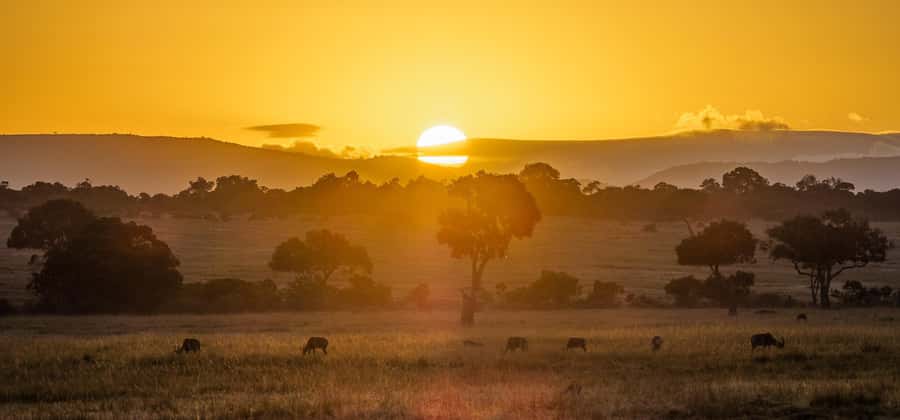
Your trip kicks off at 8:00 AM with pickup from a Nairobi hotel in the city center or Westlands area. Then you head out through the Great Rift Valley viewpoint, where the guide gives you a short chance to soak in the geology: you’ll spot Mount Longonot (semi-active) and two dormant volcanic peaks, Mt Suswa and Mt Margret, for about 10 minutes.
This first stretch matters more than people think. Kenya safaris can feel abstract until you see the Rift Valley spread beneath you—then the rest of the trip clicks into place. You’ll arrive in time for lunch, check into camp, and later go out on a late-afternoon game viewing drive.
You can also read our reviews of more tours and experiences in Nairobi.
Day 1 game drive in Maasai Mara: late light, big promise
Around 4:00 PM, you switch from road trip mode to savanna mode with a two-hour game drive in Maasai Mara until about 6:00 PM. For me, the value of that timing is simple: late light often makes animals easier to spot, and you’re not yet exhausted from a full day of driving.
If you’re staying at Lenchada Touristic Camp (or a similar camp), you’ll return for a buffet dinner and a night’s rest. It’s a budget-focused setup, so don’t expect luxury finishes—but it’s functional, and the meal plan keeps you moving without constant planning.
Maasai Mara Day 2: your best shot at big cats
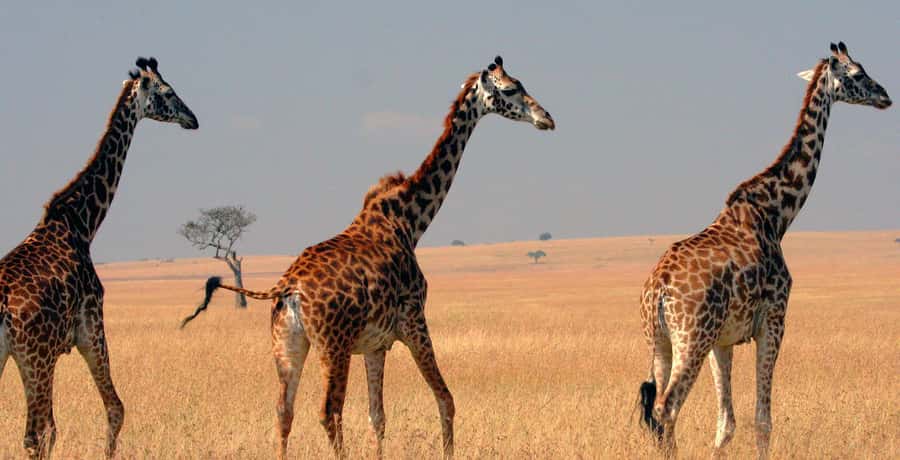
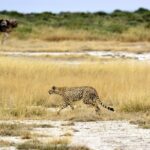
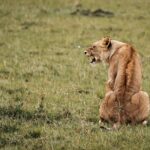
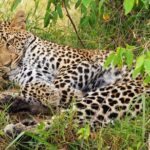
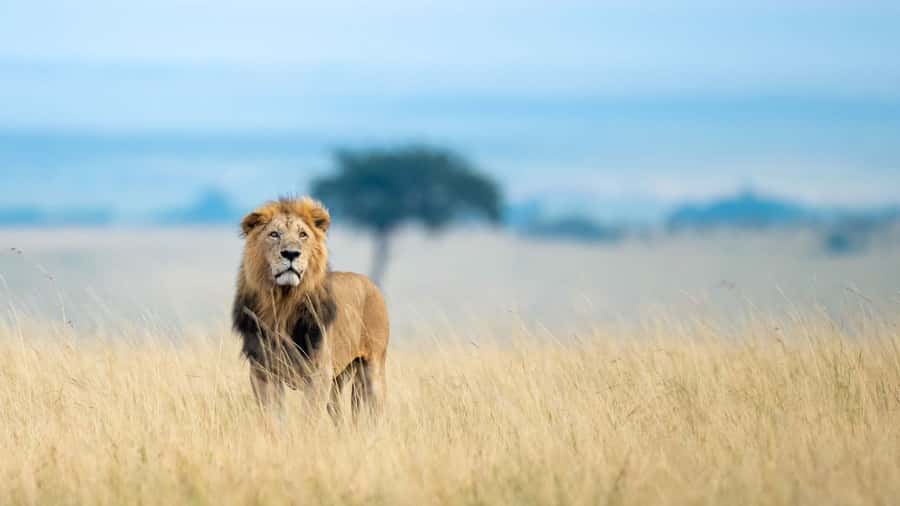
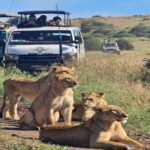
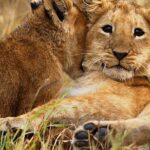
The next morning is early, with breakfast at 6:30 AM and then a full-day game drive in Maasai Mara. The tour frames Day 2 as the most important day—especially for the elusive big cats—and that makes sense. Lions, leopards, and cheetahs tend to show up when your driver can read the habitat and time the search right.
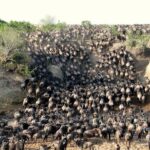
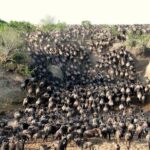
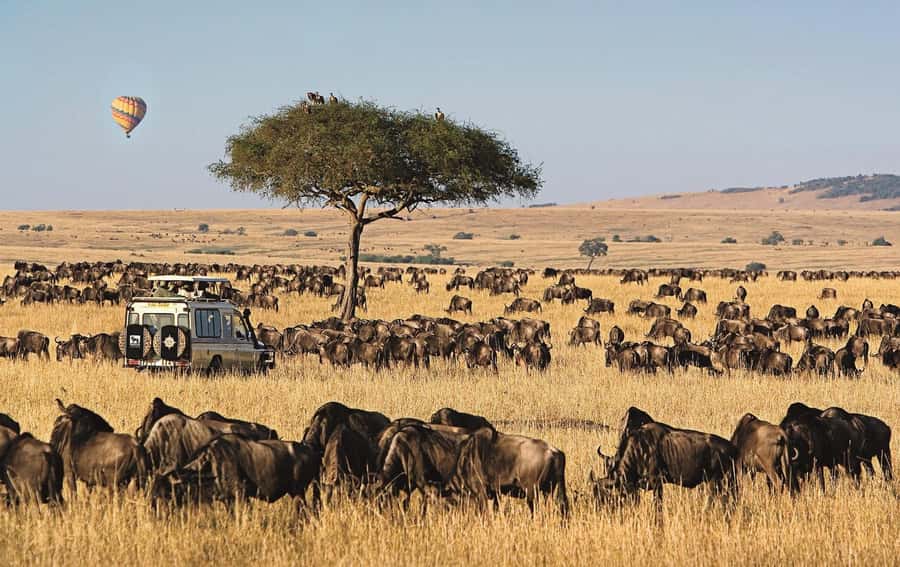
You’ll also spend time near the Mara River, where the Great Migration corridor comes alive as wildebeest and zebra move through the area. The migration itself isn’t guaranteed on any specific date (wildlife follows water and grass), but being in the Mara during the season means you’re in the right neighborhood for predator activity.
Ranger-guided crocodiles and hippos: a different kind of safari thrill
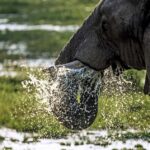
One of the best “small but memorable” inclusions is the guided nature stop in the Mara River area. You’ll go with rangers to look for Nile crocodiles and hippo families, and it’s a reminder that the Mara isn’t just about the Big Five.
You’ll also enjoy a picnic lunch under a tree in the park, overlooking wide savanna views. That kind of lunch beats a rushed stop at the roadside because it keeps you inside the wildlife rhythm—less transit, more time looking.
Back at camp, the day ends the practical way: dinner and overnight again at Lenchada Touristic Camp (or similar). After a full day of scanning acacia trees and open plains, you’ll be grateful you don’t have to organize anything.
Moving to Nakuru: the practical rhythm of a two-park safari
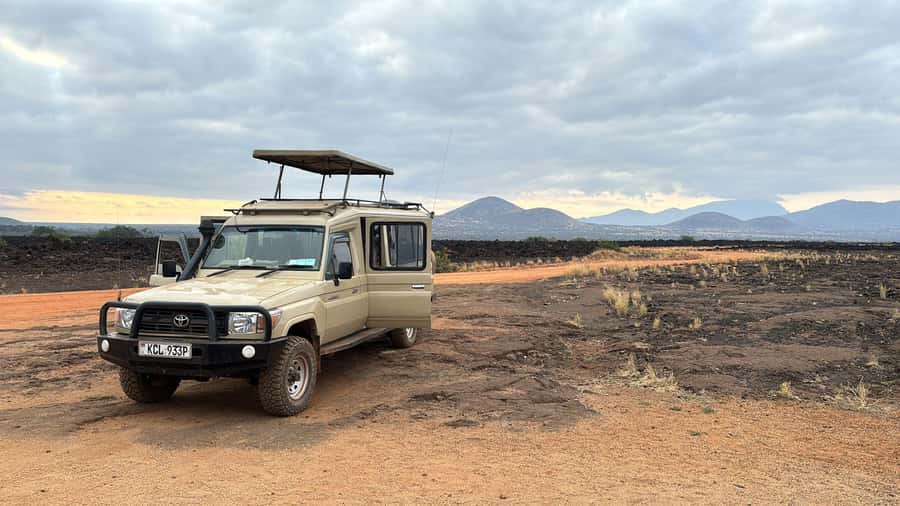
Day 3 shifts gears. You have breakfast at camp and then drive to Nakuru. The itinerary has you arriving late evening and checking in at Lanet Matfam Resort (or similar), which is a smart pacing choice for a four-day run—two parks in short time always means at least one longer travel day.
This transfer is also where you learn how to stay comfortable. The ride is shared and game-drive focused, so pack light but bring essentials for long stretches: sun protection, water, and something simple for phone charging if you rely on it for photos.
Lake Nakuru Day 4: white rhinos, birds, and a quick return to Nairobi
Your final day starts early. After breakfast and check-out, you depart at 7:00 AM straight to Lake Nakuru National Park. This park is smaller than Maasai Mara, and the schedule reflects that: you get a three-hour game drive rather than an all-day search.
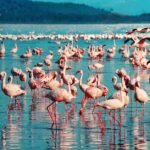
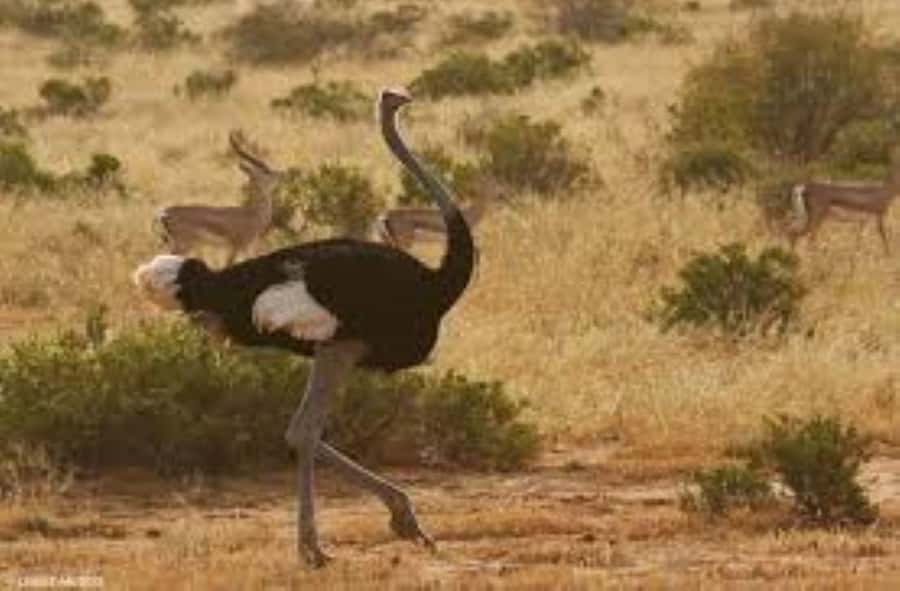
The headline here is the chance to see white rhinos, described as rare in the area. The tour also leaves room for birds—there’s a possibility of seeing pink flamingos—and you may encounter other wildlife like baboons, since the park is known for lots of birdlife and social primates.
The drive back to Nairobi: plan for a solid finish
After the morning game drive, you head back to Nairobi for about three hours, with an arrival around 3:00 PM and drop-off in the Nairobi city center or Westlands area. If you want a smooth end to your trip, this timing is helpful—you’ll have daylight for your onward plans.
Your safari vehicle and group size: comfort vs. real game viewing
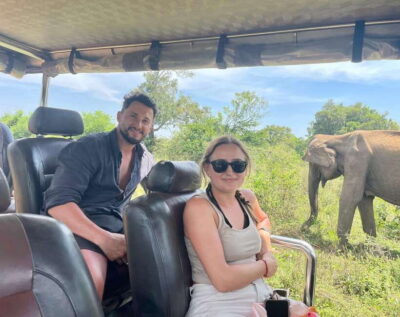
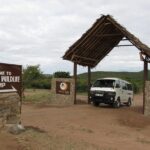
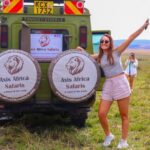
This tour uses shared transport in a 4×4 land cruiser jeep with a pop-up roof, built for wildlife watching and photography. The pop-up roof is the difference between “trying to see” and actually tracking movement in the distance. Even when animals are partially hidden, that higher eye-line helps.
The group is capped at 15 participants, which I like for two reasons: you don’t feel like you’re in a huge herd, and the driver can manage the vehicle positioning and meeting points more easily. Still, a shared group has trade-offs.
A few people noted comfort and seating can vary depending on pickup order—some seats are better for photo angles than others, and being farther back can be awkward when you stand to shoot through windows. If you’re photo-focused, ask about seating or try to board early at pickup so you have more control over where you sit.
Guides and the real meaning of “game spotting”
The tour runs with a professional English-speaking driver guide, and the biggest theme across experiences is how calmly and persistently they search. Names come up again and again—drivers like Wycliff, Kevin, Calvin, David, Paul, and Stanley—and the common thread is patient scanning and solid driving.
You’ll feel that most on Day 2 in Maasai Mara. Big cats aren’t on a timetable. Good guides don’t just drive fast—they interpret tracks, read the mood of prey animals, and position the jeep where you can watch without wasting time.
It also helps that bottled water is included in the vehicle, and the driver assistance is mentioned as available “at any point.” That’s not flashy, but it’s the kind of support you appreciate when timing gets tight or someone needs a quick fix before a drive.
Park fees and the “true cost” of a $350 tour
The advertised price is $350 per person, but it’s not the full safari bill. Park fees are listed as separate.
Maasai Mara fees (not included)
Maasai Mara Park fees are USD 100 per person per day from January to June, and USD 200 per person per day from July to December. Kids have their own pricing (with USD 50 per day for ages 8 to 17, and free entry for under 8).
Based on the schedule, you spend time in Maasai Mara on two separate days—an arrival drive on Day 1 and a full-day game drive on Day 2—so plan around that when you estimate your total.
Lake Nakuru fees (not included)
Lake Nakuru fees are listed in two ways: one set shows USD 60 per adult and USD 35 per kid (ages 3 to 17), and there’s also an update stating USD 90 per person beginning from 1st October 2025.
So do this the smart way: when you confirm your booking, ask the provider which Lake Nakuru fee schedule applies to your travel date.
Food, water, and what the tour price actually covers
What you do get for the tour price:
- 3 nights accommodation
- All meals as per the itinerary
- Shared jeep transport with pop-up roof
- Bottled water on the vehicle
- Pickup in Nairobi city center/Westlands and drop-off in those areas
When I look at value, the deciding factor is whether the included meals and transport reduce your stress. This kind of safari is already logistically heavy, so the “everything is handled” approach has real savings in time and hassle—especially when park fees and optional upgrades are added on.
Optional add-ons: Masai Village and balloon safari
Two extras show up in the offer:
1) Masai Village visit for USD 20 per person
2) Balloon safari (optional) for USD 600
Here’s how I’d treat this decision. The Masai Village visit may be a cultural add-on you want, but it’s easy to feel annoyed if you expected choice and it becomes a “do it anyway” moment. If you care about keeping your day strictly wildlife-focused, ask upfront how it will be handled for your specific group.
Balloon safaris are a different category of cost. If you want that birds-eye view, it’s a big-ticket item—but it’s also the kind of add-on you might remember longer than another game drive.
Accommodation reality: Lenchada and Lanet Matfam are part of the trade-off
The itinerary lists budget-style camp and resort options. In the Mara, you’ll likely stay at Lenchada Touristic Camp or similar. In Nakuru, it’s Lanet Matfam Resort or similar.
A key point: in a four-day safari like this, accommodation is mainly there to help you sleep, shower, and eat before the next wildlife window. Several experiences describe the stays as okay for the budget price, with decent buffet meals.
You can also request upgrades to mid-comfort accommodation, subject to availability. If sleep quality matters to you, that upgrade option is worth asking about early because availability can run out during peak seasons.
Who this safari suits best (and who should skip it)
This experience fits best if you want a classic Nairobi-to-Maasai Mara and Lake Nakuru route with game drives scheduled across your four days.
It’s not suitable for:
- People with back problems
- Pregnant women
That’s important because game drive seating and jeep movement can be rough. Also, the roads and long drives are part of the experience, so if you’re sensitive to that, you’ll want to choose a more comfortable itinerary.
If you’re a first-time safari person with limited time, this is a very workable plan. If you’re a hardcore repeat-safari pro, you might wish for more time in each park—but for four days, it covers the main highlights.
Should you book this 4-Day Maasai Mara and Lake Nakuru safari?
I’d book it if you want a solid “greatest hits” safari with two chances to hunt in Maasai Mara, plus a focused white rhino morning at Lake Nakuru. The big-cat search, the Mara River moments, and the pop-up-roof jeeps are the right ingredients for a memorable trip without needing to plan every detail yourself.
Just go in with two smart expectations:
- Budget for park fees and confirm the Lake Nakuru fee schedule for your date.
- If the Masai Village add-on is optional, confirm how it works for your group so there are no surprises.
If you want a safari that feels organized, efficient, and wildlife-forward, this is a strong choice.