REVIEW · DRAKE BAY
Corcovado and Drake Bay 2-Day Small-Group Safari Guided Tour
Book on Viator →Operated by Sukia Travel · Bookable on Viator
The Osa Peninsula hits hard early, when the jungle starts before breakfast. This 2-day small-group safari takes you from sleepy Drake Bay to Corcovado’s Sirena Ranger Station for big wildlife time—then lets you fall asleep to the rainforest soundtrack.
What I like most is how much time you spend actually walking and looking, not just riding around. You get guided trail time on both days, with breaks built around heat and wildlife behavior—so sightings feel earned, not random.
The one drawback to plan for is comfort level: you’re in basic open-air ranger-station lodging with humidity, mud, and bugs. It can be great—just don’t assume hotel conditions, especially if the weather turns wet.
In This Review
- Key points to know before you go
- Drake Bay to Sirena: why this route works in real life
- Day 1 sunrise boat ride and Corcovado National Park trails
- Drake Bay to the waterline
- Corcovado National Park coastal chance
- Sirena Ranger Station: leaving luggage behind and going deeper
- The heat plan: lunch at noon and why the break is part of the safari
- Day 1 afternoon: off-the-beaten-path trails plus jungle water time
- Sirena Ranger Station overnight: what it feels like and how to sleep well
- Packing tips that actually matter here
- Day 2: the cool-morning wildlife walk and the primary forest finale
- Returning to Drake Bay at noon: your afternoon to reset
- Price and value: does $460 make sense for Corcovado?
- The guiding style that makes sightings click
- Who this Corcovado and Drake Bay safari fits best
- Should you book this 2-day Corcovado safari?
- FAQ
- How long is the Corcovado and Drake Bay 2-Day small-group safari?
- What is included for meals?
- Where do we sleep overnight?
- What time does the tour start in Drake Bay?
- What animals might I see?
- Is there time for swimming?
- How big is the group?
- Who should not do this tour?
- Does weather affect the tour?
- Are admission tickets included?
Key points to know before you go
- Max 8 travelers keeps the wildlife spotting personal, not chaotic
- Sirena Ranger Station overnight means you’re in the park when animals are most active
- Early starts at 5:00–6:15am help you beat heat and catch the calmer hours
- Meals included (1 dinner, 1 breakfast, 2 lunches) keep you from juggling snacks in the jungle
- You’ll get time to swim in Corcovado jungle water during Day 1
- Small-group guiding with strong tracking skills improves what you notice on the trails
Drake Bay to Sirena: why this route works in real life
Drake Bay is a launching point, but the real payoff is reaching Corcovado’s Sirena Ranger Station—because that’s where you trade late-afternoon tourist vibes for true rainforest rhythm. The tour starts early enough that you’re already listening to howler monkeys and birds while the day is still cooling down.
This itinerary is also built around how wildlife actually moves. Morning hikes give you better odds with animals that prefer lower temperatures. The lunch break isn’t just a lunch break. It’s a smart pause during the hottest time of day, when visibility and activity can drop.
Another thing I appreciate: it’s not “one big hike and done.” It’s multiple trail sessions across different parts of Corcovado—so you’re looking at more than one habitat texture: coastal wildlife possibilities, secondary-growth trail walking, then a push toward the primary forest on Day 2.
Day 1 sunrise boat ride and Corcovado National Park trails
Day 1 moves fast—by design. You’ll have breakfast at 5:30am, then board for the boat toward Sirena station at 6:15am (about 1.5 hours on the water). This early timing matters because it puts you in the park while your senses are freshest and the heat hasn’t taken over.
Drake Bay to the waterline
The first part is quiet-to-lively. You’re starting with first light and hearing monkeys calling from the canopy. If you’re the type to get motion sick, take that seriously—one rider specifically warned that the boat can be bumpy, and suggested motion-sickness meds ahead of time.
Corcovado National Park coastal chance
Once you arrive, you’ll get an initial Corcovado National Park exploration session (about 1 hour). The point here is not just “walk and look,” it’s to be alert for shoreline and water-edge wildlife—turtles, rays, dolphins, that sort of thing. You’re in the Osa’s best zone for surprise sightings when you stay flexible and keep scanning.
Sirena Ranger Station: leaving luggage behind and going deeper
Next you reach Sirena Ranger Station, drop your luggage, and go into the real adventure on trails. This is where the tour earns its “Safari” label. Over about 3 hours of exploring, you’re focused on animals and jungle signs, not just scenic stops.
A practical note from the field: the station experience is basic, but people consistently describe it as clean and airy, with staff that keep things running. That makes a difference because the rainforest can be intense. You want a base that feels livable when it’s raining or muddy.
The heat plan: lunch at noon and why the break is part of the safari
At 12:00pm, you stop for lunch and a strategic rest. The reason is simple: it’s the hottest time of day. When the sun is high, animals often shift behavior—resting, moving deeper, or keeping to shade—so your best tool becomes patience.
This break (about 2 hours) doesn’t feel like lost time. It’s built so you can come back out when conditions improve, and you’ll be more alert during the later trail push.
Day 1 afternoon: off-the-beaten-path trails plus jungle water time
After the midday rest, you head out again for another trail block (about 4 hours). The tour describes this as moving onto trails that feel more off the beaten track, with the goal of finding wildlife and landscapes that you’d miss on a quick walk.
One more highlight on Day 1: you get a swim in Corcovado’s jungle water. Not every rainforest day includes that, and it’s a welcome reset—especially if the humidity has you sweating through everything. One rider even mentioned a swim in Rio Claro, which matches the idea of getting water time beyond just wading at the edge of the beach.
When you’re in the jungle, you learn fast that “10km” isn’t the same kind of distance as on flat pavement. The terrain, humidity, and mud make every step slower. Go with a relaxed pace and don’t plan to measure it like a gym workout.
Sirena Ranger Station overnight: what it feels like and how to sleep well
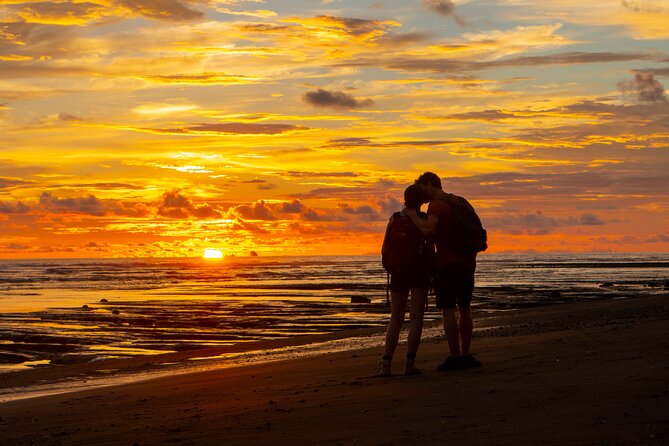
Your Day 1 ends back at Sirena around 5:30pm after the sun drops over the Pacific. Dinner is on-site, and afterward you’ll have time to compare notes on the animal sightings you saw and share what you noticed.
Then comes the best part if you like real nature at night: you sleep with the jungle’s sounds all around you. The tour includes bunk beds plus bedding and mosquito nets, so you’re not improvising your sleep setup.
What to expect from the station itself:
- It’s open-air, so it feels more like a protected jungle camp than a closed building.
- People describe it as clean and comfortable for what it is, but not fancy.
- Outdoor shoes aren’t the priority—one rider suggested bringing socks or using clean flipflops as “indoor” shoes once you’re in the station.
Packing tips that actually matter here
If you want this tour to feel smooth, pack light and pack smart. Several riders recommended the same core items:
- Water shoes (mainly for getting on and off the boat; also helps with wet spots)
- Hiking boots for trail footing
- A towel
- A reusable water bottle (single-use plastic isn’t allowed in the park)
- Bug repellent (it may not be easy to buy in Drake Bay the day you need it)
- Bring what can fit in your backpack since you can’t bring full luggage onto the boat
Also, expect moisture. Even without a storm, humidity and mud can be intense. If it rains hard, drying can be tough—one rider described arriving soaked during a bad-weather period and not having great options to fully dry out at the station.
Day 2: the cool-morning wildlife walk and the primary forest finale
Day 2 starts at 5:00am at Sirena. Early mornings are when animals that prefer cooler temps often show up, and this is the session that can feel like a second sunrise. You’ll have about 2 hours of wildlife time before heading back for breakfast around 7:15am.
Then you get a break (about 90 minutes). This matters because by late morning the jungle can heat up quickly, and you’ll want energy for the best “big forest” section.
At 8:30am, you depart toward Corcovado’s primary forest. This is about 3 hours of hiking among massive trees and quieter trails. If you love seeing how forests work at different depths—how light changes, how the canopy looks, how sound carries—this is the section that makes the whole trip feel bigger than “just spotting animals.”
Returning to Drake Bay at noon: your afternoon to reset
At noon, you’ll take the boat back to Drake Bay (about 1.5 hours). You arrive back around 1:30pm, with the rest of your afternoon open for you.
That free time is a smart design choice. After two days of early starts and jungle walking, you’ll be happy to:
- rest at your lodge,
- check out the beach area,
- or spend time in town.
One rider even recommended treating it like recovery time—then using the evening for Drake Bay’s night scene and food options (the tour lists time for exploring night life and diverse gastronomy around 6:30pm).
Price and value: does $460 make sense for Corcovado?
At $460 per person, you’re paying for something that’s hard to replicate on your own: guided wildlife tracking, protected access to the park’s ranger-station network, and an overnight base that puts you inside the ecosystem.
Here’s what’s clearly included in that value:
- One dinner, one breakfast, two lunches
- Bunk beds with bedding and mosquito nets
- Guided trail time across multiple sessions (Day 1 and Day 2)
- Transfers by boat to/from Sirena
- A swim time in Corcovado jungle water
When you price it out mentally—meals + lodging + expert guiding + transport—this tour starts to look like a fair deal rather than a random splurge. Also, the small group size (max 8) isn’t a marketing detail. It directly affects how well your guide can focus attention and spot animals before they vanish.
If you hate rough edges, you might feel the price more. But if you’re okay with humidity, mud, and simple lodging, the value is strong because you’re in the park overnight instead of doing a quick day trip.
The guiding style that makes sightings click
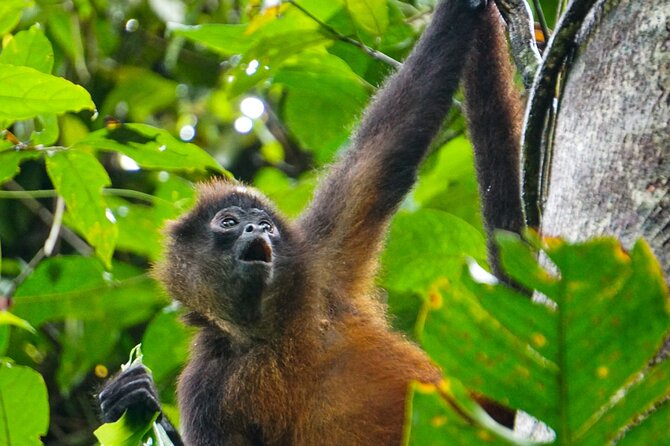
Several guides were name-checked by riders, including Jorge, Erick (from Sukia Travel), Brayner, Andre, and Richie. The common thread is passion—and, more importantly, how that passion translates to tracking.
The best kind of wildlife guide doesn’t just point. They teach you what to look for:
- movement patterns,
- calls in the canopy,
- animal behavior cues,
- and how to read jungle signs.
That’s why riders repeatedly mention learning more than just birds and animals, including how wildlife fits with native culture interactions in the rainforest. Even if you’re not a hardcore naturalist, that context makes the whole hike feel more meaningful.
Also, this is one of those tours where the group stays small enough that you’re not constantly craning around strangers. That improves your odds and your stress level.
Who this Corcovado and Drake Bay safari fits best
This works best if you:
- want a true wildlife-focused two-day experience in Corcovado,
- like early mornings and can handle humidity,
- prefer small groups (max 8),
- enjoy hiking with frequent pauses for spotting animals.
It’s not recommended for children younger than 8, and it’s also not recommended for elders over 65. If you have mobility limits, ask about your comfort with uneven jungle trails and open-air lodging.
If you’re deciding between a day trip and an overnight, I’d lean toward the overnight. Sleeping at Sirena gives you more than “a place to crash.” It gives you the rainforest’s nighttime and early-morning rhythm—exactly when wildlife activity can be best.
Should you book this 2-day Corcovado safari?
Book it if you want a guided, small-group Corcovado experience that’s built for actual sightings, not just checking a box. The mix of early starts, multiple trail blocks, and an overnight at Sirena Ranger Station is what makes this itinerary feel complete.
Skip or think twice if:
- you need hotel-level comfort,
- you hate boats that can be bumpy,
- you can’t handle humidity and mud,
- or you’re not comfortable with open-air, basic lodging.
If you go in prepared—light pack, proper footwear, bug repellent, and a reusable bottle—you’ll likely find this $460 experience feels like a solid way to meet Corcovado on its own terms.
FAQ
How long is the Corcovado and Drake Bay 2-Day small-group safari?
It runs for about 2 days, with an early start each morning and a return to Drake Bay by around 1:30pm on Day 2.
What is included for meals?
The tour includes 1 breakfast, 2 lunches, and 1 dinner.
Where do we sleep overnight?
You sleep at Sirena Ranger Station in bunk beds with bedding and mosquito nets included.
What time does the tour start in Drake Bay?
The start time is listed as 6:15am, with breakfast at 5:30am and a boat departure toward Sirena station at 6:15am.
What animals might I see?
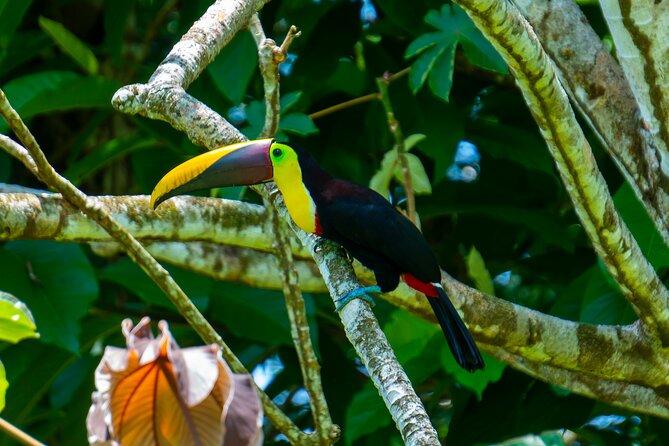
The tour highlights lookouts for howler monkeys, toucans, and dolphins, and the route also mentions chances of turtles and rays while traveling and exploring.
Is there time for swimming?
Yes. The itinerary includes swim time in refreshing jungle water during the Day 1 Corcovado portion.
How big is the group?
The maximum group size is 8 travelers.
Who should not do this tour?
It is not recommended for children younger than 8 and not recommended for elders over 65.
Does weather affect the tour?
Yes. The experience requires good weather. If it’s canceled due to poor weather, you’ll be offered a different date or a full refund.
Are admission tickets included?
Some parts list admission as free (such as certain Drake Bay and Corcovado National Park segments), while the Sirena Ranger Station activities are listed with admission ticket included.