REVIEW · SALALAH
Sunset desert safari tour in Salalah(private tour)
Book on Viator →Operated by Ciao Salalah · Bookable on Viator
Desert sunsets in Oman feel otherworldly fast. This private safari strings together UNESCO sights, local tea, and the Empty Quarter, timed so you’re in the right place for the light. You’ll spend the day with a guide who can explain what you’re seeing in English or Italian.
I like that this tour mixes culture with big sky moments: the frankincense story at Wadi Dawkha, then the archaeology of Ubar tied to incense caravans. I also like the practical pacing—each key stop gets real time, not just a quick photo stop.
One thing to consider: the experience depends on good weather, and that can affect the day’s plan. If skies are bad, you may need to switch dates or get a refund.
In This Review
- Key points to know before you go
- A 1:00 pm start that sets you up for sunset in Rub’ al Khali
- Wadi Dawkha: frankincense trees and a UNESCO valley with real age behind it
- Thumrait tea and a possible black camel sighting
- Ubar’s frankincense trail: the archaeology of an incense route
- Empty Quarter time: towering dunes, Bedouin context, and that sunset finish
- Sunset photos and star pauses: what makes the timing feel special
- Private tour feel: guides, language, and small comforts that matter
- Price and value: what $125 per person buys in real time
- Practical tips so your desert day stays easy
- Should you book this sunset desert safari in Salalah?
- FAQ
- How long is the sunset desert safari in Salalah?
- What time does the tour start?
- Is the tour private?
- What languages are offered?
- Is pickup included?
- Do I need good weather for the tour?
Key points to know before you go
- Private group means it’s just you and your people, with pickup included
- UNESCO stops at Wadi Dawkha and the frankincense trail area tied to Ubar
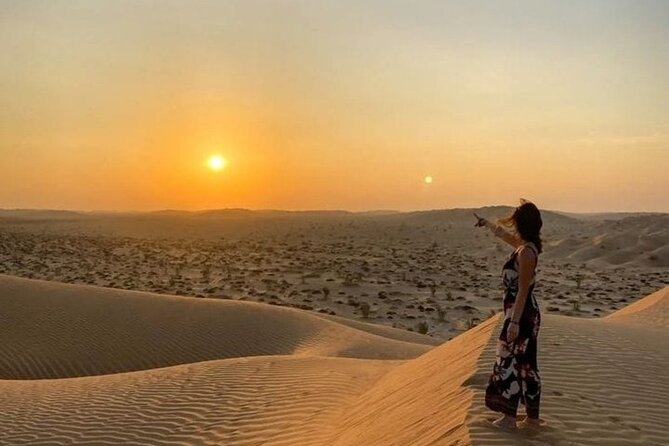
- Sunset timing is built in, with the Empty Quarter (Rub’ al Khali) as the main finish
- Local culture break with Omani tea and karak in Thumrait
- Chance to see black camels, plus Bedouin-life context in the dunes
- English/Italian guide support, and guides in past departures have shown extra care for timing and comfort
A 1:00 pm start that sets you up for sunset in Rub’ al Khali
This tour runs about 8 hours, starting at 1:00 pm, and the schedule is designed so most of your “real time” is spent away from the city. The day includes travel, so you don’t feel rushed from one highlight to the next—you feel carried along.
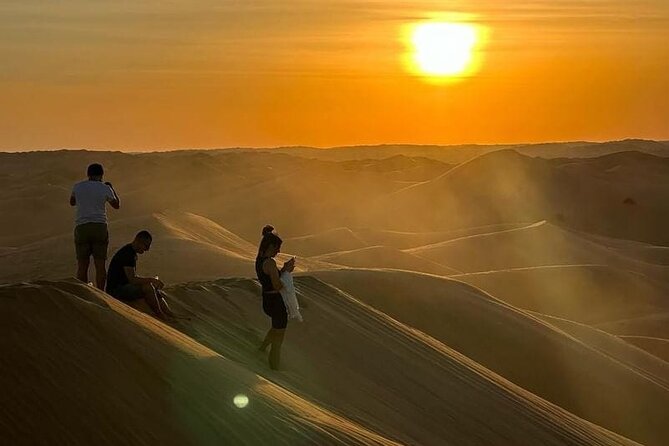
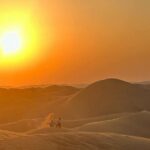
What matters most for sunset safaris is timing, and here it’s handled with a late afternoon finish in the Empty Quarter (Rub’ al Khali). That’s when the dunes change color and the light gets softer for photos. You’ll also be far enough from Salalah that the sky often feels wide open.
If you’re the type who cares about the drive too, you’ll likely enjoy the route. In past departures, guides like Mohammed have taken the wheel with confidence and stayed attentive even on highway stretches, so the day stays smooth rather than stressful.
You can also read our reviews of more tours and experiences in Salalah.
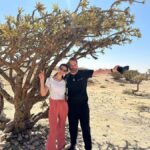
Wadi Dawkha: frankincense trees and a UNESCO valley with real age behind it
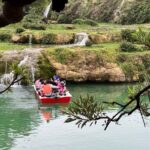
Your first big moment is Wadi Dawkha, a UNESCO World Heritage Site. You’re not just passing a “pretty valley” here—you’re walking among frankincense trees, some described as centuries old, with mountains rising around you.
This is where the story of Oman’s frankincense heritage becomes more than a fact on a page. The trees have that unmistakable, gnarled shape, and in desert light they create strong silhouettes. Even if you’re not a plant person, it’s easy to see why the frankincense trade mattered: these trees weren’t “background,” they were part of how people traveled, traded, and survived.
You get about 1 hour 30 minutes here, and an admission ticket is included. That time buffer is useful. You’ll want a few minutes to just look, then more time to walk at your own pace and take photos without feeling behind.
Thumrait tea and a possible black camel sighting
Next comes Thumrait, a contrast stop that keeps the day human-scale. You’ll pause for local Omani tea—karak—and you’ll also have a chance to encounter black camels. The key word is might. This isn’t a guaranteed “see them in every moment” situation, but the possibility is part of the fun.
The stop is around 1 hour and there’s no admission ticket charge listed here. That makes it a good reset. After Wadi Dawkha’s trees and walking, a warm cup of tea and some local conversation helps you keep your energy for the later desert portion.
Also, this is a nice reminder that desert tourism isn’t only about sand. In southern Oman, people live with the landscape. The tea stop gives you a brief cultural thread you can hang the day’s bigger sights onto.
Ubar’s frankincense trail: the archaeology of an incense route
Then you head to the archaeological site of Ubar, connected to the frankincense caravans. This is described as a stop along the routes that once moved incense through the region, and it’s one of those places where the desert feels like it held a job long before modern roads.
The site is tied to the frankincense trade story, and you’ll spend about 1 hour 30 minutes there. Admission ticket is included. You’ll likely hear explanations about why caravans followed certain paths and how frankincense shaped travel and commerce. The ruins aren’t about being flashy—they’re about giving you a sense of what life looked like when survival depended on navigation and trade.
Also, the site is described as being roughly 170 kilometers north of Salalah in the Al Shisr area, so this stop has that “you really left the coast behind” feeling. If you like history but don’t want a museum lecture, this balances it well: you can look around while your guide ties the clues together.
Empty Quarter time: towering dunes, Bedouin context, and that sunset finish
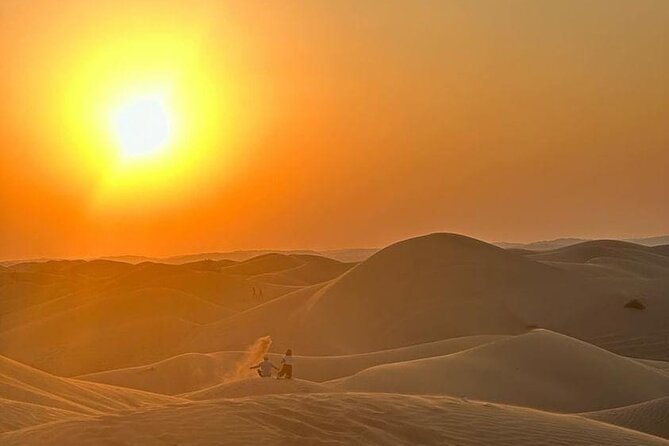
The day’s main act is the Rub’ al Khali desert, also known as the Empty Quarter. This is where you go from “tour photos” to “I can’t believe this is real” desert space.
The dunes here can reach up to 250 meters, which is hard to grasp until you’re out there. You’re not just walking on sand—you’re dealing with big shapes and big wind. The tour allows around 2 hours 30 minutes in this final desert stretch, and that time matters because dunes look different as the light changes.
You’ll also learn about the Bedouin way of life. The details aren’t listed in a step-by-step way, but expect general context rather than a long class. Think of it as grounding: why these people adapted to this environment, and how desert travel works beyond the modern idea of “going for a ride.”
This stop is admission-free on the plan you provided, so your value comes from the experience and the guide’s local interpretation—not ticketed attractions.
Sunset photos and star pauses: what makes the timing feel special
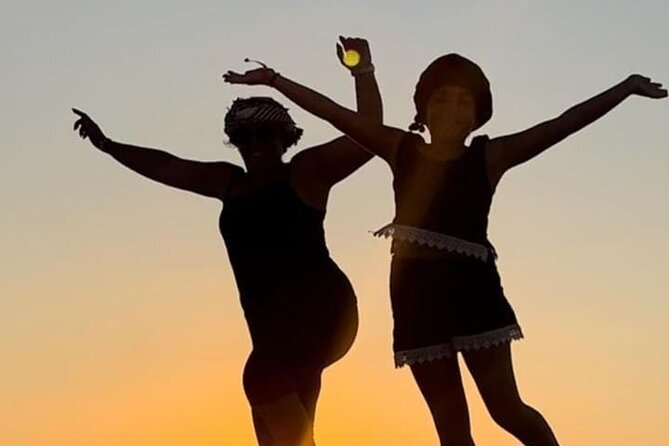
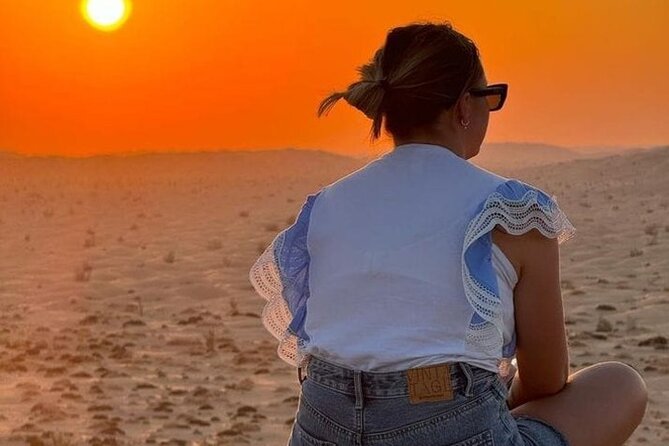
Because the tour ends in the desert for sunset viewing, you’ll usually have the chance to take photos right when the light turns golden and the dunes soften. If you’ve ever photographed dunes at the wrong time, you’ll understand why the schedule matters. The difference between midday haze and evening glow is huge.
In at least one past departure, the guide Ibrahim made time to stop so guests could see the stars. That’s not listed as a guaranteed part of the official plan, but it fits the vibe of a well-timed desert drive: when you have the open sky, it’s hard not to want to look up.
If you want the best photos, dress for cooler evening air and keep your camera ready before the actual moment hits. Desert sunsets can be quick, and you’ll be busy checking angles, not watching the clock.
Private tour feel: guides, language, and small comforts that matter
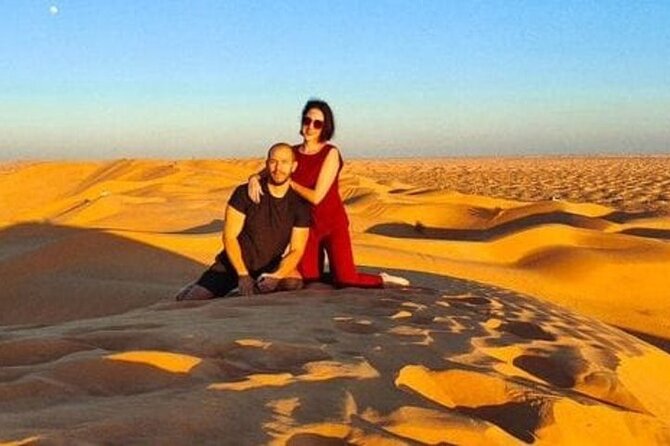
This is a private tour/activity, so only your group participates. That’s more than a label. It affects everything from how flexible you can be with photo stops to how comfortable the pace feels. If you’re traveling with family, it also reduces friction—no need to wait for strangers or compete for guide attention.
Language options are English or Italian. In past departures, guides have clearly communicated well in Italian—one guest specifically noted that Mohamed spoke Italian and handled the day with great care. Another review mentioned Ibrahim as excellent, with precise explanations and thoughtful pauses.
Also, guides in recent departures have reached out close to departure time to confirm plans, including timing coordination on WhatsApp. You won’t lose time wondering where to meet or whether pickup is coming.
Overall, the private format plus language support usually makes the day feel smoother and more personal, especially if you don’t want to rely on your own Arabic skills.
Price and value: what $125 per person buys in real time
At $125 per person, this isn’t a low-cost “just get me to the dunes” option. But look at what’s included in the structure: pickup is offered, you get a full day timed for sunset, and the day includes multiple paid/UNESCO-style stops where admission is noted as included.
Wadi Dawkha includes an admission ticket, and the Ubar frankincense trail stop also includes an admission ticket. The Thumrait tea and the Empty Quarter time are listed as admission-free in the plan you shared. So your money is mostly paying for transport, guiding, timing, and the places where an entry fee would otherwise add up.
Another value point: the tour is scheduled around 14 days in advance on average. That suggests it’s popular enough that planning ahead matters if you want a specific date—especially when you’re aiming for a perfect sunset window.
If you want a guided day that connects culture (frankincense and Ubar), animals (black camels possibility), and the Empty Quarter at the correct time, the price starts to feel fair.
Practical tips so your desert day stays easy
Here are the practical pieces I’d plan around, based on the tour details you provided:
- Wear layers. The day starts early afternoon and ends in desert evening conditions, so you’ll want something warm for later hours.
- Bring sunglasses and sunscreen. The desert sun is bright even when the dunes look calm.
- Pack for walking. You’ll spend time at Wadi Dawkha and at the Ubar area, not just sitting in a vehicle.
- Use your mobile ticket on the day, since that’s listed as the ticket format.
- Don’t count on perfect weather. The experience requires good weather, and poor conditions can lead to a date change or a full refund.
Good to know: service animals are allowed, and most travelers can participate. Also, the plan notes it’s near public transportation, which can help if your lodging isn’t right on the main pickup route.
Should you book this sunset desert safari in Salalah?
Book it if you want one day in southern Oman that connects frankincense heritage to the real scale of the Rub’ al Khali desert, and you care about sunset timing more than ticking off lots of random stops. The private setup makes it feel relaxed, and the mix of UNESCO areas plus local tea helps the day avoid the typical “only dunes, no story” problem.
Skip it or think twice if you’re traveling at a time when weather can be unpredictable and your schedule is tight enough that a date switch would be a big hassle. Also, if you’re extremely price-sensitive and only want the cheapest way into the dunes, this private format may feel like more than you need.
If you like guided clarity—what you’re seeing, why it matters, and when to be in place for the light—this is a strong choice.
FAQ
How long is the sunset desert safari in Salalah?
The tour lasts about 8 hours (approx.), and the remaining time is allotted for travel.
What time does the tour start?
The start time is 1:00 pm.
Is the tour private?
Yes, this is a private tour/activity, so only your group participates.
What languages are offered?
The tour is offered in English or Italian.
Is pickup included?
Pickup is offered.
Do I need good weather for the tour?
Yes. The experience requires good weather, and if it’s canceled due to poor weather, you’ll be offered a different date or a full refund.