REVIEW · PADSTOW
Cornwall: Guided Seal Safari by Boat
Book on GetYourGuide →Operated by Padstow Sealife Safaris · Bookable on GetYourGuide
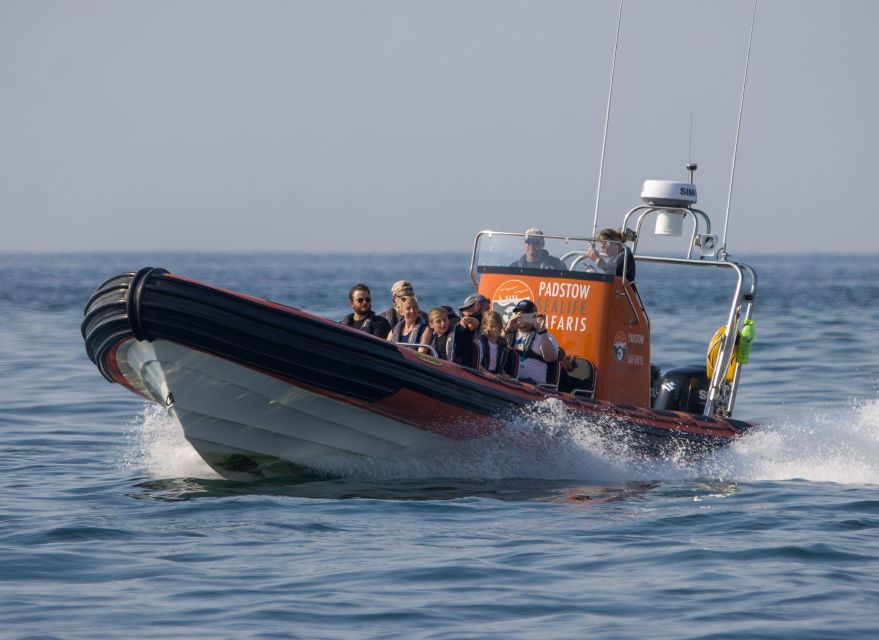
RIBs and seals in Cornwall is fast fun. You’re out of Padstow on an open-top RIB with a live guide, bouncing along the rugged coast while you hunt for seals, seabirds, and sometimes dolphins. It’s equal parts nature outing and speed-boat ride.
I love two things most: the way the live guide ties wildlife to what you can see along the shoreline, and the practical kit that makes the ride comfortable—waterproof jackets and trousers plus life jackets. You also get that rare combo of drama and wildlife, so your photos come out feeling like Cornwall, not just seawatching.
One consideration: wildlife spotting isn’t guaranteed, and the boat is fast and bouncy, especially in choppy conditions. If you’re very prone to motion sickness, this may not be the right day out.
In This Review
- Key highlights worth knowing
- Entering the world of a Padstow RIB seal safari
- What to wear so the bouncy ride stays fun
- The 1-hour plan: Padstow photo stop, then coastline at speed
- Seals in the real rhythm of their day
- Seabirds are often the easiest win
- Dolphins can appear when the sea cooperates
- How to take better photos from a fast, open boat
- Price and value: what $37 buys you in Cornwall
- Who should book, and who should think twice
- Should you book the Cornwall guided seal safari from Padstow?
- FAQ
- How long is the Cornwall guided seal safari by boat?
- Where does the tour start?
- What’s included in the price?
- Are waterproofs provided?
- Is wildlife spotting guaranteed?
- Can the route change during the trip?
- What animals might I see besides seals?
- What should I bring?
- Are drones allowed or can I feed animals?
- Is it okay to bring a dog?
Key highlights worth knowing
- Open-top RIB speed with smart slowdowns near seal-haul out spots
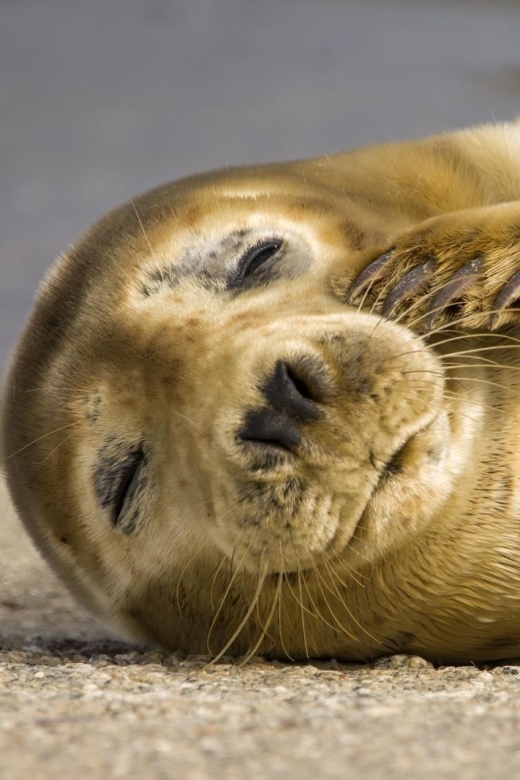
- Grey seal and seabird watching in natural habitat, no feeding or tricks
- Guides with real sea knowledge, including safety checks throughout
- Offshore island chances when conditions allow for seals on rocks
- Bird nesting season timing that can boost your odds for puffins and others
- Waterproof gear included, so you can focus on the coast and not your clothes
Entering the world of a Padstow RIB seal safari
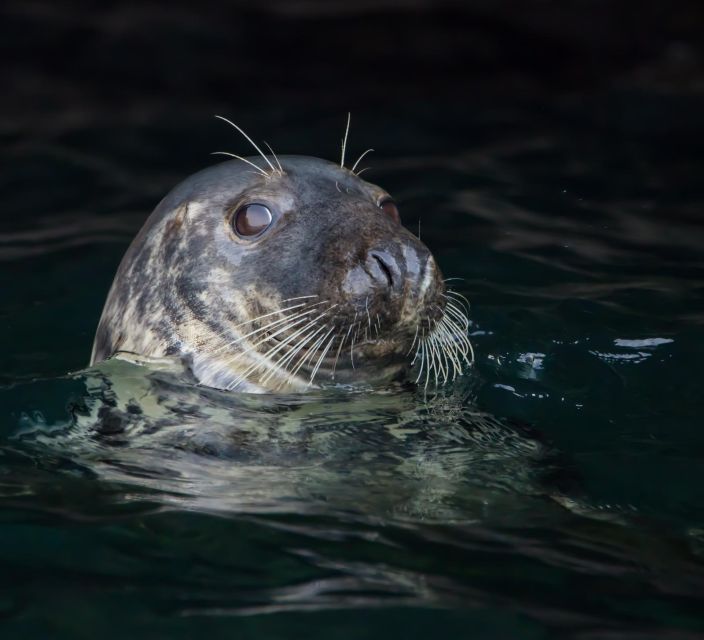
If your idea of fun is coastline plus wildlife, a one-hour seal safari by boat in Cornwall hits the sweet spot. You’re not stuck staring from a dock. You’re moving along the water at speed, then easing in closer when seals are likely to be around. That rhythm matters: when you’re cruising fast, you cover more coastline; when you slow down, you give yourself a real chance to spot behavior—heads popping up, seals bobbing, and birds using the water for fishing.
The whole experience is guided, and that guidance is what turns a simple boat ride into something you can actually understand. You’re not just looking for animals—you’re learning why certain spots might have seals, what birds are doing at different times, and how the coastline shapes the wildlife you see.
And yes, it’s exhilarating. The RIBs are open-top, so you feel the wind and spray. That’s part of the charm, but it also explains why this trip is a little more physical and weather-sensitive than a calm harbor cruise.
You can also read our reviews of more tours and experiences in Padstow.
What to wear so the bouncy ride stays fun
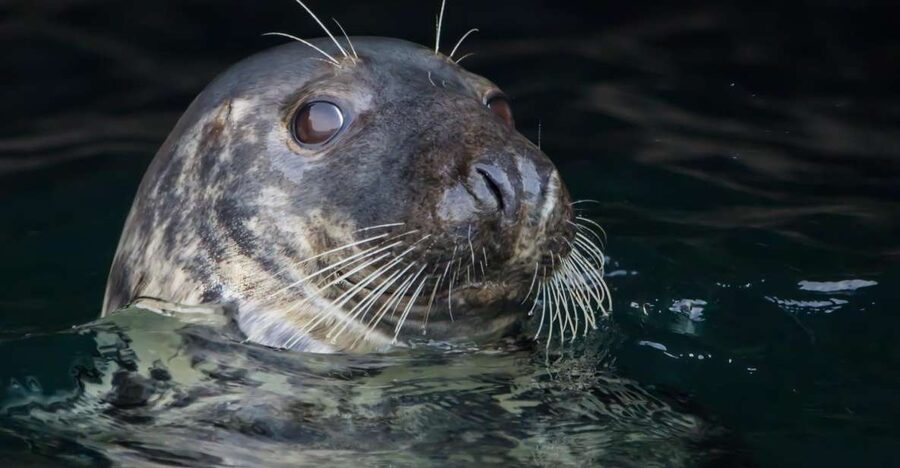
This is an outdoor outing on a fast boat, so dressing like a smart, warm sea-goer pays off. You’ll be given waterproof jackets and waterproof trousers and you’ll put on a life jacket, but you still need to show up ready for wind, spray, and changing temperatures.
Here’s what I’d plan around:
- Warm clothing and a proper jacket/outer layer for the cold minutes
- Waterproof shoes that won’t get slippery
- Sunglasses and sunscreen, since you’re out in the open
- A hat for sun and wind protection
- If you’re planning to use binoculars, bring them (they’re encouraged)
Also, think about motion. The boats are fast and bouncy, and choppy conditions are experienced more often than not. The operator even suggests bringing something to help prevent motion sickness. If you know you get queasy on boats, treat that seriously. This isn’t a sit-and-rest type of tour.
The 1-hour plan: Padstow photo stop, then coastline at speed
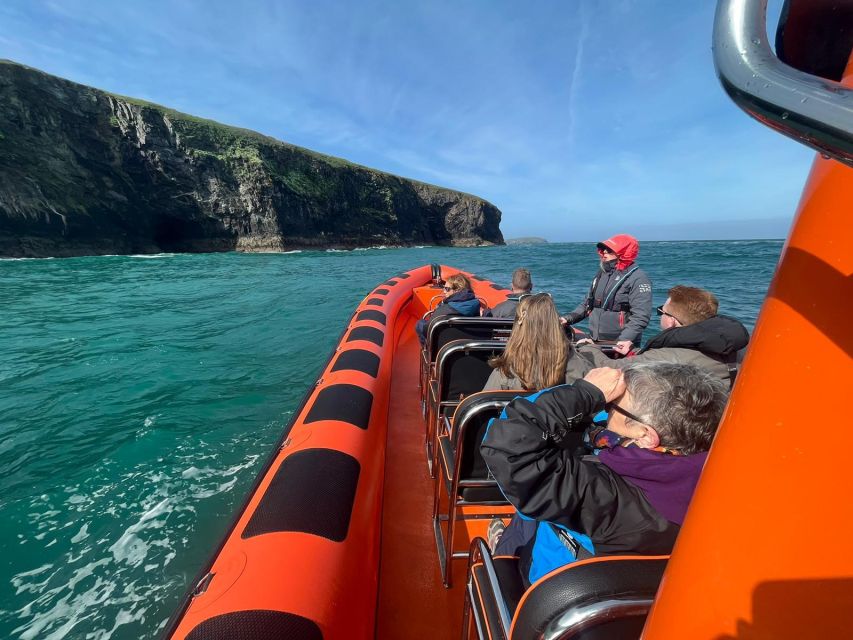
The tour starts at Padstow Sealife Safaris. Check-in begins 30 minutes before your trip time, so you’re not sprinting at the last second while everyone else is already geared up. Once you’re at the boat, you’ll get a safety briefing, then you’ll go through the quick routine of donning the provided waterproofs and life jackets.
One part of the outing includes a stop around Padstow, with time for a photo stop and guided sightseeing. That’s a nice reset before you go full throttle along the coast. It also helps you orient yourself—once you’ve taken in the shape of the area from land, the sea route feels easier to follow.
After that, the main action is out on the water:
- You follow the coastline at speed
- You slow down on approach to areas where grey seals regularly visit
- If conditions are right, you may head to a nearby offshore island where seals haul out on rocks to sunbathe
The key detail here is the slowdowns. On wildlife cruises, “seeing something” often comes down to patience. This one balances speed with that patience. When you’re near the likely haul-out zones, the boat reduces the noise and motion just enough for you to spot what seals are doing.
Seals in the real rhythm of their day
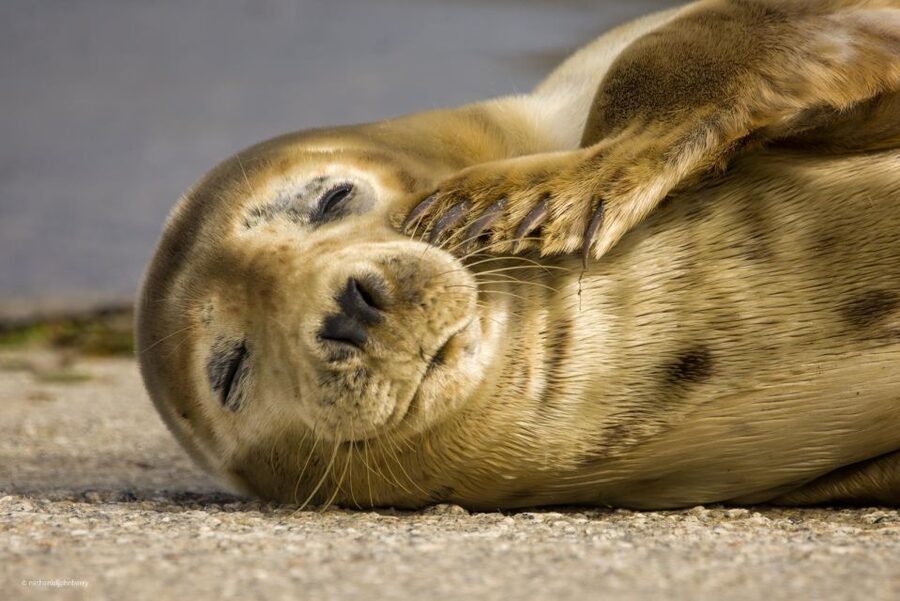
The whole point is a seal safari, and the way it’s done is straightforward: seals may be in the water, or they may be hauled out on rocks. When the conditions line up, you might see:
- Seals bobbing in the water, then popping up
- Seals basking on rocks at offshore islands
- The general pattern of who’s active, who’s resting, and how close you can get without disturbing them
One useful mindset: expect shy behavior. The nature of seals is that they don’t pose for you. They float, watch, vanish, and reappear. That’s why slowing down matters. It gives you time to track movement and notice when a head breaks the surface.
Also, don’t assume every trip will include the offshore island portion. The route can vary based on conditions and sightings that day. The operator makes an effort to find wildlife, but spotting is not guaranteed, and that’s the honest part of the deal.
Seabirds are often the easiest win
If seals are shy, seabirds can still keep the trip thrilling. This safari includes wildlife viewing with a strong focus on birds—especially around the nesting season window when puffins and others are active.
Here’s what the cruise highlights:
- Puffins, guillemots, and razorbills during nesting season (mid April to mid July)
- Additional seabirds that may be darting into the water for fish
- Bird activity that often signals where food is moving through the water
In real terms, birds are great “on-ramp” animals. You don’t always need perfect timing to see them. If you’re alert and the boat slows in the right places, seabirds often show up quickly—then you get to watch how they hunt and how they react when the boat passes.
Some guides also connect what you’re seeing to the marine life below the surface. You may hear explanations tied to the behavior of seals and different birds—like how certain birds dive, how shags and cormorants work the water, and why that matters for your spotting.
Dolphins can appear when the sea cooperates
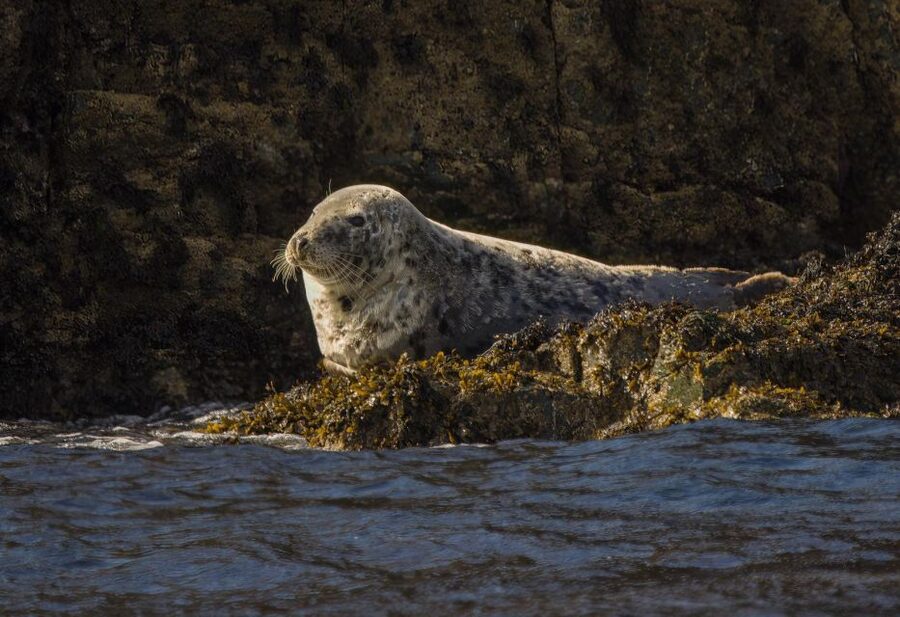
Dolphins aren’t promised, but they’re not an outlandish hope either. The safari sometimes includes dolphin watching, and on certain days a pod may show up alongside the RIB.
When dolphins do appear, it tends to transform the mood instantly, because you get movement that’s bigger than a seal bobbing. A pod can travel with the boat, surface in pulses, and create that back-and-forth energy you don’t get from wildlife that’s mostly resting.
For you, the practical takeaway is this: keep your eyes up during the ride segments, not only at the planned slowdowns. Dolphins can be transient, and your odds go up when you treat the entire cruise as potential action time.
How to take better photos from a fast, open boat
Photography is a big part of why people love this kind of trip. You’re on an open-top RIB, so you’ll get angles you simply can’t replicate from shore. You also get a steady flow of scenery—dramatic coastline and sea conditions that feel very Cornwall.
But you need to plan for two challenges: spray and speed.
- Use sunglasses and keep your camera protected from mist. If your lens fogs, stop, wipe, and restart.
- Hold steady when the boat slows near wildlife. If you shoot at speed, pan with the subject rather than trying to frame everything perfectly.
- If you bring a phone, consider a strap or secure way to keep it from slipping during bouncy moments.
The best shots tend to happen during the calm-in-the-chaos moments—when the guide slows the boat, the water changes texture, and you can see repeated behavior like seals popping up or birds repeatedly plunging.
Price and value: what $37 buys you in Cornwall
At around $37 per person for a one-hour tour, the value comes from three things you’d otherwise pay for separately:
- A guided wildlife experience with a live guide
- The boat ride itself—an RIB, not a slow ferry style cruise
- Included safety and comfort gear: waterproof jackets, waterproof trousers, and life jackets
You’re also buying time efficiency. For a short window, you get a lot of coastline coverage and real wildlife searching rather than a single lookout point. And when conditions line up, that one hour can deliver a lot—seals, seabirds, and sometimes dolphins.
The only “value catch” is the honest one: wildlife sightings aren’t guaranteed. If the sea is rough or wildlife is hiding, your main payoff may be the boat ride and the chance to see something at any given moment. The good news is that the operators aim to find wildlife, and the guide-driven slowdowns give you a fair attempt rather than a random cruise.
In other words: it’s priced like an adventure, not a guaranteed animal show. If you accept that nature sets the rules, it feels like good spending.
Who should book, and who should think twice
This experience is dog friendly, which is a rare plus for people who like to travel with their pets. It also fits well if you want an active day with a coastal vibe rather than a museum-style outing.
Good fits:
- Animal lovers who don’t need certainty, just a serious chance
- People who like boat rides and can handle open-air wind and spray
- Families with kids old enough to enjoy the water action (the trip isn’t suitable for children under 2 years)
Think twice or skip if:
- You’re prone to seasickness or you know bouncy boats set you off
- You have back problems, recent surgeries, or medical conditions where motion is an issue
- You need wheelchair access or you have mobility impairments (the tour is not suitable for wheelchair users)
- You’re pregnant (not suitable)
I also think it’s best for travelers who pack smart and come dressed for weather. If you show up in thin layers, you’ll feel the chill faster on an open-top RIB. If you dress for it, the ride stays fun instead of miserable.
Should you book the Cornwall guided seal safari from Padstow?
Book it if you want a short, guided wildlife boat adventure in a place known for rugged coastlines and marine life. It’s a strong choice when you like speed, photo opportunities, and the idea that your wildlife odds improve when a guide slows down at the right moments.
I wouldn’t book it if you’re chasing a guaranteed list of animals. Seals can be shy, dolphins are occasional, and the route may change with conditions and sightings. If that uncertainty sounds stressful, you’ll have a better time on a more predictable tour type.
If you’re flexible, dressed warm, and open to a bouncy ride, this is the kind of Cornwall outing that can feel like a real adventure even in just one hour.
FAQ
How long is the Cornwall guided seal safari by boat?
It lasts 1 hour.
Where does the tour start?
The tour starts at Padstow Sealife Safaris – Wildlife Watching Boat Trips Cornwall.
What’s included in the price?
You get the seal safari, the boat, a guide, plus waterproof jackets, waterproof trousers, and life jackets.
Are waterproofs provided?
Yes. Waterproof jackets and waterproof trousers are included.
Is wildlife spotting guaranteed?
No. Wildlife spotting is not guaranteed, though the provider will try their best to find as much as possible.
Can the route change during the trip?
Yes. Where the tour goes can depend on conditions and sightings that day, including whether offshore islands are included.
What animals might I see besides seals?
You may also see seabirds (including puffins, guillemots, and razorbills in nesting season mid April to mid July), and dolphins have also been spotted in the area.
What should I bring?
Bring warm clothing, sunglasses, a sun hat, sunscreen, weather-appropriate outdoor clothing, waterproof shoes, and motion sickness prevention if needed. Binoculars can also be helpful.
Are drones allowed or can I feed animals?
Drones are not allowed, and you’re not allowed to feed animals.
Is it okay to bring a dog?
The experience is dog friendly.