REVIEW · PADSTOW
Padstow: Guided RIB Sealife Safari
Book on GetYourGuide →Operated by Padstow Sealife Safaris · Bookable on GetYourGuide
The sea can change everything fast. This Padstow RIB Sealife Safari is a short, high-energy way to chase dolphins and seals while enjoying rugged North Cornwall from the water. I love the speed-and-splash ride, and I love how the crew slows down in the right spots so you can actually see wildlife, not just guess. The main catch: these are open-top, fast RIBs, so if you get seasick or hate rough water, this may not be for you.
You also get more than animals. Depending on the day and conditions, you may pass by places like Port Isaac (the Doc Martin connection) and look out toward Trevose Head and the new Padstow lifeboat station. And in the April–July window, there’s a real chance of spotting cliff-nesting seabirds and puffins around Puffin Island.
In This Review
- Key takeaways before you book
- Why a 2-Hour Padstow RIB Safari Fits Real Travel Days
- From Padstow Into the Atlantic: What the Ride Is Like
- Wildlife You Actually Want to See: Seals, Dolphins, Porpoises, Whales, and More
- Bird Watching From the RIB: Gannets, Guillemots, and Cliff-Nesting Season
- Puffin Island Chances (April to July) and What to Expect
- Port Isaac and Trevose Head: Coastline Views Beyond the Wildlife
- How the Guides Run It: Safety, Humor, and Real Spotting Skills
- What to Wear and Bring So You Don’t Spend the Trip Miserable
- Price and Value: Is $60 for a 2-Hour RIB Safari a Smart Spend?
- Who Should Book, and Who Should Skip This RIB Ride
- Should You Book the Padstow Guided RIB Sealife Safari?
- FAQ
- How long is the Padstow Guided RIB Sealife Safari?
- Where do I meet for the safari?
- What’s included in the price?
- What wildlife might I see on this trip?
- Does the route ever change?
- Is seeing wildlife guaranteed?
- What should I bring?
- What’s not allowed during the tour?
- Who is this tour not suitable for?
Key takeaways before you book
- Two hours on the water: just enough time to see wildlife without turning the trip into a full-day slog.
- Open-top RIB excitement: fast, bouncy, and very wet if the water has mood swings.
- Wildlife-focused slowdowns: the boat slows in likely sightings zones rather than just racing past.
- Seasonal puffins (April–July): better odds for Puffin Island sightings in that stretch.
- Seabirds everywhere: expect birds like gannets, fulmars, shearwaters, shags, and cormorants.
- Small group size (max 12): easier to get clear sightlines and hear the guide’s facts.
Why a 2-Hour Padstow RIB Safari Fits Real Travel Days
Two hours sounds short until you’re on a RIB. Then it feels like the perfect length: enough time to cover about 25 miles of coastline, search for marine life, and still be back before you’re worn out.
At around $60 per person, the value really comes down to effort-to-reward. You’re not paying for a long bus ride and a quiet dock-and-watch setup. You’re paying for an active search route on fast boats, plus staff who know where to look, when to slow down, and how to keep the experience safe and respectful of wildlife.
This one also has a solid track record (a 4.7 rating from 165 bookings), which usually means the operation runs smoothly, the briefing is clear, and sightings are often good—even though nature always has the final say.
You can also read our reviews of more tours and experiences in Padstow.
From Padstow Into the Atlantic: What the Ride Is Like
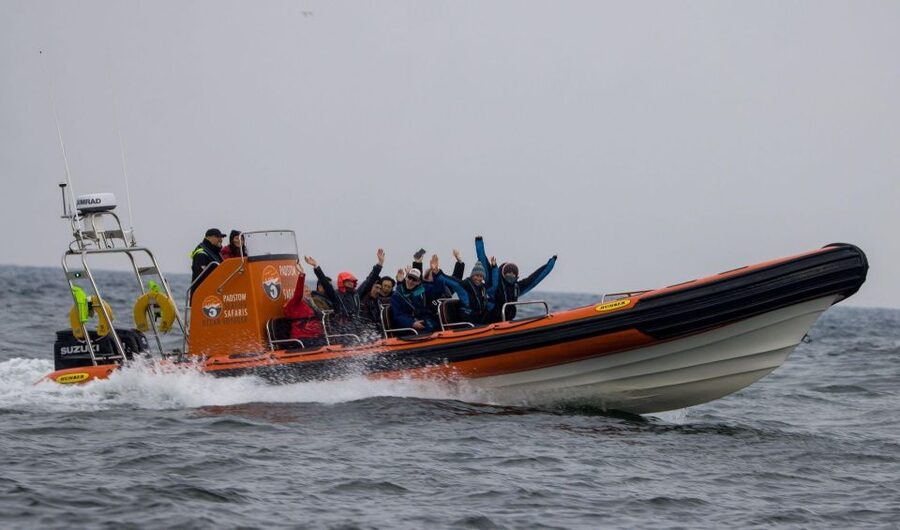
You start at the Padstow Sealife Safaris office and check in begins 30 minutes before your departure. After a safety briefing and gear up (you’ll get life jackets and borrow waterproof jackets and trousers), you head out from the Camel Estuary toward the Atlantic.
Here’s what matters for your comfort: the boats are open-top RIBs. They’re fast. They bounce. If the sea is choppy, you’ll feel it. That’s part of the fun for many people, but it’s also why you should go in ready to get wet and catch some air.
In practical terms, you’ll have the best time if you:
- Wear the waterproof trousers, not just the jacket.
- Use waterproof shoes (not just regular sneakers).
- Bring sunglasses and sunscreen, even if the day is cool.
Wildlife You Actually Want to See: Seals, Dolphins, Porpoises, Whales, and More
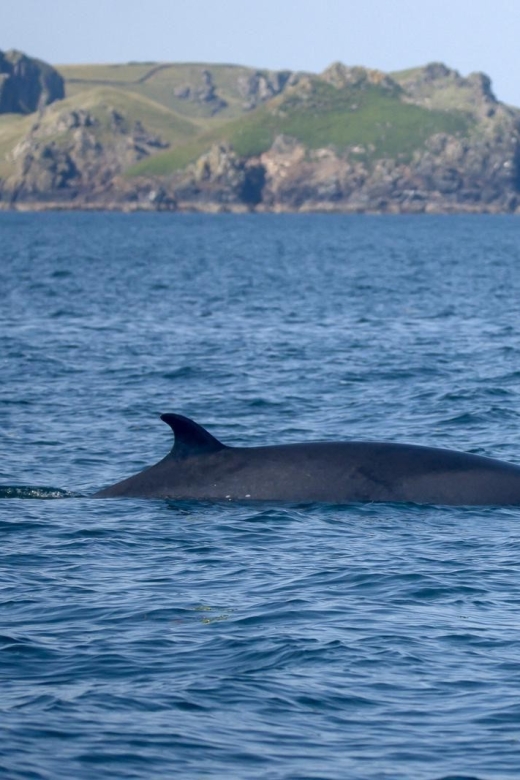
This tour is built around one simple idea: wildlife is most likely when you’re in the right water, moving intelligently, and slowing down at the right moments. The crew travels along the North Cornish coast, covering coastline and searching for hotspots. When they find likely spots, they slow down so you can watch rather than strain.
What you might see includes:
- Seals (including sightings where you can see them relaxing and not just popping up once)
- Dolphins (often reported as coming close to the boat)
- Porpoises
- Whales (with the possibility of species like minke, depending on conditions)
- Sunfish (possible)
And don’t ignore the birds. The trip also highlights seabirds such as gannets, shearwaters, fulmars, oystercatchers, shags, and cormorants. On a good day, birds are the visual “trail markers” of where the food is.
One honest reality check: wildlife sightings are not guaranteed. Nature moves. Weather affects visibility and animal behavior. Some trips may deliver fewer marine mammals than you hoped for, but you’ll still be out in real habitat, not in a man-made enclosure.
Bird Watching From the RIB: Gannets, Guillemots, and Cliff-Nesting Season
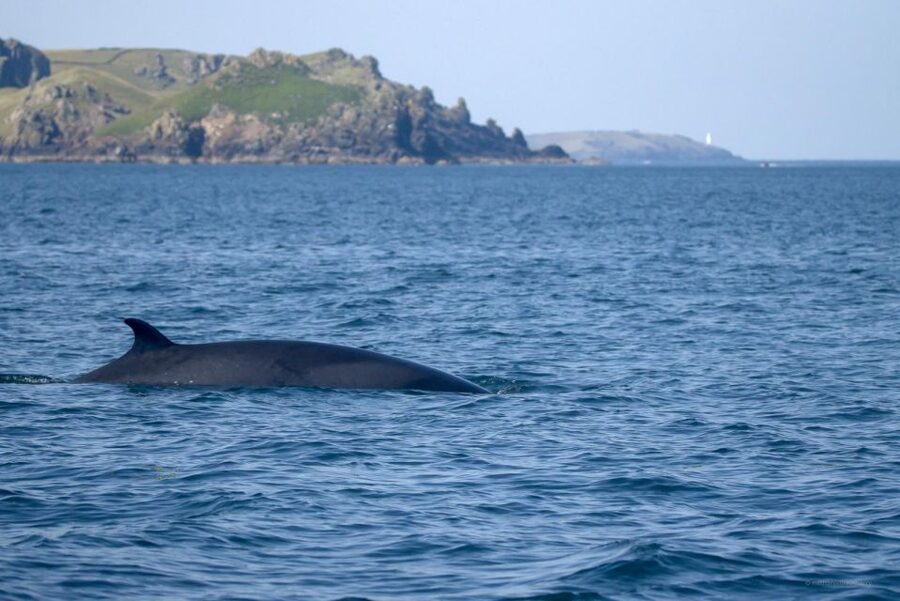
The seabird side of this safari is more than background noise. If you’re the kind of traveler who likes to scan the water and cliffs and spot patterns, this is your lane.
The tour can include sightings of:
- Gannets feeding up close
- Shags and cormorants riding coastal currents
- Fulmars and shearwaters offshore
- Oystercatchers near the coast
Then there’s the big seasonal bonus. From April to July, the cliffs can be active with nesting guillemots and razorbills. That matters because it turns the coastline from pretty scenery into something alive and scheduled—birds using the cliffs for breeding, meaning you’re more likely to see them working and showing up consistently.
If you love bird photography, bring your camera and consider binoculars too. Even when the boat is moving, the crew slows in key moments, which makes it easier to track birds rather than just spot them once and miss the chance to frame the shot.
Puffin Island Chances (April to July) and What to Expect
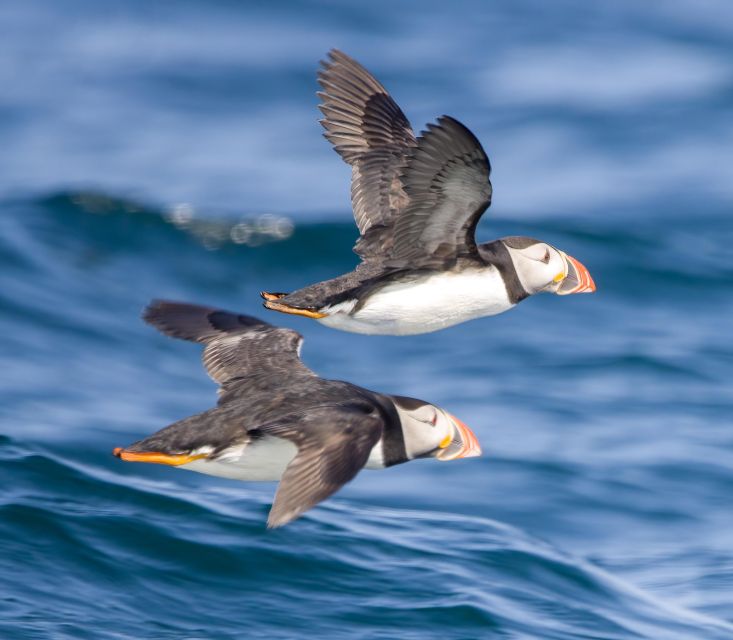
If you can travel in April through July, you’re in the window for the standout puffin possibility: a stop near Puffin Island, described as one of the last places puffins nest in Cornwall.
This doesn’t mean you’ll 100% see puffins. It means you’ll be in the part of the system where the odds improve. And in that sense, Puffin Island is valuable even on days when you don’t get a clean view—because it tells you where the crew is aiming and why the timing matters.
Also remember how puffins behave: they’re quick, and the sight can be brief. So if puffin spotting is your top goal, prioritize good conditions, be ready to point your camera fast, and keep an eye out when the boat slows.
Port Isaac and Trevose Head: Coastline Views Beyond the Wildlife
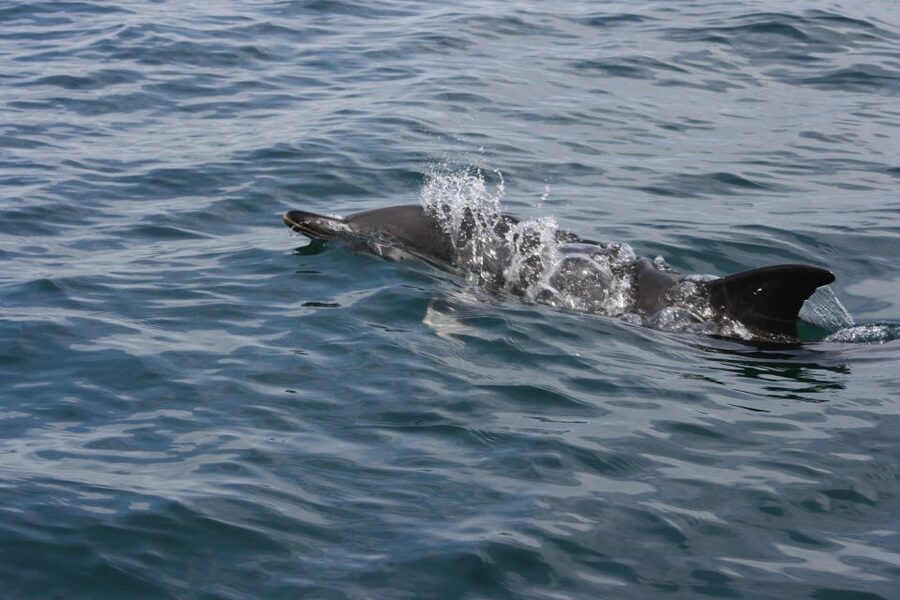
A good RIB safari is wildlife-first. Still, the coast is part of the experience. Depending on weather and sea conditions, you may visit areas that give you a sense of Cornwall’s coastal character.
Two examples mentioned for potential visits:
- Port Isaac, associated with Doc Martin
- Trevose Head, where you can see the view of the new Padstow Lifeboat Station
Why this is worth your attention: these are not random waypoints. They’re places tied to how people live with the sea—fishing culture, maritime safety, and coastal identity. When you’re already out on the water, it’s satisfying to connect what you see from the RIB with the towns and landmarks you might recognize from TV and local life.
How the Guides Run It: Safety, Humor, and Real Spotting Skills
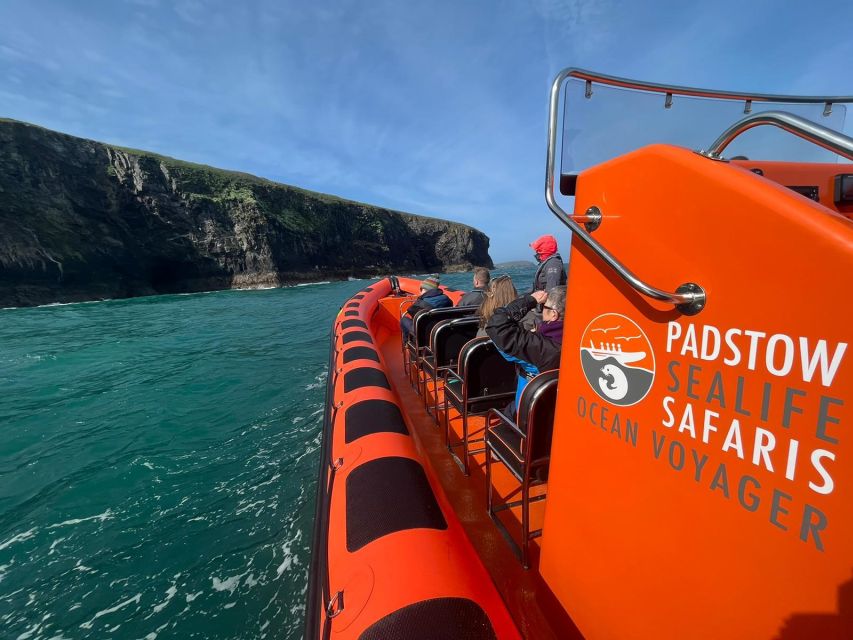
A two-hour safari lives and dies by the guide and skipper. You want clear safety instructions, smart driving, and the kind of commentary that helps you understand what you’re seeing.
This operator uses a live English-speaking guide, and the trips are described as well organized with safety reminders before you set off. The best part, though, is the way the guide turns a wildlife hunt into something you can follow. You’ll learn about the marine life and local points of interest as you go.
From the names you might hear on different departures, guides can include people like Harriet, Kelsey, Anne, Jenny, Hope, and Emma, with skippers such as Mark also mentioned. The common thread is that they’re proactive: they keep things upbeat, explain what you’re looking at, and adjust where the boat goes based on conditions and sightings.
You’ll likely also get photo stops when there’s something worth capturing. A few quick pauses can make a big difference between a blurry “maybe I saw it” memory and a real keeper shot.
What to Wear and Bring So You Don’t Spend the Trip Miserable
This is a waterproof-first experience. Even with borrowed gear, you’ll feel the speed and spray. To avoid regrets, pack like you’re going to be outside near ocean waves for two hours.
Bring:
- Sunglasses
- Sun hat
- Camera
- Sunscreen
- Weather-appropriate clothing
- Outdoor clothing
- Binoculars (nice upgrade if you care about birds)
- Waterproof shoes
Wear:
- A jacket and warm layers if it’s cool.
- Something you don’t mind getting soaked (the goal is comfort, not staying dry).
Also note what’s not allowed:
- Drones
- Fishing
- Feeding animals
And for your sanity: check the sea conditions that day and be honest about your own tolerance for bouncy rides.
Price and Value: Is $60 for a 2-Hour RIB Safari a Smart Spend?
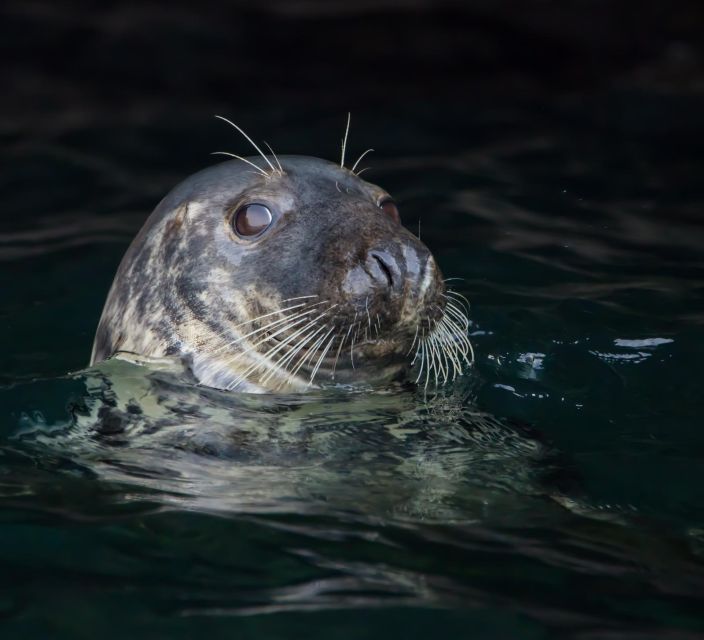
At about $60 per person for two hours, this isn’t a budget activity. It is a “pay for access and motion” activity.
Here’s why it can still be good value:
- You’re covering 25 miles of coastline, which you simply can’t do on foot.
- The RIB ride itself is part of the appeal for many people, and it’s not a slow sightseeing cruise.
- You get gear included: waterproofs to borrow and life jackets.
- You’re not just looking for anything—you’re searching for specific wildlife and seabird activity.
The downside is the one thing you can’t buy: guaranteed animals. If you’re the type of traveler who feels disappointed when nature doesn’t cooperate, you should decide in advance if you’re okay with the possibility of fewer dolphins or only seals and birds.
If you go expecting a wildlife-focused ocean outing with strong odds, the price tends to feel fair.
Who Should Book, and Who Should Skip This RIB Ride
This safari is fun for many people, but it’s not for everyone. The operator lists clear groups who should not go, including:
- Children under 2
- Pregnant women
- People with back problems
- People with mobility impairments or wheelchair users
- People prone to seasickness (or with motion sickness)
- People over 80
- People with recent surgeries
So if your health makes rough water a problem, respect that. This is a fast, open-top boat. Even with waterproof clothing, the ride can be intense.
Who it suits well:
- Adults and families who can handle bouncy rides
- Travelers who like nature and photography
- People visiting North Cornwall who want a short, memorable activity that feels like the coast is alive
Should You Book the Padstow Guided RIB Sealife Safari?
Book it if you want a fast, wildlife-focused outing with a real chance of seeing dolphins and seals, plus seabirds and—during April to July—possible puffins near Puffin Island. If you enjoy scanning for birds, snapping photos, and learning what you’re watching, this format fits.
Skip it if you know you’ll struggle with choppy conditions or motion sickness. Even though waterproof gear helps with comfort, it can’t erase how open-top RIBs feel when the water gets rough.
If you’re on the fence, here’s the simplest decision rule: are you excited by ocean wildlife plus a roller-coaster-like ride? If yes, this is a strong pick for Padstow.
FAQ
How long is the Padstow Guided RIB Sealife Safari?
The experience lasts 2 hours.
Where do I meet for the safari?
You meet at the Padstow Sealife Safaris office.
What’s included in the price?
The tour includes the RIB trip, a guide, waterproof jackets and trousers to borrow, and life jackets.
What wildlife might I see on this trip?
You’re looking for marine life such as seals, dolphins, porpoises, whales, and sunfish, along with seabirds like gannets, shearwaters, fulmars, oystercatchers, shags, cormorants, and more.
Does the route ever change?
Yes. Where the tour goes may depend on weather and sea conditions, plus the day’s sightings.
Is seeing wildlife guaranteed?
No. Wildlife spotting is not guaranteed, but the operator will try their best to find as much as possible during the trip.
What should I bring?
Bring sunglasses, a sun hat, sunscreen, a camera, weather-appropriate outdoor clothing, waterproof shoes, binoculars, and a jacket.
What’s not allowed during the tour?
Drones, fishing, and feeding animals are not allowed.
Who is this tour not suitable for?
It’s not suitable for children under 2, pregnant women, people with back problems, mobility impairments, or wheelchair users, people prone to seasickness/motion sickness, people over 80, or those with recent surgeries.