REVIEW · ZANZIBAR
Day Safari Tour Selous Game Reserve
Book on Viator →Operated by Safari Gateway Ltd · Bookable on Viator
Safari by air, then real game drives. This day trip through Nyerere (Selous) is interesting because you trade a long overland ride for a quick flight, and you get a built-in plan for both early game time and a park-view picnic lunch; just keep in mind the day can feel tighter if flights make you wait at the airstrip.
Nyerere is big—over 30,000 square kilometres—and it’s brand-new as a national park (formed in 2019). You’re aiming for classic East African mammals on safari routes that follow savannah plus water bodies like the Rufiji River and lakes.
The schedule is built around extended driving once you land, with unlimited game drives available starting from your early departure from Zanzibar until the late Selous departure, and the group stays small (up to 30 people).
In This Review
- Key Things I’d Prioritize
- Flying From Zanzibar: How the Selous Day Safari Works
- Nyerere National Park: What the Wildlife Chances Really Mean
- 07h00 Departure to Selous Mtemere Airstrip: Your First Game-Drive Window
- Savannas and the Rufiji River Route: The Unlimited-Drive Advantage
- Picnic Lunch With Park Views: A Break That Feels Like Part of the Day
- Return to Zanzibar Around 16h00: Timing, Waiting, and Expectations
- Price and Logistics: Is $600 Per Person Fair Value?
- What You’ll See: Mammals, Predators, and Water-Edge Viewing
- What to Bring (and What to Skip)
- Who This Day Safari Is Best For (and Who Should Reconsider)
- Should You Book This Selous Game Reserve Day Safari?
- FAQ
- Where is the safari day starting from?
- What time does the tour start and end?
- How long is the Day Safari Tour?
- Is lunch included?
- What drinks are included?
- What does the $600 price include?
- What is not included?
- What happens if weather is poor?
Key Things I’d Prioritize
- Fast jump into the wildlife: Fly from Zanzibar to Selous Mtemere Airstrip and start driving right away.
- Unlimited driving during the safari window: You’re not locked into one short drive and done.
- Water-based game viewing: The Rufiji River and lake areas can concentrate animals.
- A real break, not just lunch: Picnic lunch is served with clear park views.
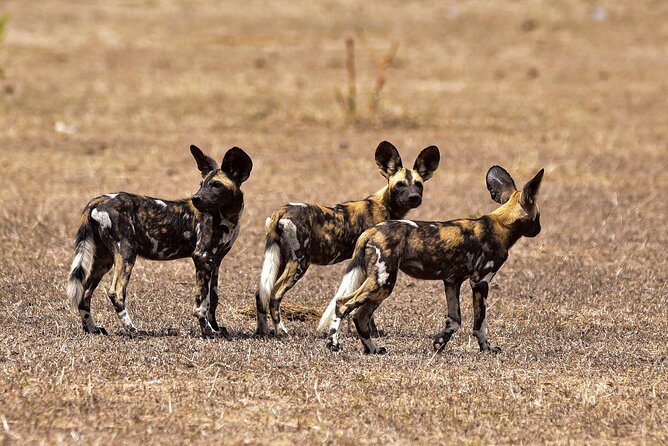
- Good odds, not a promise: Best chances include African hunting dogs, plus elephants, lions, leopards, and buffaloes.
Flying From Zanzibar: How the Selous Day Safari Works
This tour is a smart “time trade.” Instead of losing most of your day to long drives, you fly out of Zanzibar and arrive at Selous Mtemere Airstrip early enough to start seeing wildlife almost immediately. If you’re working with limited time on the islands, this format is practical: you still get a serious safari day, not a half-day photo walk.
The day is paced like a loop: you leave Zanzibar in the morning, land at Selous, start game viewing right away, break for lunch, then return to the airstrip for your flight back. Expect an overall duration of about 10 hours.
Group size stays manageable—maximum 30 travelers—so you’re less likely to feel swallowed by a huge safari herd. Also, you’ll use a mobile ticket, which helps keep things simple.
You can also read our reviews of more tours and experiences in Zanzibar.
Nyerere National Park: What the Wildlife Chances Really Mean
Nyerere National Park is part of what people still broadly call Selous Game Reserve, and it’s now Tanzania’s largest national park. The big reason this matters to you is concentration. In a huge place, wildlife can spread out—but water-driven landscapes (rivers and lakes) can bring animals into view more often than you’d expect from dry savannah alone.
Here’s what you can reasonably aim for:
- Tanzania’s largest elephant population
- Lions, leopards, and African hunting dogs (wild dogs)
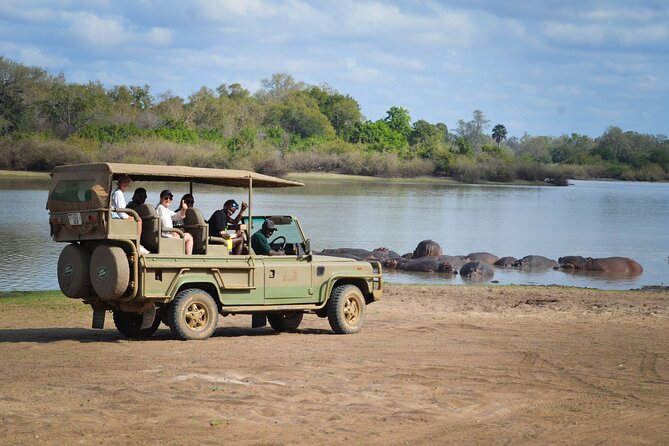
- Buffaloes and hippos
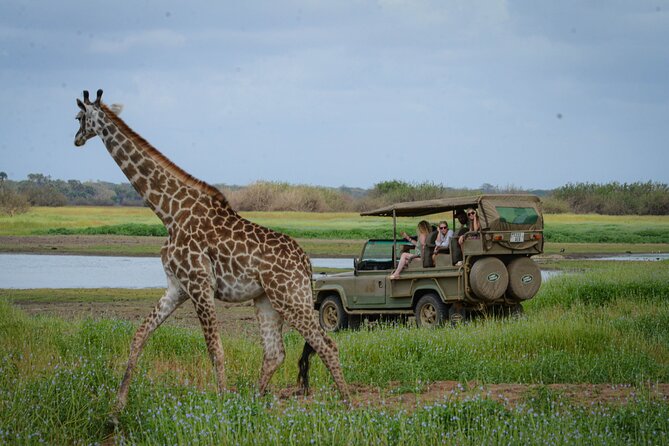
- Plus frequent sightings of animals like giraffes, zebras, elands, hartebeests, hyenas, and antelope types such as impalas and waterbucks
If you’re hunting for a specific species, set your expectations carefully. You’ll hear that wild dogs are the best chance, but there’s still no guarantee. That’s true of any safari, and it’s especially true here because wildlife movement depends on season, weather, and animal behavior on the day.
The upside: even if your “dream sighting” doesn’t happen, you’re still in a park that supports a full cast of classic African mammals. That’s why this kind of day safari can still feel worth it even when the standout animal takes a pass.
07h00 Departure to Selous Mtemere Airstrip: Your First Game-Drive Window
Your morning starts at Jahazi Cafe at Zanzibar international airport area. The departure time is 07h00, and the plan is to arrive at Selous Mtemere Airstrip at 08h00, where you’ll meet your safari guide.
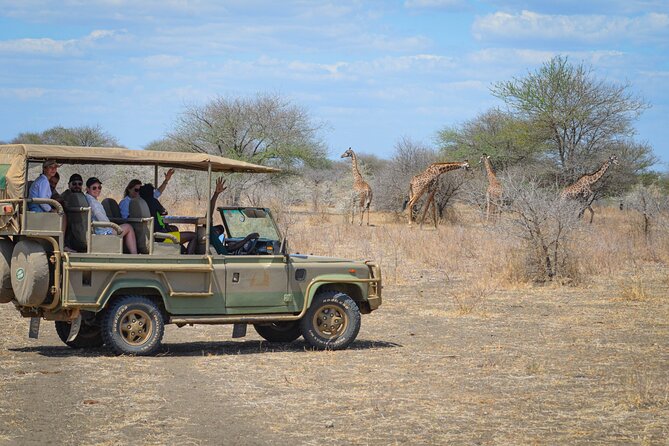
The key detail here: you don’t sit around for hours after landing. The plan is immediate—start a safari game drive as soon as you’re received by the guide. That first drive is usually the moment when the day feels most alive, because animals are often more active earlier in the day and you haven’t burned your energy yet.
What to watch for in this first section:
- Savannah driving can be great for grazers and predators stalking trails.
- Early movement sometimes means you’ll catch animals feeding before they tuck away.
If you’re the type who gets antsy when plans start “too structured,” try to think of this as the opposite: it gives you momentum. You’re not waiting for the day to begin—you’re already in it.
Savannas and the Rufiji River Route: The Unlimited-Drive Advantage
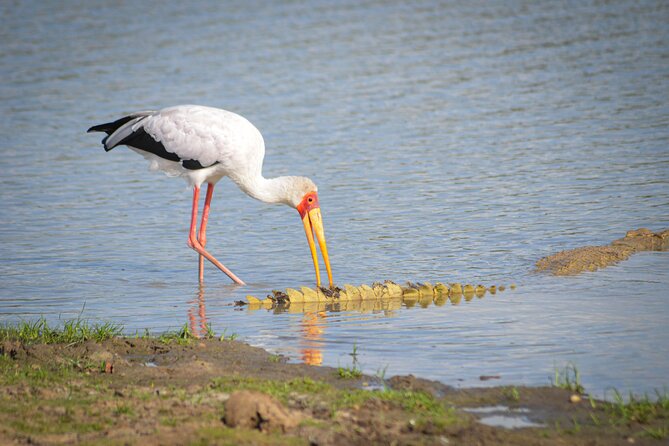
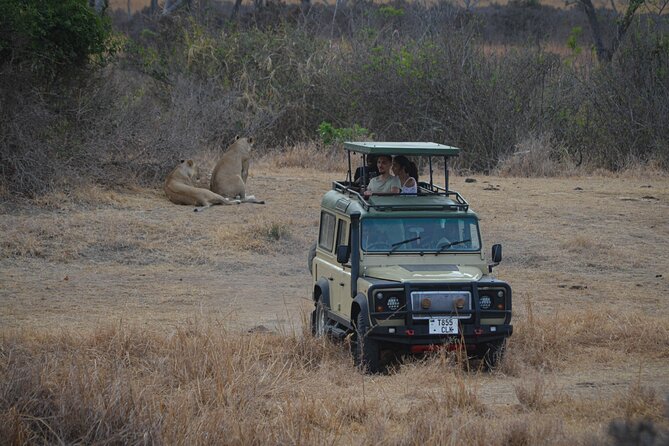
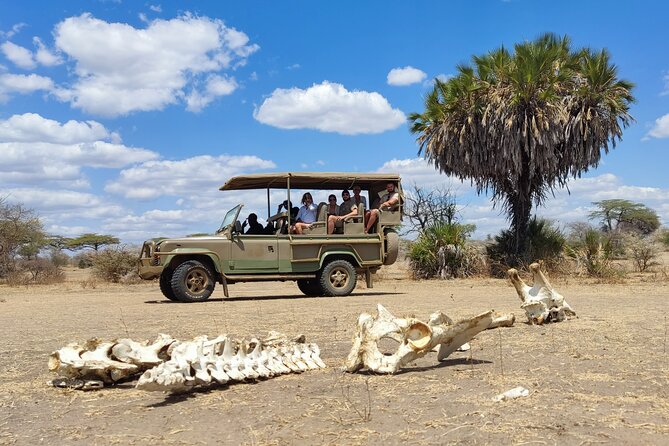
Once you’re out there, the tour’s big selling point is flexibility during the safari time. The park offers classic game drives through savannah and drives along water bodies, including the Rufiji River and lakes.
And then there’s the part you should care about as a value-minded traveler: the tour description says you have unlimited game drives starting from early departure from Zanzibar to late departure from Selous. In plain terms, you’re not limited to one “token” drive. If the sightings are good, you can keep searching.
Practically, that means your day can adapt:
- If wildlife is active near water, you spend more time there.
- If you’re not finding predators but you’re seeing lots of herds, you stay with the area longer.
The one thing you can’t control is the animals’ mood. A safari day works like a weather system: some days cooperate, some days don’t. But having more time actively driving (not just waiting for a next checkpoint) gives you extra shots at a great outcome.
Picnic Lunch With Park Views: A Break That Feels Like Part of the Day
Lunch is included, and it’s not positioned like a “we’ll eat somewhere generic” moment. The plan is a picnic lunch at lunchtime in a location with a clear park view.
That detail matters more than it sounds. When lunch is set up with views, the day doesn’t break into two separate experiences—safari first, then travel break. Instead, you keep your brain in safari mode.
You’re also provided coffee and/or tea and bottled water. That helps a lot on a long day, especially in warm conditions where “I’ll just grab something later” can turn into regrettable dehydration.
What you’ll want to do: treat lunch as a reset, not a nap. Use the break to refuel, then get back out there while the light and animal activity are still working in your favor.
Return to Zanzibar Around 16h00: Timing, Waiting, and Expectations
The return plan is to get back to Selous Mtemere Airstrip at around 16h00 for the scheduled flight back to Zanzibar. The overall day is about 10 hours, so you’re not just driving and searching—you’re also moving through flight schedules and airstrip time.
Here’s the practical consideration I’d put first: don’t assume your entire 10 hours are “in the truck seeing animals.” Some of the day will be spent in transit or waiting to connect flights. And if you’re paying $600 per person, you’ll want the time you’re in the wild to feel like the main event.
In the less-perfect scenarios, the safari portion can feel shorter than you’d hoped, with extra time at the airport/airstrip. The fix is mindset and planning: show up expecting a full day, but measure success by how often you’re driving and scanning—not by the calendar hours alone.
If you’re the type who will spiral if the day runs behind by even 30–60 minutes, this is the moment to decide how flexible you can be.
Price and Logistics: Is $600 Per Person Fair Value?
At $600 per person, this isn’t a budget “do it twice” activity. It’s priced like an organized, fly-in safari day with included park-related costs, plus a guided experience.
So the value question becomes: what are you buying for that money?
- Time savings: flying from Zanzibar means more hours aimed at wildlife.
- Park access + guiding: you’re entering a serious protected area and using a guide while driving and searching.
- Lunch and basics: lunch, bottled water, and coffee/tea are included.
- Fees and taxes: all fees and taxes are included in the price.
- Extended driving potential: the unlimited game drives element can genuinely increase your odds.
Where cost can feel harder to justify is when your actual drive time is shorter than expected. That’s the risk with any day safari that uses flight connections: your schedule can’t ignore aviation reality. If everything runs smoothly, you should feel like the money bought real wildlife time. If it runs tight, you may wish the window for driving were longer.
My advice: treat this as a “high probability, not guaranteed” safari day. You’re paying for access, effort, and structure—not a promised animal checklist.
What You’ll See: Mammals, Predators, and Water-Edge Viewing
This park is strong on both big animals and smaller “spotting wins.” On a good day you’ll find:
- Elephants (Tanzania’s largest elephant population here)
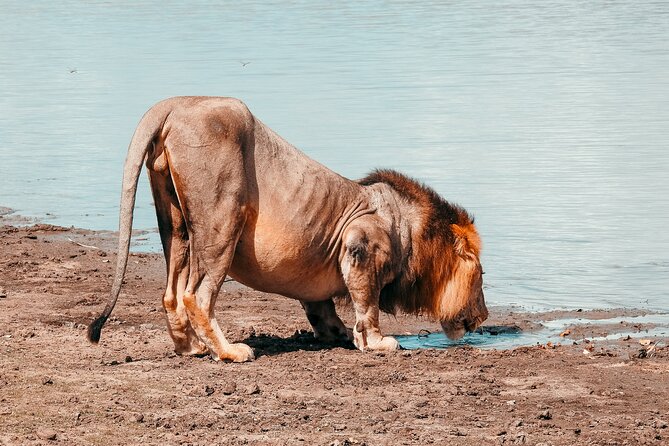
- Lions and leopards
- African hunting dogs (best chance, but still no guarantee)
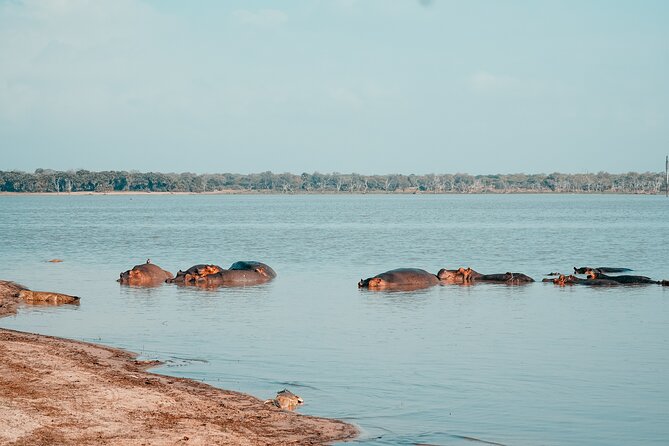
- Buffaloes and hippos
- Frequent sightings of giraffes, zebras, and antelope like impalas and waterbucks
You’ll also likely see a mix of forest-edge and grassland habitat signs depending on where the route leads that day. Even if you don’t get a predator close-up, seeing lots of species still beats the feeling of searching endlessly with nothing moving.
How to make your sightings better:
- Be patient with distance. In large parks, animals often show up in phases: first the movement, then the details.
- Listen to the guide’s direction on where to look next—especially near water bodies, where activity can spike.
What to Bring (and What to Skip)
You don’t need a safari wardrobe for this day trip, but you do need comfort for a long outing. Since the exact weather isn’t stated, pack for warm conditions and the kind of day where you may be out scanning for hours.
Bring:
- Light layers (morning can feel cooler than midday)
- Sun protection (hat/sunglasses)
- Refillable bottle (you’ll get bottled water included, but it’s nice to top up if offered)
- Basic insect protection
- Comfortable closed-toe shoes for airstrip transfers and stops
Skip:
- Anything that blocks quick movement in and out of the vehicle
- Heavy bags you’ll lug around during airstrip time
Also note: service animals are allowed, and most travelers can participate.
Who This Day Safari Is Best For (and Who Should Reconsider)
This tour fits best if you:
- Want a safari day but have limited time in Tanzania
- Prefer flying over long overland travel
- Like the idea of an extended wildlife search with unlimited game drives during the safari window
- Are excited by elephants and classic mammals, not just one specific animal
You might reconsider if you:
- Can’t handle the idea that some time may be spent waiting due to flight schedules
- Are only satisfied with very close-up predator sightings
- Are extremely sensitive to missing a dream species like wild dogs (because there’s no guarantee)
The sweet spot is travelers who understand safari math: more driving time improves your chances, but nature still sets the final outcome.
Should You Book This Selous Game Reserve Day Safari?
Yes, if you want the best odds within a single-day format and you value a structured, fly-in safari with lunch and extended driving time. The combination of fast departure from Zanzibar, immediate game drive after landing, and the promise of unlimited game drives during the Selous portion is exactly what makes a day safari feel like a real safari rather than a rushed sampler.
I’d pass or at least book with eyes open if your main goal is one hard-to-guarantee sighting (like wild dogs) or if you’d feel cheated by airstrip waiting time cutting into the day. At $600 per person, you’re paying for access and effort—so go in expecting wildlife, not perfection.
FAQ
Where is the safari day starting from?
The tour starts at Jahazi Cafe at Zanzibar international airport, Zanzibar, Tanzania, and it ends back at the same meeting point.
What time does the tour start and end?
It departs Zanzibar at 07h00 and arrives at Selous Mtemere Airstrip at 08h00. The plan is to return to the airstrip at around 16h00 for your flight back.
How long is the Day Safari Tour?
The duration is approximately 10 hours.
Is lunch included?
Yes. Lunch is included, and it is served as a picnic lunch with a clear park view.
What drinks are included?
Coffee and/or tea and bottled water are included.
What does the $600 price include?
The price includes all fees and taxes, plus coffee/tea, lunch, and bottled water.
What is not included?
Alcoholic beverages are not included, and tips are not included. A French and German guide is mentioned as available on request.
What happens if weather is poor?
This experience requires good weather. If it’s canceled due to poor weather, you’ll be offered a different date or a full refund.