REVIEW · NORWAY
Dovrefjell National Park: Hiking Tour and Musk Ox Safari
Book on GetYourGuide →Operated by Dovre & Lesja Aktiv · Bookable on GetYourGuide
Dovrefjell feels wide open and wild. This musk ox hiking safari turns a normal mountain walk into a real wildlife search, with a local guide helping you read the terrain and find animals safely. I especially like how the experience stays safe and sustainable by keeping a strict viewing distance, and how you get context for why the national park matters to locals, not just wildlife spotting.
Another big plus is the hunt style: you’re not stuck on one exact route. The hike can land anywhere between 6 and 15 km depending on where the musk ox are that day, so you’re thinking like a tracker instead of checking boxes. The guides, including Kim and Uwe (based on past departures), bring the kind of calm, practical energy that makes you feel taken care of, even when the weather shifts fast.
One consideration: this is a mountains day in Norway. If you’re not comfortable with unpredictable conditions (it runs rain or shine) and you don’t bring warm layers, waterproof shoes, and a packed lunch, the hike can feel long and chilly. Also, since the animals move freely, spotting isn’t guaranteed the way it is on some guaranteed-ride tours.
In This Review
- Key points before you go
- Getting to the start: Hjerkinn meeting point and the 09:45 mix-up to avoid
- The 200-meter rule: why this musk ox safari feels responsible
- Hiking through Dovrefjell: what the 6–15 km day really means
- How the guide finds musk ox (and what you learn along the way)
- Dogs on the hike: allowed, but distance rules still apply
- Weather and gear: the few things that make or break comfort
- Price and value: is $64 worth a 6-hour musk ox search?
- Who should book this tour, and who should skip it
- Should you book the Dovrefjell musk ox hiking safari?
- FAQ
- Where do we meet for the safari?
- What time does the safari start?
- How long is the tour?
- How far will we hike?
- How close will we get to musk ox?
- Is lunch included?
- Does it run in bad weather?
- Are dogs allowed?
Key points before you go
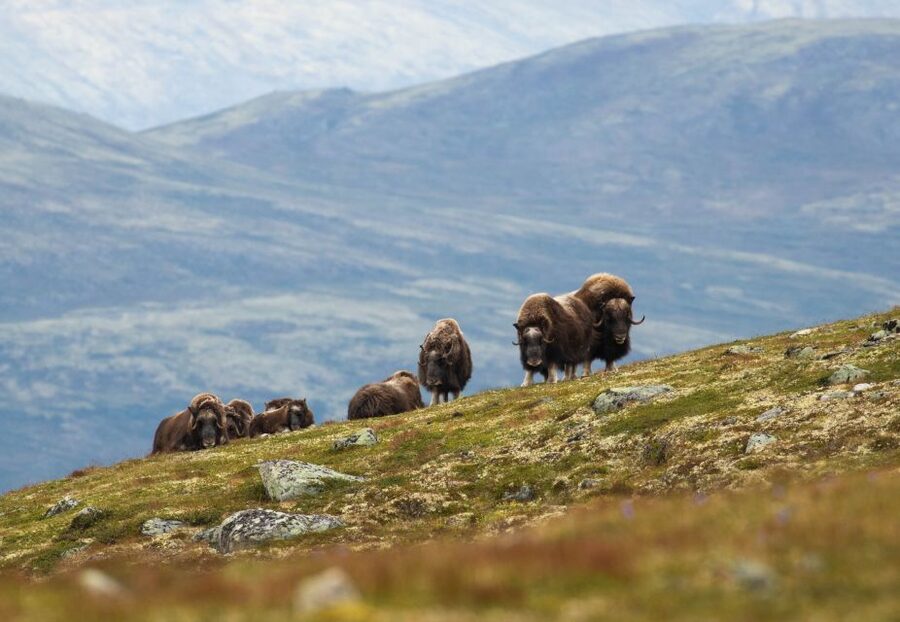
- 200 m viewing distance keeps musk ox safe and keeps you out of trouble
- Telescope included to improve your odds from a respectful distance
- Route flexibility means you could walk 6–15 km depending on where herds are
- Small-group feel can happen, including departures reported with just 4 people
- Learn the park’s role in local culture alongside wildlife behavior and history
- Mountain weather rules: rain or shine, so pack warm layers and waterproof gear
Getting to the start: Hjerkinn meeting point and the 09:45 mix-up to avoid
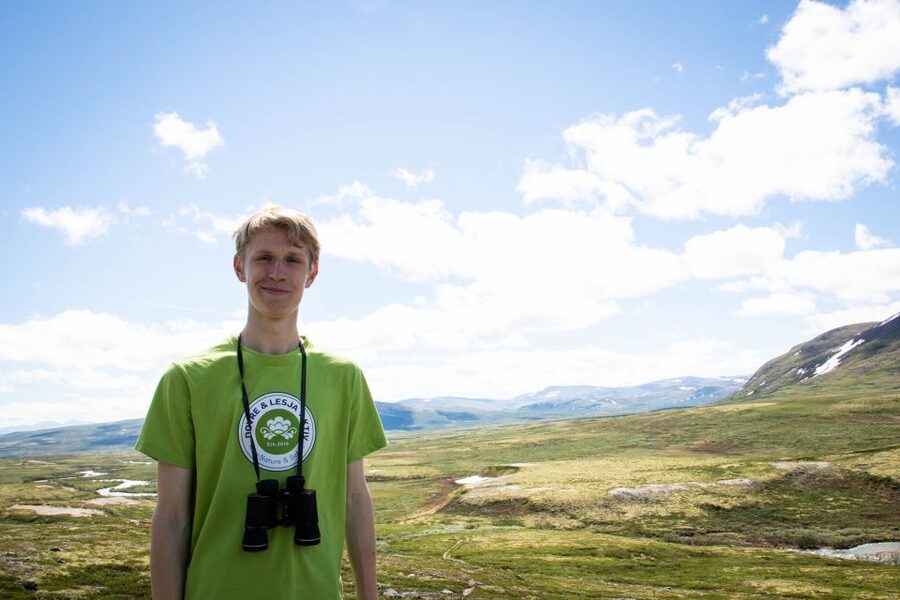
The safari begins at Basecamp Frich’s Hjerkinn, at Hjerkinnhusvegen 35. Aim to arrive at 09:45 and meet your guide outside the entrance of Frich’s Hjerkinn. The key detail is simple: the meeting point is marked by a flag with the company logo, and you need to check in with the guide wearing the logo clothing.
There’s also a summer shuttle bus to Snøheim leaving from that same address at 09:45. Do not get on that bus thinking it’s part of your safari. This is an easy mistake to make when you’re traveling solo or tired, and the tour team notes they will not wait for you or refund if you end up on the wrong vehicle.
Once you check in, the actual musk ox safari starts at 10:00. Then you drive about 5 to 10 minutes to where the hike begins. That short transfer matters: it helps you start walking in the right zone without turning the day into a long bus ride.
You can also read our reviews of more tours and experiences in Norway.
The 200-meter rule: why this musk ox safari feels responsible
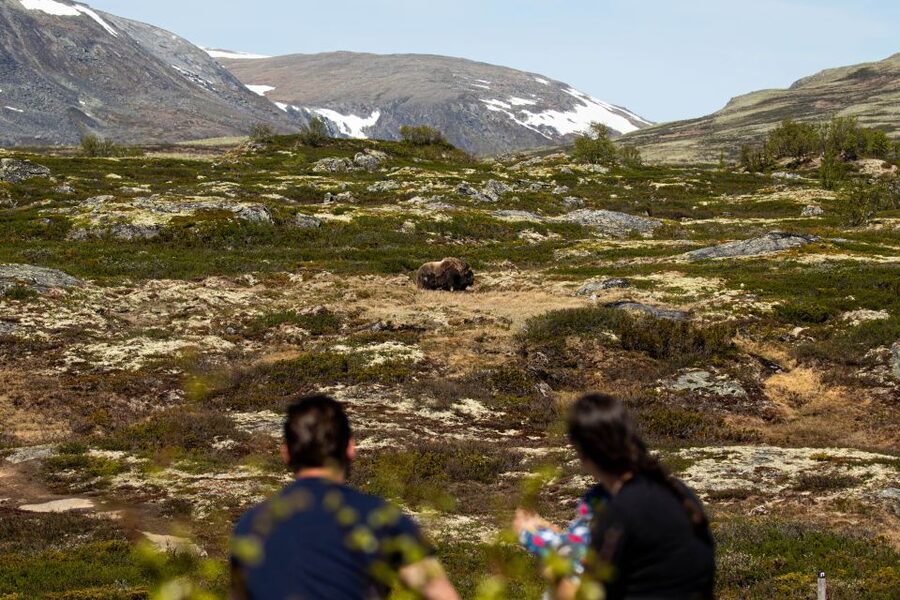
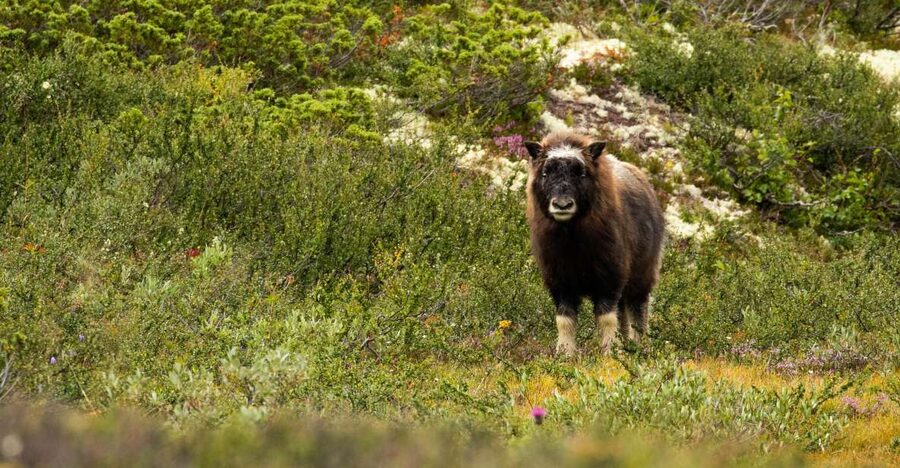
The big safety principle is straightforward: musk ox are wild animals, so you don’t go closer than 200 meters. That distance is not just a rule on paper. It shapes how the whole experience works. You’ll be scanning, listening, and watching behavior rather than rushing in for close-up photos.
I like that this approach keeps the animals’ routines intact. Musk ox move around the national park freely, and the goal is to respect that freedom while still letting you see them well. You also avoid the common wildlife-tour problem of humans crowding an animal and turning a natural moment into a stressed one.
Instead of “go find the biggest animal,” the guide’s job becomes “go find the right viewpoint.” That’s where the included telescope comes in. From 200 meters, your eyes alone can be hit-or-miss. A scope turns distant movement into something readable: silhouettes, grazing positions, herd spacing, and the subtle body-language cues that tell you what the animals are doing right now.
Hiking through Dovrefjell: what the 6–15 km day really means
You’re hiking inside Dovrefjell National Park, and the hike distance can vary widely. Expect a total walking distance of about 6 to 15 km, depending on where the musk ox are that day and how the group is doing. The safari itself usually runs 5 to 6 hours, and the overall duration is listed as 6 hours for the booking.
Because the animals aren’t in a fixed spot, you should mentally prepare for route flexibility. The guide will select the best walking line based on current sightings and herd locations. That means you’re not guaranteed solitude on the trail. The area can be used by others, and one past departure noted the field and hike route are quite popular. Still, the park is large enough that the crowd factor tends to stay manageable if you’re ready for a shared outdoors setting rather than an empty wilderness.
Comfort matters here. The tour runs in mountain weather that can change quickly. Pack extra warm clothes, even if the day starts mild. Use waterproof hiking shoes. If you don’t, you’ll spend the hike thinking about your feet instead of watching wildlife.
If you have binoculars, bring them. The telescope helps, but binoculars are great for quick scanning between stops, especially in flat stretches where you can cover more ground visually.
How the guide finds musk ox (and what you learn along the way)
This is a guided search, not a self-guided walk. You’ll hike with an experienced leader who helps you spot musk ox while also teaching you what to look for and why it matters.
The core focus is musk ox behavior and history, presented in a way that connects to what you’re seeing outdoors. You’ll also learn about the importance of the national park to local culture. That combination makes the day feel bigger than wildlife spotting. It’s not just animals at a distance; it’s a living relationship between people and place.
Other wildlife can show up too, including reindeer. You’re hiking through an ecosystem with multiple species, so when you stop to look, you’re not only scanning for one target. Even if musk ox sightings vary, the process of reading the environment is part of the value.
And speaking of sightings: past departures have reported spotting multiple different herds, with one group totaling around 30 musk ox across herds. That doesn’t mean every safari will match that number, since the animals move freely. But it does show the potential payoff when weather is cooperative and the guide’s planning lines up with what the musk ox are doing.
Dogs on the hike: allowed, but distance rules still apply
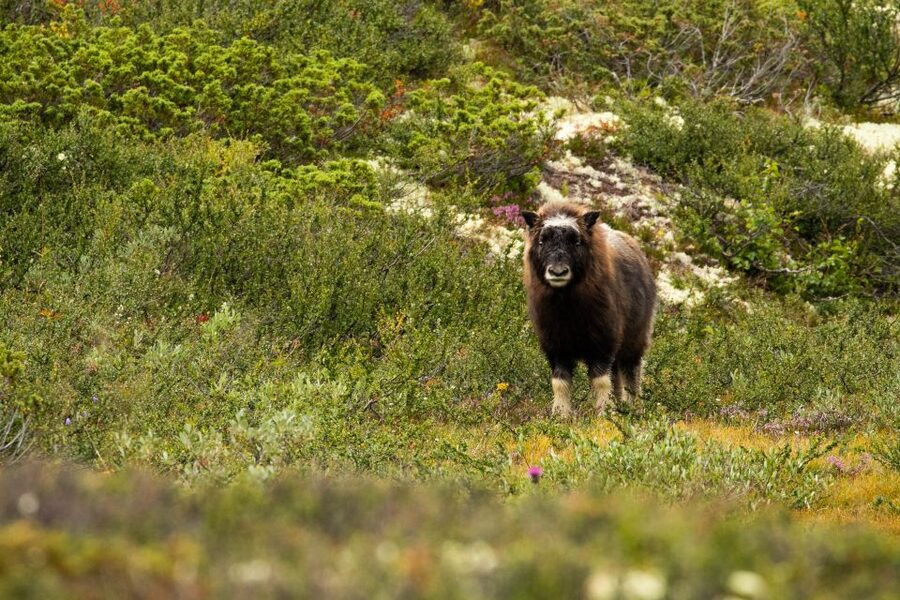
Yes, dogs can join. But there’s an important nuance: in some cases, the owner and dog have to keep a longer distance to the animals. That means you should be ready for the practical reality that you can’t assume the same spacing as everyone else.
If your dog tends to lunge at movement or rush forward, this might be stressful for both you and the wildlife. The best mindset is calm, controlled walking and patience while the guide spots from range.
Also remember: since the hike route can change, you may be walking longer distances than you expect (up to about 15 km). Make sure your dog can handle that kind of mountain day.
Weather and gear: the few things that make or break comfort
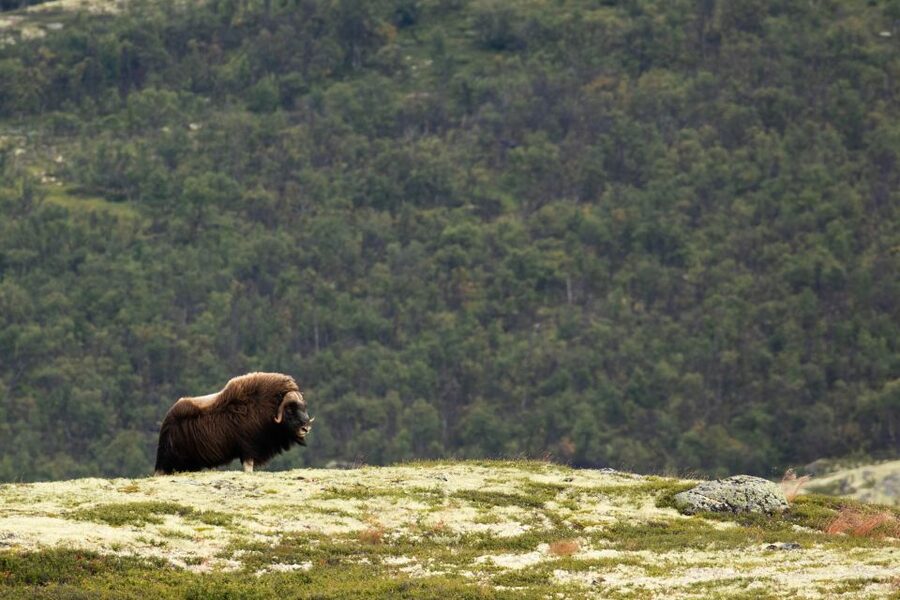
Norwegian mountain weather can be unpredictable, so think in layers. The tour notes it goes rain or shine, which means your job is to show up prepared.
Here’s what you should bring:
- Packed lunch and something to drink (food isn’t included)
- Warm extra layers
- Waterproof hiking shoes
- Waterproof outer gear if you have it
- Binoculars if you want better scanning
One practical tip: since you’ll be moving and stopping, quick-dry layers help. If you get sweaty on the hike and then cool down during a long scan stop, you’ll be happier with clothes that don’t stay cold and wet.
Price and value: is $64 worth a 6-hour musk ox search?
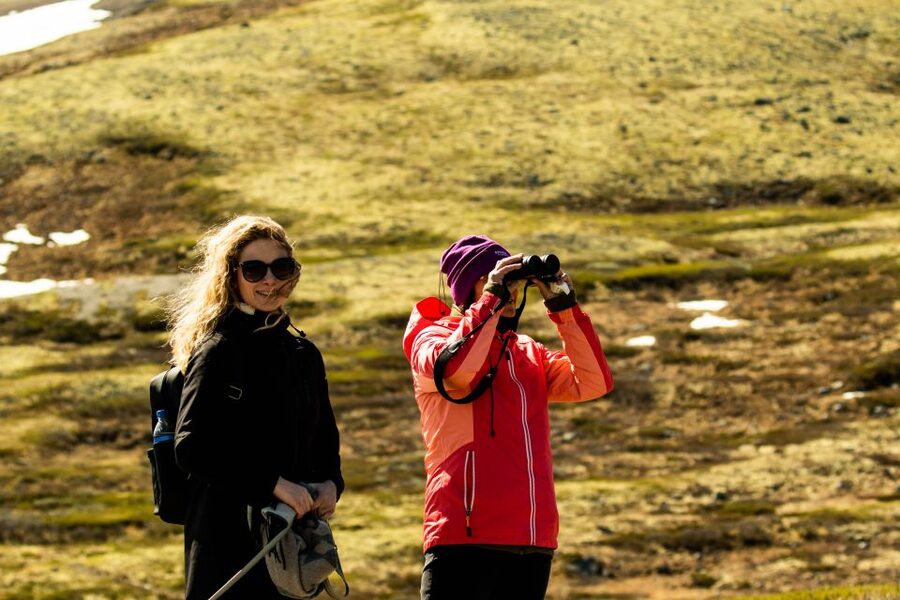
At $64 per person, this feels like good value for what you get: a full 6-hour guided experience, a live guide in Norwegian or English, and a telescope for spotting. The tour isn’t a quick photo stop; it’s a guided hike with time for scanning and learning.
The main thing you should weigh is that food and drinks aren’t included, so you’ll need to pack your own lunch and water. That’s normal for many hiking tours, but it’s still a real cost and a real packing task.
Another value factor is safety and structure. The 200-meter rule and guided search mean you’re not improvising around wild animals. You’re paying for local expertise: where to look, how to move without disrupting the animals, and how to interpret behavior you might otherwise miss.
Compared to tours where you’re mostly watching from a bus window, this gives you something more active. You’ll be out there hiking through Dovrefjell, learning as you go, and using tools like the telescope at the exact moments they matter.
Who should book this tour, and who should skip it
This safari suits you if:
- You want a guided wildlife hike with a real search process
- You’re comfortable walking 6 to 15 km outdoors
- You like learning why a place and its animals matter, not just ticking off sightings
- You can handle variable weather with warm, waterproof clothing
- You’re open to not knowing the exact route beforehand
It’s not suitable if:
- You’re bringing children under 6
- You have mobility impairments
- You have low fitness for mountain hiking
- You expect easy strolling with minimal walking
If you’re a strong hiker with a good attitude toward weather and route changes, you’ll probably enjoy the day. If you want guaranteed close-up wildlife, the 200-meter rule may feel limiting—but that limitation is exactly why the tour is considered safe and sustainable.
Should you book the Dovrefjell musk ox hiking safari?
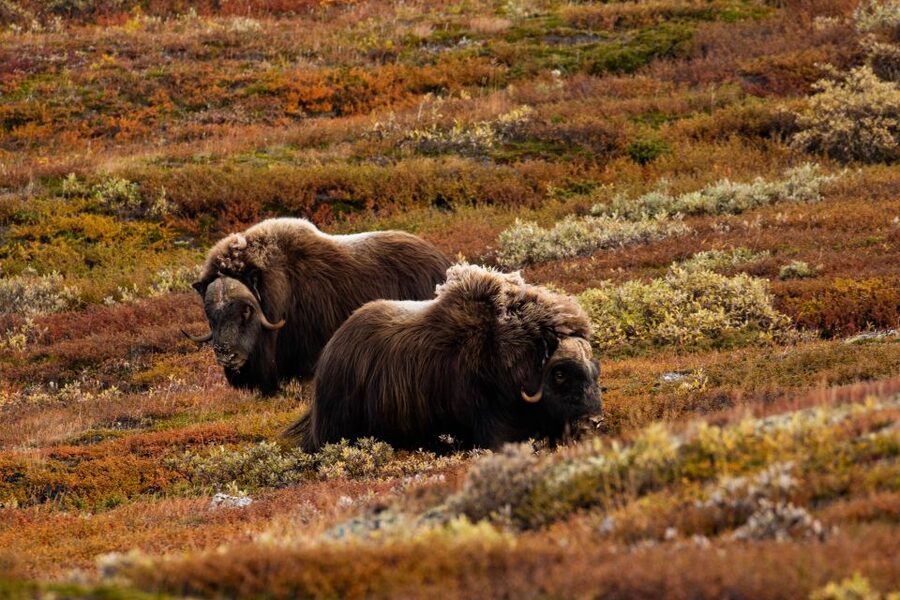
If your idea of a great day is hiking with a guide, scanning with tools, and learning while you look, I’d say yes, book it. The included telescope, the responsible 200-meter viewing rule, and the fact that you learn about musk ox behavior and the park’s local cultural role make this more than a simple animal sighting.
I’d hesitate only if you know you’ll struggle with cold or rain, or if walking up to about 15 km sounds like a stretch. Since the route depends on where the musk ox are, this isn’t a “perfect weather, easy stroll” kind of outing.
If you show up with waterproof shoes, warm layers, your packed lunch, and a flexible mindset, you’re set for a genuinely meaningful wildlife day in one of Norway’s important mountain areas.
FAQ
Where do we meet for the safari?
You meet at Hjerkinnhusvegen 35 at 09:45, outside the entrance of Frich’s Hjerkinn. Look for the flag with the company logo and check in with the guide, who will wear logo clothing.
What time does the safari start?
Check-in is at 09:45, and the safari starts at 10:00.
How long is the tour?
The tour runs for about 6 hours. The hike/safari part usually takes 5 to 6 hours depending on group fitness.
How far will we hike?
The total hike distance can be anywhere from 6 to 15 km, depending on where musk ox are that day.
How close will we get to musk ox?
For safety, the tour does not go closer than 200 meters to the musk ox.
Is lunch included?
No. You should bring a packed lunch and something to drink.
Does it run in bad weather?
Yes. The tour takes place rain or shine.
Are dogs allowed?
Dogs are allowed to join, but in some cases the owner and dog have to keep a longer distance to the animals.