REVIEW · ELLA
Ella to Mirissa Shuttle & Udawalawe Safari Drive with Breakfast
Book on Viator →Operated by Tuktukdude Leisure · Bookable on Viator
Ella-to-South Coast travel can still be an adventure. This day pairs a warm-to-dry-zone drive with a real Udawalawe National Park safari, led by a wildlife tracker who knows where elephants actually show up. I like that you’re not stuck in a hurry-fest. You get time on the ground, off-road in a 4×4, with fresh homemade breakfast waiting you through the day.
Two things I also really like: the safari is designed around wildlife first (not a quick checklist), and the operator builds the transfer so you can go straight from the highlands of Ella to the beaches around Mirissa and beyond. One drawback to keep in mind: the driving time can be longer than advertised if routing or navigation hits issues, so treat this as a full-day plan and not a tight-schedule sprint.
In This Review
- Key highlights you’ll care about
- Ella to Udawalawe: the transfer that flips your scenery
- Udawalawe National Park safari: elephants, birds, and the reservoir factor
- How the safari feels on the ground
- Breakfast and bottled water: small comfort, smart timing
- Drivers and trackers: what to expect from the people in charge
- Group size and vehicle vibe
- Price and logistics: $40 is the transfer plus safari, then budget the park fee
- Where you land on the South Coast: Mirissa and more
- Who this tour fits best (and who should think twice)
- Should you book it? My decision guide
- FAQ
- Is the Udawalawe National Park entrance fee included?
- How long is the safari inside Udawalawe?
- What meal is included?
- Where do you get dropped off after the safari?
- How many people are in the group?
- What transport do you use?
- How do I get the ticket?
- Can I get a refund if I cancel?
- Is pickup from hotels available?
Key highlights you’ll care about
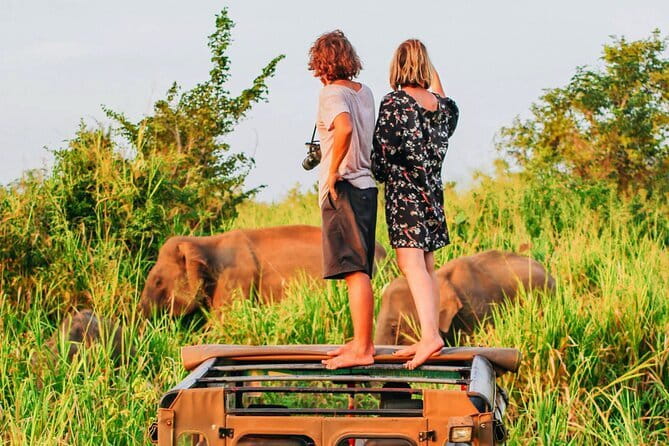
- Elephants in the wild: Udawalawe is centered on the reservoir area, pulling elephants into predictable viewing zones.
- 4×4 off-road safari time: plan for roughly 3.5–4 hours in the park, not just a drive-by.
- Tracker-led spotting: an experienced tracker helps you find activity and read the signs fast.
- Breakfast that feels local: homemade breakfast or evening snacks, plus bottled water.
- Small groups (up to 12): fewer people often means a more relaxed day in the safari vehicle.
Ella to Udawalawe: the transfer that flips your scenery
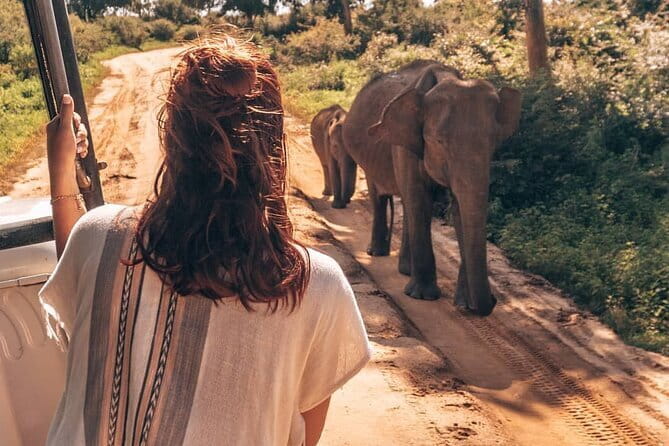
This experience is built for people who want to move from Ella toward the South Coast without giving up wildlife time. You start in the cool highlands, then gradually trade misty views for open plains and scrubby dry-zone country. The total day runs about 8 hours, and the provider includes hotel pickup and drop to areas like Mirissa, Weligama, Hiriketiya, Tangalle, and the suburbs.
Practically, what matters most is your timing. In a good day, you’ll feel the flow: pick-up, drive, safari, then a calm continuation to your beach base. But one caution from past trips: if navigation or directions go sideways, the transfer can stretch. I’d plan with some breathing room, especially if you’re trying to connect to a later dinner reservation or an onward bus.
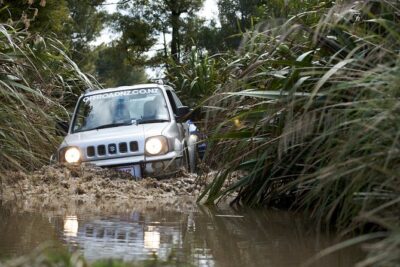
Also notice the vehicle style. You’re not doing this in a tiny sedan. Pickup is by car or van, and then you switch into a 4×4 safari vehicle inside the park for the rougher track work.
You can also read our reviews of more tours and experiences in Ella.
Udawalawe National Park safari: elephants, birds, and the reservoir factor
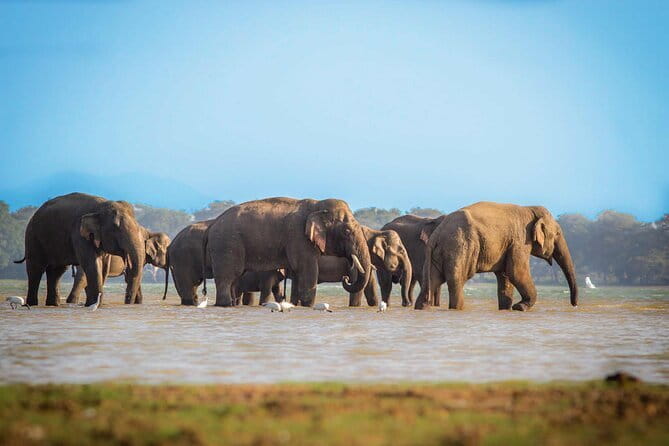
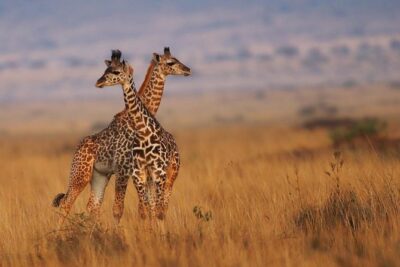
Udawalawe is one of Sri Lanka’s best places to see elephants because the park’s big draw is the Udawalawe Reservoir, which pulls elephants toward water and food throughout the year. The park covers over 30,000 hectares, and it’s a mix of open grasslands, scrub forests, and distant mountain views on clear days. That open-country setup is a big reason this safari often feels less crowded than parks where everything funnels into one narrow route.
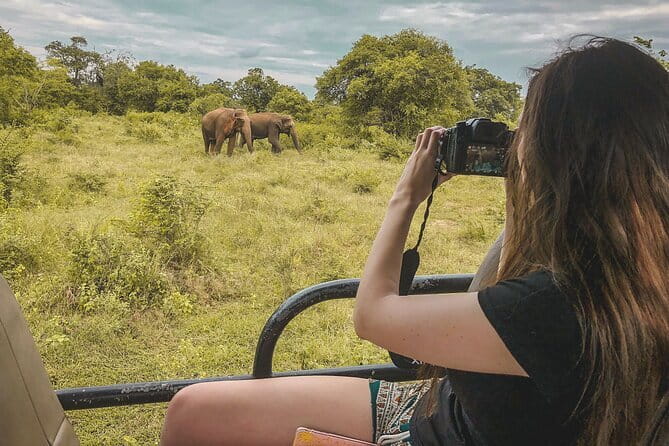
During your safari, you’ll spend around 3.5–4 hours on the ground in a 4×4 off-road vehicle with an experienced tracker. This is where the day earns its keep: you’re not just riding. The tracker helps you find where animals are moving and where they’ll likely show up next. In past experiences, I saw mentions of seeing around a dozen elephants, plus plenty of other wildlife.
What else you might realistically expect to spot?
- Buffalo and deer
- Crocodiles (especially near water areas)
- A lot of birds, including eagles and peacocks
- The occasional smaller mammal like mongoose (depending on the day)
One thing I appreciate about Udawalawe is that it stays accessible through the year. You’re not stuck praying for a seasonal closure or a sudden plan change.
How the safari feels on the ground
This isn’t a frantic, hour-by-hour chase. The experience is described as unhurried, with time for nature to do its thing. That matters because elephants don’t always sprint into the best view on schedule. When you slow down, you notice more: baby elephants, birds working the trees, and the way animals move across the open plains.
If you’re the type who likes a plan, you’ll still get structure—3.5–4 hours of safari, a tracker, a 4×4 route strategy. But you’ll also get a more natural rhythm.
Breakfast and bottled water: small comfort, smart timing
One of the best-value parts is that you’re fed. You get either a freshly prepared homemade breakfast or evening snacks, plus bottled water. That’s not just a nice touch. It helps you handle the long stretch between pickup and when you finally reach your coastal base.
In at least one reported day, the breakfast included pancakes and banana, along with water. That kind of simple, filling start works well when you’ll be scanning out the safari windows for hours.
A quick practical thought: if you’re prone to getting hungry, consider bringing a small extra snack anyway. The included meal is meant to cover you, but portions can vary by group size and timing. You can’t control the morning in the park, and you don’t want to be stuck relying on roadside options.
Drivers and trackers: what to expect from the people in charge
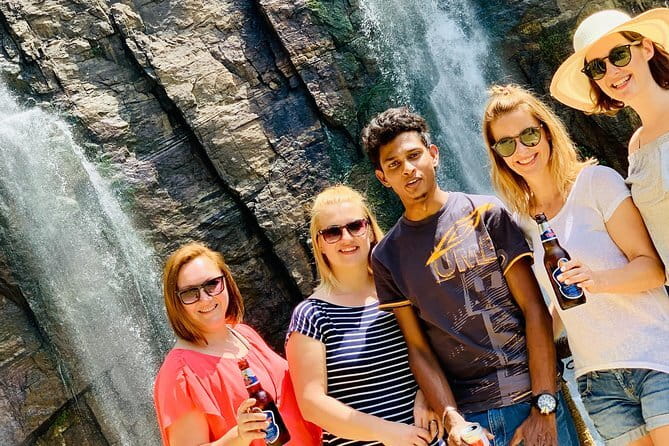
This trip lives and dies by the humans you’re with—driver plus tracker. The driver handles the transfer and timing. The wildlife tracker steers the safari sightings and helps you read the park.
Two names come up in real experiences: Ashan and Nuwan. That doesn’t guarantee your day will match every detail, but it’s a good sign that the operator works with specific people who’ve led safaris and transfers for actual guests. In one case, the safari and transfer were described as organized well and smooth, with elephants and other wildlife spotted effectively.
Now, the balanced part: there’s also at least one serious caution raised about safety and driving style. The safari portion still sounded strong on that day. But it’s worth taking seriously. If you’re sensitive to how a driver handles the road, it’s totally fair to mention preferences when you confirm pickup—like asking about a comfortable approach and ensuring seatbelts are used properly.
Group size and vehicle vibe
The tour caps at 12 travelers, which often keeps the safari experience from feeling like a bus tour. In one couple’s experience, the safari jeep was reportedly just for them. You can’t count on that every time, but the small cap suggests you’re less likely to end up squeezed among a huge crowd.
Price and logistics: $40 is the transfer plus safari, then budget the park fee
At $40.00 per person, this is priced like a value-focused transfer day with a safari included. What you get in the price:
- Hotel pickup & drop (Ella to Mirissa/Weligama/Hiriketiya/Tangalle and suburbs)
- 4×4 off-road safari (about 3.5–4 hours)
- An experienced tracker’s service
- Homemade breakfast or evening snacks
- Bottled water
What you don’t get:
- National park entrance fees, listed as approximately 9,000 to 11,000 LKR per person (depends on group size)
The operator notes the park admission fee separately, so don’t assume your $40 covers everything. Still, even with the park fee added, this structure can work out well if you’re doing both: transfer south and a safari stop. It’s a lot harder to stitch together independently without paying for two separate transport pieces plus safari logistics.
A practical budgeting tip: if you’re traveling in a group, the park fee can shift with group size. So if you’re trying to estimate total cost before you go, bring a little flexibility.
Where you land on the South Coast: Mirissa and more
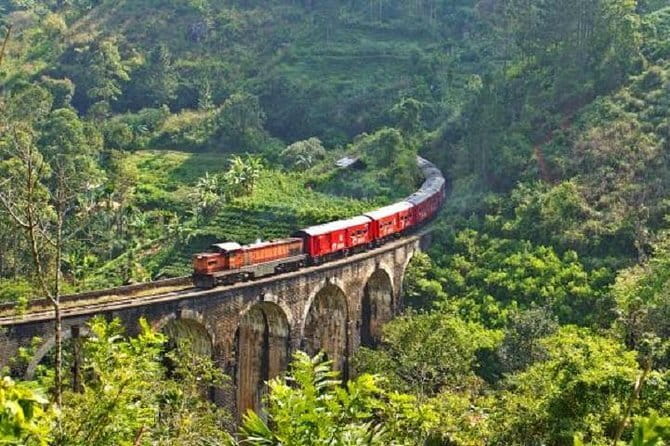
The day ends with drop-off options across the South Coast area. You can be taken to Mirissa, Weligama, Galle, Ahangama, Hiriketiya, or Tangalle (plus the suburbs). That matters because the South Coast isn’t one single place. It’s a chain of neighborhoods and beach towns, and your best base depends on whether you want calm swimming, surf energy, or a more walkable town center.
If you’re coming from Ella, you probably don’t want to spend your first day trying to figure out local transport. This tour gets you there with one provider handling the handoff from safari back to your beach plan.
Who this tour fits best (and who should think twice)
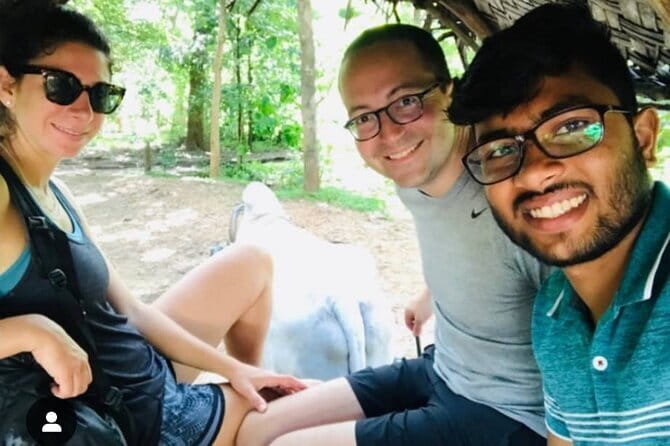
This experience is a great match if:
- You’re short on time and need to get from Ella to the coast
- You want elephants in a less crowded, open-country setting
- You like the idea of a tracker-led safari rather than self-driving guesswork
- You appreciate small added comforts like breakfast and bottled water
You might want to think twice if:
- You’re extremely schedule-sensitive. Even when everything goes right, it’s a long day.
- You need guaranteed private service. This has a group cap, and some days feel more shared than others.
- You’re worried about driving style. Past reports show the safari can be excellent even when the transfer had issues on a specific day. Still, if safety is your top priority, make sure you’re comfortable with the driver and vehicle.
Should you book it? My decision guide
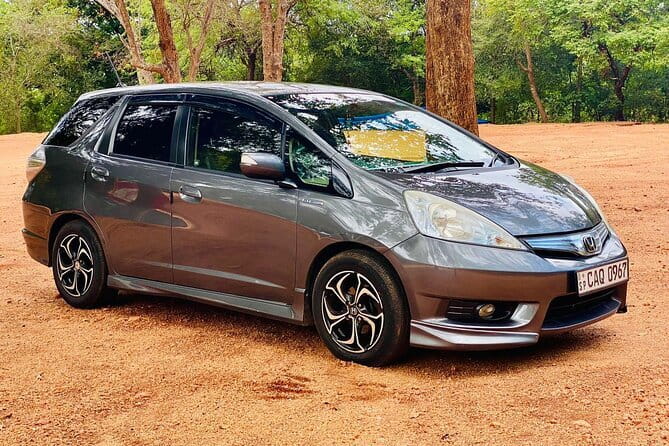
I’d book this if you want a one-day solution: Ella to South Coast plus a strong wildlife stop without extra planning stress. The combination of the Udawalawe safari (4×4, tracker, meaningful time) and the included meal gives you real value for the money—especially compared to piecing together transport and a safari separately.
I’d hesitate or ask extra questions if you’re the kind of person who can’t tolerate long travel days or you’re uncomfortable with driving conditions. The safari itself seems to deliver the goods in many cases, including lots of elephant sightings and strong wildlife spotting. But because transfer quality has had mixed notes, your comfort with the road matters.
If you do book, use your “common sense traveler” superpower: confirm pickup time expectations clearly, ask about how park admission fees are handled for your group size, and pack a small snack just in case your included breakfast doesn’t land exactly how you like.
FAQ
Is the Udawalawe National Park entrance fee included?
No. National park entrance fees are not included and are listed as approximately 9,000 to 11,000 LKR per person, depending on group size.
How long is the safari inside Udawalawe?
The 4×4 off-road safari portion is about 3.5 to 4 hours.
What meal is included?
You get freshly home made breakfast or evening snacks, plus bottled water.
Where do you get dropped off after the safari?
You’re dropped off in areas including Mirissa, Weligama, Hiriketiya, Tangalle, and the suburbs. Galle and Ahangama are also listed as possible drop locations.
How many people are in the group?
The tour has a maximum of 12 travelers.
What transport do you use?
Pickup and drop are by car or van. Inside the park you use a 4×4 off-road vehicle for the safari.
How do I get the ticket?
A mobile ticket is provided.
Can I get a refund if I cancel?
No. This experience is non-refundable and cannot be changed for any reason.
Is pickup from hotels available?
Yes. Hotel pickup and drop are included.
If you tell me your exact Ella pickup area and which town you’re aiming for on the coast (Mirissa vs Hiriketiya vs Tangalle), I can help you think through the best timing so your day ends in a place that matches your vibe.