REVIEW · DURBAN
From Durban: Half-Day Safari Tour
Book on GetYourGuide →Operated by 1st Zulu Safaris C.C · Bookable on GetYourGuide
Wild animals in a tight schedule is the trick here.
This 6-hour Durban tour packs Tala Game Reserve wildlife drives and a stop at the African Raptor Centre into one smooth day plan, with pickup options that keep road time realistic. I especially like that you’re in a closed vehicle for wildlife viewing, and that the day includes both big-animal safari time and raptor viewing in the same ticket. The main thing to consider is that lunch and drinks aren’t included, so you’ll want to plan for food on your own.
You’ll get two standout experiences in one: first, Tala’s mix of animals on a 3,000-hectare rhino-focused reserve; second, the African Raptor Centre’s large collection of birds of prey, including eagles, owls, vultures, falcons, and hawks. You also get learning that goes beyond spot-and-point, with guides sharing facts about the ecosystem and local context for South Africa and KwaZulu-Natal.
One possible drawback: because it’s only half-day, you’ll have to be okay with a fast pace. You’ll see a lot, but you won’t have the slower, extended feel of a full-day safari and you’ll need to let the timing drive your expectations.
In This Review
- Key highlights (what’s really going on here)
- Durban to Tala in a 6-hour safari window
- Tala Private Game Reserve: rhinos, giraffes, hippos, and more
- More than big animals: 370+ bird species at Tala
- African Raptor Centre: 100+ non-releasable birds of prey
- Guides, vehicles, and why the animal sightings feel well managed
- Price and logistics: what $193 gets you (and what it doesn’t)
- Who this half-day Durban safari is best for
- Should you book this Durban Half-Day Safari?
- FAQ
- How long is the Durban half-day safari?
- What animals and places do we visit?
- Is pickup included, and where does it start from?
- What’s included in the price?
- Is lunch or drinks included?
- What languages are the guides available in?
Key highlights (what’s really going on here)
- Tala Game Reserve’s 3,000 hectares: a proper chunk of space for rhinos and other wildlife
- Closed-vehicle driving: practical for spotting animals while staying comfortable
- Rhino sanctuary + 370+ bird species: big focus on wildlife variety
- African Raptor Centre stop: 100+ non-releasable birds of prey across 35+ species
- Guides who connect safari to local context: history, Durban sights, and animal behavior
- Convenient pickup windows from Durban: flexible start times that suit short stays
Durban to Tala in a 6-hour safari window
This tour is built for travelers who don’t want a full day of driving. The idea is simple: you start in Durban, head out to Tala Private Game Reserve, then finish with raptors at the African Raptor Centre—without eating your entire daylight.
Pickup is part of the value. You can be collected from hotels and accommodations within a 5-kilometer radius of the local supplier’s office at Gooderson Tropicana Hotel (85 OR Tambo Parade, South Beach, Durban), and pickup is also available from the Durban harbor passenger terminal. Starting times are flexible, with pickup available from 08:00 to 14:00, and the tour runs about 6 hours total. That flexibility matters if your Durban days are packed with beach time, museums, or a separate half-day activity.
Inside the safari itself, you’ll drive around the reserve in a closed vehicle. That’s a smart setup for a half-day schedule because it helps you stay focused on what you’re seeing rather than dealing with an open-air scramble. You’re not just commuting—you’re actively searching for animals during the hours you have.
You can also read our reviews of more tours and experiences in Durban.
Tala Private Game Reserve: rhinos, giraffes, hippos, and more
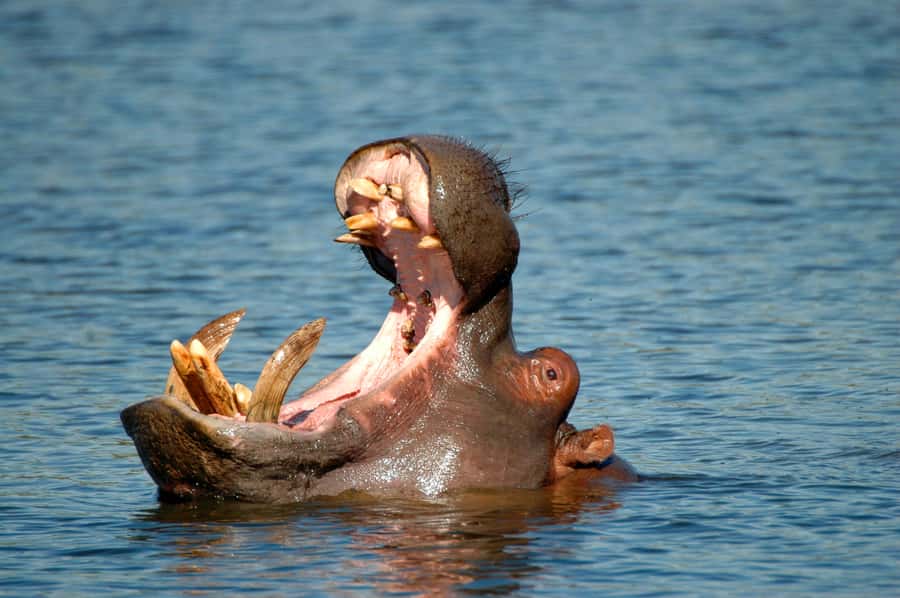
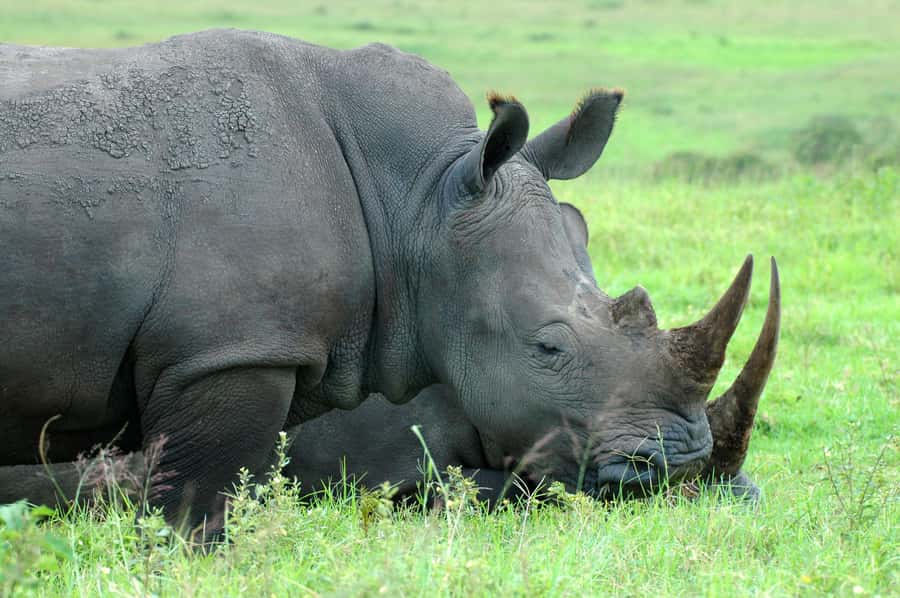
Tala Private Game Reserve is the heart of the outing, and it’s a big reason people book this short safari. The reserve covers 3,000 hectares and is set up as a rhino sanctuary, with the chance to see rhinos up close (from the vehicle, of course) as part of the wildlife route.
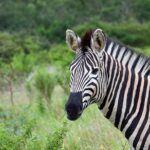
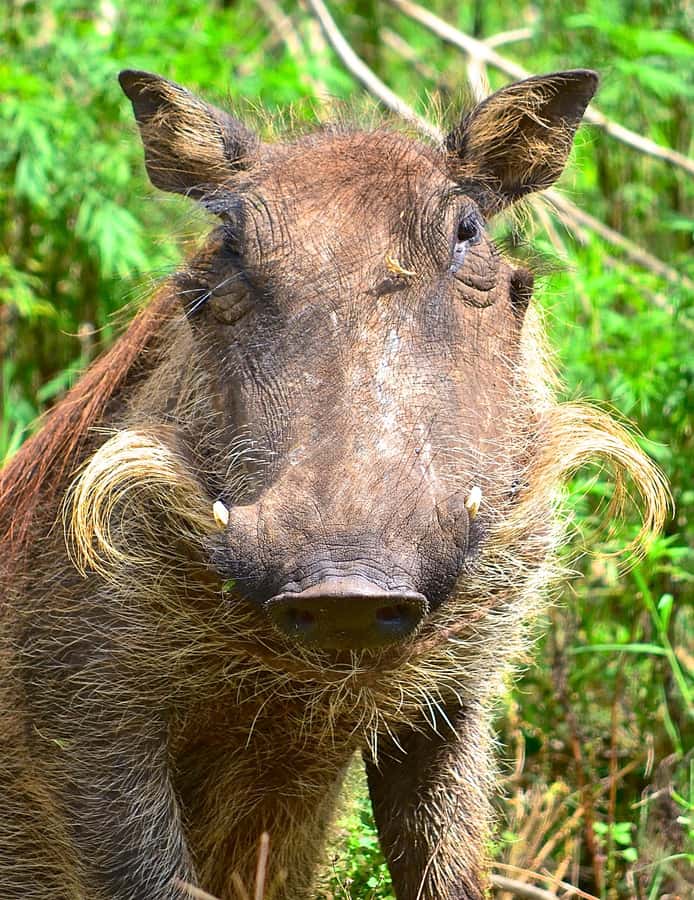
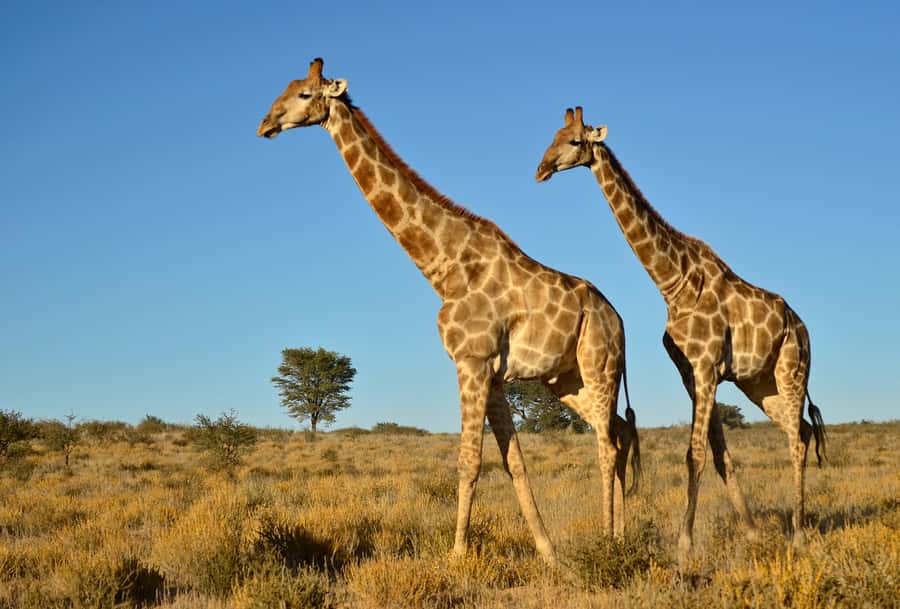
Tala’s animal mix is not just one-note. You might spot larger mammals such as giraffe, hippo, rhino, and eland—and Tala’s wider wildlife variety can show up in the smaller moments too. People often remember safaris for the one unexpected sighting. Here, the odds are improved because Tala isn’t just a flat grassland “maybe” story; it’s a reserve where guides look for a range of animals.
A key detail: your guide drives around the park in the closed vehicle to view wildlife and gives insight into the wildlife ecosystem. That’s what turns a drive into something more useful than luck. You’re learning what you’re looking at—why certain animals might be where they are, and how the different species fit into the bigger system.
If you’re wondering how close the experience feels: the reserve approach is about patience and respect. In at least one memorable situation, rhinos were positioned near a path, and the group simply waited for them to move at their own pace. That kind of calm, wildlife-first behavior is exactly what you want on a sanctuary-focused safari.
More than big animals: 370+ bird species at Tala
Even if you’re not a bird person, Tala’s birdlife is part of the appeal because it adds variety to every stop on the drive. The reserve is home to over 370 bird species, which means your guide can keep your eyes moving even when the “big animal” radar is quiet.
For you, that translates into a better half-day experience: if the day’s main highlights are rhinos or giraffes, birds still keep the safari alive between sightings. And because your guide shares facts about animal behavior and the ecosystem, birds become more than background noise—you start noticing patterns: feeding spots, flight paths, calls, and how birds respond to animal activity nearby.
Bird-focused viewing also helps when the day runs on a schedule. A half-day format leaves less room for long waits, so you benefit from having a second layer of wildlife to watch. Tala offers that second layer in a real way, not as an afterthought.
African Raptor Centre: 100+ non-releasable birds of prey
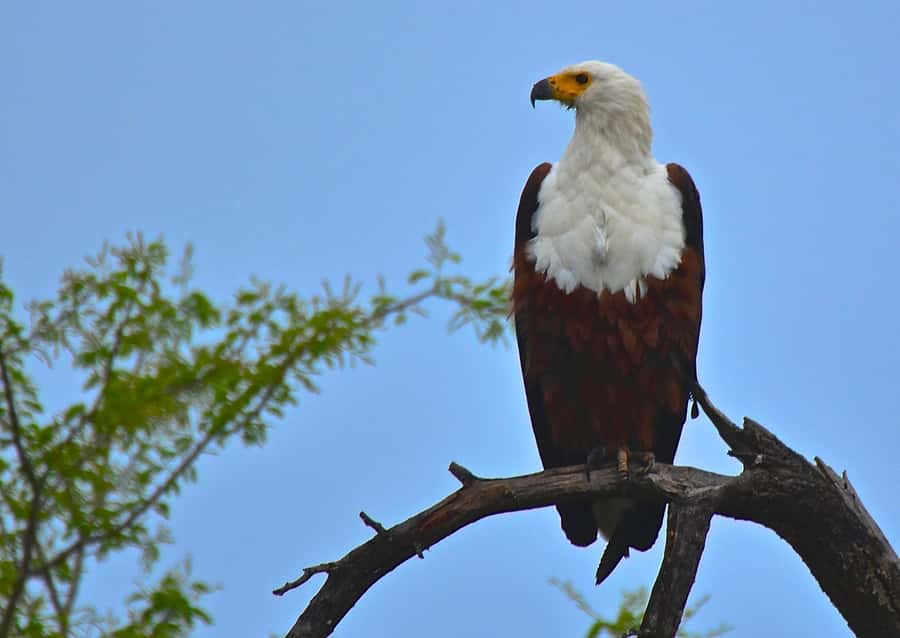
After Tala, the tour shifts gears toward something very different: the African Raptor Centre. This is where you get up close (in the visitor-safe enclosure way) with birds of prey—a group most people rarely see at this scale outside a specialized facility.
The centre is home to over 100 non-releasable birds of prey, representing more than 35 species. That wording matters. These aren’t birds released back into the wild. The centre functions as a safe haven for raptors that can no longer survive in the wild, and you get to observe them in well-made enclosures designed for safety and care.
The species list is a good clue to what you’ll be watching for:
- eagles
- owls
- vultures
- falcons
- hawks
If you’re the type who likes learning while you look, this part of the day fits you well. The day’s structure keeps you from thinking safari is only about mammals. Raptor time gives you a different set of “where are they and how are they acting?” skills—hunting posture, perch behavior, eye attention, and movement patterns.
Guides, vehicles, and why the animal sightings feel well managed
A big part of why this tour earns strong ratings is the people running it. You’ll be with a live tour guide and the overall feel is guided, not chaotic. English is available, along with Portuguese, Greek, and French. German and Polish can also be requested. That matters if you’re trying to learn more than just the basics while you’re out on the reserve roads.
From the names that show up on past tours, you might be guided by someone like Zamani, Thami, Sotiris, Freddie (or Frederik), Fortune, Aaron, Benson, Alain, or Chris. You shouldn’t bank on a specific name, but you can take comfort in the pattern: the guides are repeatedly described as attentive, friendly, and focused on helping you see animals.
Also, the vehicle setup helps. People specifically note that the car/vehicle and the driving approach support spotting wildlife, including “it takes the right 4×4/vehicle” style of access for Tala. In practical terms, that means you’re more likely to spend time where animals are expected to be, rather than burning minutes guessing.
One more detail I like for your expectations: guides don’t just point. They connect the dots between animals and the place, sharing general history and Durban context alongside the wildlife facts. That gives the day a light culture layer that fits the safari schedule.
Price and logistics: what $193 gets you (and what it doesn’t)
At $193 per person for a 6-hour outing, this is a mid-range half-day safari option that tries to reduce hidden costs. Hotel pickup and drop-off are included, as long as you’re within the 5-kilometer radius of the supplier office, and entrance to all attractions is included.
That’s the practical value: fewer extras and fewer surprises. You’re paying for:
- pickup and drop-off within the stated area
- guide time
- entrance fees for the reserve and raptor centre
What’s not included is important: lunch or drinks. For a half-day, this can quietly affect your budget and energy. If your pickup is in the morning or early afternoon, you’ll want to eat beforehand or plan a stop after so the day doesn’t feel like a snack-and-cope situation.
Also note the tour is wheelchair accessible, but if you’ll be using a wheelchair, you should contact the local partner for special arrangements. And if you’re booking last minute, you’ll need to contact the partner the day before to confirm—useful to know if your plans are moving quickly.
Who this half-day Durban safari is best for
This tour works especially well if you fit one of these profiles:
You’re short on time. With only 6 hours total, it’s a strong choice when Durban is a stopover or you want safari without losing your whole day.
You want a blend of safari and culture learning. Guides share facts about the animal ecosystem and also connect it to South Africa and KwaZulu-Natal, plus Durban sights/history.
You like structure. A guided, vehicle-based reserve drive plus a raptor-centre visit is a clear plan. If you’ve ever tried to do wildlife trips on your own and ended up spending too long searching, this format saves energy and reduces guesswork.
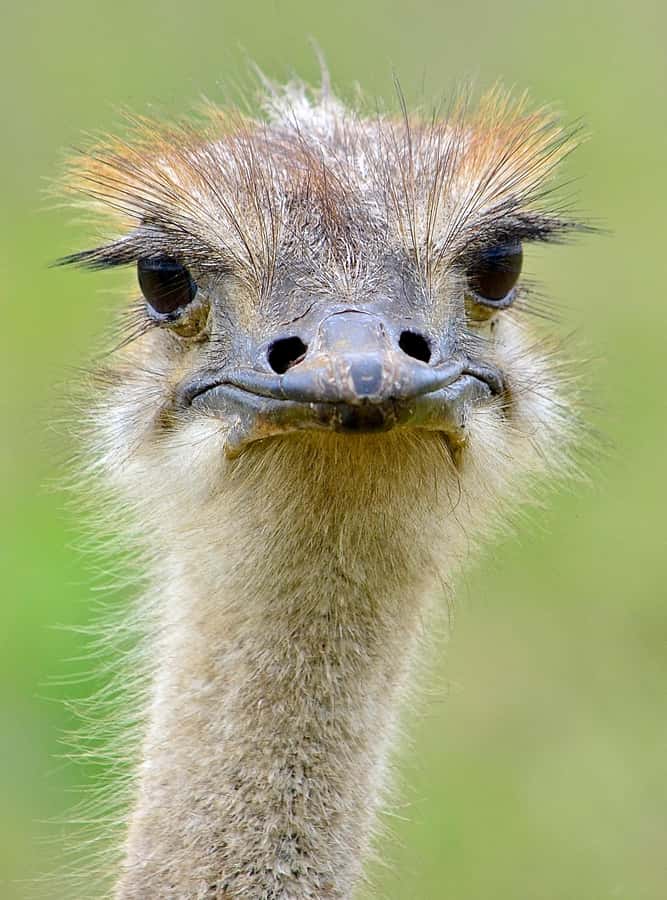
You’re bird-curious (even if you’re not a birder). 370+ bird species in Tala’s setting plus the raptor centre’s birds of prey means the day keeps offering new things to look at, not only one or two headline mammals.
If you want an ultra-relaxed pace or a long morning of hiking-level exploration, you may find half-day timing a bit tight. But if your priority is high-quality wildlife time in a limited window, this plan makes sense.
Should you book this Durban Half-Day Safari?
I’d book this if you want a smart, guided way to see Tala’s sanctuary wildlife and still have raptors as a second, very different highlight. The mix of rhinos and big animals plus a dedicated bird of prey centre makes the half-day feel full, not rushed in a shallow way.
Before you hit the reserve button, do two things to set yourself up well:
- Plan food since lunch and drinks aren’t included.
- Pick your start time window carefully. With pickup possible from 08:00 to 14:00, you’ll get the best experience by choosing the part of the day that matches your energy and the rest of your Durban plans.
If your travel style is flexible and you like seeing more than one kind of wildlife in the same day, this tour is a strong fit.
FAQ
How long is the Durban half-day safari?
The tour runs for about 6 hours.
What animals and places do we visit?
You’ll visit Tala Private Game Reserve for wildlife viewing and also the African Raptor Centre, which houses birds of prey.
Is pickup included, and where does it start from?
Yes. Pickup and drop-off are included within a 5-kilometer radius of the local supplier’s office at Gooderson Tropicana Hotel in Durban. Pickup from the Durban harbor passenger terminal is also available.
What’s included in the price?
Hotel pickup and drop-off (within the stated area) and entrance to all attractions are included.
Is lunch or drinks included?
No. Lunch or drinks are not included.
What languages are the guides available in?
The live tour guide is available in English, Portuguese, Greek, and French. German and Polish can be requested.