REVIEW · POKHARA
From Kathmandu/Pokhara: Private 3-Day Chitwan Safari Tour
Book on GetYourGuide →Operated by Linkage Tour & Travel · Bookable on GetYourGuide
Chitwan gives you wildlife, fast. This private 3-day safari from Kathmandu or Pokhara mixes classic jeep wildlife drives with a calm Rapti River canoe ride that breaks up the action nicely. I like that you’re not just shuttled around; you also get guided time where spotting chances and explanations actually matter.
I also like the pacing: a full day on the park safari circuit, then a nature-focused day that slows things down with walking and village culture. The trade-off is simple: wildlife sightings are never guaranteed, so if you’re chasing a specific animal (like tigers) as a must-have photo, keep your expectations flexible.
In This Review
- Key Points at a Glance
- How the Tour Works: Hotel Pickup, Bus Ride, and Chitwan Base
- Day 1: Cultural Show, Nepali Dinner, and Your First Night in Chitwan
- Day 2 Jeep Safari: The Big Wildlife Day in Chitwan National Park
- Lunch + Transfer Energy
- Rapti River Canoe Ride: Quiet Wildlife Time After Lunch
- Elephant Breeding Center: A Focused Stop You Can Learn From
- Day 3 Nature Walk and Tharu Village Culture
- Price and Value: Is $168 Per Person Worth It?
- What to Pack (So You Don’t Fight the Trip)
- Who This Tour Suits Best
- Should You Book This Chitwan Safari Tour?
- FAQ
- What wildlife can I expect to see on this Chitwan safari tour?
- Is the jeep safari included, or do I pay extra?
- Do you include meals during the 3 days?
- What activities happen besides the jeep safari?
- Where are the pickup and drop-off points?
- Who will guide the safari, and what languages are offered?
- Is there free cancellation?
Key Points at a Glance
- Jeep safari + Rapti canoe: fast wildlife scanning, then quiet river time
- Guided nature walk: you learn what you’re seeing, not just passing it
- Elephant breeding center visit: a real stop beyond the usual drive-by
- Chitwan Tharu Village entry: culture is part of the package, not an add-on
- Private group feel: hotel pickup and guide coordination stay smoother
How the Tour Works: Hotel Pickup, Bus Ride, and Chitwan Base
This tour is designed around one big idea: get you from Kathmandu or Pokhara to Chitwan without you wrestling logistics all day. You’re picked up from the hotel lobby (including Kathmandu’s Thamel and Pokhara’s Lakeside area), then transferred to the bus station. After that, you take a tourist bus to Chitwan and return the same way after the safari.
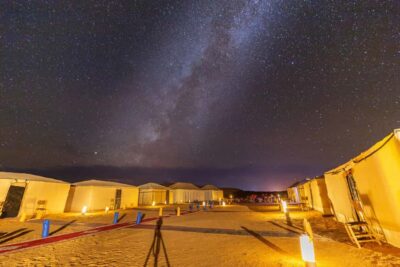
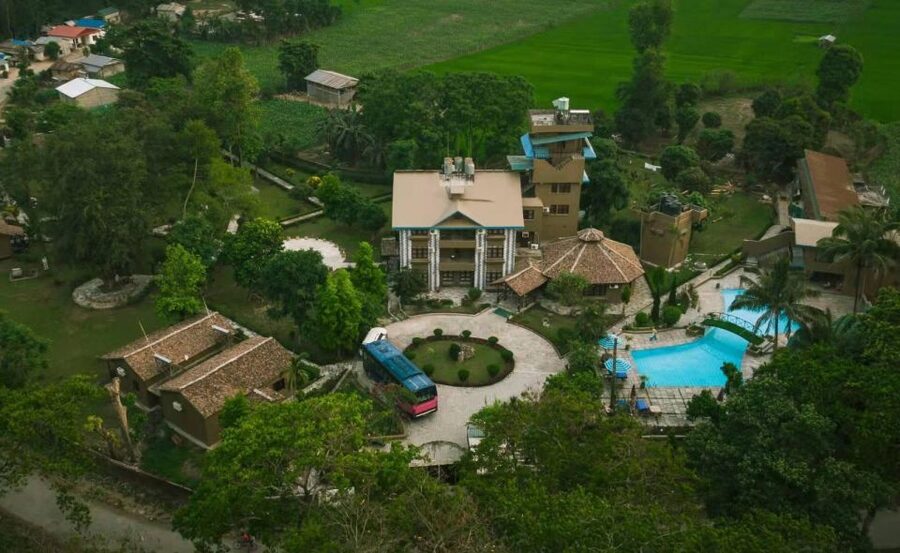
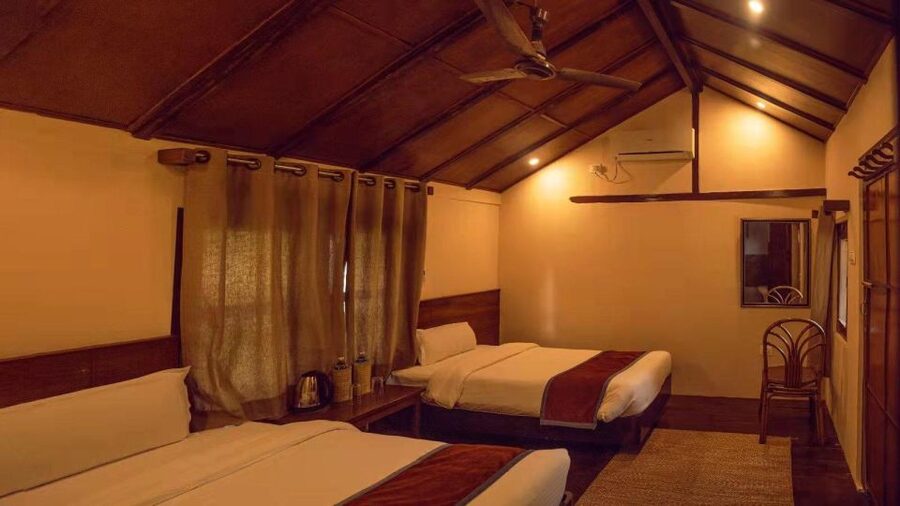
Once you reach Chitwan, everything runs from a lodge base (like Safari Adventure Lodge or similar). That matters because you’re not constantly packing and changing hotels mid-trip. You get consistent meals, guided activities, and a place to reset after early mornings and long park time.
Also, the guide is in the park for the jungle tour, with English and Hindi support. That’s a big help in Chitwan, where the “what did we just see?” moments happen fast. You’ll get more out of the sightings if you understand the animal behavior and habitat patterns you’re watching.
Day 1: Cultural Show, Nepali Dinner, and Your First Night in Chitwan
Day 1 is mostly about getting into the rhythm of the region. You head from your hotel to Chitwan by tourist bus, then settle into your accommodation for the overnight. It’s a practical setup: you’re in motion most of the day, so the evening focuses on comfort and culture.
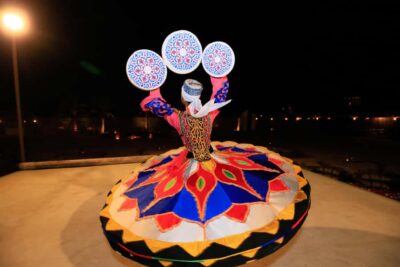
You also get a cultural show and a Nepali dinner. Even if you’re tired from the travel day, this is a good anchor because it helps you understand the local setting you’ll be exploring the next morning—especially since Chitwan isn’t just about animals. It’s also about people and the way they live alongside the park.
A small but real benefit: starting with an evening plan means you don’t lose time hunting for dinner or entertainment after arrival. You simply show up, eat, and rest.
Day 2 Jeep Safari: The Big Wildlife Day in Chitwan National Park
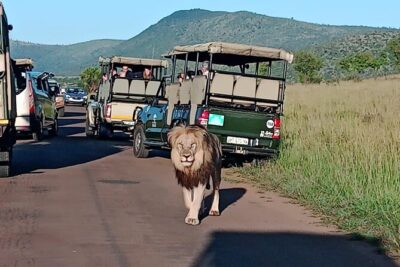
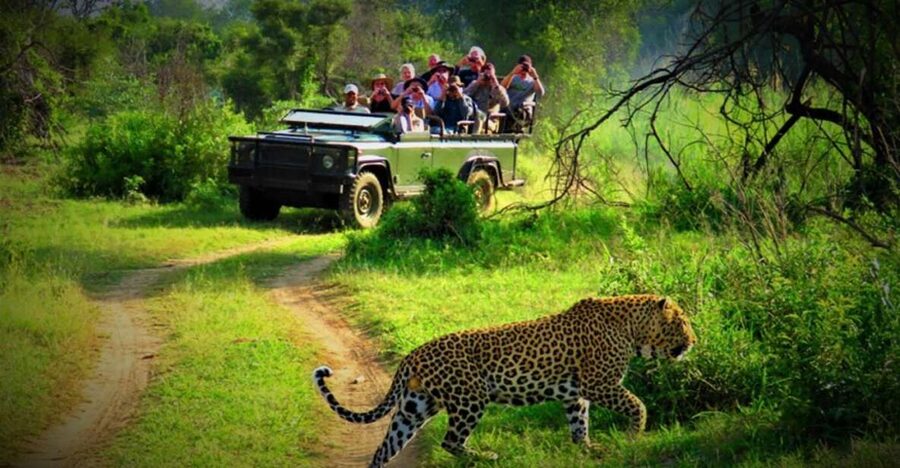
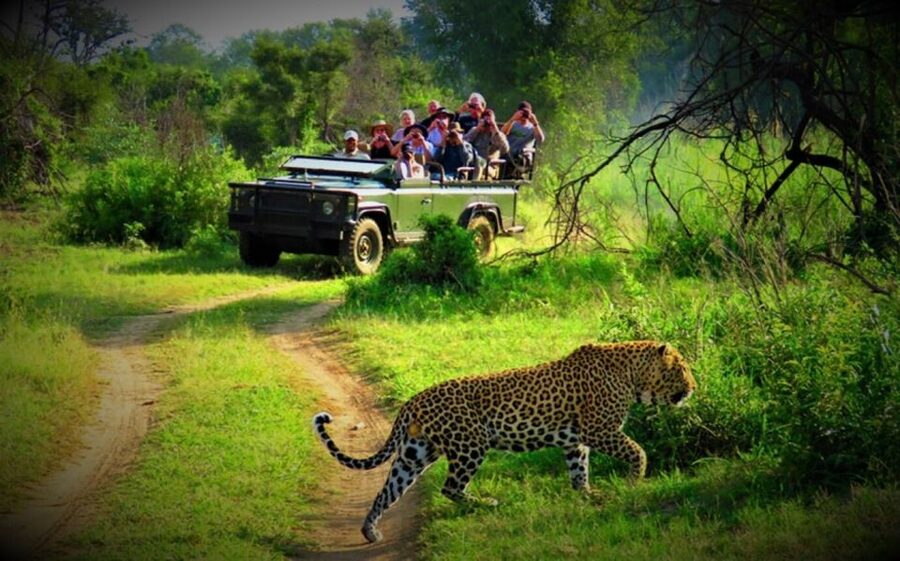
Day 2 is the main safari day, centered on a jeep safari in Chitwan National Park. This is where the tour earns its excitement. You’re out in the park on a scheduled wildlife hunt, guided and set up to give you the best chance of seeing animals in their natural habitat.
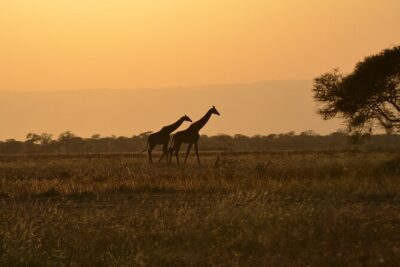
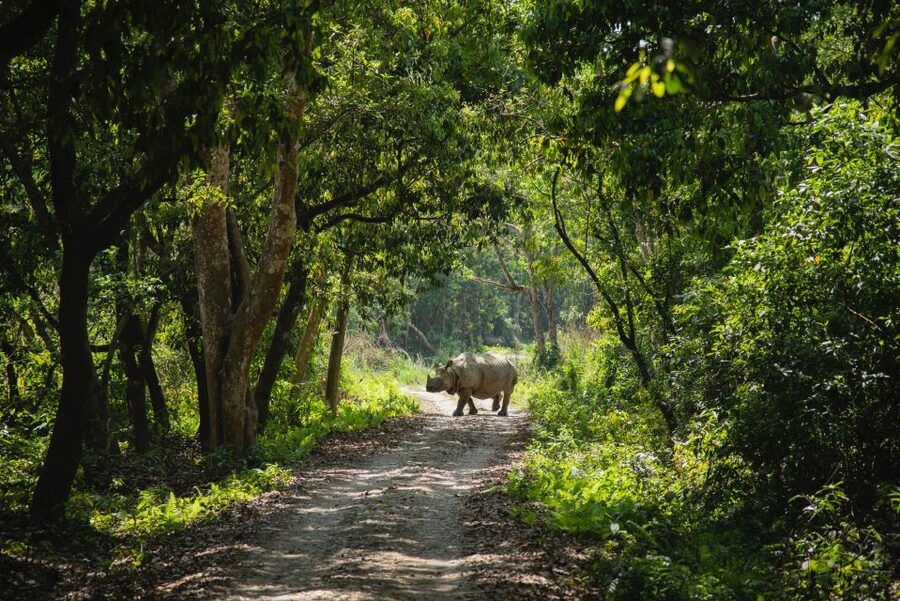
Chitwan is famous for rhinos and elephants, and your day is built around that reality. The tour experience specifically targets the kinds of encounters people talk about most: rhinos, elephants, and other wildlife that share the park space. Even when the day doesn’t deliver every animal, the time itself is usually what sticks—because you’re traveling through the same habitat animals use, and the guide is watching for activity, not just driving a route.
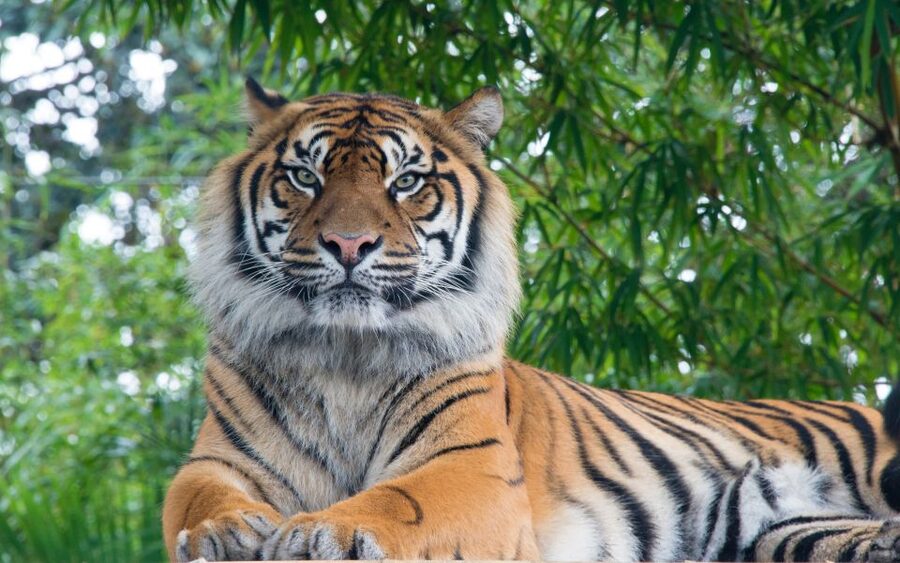
One detail that matters: the safari isn’t presented as a quick photo lap. The guiding style is about finding moments, including reports of guides working hard for sightings such as a tiger bathing near a lake. That kind of active scanning doesn’t mean you’ll definitely see tigers, but it tells you how the day is run: you’re not left alone with a map and hope.
For best results, plan to be flexible with timing and patience. Wildlife viewing in Chitwan often rewards people who stay alert and stay calm—especially when the best sightings can happen suddenly.
Lunch + Transfer Energy
After the jeep safari portion, you’ll eat lunch and then transition to the next activity. The tour is structured so the day stays full but not chaotic. You’re not jumping straight from peak heat and dust straight into another long walk. You get a meal break before the canoe portion, which is a smart energy management move.
Rapti River Canoe Ride: Quiet Wildlife Time After Lunch
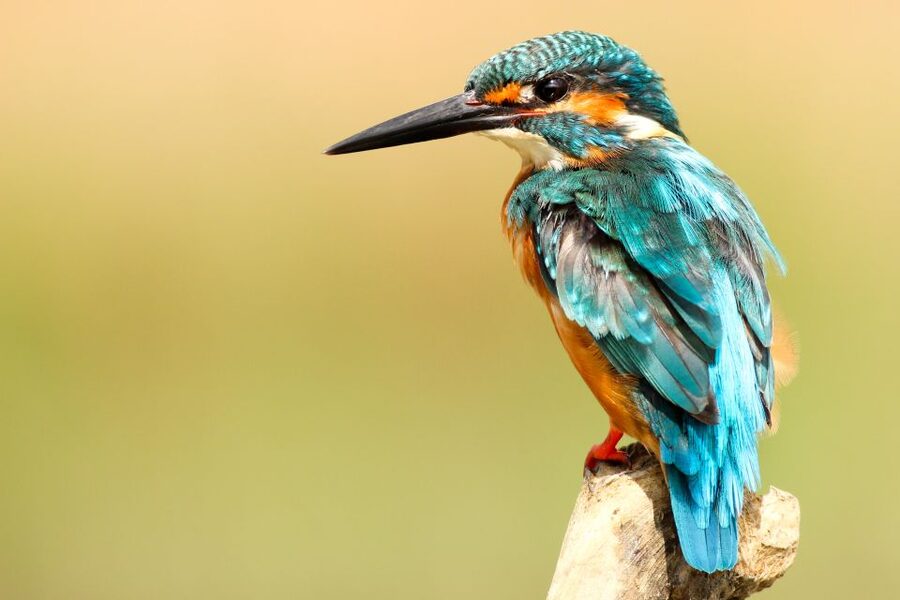
After lunch, you switch from land to water with a canoe ride on the Rapti River. This is one of the best balance points in the whole trip. The jeep safari is action-heavy—sound, movement, engine noise, lots of scanning—then the canoe ride slows you down fast.
What you’re looking for changes too. Instead of tracking animals along a drive route, you’re watching for movement along the river: birds, shoreline activity, and animals that approach water quietly. The canoe ride is also where the whole “habitat” concept becomes real. You see the river as part of the food and travel network for the park’s wildlife.
A practical tip from the vibe of these experiences: wear muted colors and keep your presence low-key. The river portion is close enough to the surroundings that you’ll feel the difference between blending in and standing out.
This part of the day tends to be memorable even if the big-cat highlight doesn’t happen. It’s a slower kind of satisfaction, and it’s often when people notice how much life is happening in the background.
Elephant Breeding Center: A Focused Stop You Can Learn From
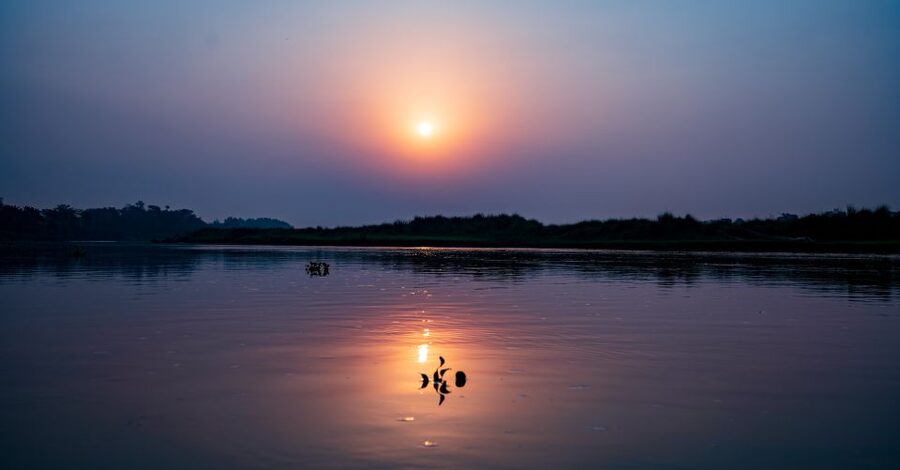
Day 2 also includes a visit to an elephant breeding center. This is valuable because it adds context. You’re not just seeing animals; you’re also learning about how elephants are cared for and why conservation work matters in a working ecosystem.
It’s also a good mental break from pure wildlife searching. After the jeep safari and before or alongside river time, this stop gives your brain something constructive to hold onto. Even if you’re primarily a wildlife spotter, you’ll likely appreciate seeing the human side of elephant management—especially in a park region where people and wildlife share boundaries.
Day 3 Nature Walk and Tharu Village Culture
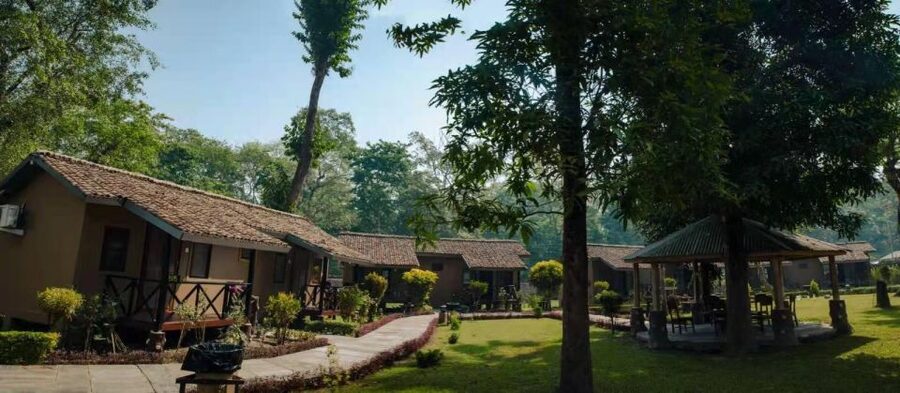
Day 3 shifts from vehicles to feet. You’ll do a guided nature walk designed to reveal the local flora and fauna at a slower pace. Walking helps you notice things you miss from a jeep window: small movement, track details, plant structure, and the general rhythm of the habitat.
This day also includes entry to Chitwan Tharu Village. The value here is that culture is part of the same landscape you’re visiting for wildlife. Chitwan isn’t just a “park you pass through.” It’s a living region with local traditions, and the Tharu community connection helps you see how daily life and protected land can sit side by side.
If you prefer experiences that feel grounded—less like a checklist—Day 3 is where this tour tends to deliver the most “I get it now” moments.
Price and Value: Is $168 Per Person Worth It?
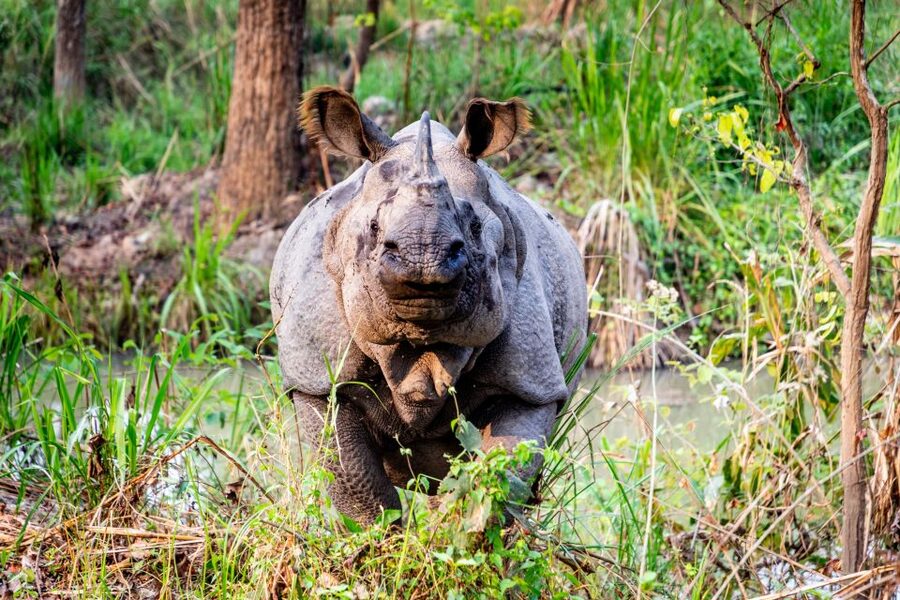
At $168 per person for three days, this tour is aiming at a clear target: you’re getting more than a simple safari ticket. The included package covers hotel pickup and drop-off, accommodation in Chitwan, all meals (2 breakfasts, 2 lunches, 2 dinners), park admission fees, the jeep safari, the canoe ride, and a guide for the jungle portion.
That’s what makes the price feel reasonable: you’re paying for the full on-the-ground experience, not piecing it together yourself. You also don’t have to manage the Kathmandu/Pokhara-to-Chitwan transfers independently since the tourist bus ride is included.
One note on value: the strongest “bang for your buck” usually comes from how well your day matches your expectations. If you’re okay with the reality that wildlife sightings can vary, you’ll feel the value strongly because so many components are included—jeep, canoe, nature walk, village culture, and meals. If you’re chasing a very specific sighting, you should still see plenty, but the unpredictability of big cat sightings means no tour can promise a tiger on schedule.
The overall rating sits around 4.7 with 34 ratings, which suggests consistent organization and a generally smooth experience for many people.
What to Pack (So You Don’t Fight the Trip)
The data doesn’t list gear requirements, so I’ll keep this practical and general. For Chitwan, you want to be ready for sun, humidity, and dust.
Bring:
- Comfortable walking shoes for the nature walk
- Light layers you can handle in the park heat
- A hat and sunscreen
- Binoculars if you already use them (they can help a lot in spotting smaller movement)
- Neutral or muted clothing for the canoe ride area
If you care about photos, also remember: river and forest light can be tricky. Keeping your clothes and gear simple usually helps you stay focused on watching rather than fiddling.
Who This Tour Suits Best
This private 3-day safari fits best if you want:
- A structured safari with a guide and included activities
- Both wildlife time and a culture component (Tharu village + cultural show)
- Fewer logistics headaches between Kathmandu/Pokhara and Chitwan
- A pacing that alternates action (jeep) with calm (canoe)
It’s especially good for couples and small groups who want the private feel, and for people who prefer not to spend every day negotiating transport and tickets.
If you love long, solitary hiking days only in remote wilderness, this might feel a bit too scheduled. But if you want a well-run wildlife and nature highlight in a short time window, it’s a solid match.
Should You Book This Chitwan Safari Tour?
Book it if you want a high-structure, high-inclusion safari where most key parts are already handled: transport to Chitwan, lodge base, jeep safari, Rapti canoe ride, nature walk, meals, and park fees. The price makes more sense because it’s not just “a ride into the park”—it’s an entire three-day program.
Skip it or adjust your expectations if you’re treating tiger sightings as a guaranteed outcome. Chitwan is wildlife territory, and even the best guide can’t control what shows up. But if you’re happy to focus on the overall experience—rhinos, elephants, birdlife, river scenery, and guided learning—this tour has the ingredients to satisfy.
If you’re deciding between short stays and longer ones, also consider that one extra day would usually increase your chances at seeing more wildlife activity. Still, the 3-day format gives you a meaningful taste without dragging your whole schedule.
FAQ
What wildlife can I expect to see on this Chitwan safari tour?
The tour focuses on wildlife encounters in Chitwan National Park, with the highlights specifically mentioning rhinos, elephants, and tigers, along with other animals.
Is the jeep safari included, or do I pay extra?
The jeep safari in Chitwan National Park is included as part of the tour.
Do you include meals during the 3 days?
Yes. All meals are included: 2 breakfasts, 2 lunches, and 2 dinners in Chitwan.
What activities happen besides the jeep safari?
In addition to the jeep safari, you’ll have a canoe ride on the Rapti River and a guided nature walk. The tour also includes entry to Chitwan Tharu Village and a visit to an elephant breeding center.
Where are the pickup and drop-off points?
Pickup is available from Pokhara, Kathmandu (including Thamel), and other hotel lobbies in the area, with transfers to the bus station for Chitwan. After the tour, you can choose drop-off back in Pokhara or onward to Kathmandu.
Who will guide the safari, and what languages are offered?
You’ll have a live tour guide in Chitwan for the jungle tour. The tour provides English and Hindi.
Is there free cancellation?
Yes, the tour offers free cancellation up to 24 hours in advance for a full refund.