REVIEW · MIRISSA
From Mirissa/Galle/Hikkaduwa: Udawalawa National Park Safari
Book on GetYourGuide →Operated by Wanderluxe Ceylon · Bookable on GetYourGuide
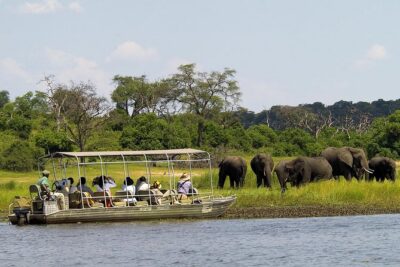
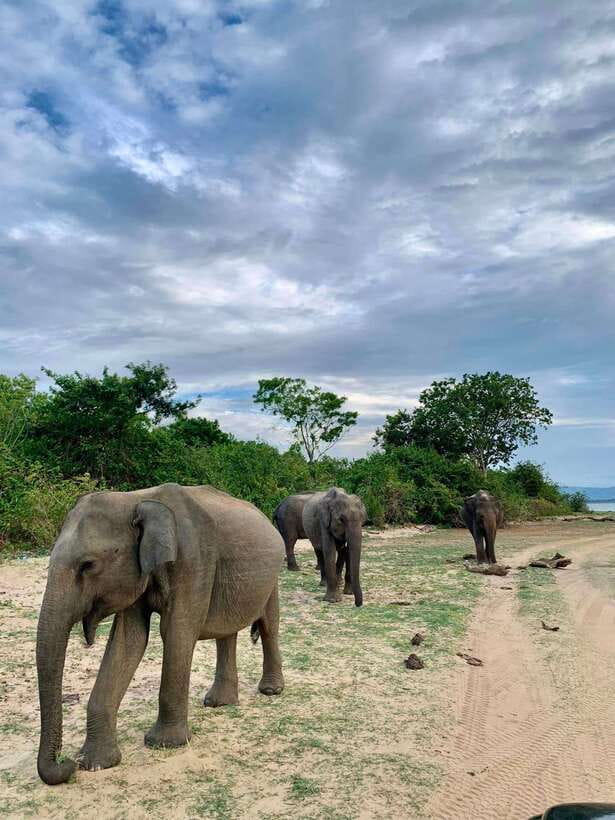
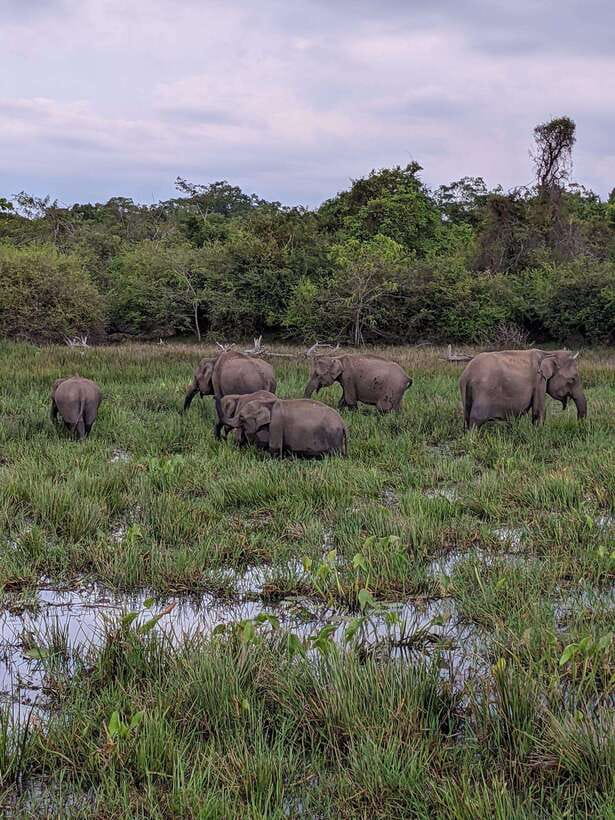
Elephants roam close in Udawalawe. This door-to-door safari pairs 4×4 jeep wildlife time with the Elephant Transit Home, where you see rehab elephants firsthand.
I like the air-conditioned van comfort and the way guides actively search the edges of the park, helping you spot animals you’d miss on your own. One drawback to know up front: national park entry tickets cost extra (food also isn’t included).
In This Review
- Key Highlights You’ll Actually Care About
- Udawalawe Safari in Plain Terms: What You’re Really Buying
- Getting From Galle, Mirissa, and Hikkaduwa: Pickup and Timing That Work
- Inside the National Park in 4×4 Safari Jeeps
- Wildlife Chances Beyond Elephants: Deer, Crocodiles, and Birds
- Elephant Transit Home Visits at 10:30, 2:30, and 6:00
- How Long It Takes and What That Means for Your Day
- Price and What Costs Extra (National Park Tickets + Food)
- Practical Tips: What to Pack and How to Watch Safely
- Who Should Book This Udawalawe Tour, and Who Should Skip It
- Should You Book This Udawalawe Tour?
- FAQ
- Where is this tour available for pickup?
- What’s included in the price?
- Are national park entry tickets included?
- Is food included?
- How long does the tour take?
- When is the Elephant Transit Home open?
- What language is the live guide?
- What do I need to bring?
- Is the tour suitable for pregnant women or people with back problems?
- Are alcohol and drugs allowed?
Key Highlights You’ll Actually Care About
- Door-to-door pickup and drop-off from many Southern coastal towns (Galle, Mirissa, Hikkaduwa, Tangalle, Matara, and more).
- 4×4 safari jeeps built for wildlife viewing, not just sightseeing.
- Elephant Transit Home visit timed to one of three open sessions (10:30, 2:30, 6:00).
- More than elephants: you can also see deer, water buffalo, crocodiles, monkeys, and lots of birds.
- Guides who slow down for sightings and photos, so you get real viewing time.
- Binocular support: several people note guides bringing them, which helps with birds and distant animals.
Udawalawe Safari in Plain Terms: What You’re Really Buying
This trip is two experiences in one ticket: a morning (or near-morning) Udawalawe National Park safari and then a visit to the Elephant Transit Home for young elephant rehabilitation. The park portion is about animal sightings in real time; the Transit Home portion is about seeing what happens to elephants after injury or orphaning.
You’re paying for three things that matter: transport from your coastal base, a guided wildlife hunt in a proper safari jeep, and a structured stop at the rehab facility. The elephant focus is real here—this is one of the best Sri Lanka day trips if your heart is set on elephants over beaches.
Just remember the math: the advertised price doesn’t include park entry. So the value depends on how you think about the full day—getting there comfortably and having the guide work the sightings for you.
You can also read our reviews of more tours and experiences in Mirissa.
Getting From Galle, Mirissa, and Hikkaduwa: Pickup and Timing That Work
The best part for many people starts before you even reach the park: complimentary pickup and drop-off in an air-conditioned vehicle. You can start from a wide list of areas such as Galle, Mirissa, Hikkaduwa, Matara, Tangalle, Weligama, Unawatuna, and even Ella or Udawalawa depending on availability.
In practice, this kind of pickup saves you from arranging your own car/taxi and reduces the stress of timing. One detail I like in the tour setup is the instruction to be ready in the lobby about 10 minutes before pickup—small, but it helps the day run on schedule.
The schedule is built around arriving while the park is active. That’s important in Udawalawe, because animal sightings can change fast with light and heat. Even if you don’t know the ecology, you’ll feel the logic: you’re not sleeping in and then asking for wildlife luck.
Inside the National Park in 4×4 Safari Jeeps
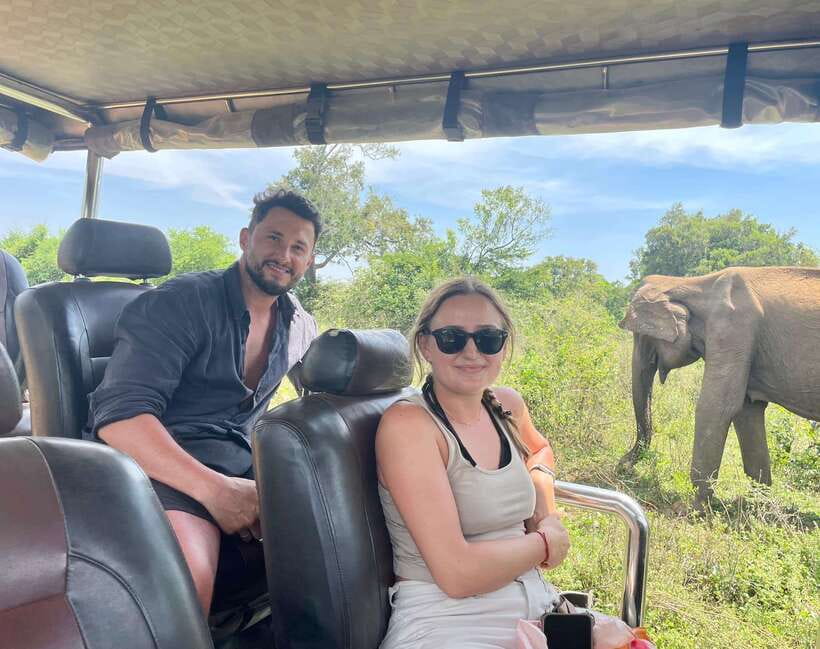
Once you’re at Udawalawe, you’ll go into the park by customized 4×4 safari jeep. The jeep shape and setup are what make this comfortable for viewing—especially when elephants walk into open areas and you need a driver who positions the vehicle safely for sight lines.
Your guide is the real engine of the safari. The way people describe it, guides actively scan both open ground and the edges where animals like to hide—then they call out what you should look for. Some guides also bring binoculars, which is a big deal for birds and animals that stay at distance.
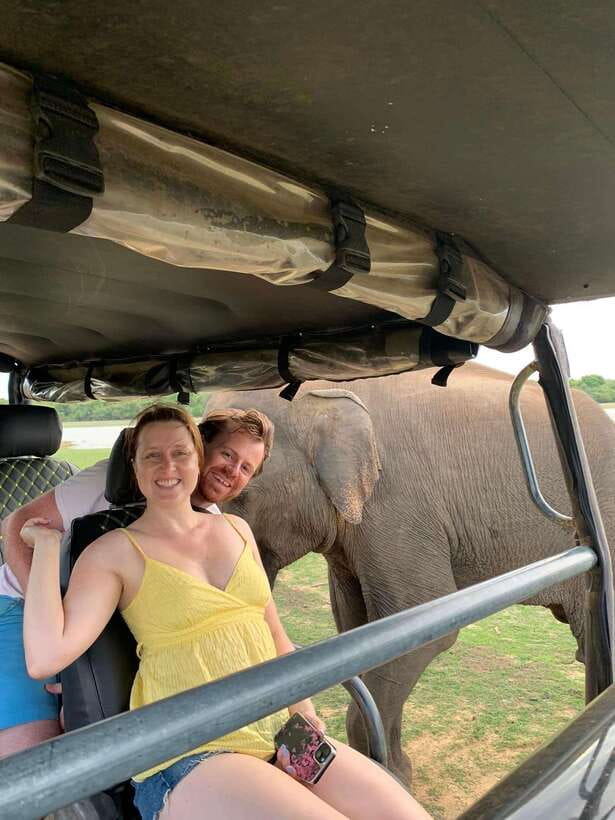
A key safety/comfort point: elephants can get very close to vehicles in Udawalawe. That’s part of the magic, but it also means you should keep your phone/arms inside the jeep and follow the guide’s instructions. If you’re the type who loves photos, this proximity can be a dream—just don’t turn it into a risk.
One practical drawback to consider: the safari can get crowded with multiple jeeps converging on the same sightings. If you hate sharing attention space, keep your expectations realistic and focus on the guide’s searching style rather than a private, quiet experience.
Wildlife Chances Beyond Elephants: Deer, Crocodiles, and Birds
Yes, Udawalawe is famous for elephant herds. But what makes this safari feel satisfying is that it’s not only elephants—you’re moving through an area where wildlife shows up in different ways.
From the sightings people highlight, you can reasonably hope for:
- Deer and other small-to-medium mammals
- Water buffalo
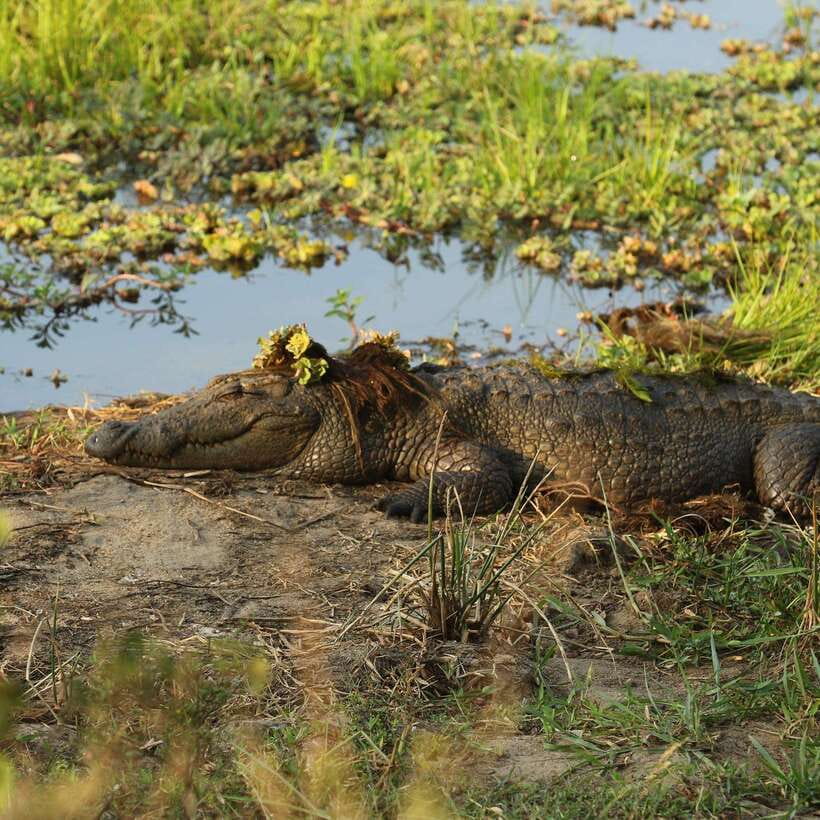
- Crocodiles around water (often spotted when they’re visible above the surface)
- Monkeys in the mix
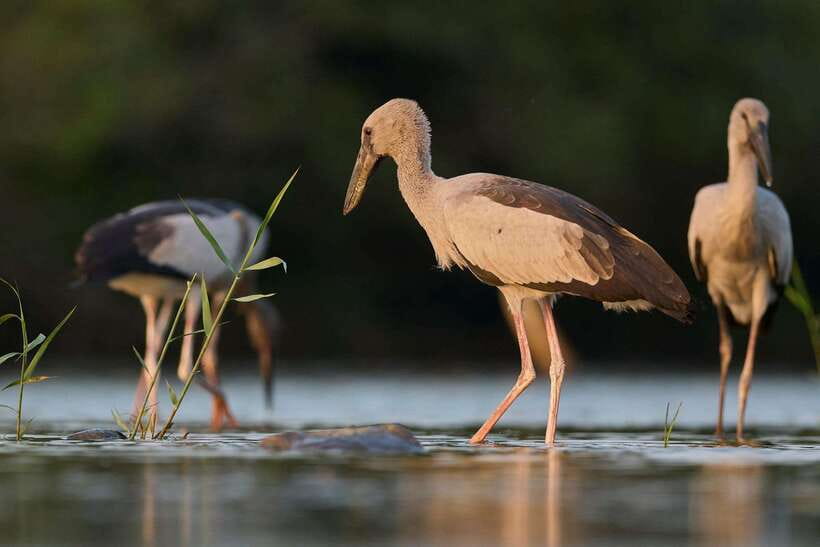
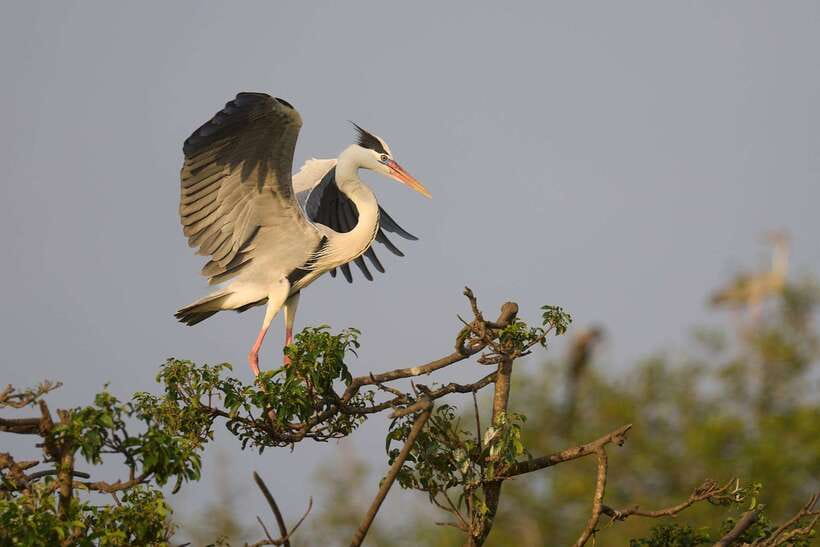
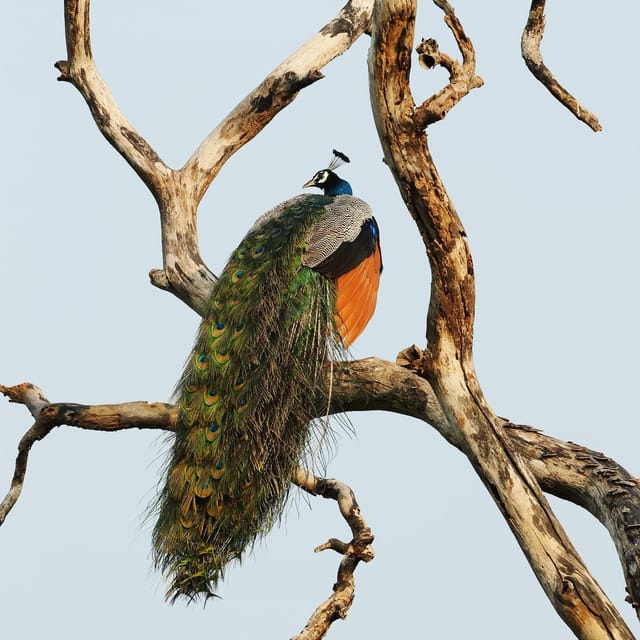
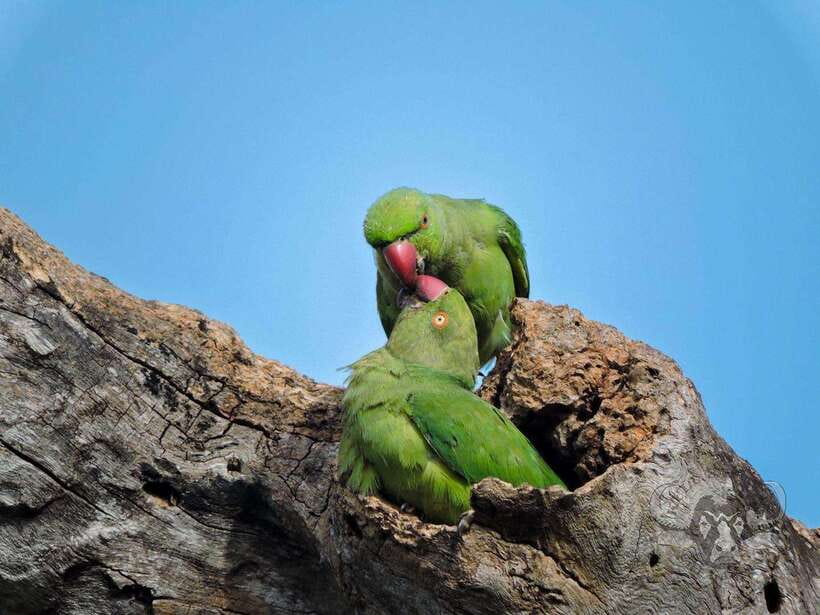
- Birds in multiple sizes, colors, and behaviors
- Sometimes even reptiles like chameleons and other lizards
Birding is where guides often shine. One reason is simple: birds are easy to miss unless someone points them out, and binoculars help you confirm what you’re seeing. If you like wildlife photography, the guide pacing also matters—people note that guides aren’t rushing you through the best moments.
Also, don’t ignore the “boring” moments. When nothing is obvious, you’re still learning the park’s rhythms: tracks in dust, movement in bushes, birds reacting to nearby activity. You’ll come away feeling like you understood more than just the headline species.
Elephant Transit Home Visits at 10:30, 2:30, and 6:00
After the safari, you’ll visit the Elephant Transit Home, a rehabilitation center for young elephants that have been orphaned or injured. The emotionally powerful part isn’t just seeing elephants—it’s seeing the feeding and care routines and the way caretakers support the young ones’ development.
This stop has three open windows: 10:30 AM, 2:30 PM, and 6:00 PM. The timing you get depends on your overall day schedule, but your tour should be planned around one of these sessions. That’s why it’s better than a random, self-planned visit—you’re not gambling on timing.
What you’ll notice is the energy of young elephants. People describe them as playful and social with other youngsters, which makes the rehab work feel more hopeful and real. You also get context for what rehabilitation is trying to accomplish: preparing elephants for life back in the wild.
My practical advice here is simple: treat this like part of the program, not an optional extra. If you care about elephants beyond photos, this is often the moment that makes the entire day feel meaningful.
How Long It Takes and What That Means for Your Day
The tour length is listed as 5 to 9 hours, which can sound like a wide range. In real terms, your exact time on the road comes from where you’re picked up and which Transit Home session fits your day.
For planning your trip, think of this as a “big day trip” rather than a quick outing. You’ll likely have early departure from the coast, a safari block inside the park, then a focused Transit Home visit, and then the drive back.
One thing I’d do if your schedule is tight: avoid stacking another activity right after pickup time. Between transfers and safari timing, the day can stretch closer to the longer end of the range. It’s also a comfort issue—after a wildlife safari, you’ll want time to decompress on the ride back.
The flip side is also true. If you’ve got a wildlife-driven itinerary and want one high-impact day, Udawalawe can deliver in a single shot: elephant rehab plus a park safari.
Price and What Costs Extra (National Park Tickets + Food)
The price shown is about $27 per person, and it includes pickup/drop-off plus safari transport with a guide. That’s good value for the door-to-door element, especially if you’re staying in places like Mirissa, Hikkaduwa, or Galle where arranging a driver for a full day can get expensive fast.
But here’s the budget reality: national park entry tickets are not included (listed at about $37 per adult), and food and drinks are not included. So your total cost becomes the tour price + park entry + whatever you eat.
That doesn’t mean it’s overpriced. It means you should treat this as a full-day wildlife package where the guide, transport, and safari jeep are part of the value, while park fees and meals are standard add-ons in Sri Lanka.
If you’re traveling as a group, one smart move is to plan a snack and water strategy. Several people recommend bringing snacks because the day is long, and you don’t want to waste time hunting for food mid-drive.
Practical Tips: What to Pack and How to Watch Safely
You’ll want to bring an ID or passport. It’s also worth wearing sun-smart clothes because safaris happen outside and you’ll be scanning for movement for long periods.
Pack wise items:
- Water and a couple of snacks
- A hat/sunglasses for the park
- Phone power bank or fully charged phone/camera
- Simple rain protection (weather can shift)
Safety and etiquette matter when animals come close. In Udawalawe, that closeness is part of why the elephant experience feels so different from a zoo. Still, keep your body inside the jeep, follow your guide’s signals, and avoid sudden gestures.
Also consider your comfort in safari jeeps. One small complaint is that getting in/out can be a bit awkward. If you have mobility issues, it’s worth thinking carefully, since the tour also notes it’s not suitable for people with back problems.
Who Should Book This Udawalawe Tour, and Who Should Skip It
This is a great fit if:
- you’re an elephant lover who wants rehabilitation context, not just wildlife sightings
- you enjoy guided wildlife spotting (especially birds)
- you want easy door-to-door transport from the coast
It may be a miss if:
- you need a private, uncrowded jeep experience (the safari can be busy when sightings cluster)
- you have back problems or are pregnant (the tour states it’s not suitable for these cases)
- you’re traveling only for a quick, low-effort outing (it’s a full-day drive and safari rhythm)
If you’re okay with that trade-off, Udawalawe can be one of the most satisfying day trips in Sri Lanka. You’re getting both the thrilling wildlife part and the conservation-and-care part in one structured flow.
Should You Book This Udawalawe Tour?
Book it if your trip includes the Southern coast and you want a high-odds wildlife day without dealing with transport chaos. The comfort of pickup/drop-off, the 4×4 safari jeep, and the Elephant Transit Home visit are the kind of combo that’s hard to replicate cheaply on your own without careful planning.
Skip or rethink it if your main priority is quiet luxury or you’re strict about crowding. Also factor in the extra park entry tickets and plan snacks, since food isn’t included.
If you want one day that mixes wonder with meaning, this is a smart choice—especially for anyone who cares about elephants beyond the photo moment.
FAQ
Where is this tour available for pickup?
Pickup is offered from a long list of locations, including Galle, Mirissa, Hikkaduwa, Matara, Tangalle, Weligama, Unawatuna, and several other nearby towns/areas.
What’s included in the price?
The tour includes complimentary pickup and drop-off and comfortable travel in an air-conditioned vehicle, plus the safari experience with an experienced guide/driver.
Are national park entry tickets included?
No. National Park entry tickets are not included (about $37 per adult).
Is food included?
No. Food and drinks are not included.
How long does the tour take?
The duration is listed as 5 to 9 hours, depending on start time and your schedule.
When is the Elephant Transit Home open?
The Elephant Transit Home has open sessions at 10:30 AM, 2:30 PM, and 6:00 PM.
What language is the live guide?
The live tour guide is listed as English.
What do I need to bring?
Bring an ID card or passport.
Is the tour suitable for pregnant women or people with back problems?
No. It is listed as not suitable for pregnant women and people with back problems.
Are alcohol and drugs allowed?
No. Alcohol and drugs are not allowed.