Four days, four parks, one big-wild feeling. This is a private guided Tanzania safari that stitches together Tarangire elephants, the Ngorongoro Crater bowl, the Serengeti migration drama, and a Lake Manyara flamingo finale.
I love how the days are built around wildlife “hot spots,” not just driving. I also love the human part: guides such as Denis and Gasper are repeatedly praised for finding animals and keeping things clear as you go.
One possible drawback: the itinerary is tight. Expect early starts and long game-drive days, and the famous migrations shift with rainfall, so timing depends on the season.
In This Review
- Key things that make this safari click
- Setting out from Moshi: what this 4-day route is really about
- Day 1 at Tarangire: elephants under baobabs by a river that holds
- Ngorongoro Crater on Day 2: the “bowl” effect and why it matters
- Serengeti on Day 3: the early drive that turns the day into a hunt
- Lake Manyara on Day 4: flamingos, birding, and trees that can hide lions
- Guides and the private experience: why names like Denis and Gasper keep showing up
- What $1,994 covers and how to judge value like a pro
- The real itinerary rhythm: long drives, early light, and picnic lunches
- Where this safari fits you best (and when it won’t)
- Before you book: small questions that prevent big surprises
- Should you book this 4-day private safari from Moshi?
- FAQ
- Where does this safari start from?
- Is this a private safari or shared group?
- How long is the safari?
- What parks are included?
- Are park admission tickets included?
- Are lunches included?
- What time does the safari start?
- What about flamingos during the trip?
- Can I cancel or change the booking?
Key things that make this safari click
- Tarangire’s river corridor is the anchor, with wildlife clustering around the only permanent water supply
- A huge Ngorongoro crater descent (about 2,000 feet) sets you up for dense viewing in a single half-day
- Serengeti done early with a roughly 6:30 am start and 6–7 hours on the ground
- Migration numbers you can picture: zebras, wildebeest, and antelope move based on rainfall
- Lake Manyara’s seasonal salt-lake rhythm brings waves of flamingos and big bird variety
- Private guiding for your group (with support that reviewers describe as flexible and responsive)
Setting out from Moshi: what this 4-day route is really about
This safari is designed for people who want the big hitters of northern Tanzania without stretching the trip to a full week. You’ll base the adventure in the Moshi area, and then spend four days bouncing between parks that each “feel” different on the ground.
The value here is simple: you cover Tarangire, Ngorongoro, Serengeti, and Lake Manyara in a sequence that keeps game viewing strong. You also get a private setup, so you’re not stuck waiting for a crowd to decide whether it’s worth another look at the same tree line.
The pace is the trade-off. You’ll do early mornings, long drives, and full days on safari. If you’re the type who likes to slow down and linger for hours in one park, you may feel a little rushed.
You can also read our reviews of more tours and experiences in Moshi.
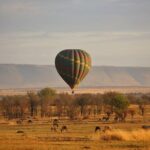
Day 1 at Tarangire: elephants under baobabs by a river that holds
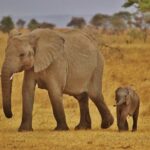
Tarangire National Park is the warm-up day, but it’s not a gentle one. This park is especially known for its unusually high elephant numbers, with references to as many as six thousand elephants. Most of them show up where the water stays put.
The Tarangire River is key. It provides the only permanent water supply in the area, and animals concentrate along it. That means your game drive isn’t a guessing game for long—you’re driving through a natural funnel where wildlife keeps returning.
I also like the baobabs here because they change the scale. These trees can feel cartoon-large once you’re standing in the savannah. Watching elephants feed near them gives you that rare mix of “this is huge” and “this is real.”
What you can expect
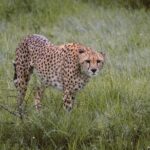
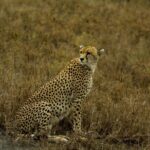
You’ll leave after breakfast, do a game drive in Tarangire, and take a picnic lunch inside the park. The day is framed for real animal time, with a chance at predators too—lions, leopards, cheetahs are all mentioned as possible sightings.
A practical consideration
Tarangire can be busy with wildlife activity where water gathers. That’s great for spotting, but it can also mean more time spent photographing from similar angles. If you’re picky about variety of scenes, ask your guide to vary where you park during the drive.
Ngorongoro Crater on Day 2: the “bowl” effect and why it matters
Ngorongoro Crater is one of those places where the geography does half the work for you. You descend roughly 2,000 feet (about 600 meters) into the crater floor for a half-day tour.
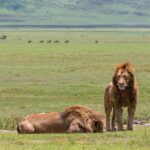
Why that’s valuable: you don’t just “drive around hoping.” You’re working in a contained ecosystem. In one area you can catch forest edges with monkeys and elephants, crater-lake zones where flamingos may show up, and open savannah where predators hunt.
The crater is also described as a collapsed volcano spanning about 102 miles. That size explains why it can feel like multiple worlds at once: tree cover here, open plains there, and water features that attract animals again and again.
What you can expect
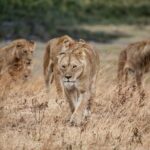
You’ll use lunch boxes for the day’s plan and eat at a picnic site with views over marshes. Hippos and birds are specifically associated with the marsh areas, and lions hunting on the open savannah are part of the typical viewing story.
Possible drawback
Ngorongoro viewing can be intense. People often go in expecting instant results all the time. In reality, animal behavior is the boss, and the crater can shift quickly from active to quiet depending on temperature and time of day.
Serengeti on Day 3: the early drive that turns the day into a hunt
If Day 2 is about the bowl, Day 3 is about the movement. You’ll start with an early breakfast and then head out at about 6:30 am. That timing matters because it helps you beat the heat and catch animals when they’re most active.
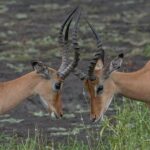
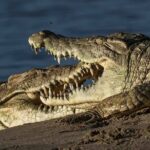
Serengeti is presented as a wildlife powerhouse: impala, buffalo, crocodile, and hippo are all in the mix. But what you really came for is the migration story—numbers large enough to feel like theater.
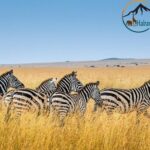
The plan highlights these shifting herds: zebras (around 250,000), wildebeest (around 1.5 million), and antelope (around 500,000). The big catch is that where the herds are depends on rainfall, so even during migration season, your exact sightings can vary from year to year.
What I like about this approach
You get around 6–7 hours in Serengeti, then you head back to Karatu around 2:00 pm. That rhythm balances long viewing time with a realistic end-of-day. It’s also good for energy—because you’ll need it for Lake Manyara the next day.
A practical consideration
Migration is not guaranteed on a specific schedule. If you’re booking during peak months, you’re setting yourself up for a strong chance of classic sightings, but the rain still calls the shots. Your guide’s job is to adjust the route as the herds change position.
Lake Manyara on Day 4: flamingos, birding, and trees that can hide lions
Lake Manyara is smaller than Serengeti, but it punches above its size for variety. The park sits about 120 km west of Arusha, and its namesake is a shallow salt lake that floods and dries with the seasons.
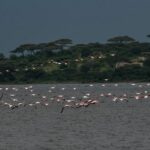
That seasonal cycle matters. When the lake fills, flamingos and many other bird species show up in big numbers. The data here calls out thousands of flamingos and over 500 other bird species, which is a big reason this day feels different from the crater and open-plains style viewing.
Manyara also gives you a “layers” kind of safari. You’re not only scanning grasslands. You may see monkeys and primates in woodlands, giraffes and zebras out on open stretches, and elephants moving through mixed terrain.
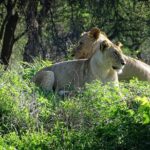
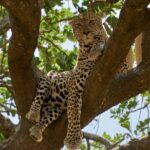
And yes, lions can be part of the story. The park is described as known for lions lounging in the trees, which is exactly the kind of detail you want a guide to watch for.
What you can expect
You’ll do an extensive game drive, then head back to Arusha. Think of the day as a satisfying finale: bird life, primates, and the chance for something unusual like a tree-resting lion.
A practical consideration
Because Lake Manyara is shaped by water changes, wildlife visibility can vary with season and time of day. If your heart is set on flamingos, talk with your guide about when the birds tend to be most active during your visit.
Guides and the private experience: why names like Denis and Gasper keep showing up
A private safari is only as good as the guide behind it. In the feedback for this kind of trip, certain names come up again and again—Denis, Gasper, Julius, Justin, Lio, and Prince. I take that as a sign that the guiding style is consistent: find animals, explain what you’re seeing, and keep the pace comfortable for your group.
You’ll also see evidence of customer service strength. One theme: guides staying flexible when travel plans change, and the team responding quickly when questions come up in advance. Even communication tools like WhatsApp show up as a way people describe getting timely answers.
Another standout in the reviews: adapting to dietary needs. One review mentions support for a gluten allergy, which is exactly what you want to hear for a long day of picnics and scheduled meals.
What this means for you
With a private guide, you can ask questions on the spot. You can also adjust the balance between quick sightings and slower, observational watching. That’s how you end up with better photos and better memories—not just checklist wildlife.
What $1,994 covers and how to judge value like a pro
The price listed is $1,994 per person for a 4-day private guided safari. That’s not cheap, but it’s also not random. Here’s the part you should look at to judge value fairly.
First, this is private, meaning your group isn’t sharing a vehicle with strangers. That affects everything: driving decisions, timing, guide attention, and how long you can linger when something interesting appears.
Second, the tour description includes admissions on several days: Tarangire (Day 1) and Ngorongoro (Day 2) list admission tickets included, and Lake Manyara (Day 4) also lists admission included. Serengeti (Day 3) notes admission ticket as free. You’re not paying park fees in a fully opaque way day by day.
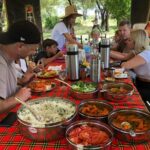
Third, you’re doing picnic-style meals inside parks. The Ngorongoro day specifically mentions picnic lunch boxes, and the crater day includes lunch at a picnic site with views. Those details matter when you’re out all day.
My take
If you want Tarangire + Ngorongoro + Serengeti + Manyara in four days, this price can make sense compared to piecing it together yourself with separate transfers and separate bookings. You’re paying for time saved, a single guiding brain, and less logistical stress.
The real itinerary rhythm: long drives, early light, and picnic lunches
Safari days in northern Tanzania tend to run on animal time. That’s why your schedule includes early breakfast starts and big viewing windows.
- Day 1: After breakfast, you head to Tarangire, then you do a full game drive and picnic lunch before dinner and overnight at your accommodation.
- Day 2: Early breakfast, descend into Ngorongoro, crater tour, crater picnic lunch site, then back up and overnight.
- Day 3: Early breakfast again, then a roughly 6:30 am start for 6–7 hours in Serengeti, with a return around 2:00 pm to Karatu.
- Day 4: Breakfast, then Lake Manyara game drive, then return to Arusha.
That structure is practical. You’re not stuck with one short viewing window per park. You get enough time in each location to have a shot at multiple animal moments.
One note on the schedule: the listing shows a start time of 12:00 am. In practice, the itinerary itself clearly anchors your days around hotel breakfasts and the early Serengeti start. So treat that “start time” as a system placeholder, not a sign you’ll be on safari at midnight.
Where this safari fits you best (and when it won’t)
This tour style is a good fit if:
You’re a first-timer who wants the classic parks in a single trip.
You want the comfort of a private guide and vehicle, rather than a shared group pace.
You care about migration sightings but understand they depend on rainfall.
It may not be your best match if:
You hate early mornings or you’re the type who wants long, quiet time in one place.
You want a slower itinerary with more flexibility for changing weather without feeling “behind.”
Also, because the route is intense, it helps to be realistic about what four days can do. You’ll see a lot, but you won’t experience these parks like a slow road trip.
Before you book: small questions that prevent big surprises
Ask these and you’ll feel more confident:
- Which lodge is your overnight, and is it the same standard each night for your comfort level?
- Can your guide adjust the drive plan if wildlife is active in a different area that day?
- Are picnic lunches and picnic sites handled the same way each day?
- If you have dietary needs, confirm how they’ll handle them for the scheduled meals.
These are the kinds of questions that match what people praise most: smooth planning, flexible guides, and fewer surprises once you’re in Tanzania.
One more reality check: this experience is non-refundable and cannot be changed for any reason. If your travel dates might shift, plan carefully before committing.
Should you book this 4-day private safari from Moshi?
If your dream is to hit Tarangire elephants, the Ngorongoro Crater in one big viewing day, then go into the Serengeti with a real chance at migration, and finish with Lake Manyara flamingos and birds, this itinerary makes a strong case. The private guiding element is where it earns its keep, and reviews give clear signals that guides like Denis and Gasper take the job seriously.
Book it if you want maximum wildlife time with a single team running the show. Consider another option if you want a slower pace or you’re easily worn down by early starts and long days.
Bottom line: this is the kind of safari route you’ll remember when you’re back home, because it stacks iconic habitats into a format that actually works on the ground.
FAQ
Where does this safari start from?
This safari is based in Moshi, Tanzania, and the experience includes pickup offered.
Is this a private safari or shared group?
It is private. Only your group participates.
How long is the safari?
The duration is 4 days (approx.).
What parks are included?
You visit Tarangire National Park, Ngorongoro Crater, Serengeti National Park, and Lake Manyara.
Are park admission tickets included?
Admission Ticket Included is listed for Day 1 (Tarangire), Day 2 (Ngorongoro Crater), and Day 4 (Lake Manyara). Day 3 (Serengeti) lists Admission Ticket Free.
Are lunches included?
The schedule includes picnic lunch in Tarangire, picnic lunch boxes for Ngorongoro Crater day, and lunch at a picnic site during the crater visit.
What time does the safari start?
The meeting point section lists a start time of 12:00 am.
What about flamingos during the trip?
Flamingos are mentioned for Ngorongoro Crater (lake area) and Lake Manyara (thousands of flamingos).
Can I cancel or change the booking?
No. The experience is non-refundable and cannot be changed for any reason.